Tag: Unique foods

  • What’s It Like To Carve An 85-Pound Wheel Of Parmesan Cheese?

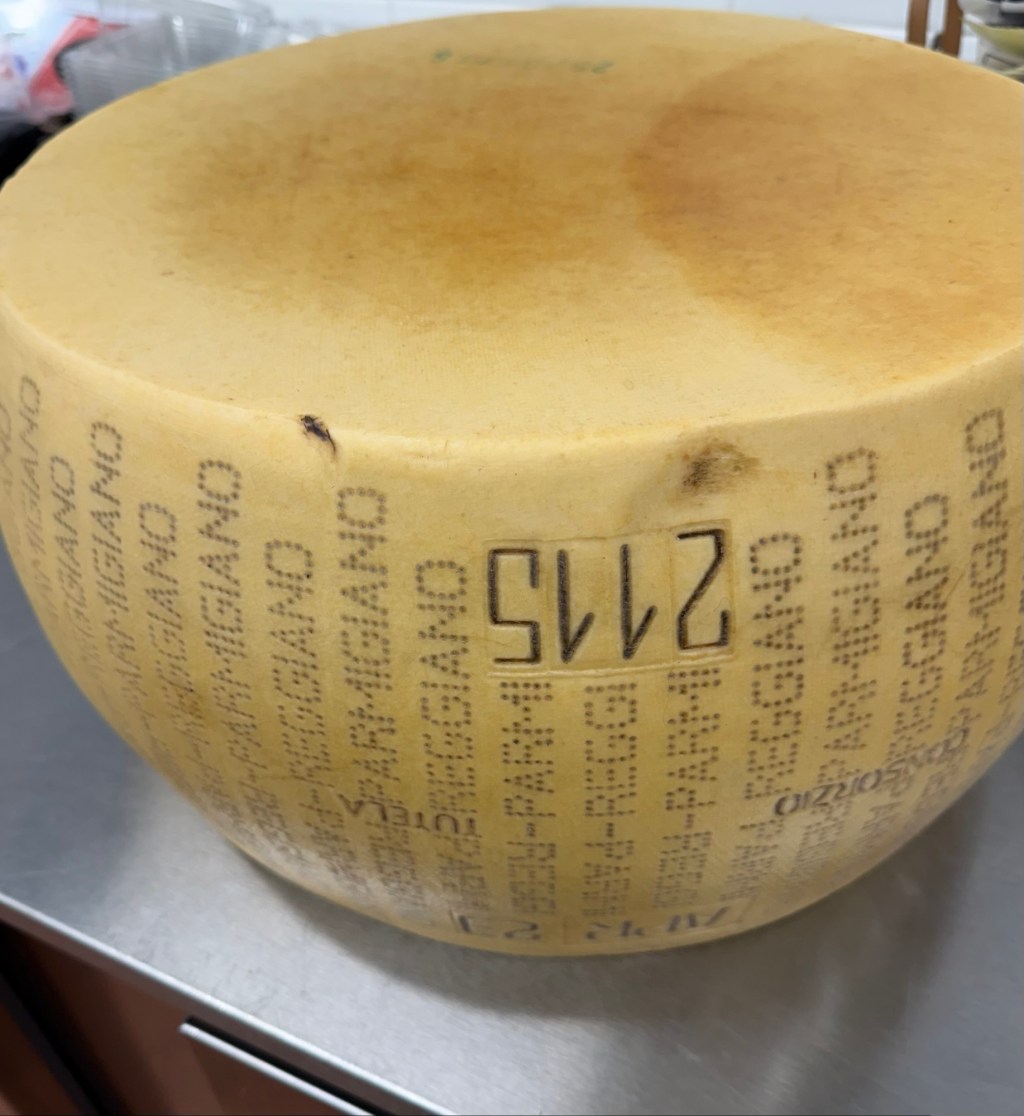
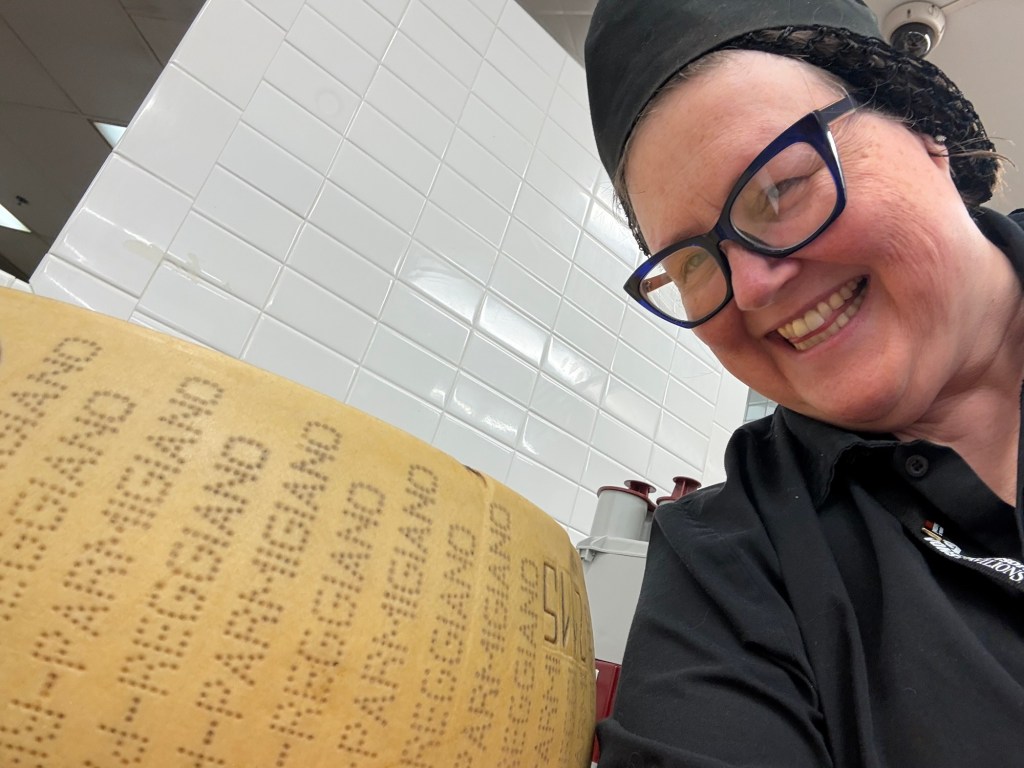
    What’s It Like To Carve An 85-Pound Wheel Of Parmesan Cheese?

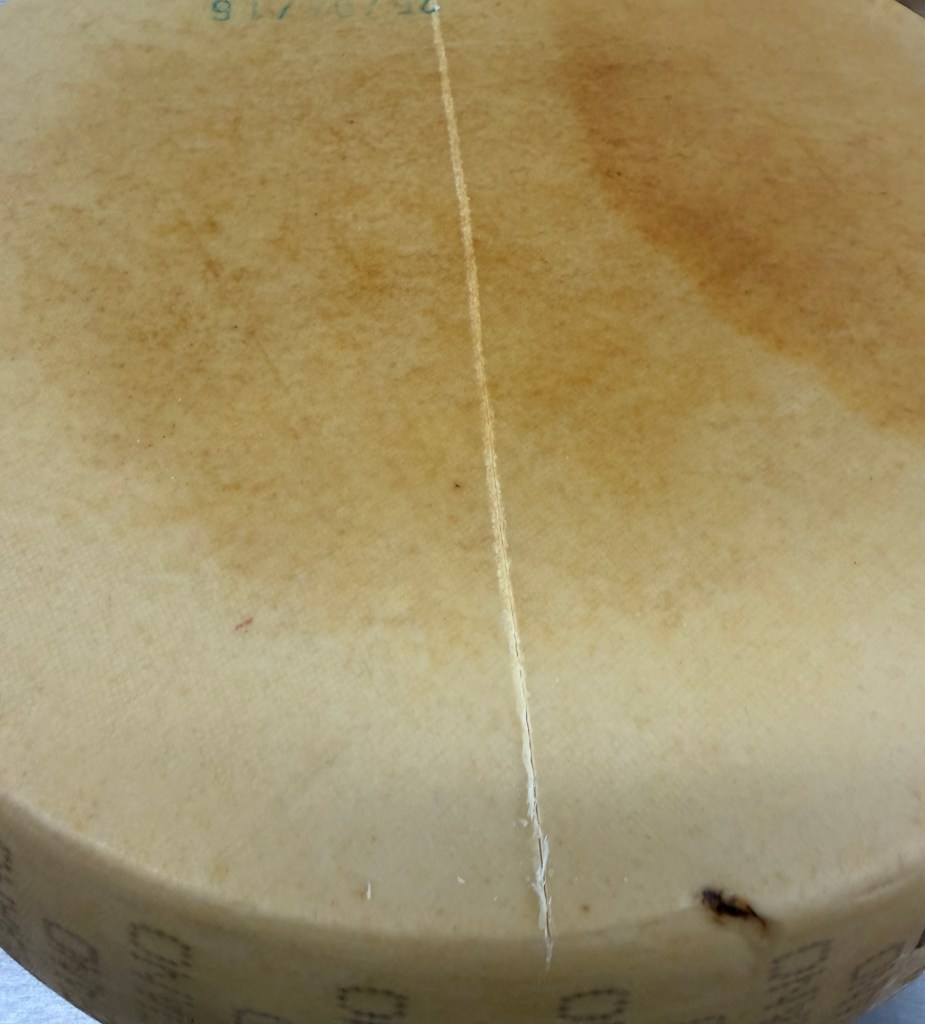
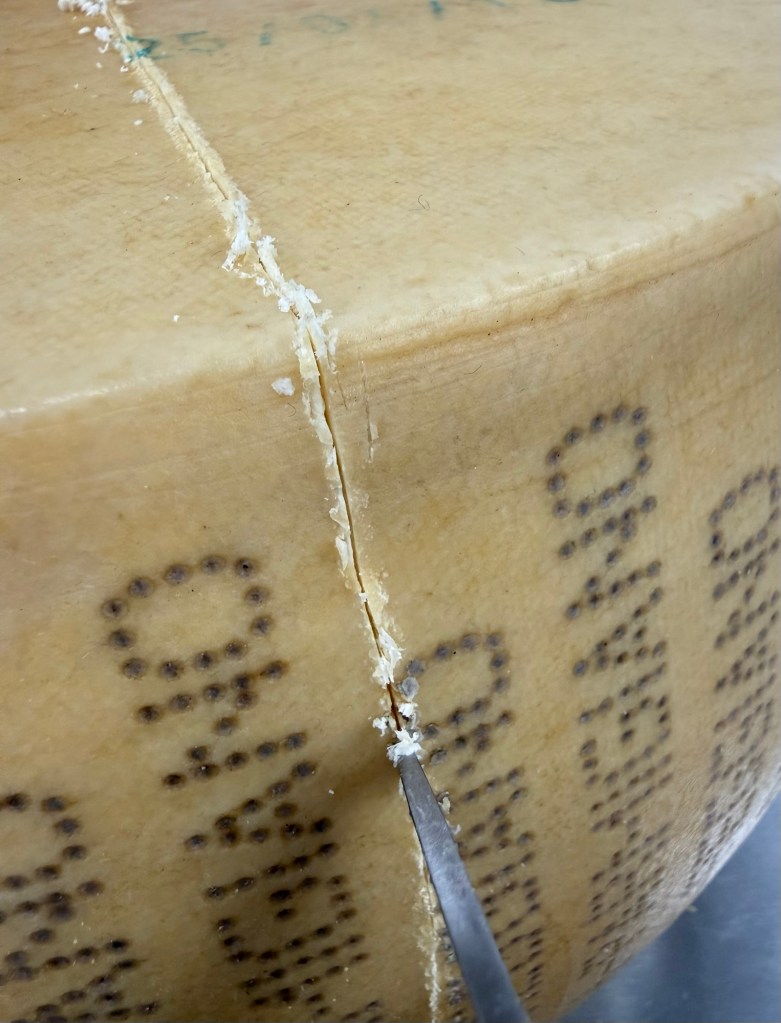
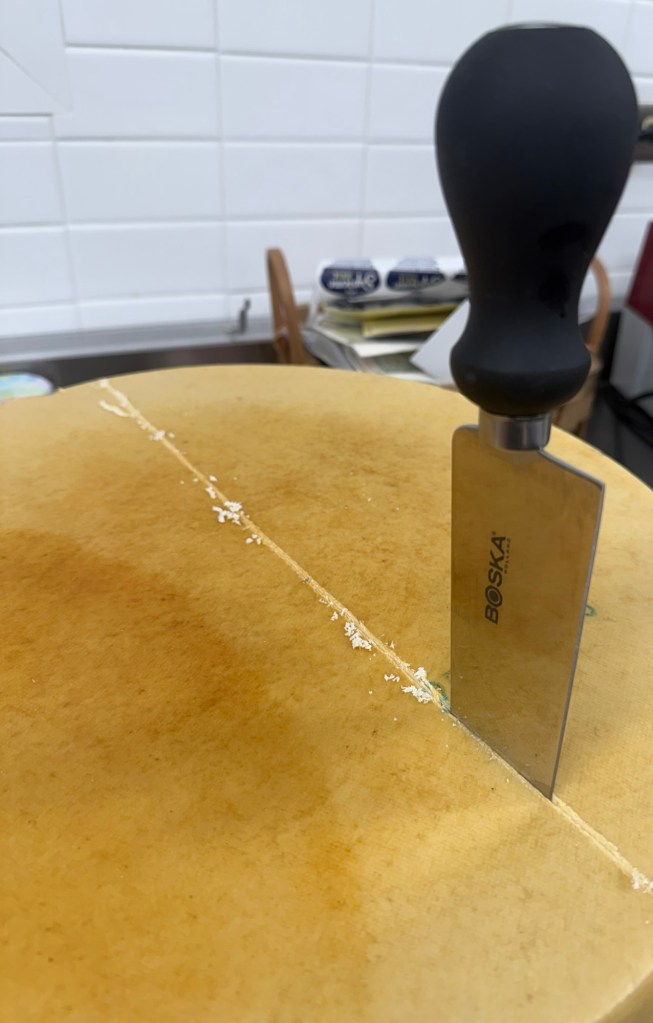
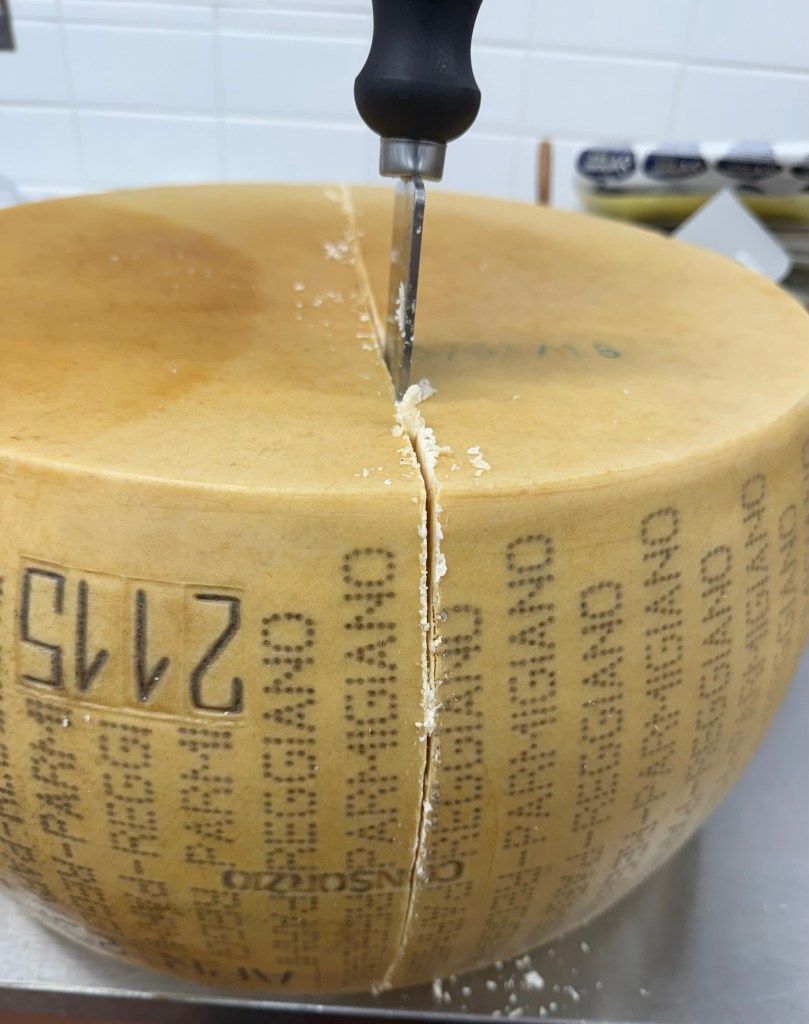
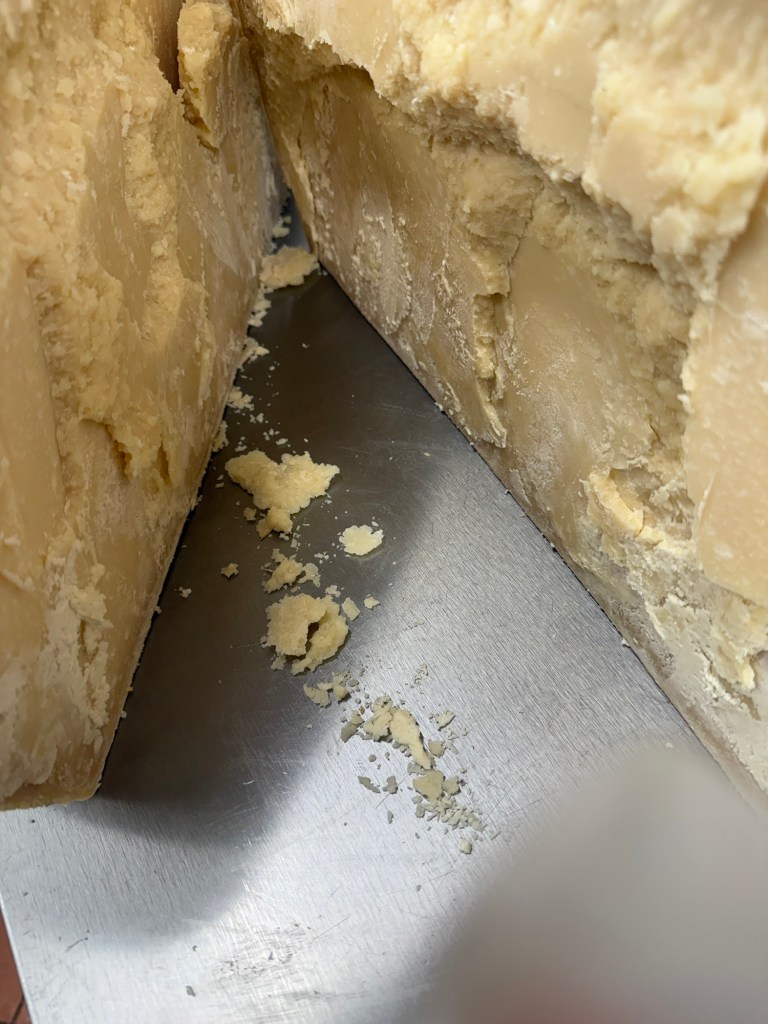
    This is something I never envisioned doing until I became a professional cheese monger. It is exciting, a bit daunting and definitely exhausting…mostly it is fun.

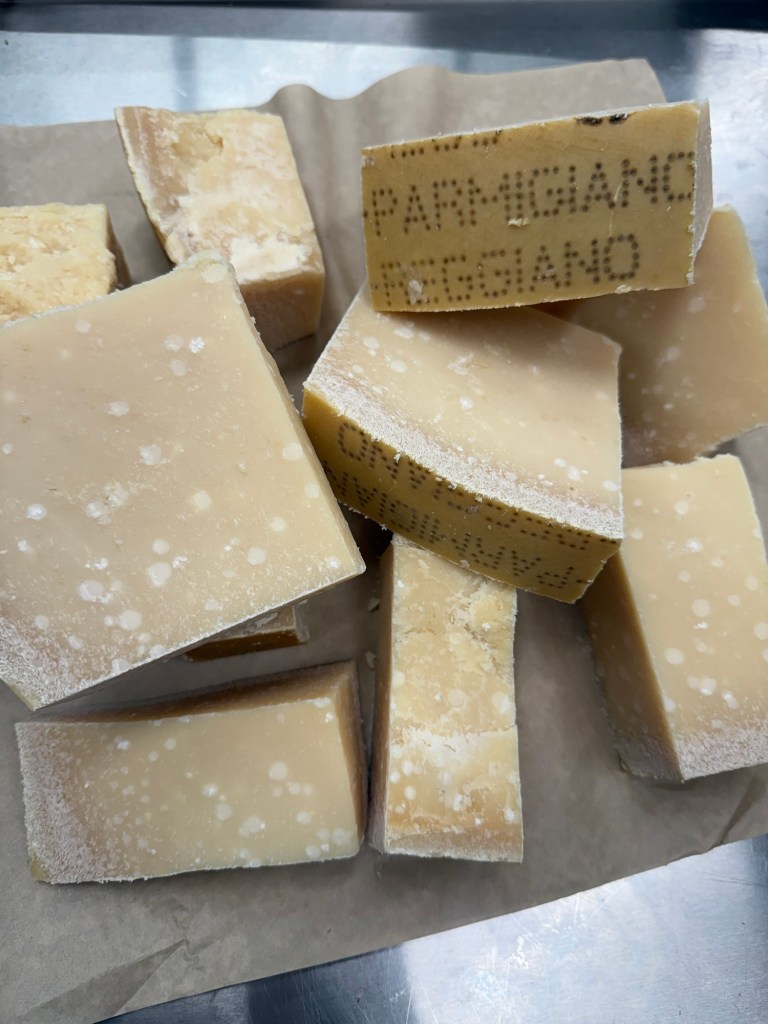
    Authentic Parmigiano Reggiano is strictly regulated in Italy and can be made in only a handful of specific regions. As a result, it is more expensive than cheaper Parmesan versions made within the United States. Each Italian wheel, made from just milk, salt and rennet, is inspected and certified.

    The taste difference between authentic Italian Parmigiano Reggiano cheese and cheaper Parmesan alternatives is staggering. Authentic Italian Parmigiano Reggiano is made from unpasteurized milk whereas most American Parmesan is made from pasteurized milk. The Italian cheese tastes sharper with a nutty flavor. The U.S. versions are milder and smoother in texture. BelGioioso Cheese is one of the few American exceptions that uses unpasteurized milk for its Parmesan. BelGioioso is based in Wisconsin as an FYI.

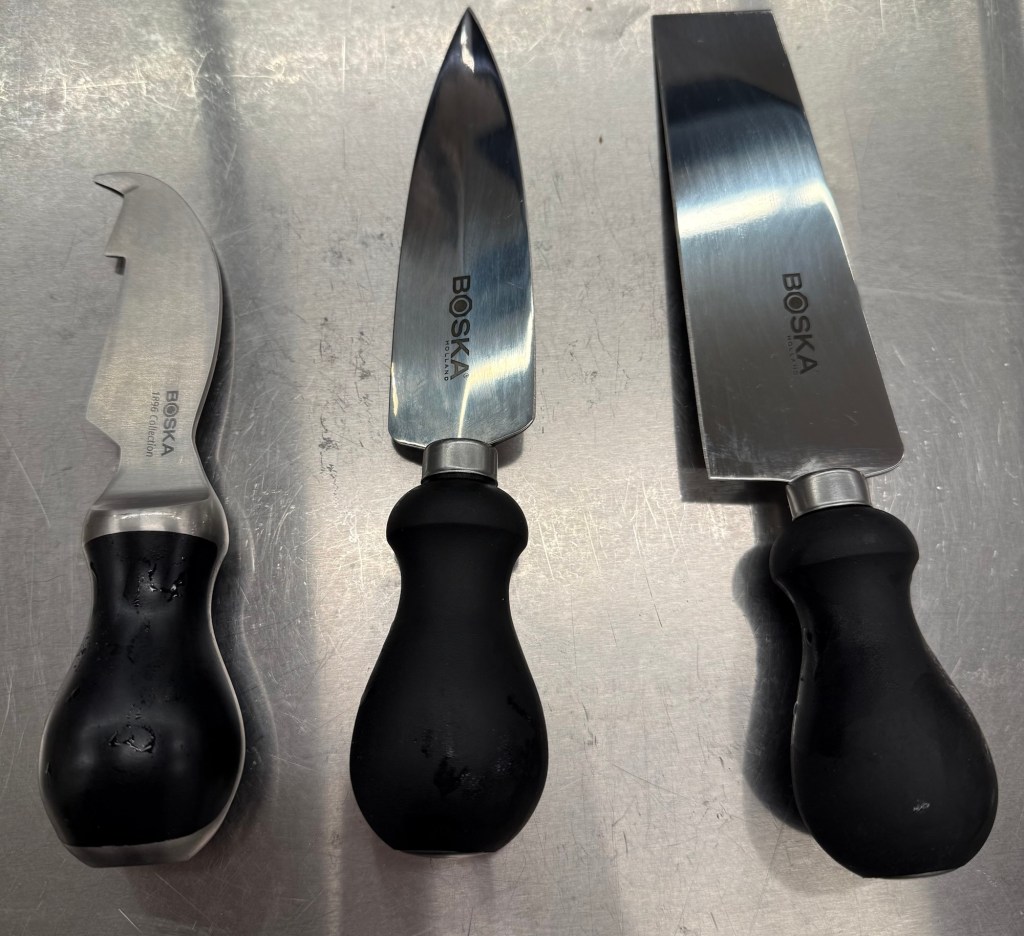
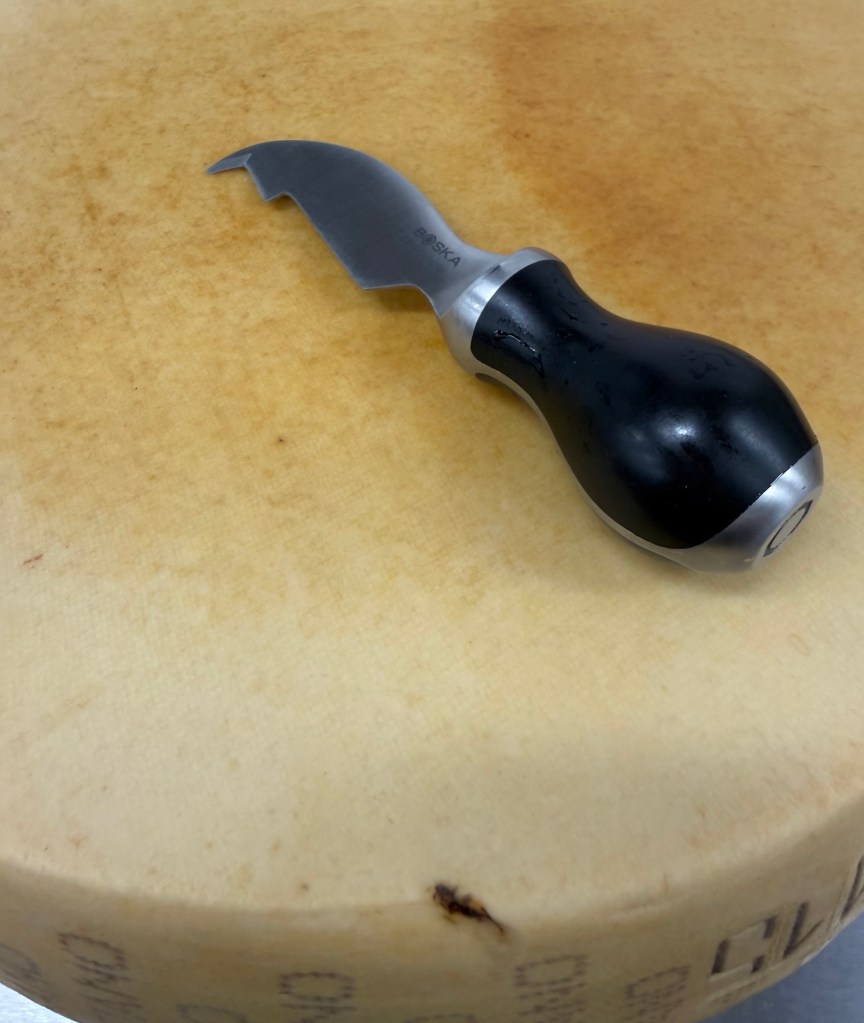
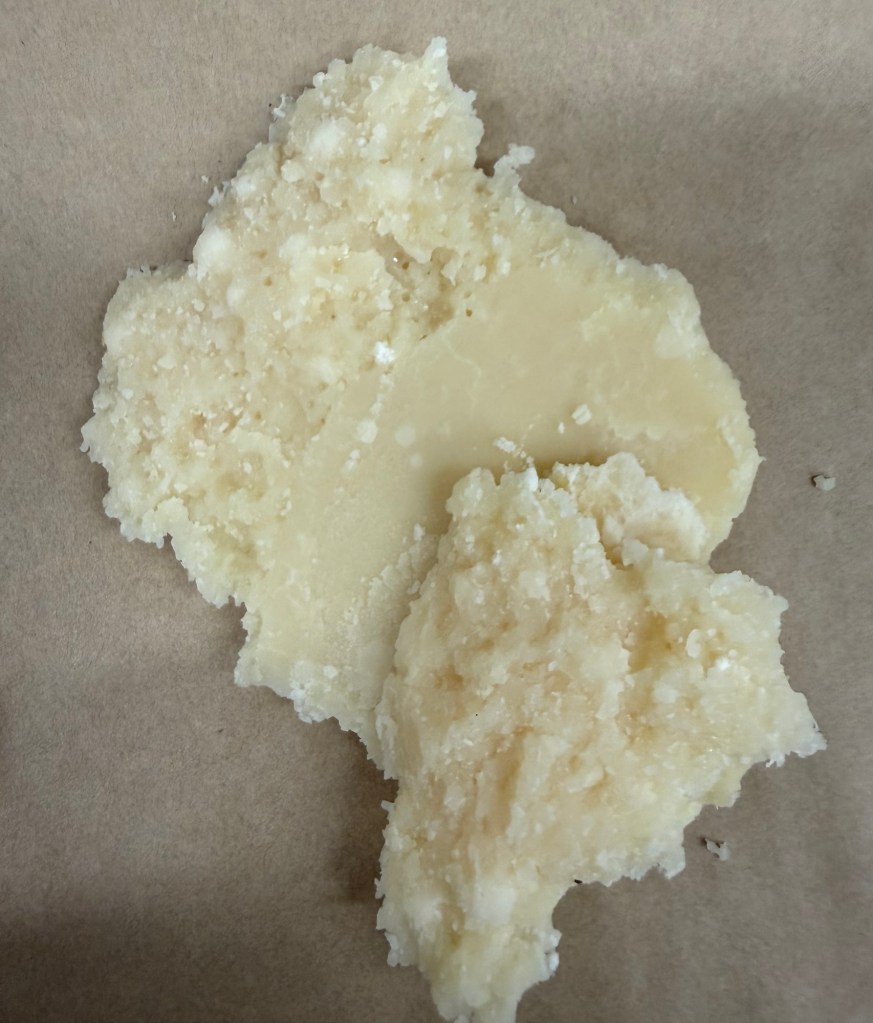
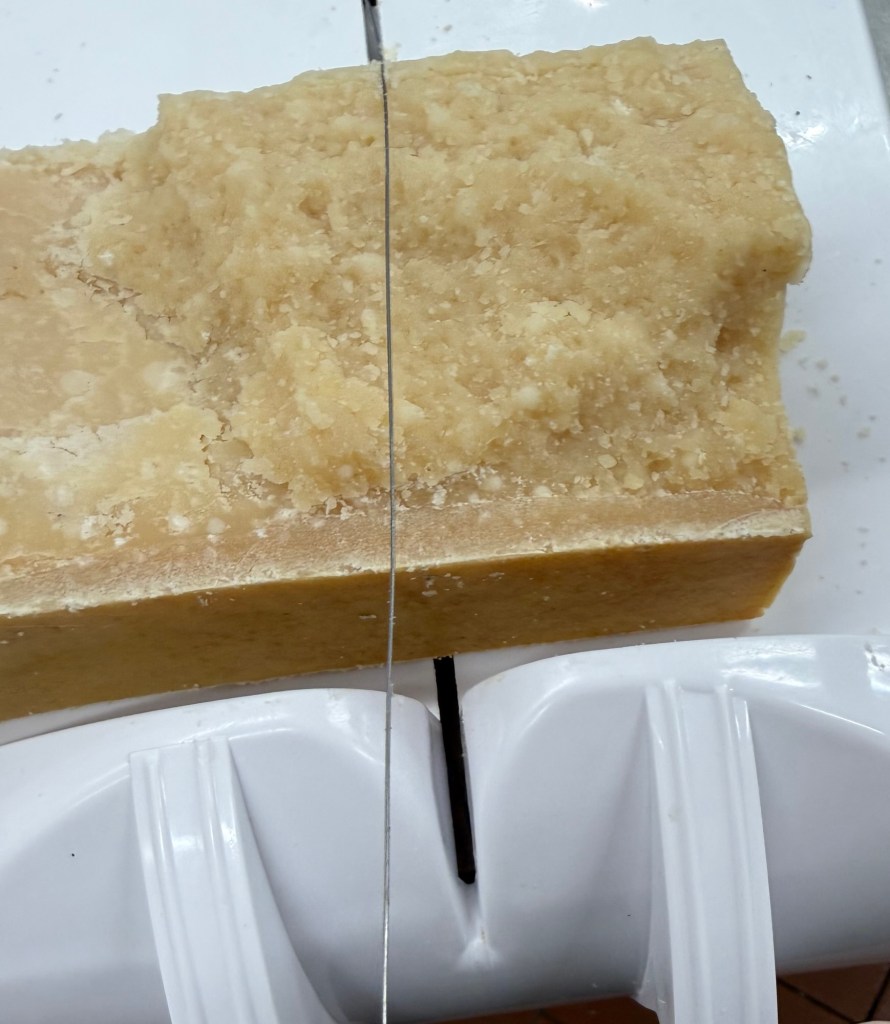
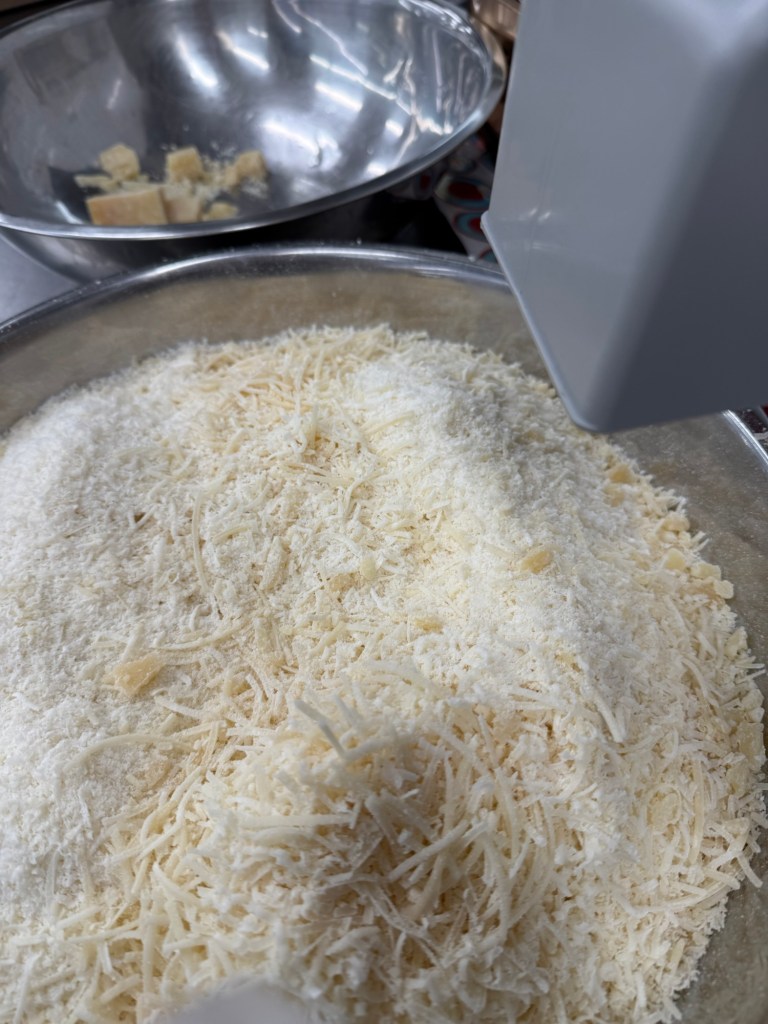
    For me, the entire process of cutting into the wheel, splitting the wheel into two and then dividing the two halves into four pieces is a multi-hour process. I then take one of the wheel quarters and divide that into two pieces which I then cut into smaller pieces. I should add that by the time I am finished, my entire workspace is covered in a blanket of cheese snow.

    At my store, I enjoy sharing samples of a freshly cut wheel with my customers. For those who are somewhat familiar with authentic Italian Parmesan, it is a happy reunion with an old friend. For those new to authentic Parmesan from Italy, the look of discovery is a joy for me to witness.

    I like to remind my friends and customers that a little Parmesan goes a long way. I love using it in my salads, egg dishes, soups and sauces. It goes without saying what it does to pasta. A high-quality Parmesan is especially critical if you’re making an Alfredo sauce. I learned to make this pasta dish from two Italian ladies visiting a friend. I cringe if I see someone adding milk or cream to Alfredo – that’s a big no-no. If you make the dish the authentic way with just pasta, butter, pasta water, Parmesan, salt and black pepper you will really appreciate the difference a high-quality Parmesan makes.
    Finally, stores like mine that sell authentic Parmigiano Reggiano cut from wheels will also sell Parmesan rinds. The rinds are great for both flavoring and thickening soups, sauces and stews.

    Mangia, mangia!

  • Lobster Roll

    I first discovered the delicious treat known as the lobster roll years ago while attending college in Massachusetts. At the time, I had no idea of the controversy: cold or hot, celery or no celery and, of course mayonnaise or no mayonnaise. Many heated arguments have erupted over these questions. Depending upon what state you go to, for example Maine or Connecticut, determines your definition of a lobster roll.

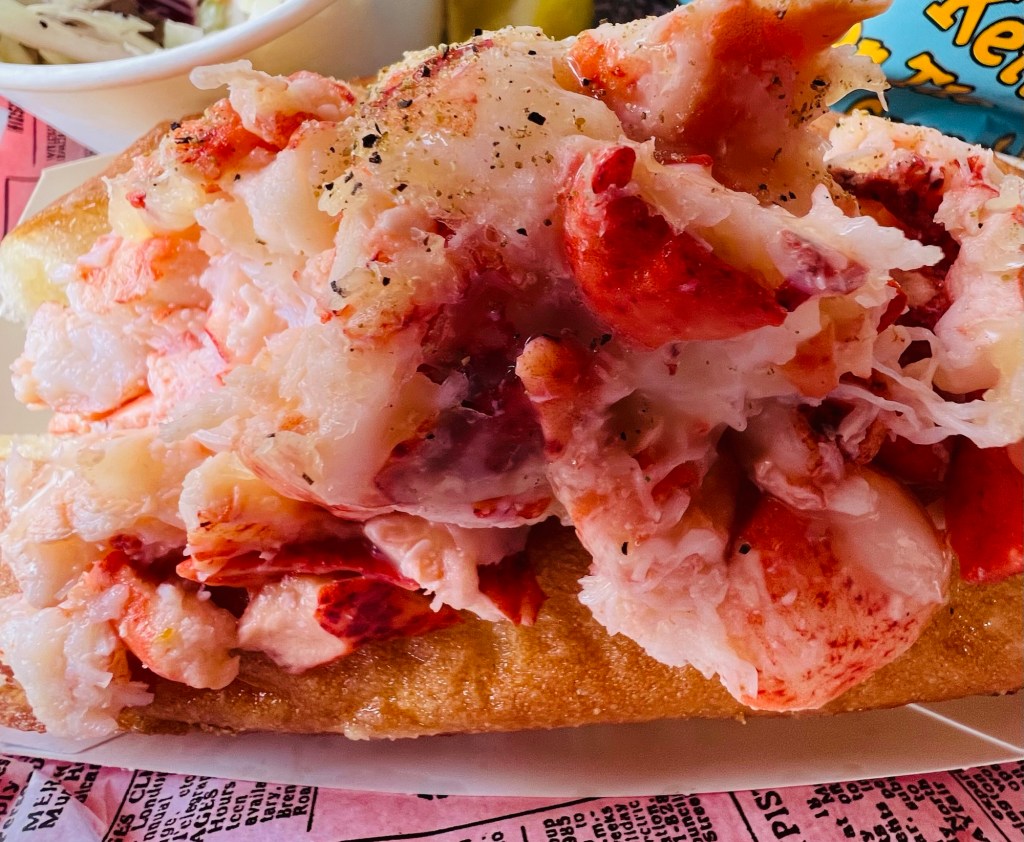
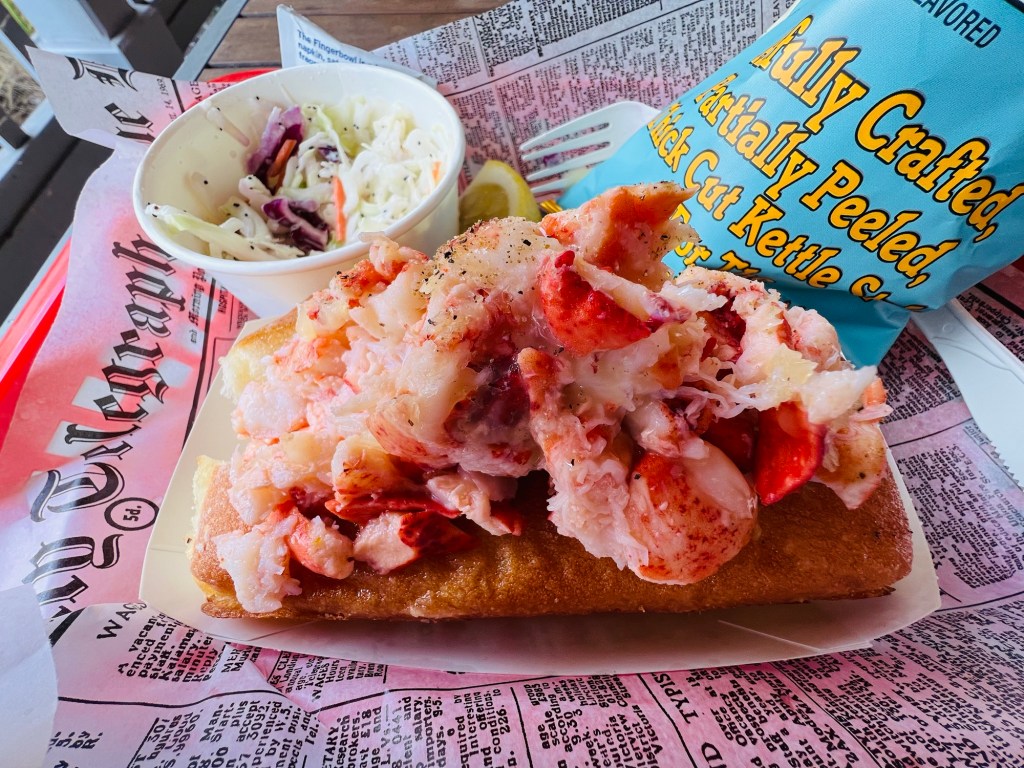
    Personally, I like mine Connecticut style which means butter, salt, pepper and lemon juice. I have tried the cold mayonnaise version and it is just not my thing. Also, to those who add celery – wrong! Lobster has a very delicate taste and I think that it interferes with the flavor of lobster versus complimenting it.

    The lobster roll sandwich goes back to the 1920s but really gained popularity in the 1970s. I went to college in the 1980s and never heard of lobster rolls until I was in Massachusetts.

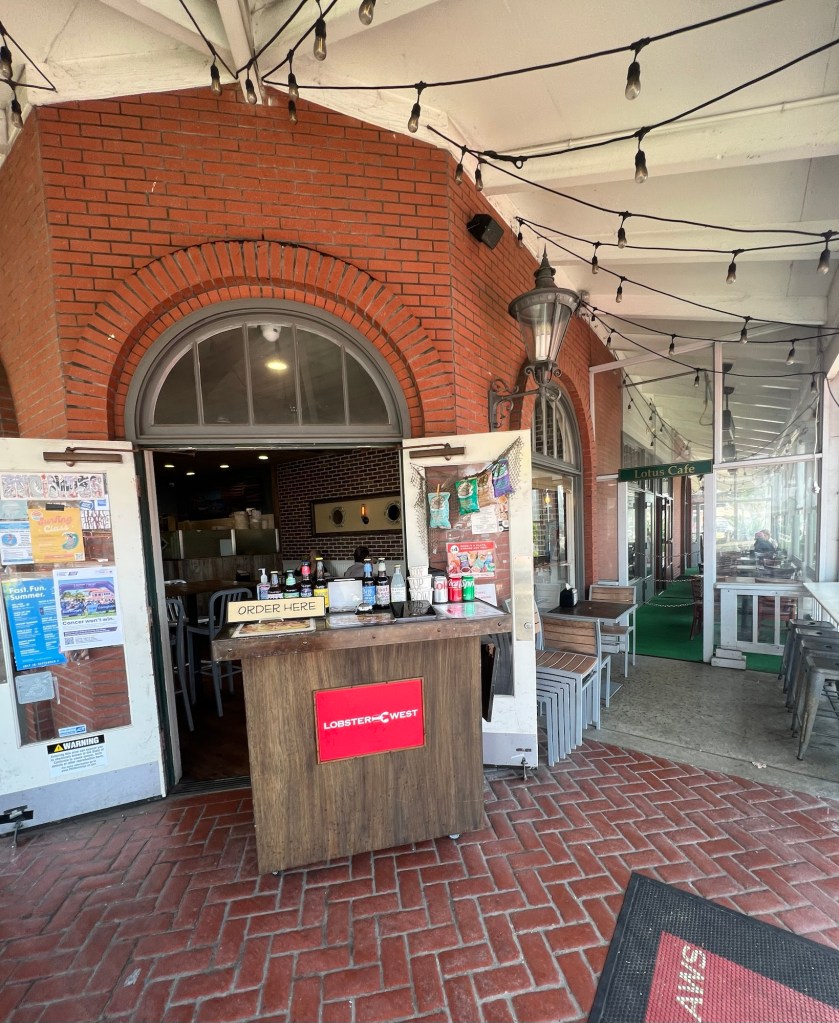
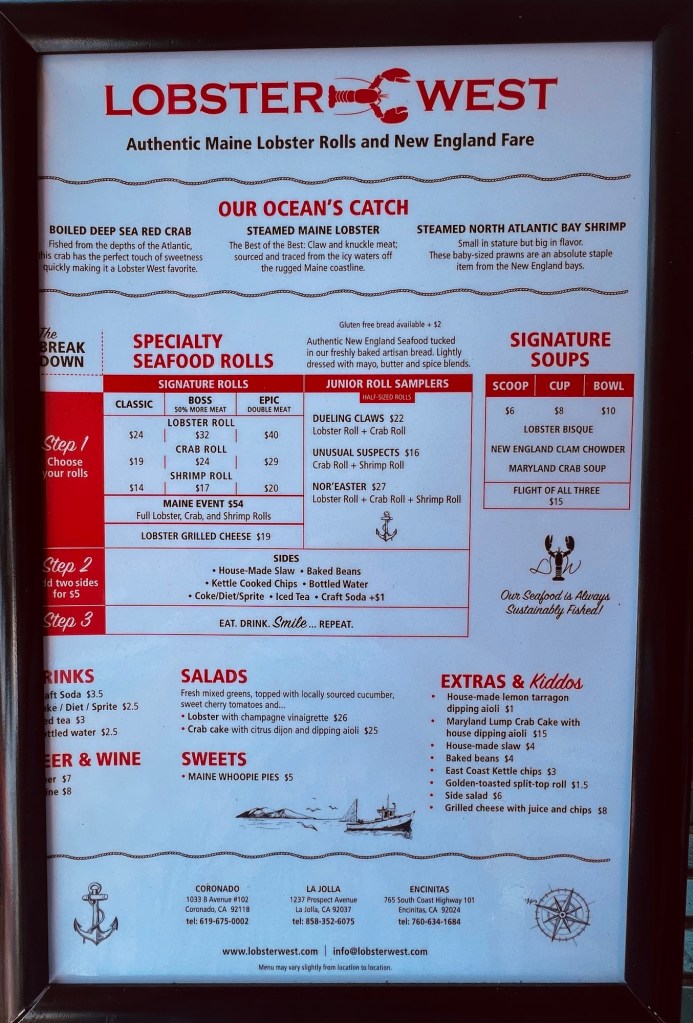
    Locally, we go to Lobster West in Encinitas California for our sporadic fix. The place not only prepares the lobster perfectly but serves the sandwich on the perfect toasted roll with the right amount of melted butter! In addition, whenever I am in Massachusetts for one of my college reunions, I always make sure to enjoy a lobster roll.

  • Say Cheese!

    Say Cheese!

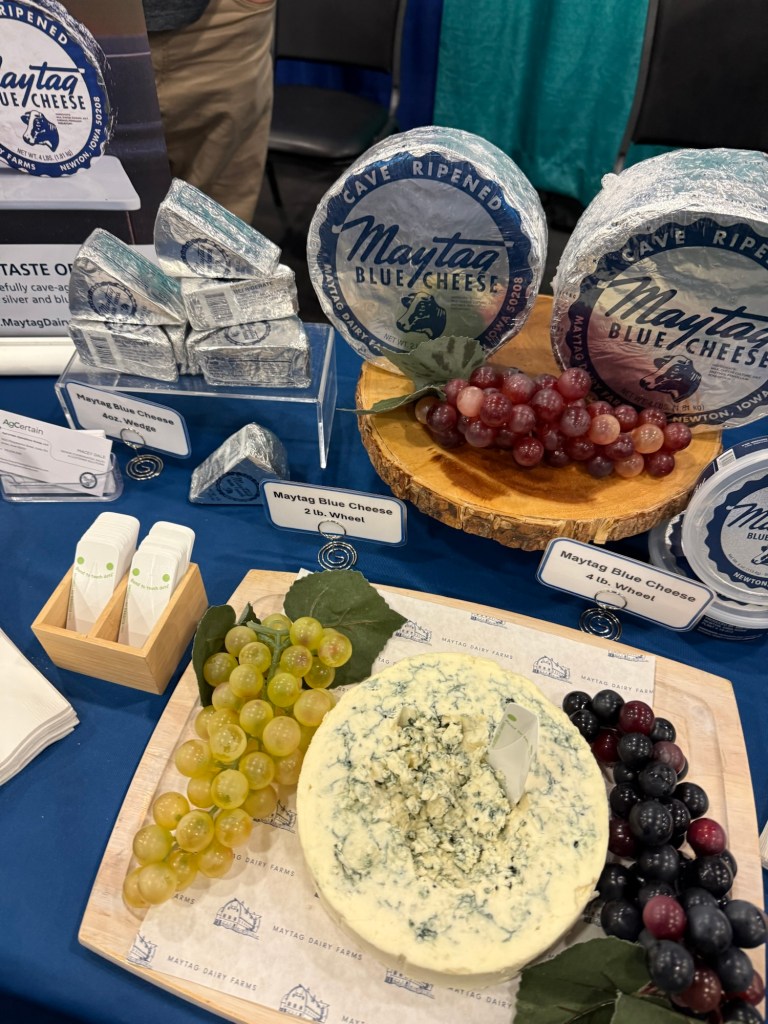
    I recently attended Gourmet Foods International’s San Diego Food Expo. I enjoyed every aspect of the experience…except, perhaps, that feeling of being so full by the end of the day.

    The day started early in the morning with a series of classes:

    French and American Hams for Charcuterie Boards

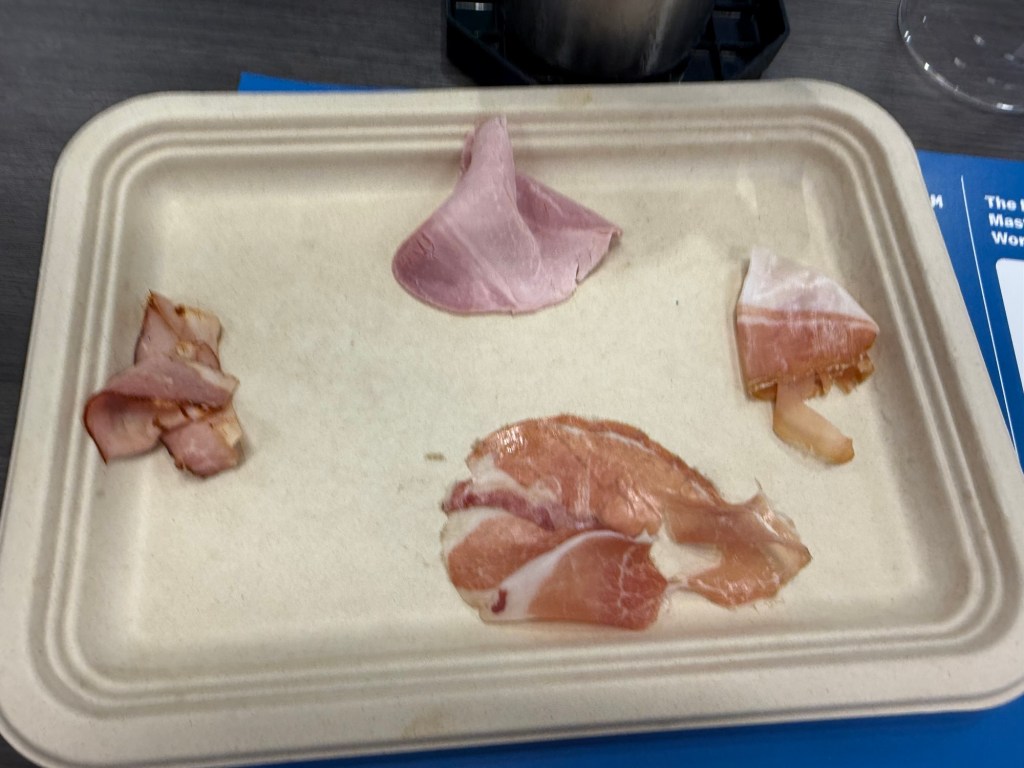
    I loved learning about the history behind the Jambon-Beurre. It is the classic Parisian sandwich made with just three ingredients: baguette, ham and butter. What makes this simple sandwich so special is the quality of all three ingredients. French butter, in particular, is a lot more rich and creamy than the American version. The ham, Jambon de Paris, is a wet-cured and boiled ham that is not smoked. It is very tender and not salty. I must confess that while I was in Paris, I focused on two other classic French dishes – soupe a l’ oignon and croque-monsieur. That said, I can’t wait to go back to Paris for a Jambon-Beurre.

    Next up, the president/owner of The Spotted Trotter out of Atlanta Georgia spoke about his background as a chef at French Laundry in Napa Valley and his desire for a greater purpose – to create fine American-made charcuterie meats. We sampled his Tasso Ham (a heavily spiced and pecan-smoked meat) and Culatello Prosciutto (made from the center of the pig leg and known as the king of prosciuttos). Both were immensely delicious and impressive.

    California Cheeses

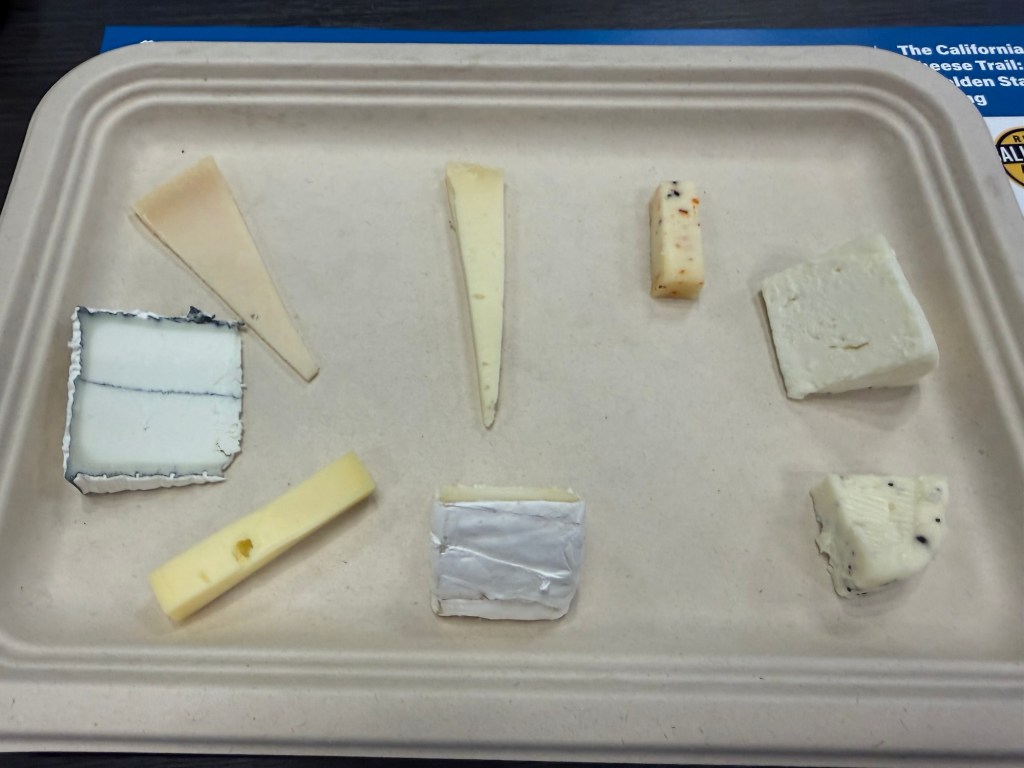
    Highlights included meeting one of the three sisters who own Point Reyes Farmstead Cheese – a company that started out only making blue cheese. The company has expanded with other products and now makes several versions of Toma which the president described as an Italian cheese with a Dutch twist. I loved her suggestion of using the company’s TomaRashi (Toma flavored with Japanese chili flakes, ginger, orange peel, nori and nigella seeds) in tacos.

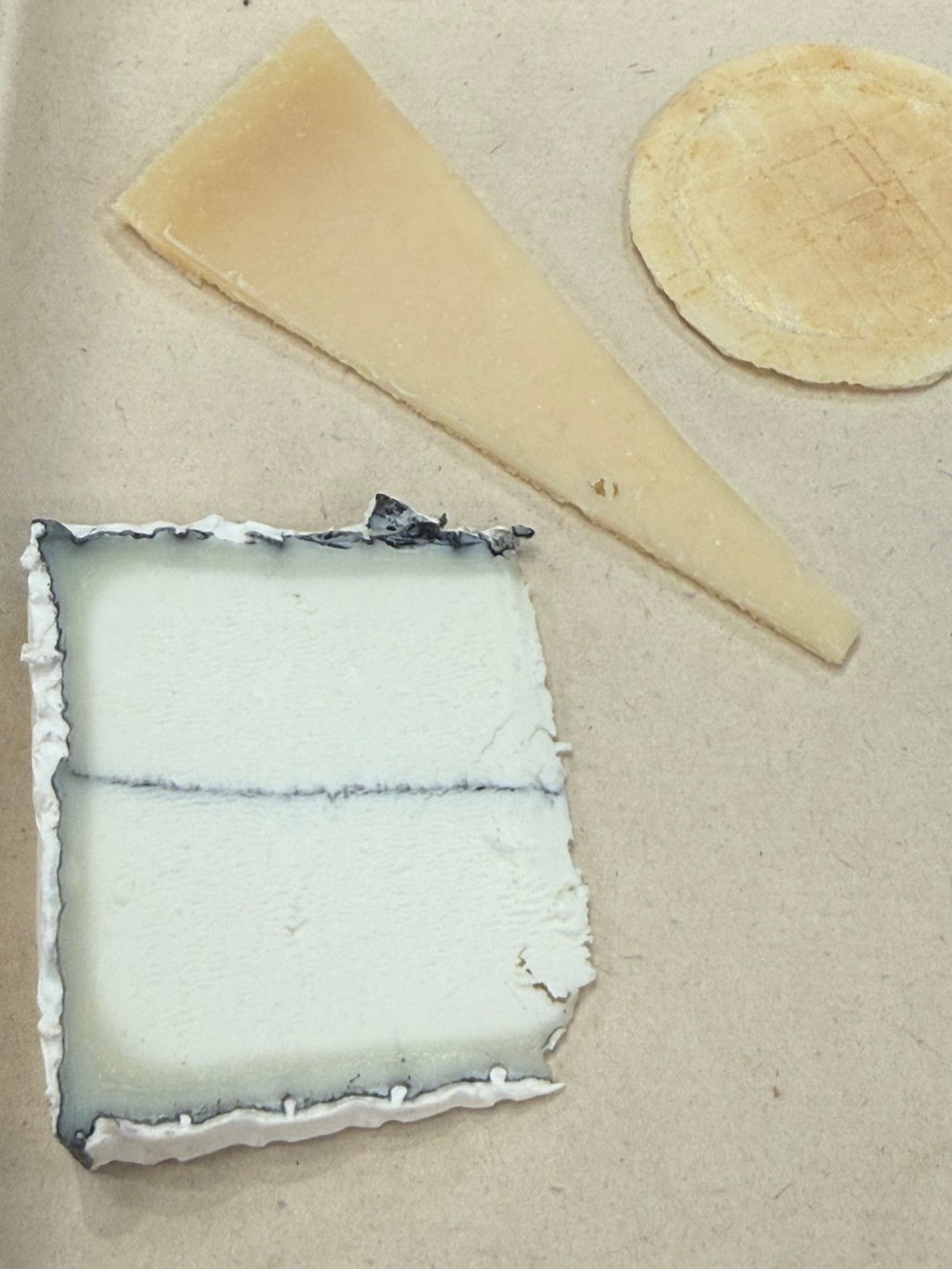
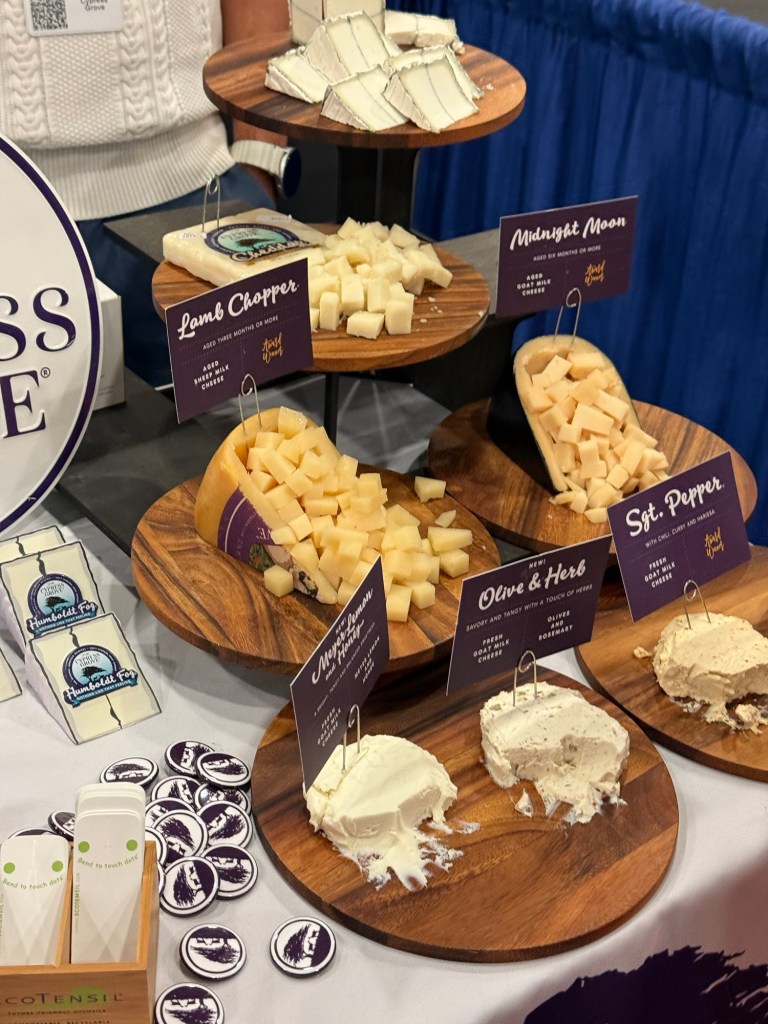
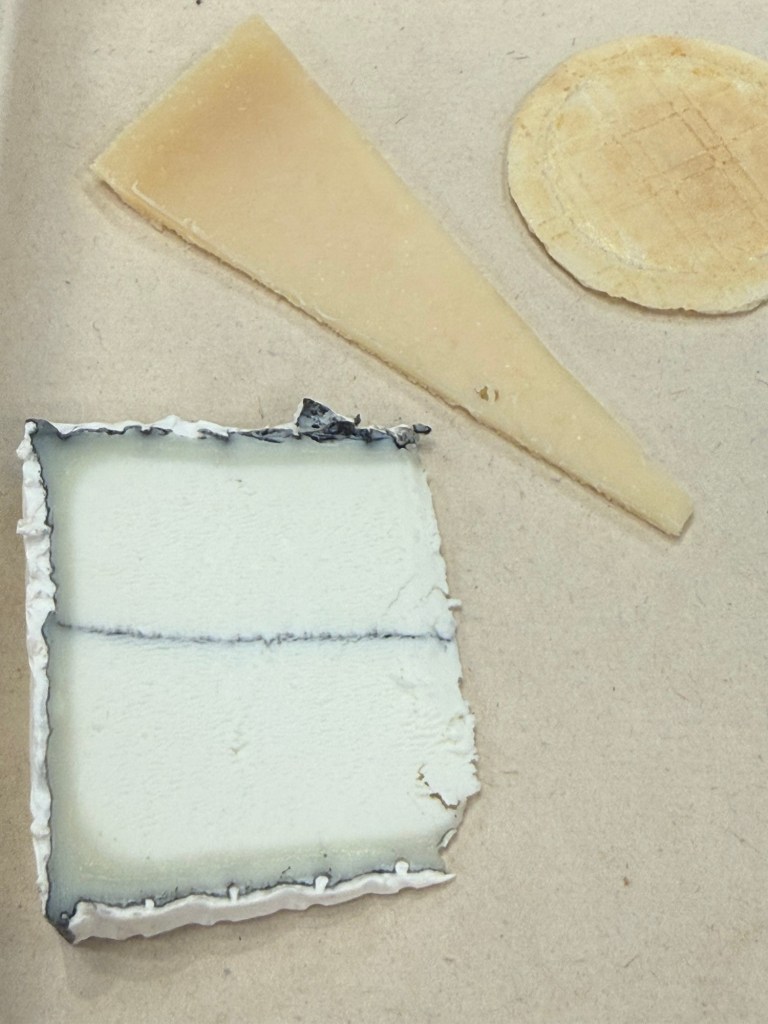
    Cypress Grove Cheese brought its spectacular Humboldt fog cheese – a yummy goat cheese with a gooey layer under the rind and a layer of vegetable-based ash in the center. You really have to try it to appreciate it. This cheese looks like a work of art. In addition, the Cypress Grove representative brought their Dutch-made goat Gouda called Midnight Moon. This cheese is so smooth and sweet. I sell a lot of it in my store. I almost think it has a cult-like following. It is an expensive cheese but so worth it.

    Cheese Pairings

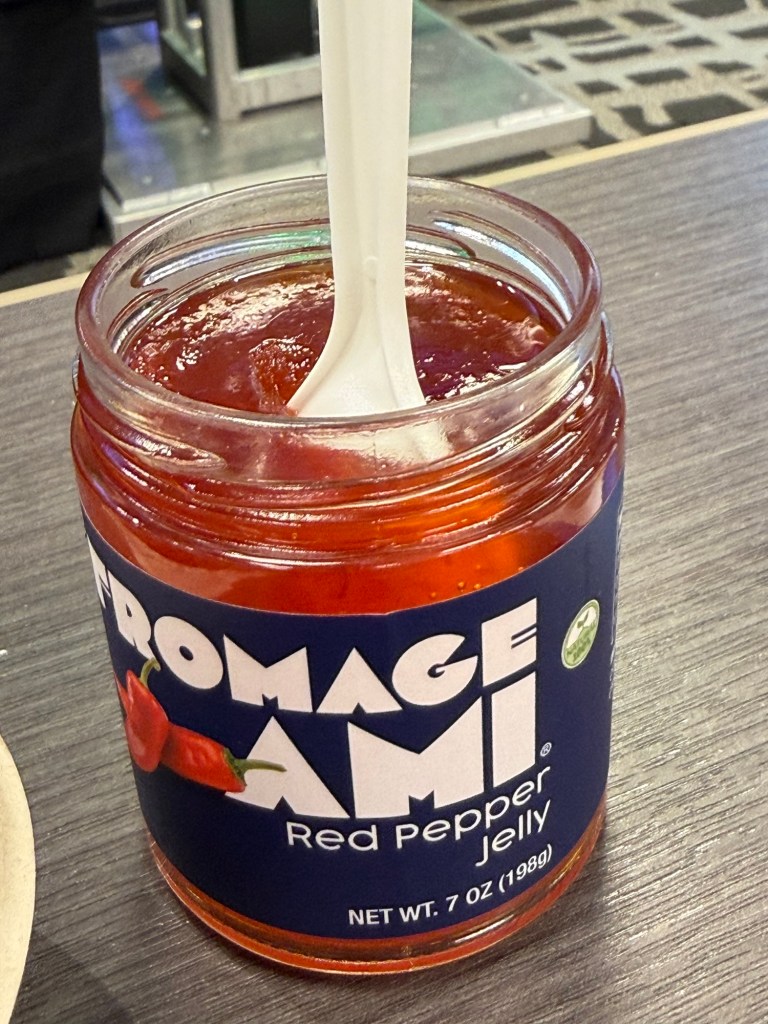
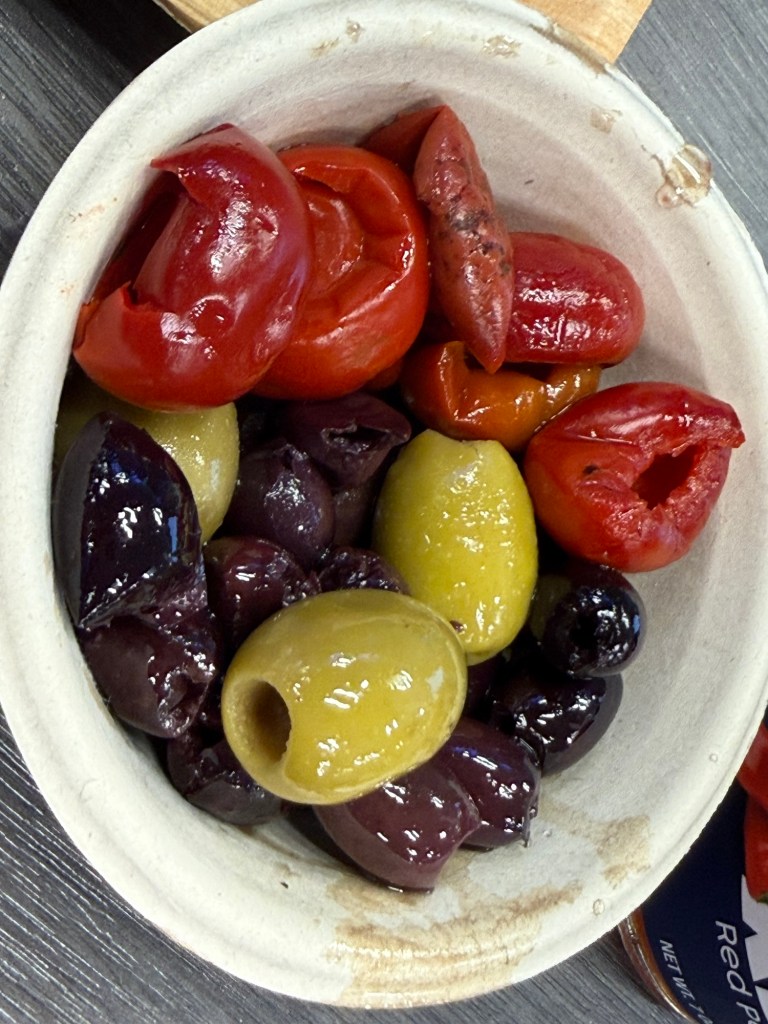
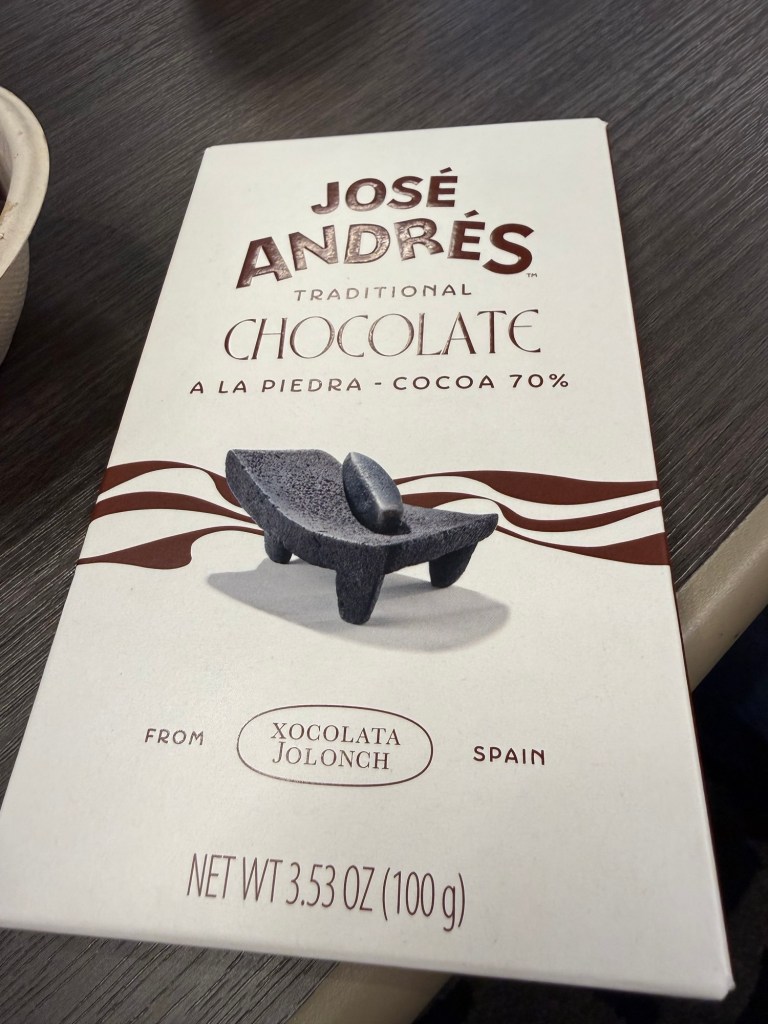
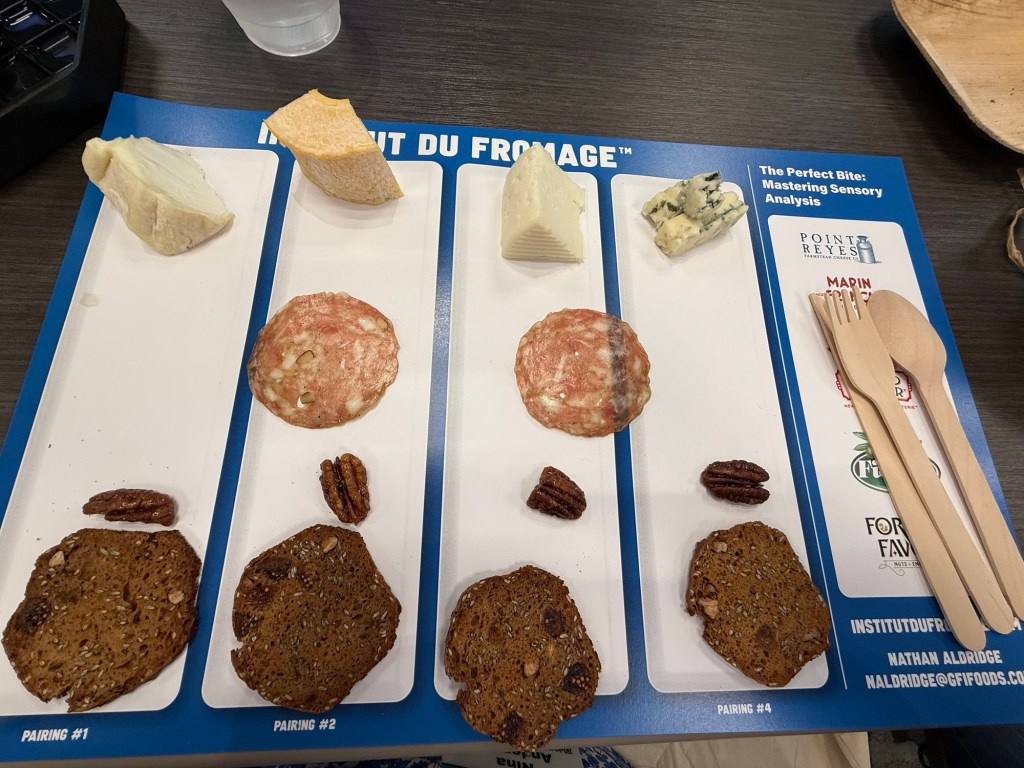
    In this class, we were given an assortment of cheeses, including Point Reyes Bay Blue, Vermont Creamery’s Hooper (creamy cheese shaped like a donut) and Marin French’s Breakfast Brie (a soft and rich Brie without a rind). The Bay Blue has a fudge-like texture with a more mellow and sweeter taste than their original blue cheese. It really complimented the Jose Andres dark chocolate. Also, I enjoyed the Breakfast Brie with the pepper jelly. My other favorite pairing was the Marin French breakfast cheese with sweet peppers.

    The Convention Hall Booths

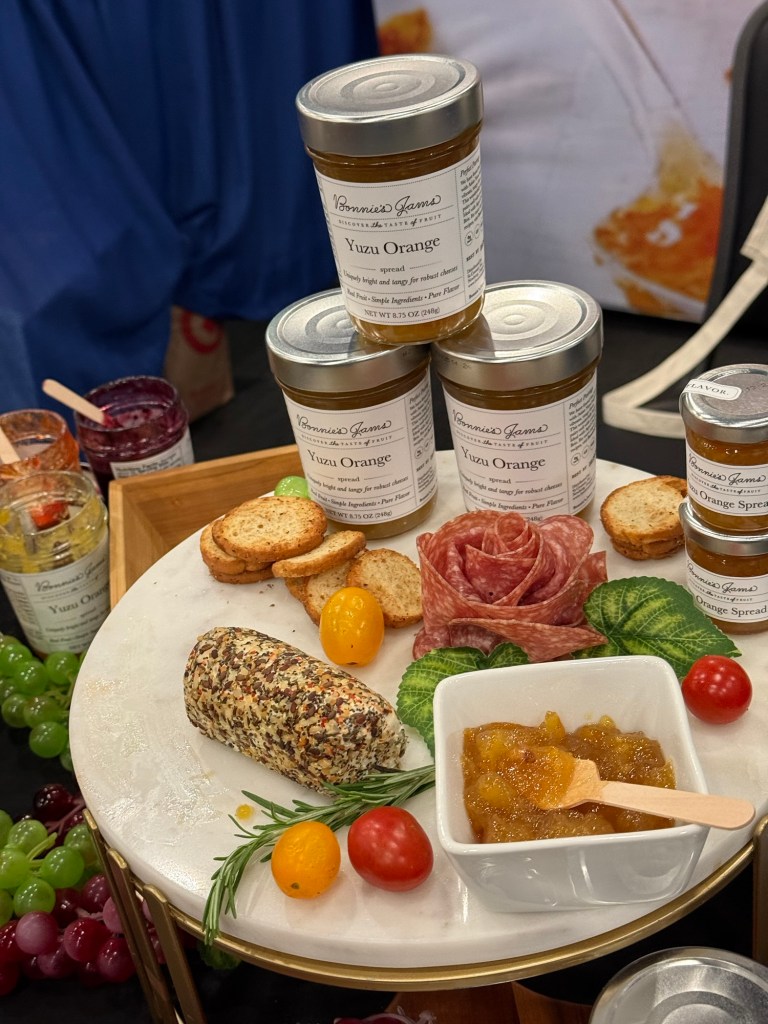
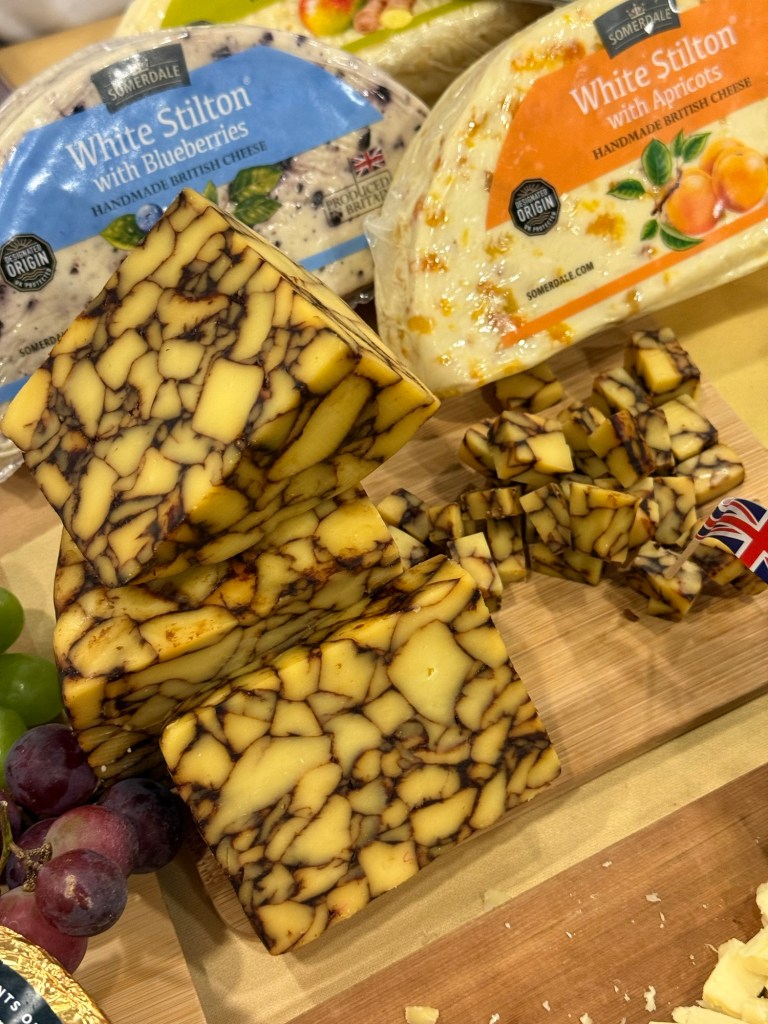
    Walking around the convention hall was a food-coma experience. As a professional cheese monger, I am responsible for ordering everything from specialty cheeses to a variety of foods someone would want to pair with his or her cheese. That means I interested in jams, crackers, halva, dried fruit, specialty meats and so on.

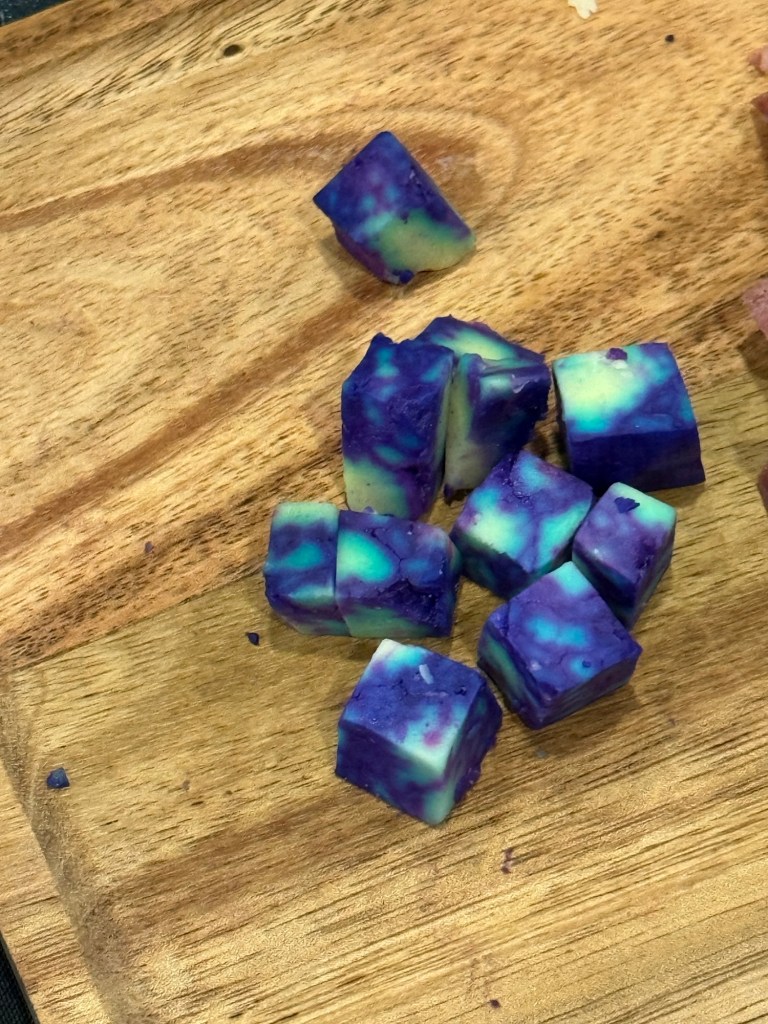
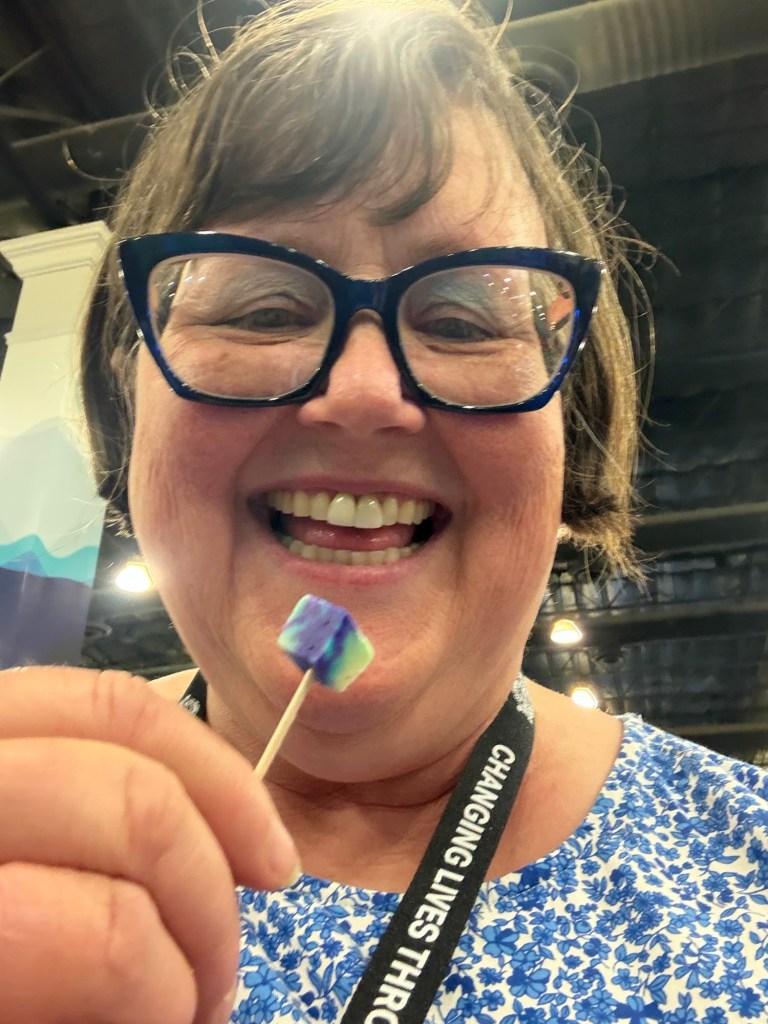
    The Ube Gouda caught my eye because of its vibrant color. The cheese maker gets this color by adding in Japanese Ube potato to the mix. Surprisingly, the cheese has a mild and slightly sweet flavor.

    For those who love Jose Andres potato chips (they are delicious and consist of only 3 ingredients: potatoes, olive oil and salt),you will be happy to know that the company has a new flavor – curry. I tried it and loved it; it is not overpowering.

    Marin French Cheese Company has a new Brie with a garlic-free version of everything-but-the-bagel seasoning and it’s wonderful!

    Firehook was there with their classic gourmet cracker flavors (sea salt, rosemary sea salt, garlic & thyme and so on). The company produces the best organic Mediterranean-style cracker that has just a handful of ingredients and nothing artificial. Firehook has a new dill-flavored cracker and it is fantastic. If you have not tried Firehook, you need to. These crackers are insanely good.

    Eventually, all good things come to an end and so my husband, a friend and I all waddled out of the convention hall and into our car. I left feeling completely full and inspired by all the new products I tasted.

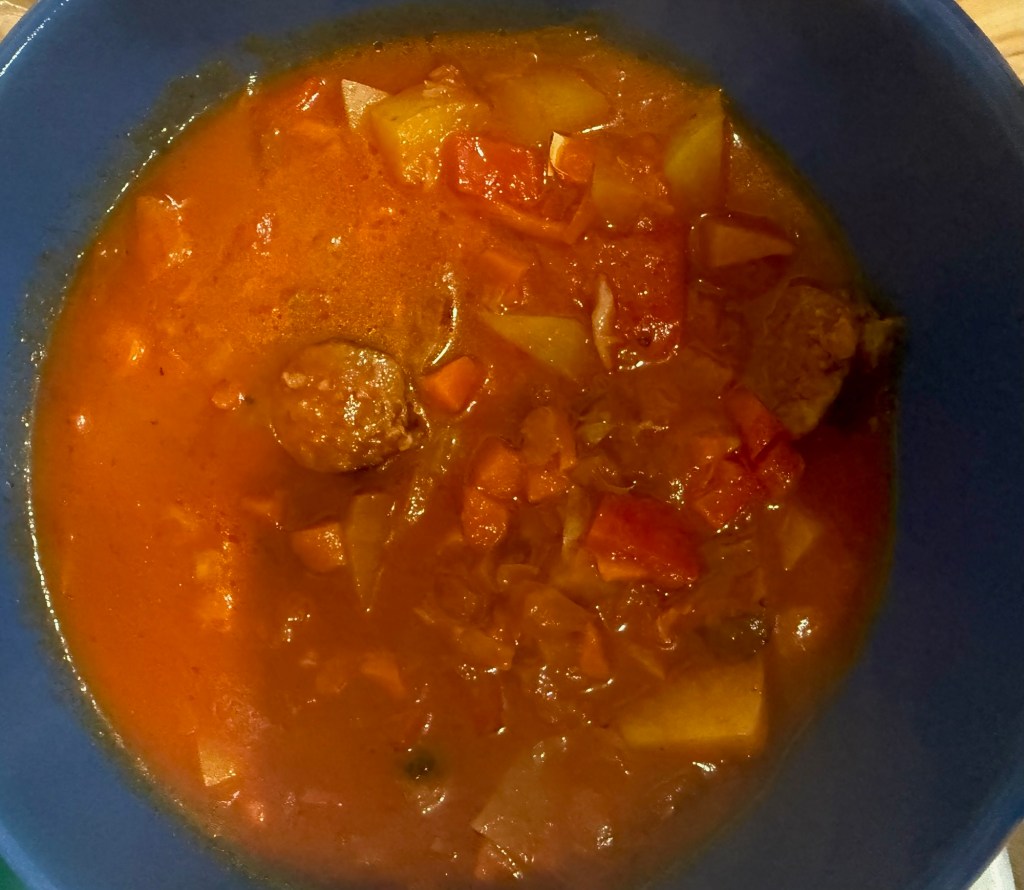
  • Hungarian Paprika Soup – Wow!

    I recently returned from an incredible 15 Viking River cruise from Budapest to Amsterdam. Budapest was probably my favorite place we visited. While there, we visited the Great Market Hall where I stocked up on a variety of paprika products including paprika paste.

    Today was the day – I finally felt alert enough, after battling severe jetlag from a nine-hour time difference, to attempt making homemade soup.

    The result was an amazing soup with so much flavor that my family gave me a standing ovation.

    Ingredients:

    3 tablespoons avocado oil

    1 large onion finely chopped

    3 smashed cloves garlic

    4 peeled carrots – diced

    3 stalks celery – diced

    1 red bell pepper – diced

    2 tablespoons paprika paste

    1 12 ounce can tomato paste

    1 cup red wine

    2 cups vegetable stock

    3 bratwurst sausage links

    1 cup shredded green cabbage

    salt and pepper to taste

    2 cups diced potatoes

    First, sauté the garlic, onion, carrots and celery in the avocado oil. Add in the diced red bell pepper. Add in the paprika (preferably in paste form).

    After five minutes, add in the tomato paste, wine and vegetable stock.

    In a separate pan cook the sausage links until partially cooked. Cut into pieces and then add into the soup. Add in the shredded cabbage and salt and pepper to taste. Let the soup simmer for 20 minutes at medium heat.

    Finally, add in the cut up potatoes pieces. Let the soup continue to cook at a low temperature for another 20 to 30 minutes. I dislike overcooked potatoes so I always add them in last.
    This is a great soup to make the day before and then reheat the next day. It gets better overnight.

  • 15 Days of Viking River Cruise Desserts!

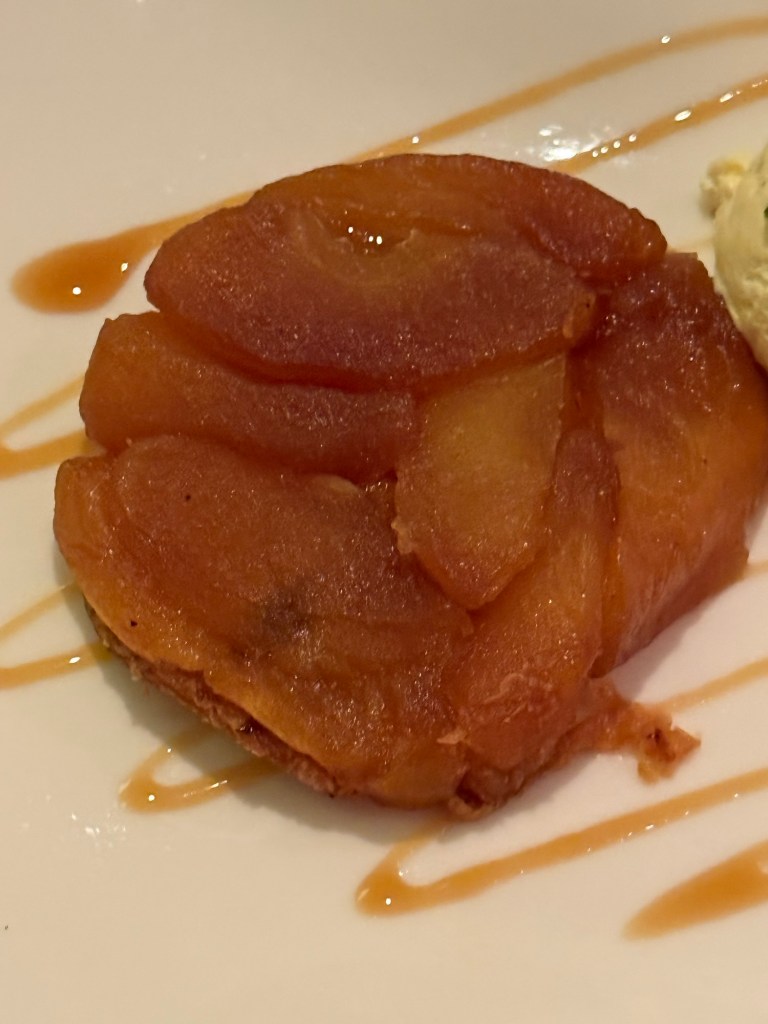
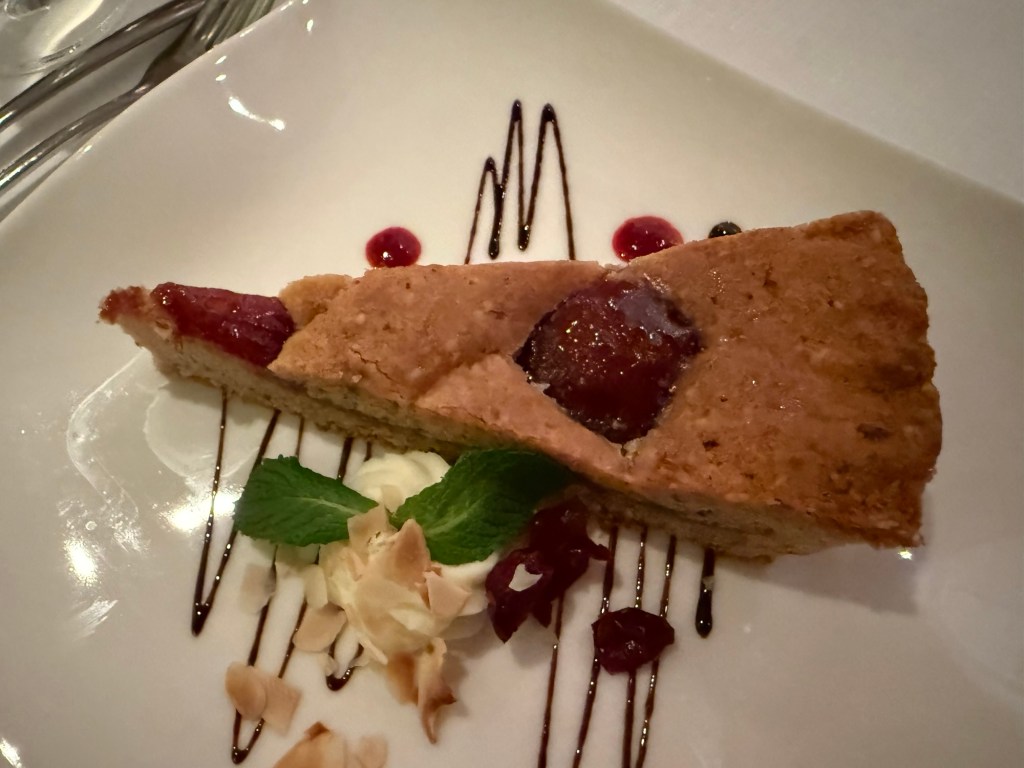
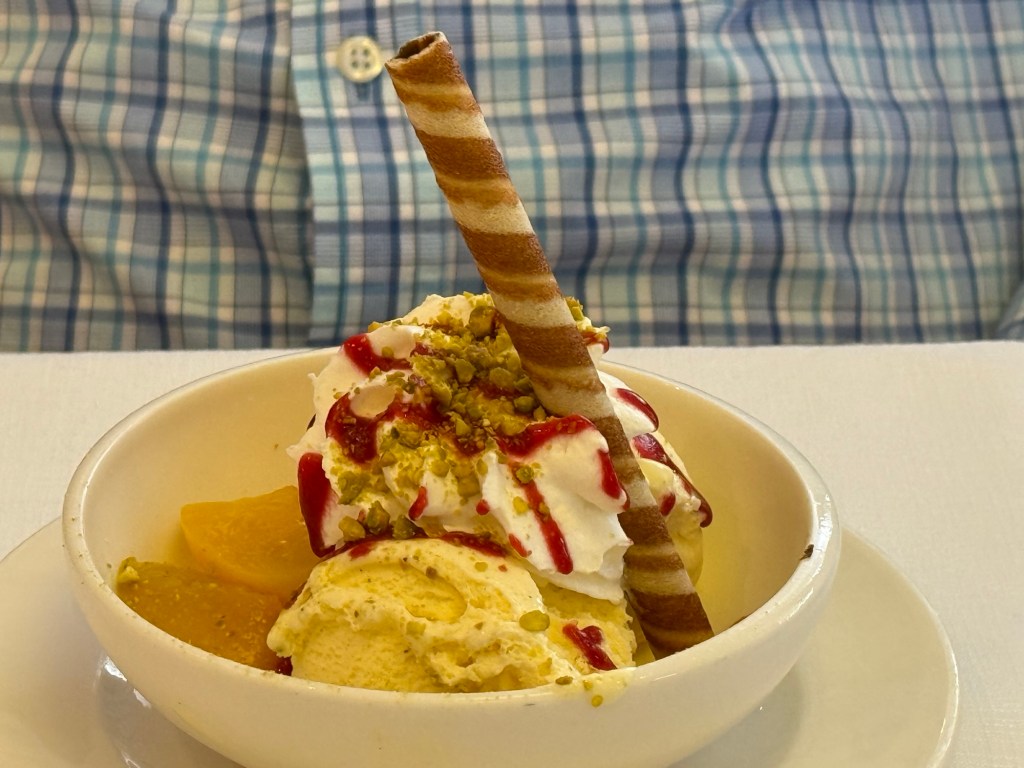
    15 Days of Viking River Cruise Desserts!

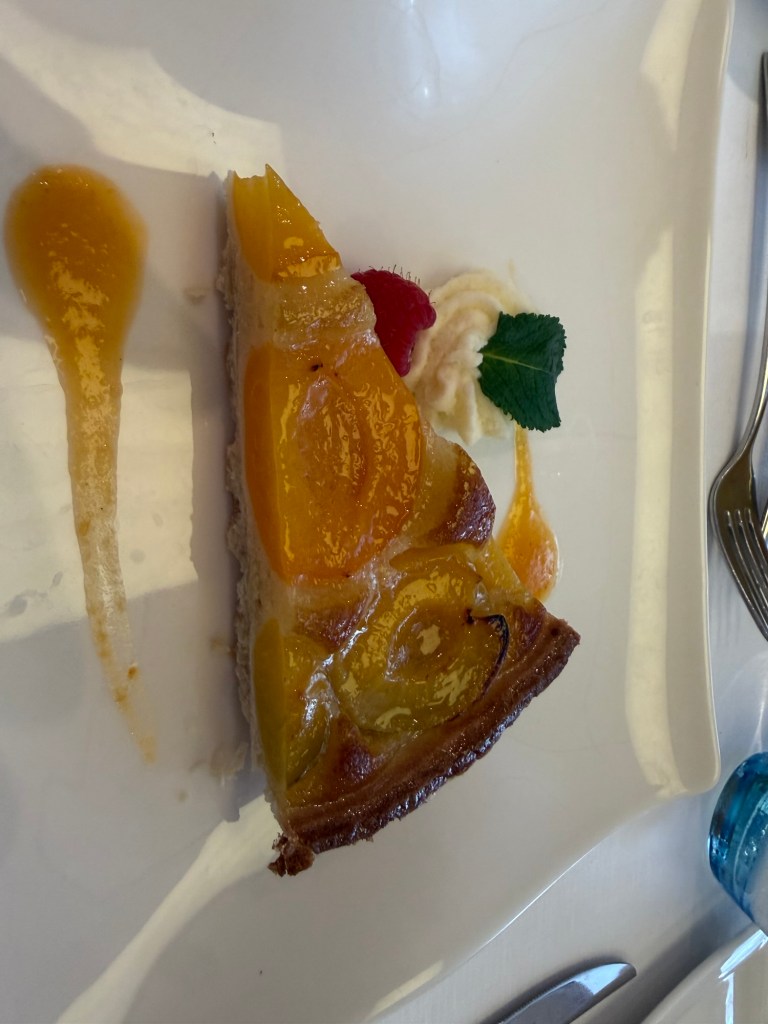
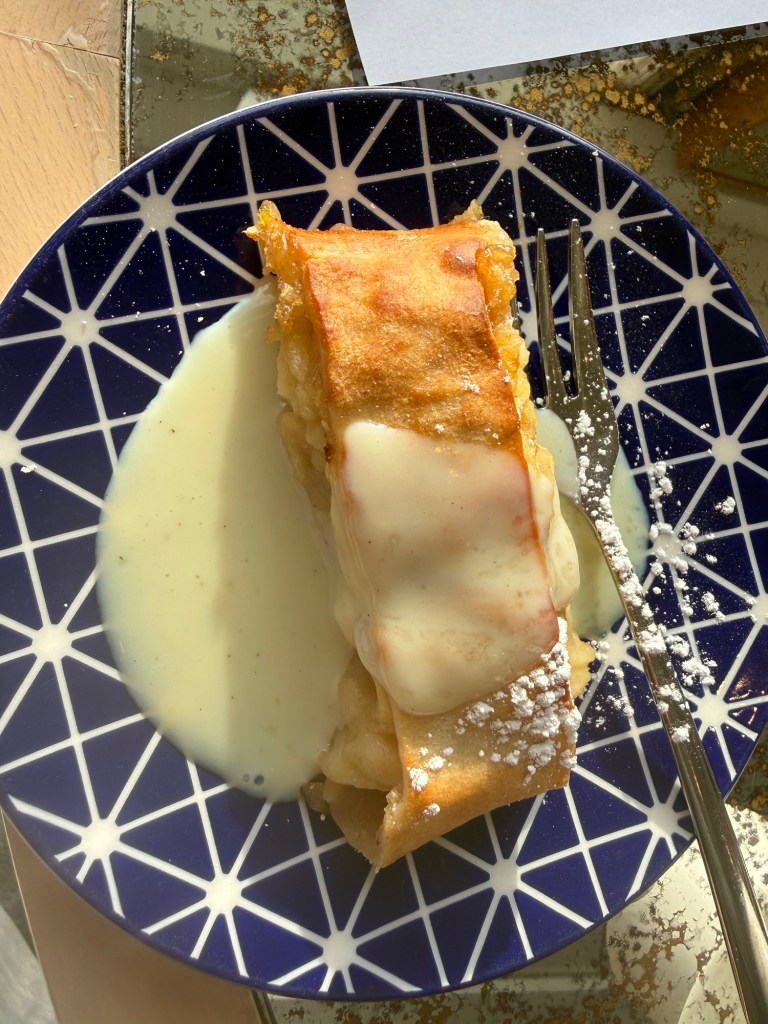
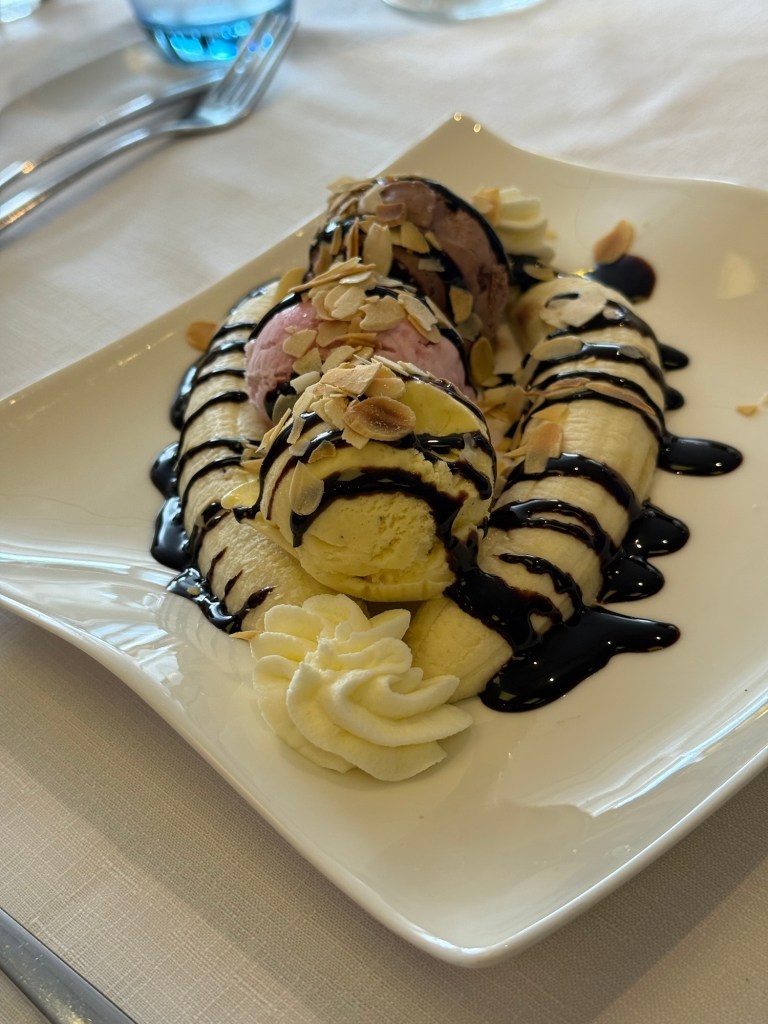
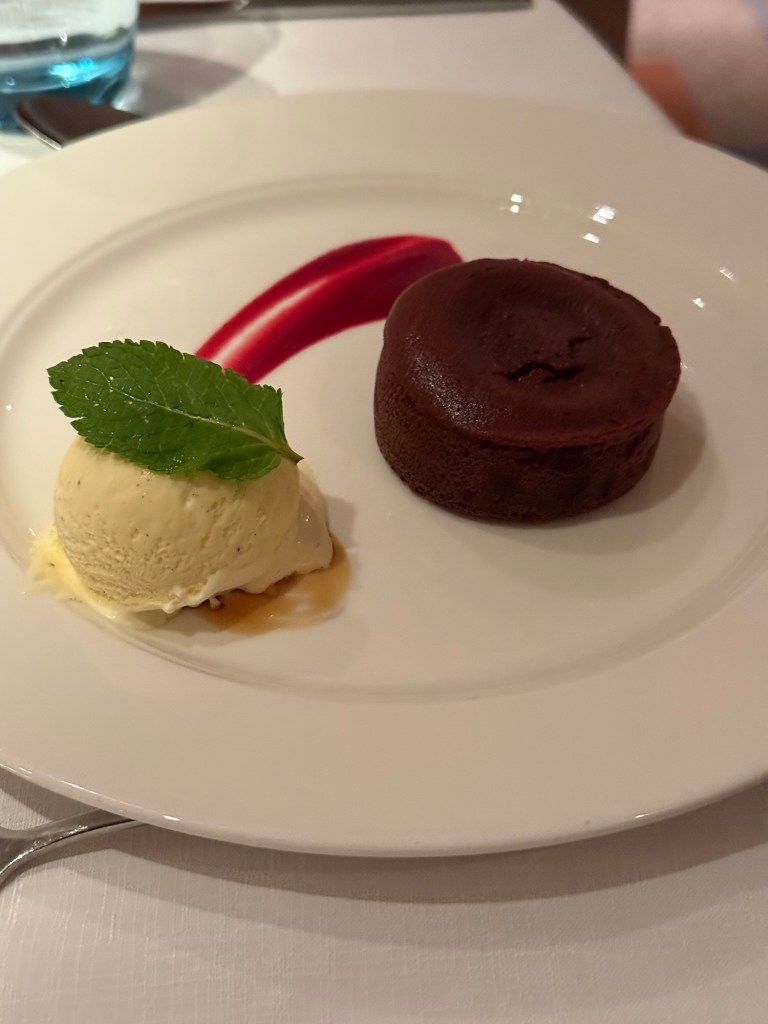
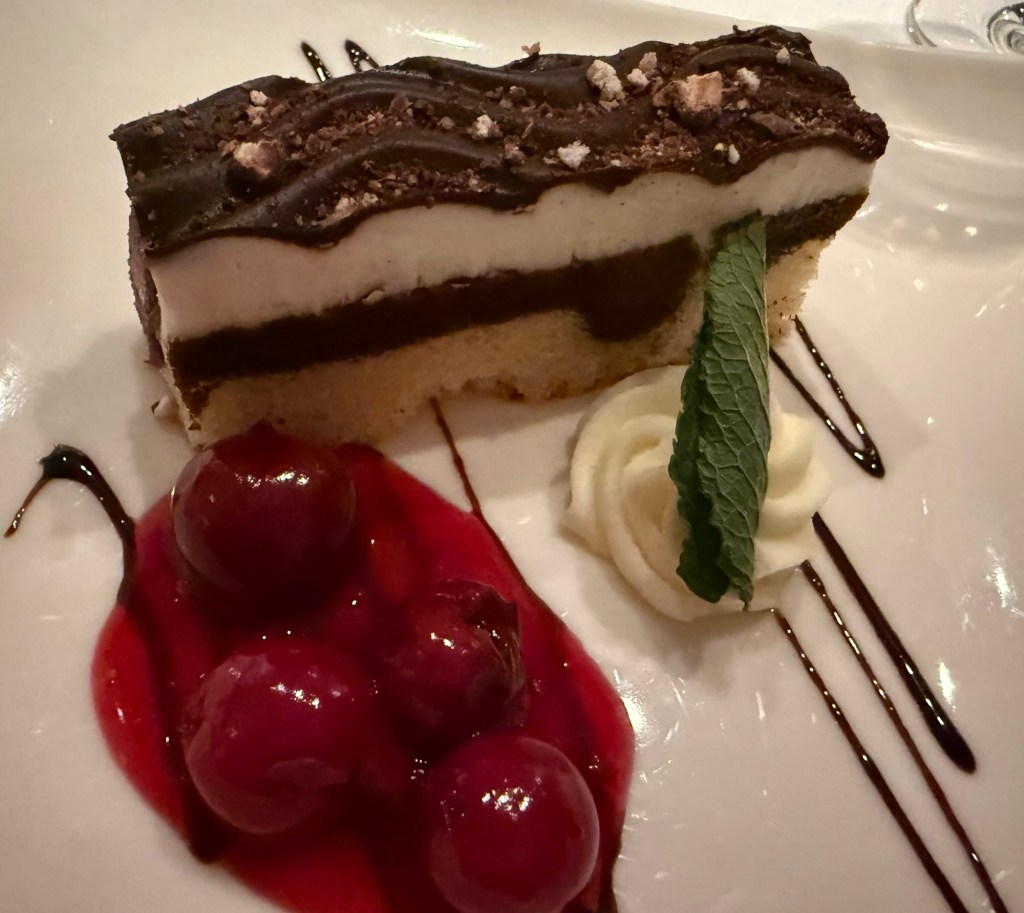
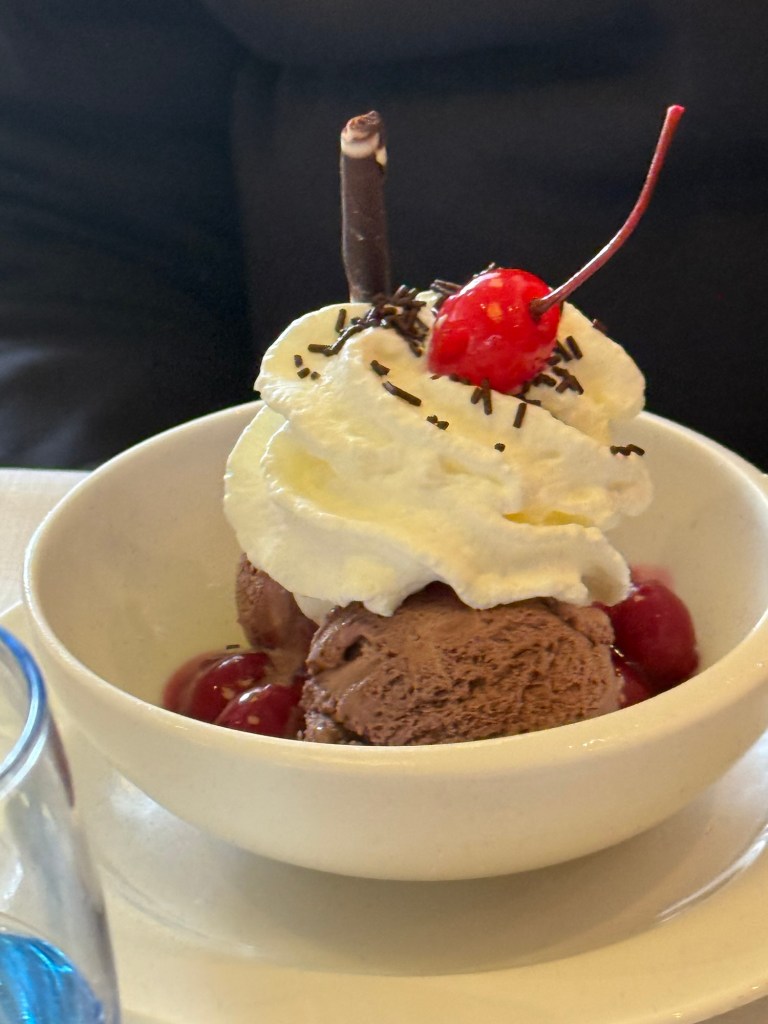
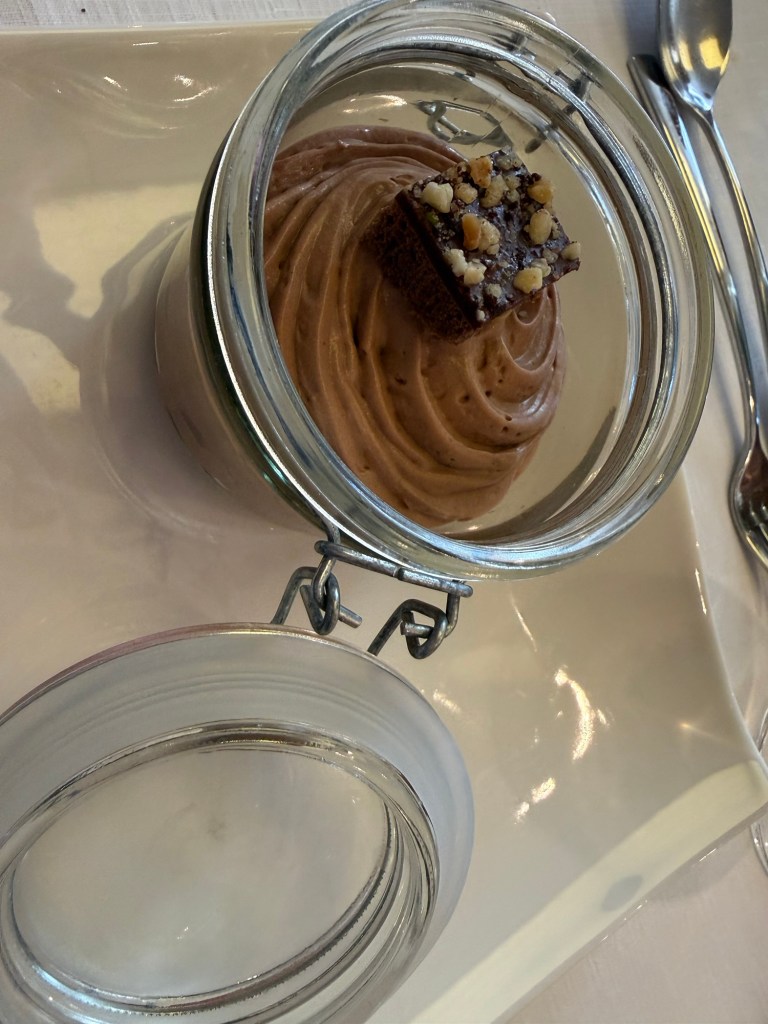
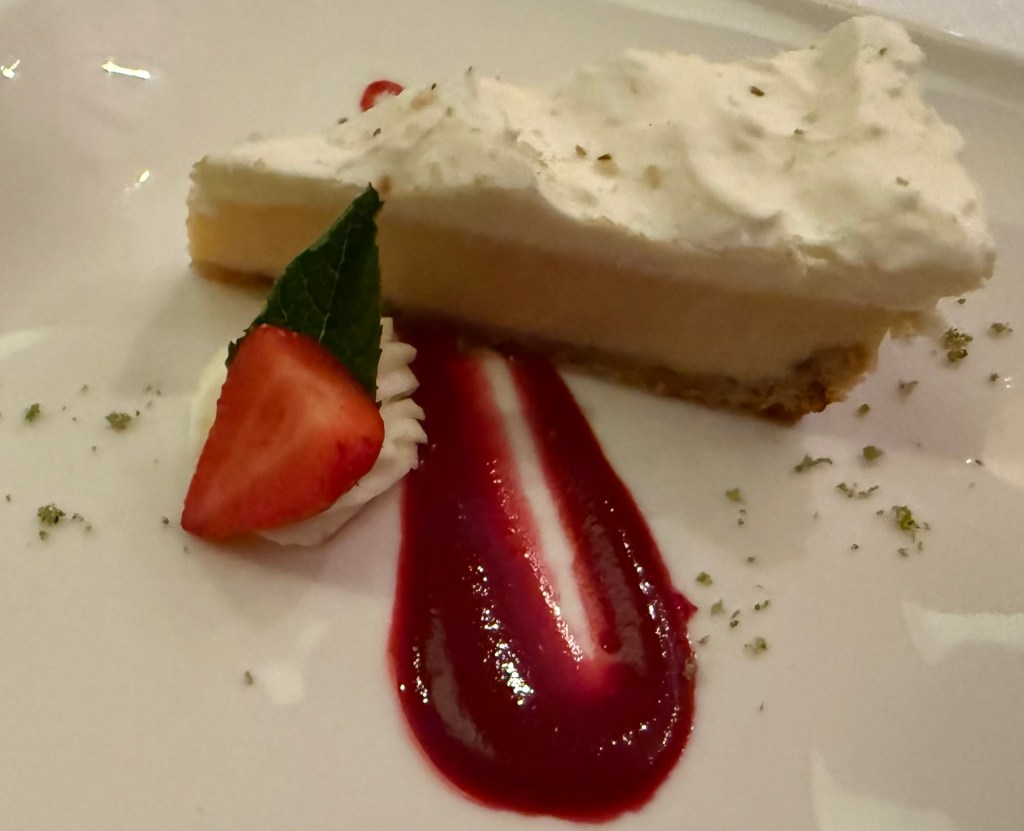
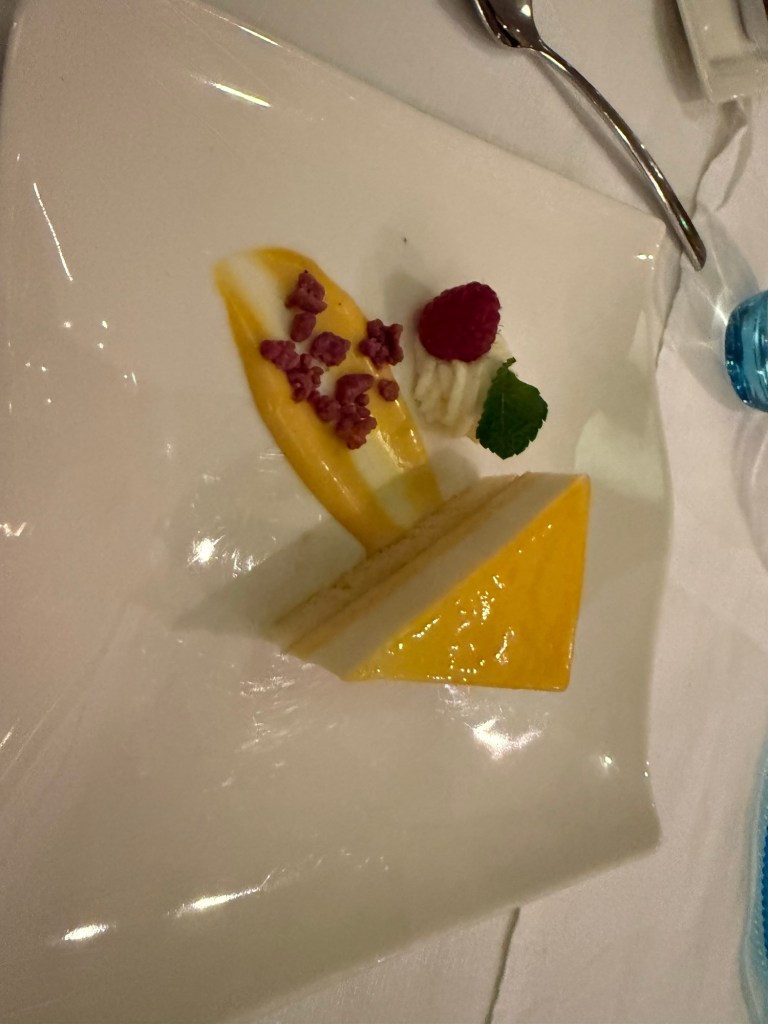
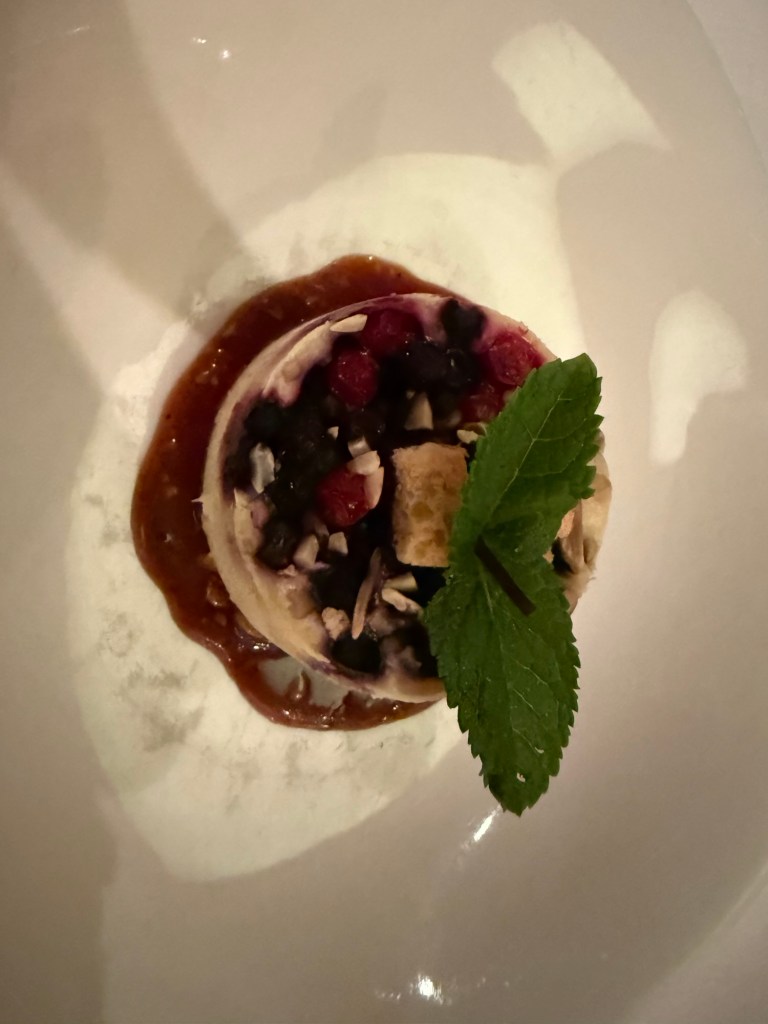
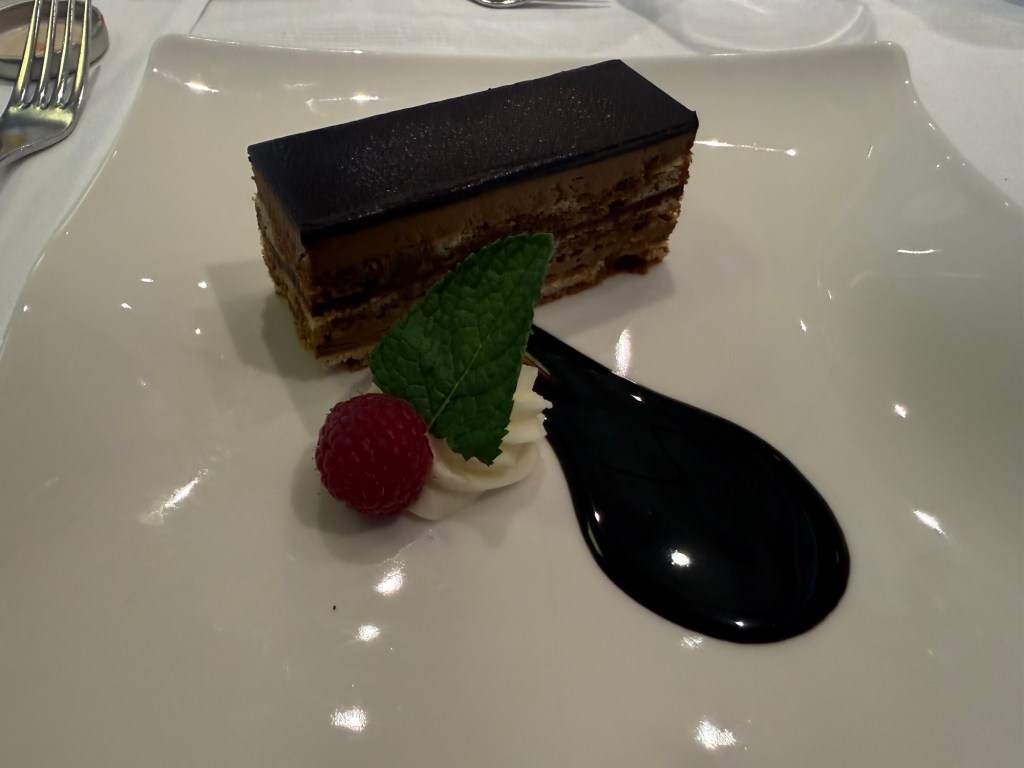
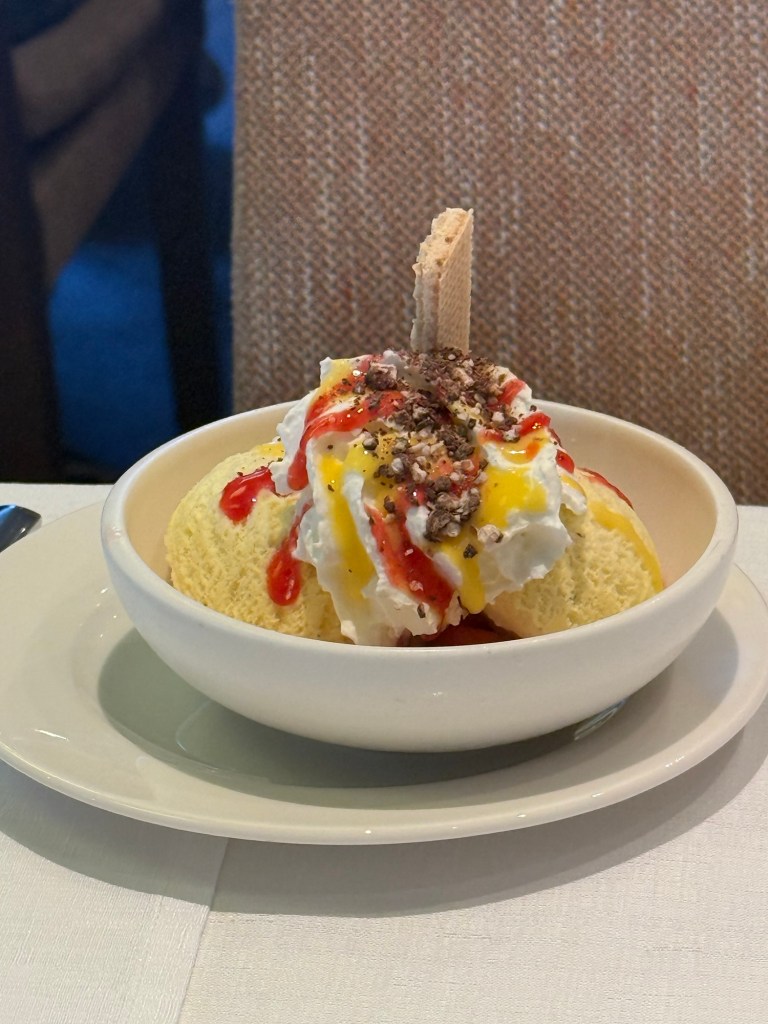
    While all of the food was wonderful on the Viking River Cruise, the desserts were legendary. A variety of desserts were offered at both lunch and dinner. Most days, my husband and I opted to pass on desserts at lunch but it was tough because they were really good.

    My favorite was the apple strudel that was part of a special afternoon cooking demonstration executed by the ship’s head chef – Chef Chester.

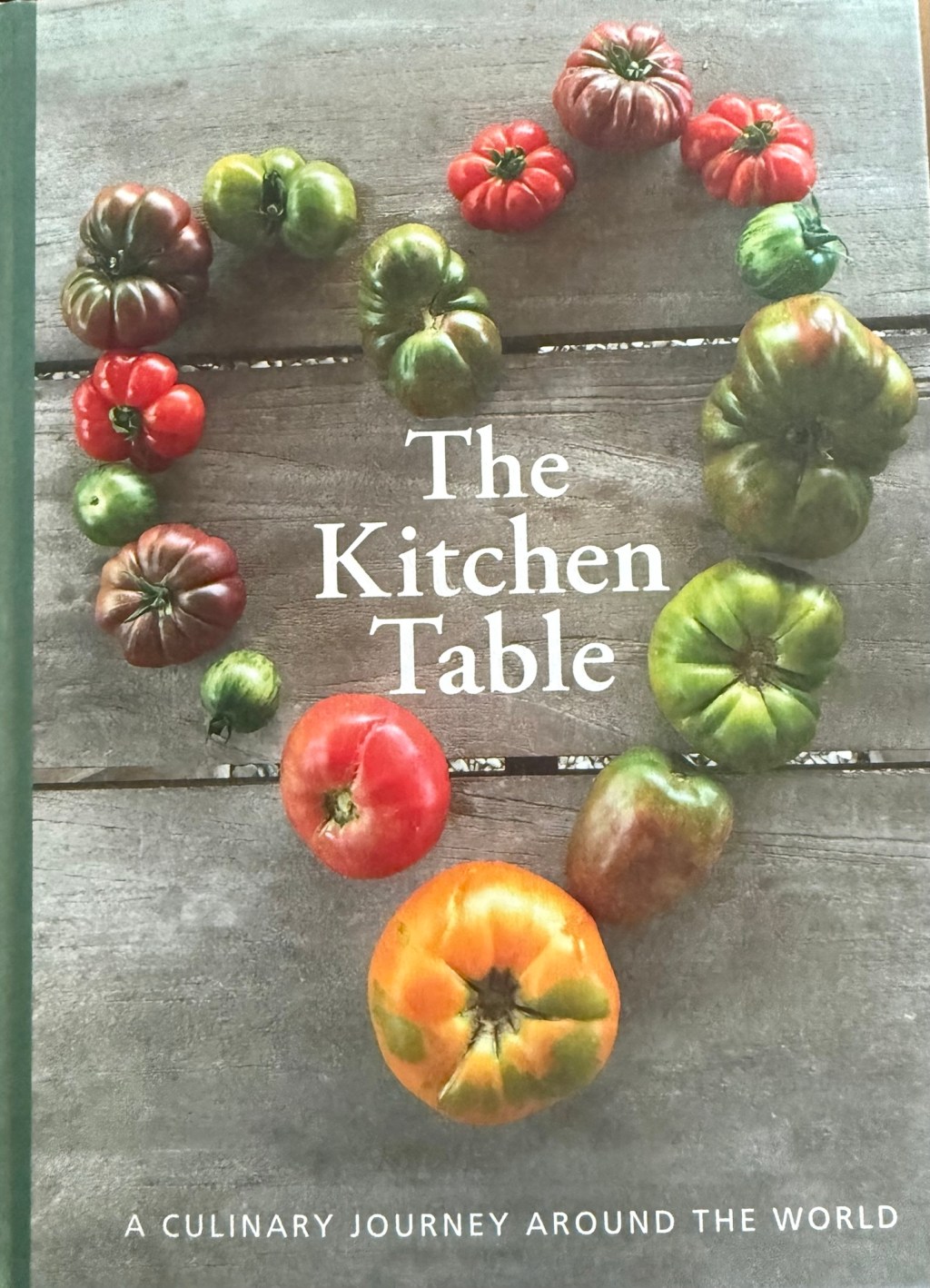
    I enjoyed the food so much that I purchased the Viking River Cruise cookbook which is sold onboard the company’s ships for 20 Euros.
  • Amsterdam Tradition Versus Evolution

    This was my second visit to Amsterdam and it was even better than the first time. On my first visit, I winged it on my own. This time, we went on a two-day extension of our Viking River cruise . Our ship docked in Amsterdam and we immediately went on a 2 and 1/2 half-hour walking tour of the city.
    We lucked out with our guide. He was extremely knowledgeable regarding the architecture styles of Amsterdam. Some of the highlights he showed us included the famous Skinny Bridge (which I remember from the James Bond film Diamonds Are Forever), Rembrandt’s Square (where there are a ton of interesting restaurants as well as a plethora of pot cafes – strong aromas!) and the school where Anne and Margot Frank, as well as many other Jewish children, were segregated during WWII. Throughout our excursion, he made a point of showing us elaborate architectural details that other guides might ignore. Plus, he showed us an assortment of residential neighborhoods so that we really got a feel of how the locals live. Some of the building communities even have their own mini neighborhood libraries. Like many other cities, Amsterdam real estate is very expensive. Our guide showed us several very unimpressive house boats that recently sold for $1.5 million Euros. As the Realtors in California like to say – location, location!
    We really enjoyed the local food, too. Amsterdam is a very damp city and cold during the winter months. I can see why the Dutch enjoy so much fried food. We loved the Olieballen served warm with powdered sugar and a drizzle of Nutella. We first tried the Bitterballen on our taste of Amsterdam tour. We liked this dish so much that we ordered it, again, at the Rijksmuseum’s cafe. The balls are a mixture of beef, beef stock, flour and seasoning covered in breadcrumbs and deep fried. Traditionally, you dip them in mustard.French fries are really popular and the city has numerous fast- food outlets selling them hot with mayonnaise slathered over them. Since neither of us really likes mayonnaise, we passed. That said, tons of the locals were buying them.
    One of our favorite experiences was dinner at a Greek restaurant near our hotel. The Viking concierge recommended it and she was so right. My husband and I both thought it was the best Greek food we have ever eaten. The restaurant was owned by a Greek couple and the wife cooked everything from scratch.

    While my husband John and I both have many more places we wish to visit, we can easily visualize another trip to Amsterdam in our future. Next time, we want to visit Amsterdam during tulip season.

  • Exploring Cologne Germany

    I wasn’t sure what to expect from Cologne Germany. First, the city experienced 95% destruction during WWII. Fortunately, the cathedral was the first of its kind – built with steel reinforcement so most of it survived. Overall, the city is a mixture of old and new. Some of the modern architecture is spectacular but other buildings, such as city hall, are really ugly and depressing.

    Our tour guide explained that Cologne is more about a certain attitude. The locals appreciate being social and enjoying life much more than the more serious Berliners. Cologne natives, apparently, talk to everyone and are less reserved than other Germans. Consequently, bars in Cologne are much more likely to be filled with people chatting versus loud music drowning everyone out. At night, I did notice a few bars aimed at a younger crowd with blaring music.

    The city seemed very safe. Our evening tour guide, for our pub crawl, confirmed my impression of Cologne. It is also a very walkable city with lots to explore as you walk. I actually got in almost 17,000 steps in one day of touring Cologne.

    The city has a Lindt Chocolate Museum that is worth visiting. We found the gift shop to be almost overwhelming. My husband and I saw items that we never see at home in the U.S.

    We did take a brief break from the city to visit the hunting lodge and Bruhl Palace. Both were impressive. When Bonn was the capital of West Germany, the government used the palace to entertain top visiting dignitaries such as Queen Elizabeth and Ronald Reagan. Both structures are impressive. Interestingly, both interiors incorporate the most beautiful Dutch blue and white tiles on the walls.

    If given the opportunity, I would like to return to Cologne to spend a few more days. Our tour guide noted that the London Times describes the Cologne Christmas Markets as the best in the country. I see a December trip in my future!

  • Wertheim Is Much More Than a Quaint German Town

    I loved all the genuinely old buildings of Wertheim but I also enjoyed seeing the local townspeople shop and interact with each other. We were lucky to be there for a Wednesday morning Market when several specialty merchants were there to sell produce, meats, seafood and other products such as olives. Business was brisk. The weather was nice so lots of locals sat in the outdoor cafes enjoying coffees and pastries, too. Prices at the local clothing shops were reasonable so many of our fellow travelers on the Baldur enjoyed shopping.

    Besides taking an overview tour of the city, we enjoyed a second tour which went into the Jewish atrocities during WWII. Our tour guide took us to specific buildings and had photos from the Nazi era showing Nazis removing Jews from their homes as well as Nazi soldiers standing guard in front of Jewish-owned businesses to prevent sales.

    We ended our visit to Wertheim with a visit to the oldest bakery in town and bought several pastries. We sat outside and spit a a chocolate and almond type of cake that I have never seen before. It was delicious and not too sweet. We shared a linzer torte later that was also fantastic. I am glad that I am averaging between 12,000 and 14,000 steps per day; I am hoping that it will help me burn off some calories.

  • Bamberg – Stepping Back In Time

    Founded in the 11th century, Bamberg is the most picturesque town in Germany with medieval architecture. It managed to escape the Allied bombs during WWII so it really is like stepping back in time. It is a small town with approximately 80,000 people. The university and tourism essentially support the town. There are a nice variety of stores and restaurants but, interestingly, there is only one tourism store that sells post cards and other typical tourist items.

    It is famous for its smoked beer. Once we heard it described as beer infused with an ashtray, my husband and I opted to pass on sampling this delicacy. Among those on our ship who did, most were not too enthusiastic. Beer, in general, became popular in Germany out of necessity. The local waters were polluted and made the people ill. Beer was a safe and cheap beverage that did not make one sick. The wealthier opted for the more expensive wine as their beverage of choice.

    The outer area used to be called Little Italy or Venice due to the multi-level homes that are on the canal. The fishermen used to reside in these homes – it was considered the poorest part of Bamberg. The bottom level frequently flooded so most fishermen used it for boat parking. These days, the homes go on the market infrequently but when they do…they sell for well over $2,000,000.

  • Regensburg – Home of the Oldest Fast-Food Joint

    The minute we approached Regensburg, I knew I was in for a great experience. Luckily, Regensburg escaped bombing during WW II and most of the old buildings survived. For example, the Stone Bridge dates back to the 12th Century. My only disappointment was a certain amount of graffiti. This is not exclusive to Regensburg. We have spotted quite a bit of it in Vienna and Passau, too.

    The cathedral is especially meaningful as it is the former home of the late Pope Benedict XVI. The cathedral has been under constant renovation with scaffolding surrounding the exterior for decades. Apparently, for the Pope’s visit to the cathedral the town temporarily removed the scaffolding for one week in 2006.

    The highlight of the day was our visit to the Sausage Kitchen. The place has been in business for 900 years and, on average, the restaurant sells 6,000 sausages a day. We both ordered sausage sandwiches on rolls with sweet sauerkraut and the Sausage Kitchen’s amazing sweet mustard. We both agreed that it was the best version of this combination we’ve ever eaten. I was really excited to find bottles of this mustard for sale at a nearby store.