Tag: international travel

  • Bamberg – Stepping Back In Time

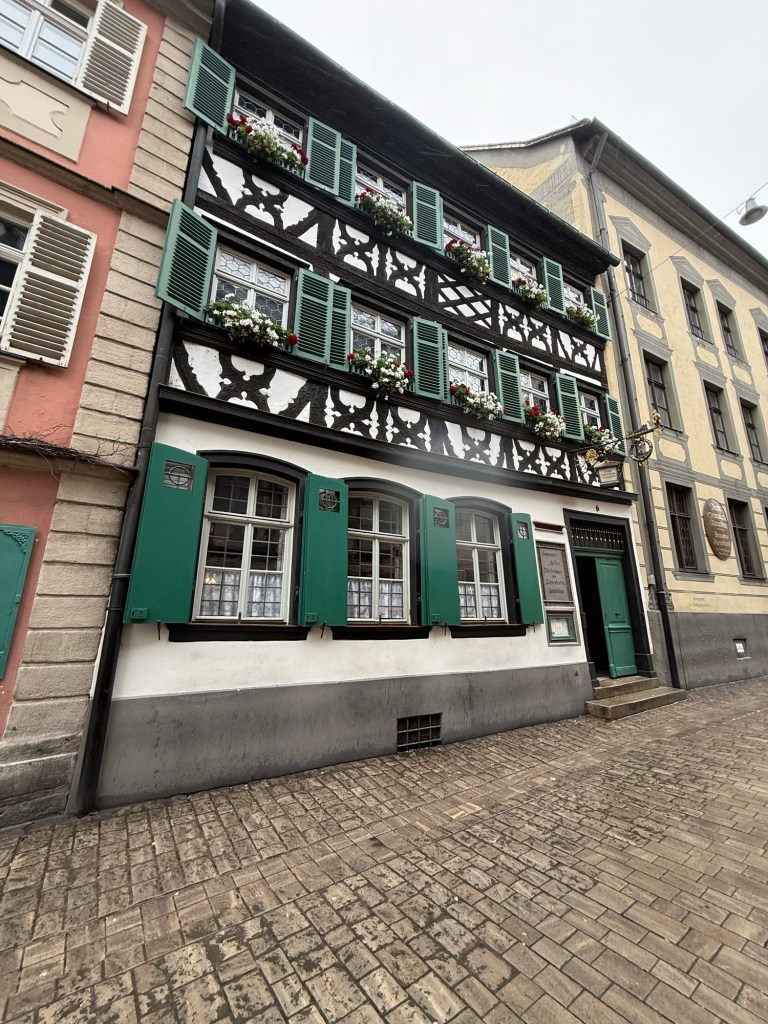
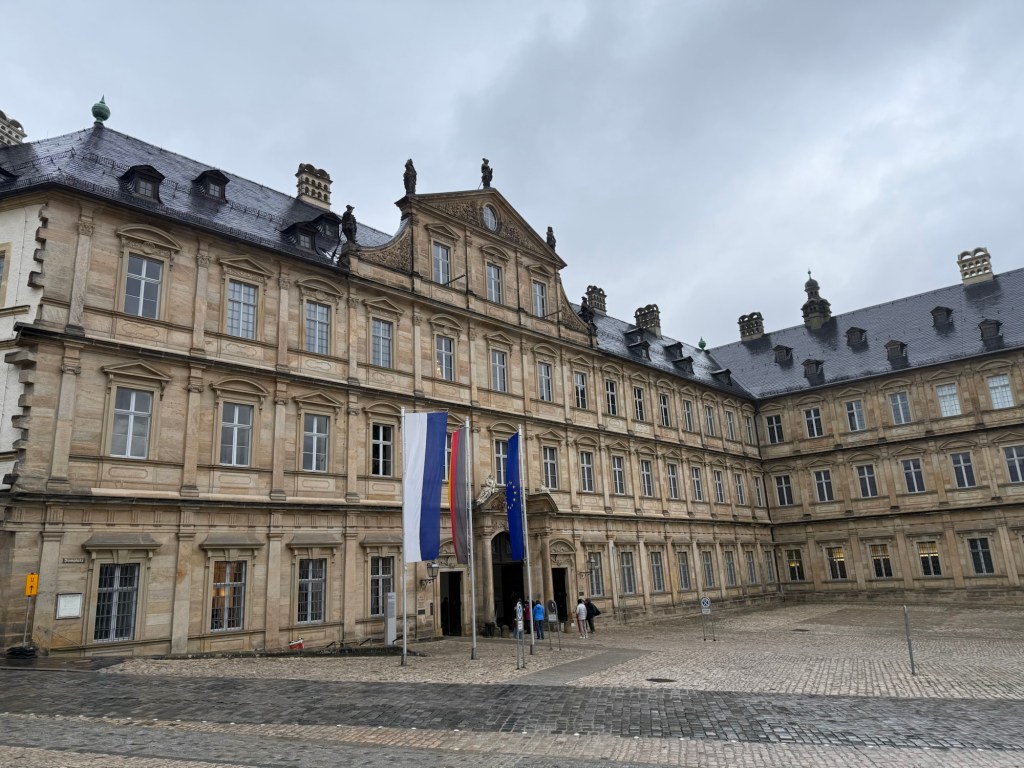
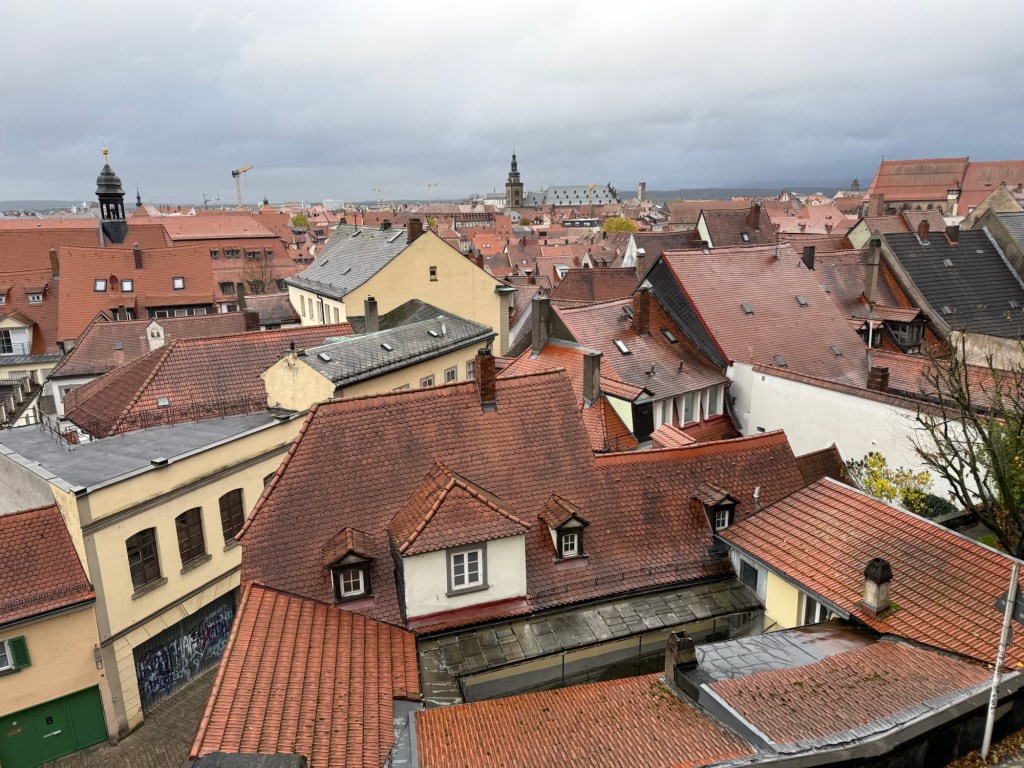
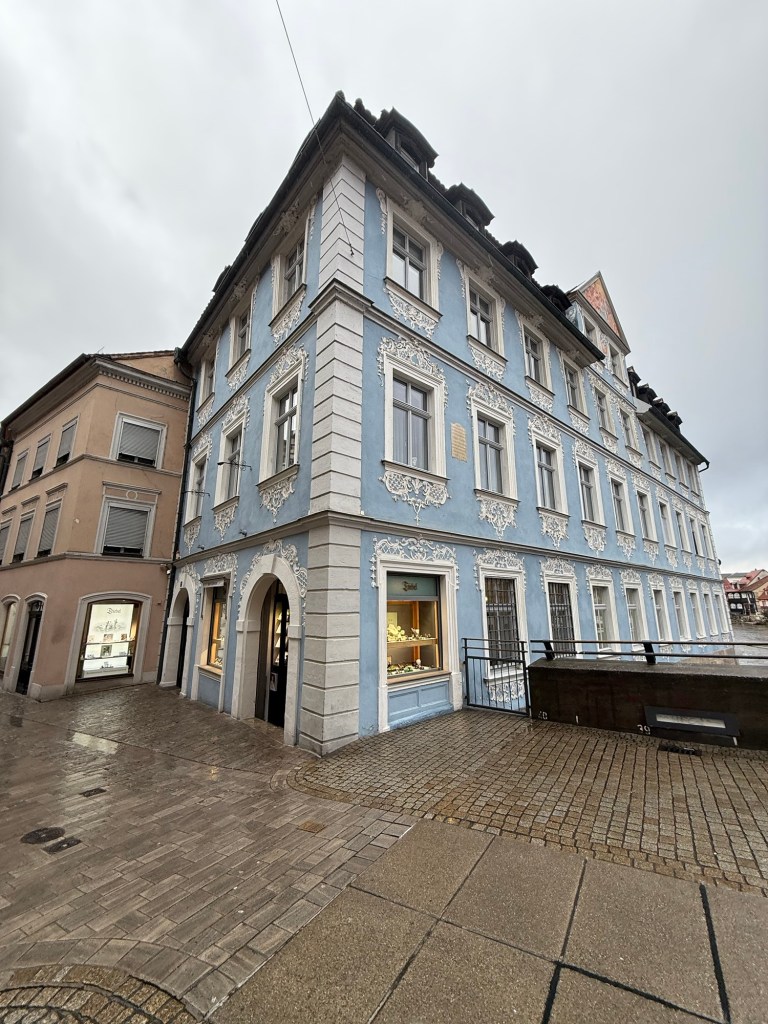
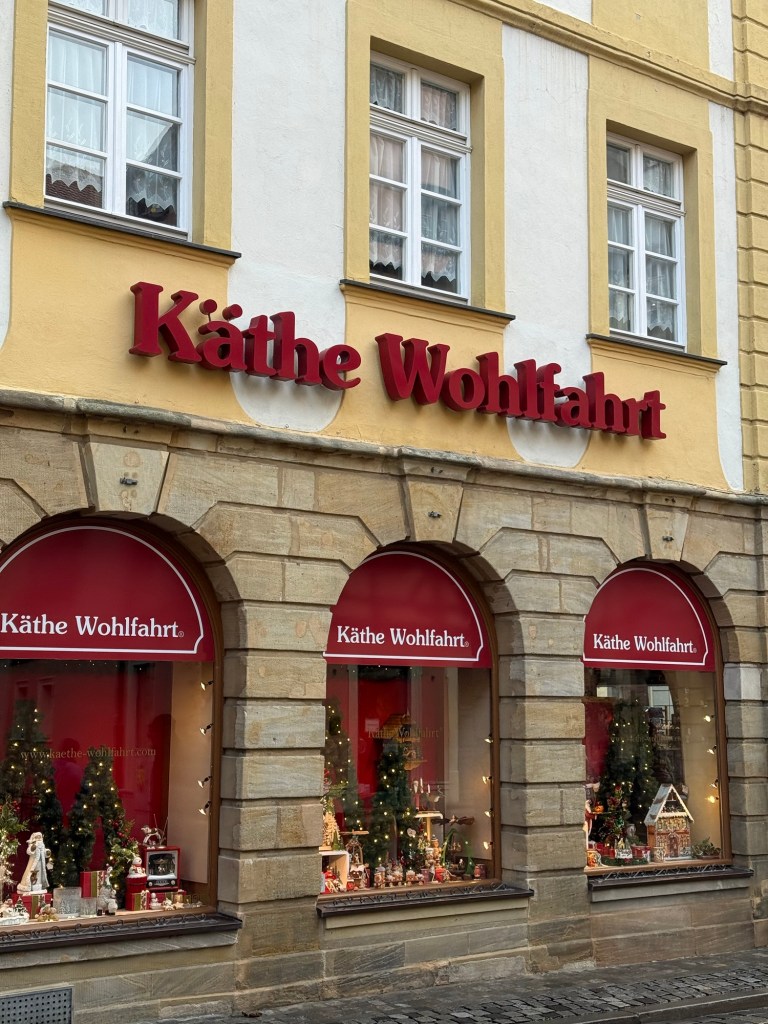
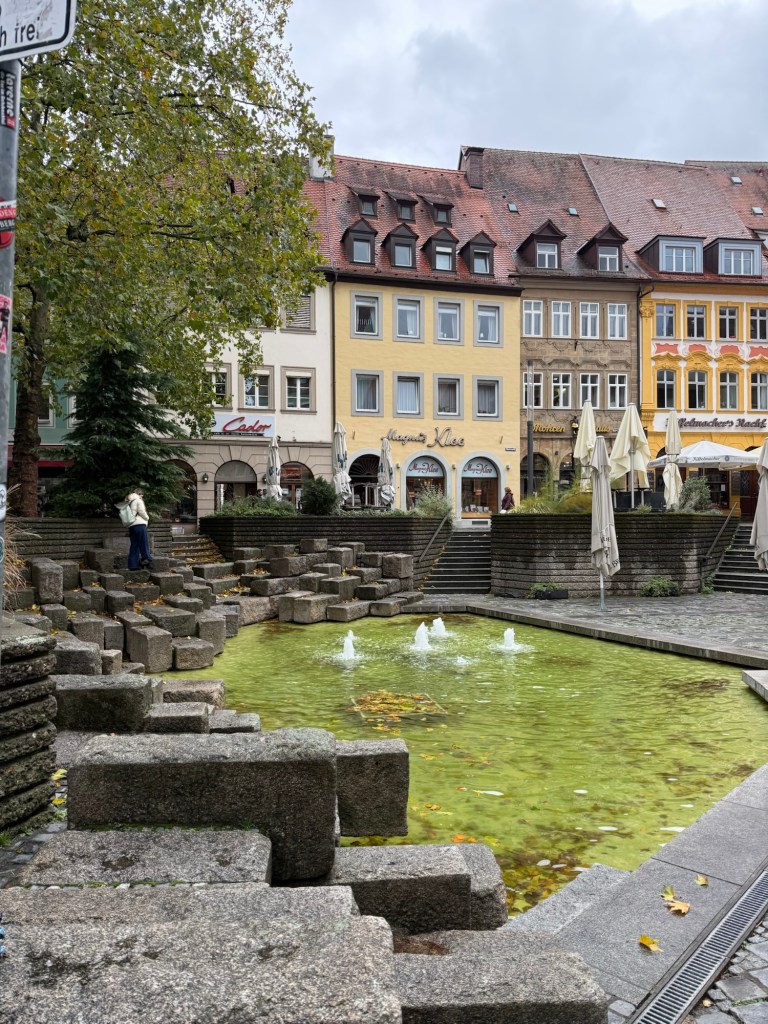
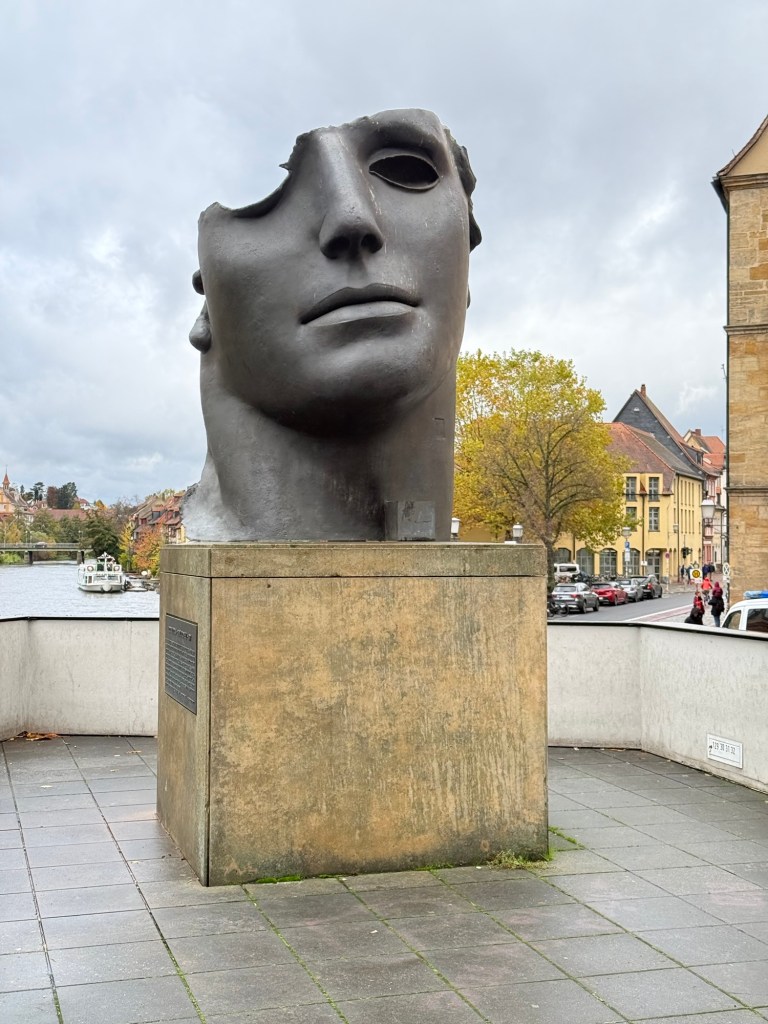
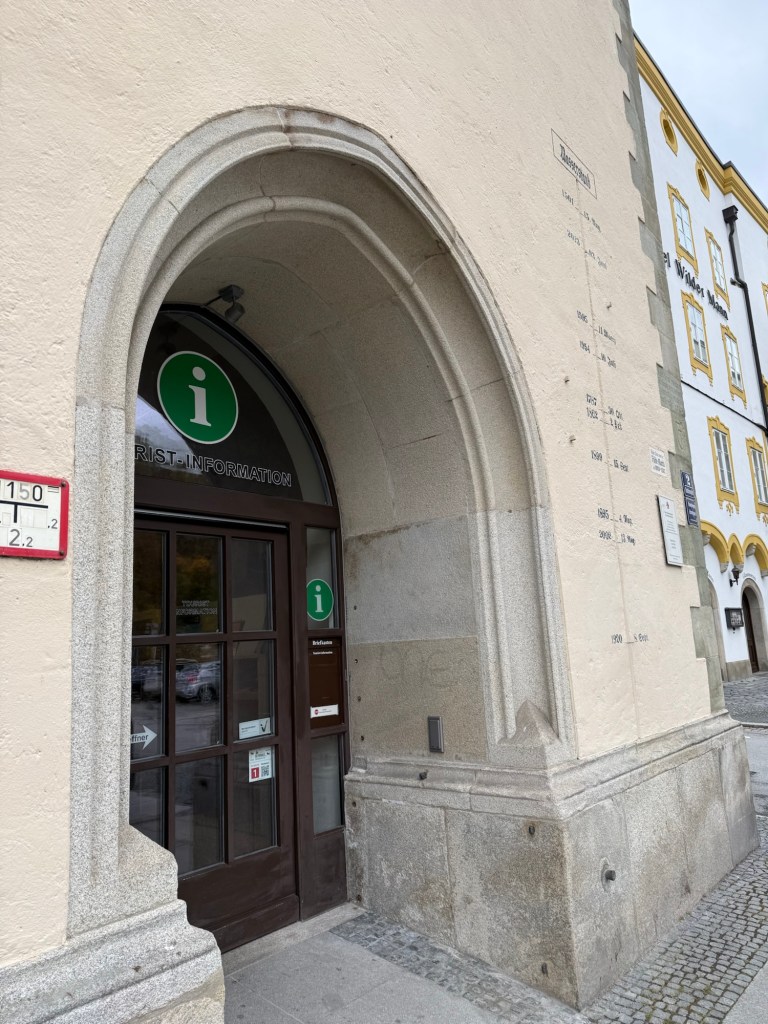
    Founded in the 11th century, Bamberg is the most picturesque town in Germany with medieval architecture. It managed to escape the Allied bombs during WWII so it really is like stepping back in time. It is a small town with approximately 80,000 people. The university and tourism essentially support the town. There are a nice variety of stores and restaurants but, interestingly, there is only one tourism store that sells post cards and other typical tourist items.

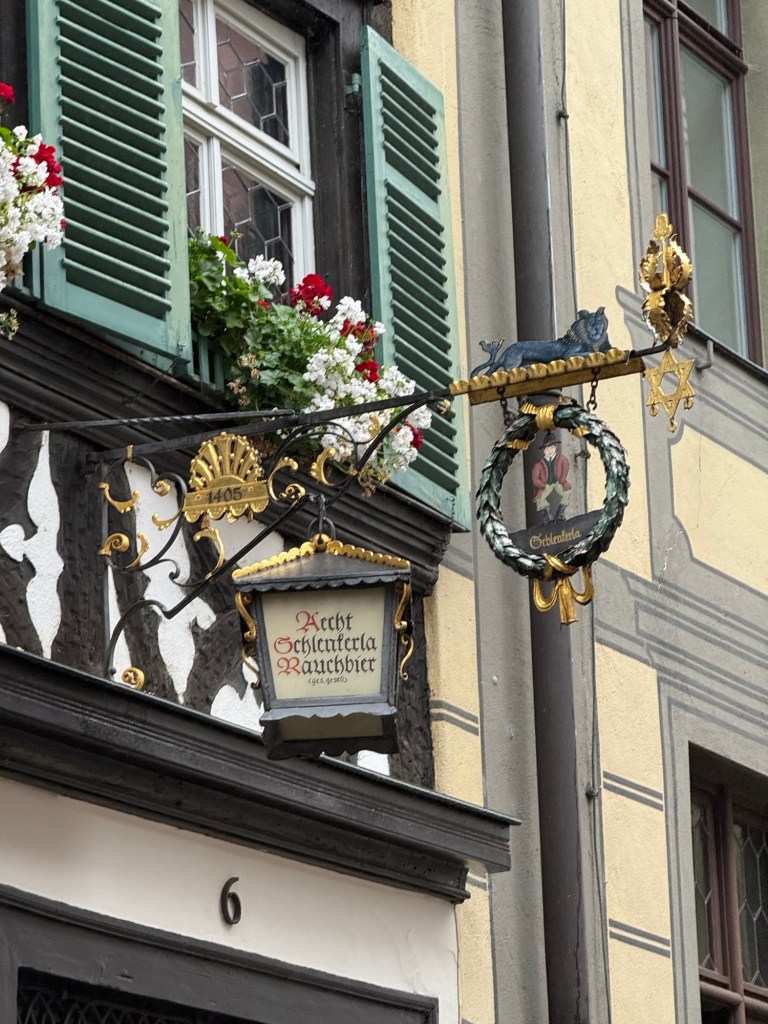
    It is famous for its smoked beer. Once we heard it described as beer infused with an ashtray, my husband and I opted to pass on sampling this delicacy. Among those on our ship who did, most were not too enthusiastic. Beer, in general, became popular in Germany out of necessity. The local waters were polluted and made the people ill. Beer was a safe and cheap beverage that did not make one sick. The wealthier opted for the more expensive wine as their beverage of choice.

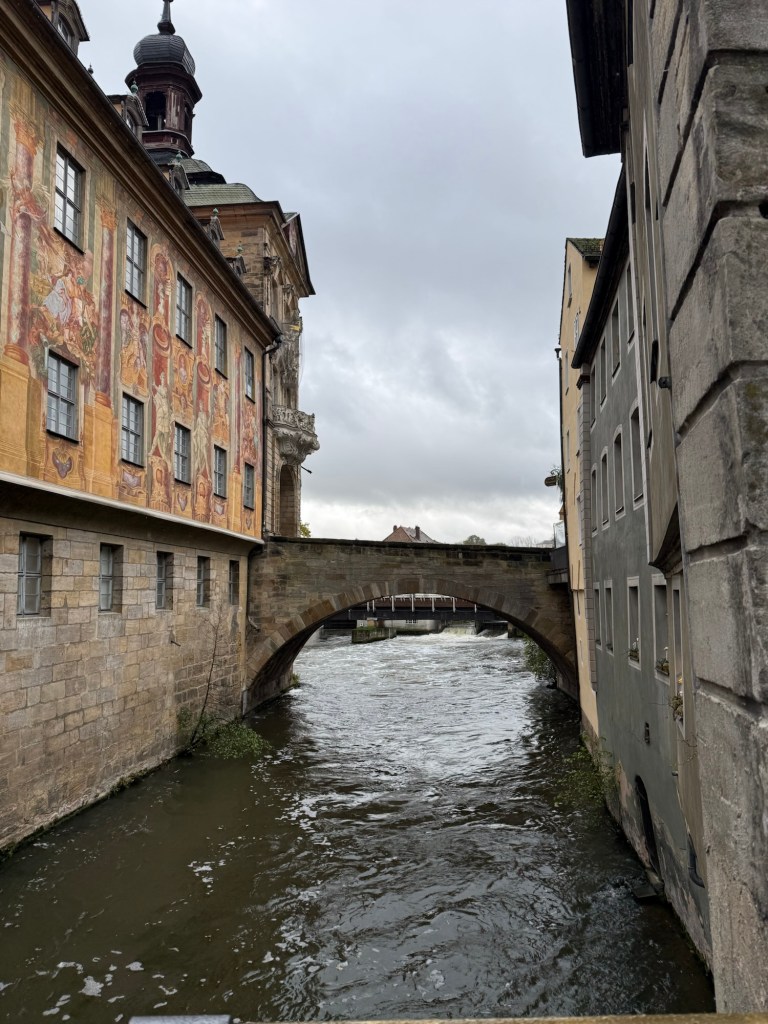
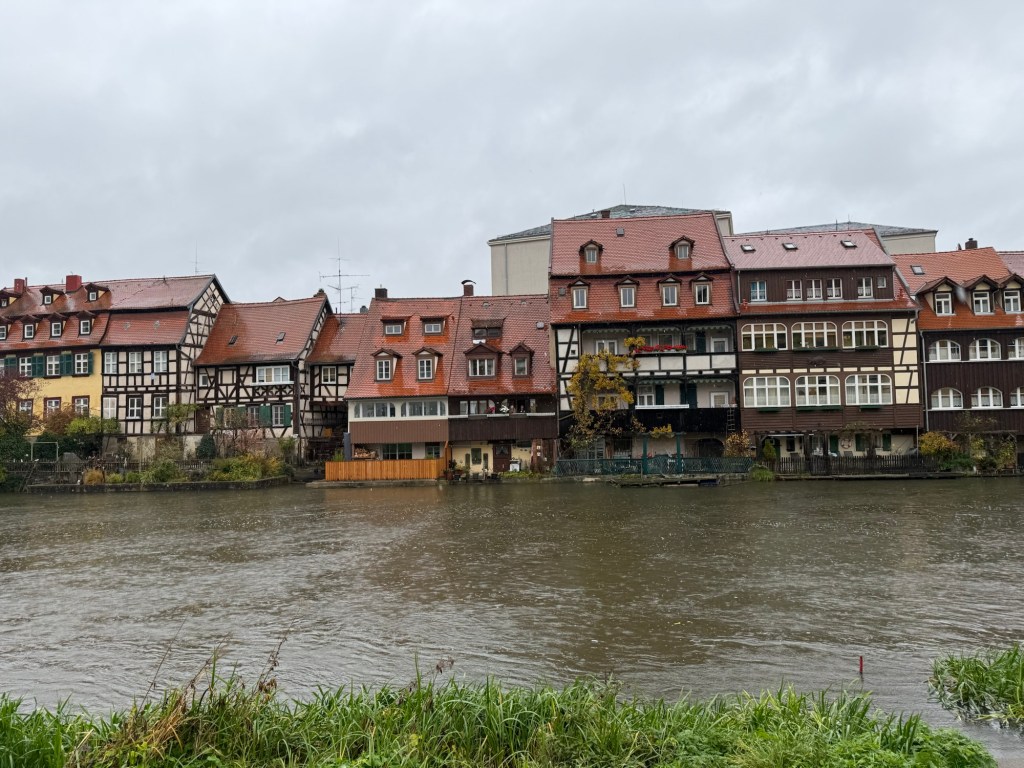
    The outer area used to be called Little Italy or Venice due to the multi-level homes that are on the canal. The fishermen used to reside in these homes – it was considered the poorest part of Bamberg. The bottom level frequently flooded so most fishermen used it for boat parking. These days, the homes go on the market infrequently but when they do…they sell for well over $2,000,000.
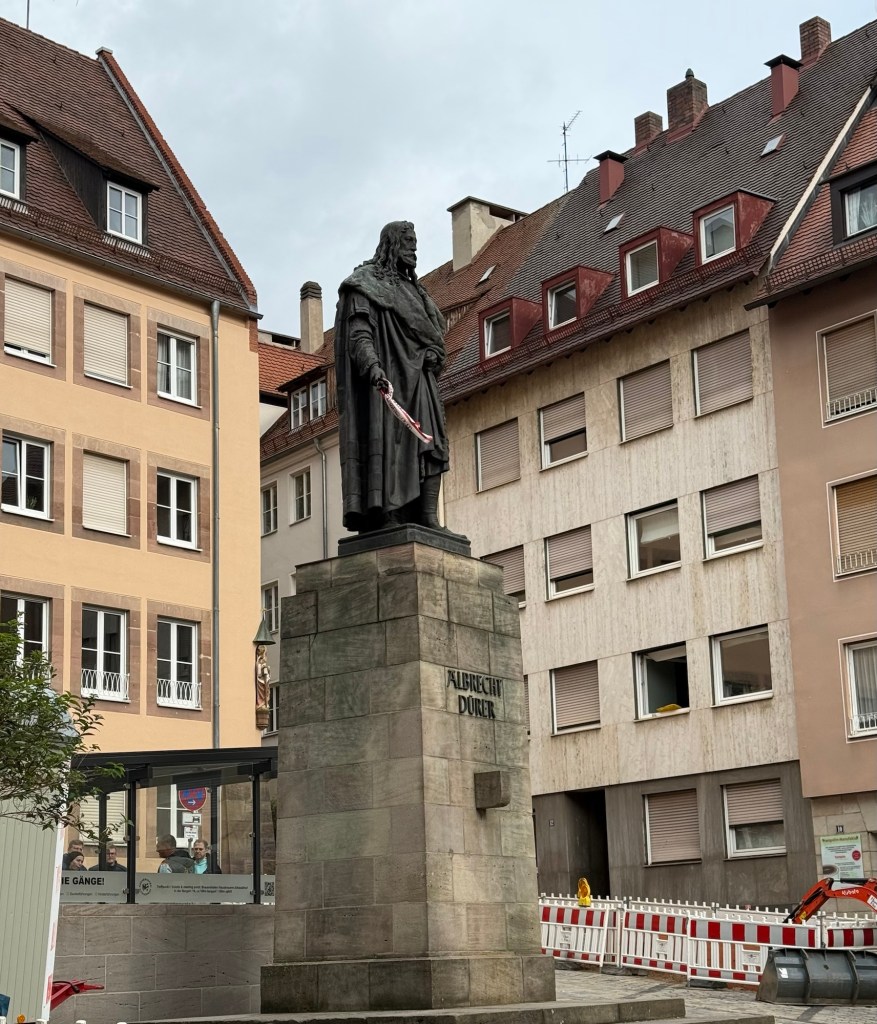
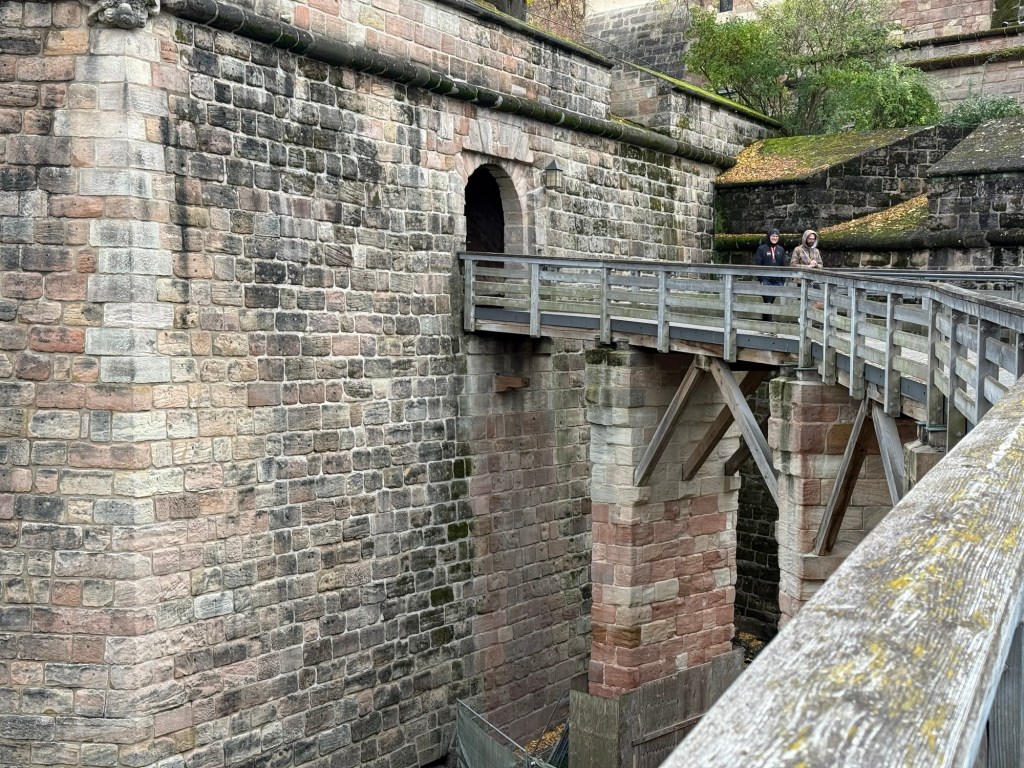
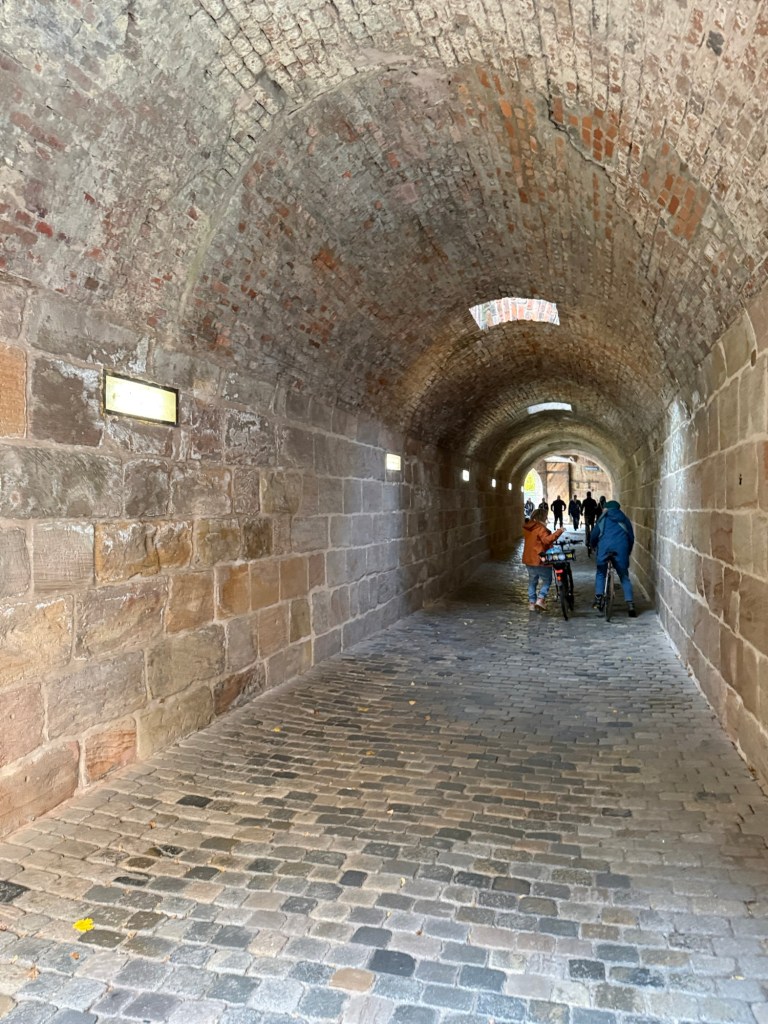
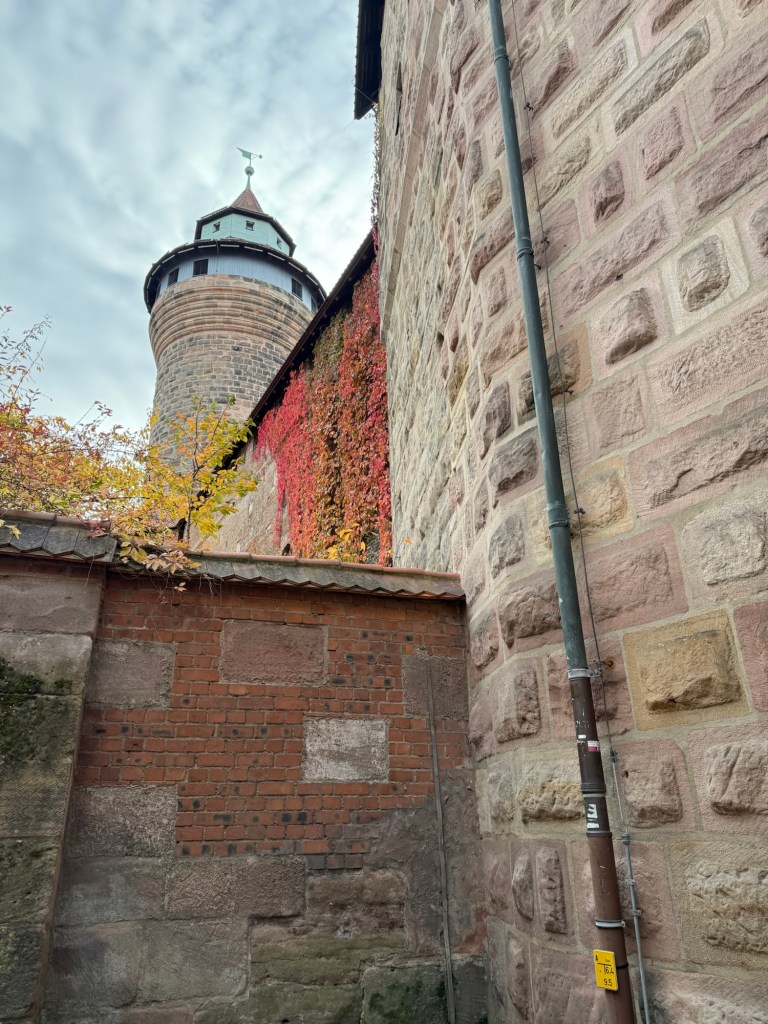
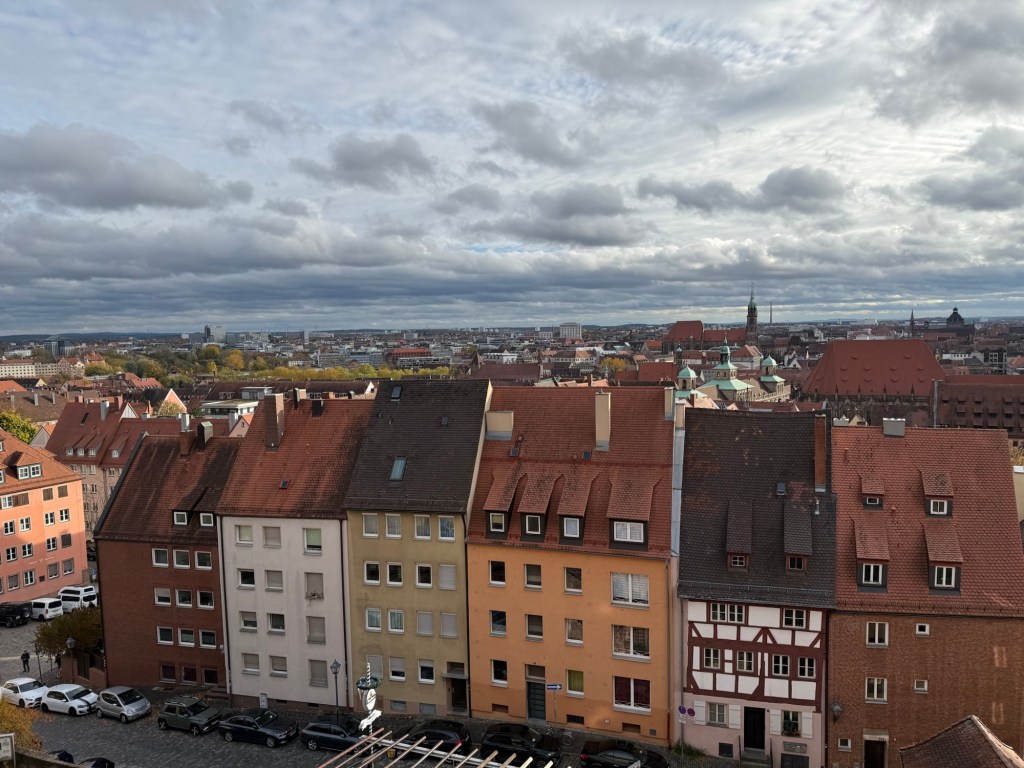
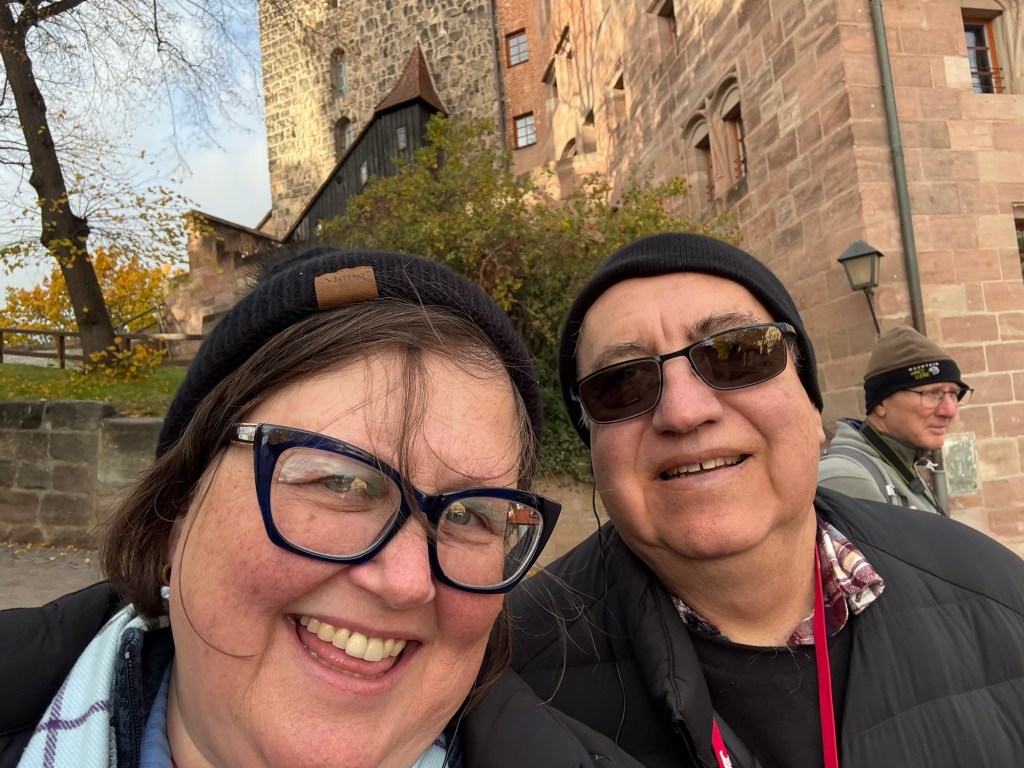
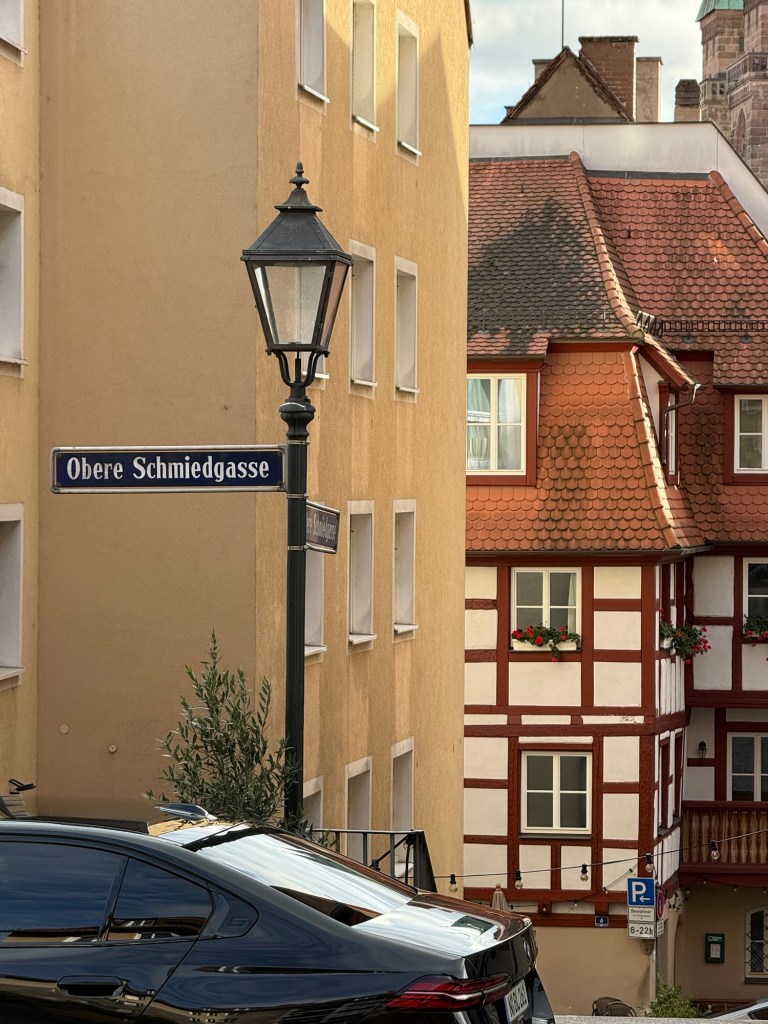
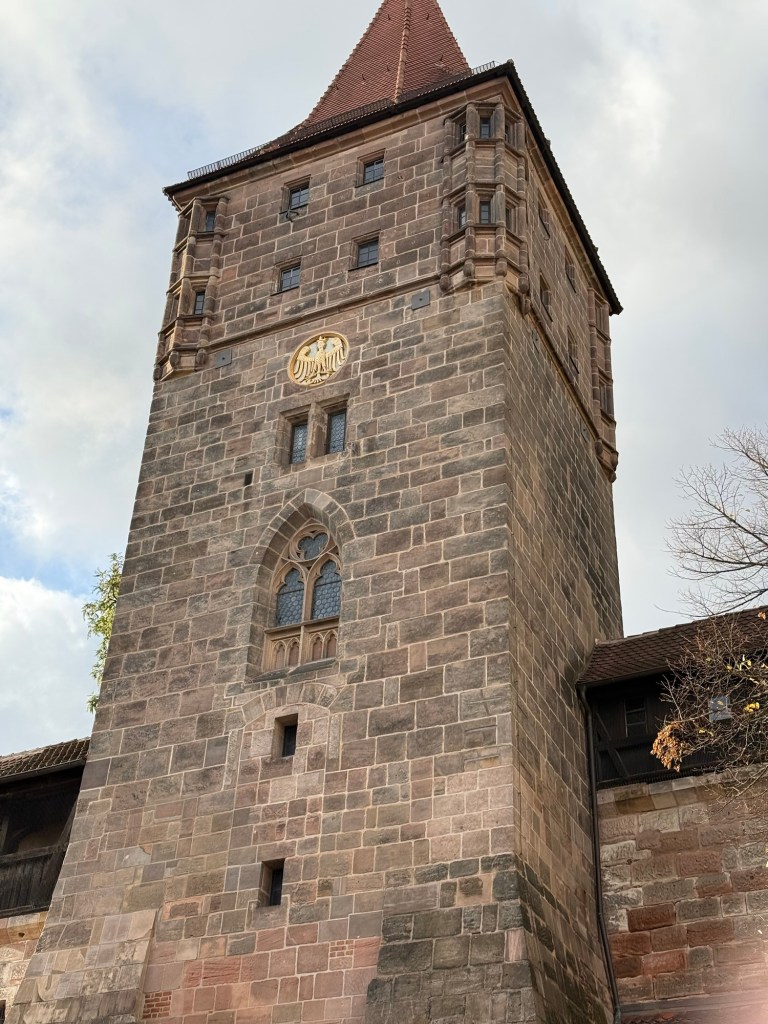
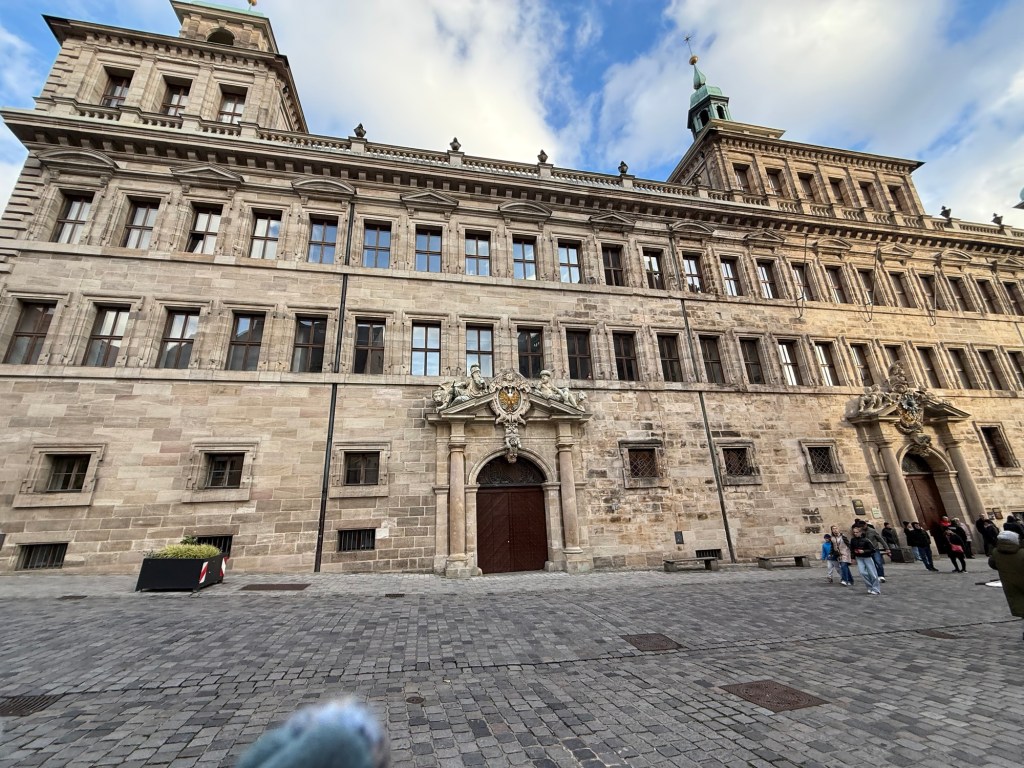
  • Nuremberg: So Much More Than What I Thought….
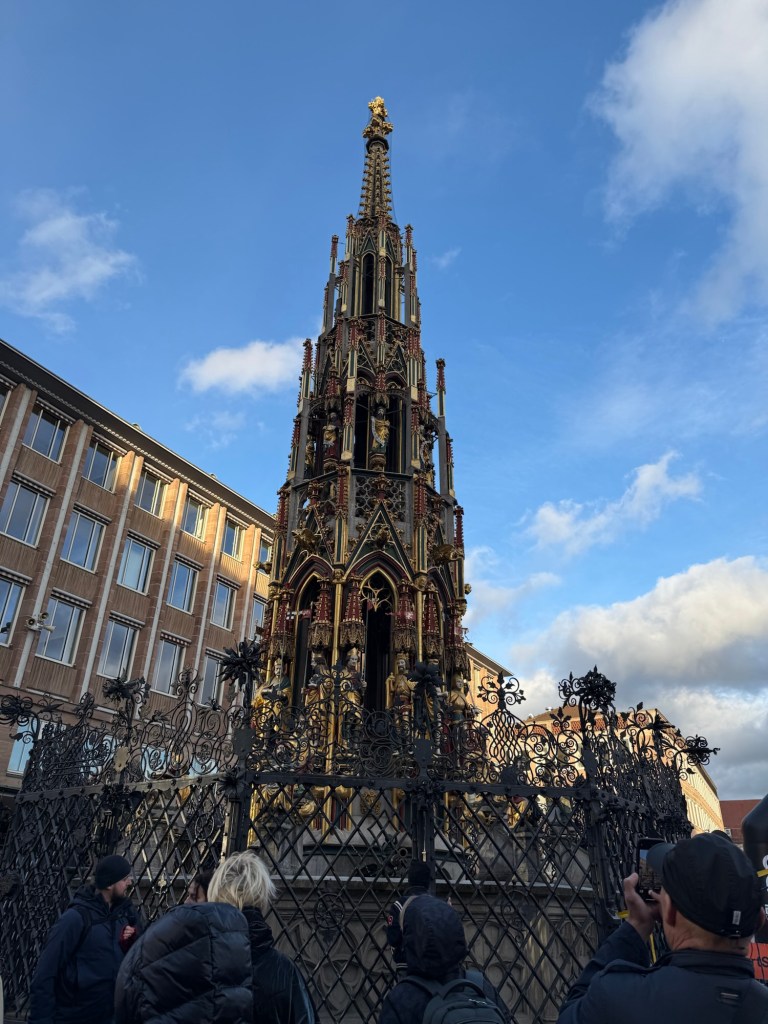
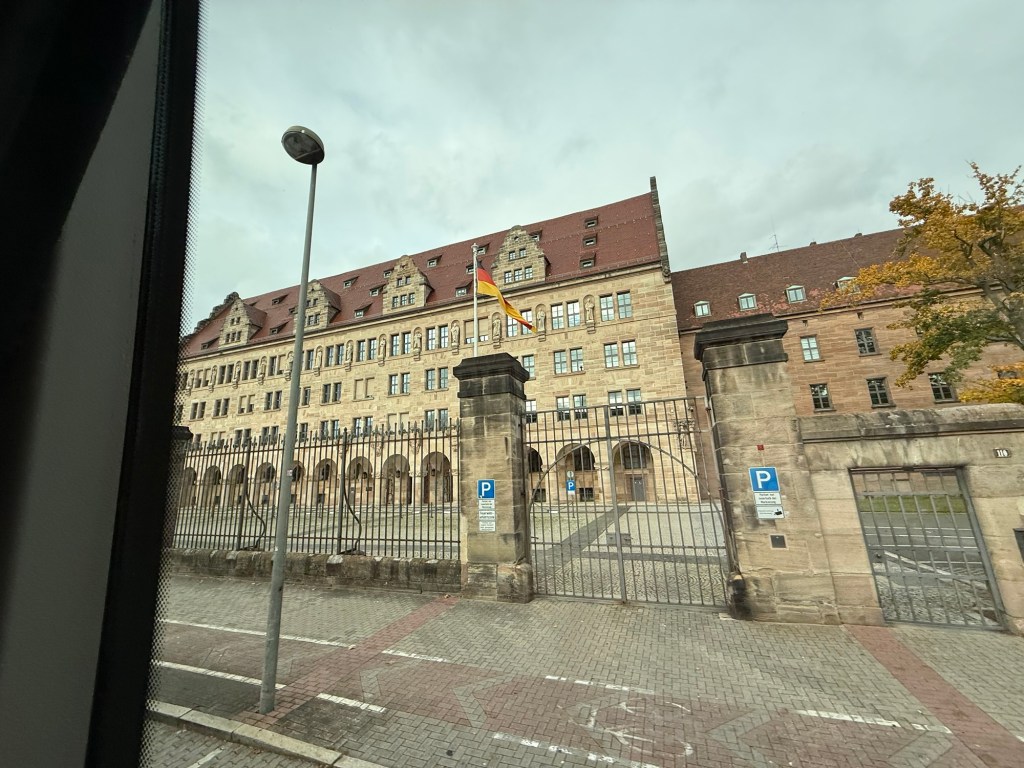
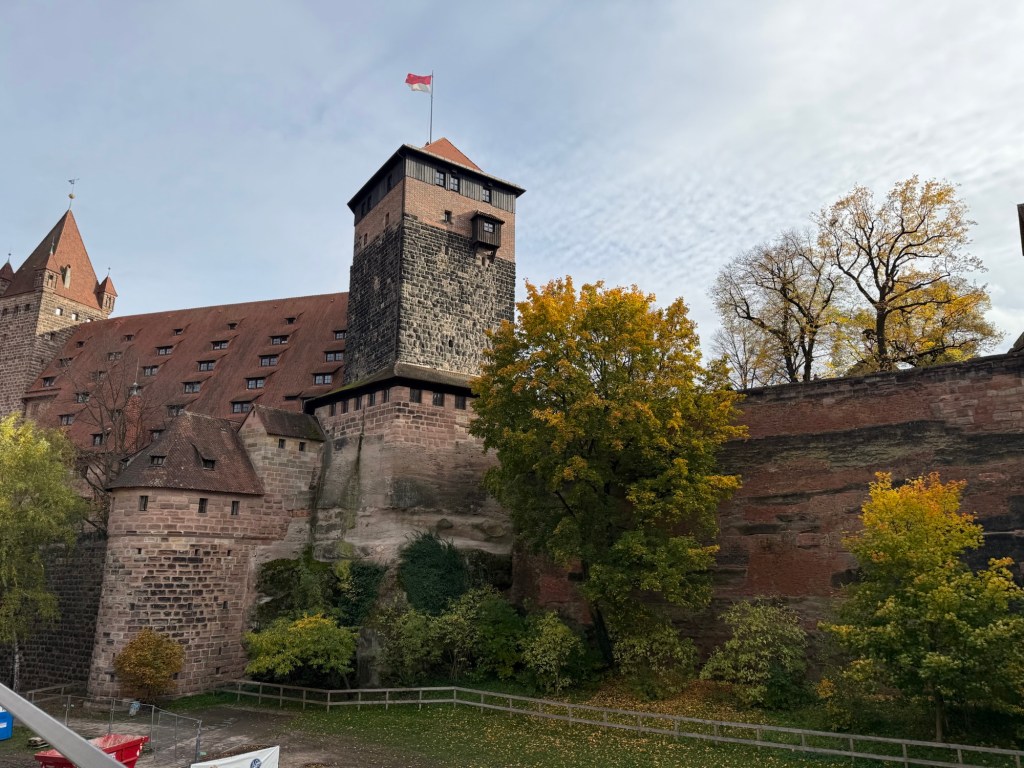
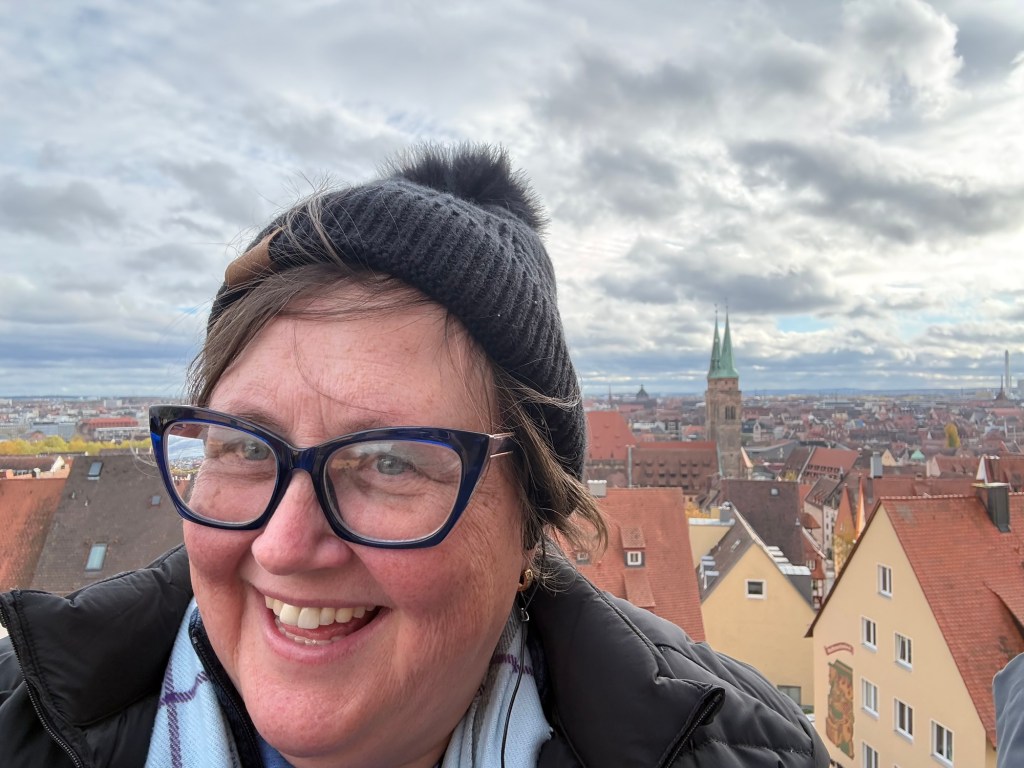
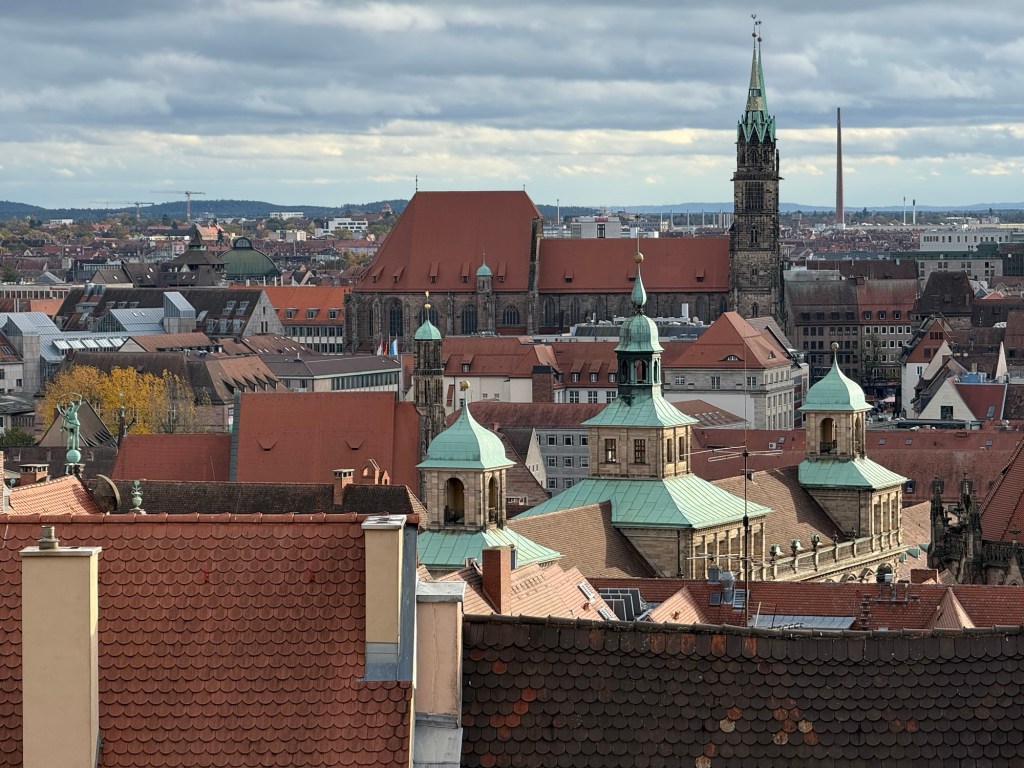
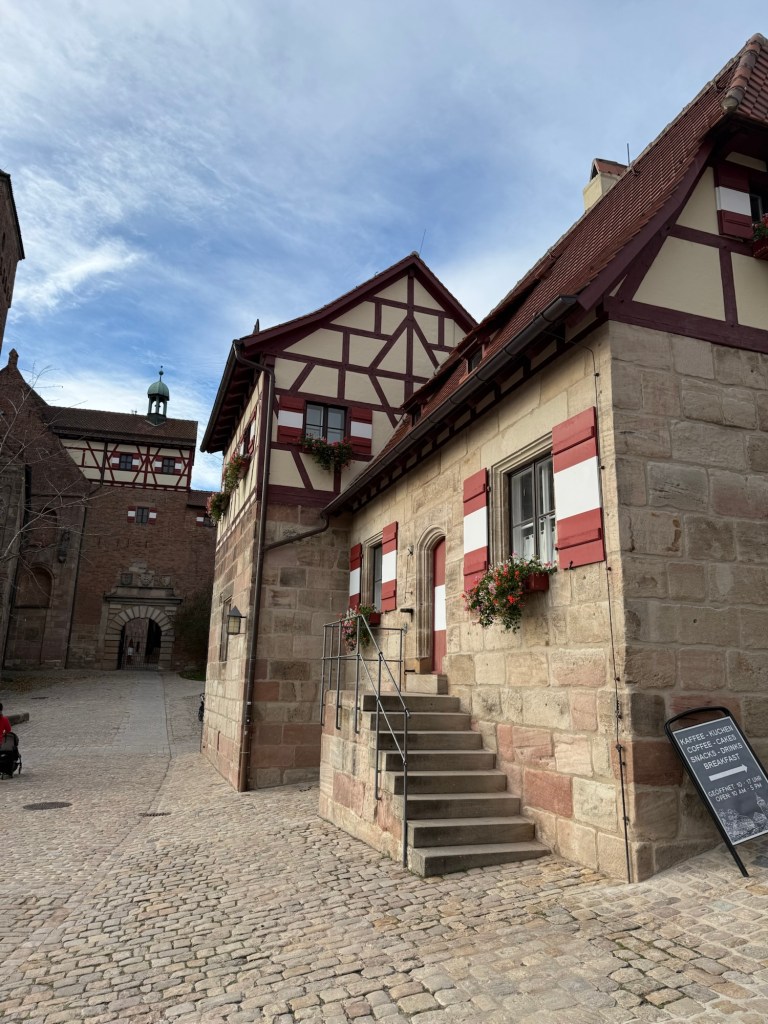
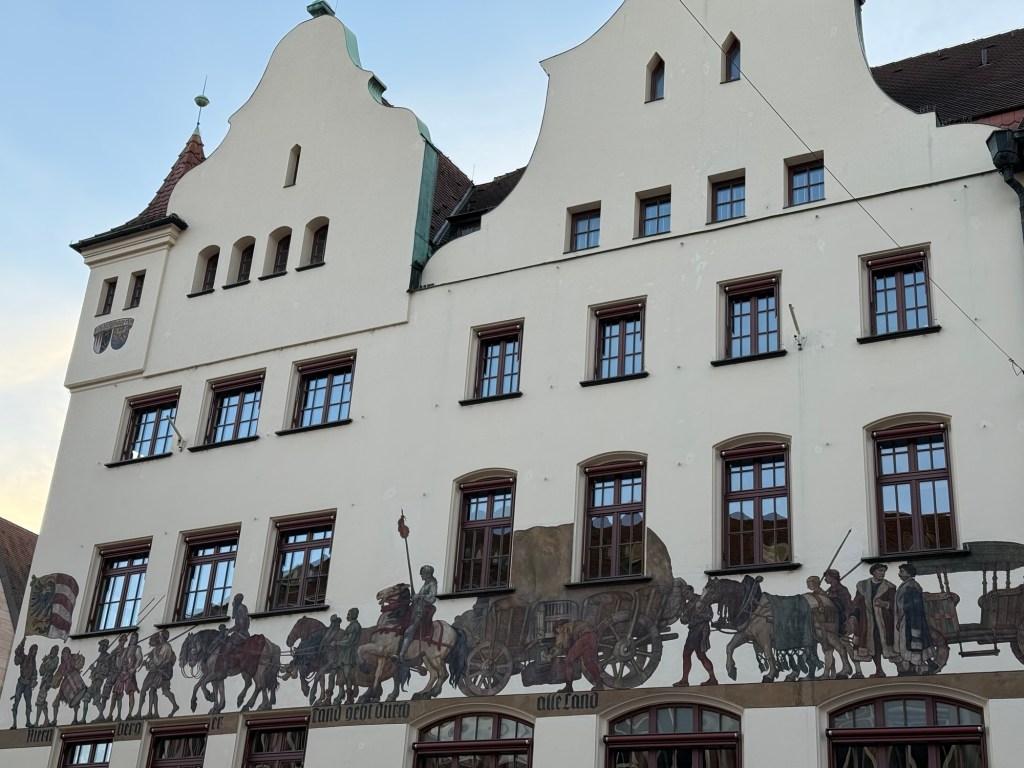
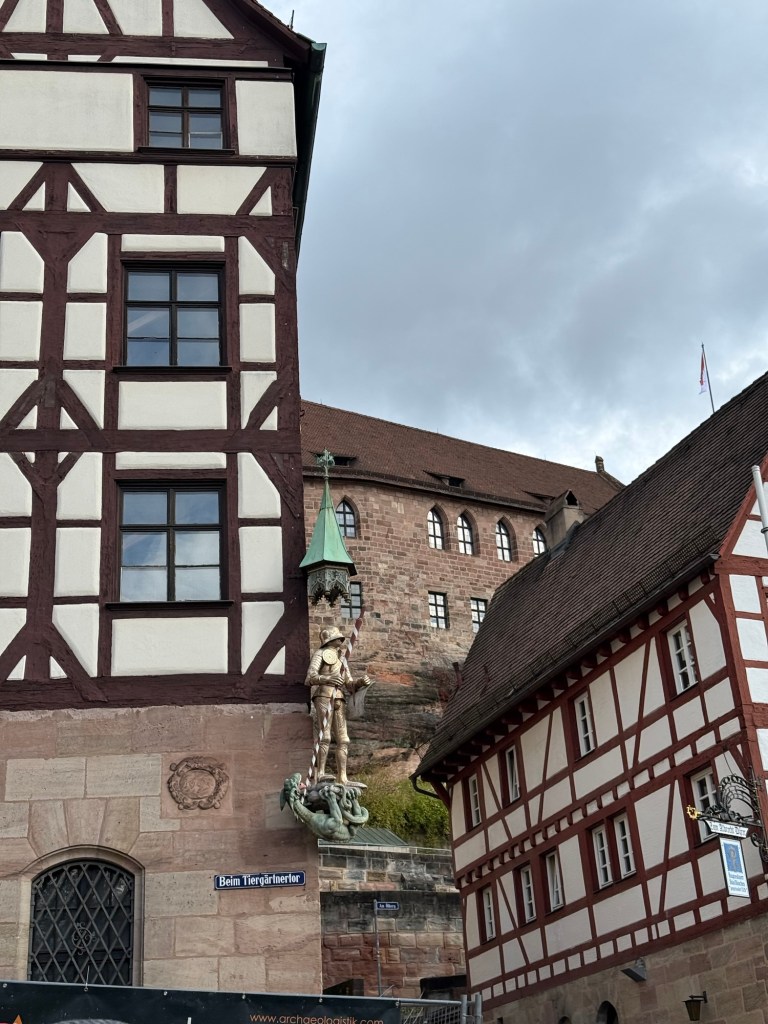
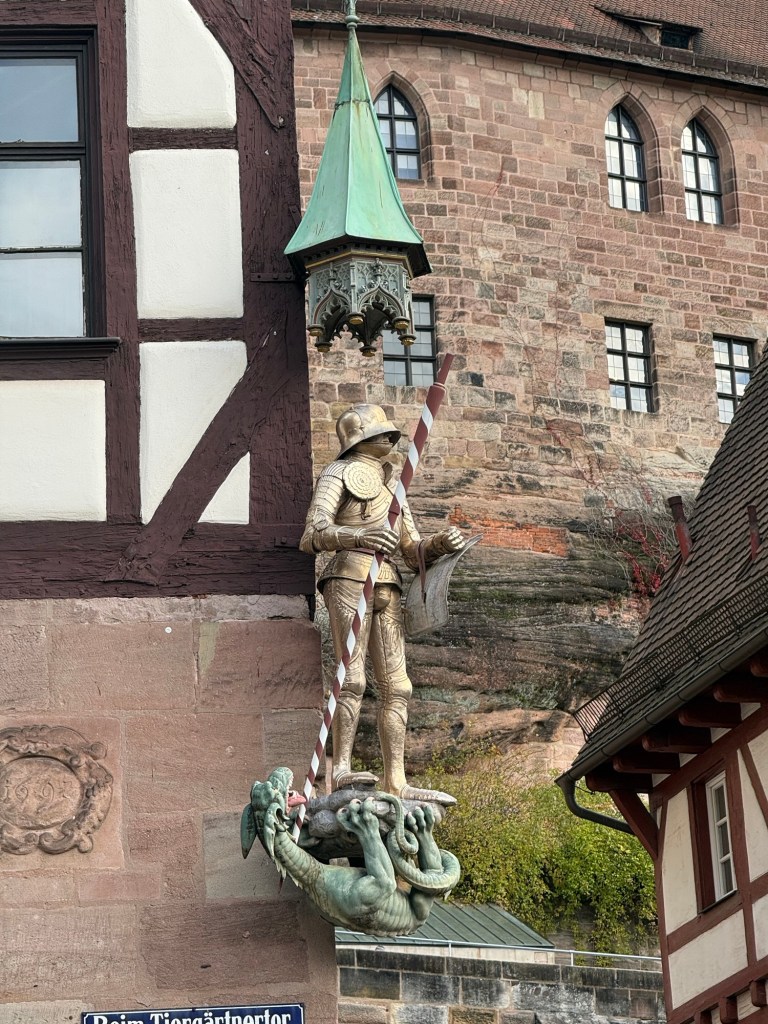
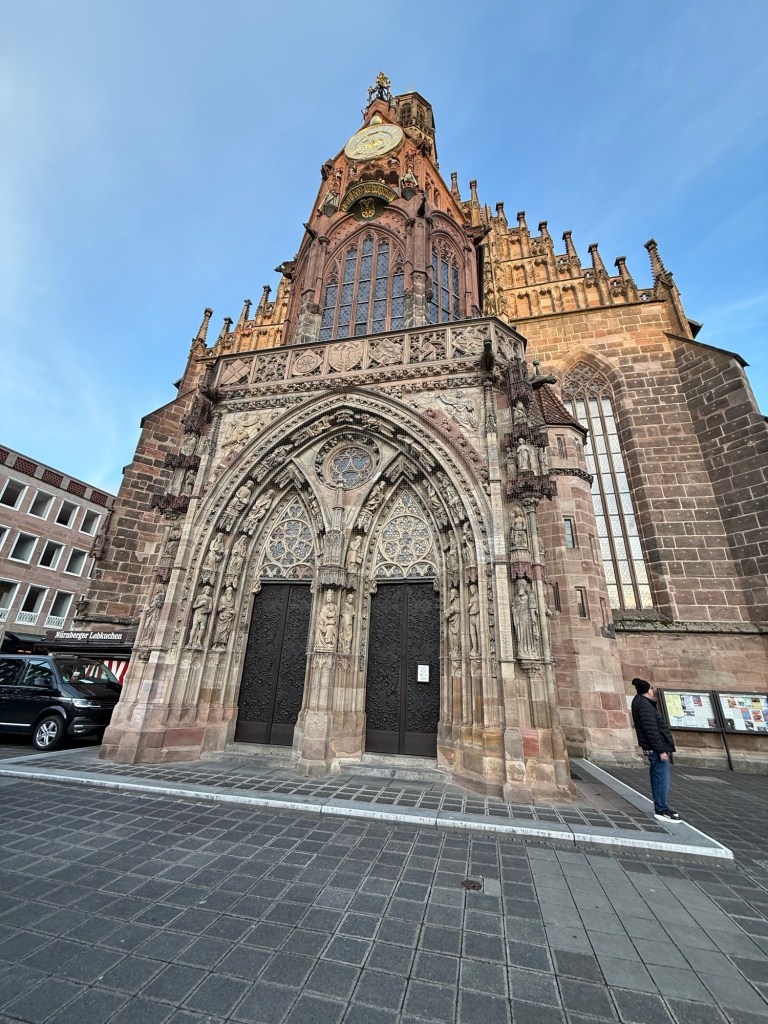
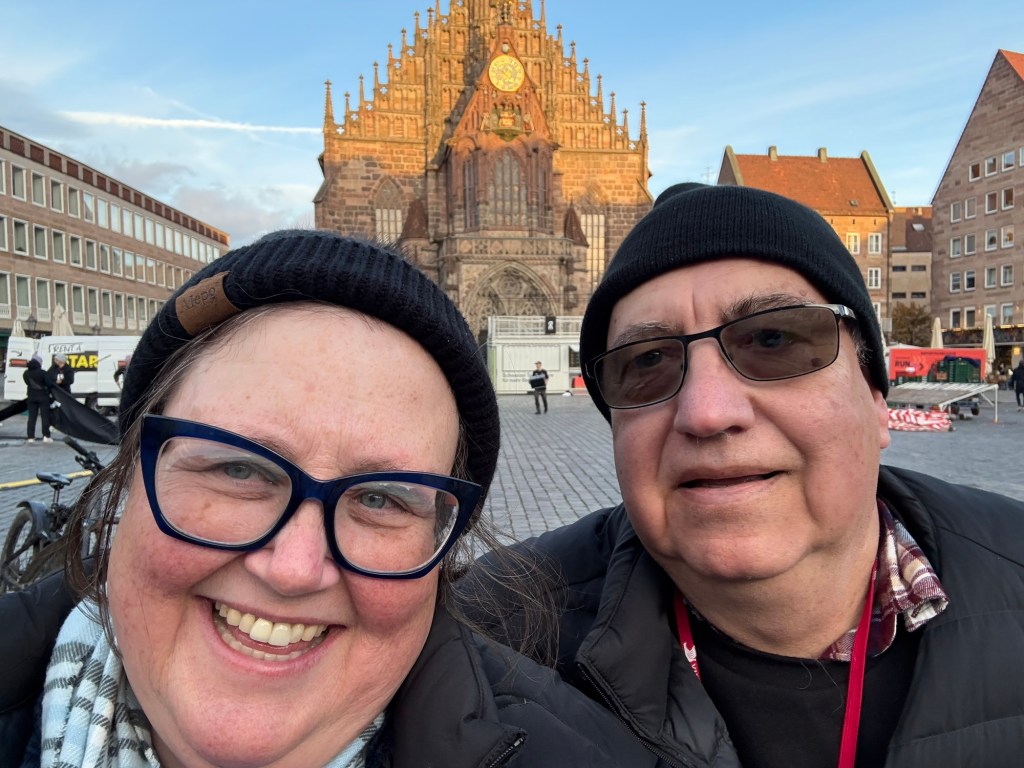
    I wasn’t sure what to expect from Nuremberg. During WWII, over 90 percent of the city was destroyed. What survived is a miracle. The rest was rebuilt and is very attractive. Hitler saw Nuremberg as his ideal German city so it is no surprise that the Allies went after it so aggressively. In addition, much of the German military manufacturing was based in Nuremberg.

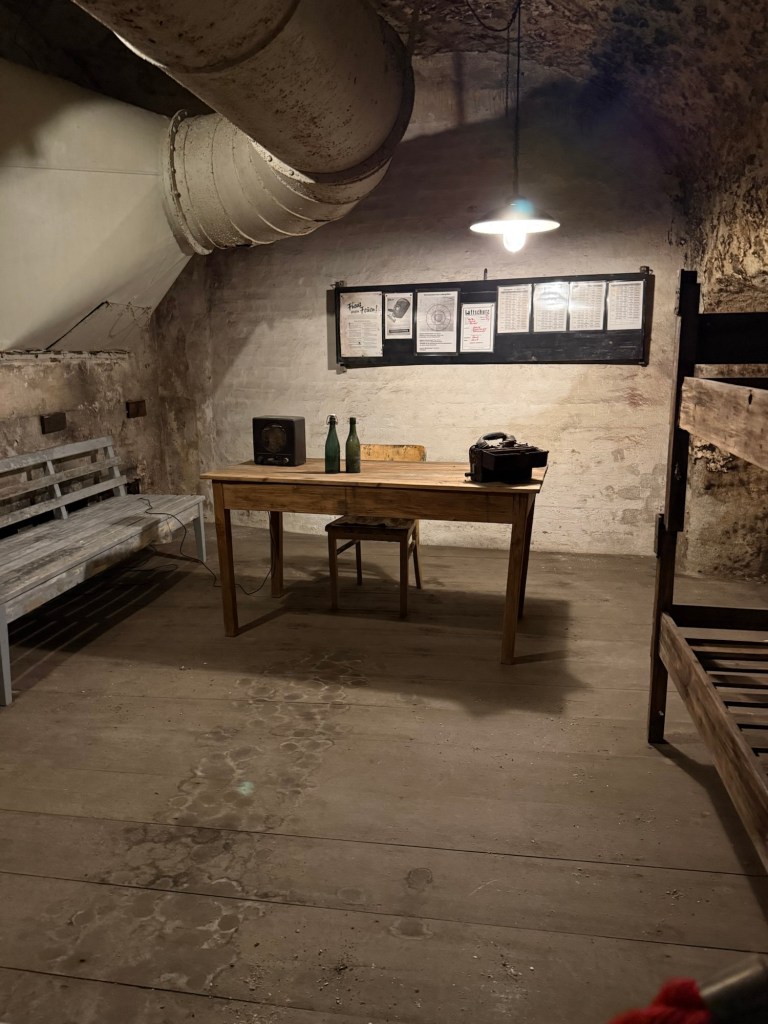
    Nuremberg did a better job preparing for bombing during WWII than other German cities. Consequently, despite aggressive bombing by the Allies, the city lost far less residents than other cities. The city used its numerous underground beer storage sites to shelter both people and their artwork.

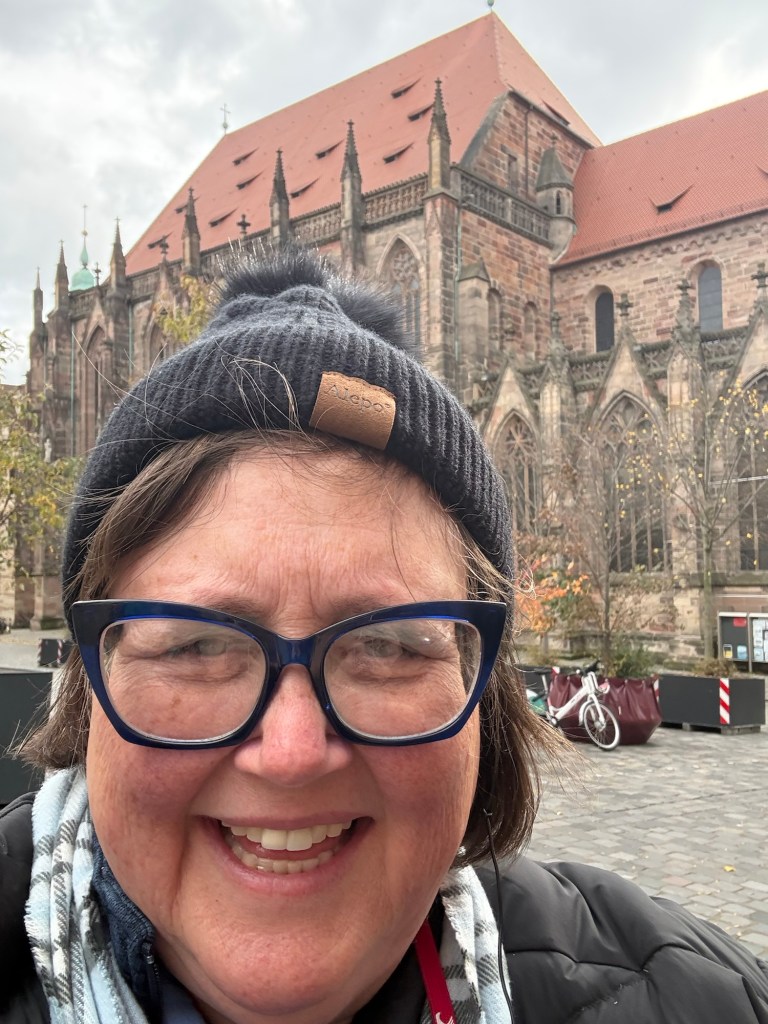
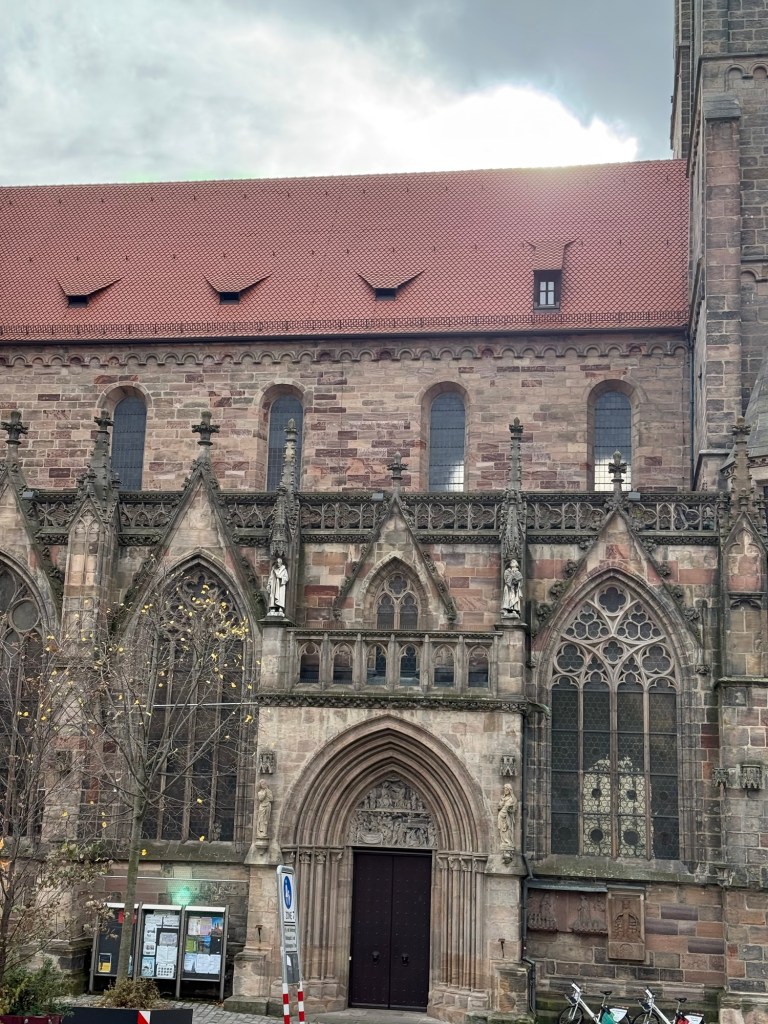
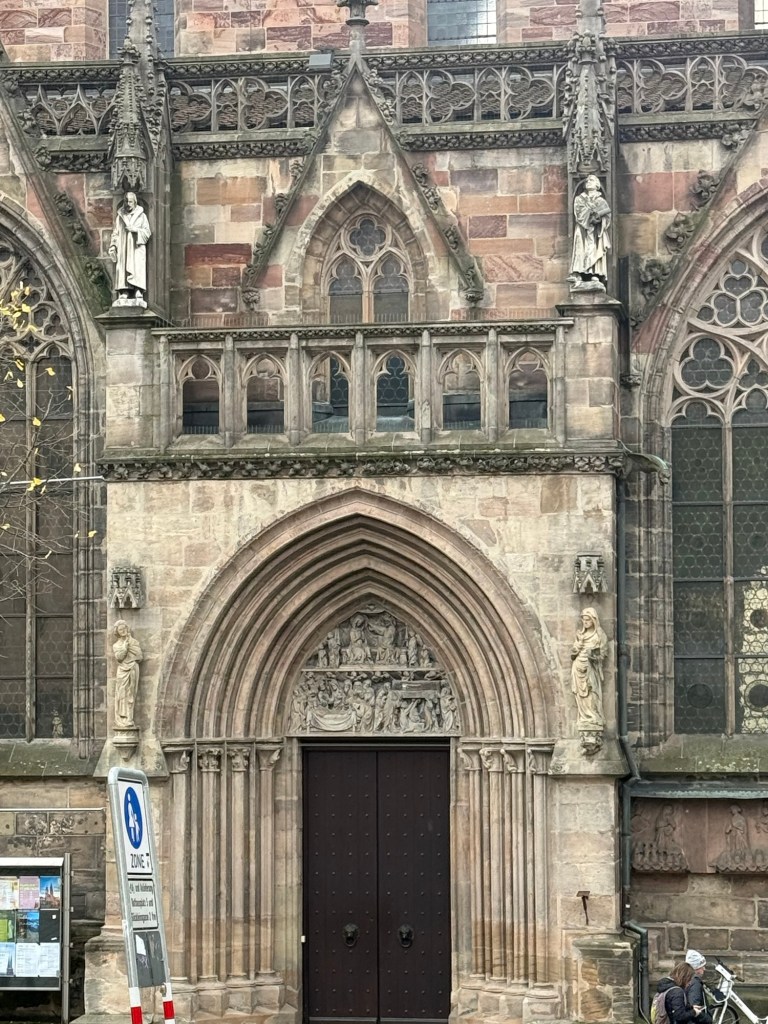
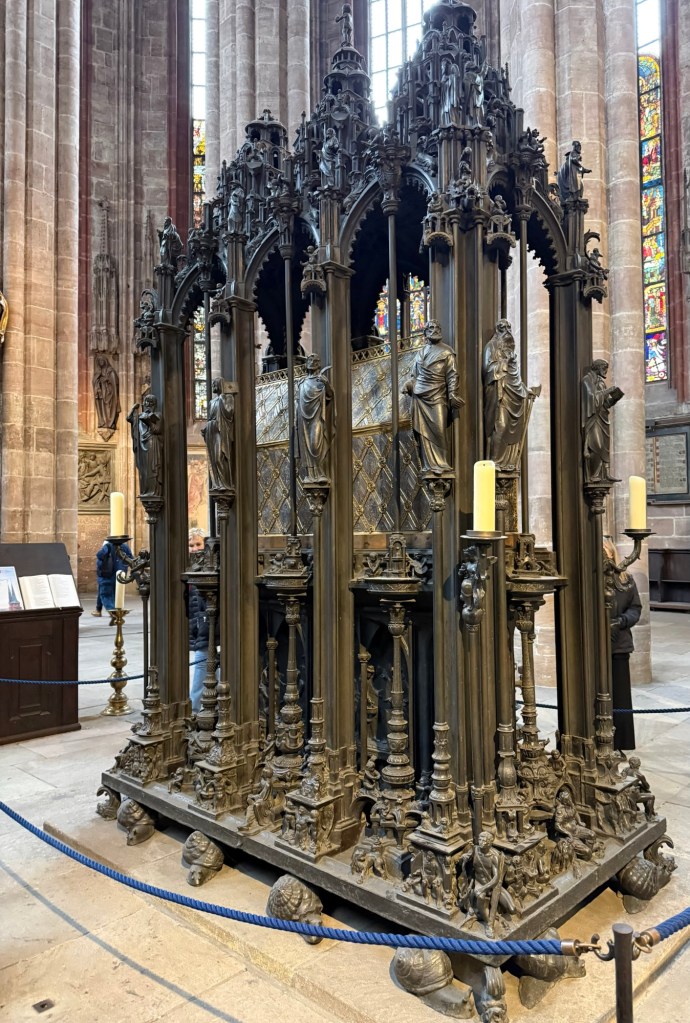
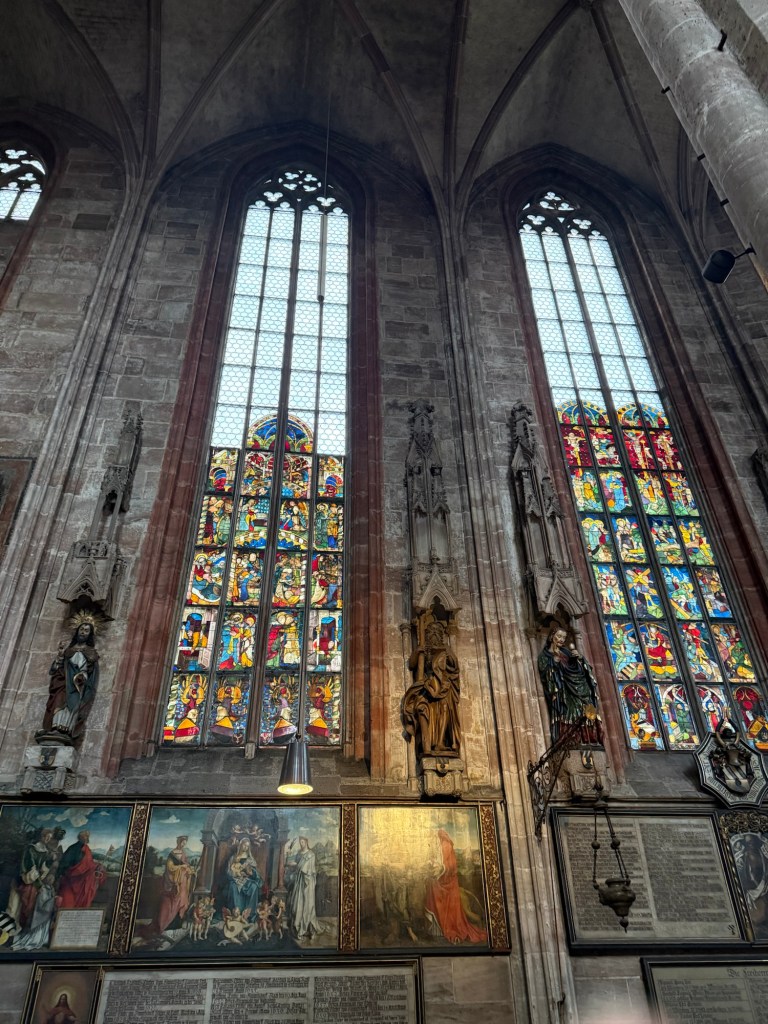
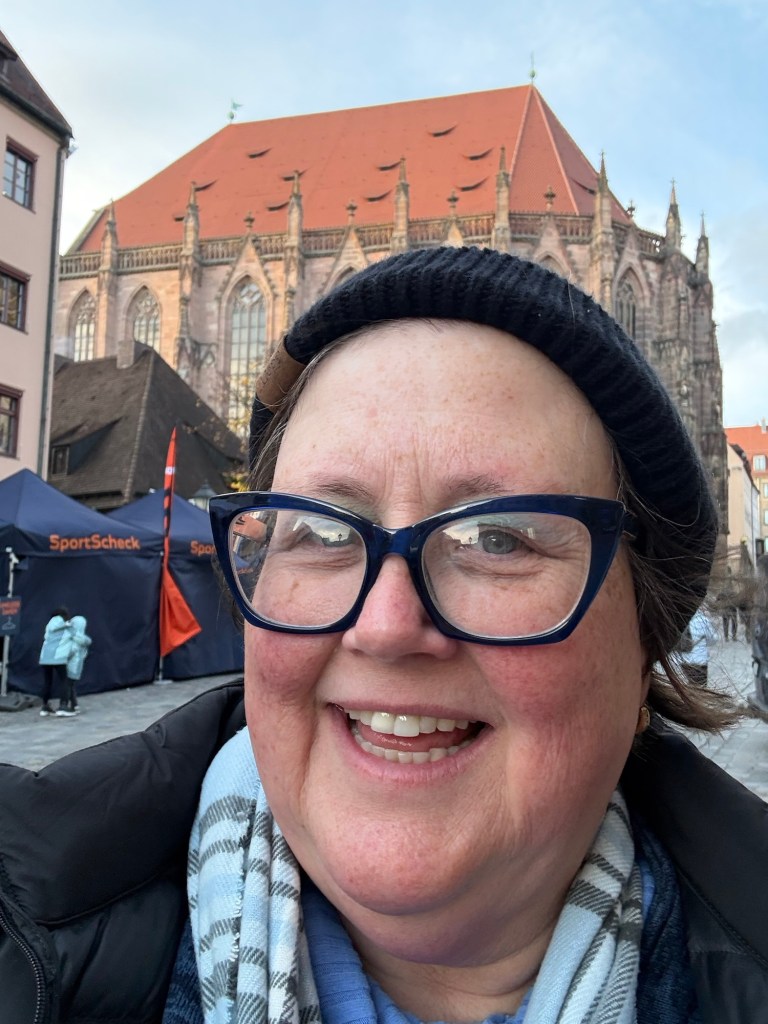
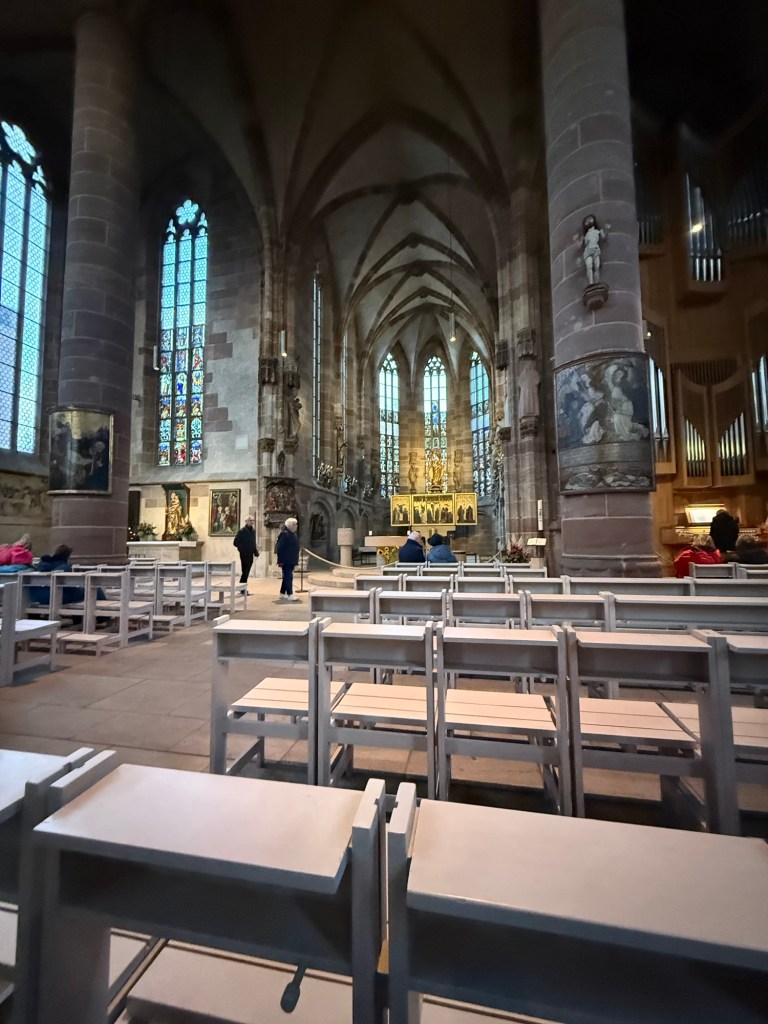
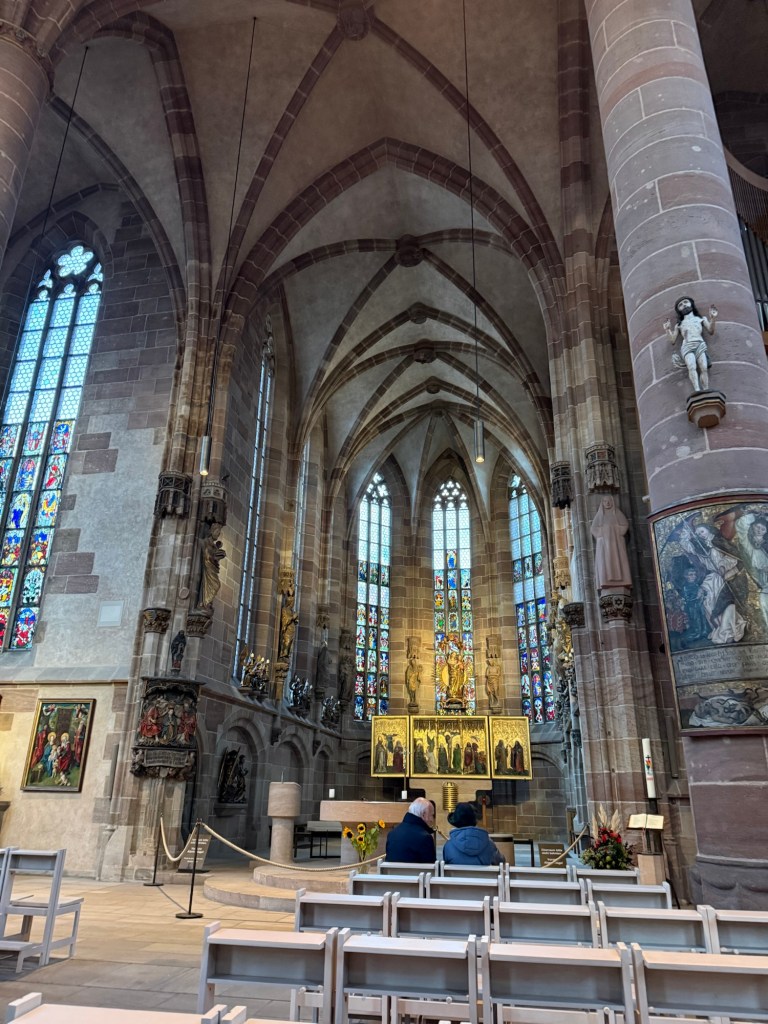
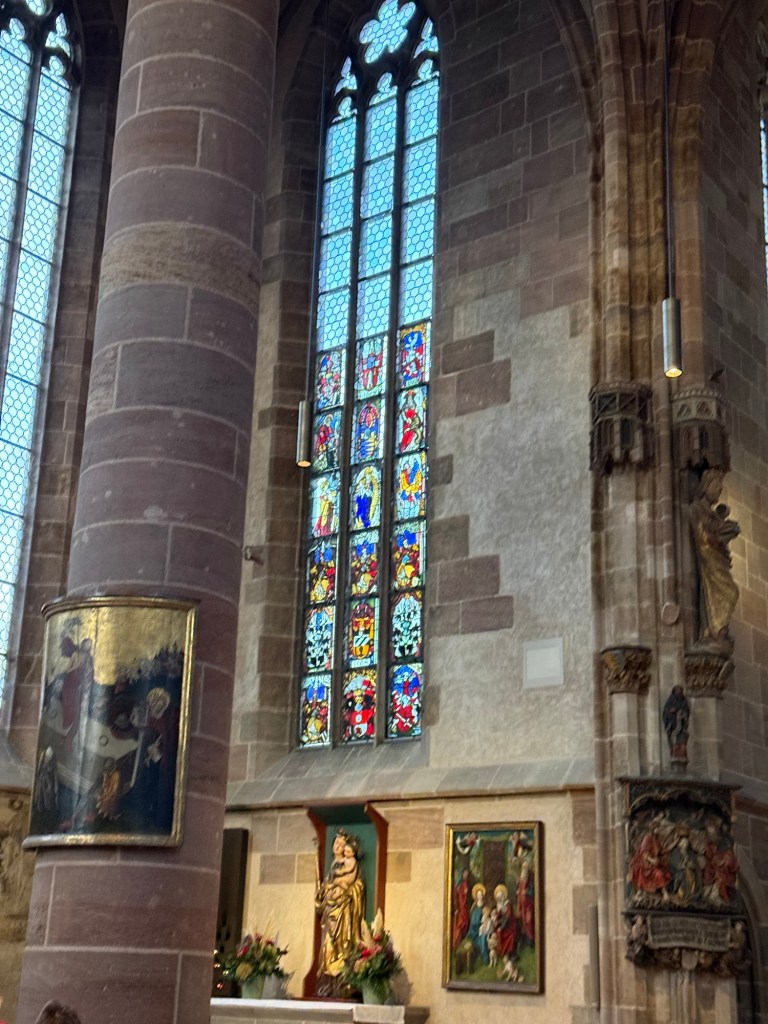
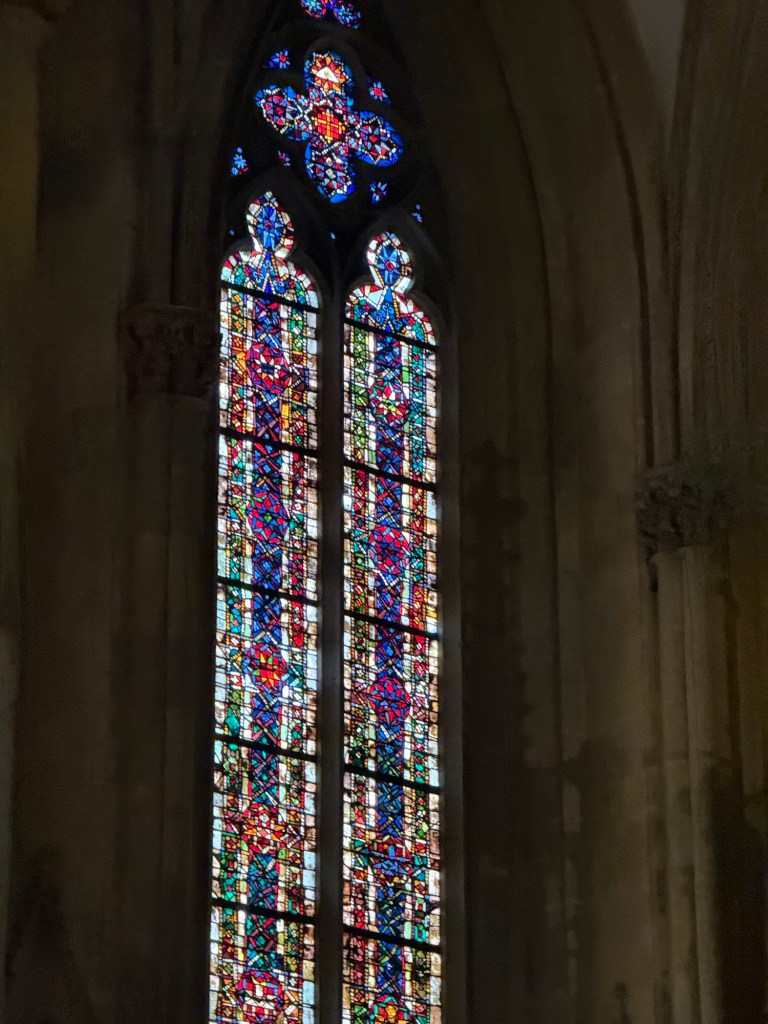
    Luckily, we were able to take a tour of the places where the Nazis hid artwork during WWII, including stolen pieces. It was fascinating. Unlike the majority of Nuremberg’s buildings, these underground hiding spaces remained intact and safe from the bombings. One of the most miraculous things saved were all the stained glass windows from Saint Sebaldus. Much of the cathedral was damaged by the Allied bombing. After the war, the Germans rebuilt the cathedral and reinstalled the original glass panes.

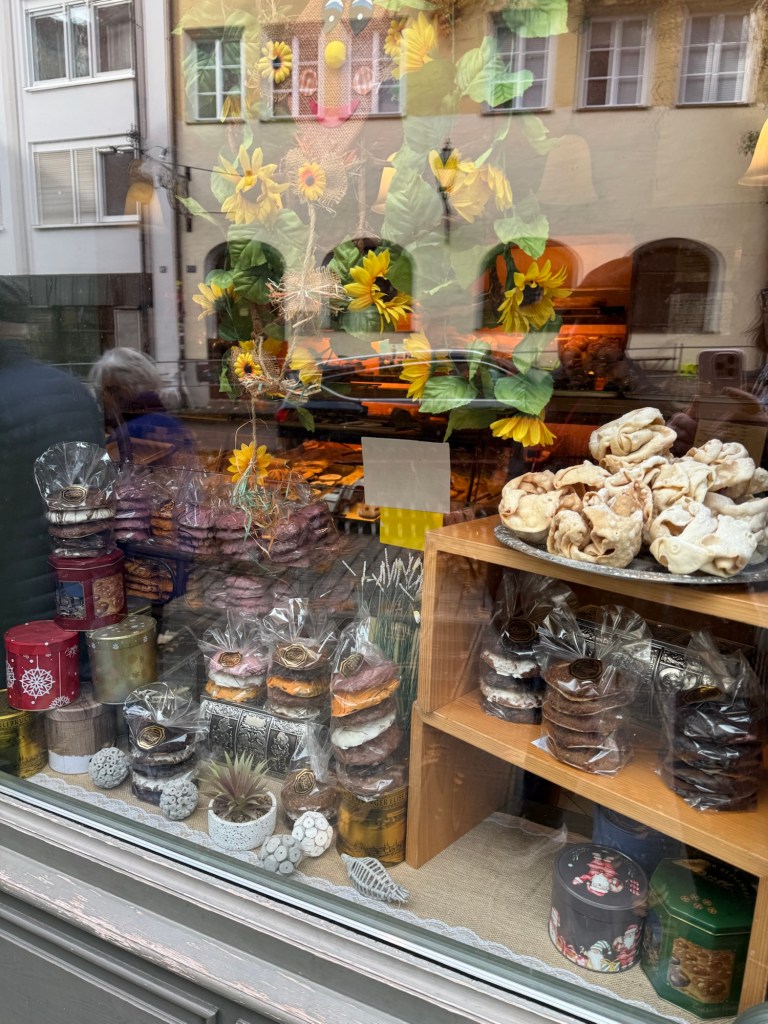
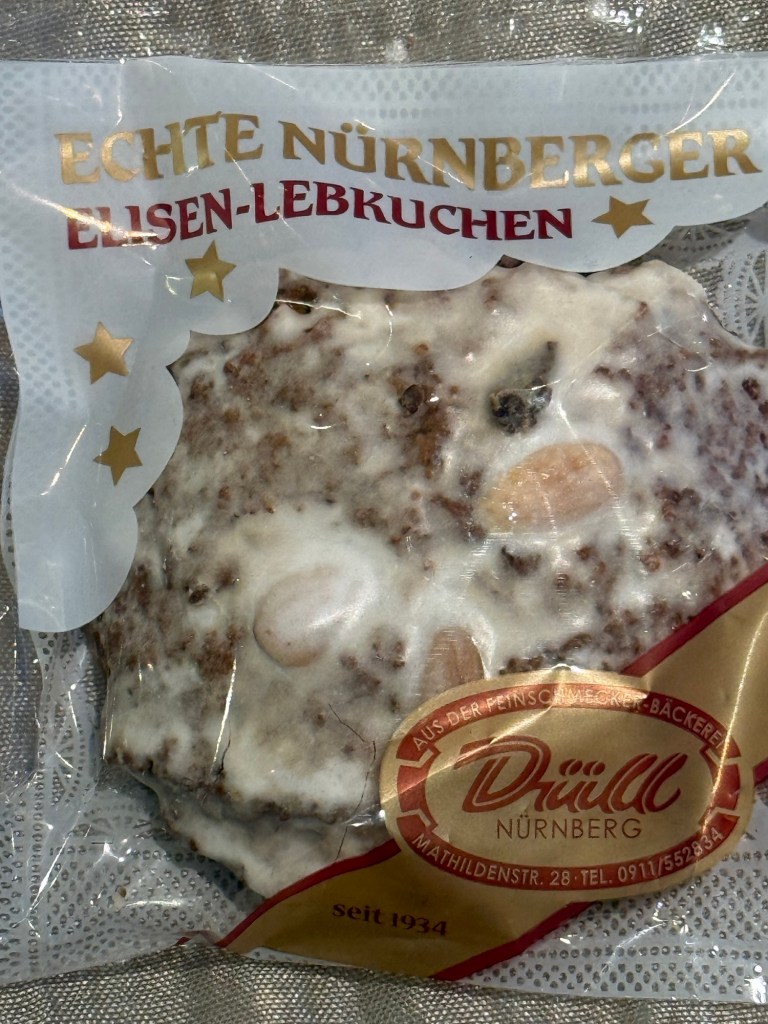
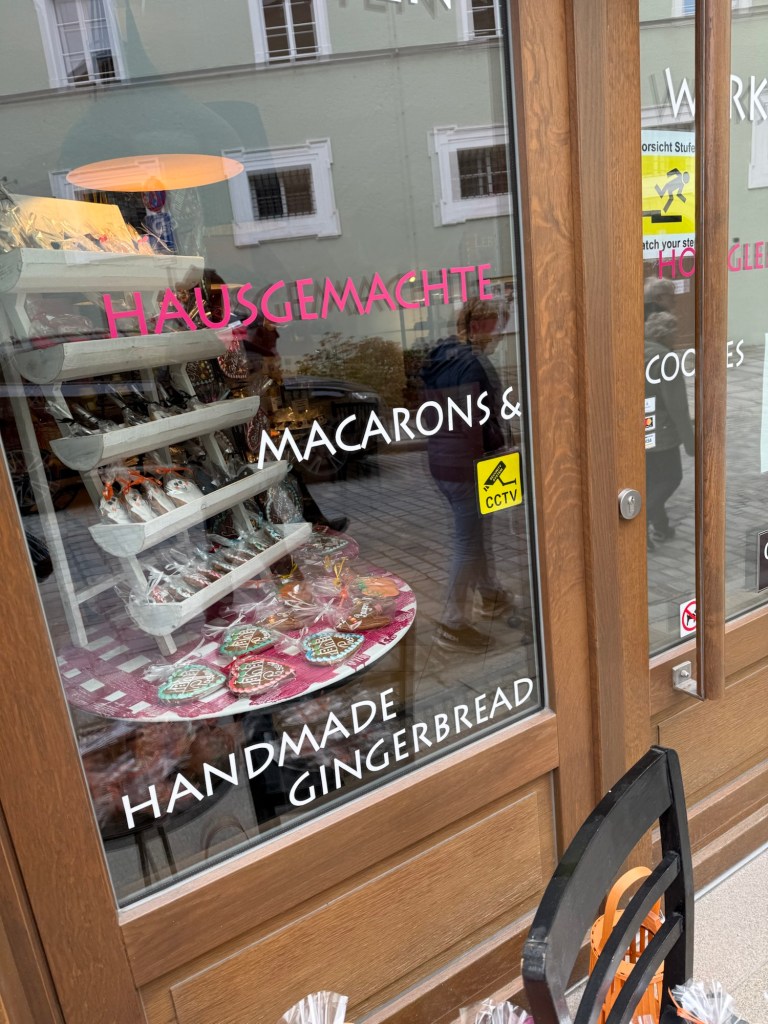
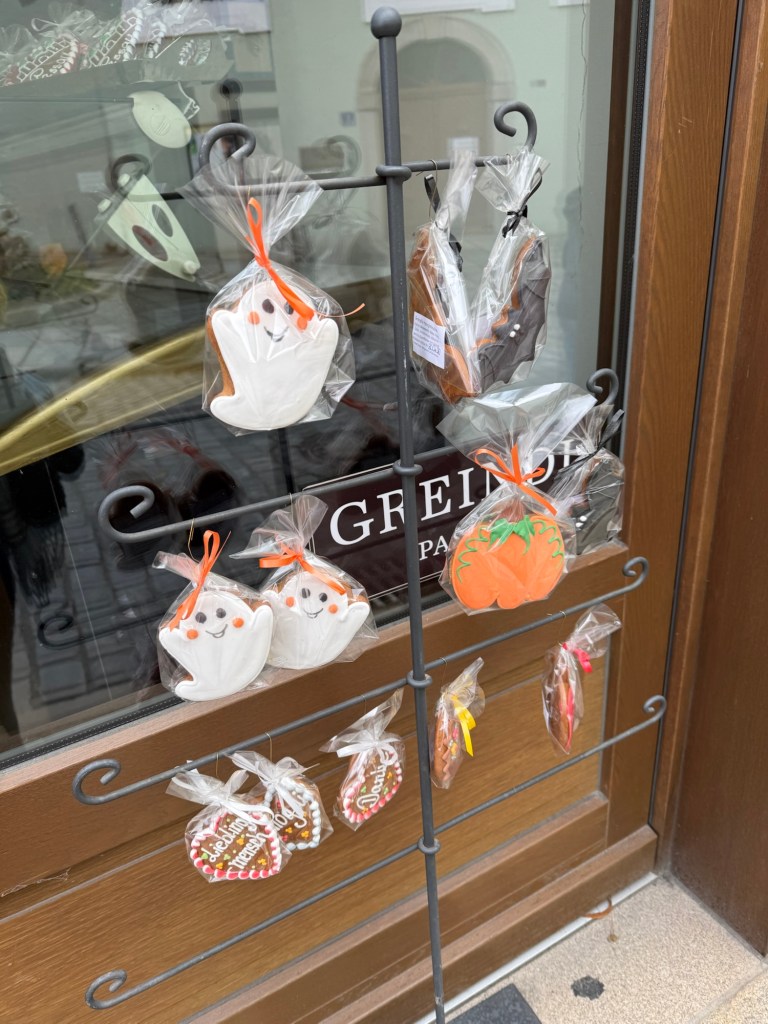
    Unfortunately, we visited Nuremberg on a Sunday – In Germany, most stores are closed on Sundays. Luckily, two specialty stores for German gingerbread (more like a spice cookie) remain open on Sundays. The store we entered was packed with both local Germans and tourists. It was our only experience with an unhappy shop owner. Everywhere else has been so incredibly friendly. Most Germans not only speak English but do so with an American accent. As we travel along the rivers and canals, the German people have been so incredibly helpful and hospitable.

  • Regensburg – Home of the Oldest Fast-Food Joint

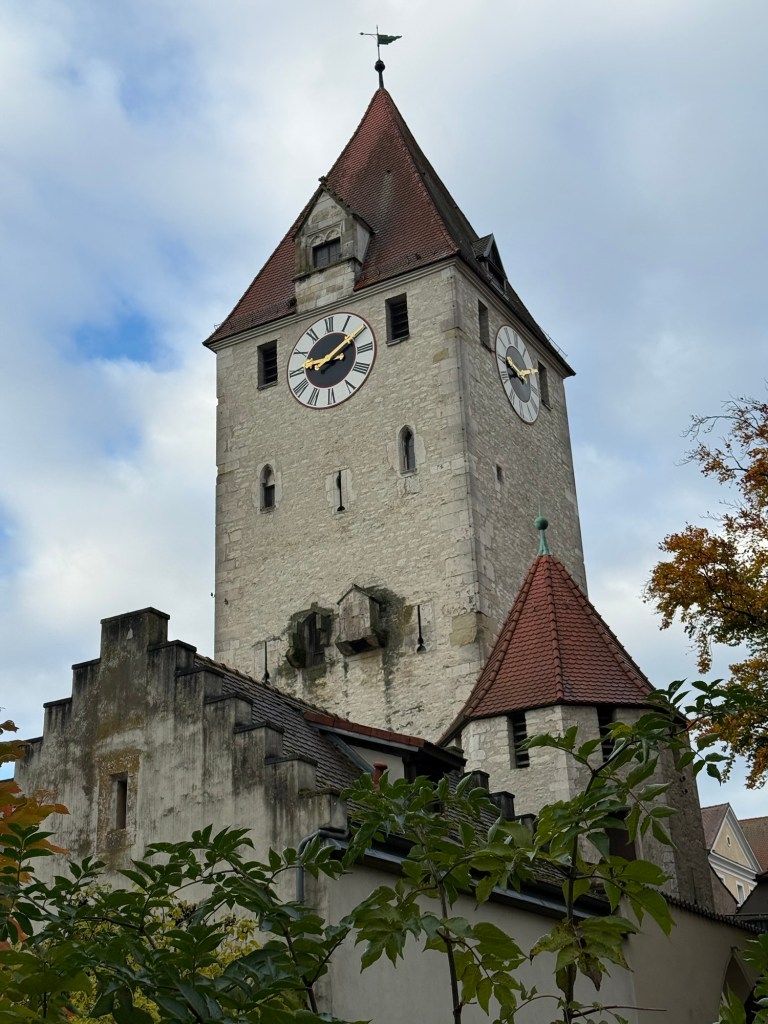
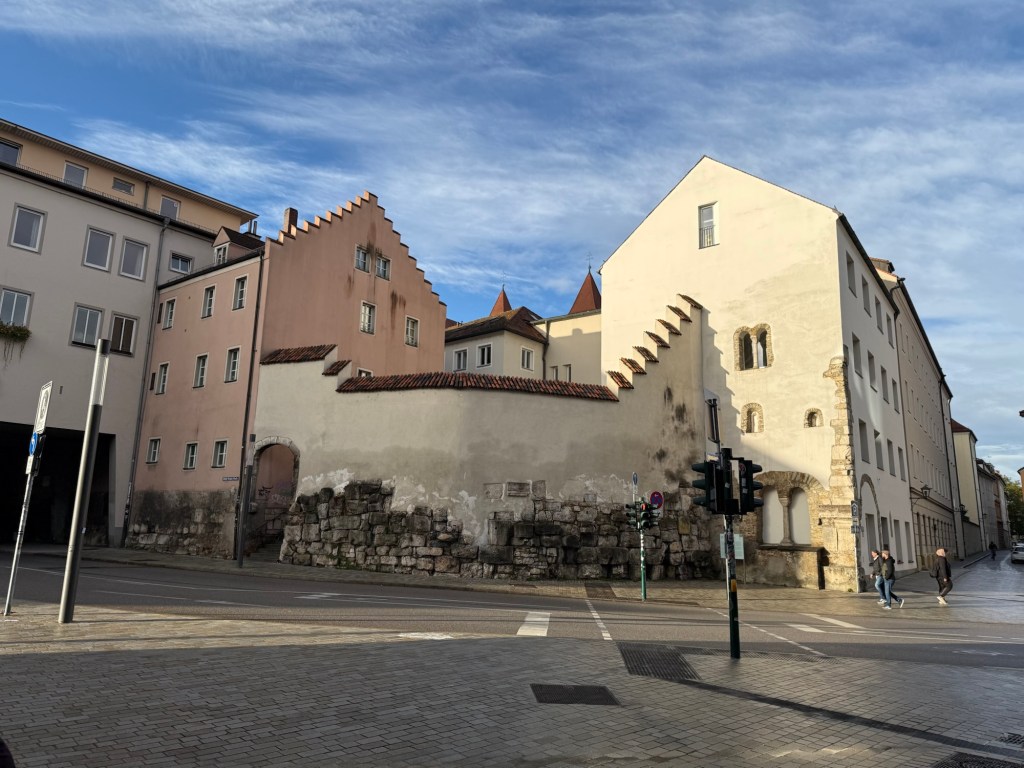
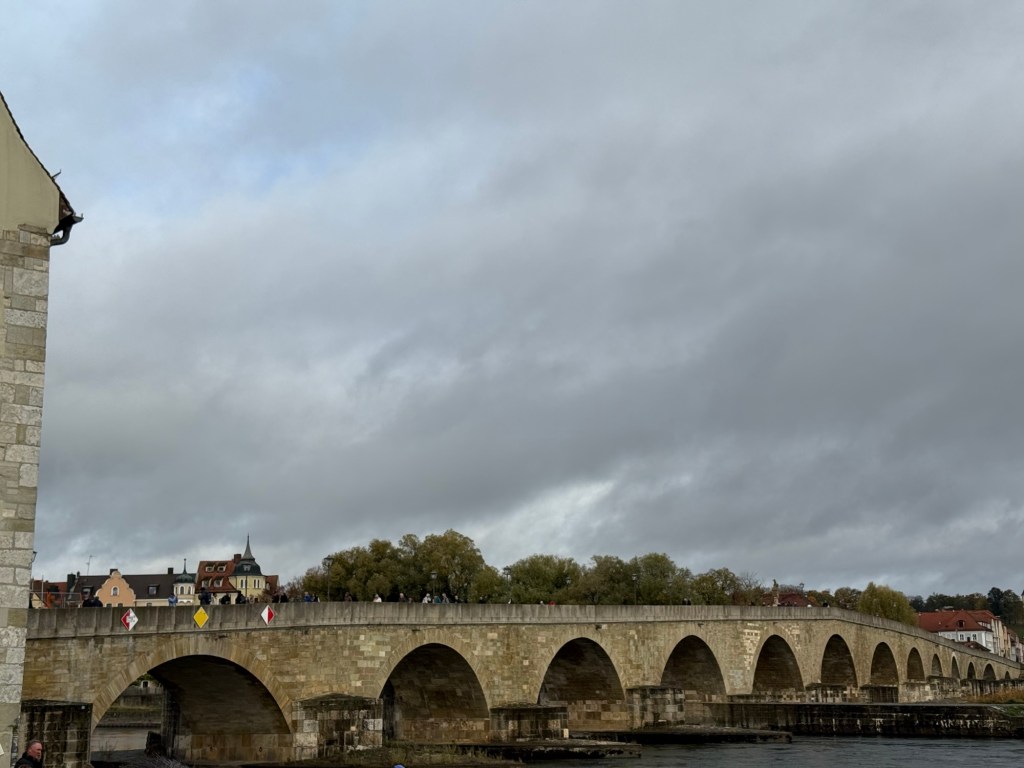
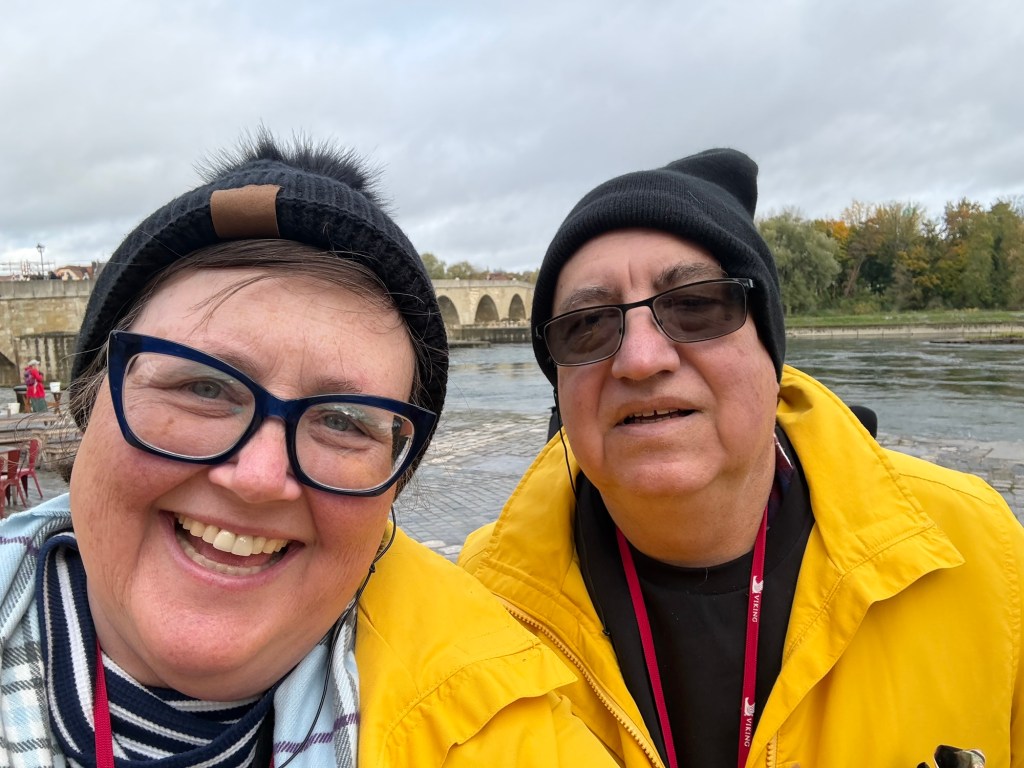
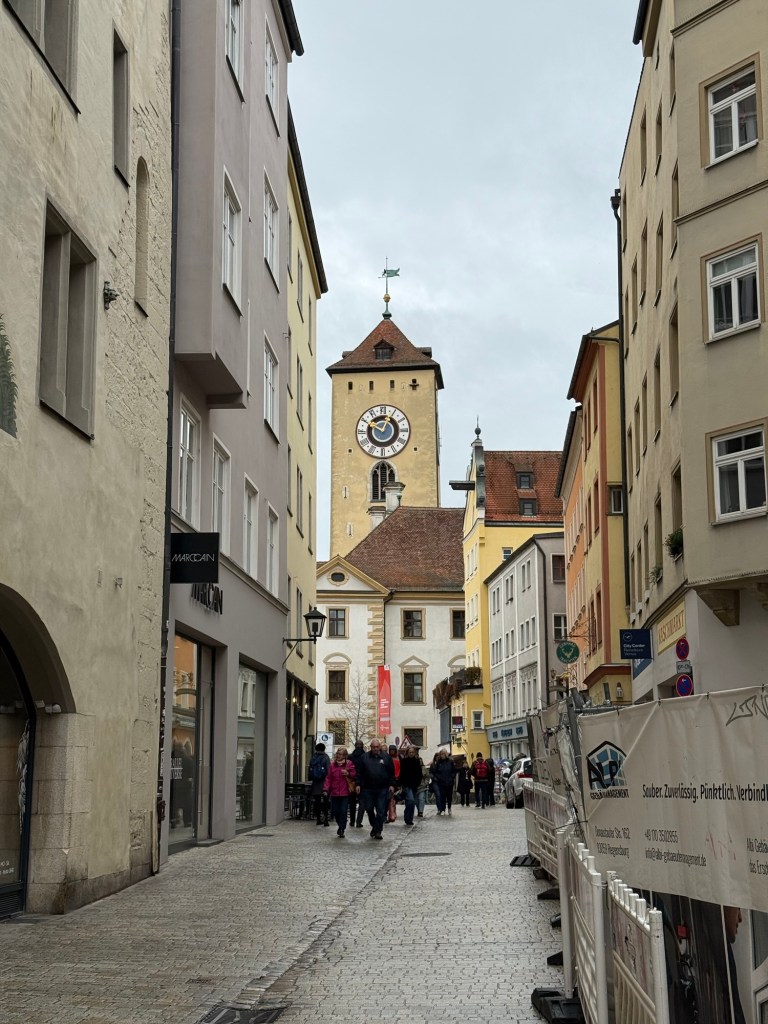
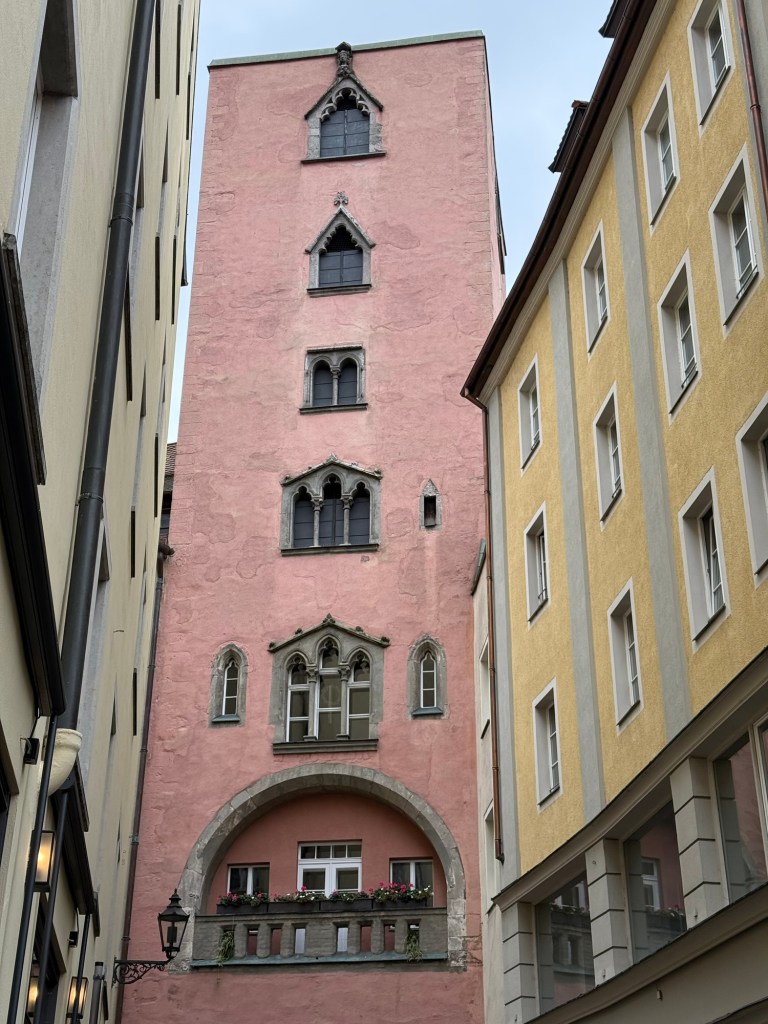
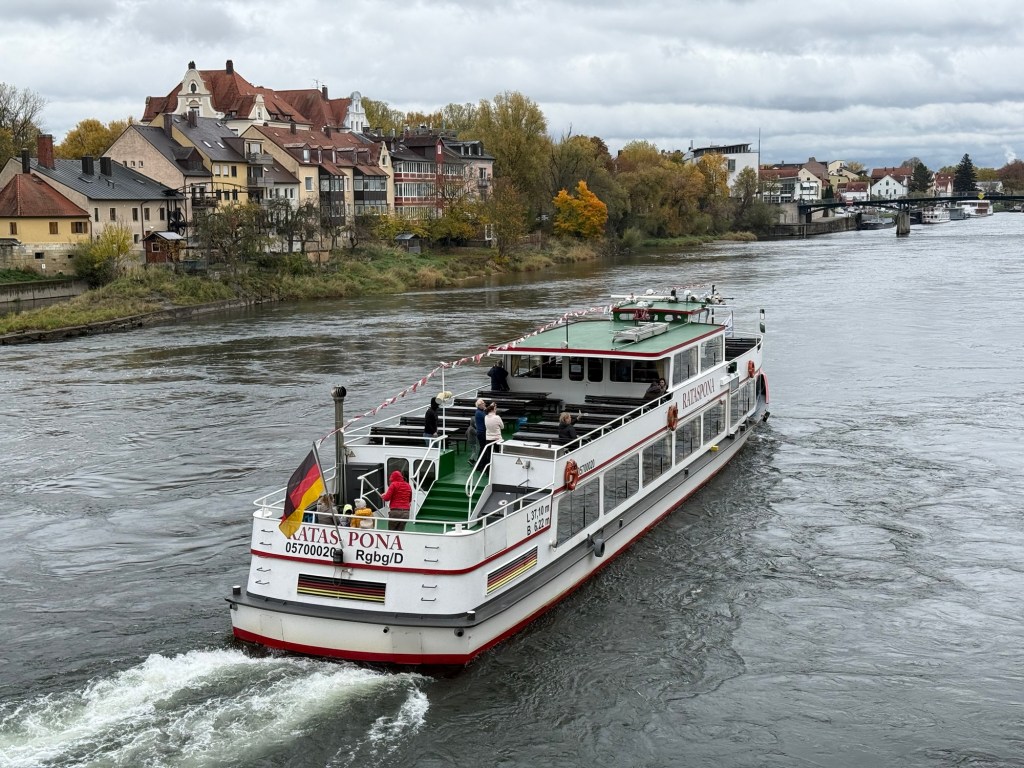
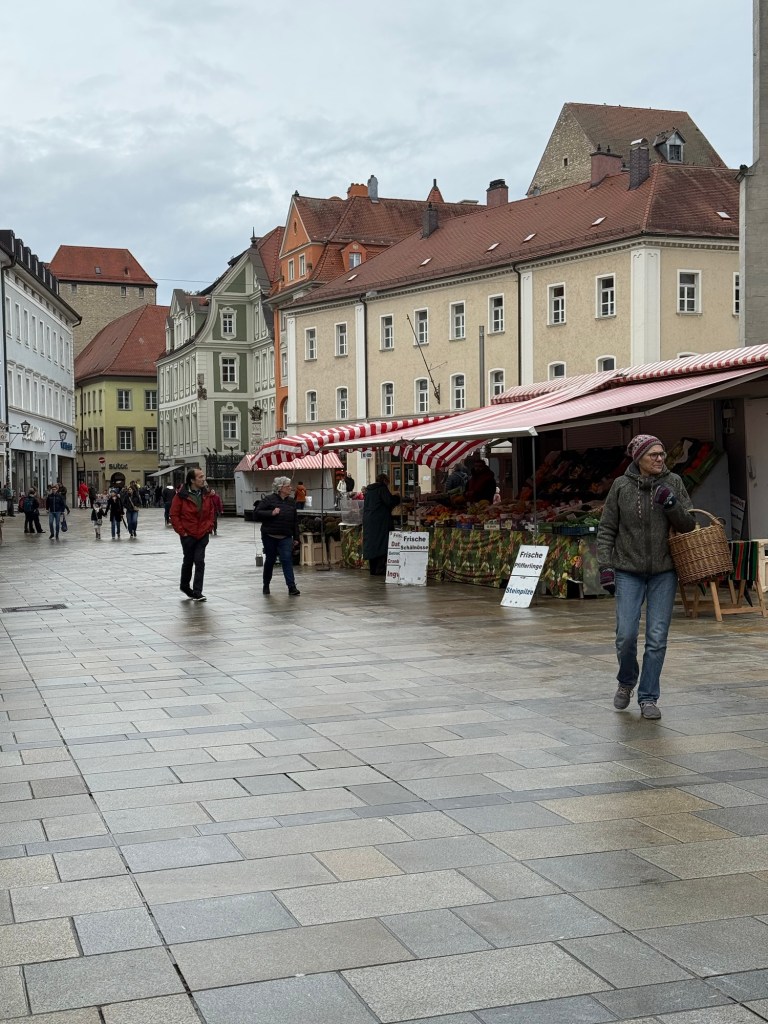
    The minute we approached Regensburg, I knew I was in for a great experience. Luckily, Regensburg escaped bombing during WW II and most of the old buildings survived. For example, the Stone Bridge dates back to the 12th Century. My only disappointment was a certain amount of graffiti. This is not exclusive to Regensburg. We have spotted quite a bit of it in Vienna and Passau, too.

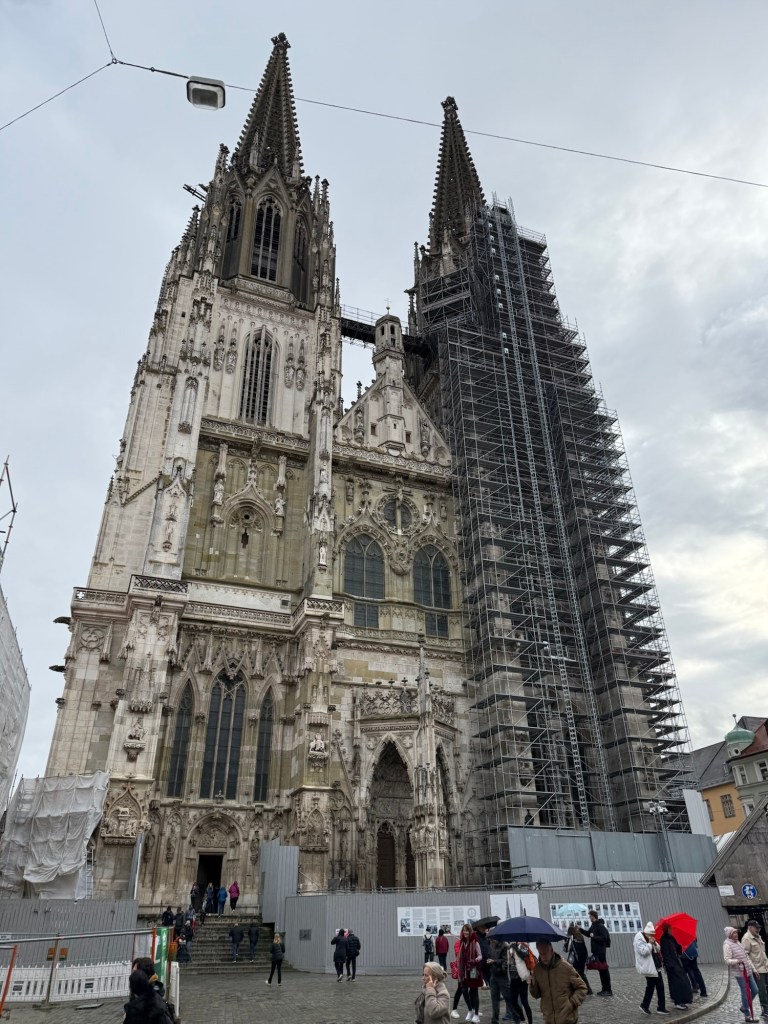
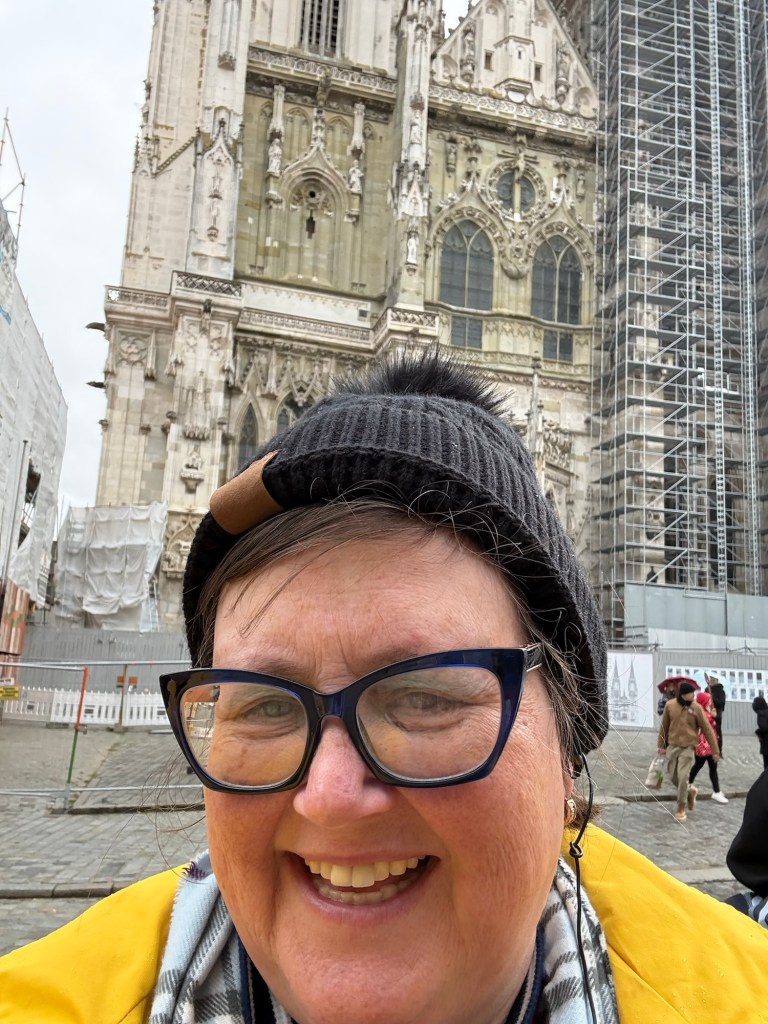
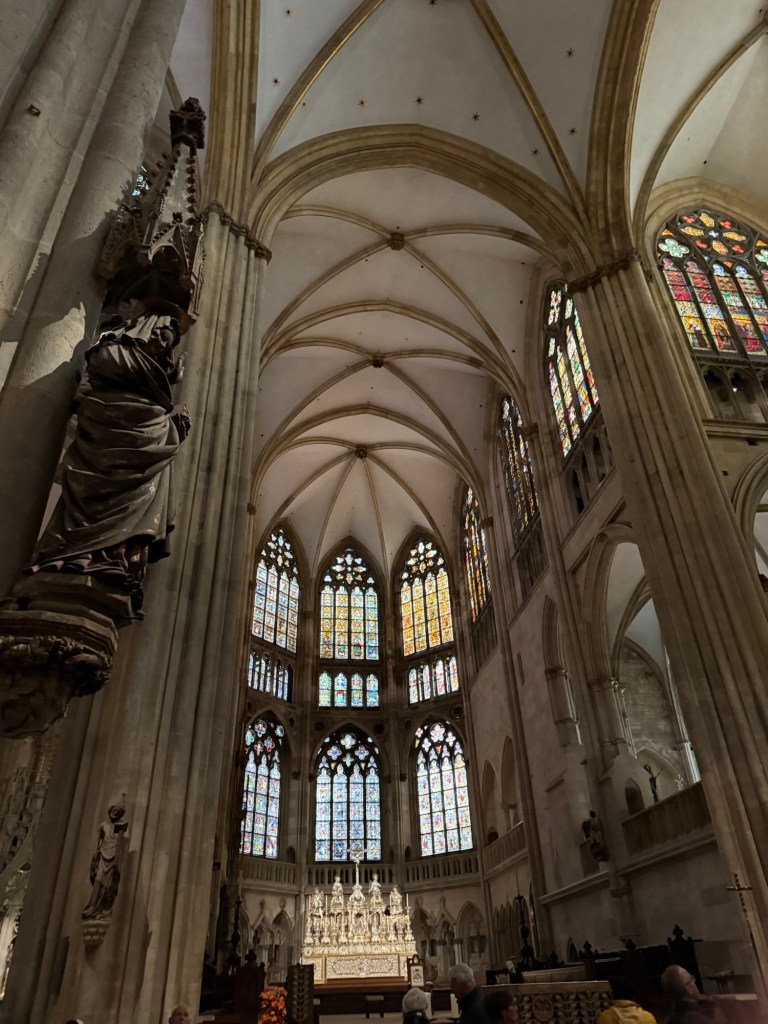
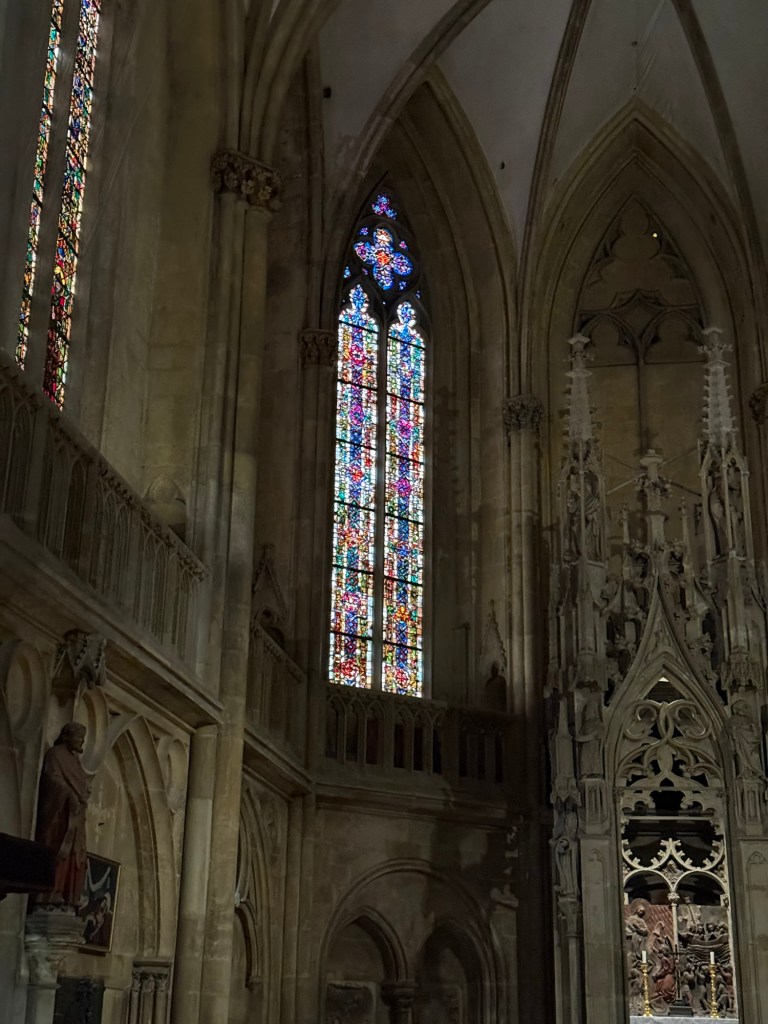
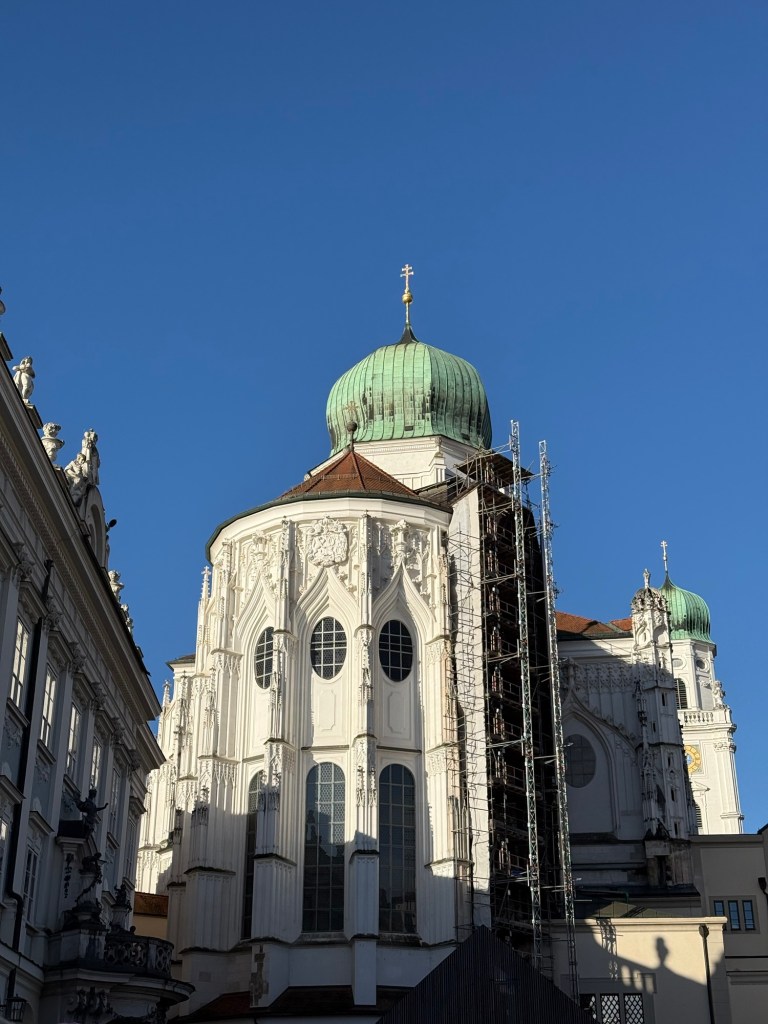
    The cathedral is especially meaningful as it is the former home of the late Pope Benedict XVI. The cathedral has been under constant renovation with scaffolding surrounding the exterior for decades. Apparently, for the Pope’s visit to the cathedral the town temporarily removed the scaffolding for one week in 2006.

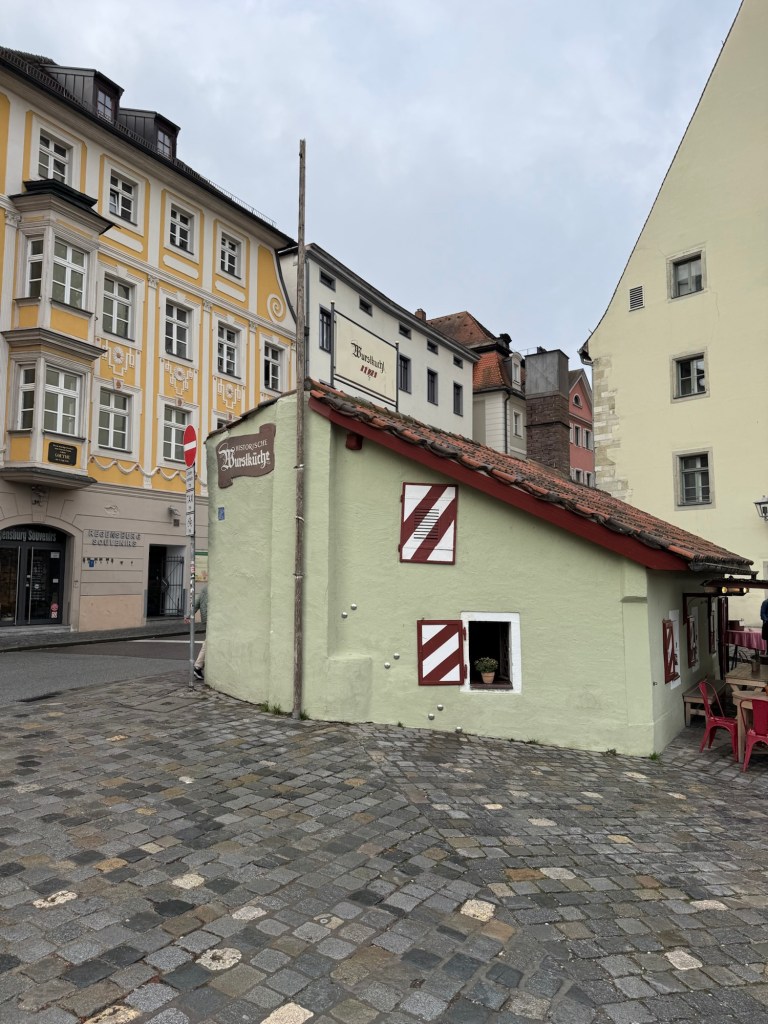
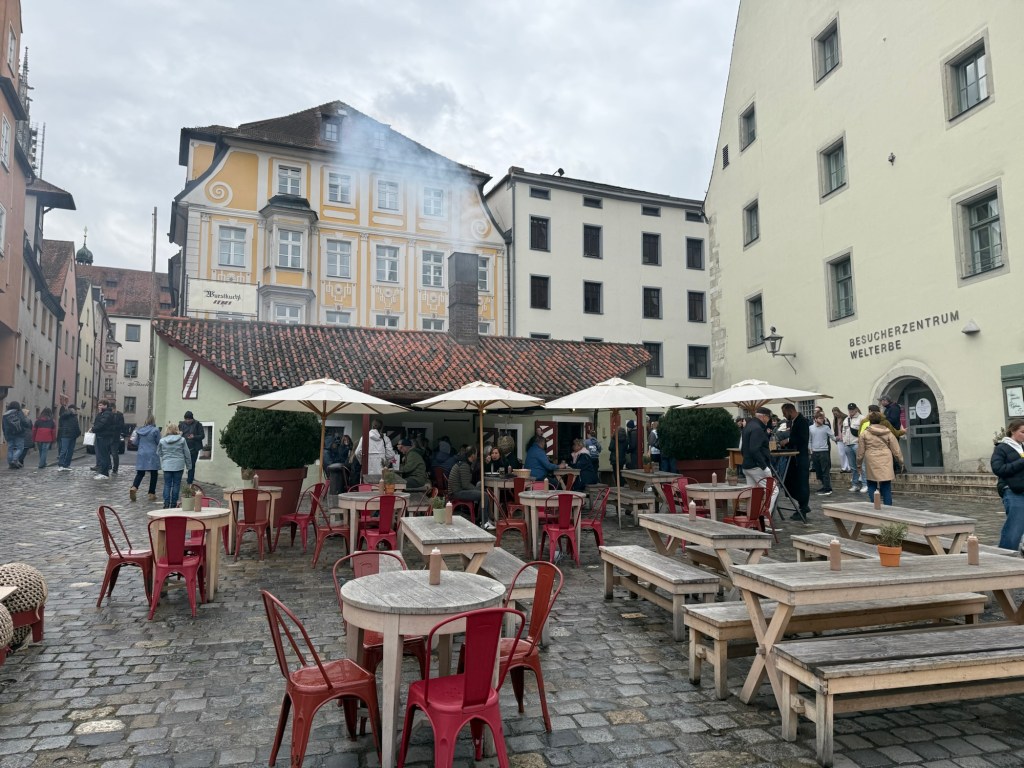
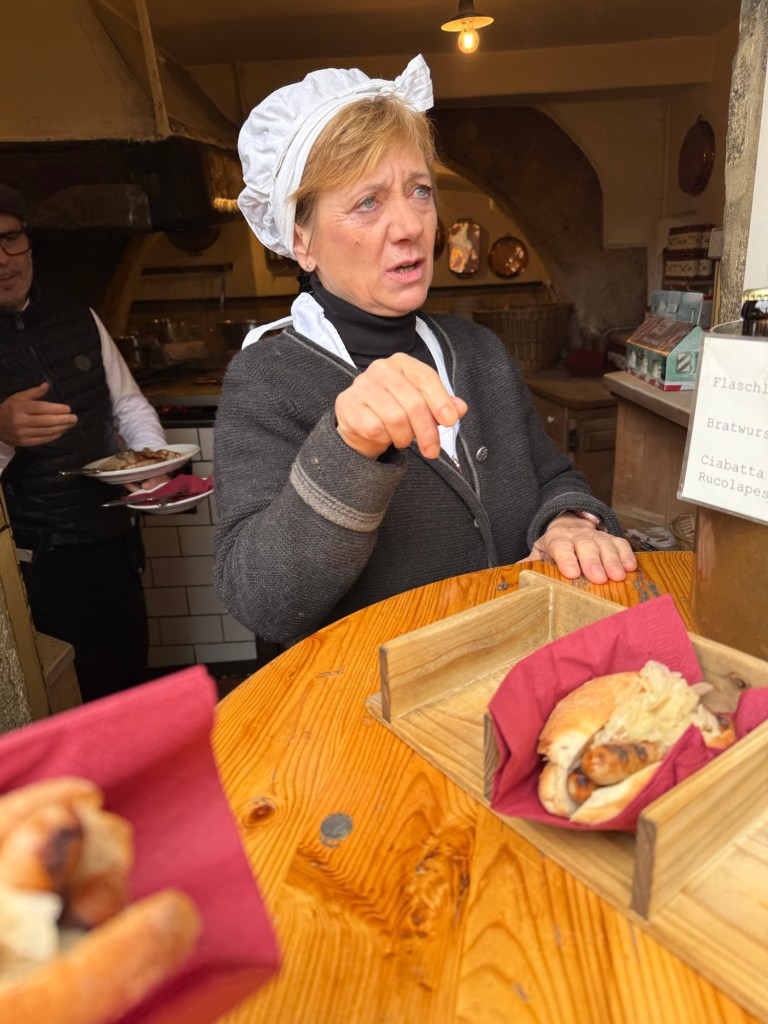
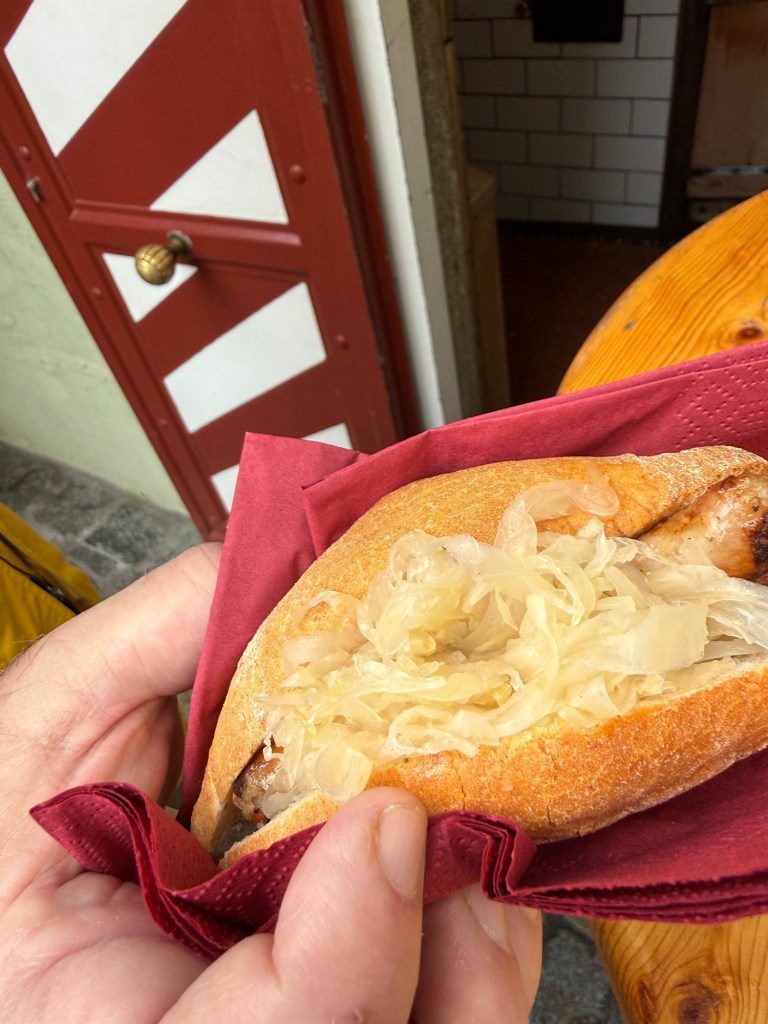
    The highlight of the day was our visit to the Sausage Kitchen. The place has been in business for 900 years and, on average, the restaurant sells 6,000 sausages a day. We both ordered sausage sandwiches on rolls with sweet sauerkraut and the Sausage Kitchen’s amazing sweet mustard. We both agreed that it was the best version of this combination we’ve ever eaten. I was really excited to find bottles of this mustard for sale at a nearby store.

  • Discovering Passau: A Quaint Bavarian Town

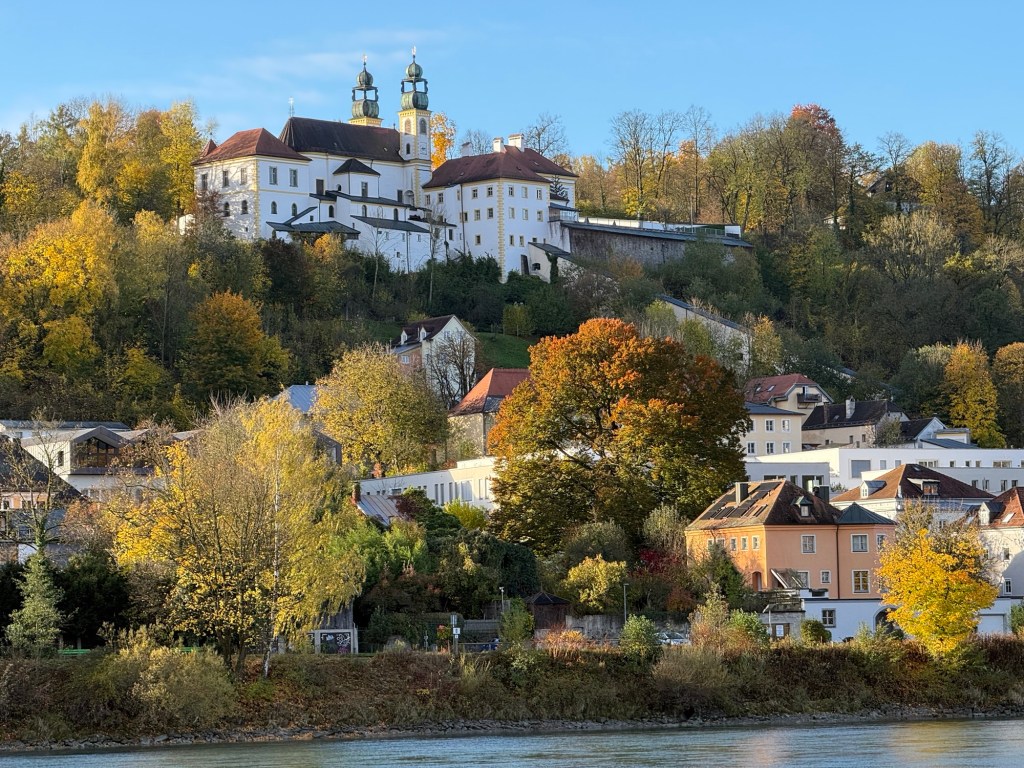
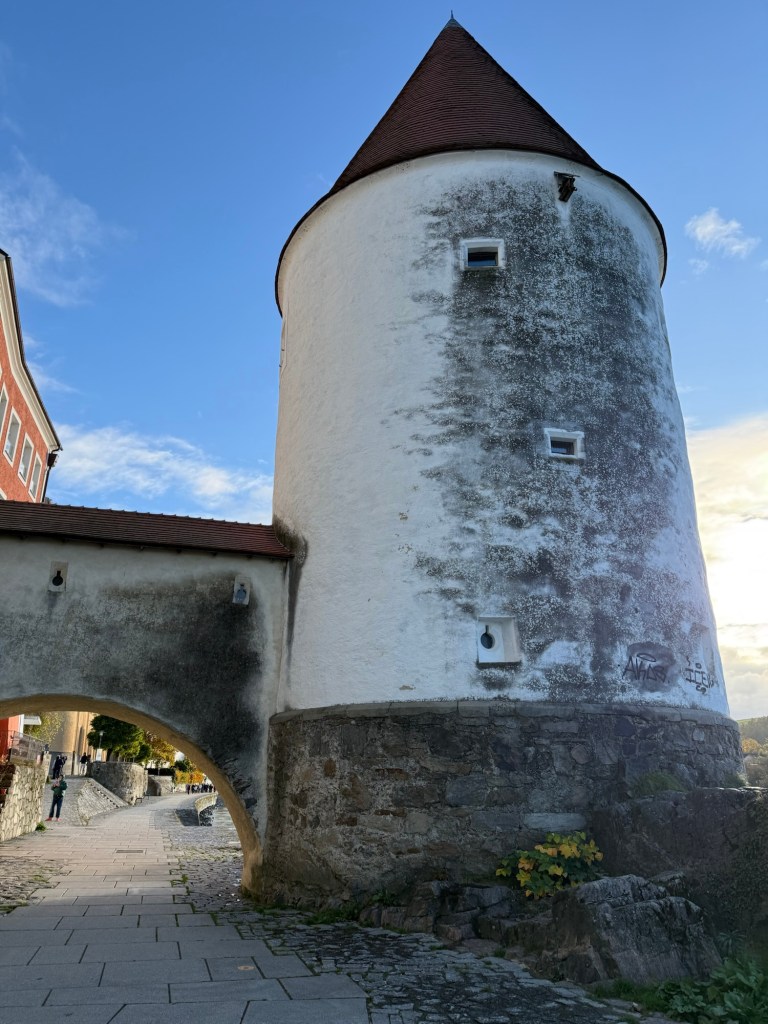
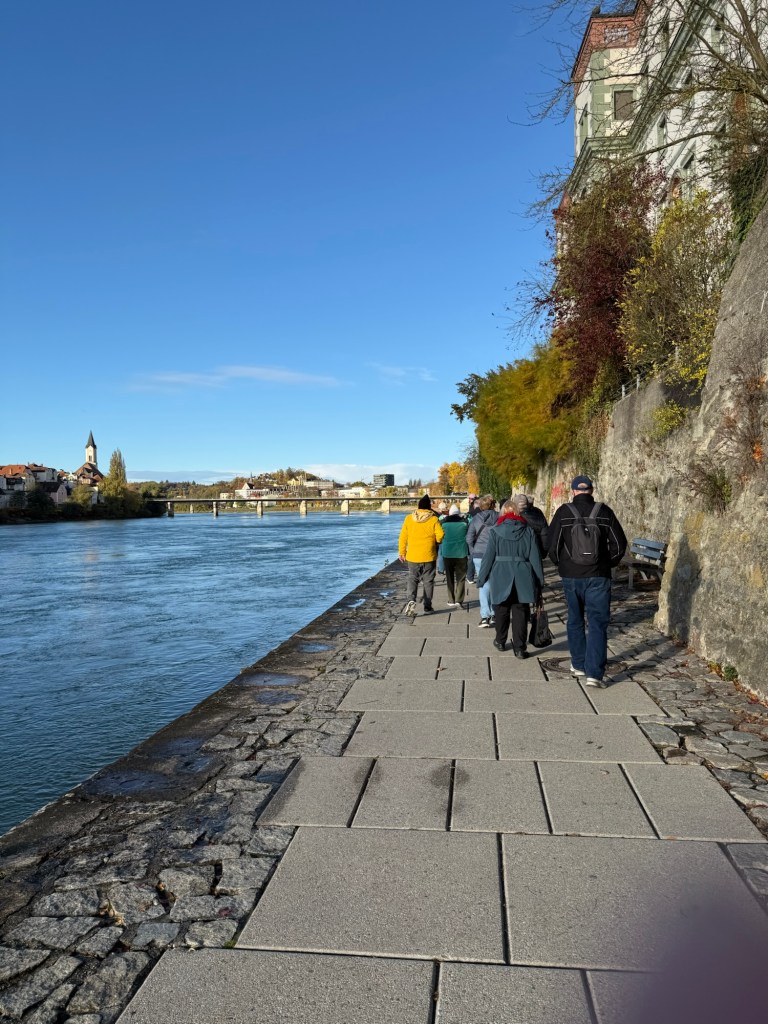
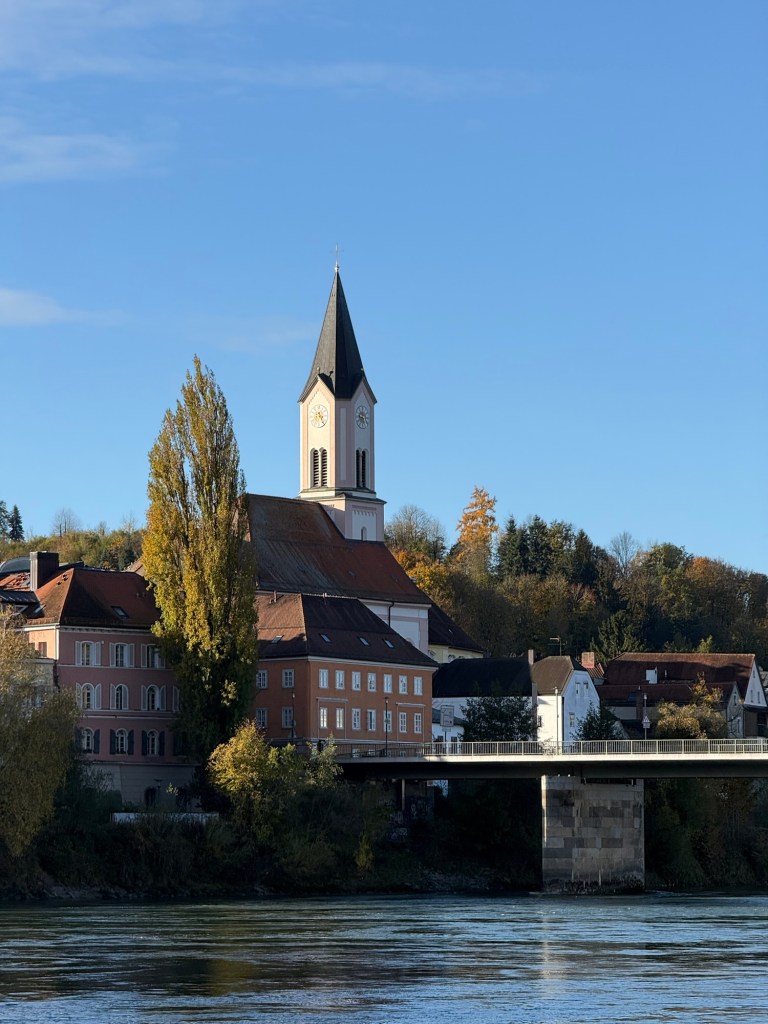
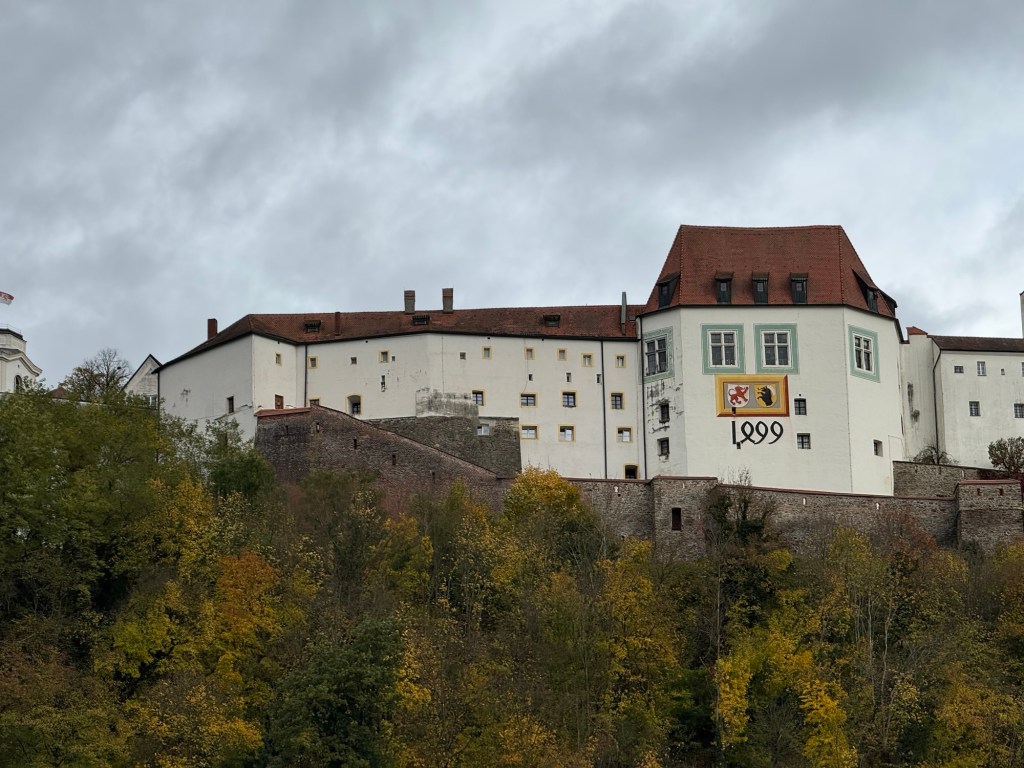
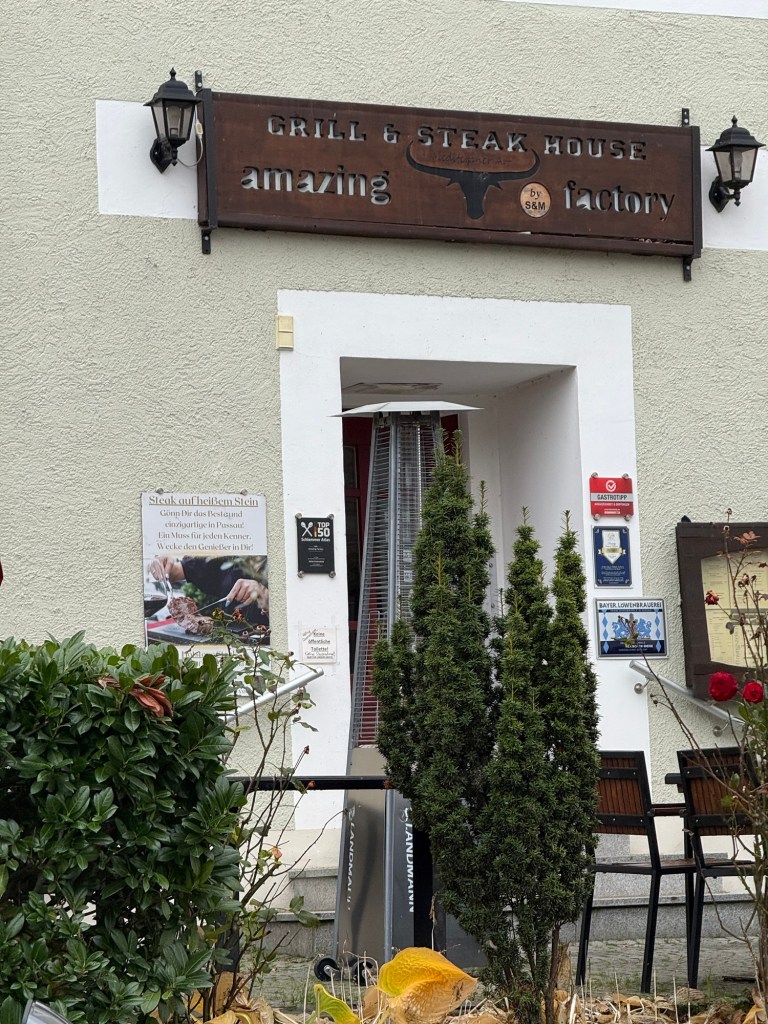
    We arrived in Passau early this morning. It’s a border town adjacent to Austria. The town has a population of 44,000 and we were able to tour the town in less than two hours.

    Apparently, the town was in dire economic condition until a university was founded in town in 1973. It is the youngest university in the Bavarian region of Germany with a strong academic reputation. Today, it ranks in the top 30% of universities worldwide.

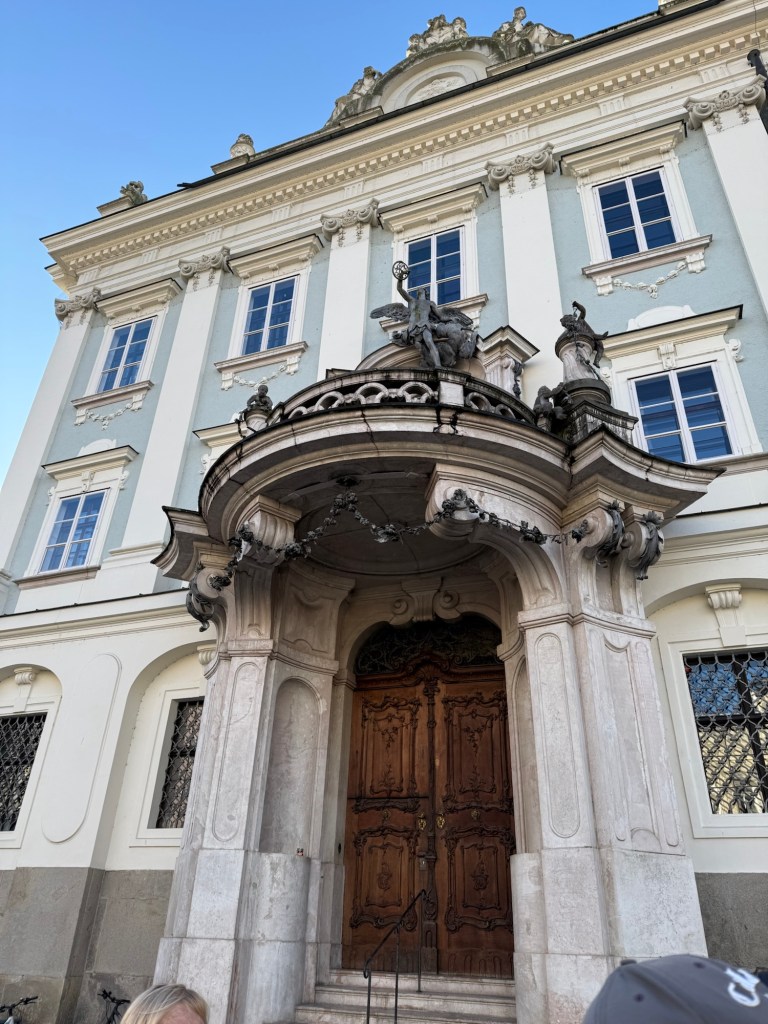
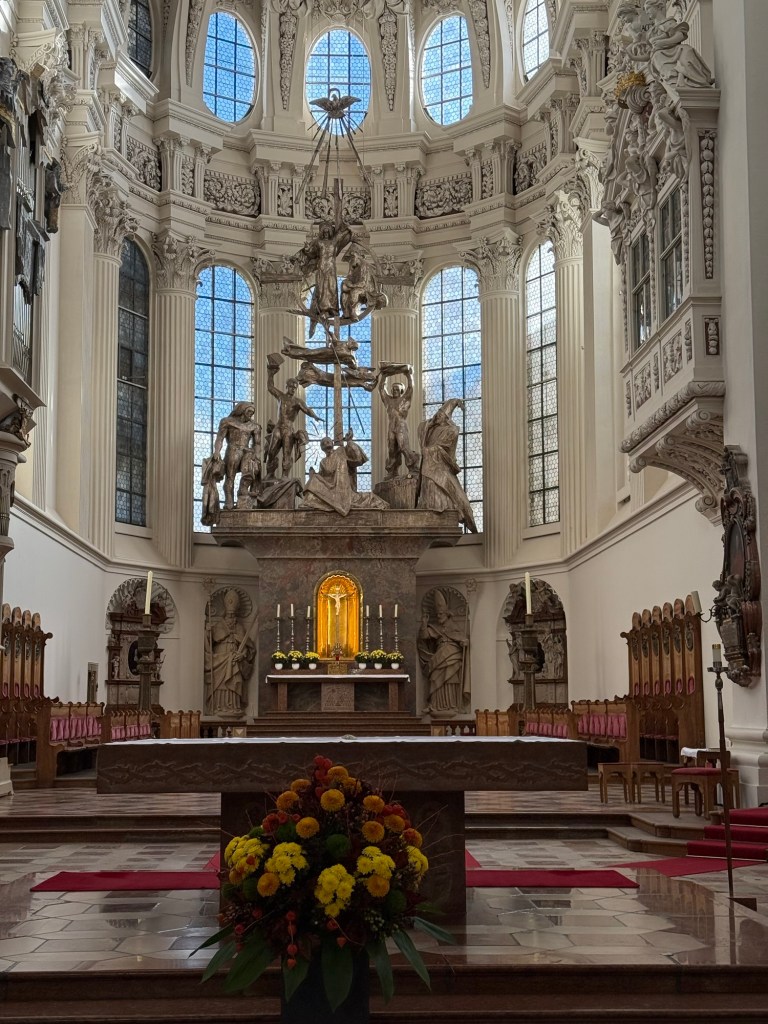
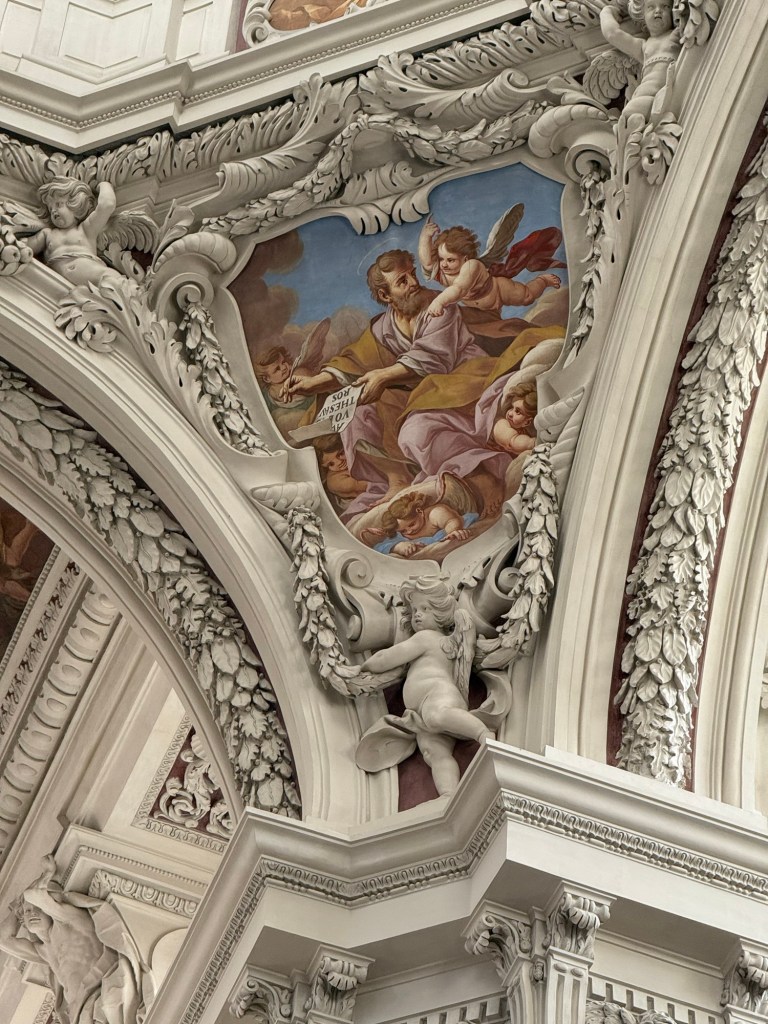
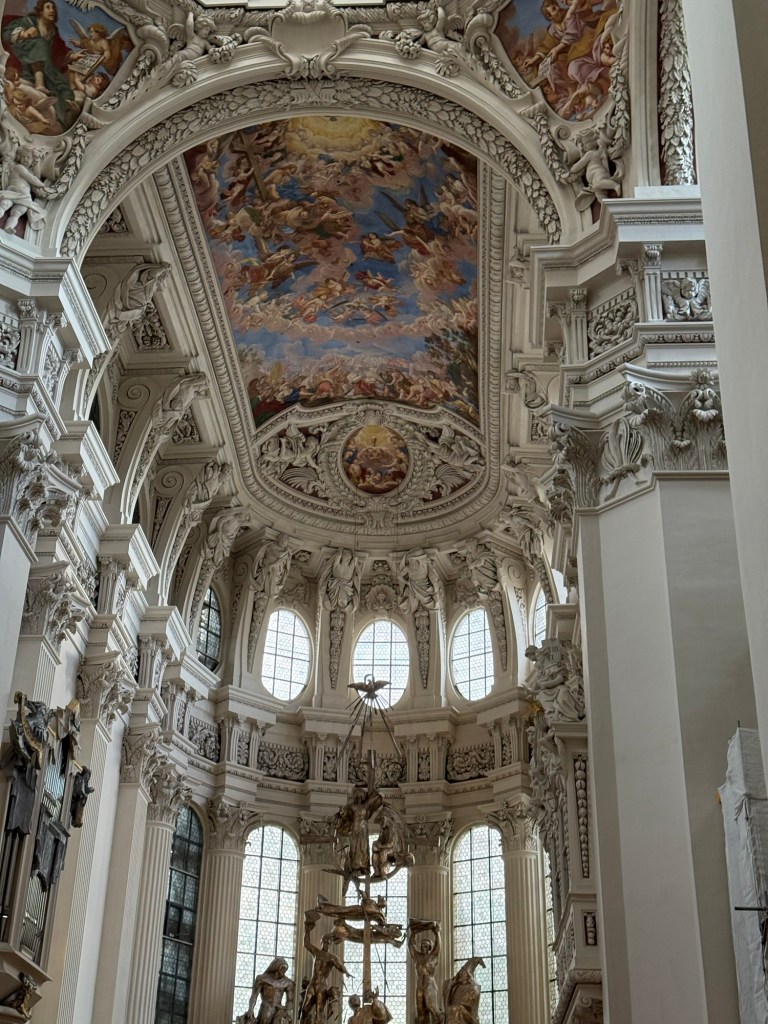
    The real treat in town is the Baroque cathedral – Saint Stephen’s. The plaster workmanship inside the cathedral is impressive.

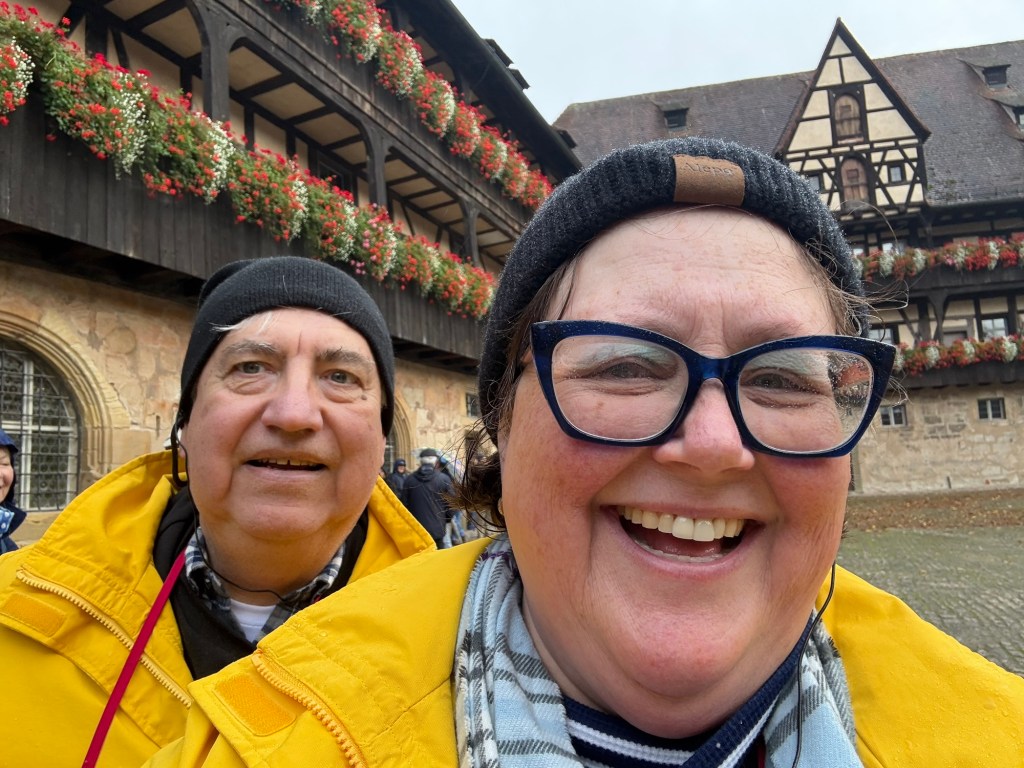
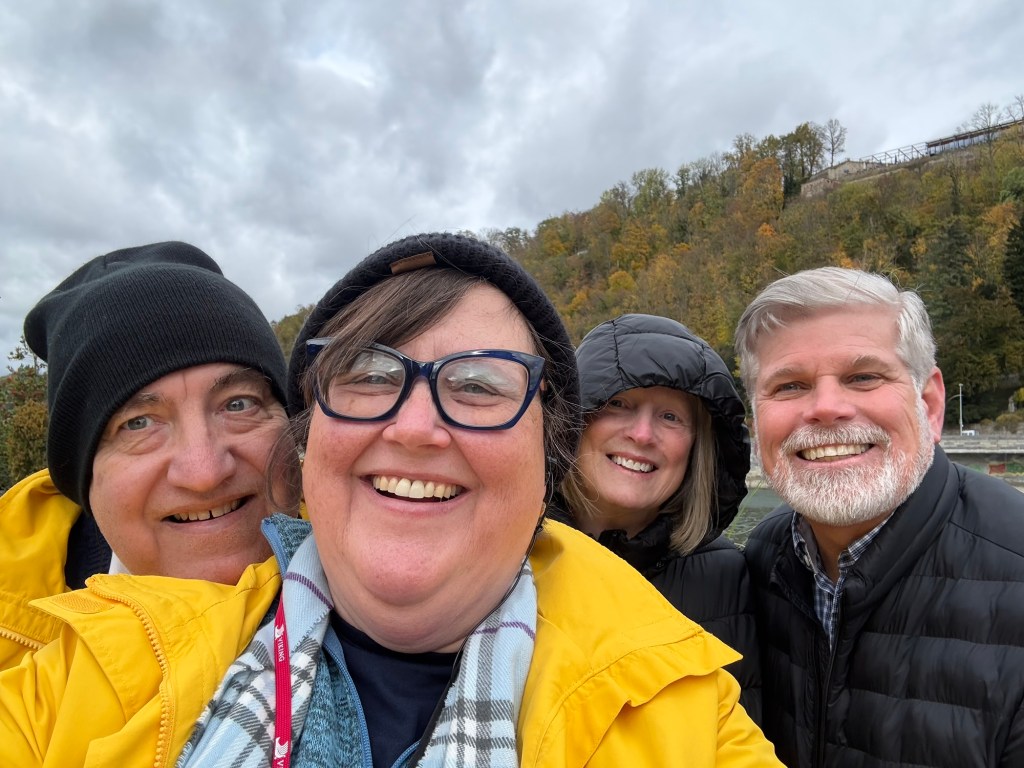
    Before our visit, I knew nothing about Passau. John and I really enjoyed our brief time walking the cobblestone streets of this Bavarian town.

  • Day 1 Viking Cruise Dinner – Wow!

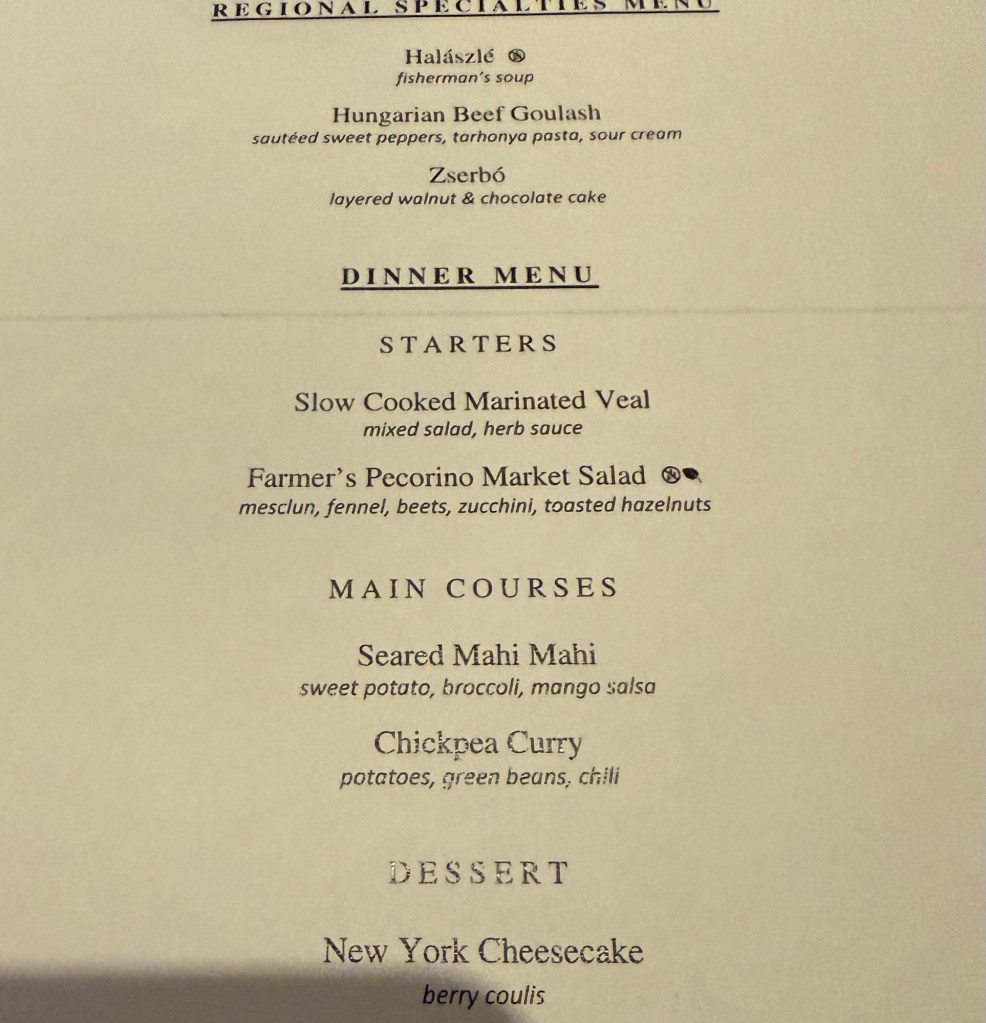
    I was advised by others to order from the international menu and I am so happy that I followed this advice tonight!

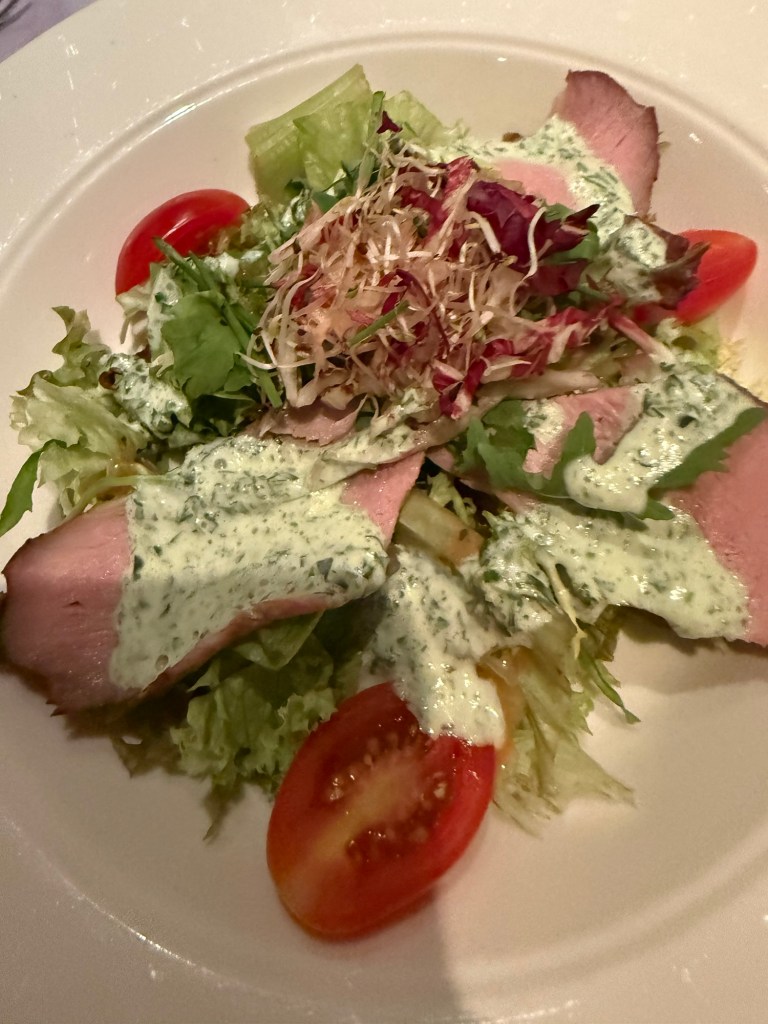
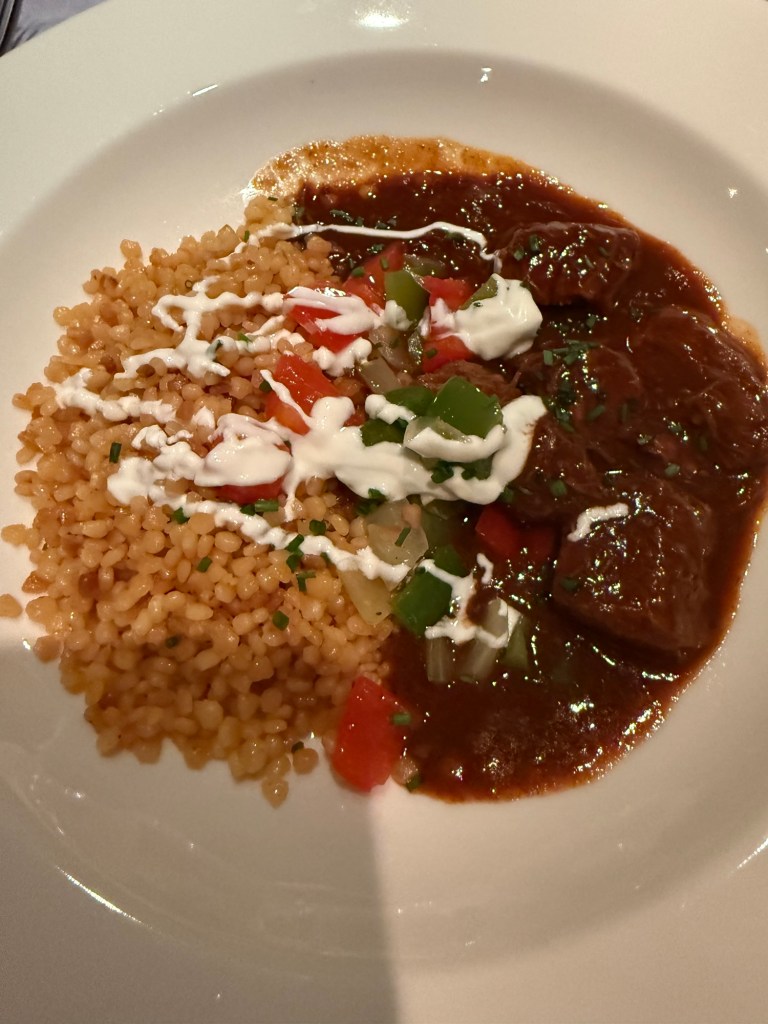
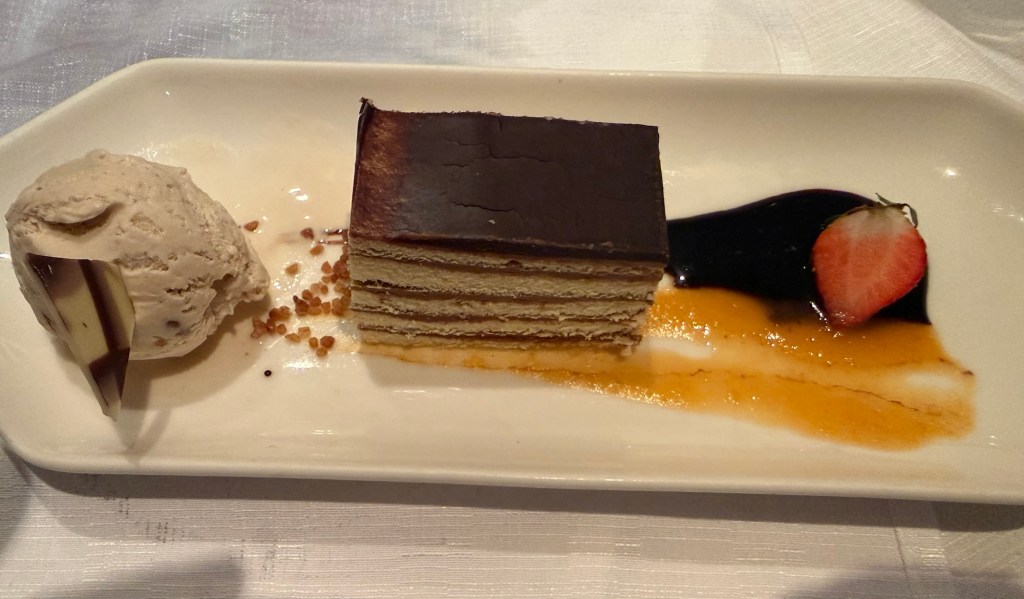
    Our dinner was really delicious and interesting. John and I both ordered the identical items tonight and agreed that the goulash was the best version we ever tried. We sat at a table for 6 with two couples from Chicago.