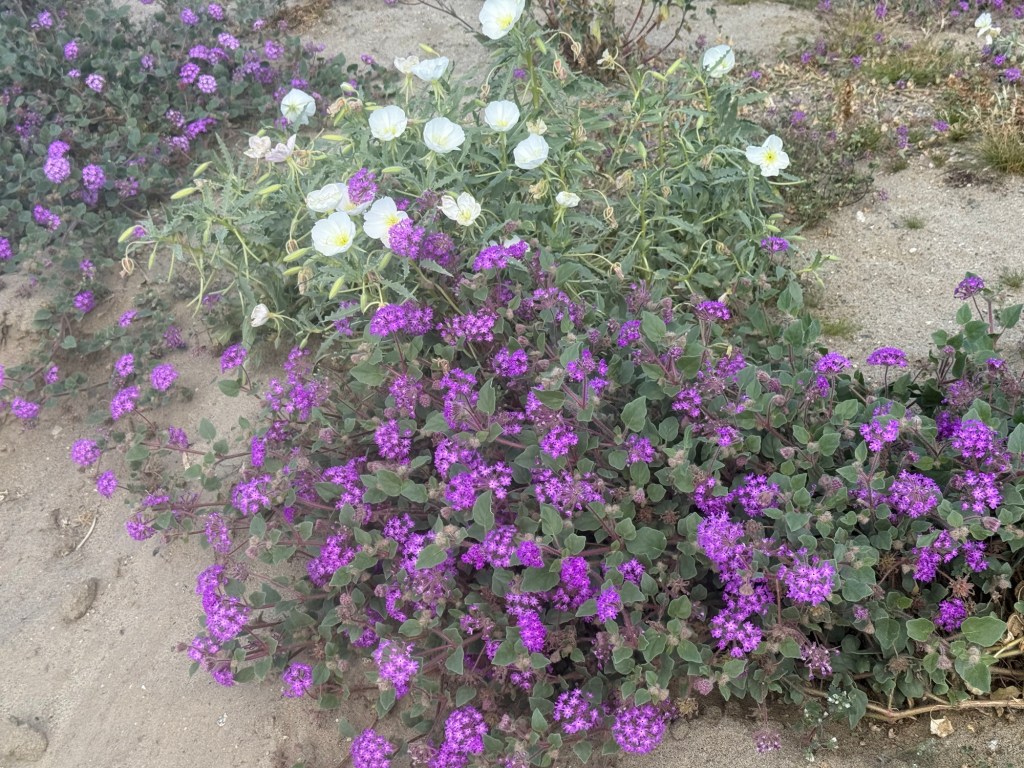
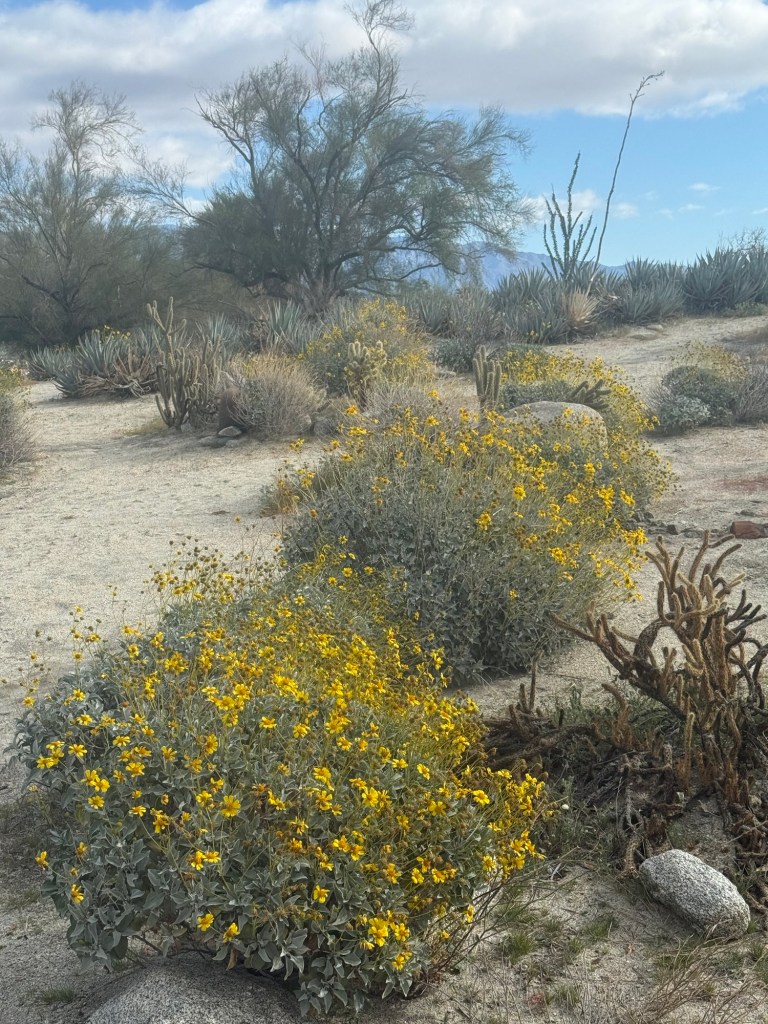
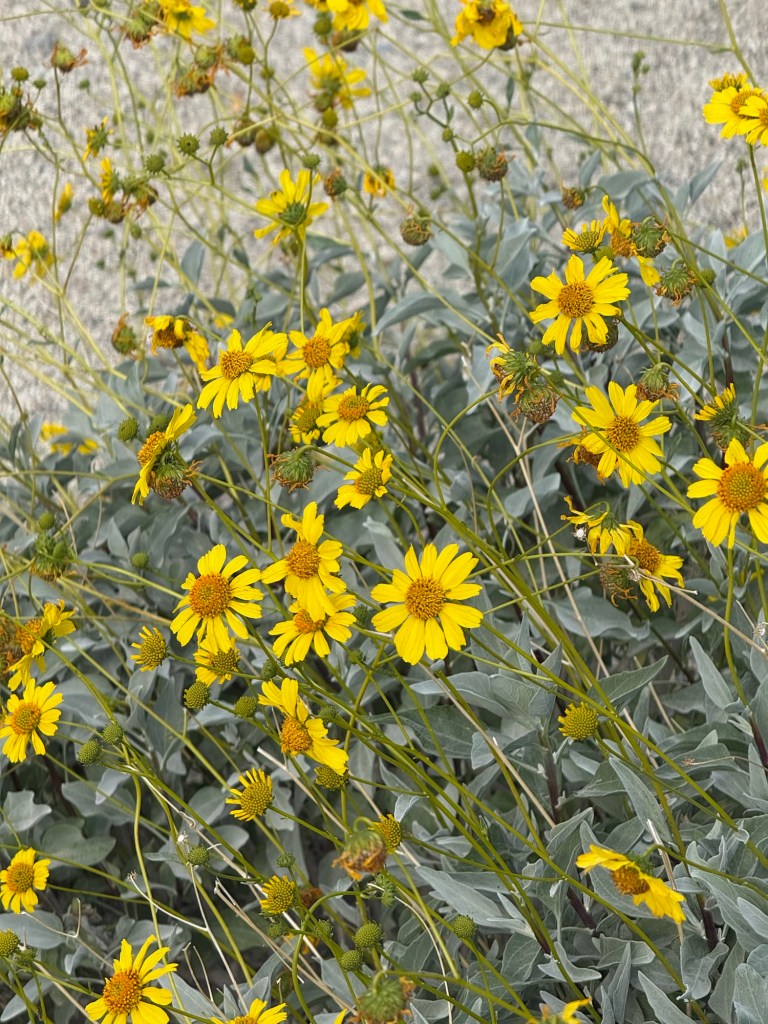
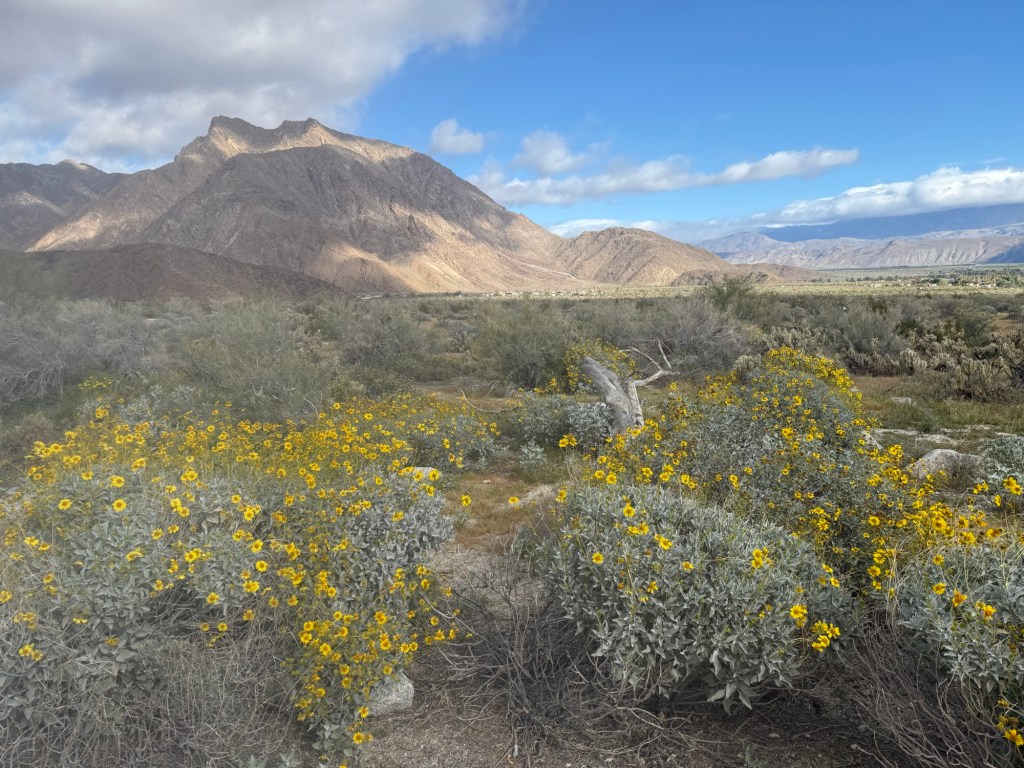
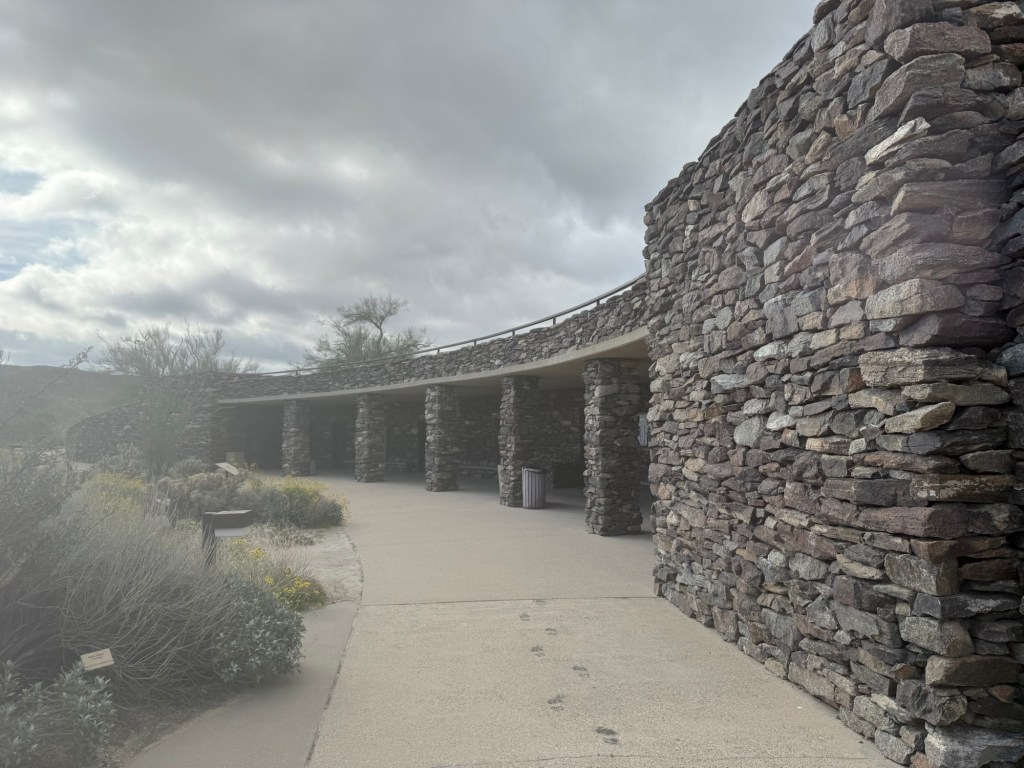
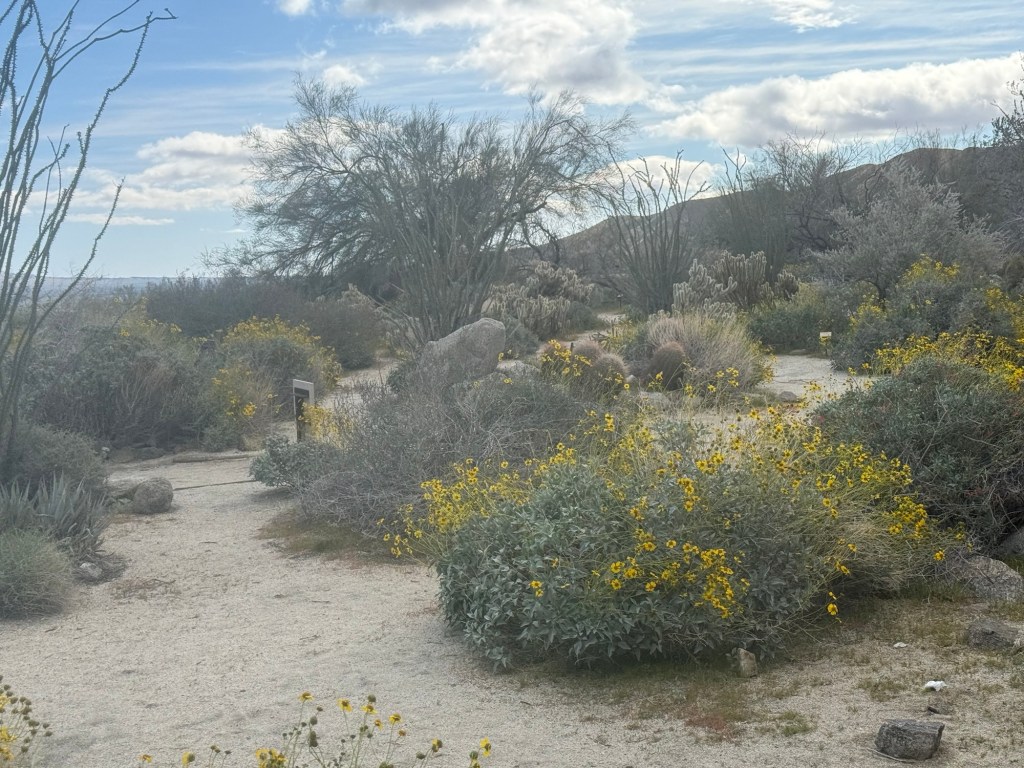
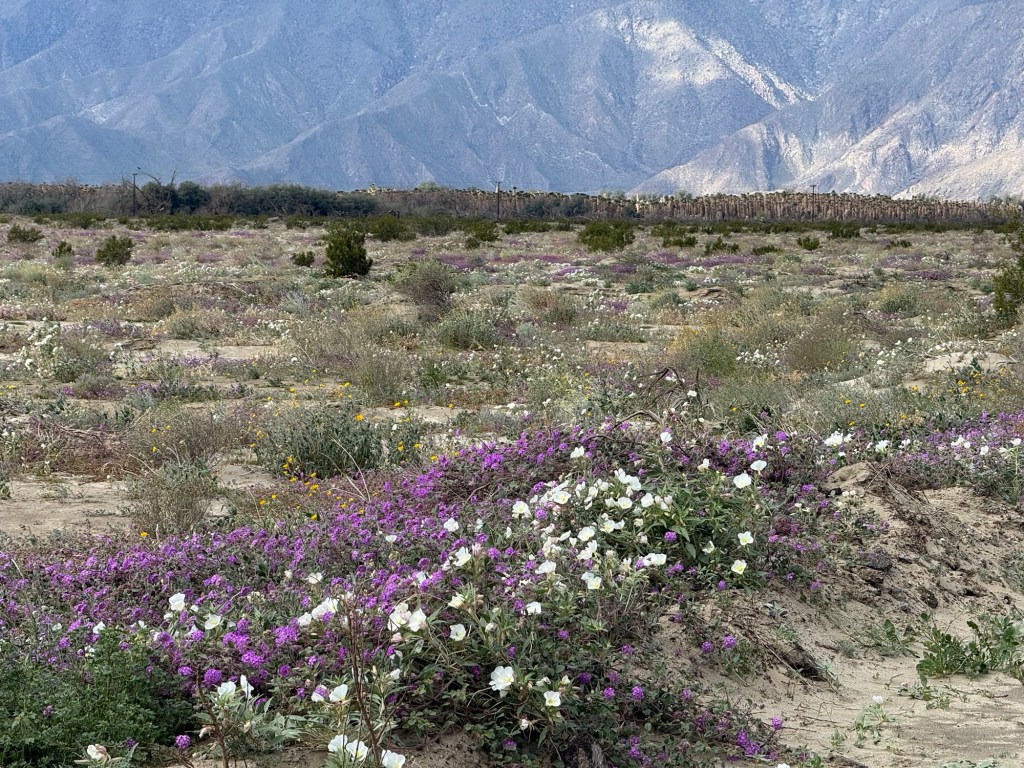
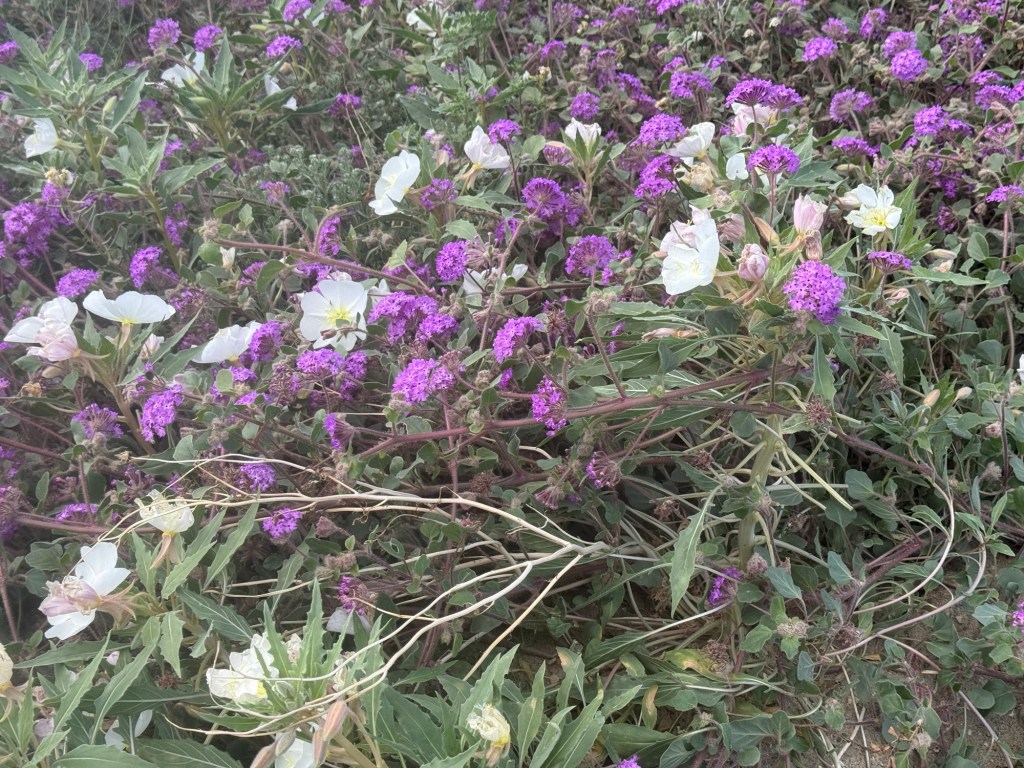
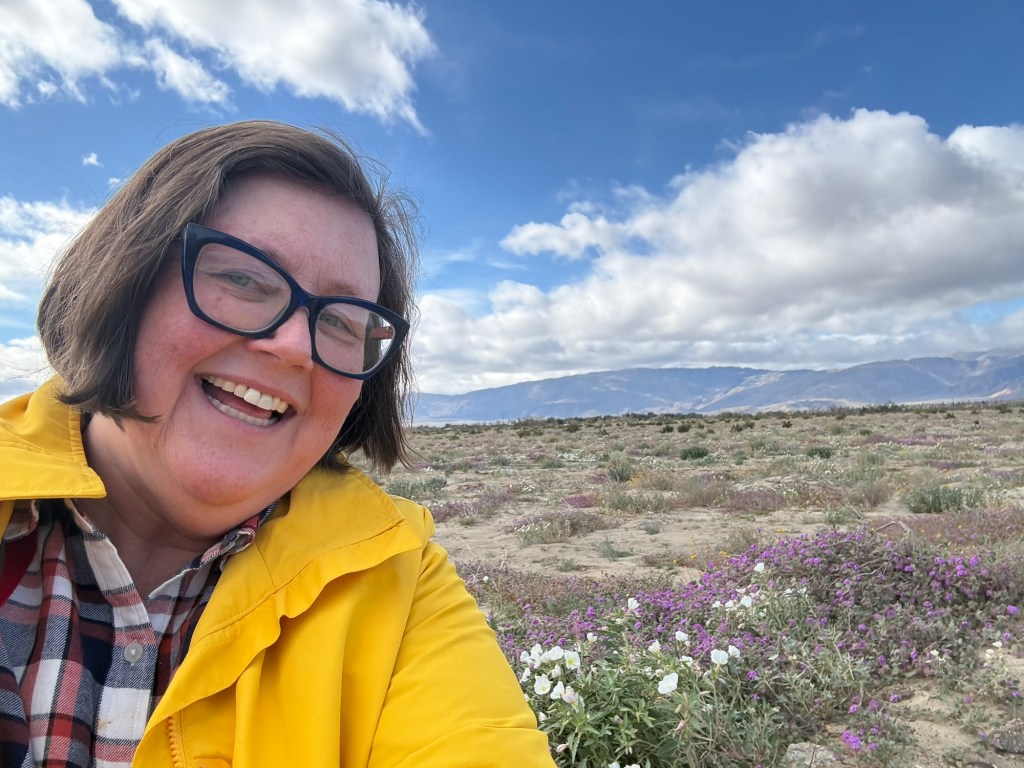
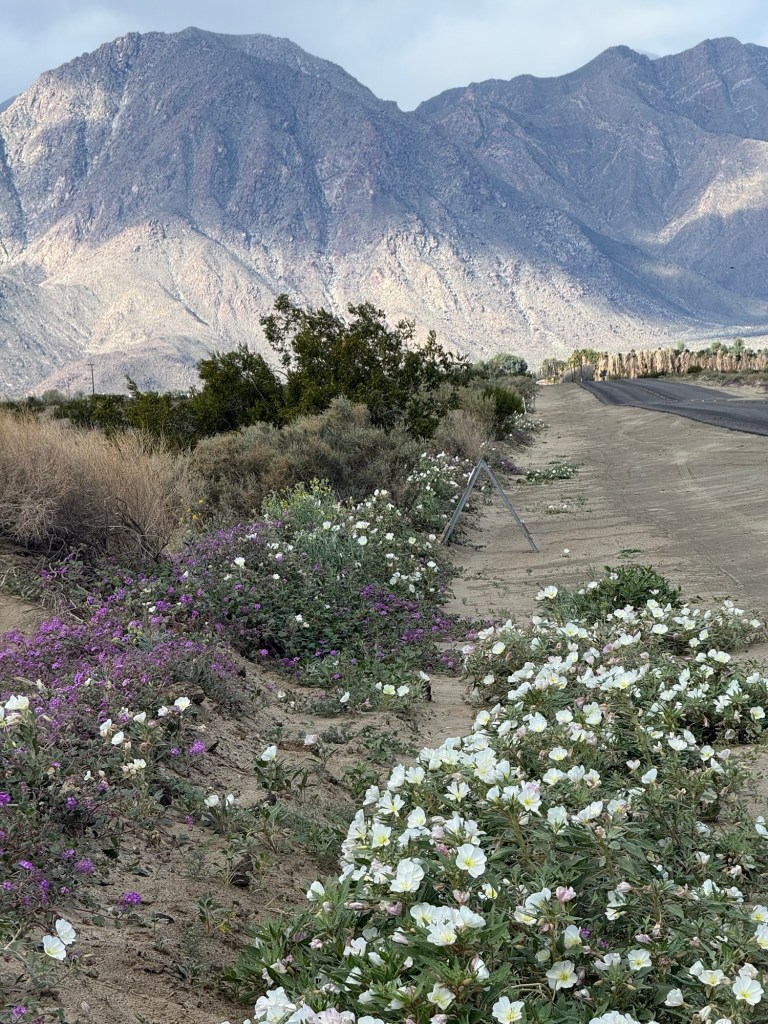
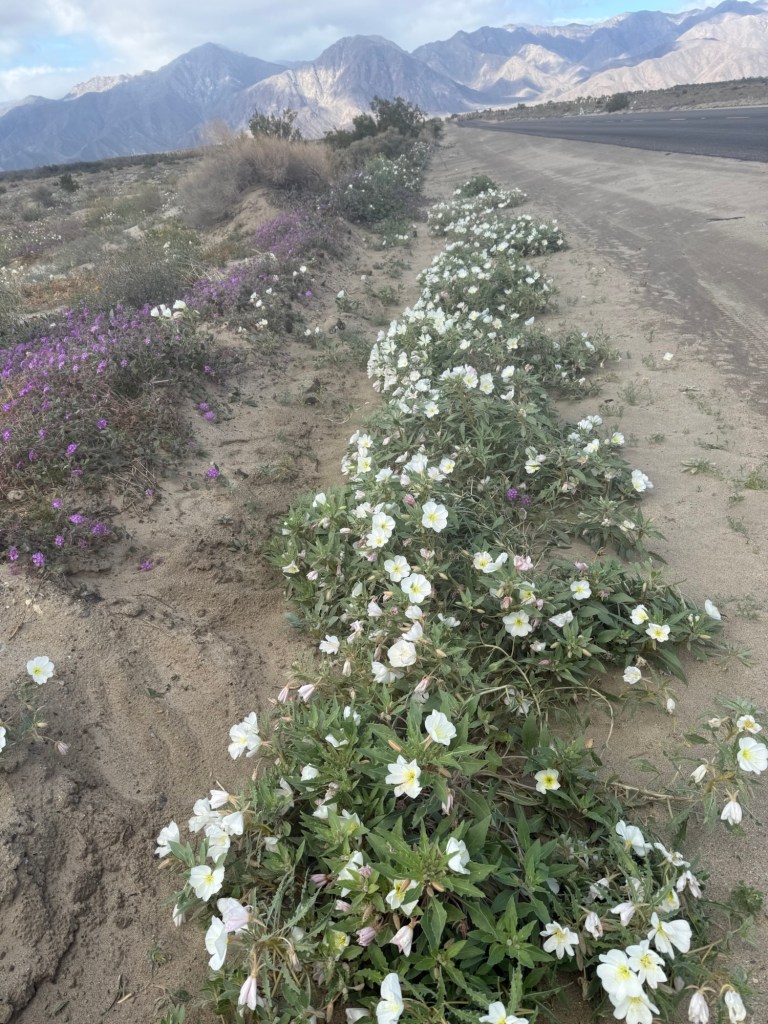
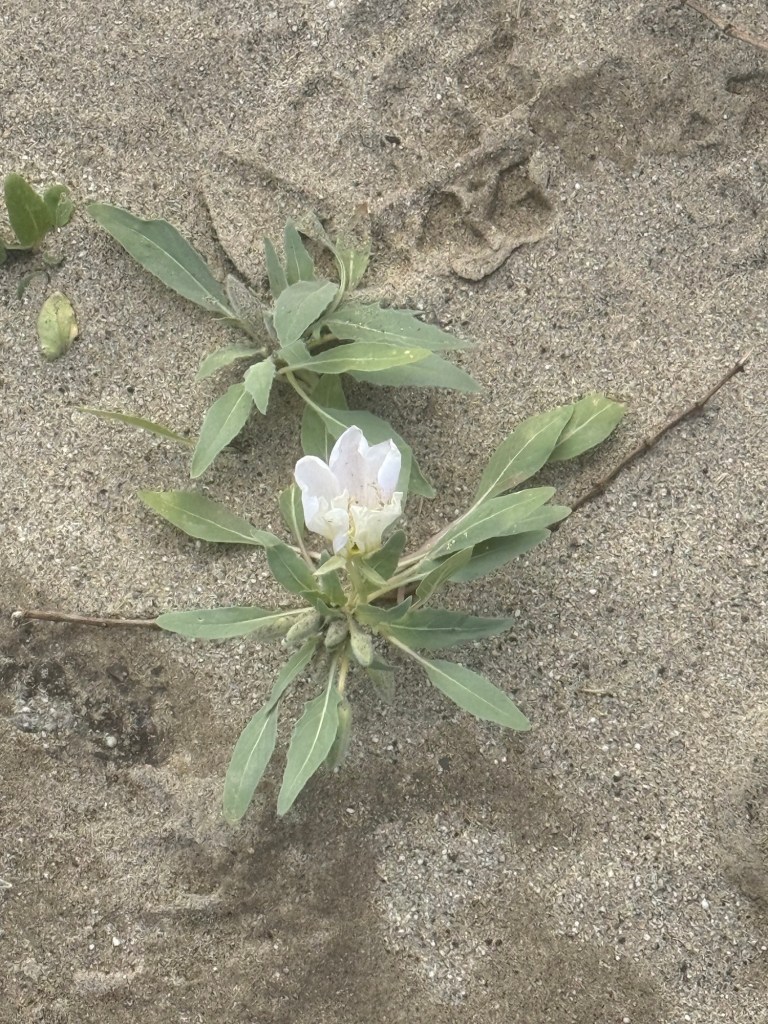
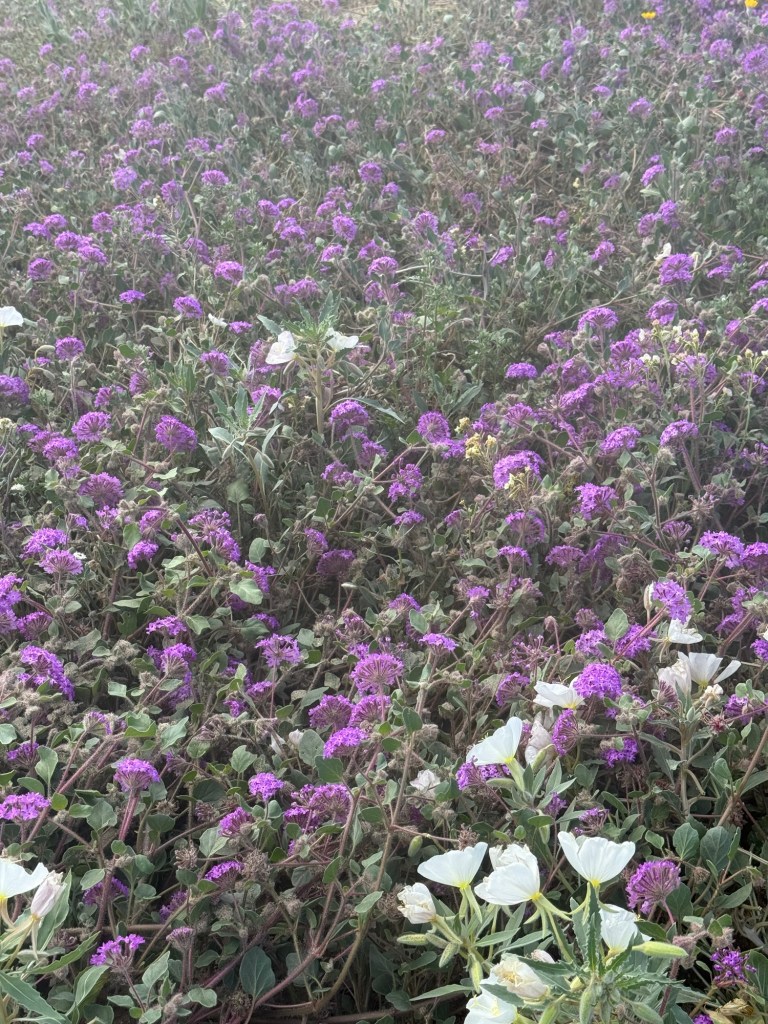
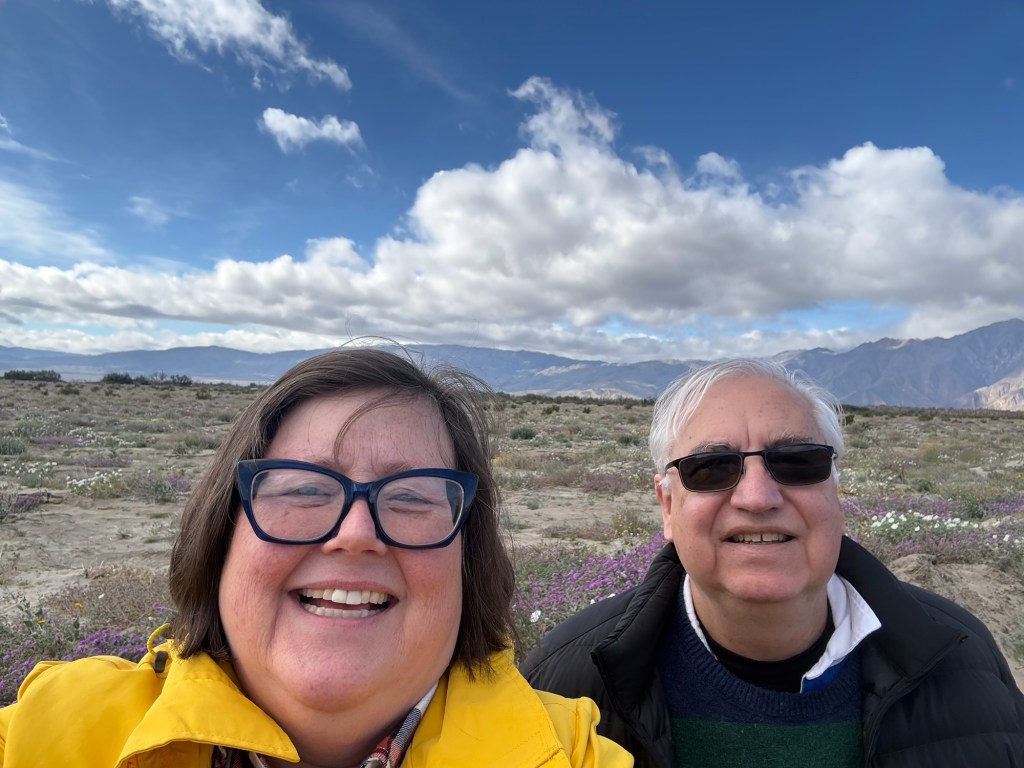
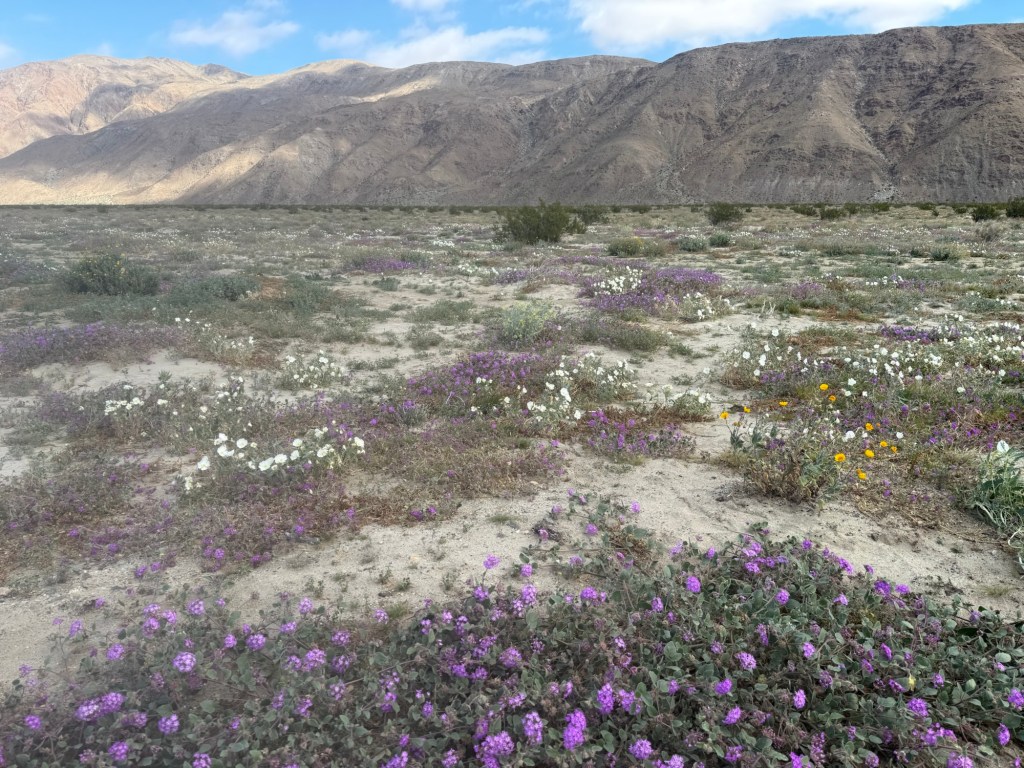
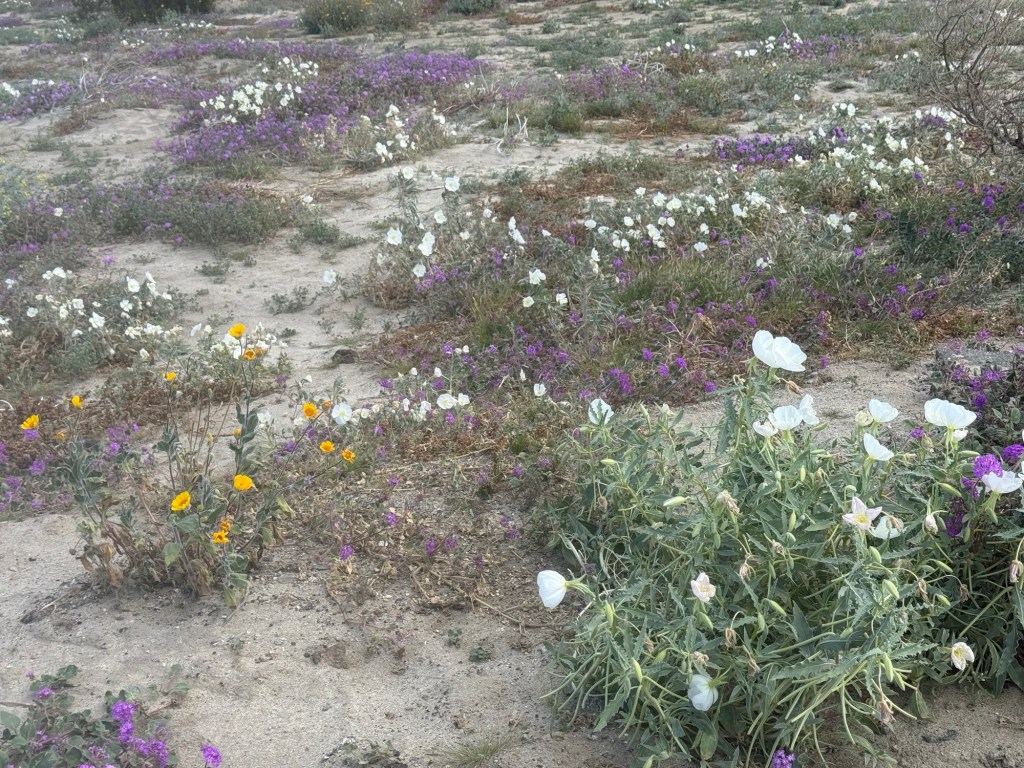
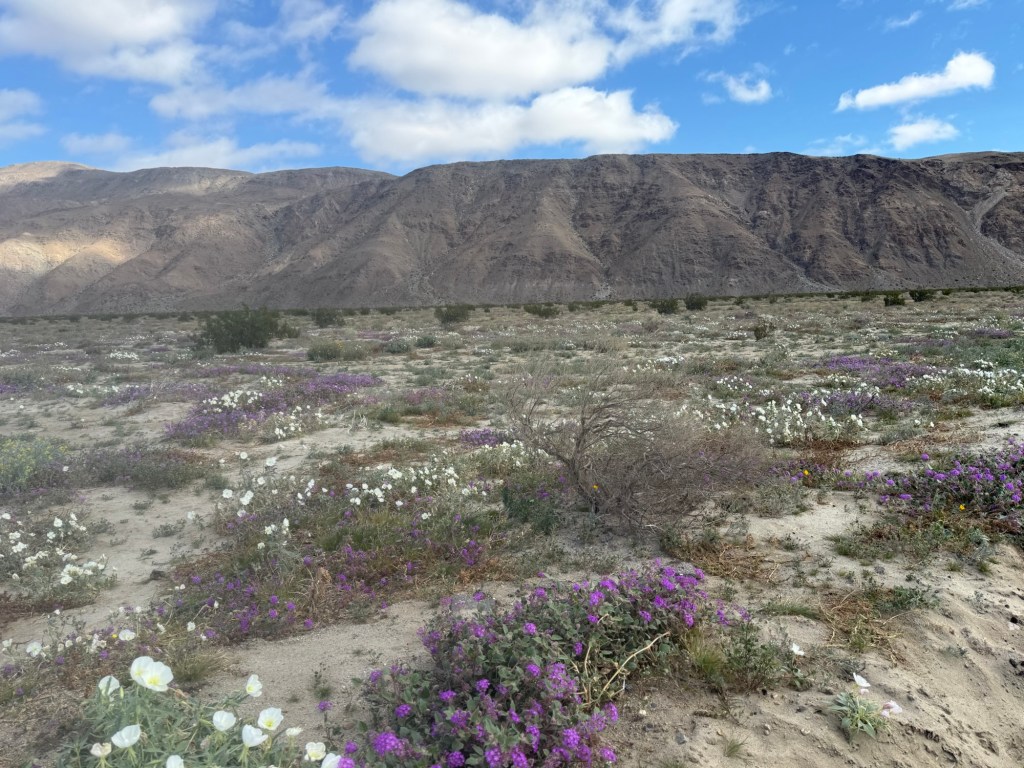
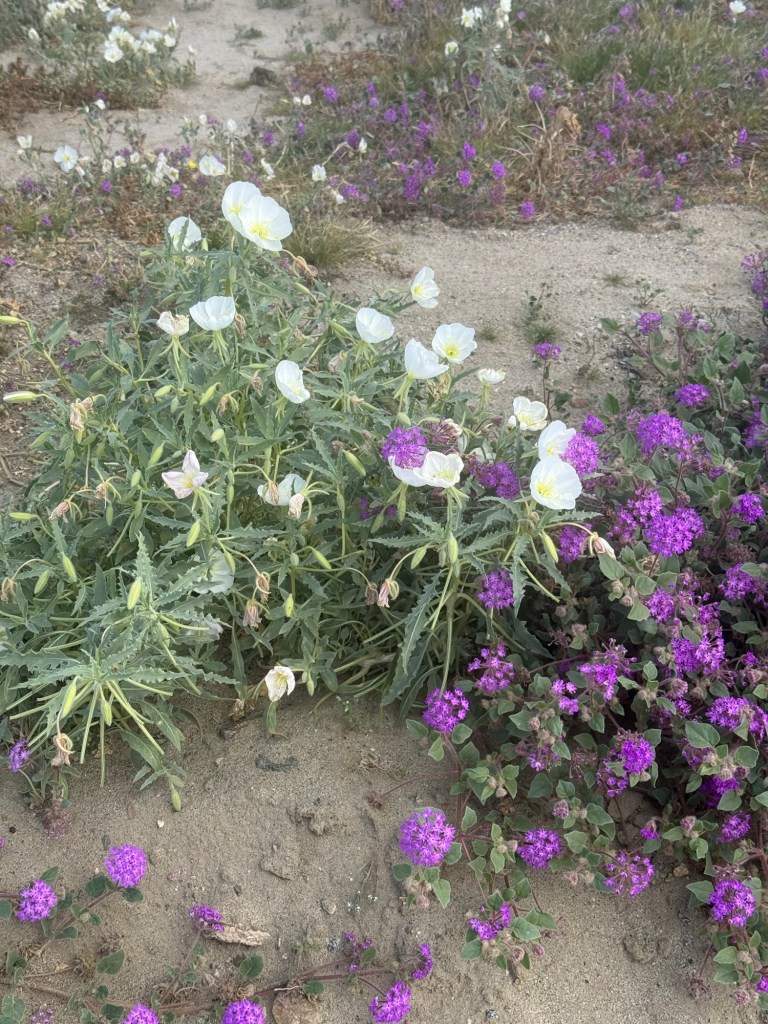
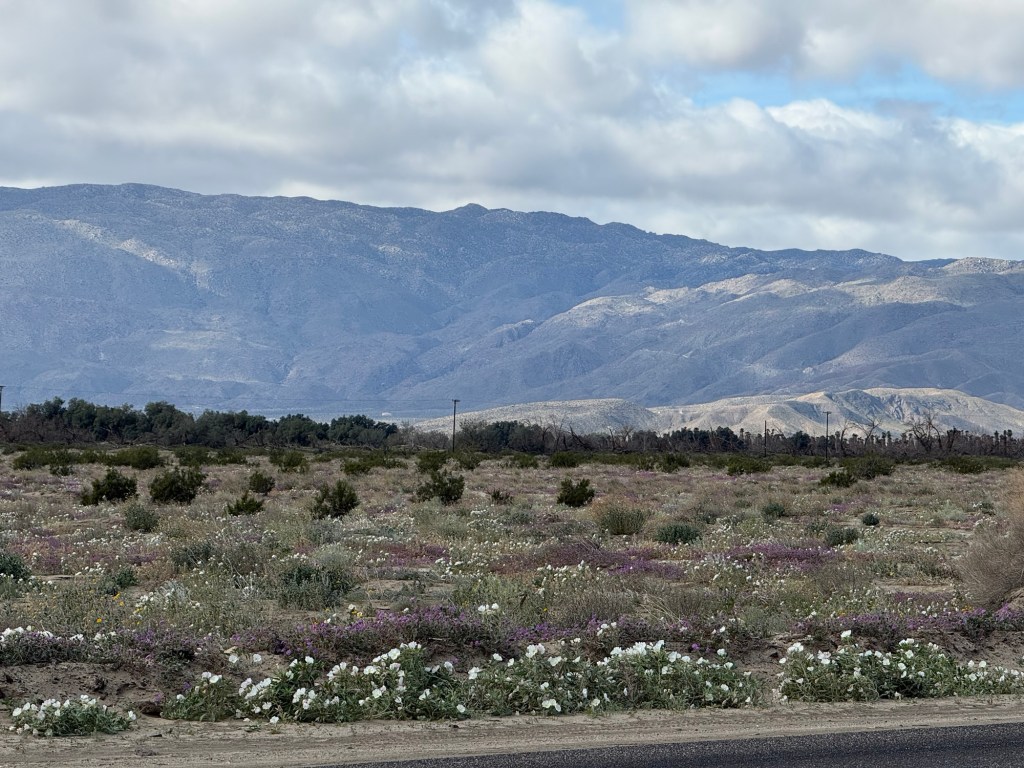
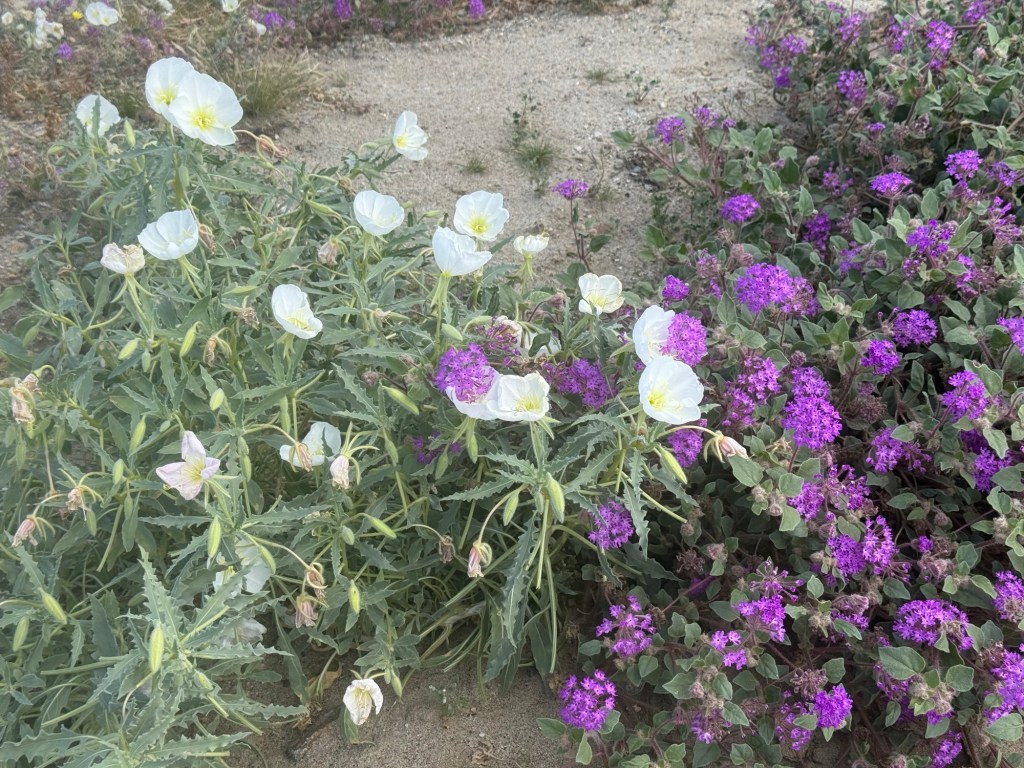
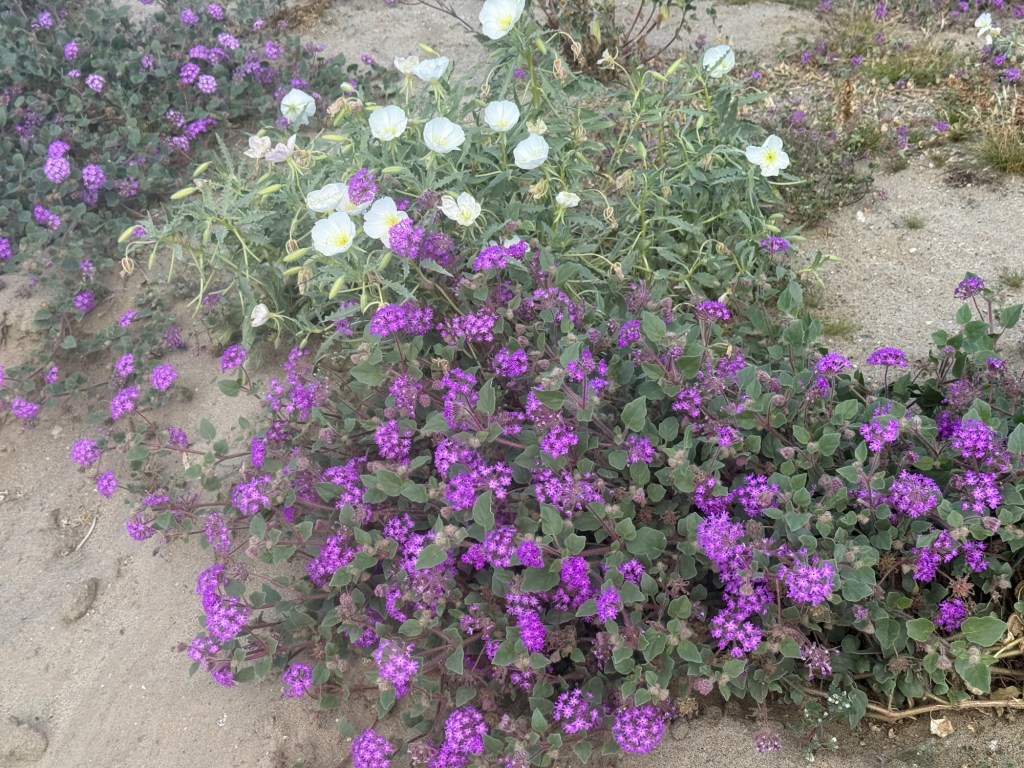
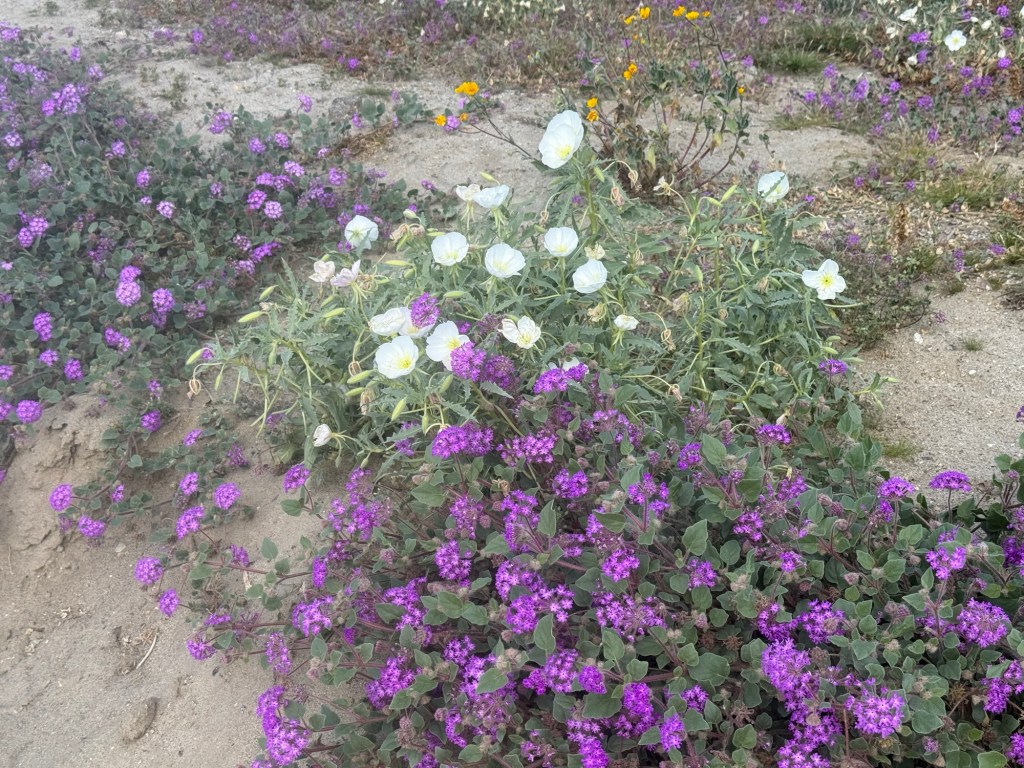
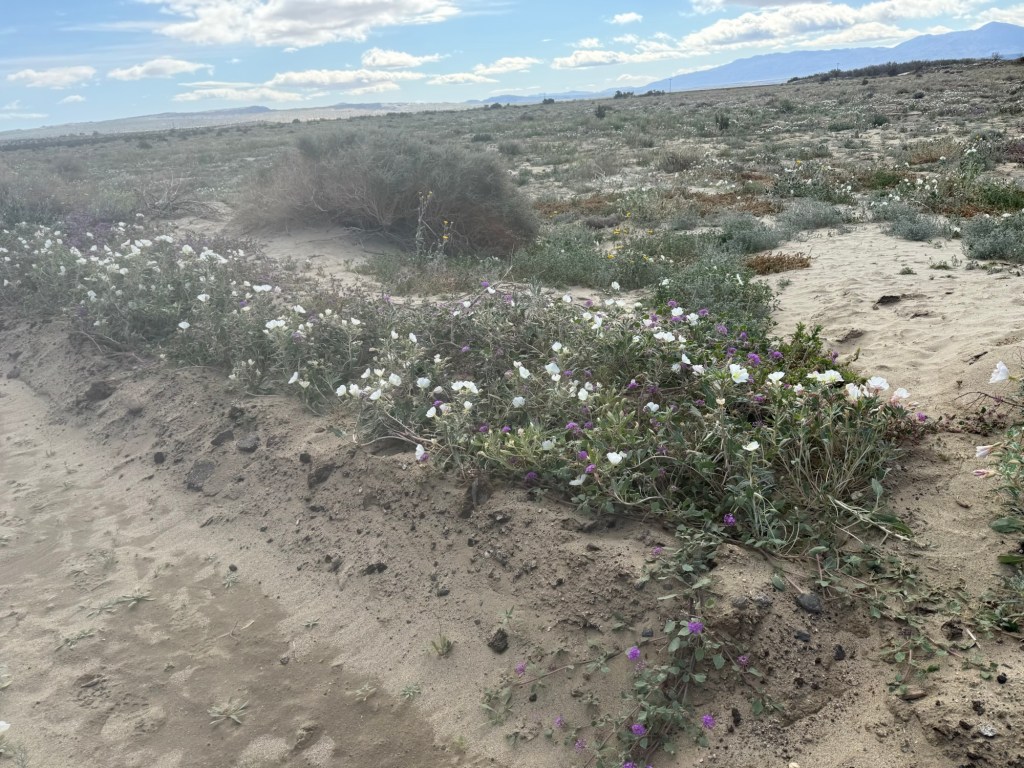
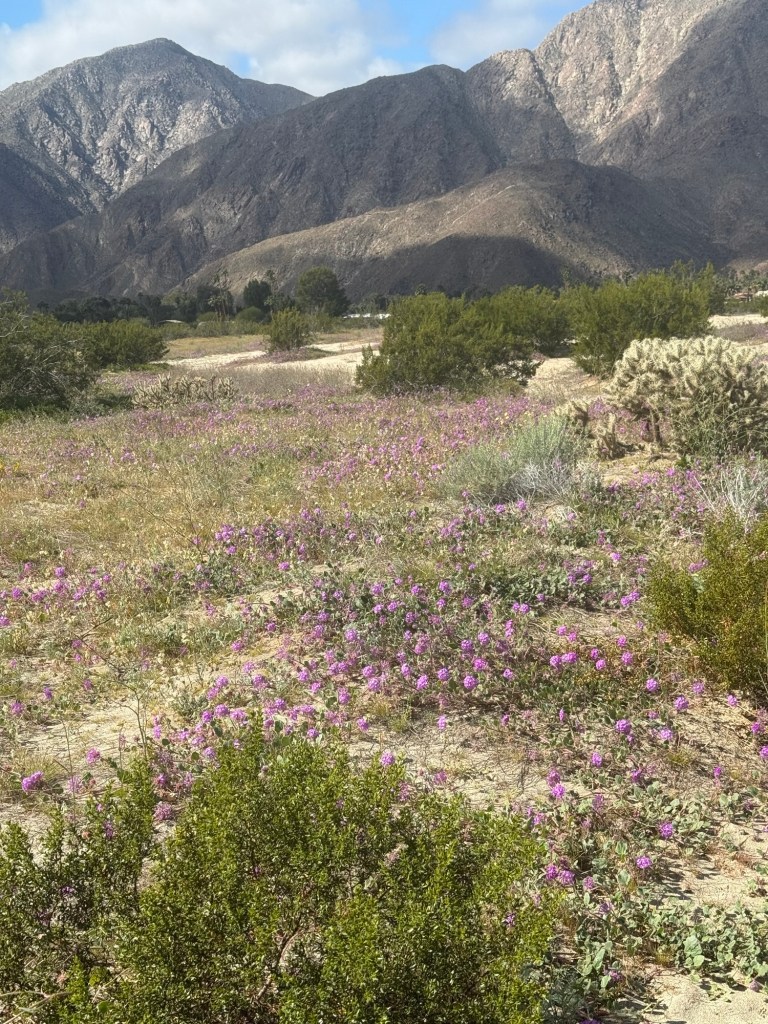
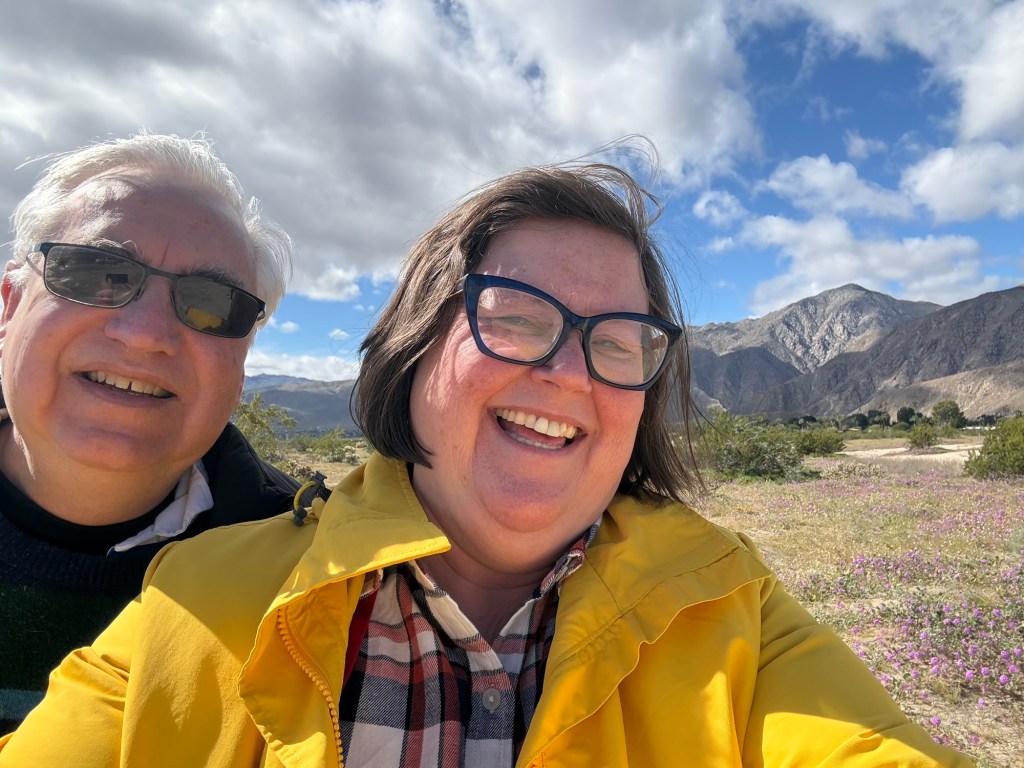
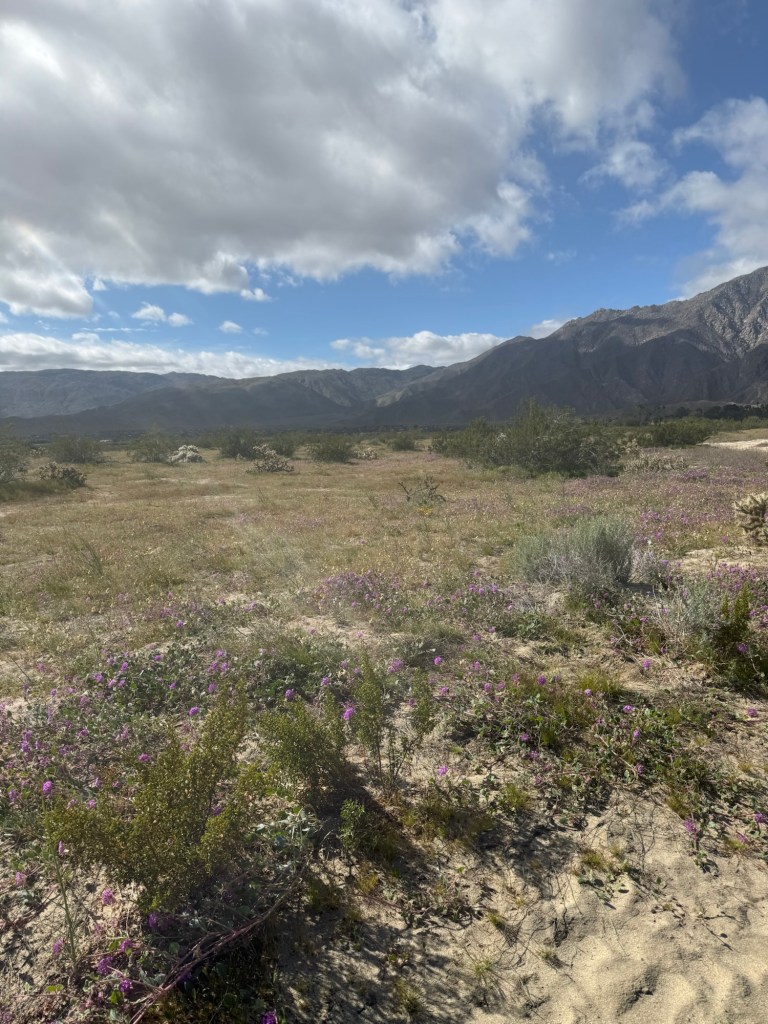
Borrego Springs is special for so many reasons – my favorite is the wildflower season. Every year we make the drive to the desert to catch the wildflowers. In recent years, we have arrived too late for the big display. This year, the rain has been intense and we opted to make the drive a few weeks earlier than our usual schedule. It paid off. The flowers were out in full bloom along Henderson Canyon Road with a beautiful array of purple and white flowers. In addition, we found some beautiful purple blooms on Borrego Springs Road near the famous dragon sculpture that stretches over both sides of the road. The Anza-Borrego State Park Visitor Center had lots of yellow blooms along with a few traces of red and blue flowers.
Upon entering town, we first went to the Visitor Center. Not only is it a great place to stretch your legs but the staff is extremely friendly and helpful. We bought a book that identifies all the wildflowers in the area and received a map showing all current areas of wildflowers.
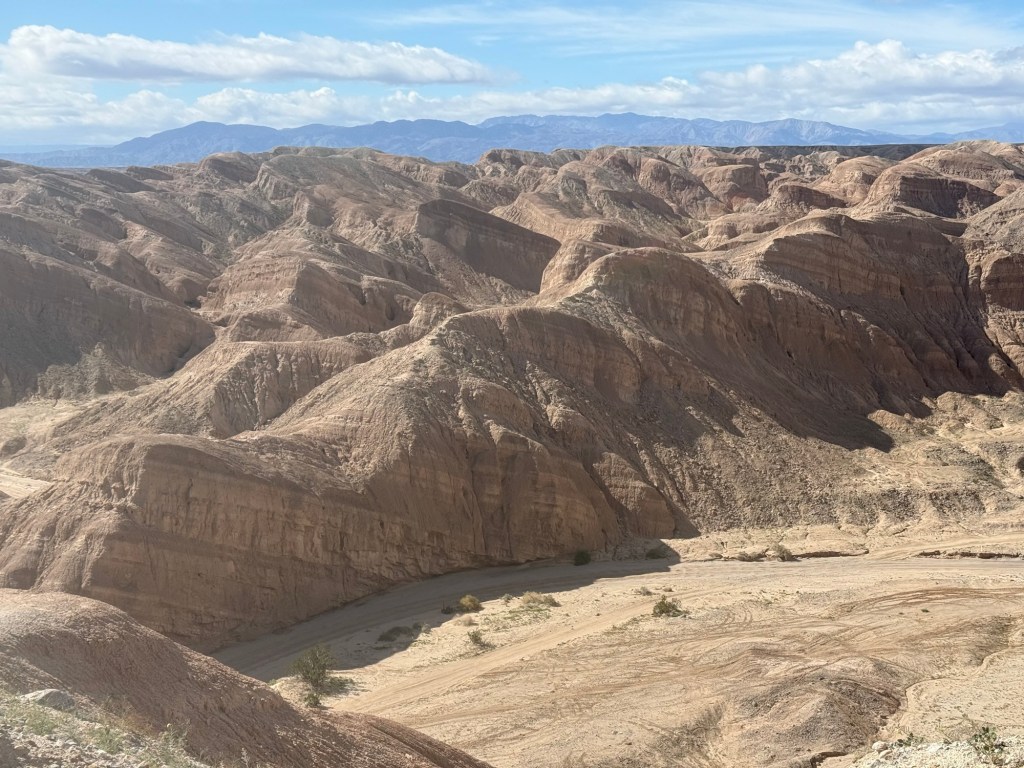
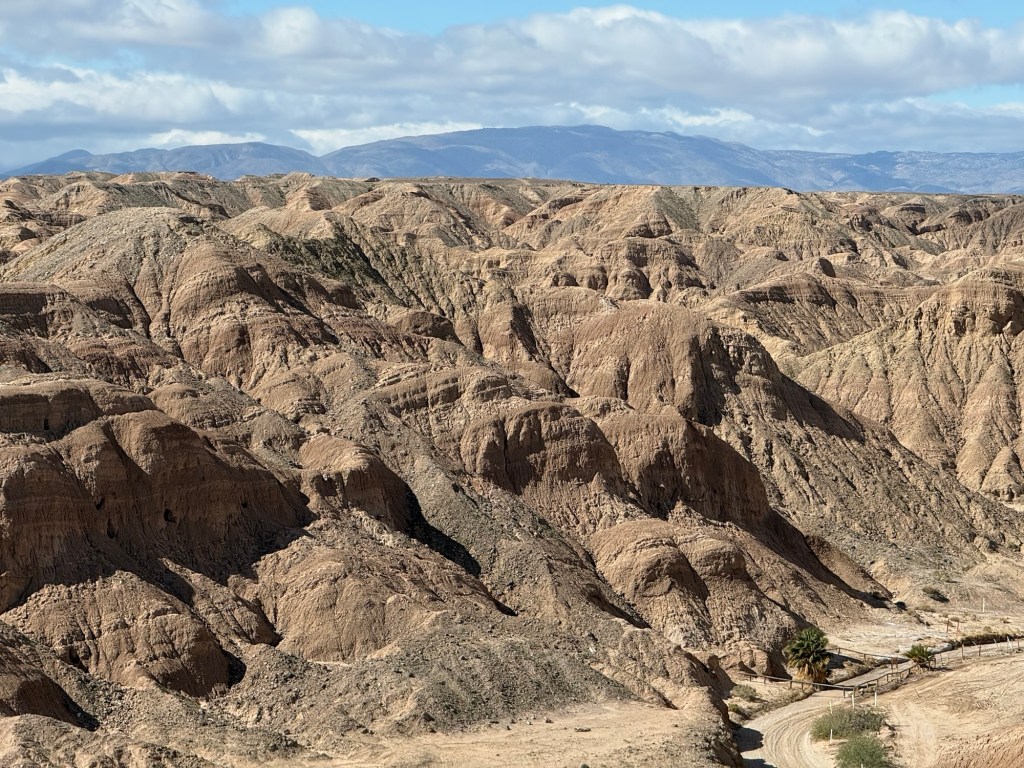
Next, we made the short drive through the one-street town of Borrego Springs to Henderson Canyon Road. The wildflowers were outstanding. Because rain was forecast for the afternoon, there were no crowds. It was us and three other couples taking in the glorious sight of vibrant flowers. From there we drove another 15 minutes to the nearby canyon. There are nine canyons in the Borrego Springs area. As an added bonus, we saw the Salton Sea in the distance.
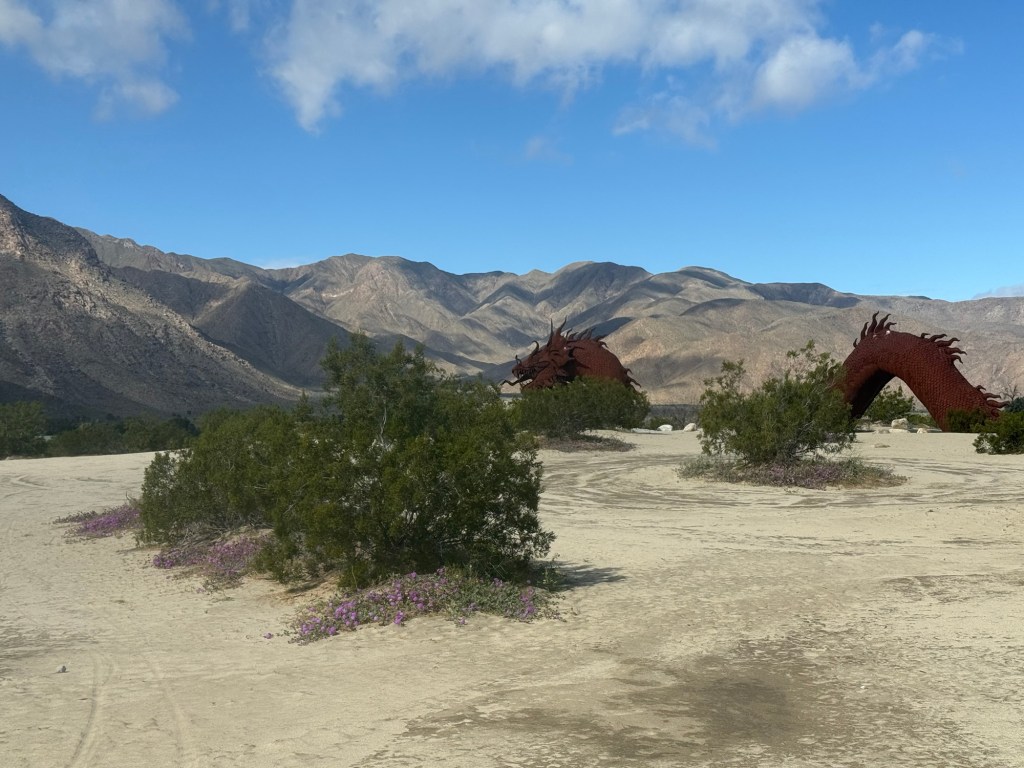
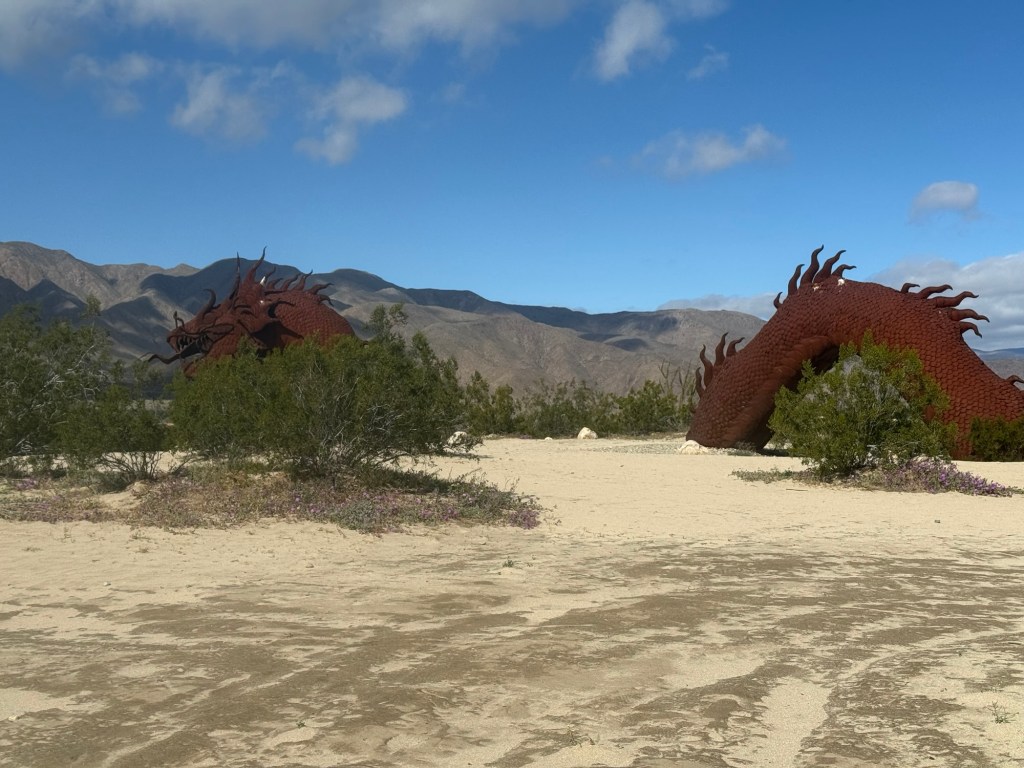
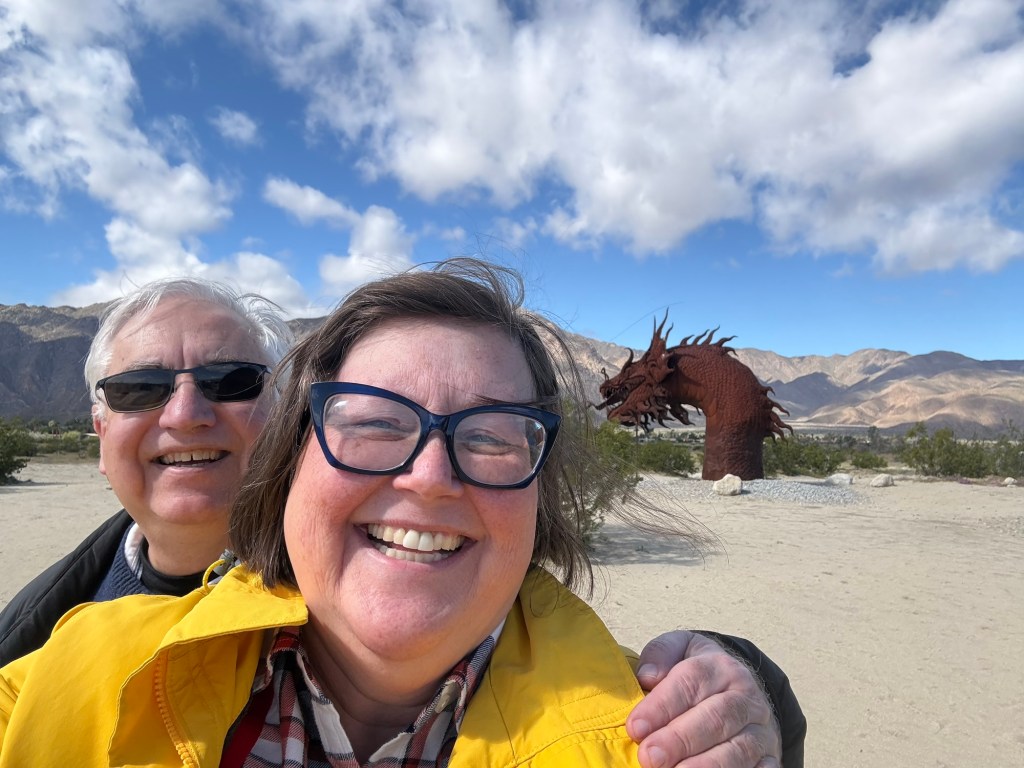
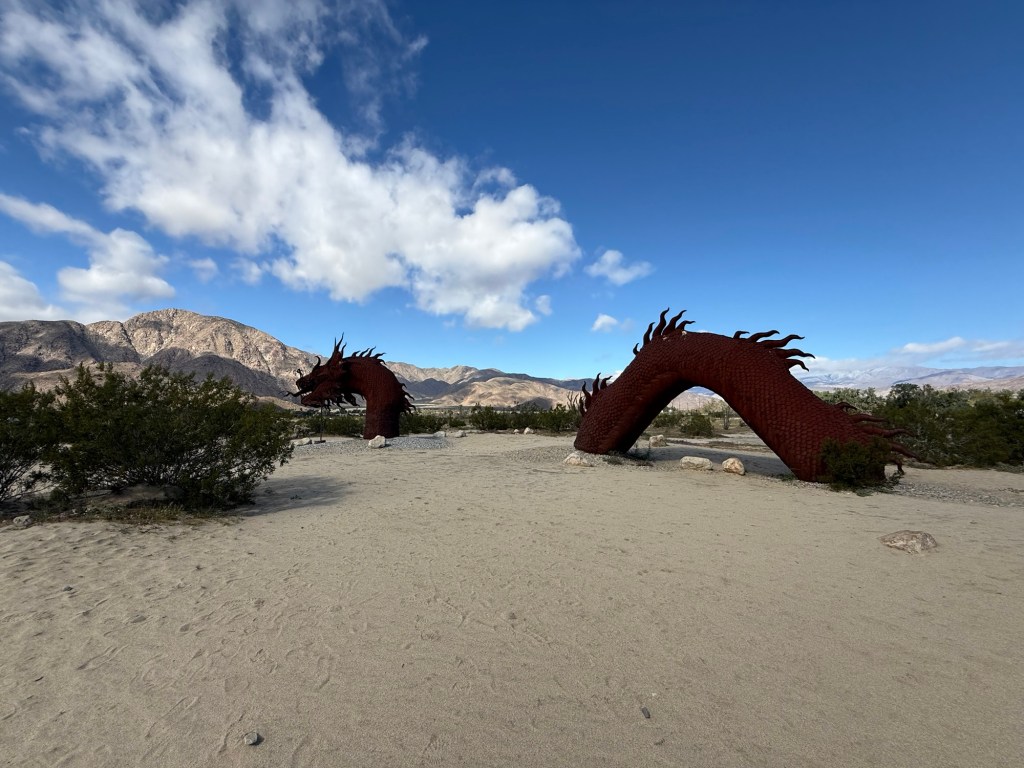
On our way back into town, we stopped by the enormous dragon sculpture (it’s 350 feet long) that goes across both sides of the road. The sculpture is one of numerous sculptures by Ricardo Brecedo that you will see throughout Borrego Springs. More purple wildflowers flowers surrounded the sculpture.
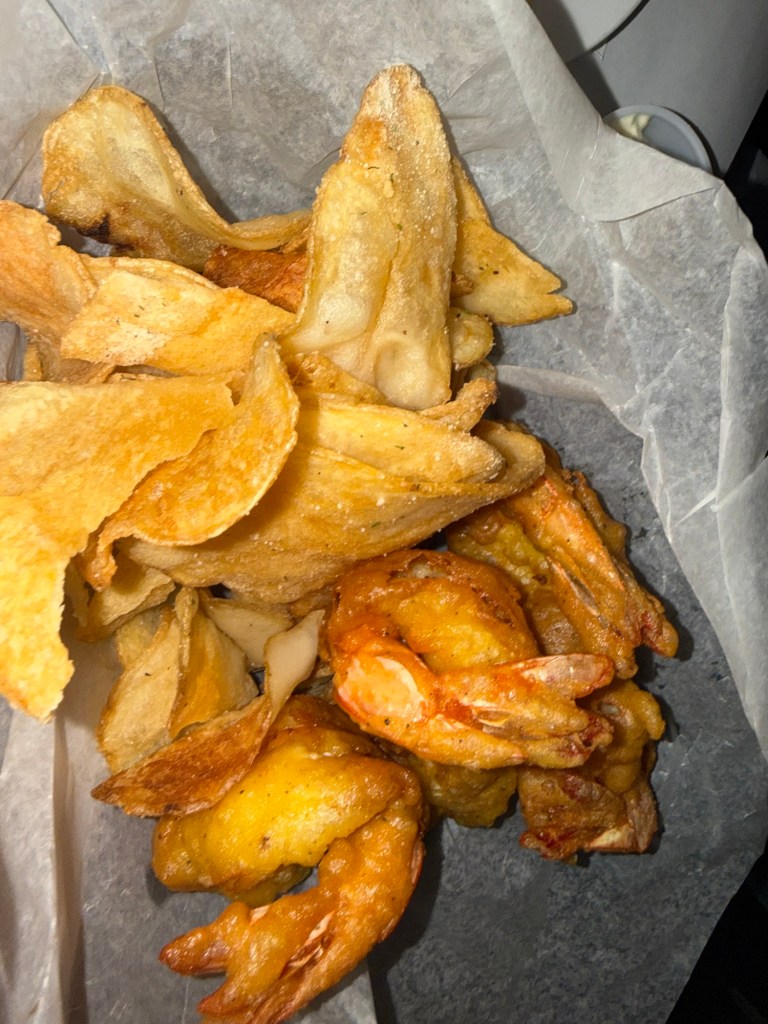
Normally, we stop at the amazing Pablito’s for delicious Mexican food. This time, we decided to try the famous Carlee’s that so many people have told me about. The food is wonderful but I warn you that the portions are enormous. We were there by 11:30 AM and the place was already busy. We were the only out-of-towners. Carlee’s is clearly popular with the locals. The steak quesadilla known as “The Andy” did not disappoint. My husband loved his shrimp basket that came with delicious homemade warm chips.
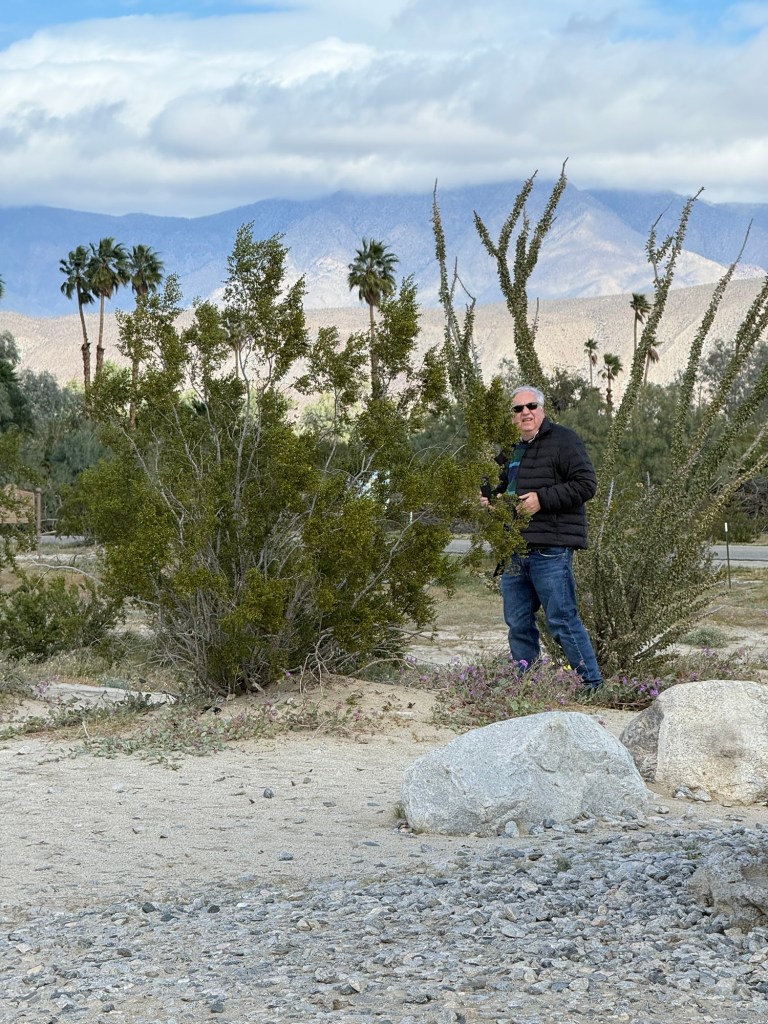
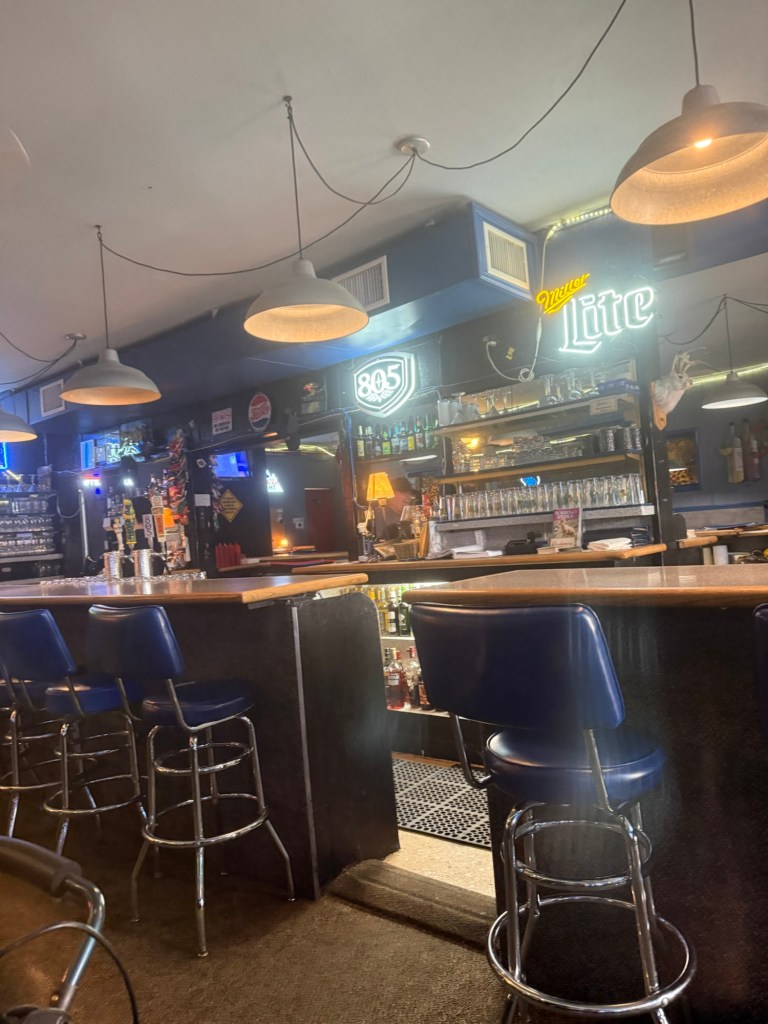
Anza-Borrego Desert State Park Visitor Center Anza-Borrego Desert State Park Visitor Center Anza-Borrego Desert State Park Visitor Center Anza-Borrego Desert State Park Visitor CenterAnza-Borrego Desert State Park Visitor CenterAnza-Borrego Desert State Park Visitor CenterAnza-Borrego Desert State Park Visitor CenterAnza-Borrego Desert State Park Visitor CenterAnza-Borrego Desert State Park Visitor CenterHenderson Canyon Road Blooms Henderson Canyon Road BloomsHenderson Canyon RoadHenderson Canyon Road Henderson Canyon Road Henderson Canyon Road Henderson Canyon Road Henderson Canyon Road Henderson Canyon Road Henderson Canyon Road Henderson Canyon Road Henderson Canyon Road Henderson Canyon Road Henderson Canyon Road Henderson Canyon Road Henderson Canyon Road Henderson Canyon Road Henderson Canyon Road Henderson Canyon Road Henderson Canyon Road Henderson Canyon Road Henderson Canyon Road Henderson Canyon Road Henderson Canyon Road Henderson Canyon Road Henderson Canyon Road Henderson Canyon Road Henderson Canyon Road Henderson Canyon Road Henderson Canyon Road Henderson Canyon Henderson CanyonHenderson Canyon The Salton SeaHenderson Canyon Fields of Wildflowers Map of Flower Activity Given at Visitor Center Borrego Springs Road Borrego Springs Road Famous Dragon Sculpture Dragon Sculpture Dragon Sculpture The Dragon Sculpture The Dragon Sculpture Dragon Sculpture Dragon Sculpture Dragon Sculpture Dragon Sculpture Dragon Sculpture Dragon Sculpture Dragon Sculpture Dragon Sculpture My Husband Taking Photos Dragon Sculpture Sneaky Photo of Me by HubbyDragon Sculpture Dragon Sculpture Dragon Sculpture Famous Carlee’s Bar at Carlee’s Potato Skins Appetizer at Carlee’s Shrimp Basket with Homemade Chips at Carlee’s Andy’s Quesadilla at Carlee’s Small Sculpture in Town Small Sculpture in TownExterior of Carlee’s Front Entrance of Carlee’s
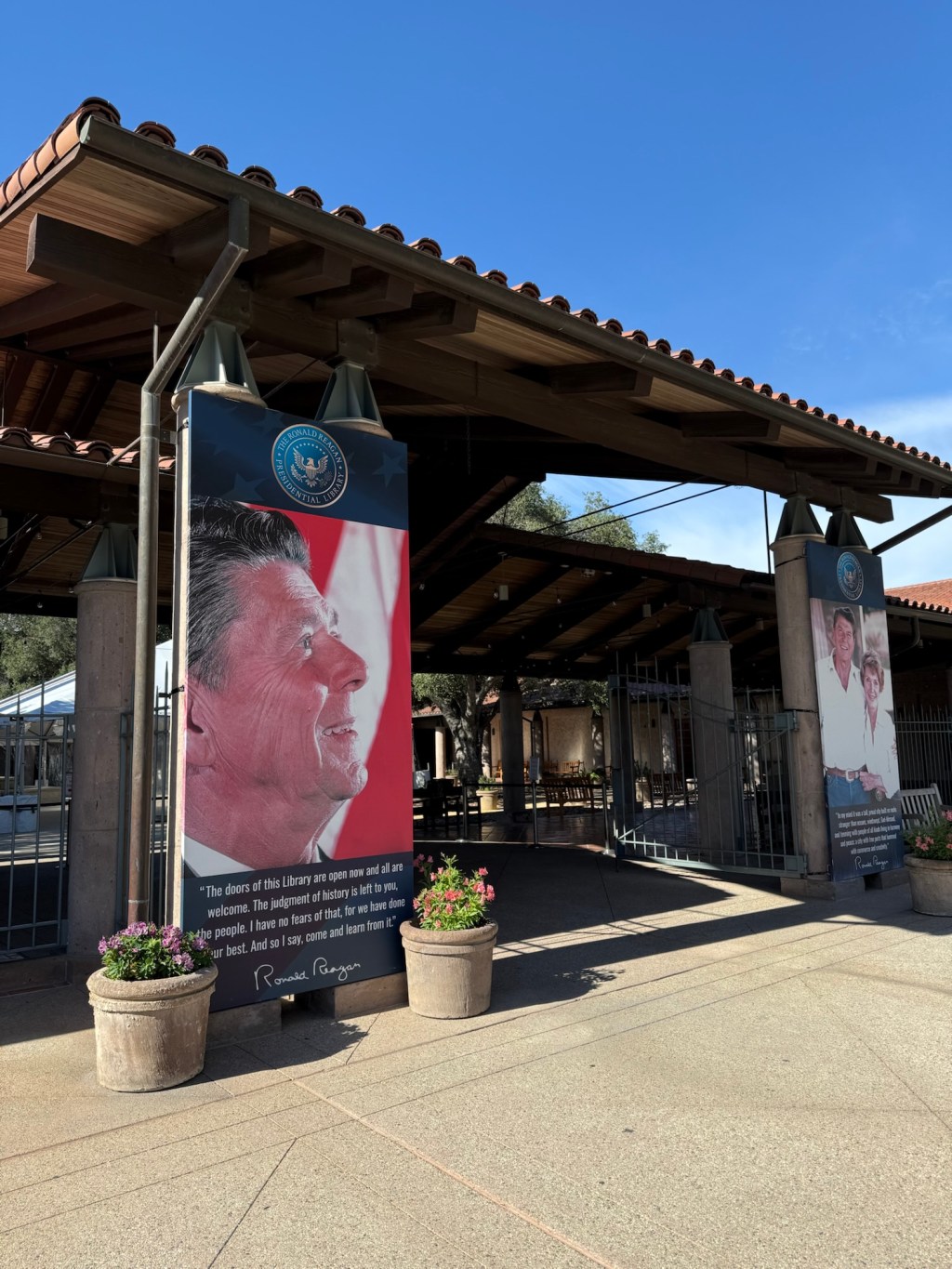
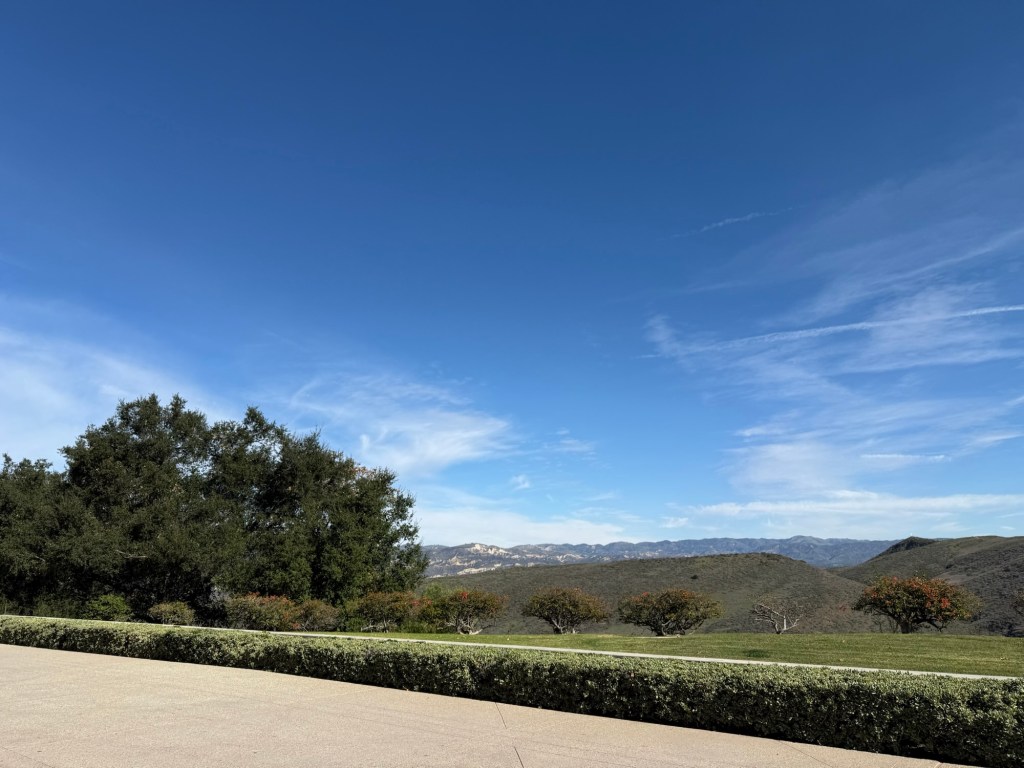
I have visited approximately half of the presidential libraries and the Ronald Reagan Library located in Simi Valley California is my favorite one – so far. Both the permanent and traveling exhibits are impressive. Plus, it is located in a beautiful area of Simi Valley with spectacular mountain views from every direction. In addition, the library has the most friendly and helpful staff.
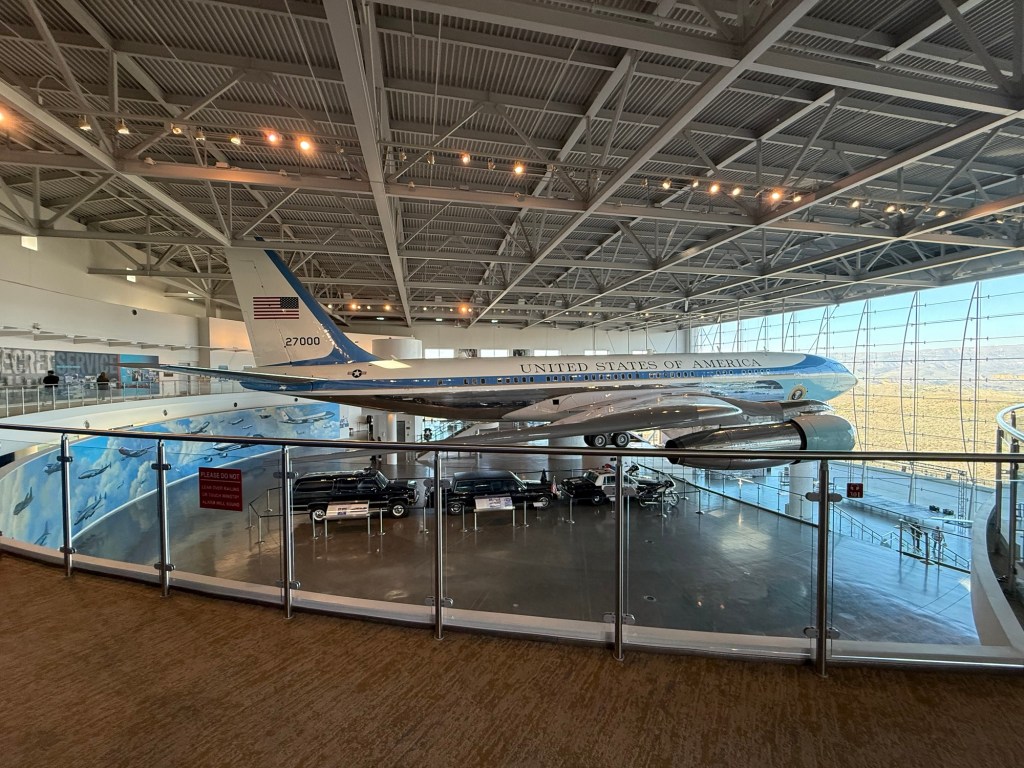
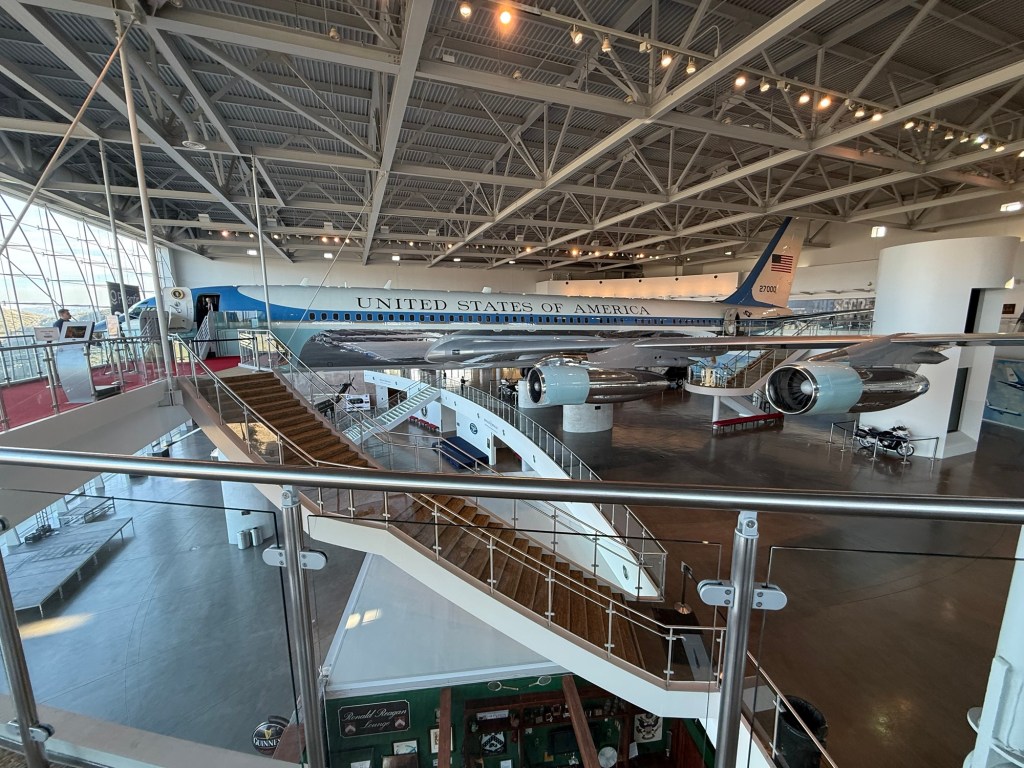
First, the library has the Air Force One plane that Reagan flew on as president. The plane was in service from 1973 to 2001 and Reagan flew on it the most out of the seven presidents who used this particular plane. It is impressively displayed in a glass structure and visitors can walk around and through the plane. One year, we even enjoyed a fun lunch during the Christmas season where the tables were set under Air Force One. The food was delicious and the table settings and decorations were perfect.
Speaking of Christmas, every year the library showcases an impressive number of beautifully decorated Christmas trees. This year, we enjoyed looking at 26 trees representing each decade in American history. Last year, the museum displayed trees for each Country that Reagan visited during his eight years in the White House.
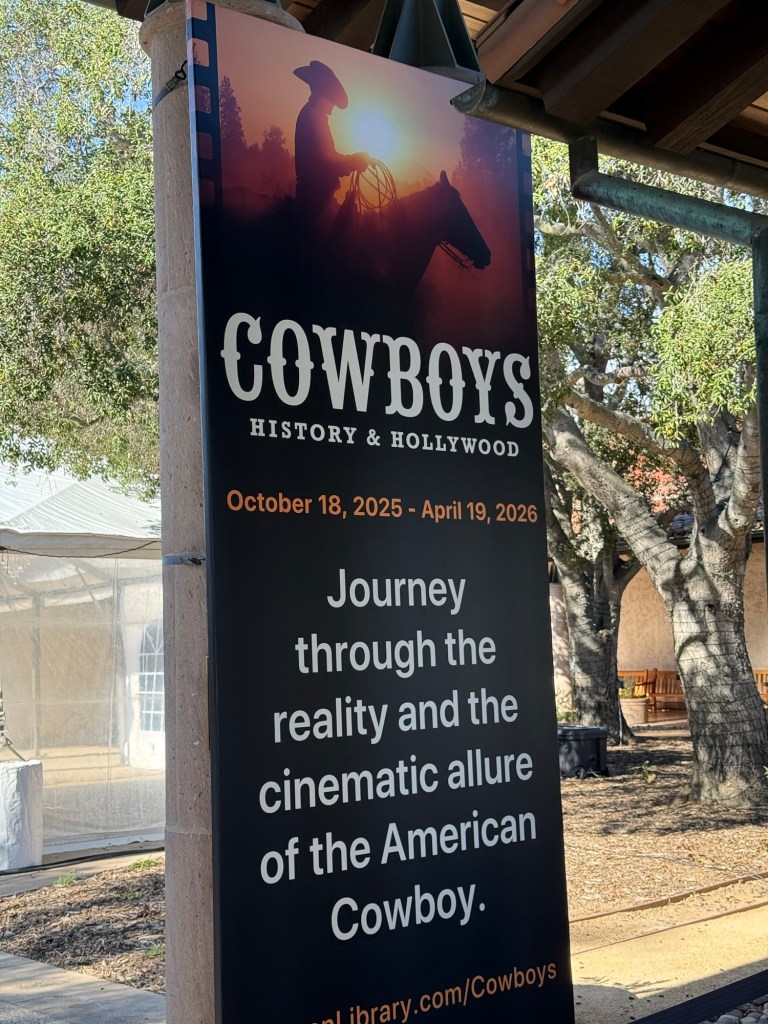
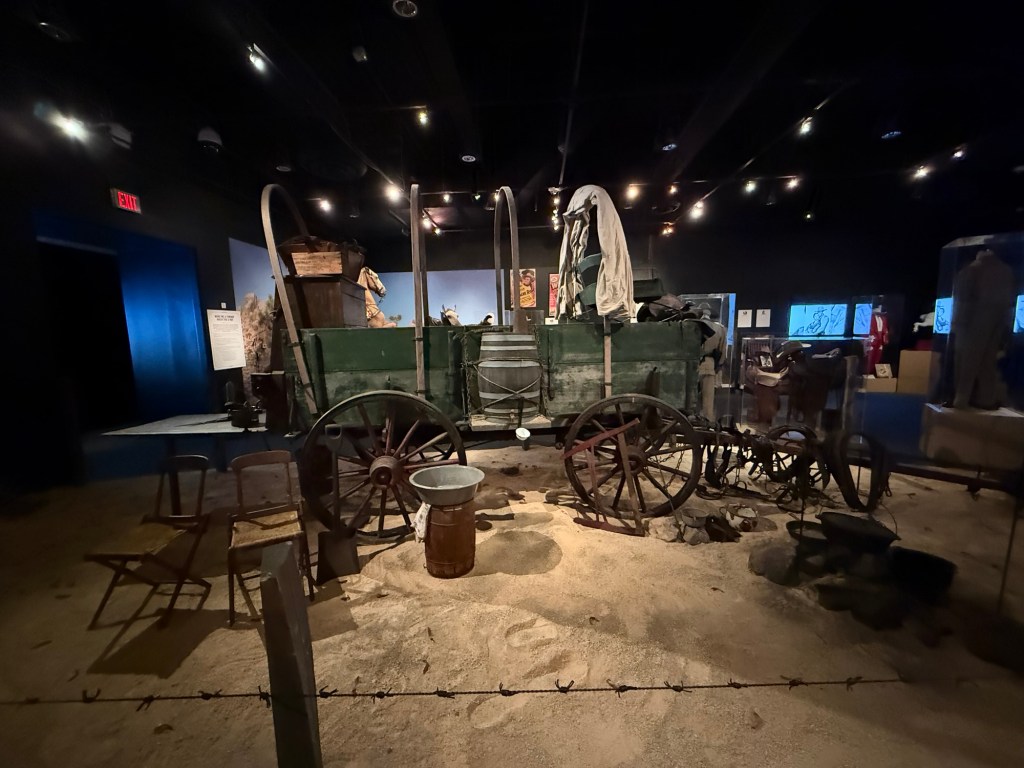
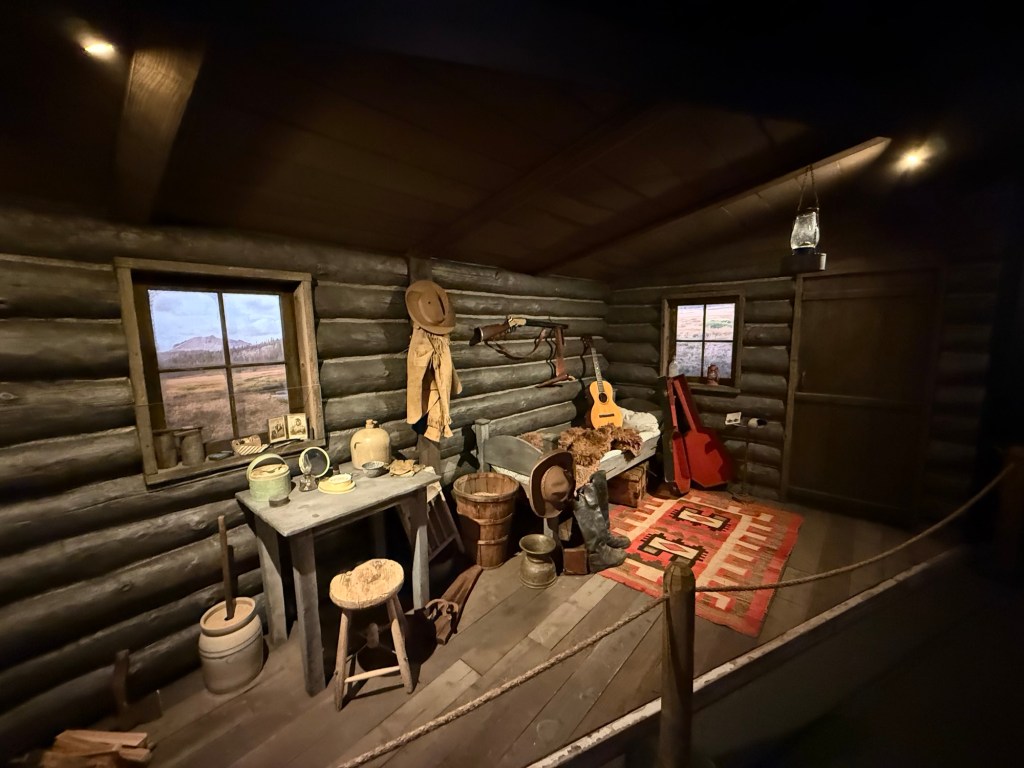
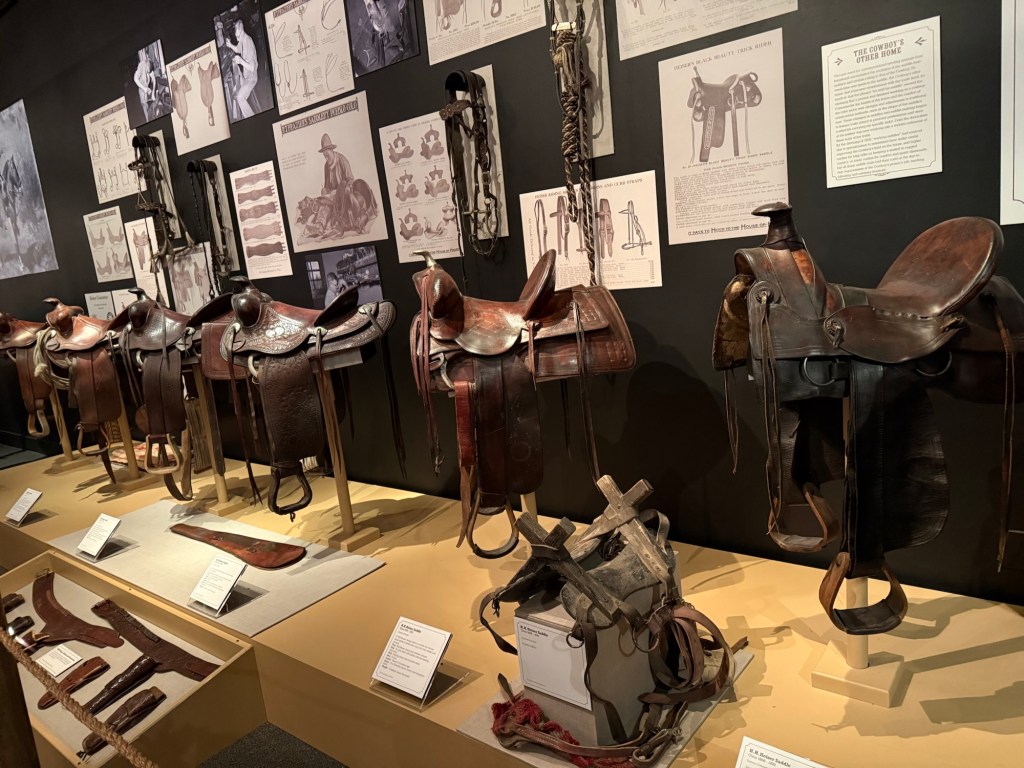
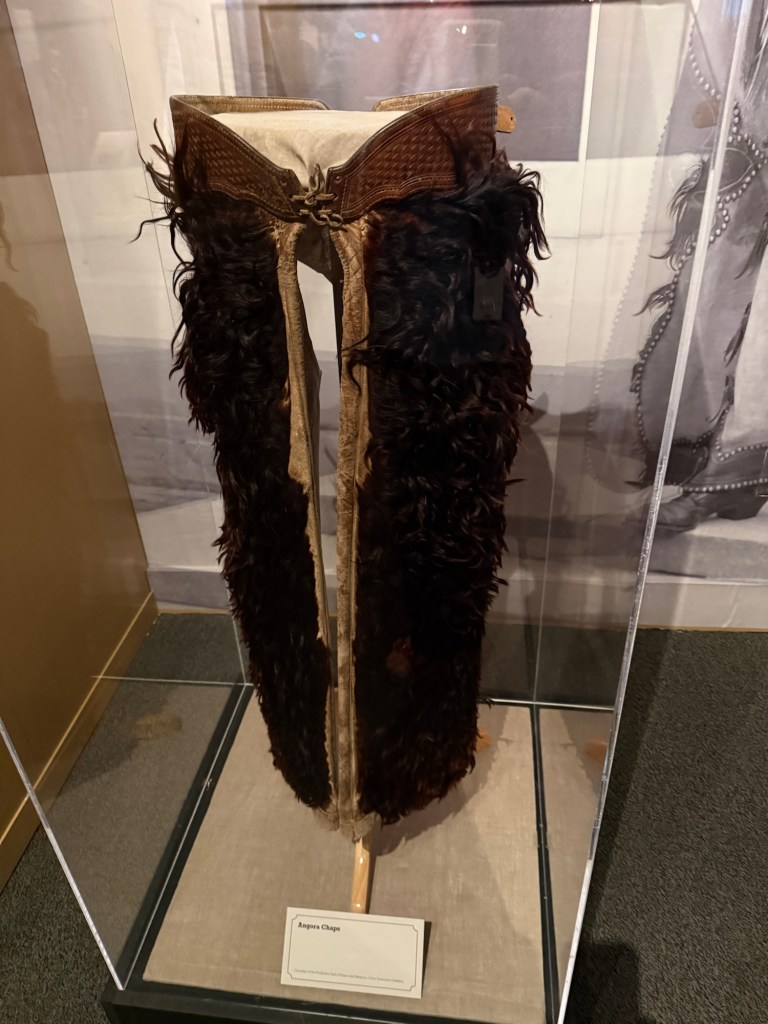
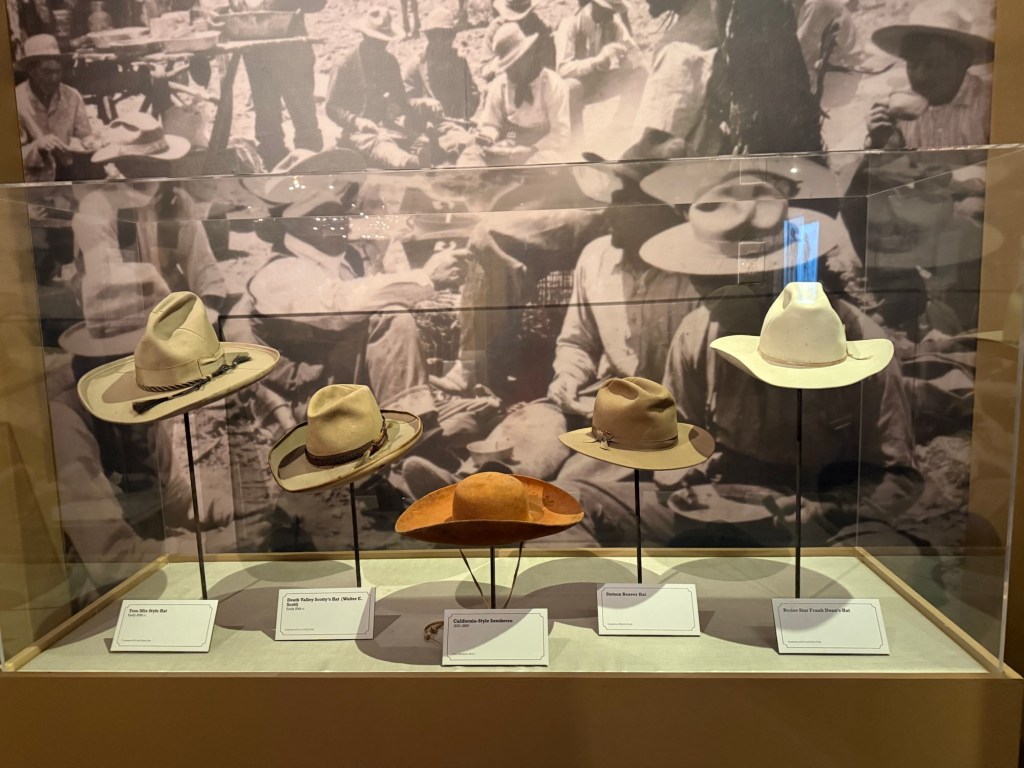
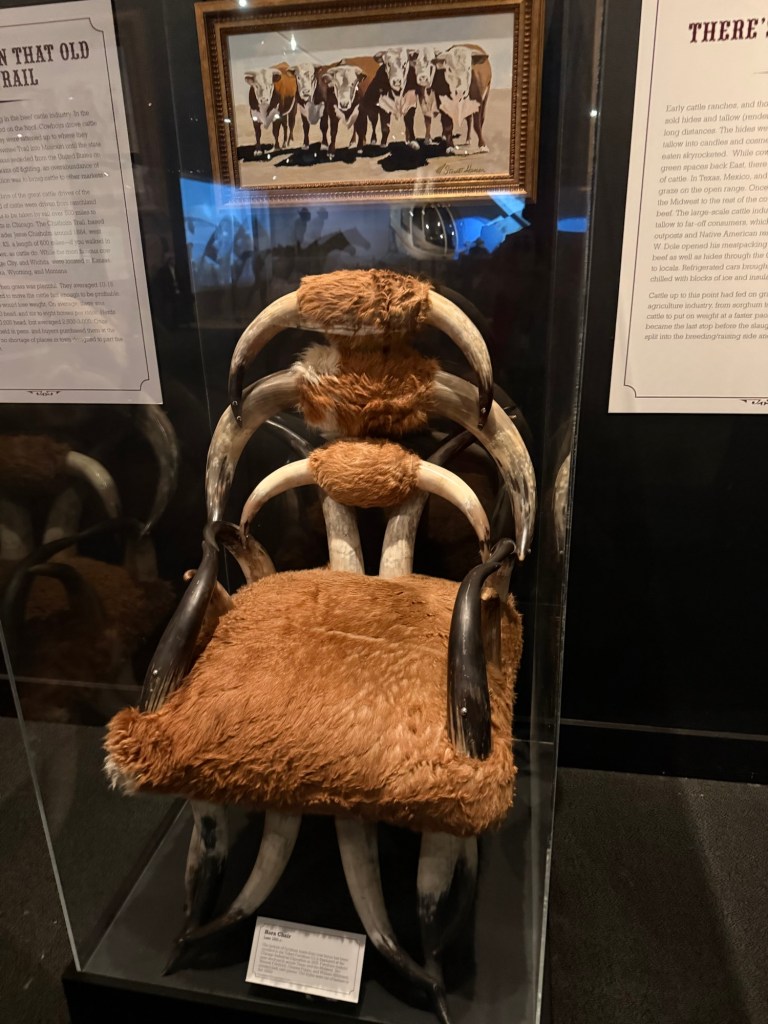
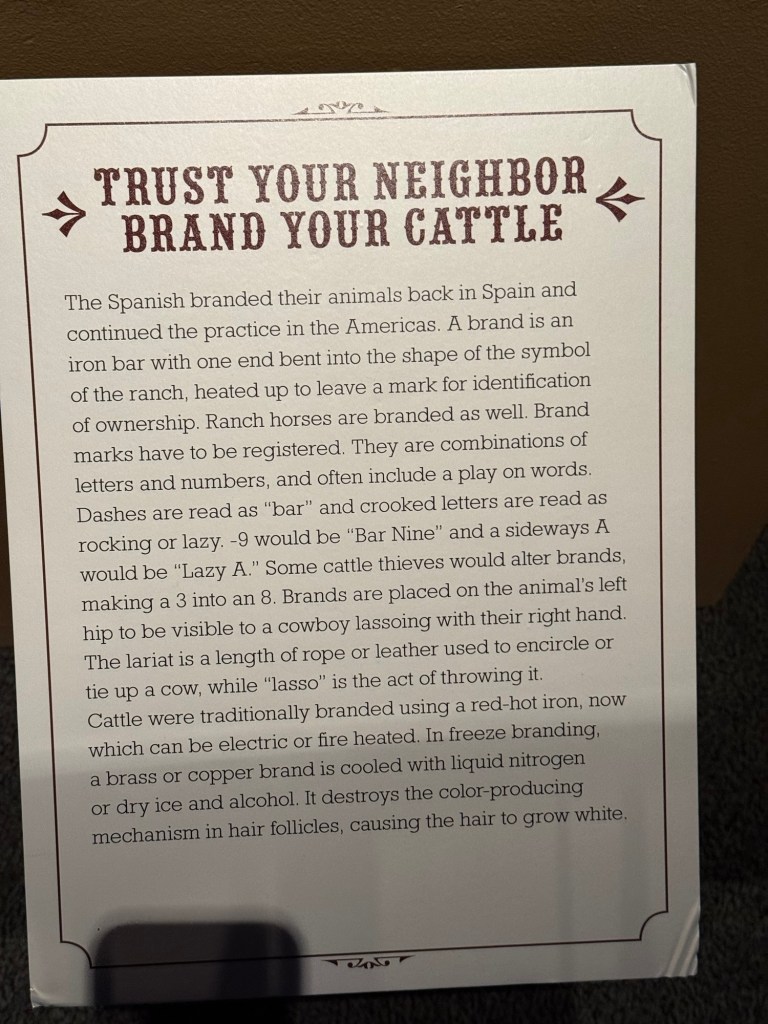
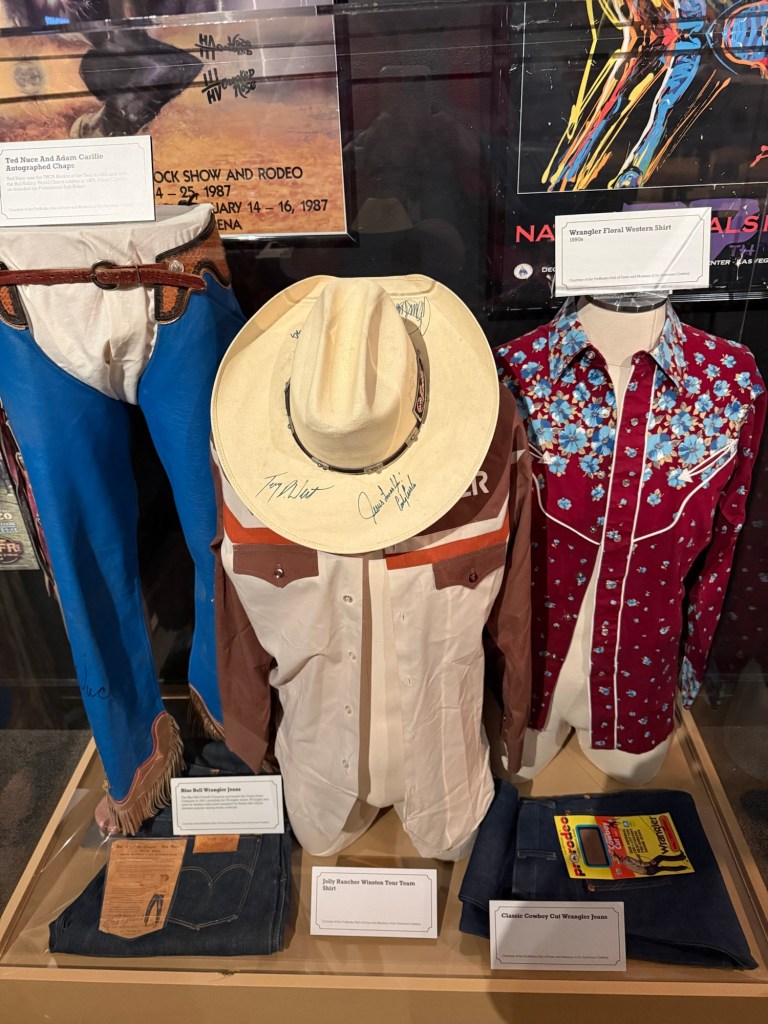
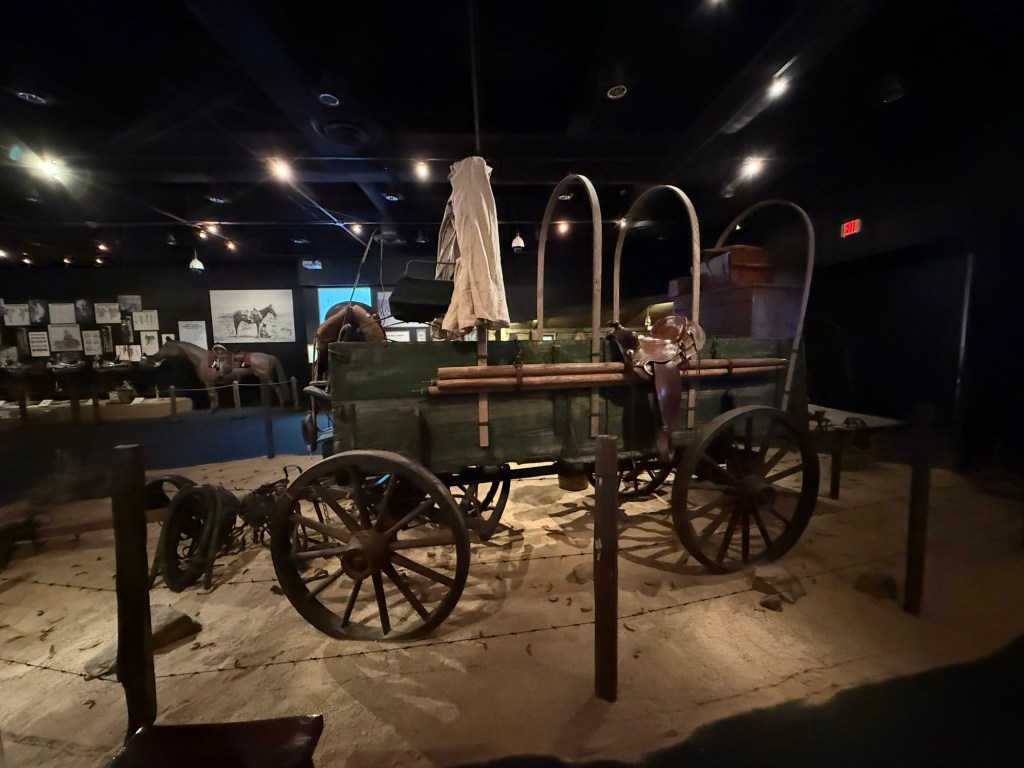
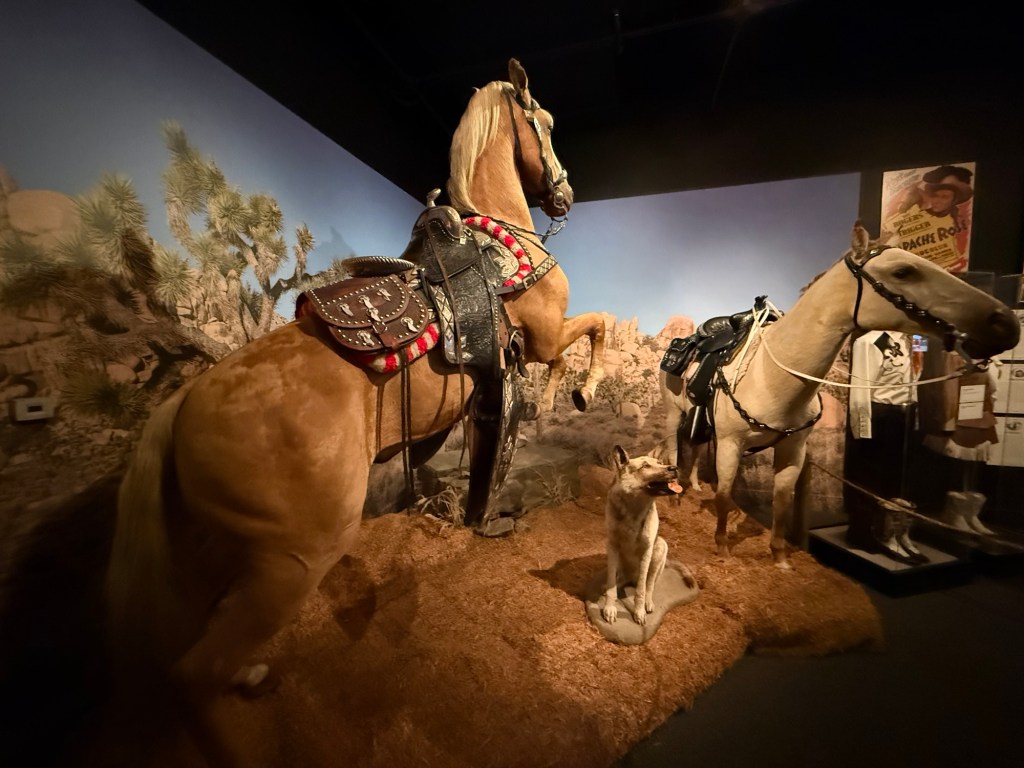
The rotating exhibits are wonderful as well. Currently, the library is curating a fun cowboy themed exhibit. Past exhibits include: the FBI, Pompeii and Auschwitz.
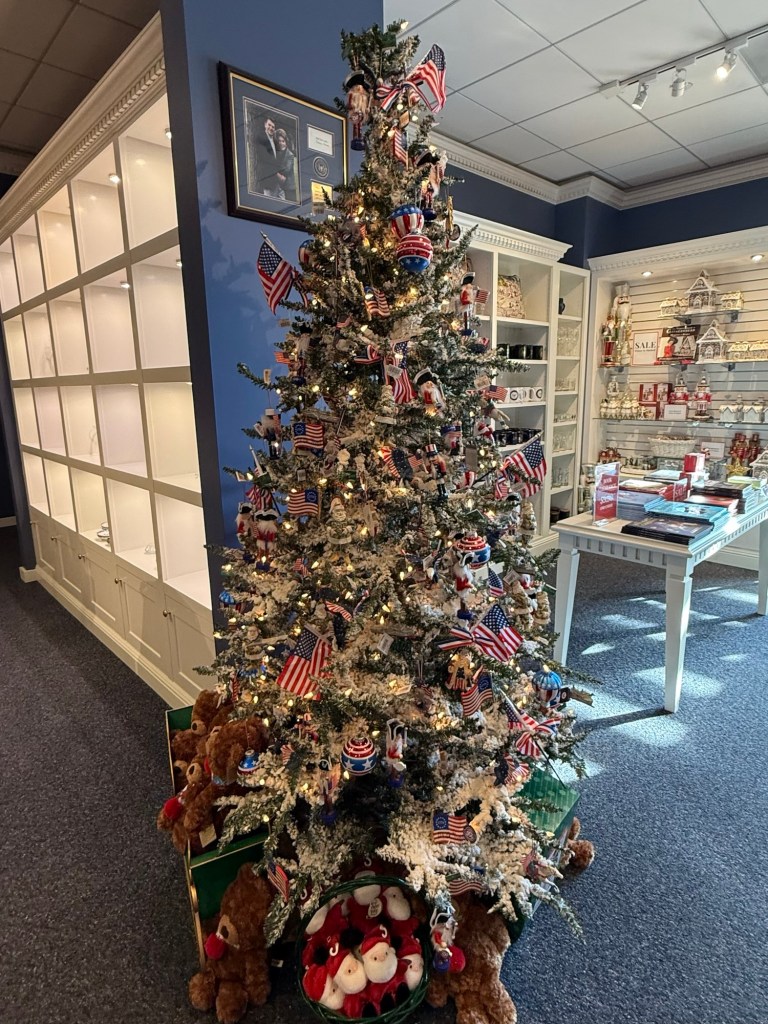
Finally, no visit is complete without a visit to the gift shop. I never walk out empty-handed. I usually pick up a few fun Christmas tree ornaments. One year, I picked up a great book regarding the White House gingerbread houses.
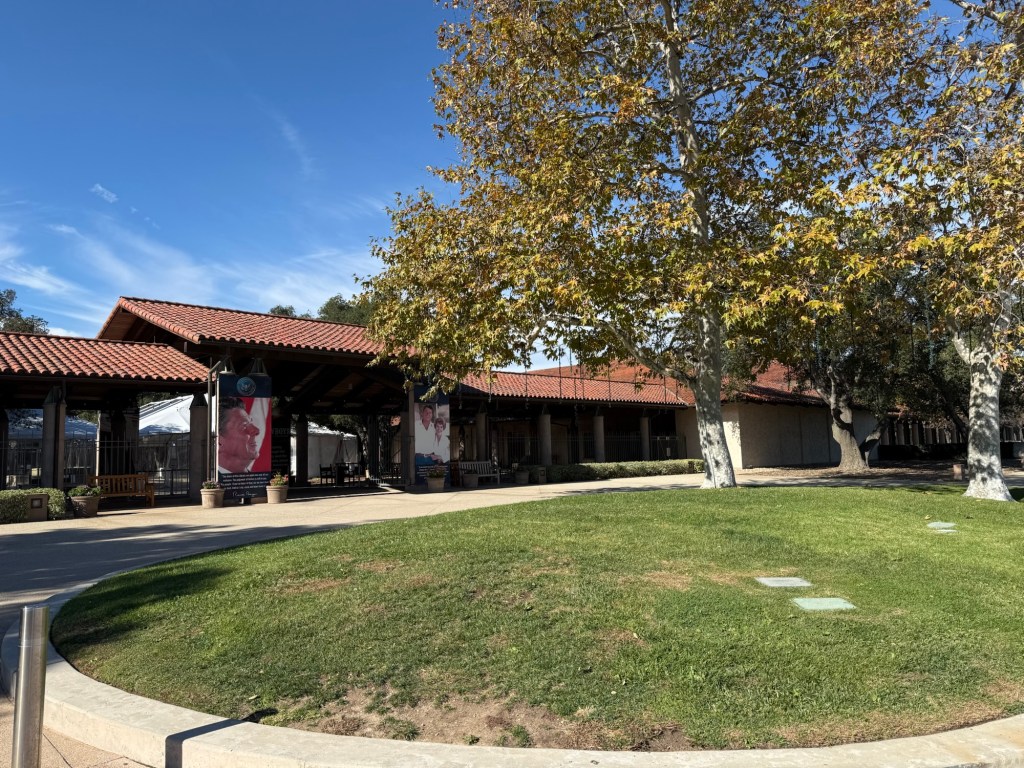
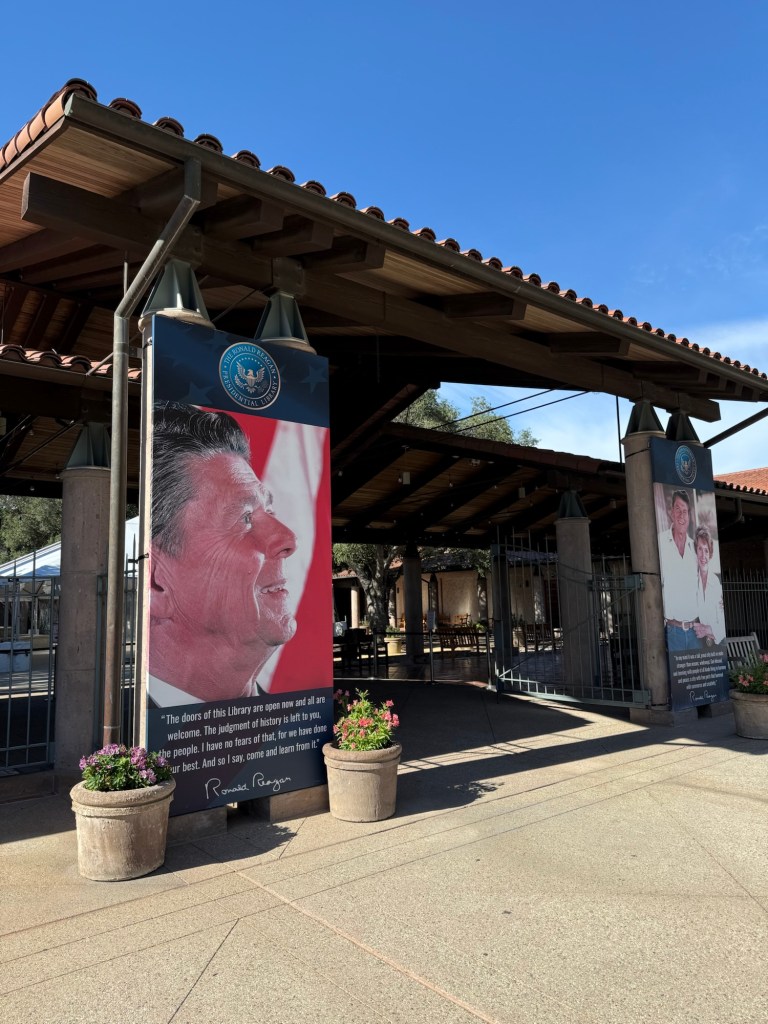
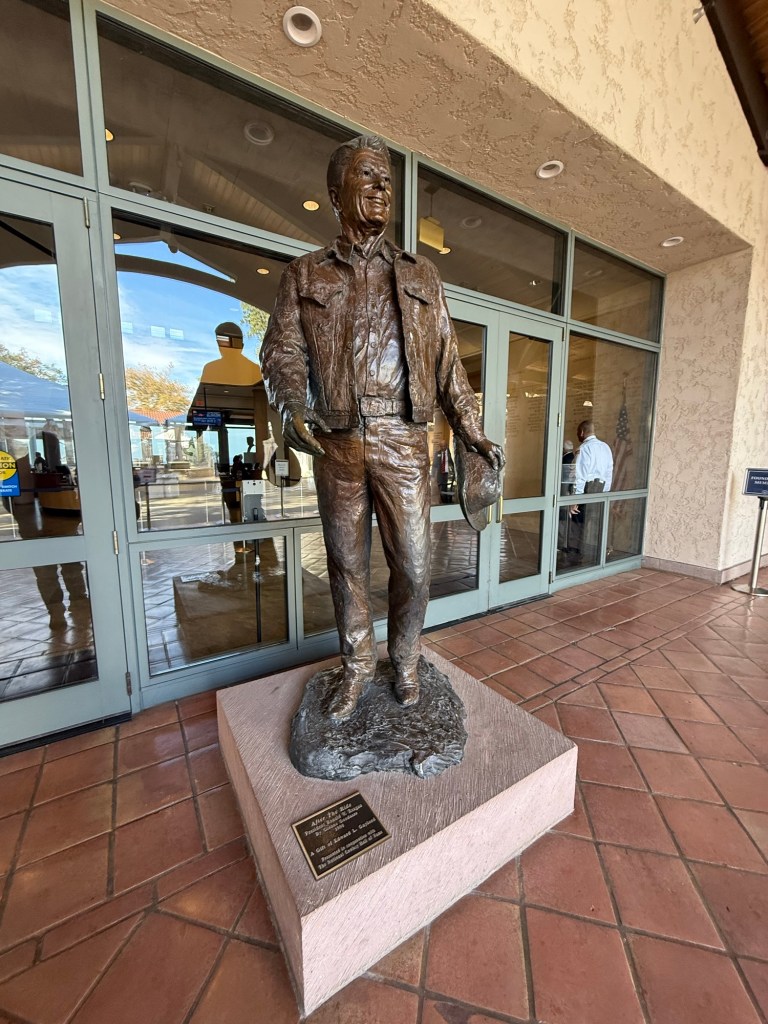
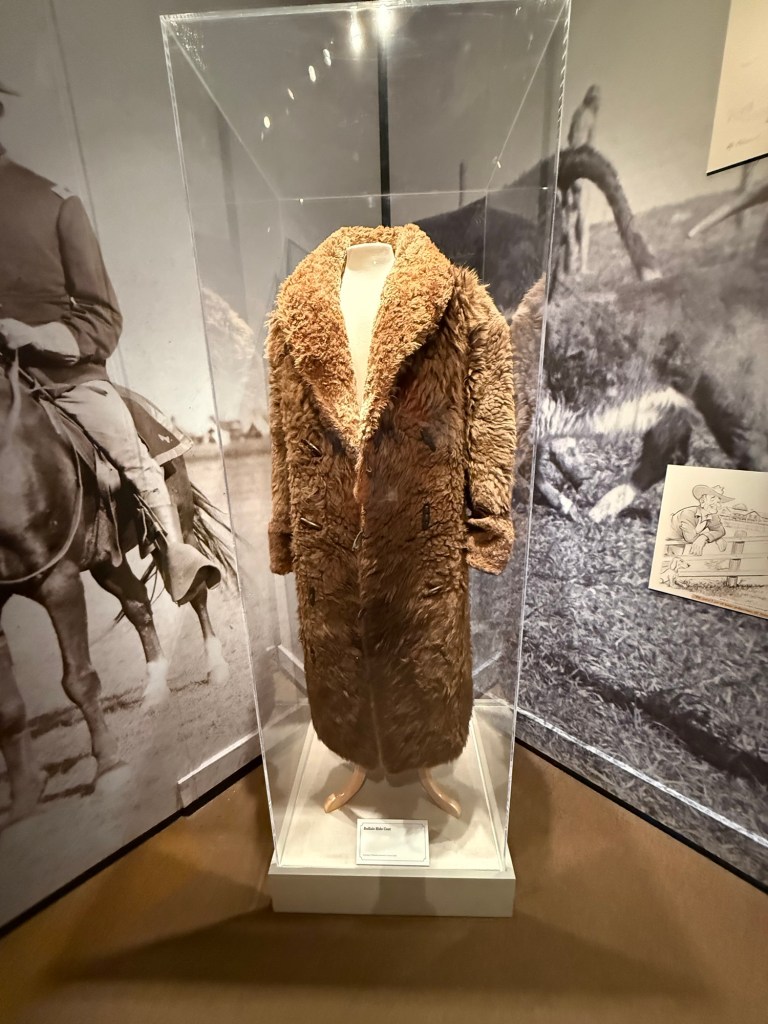
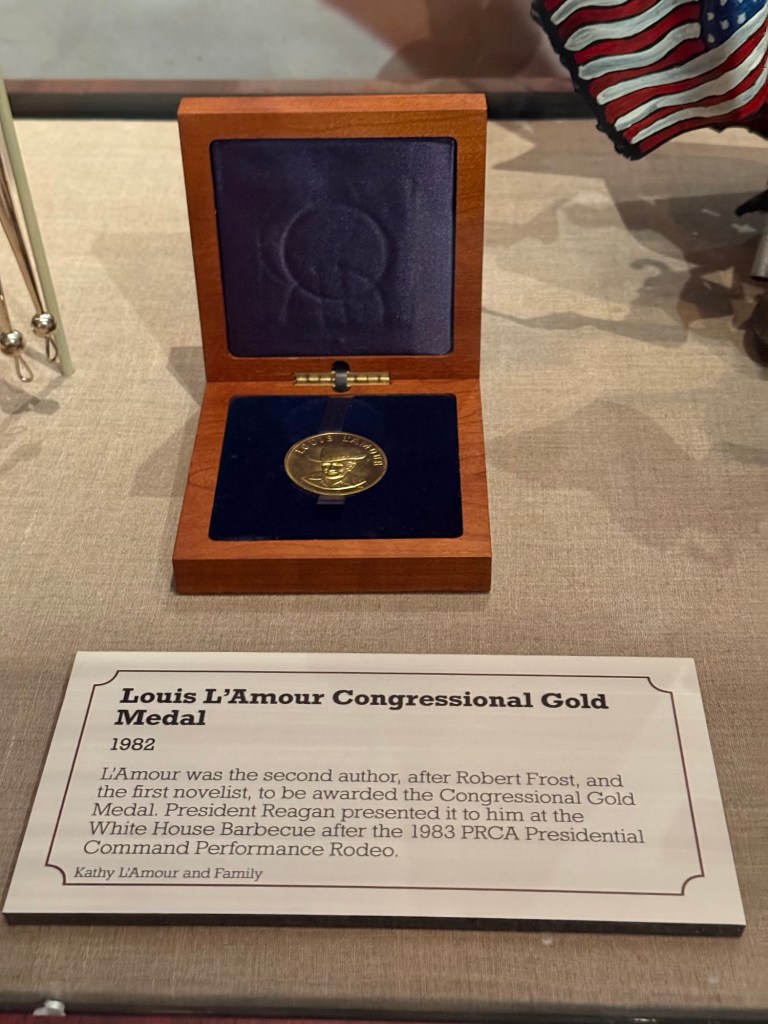
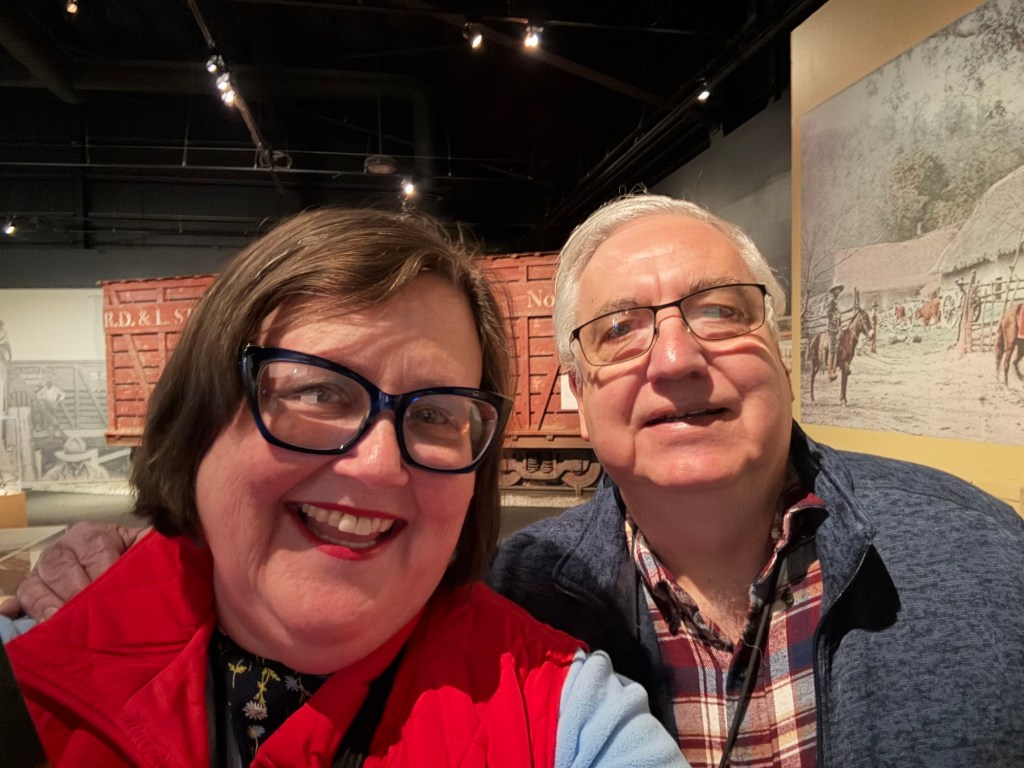
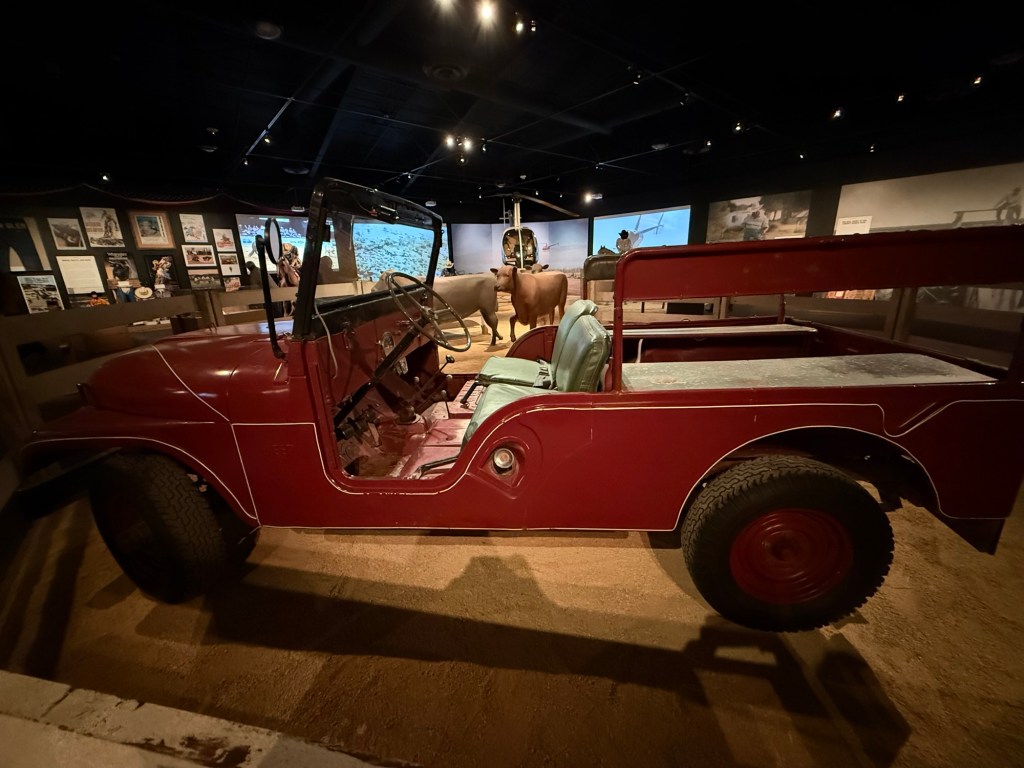
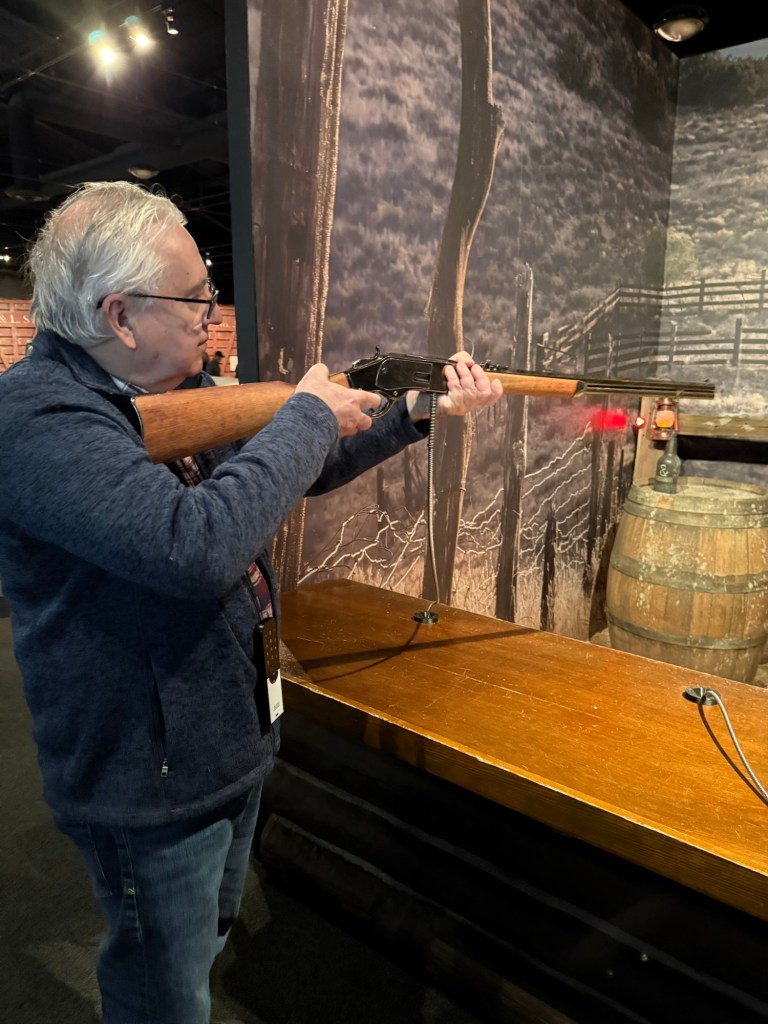
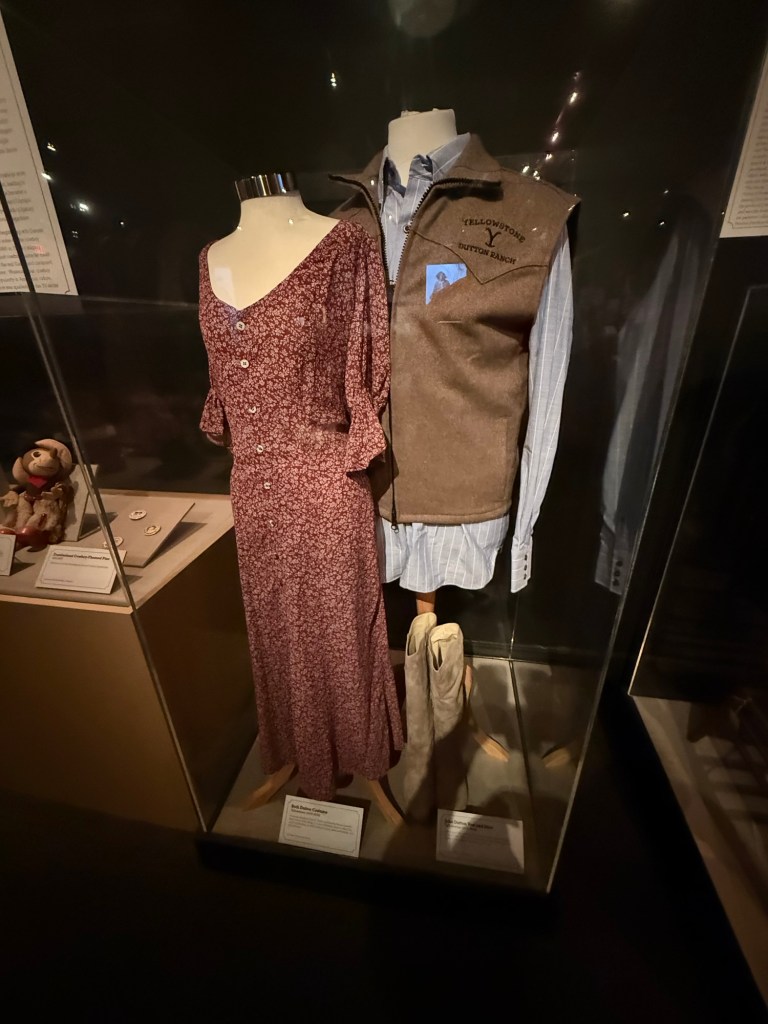
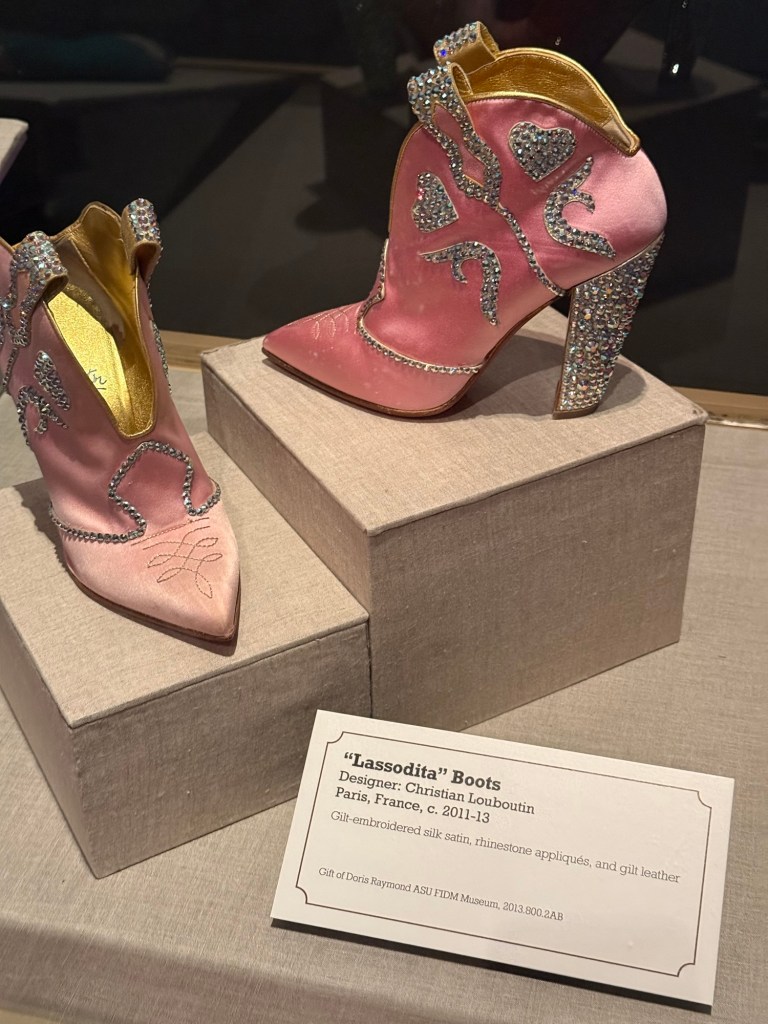
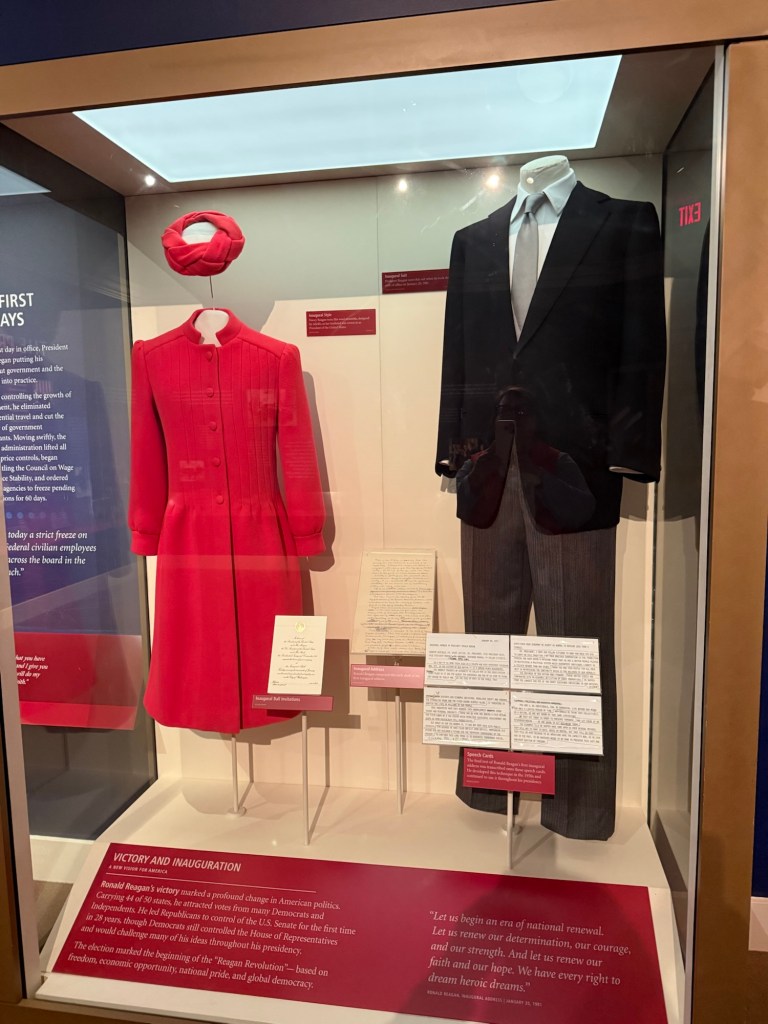
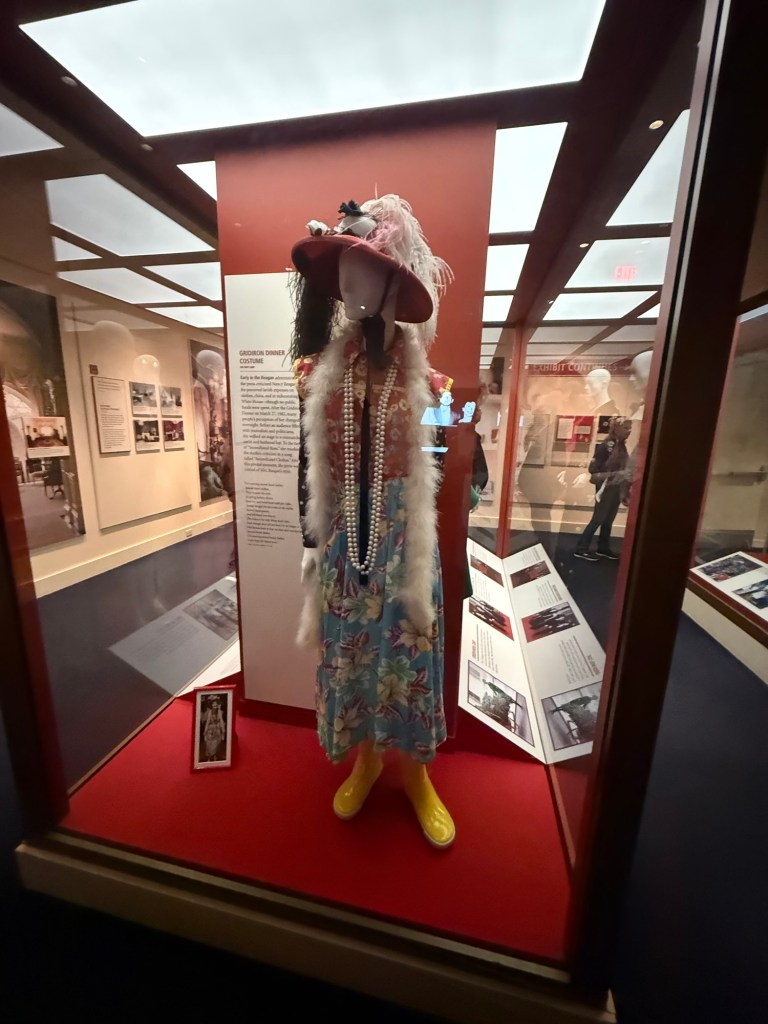
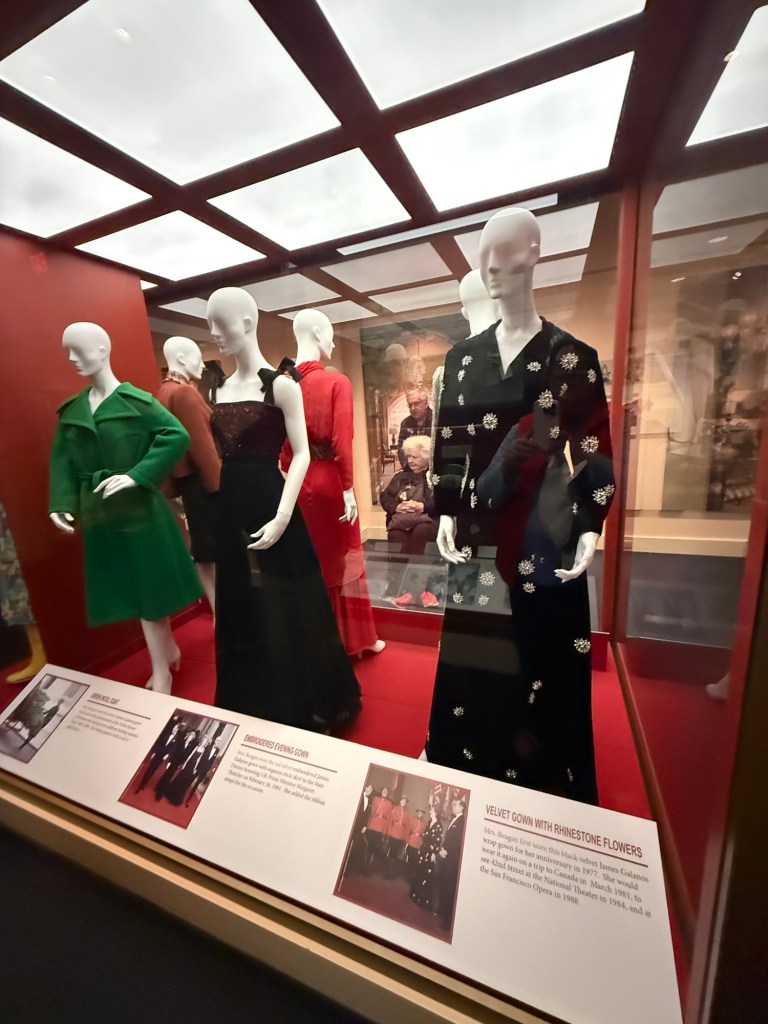
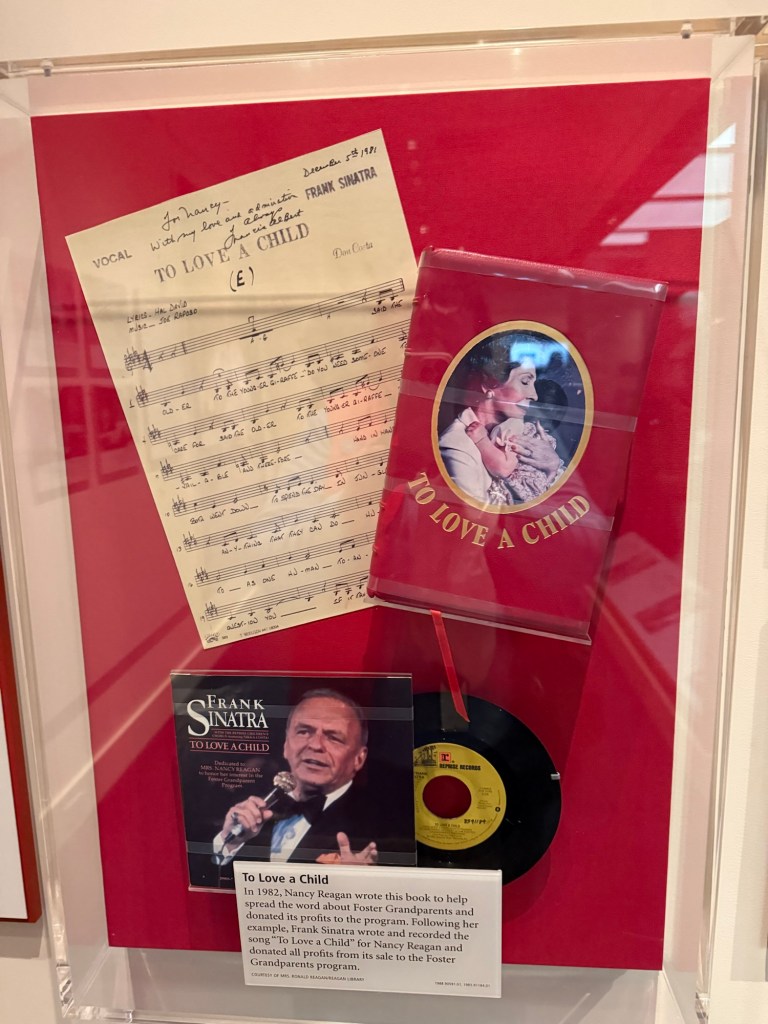
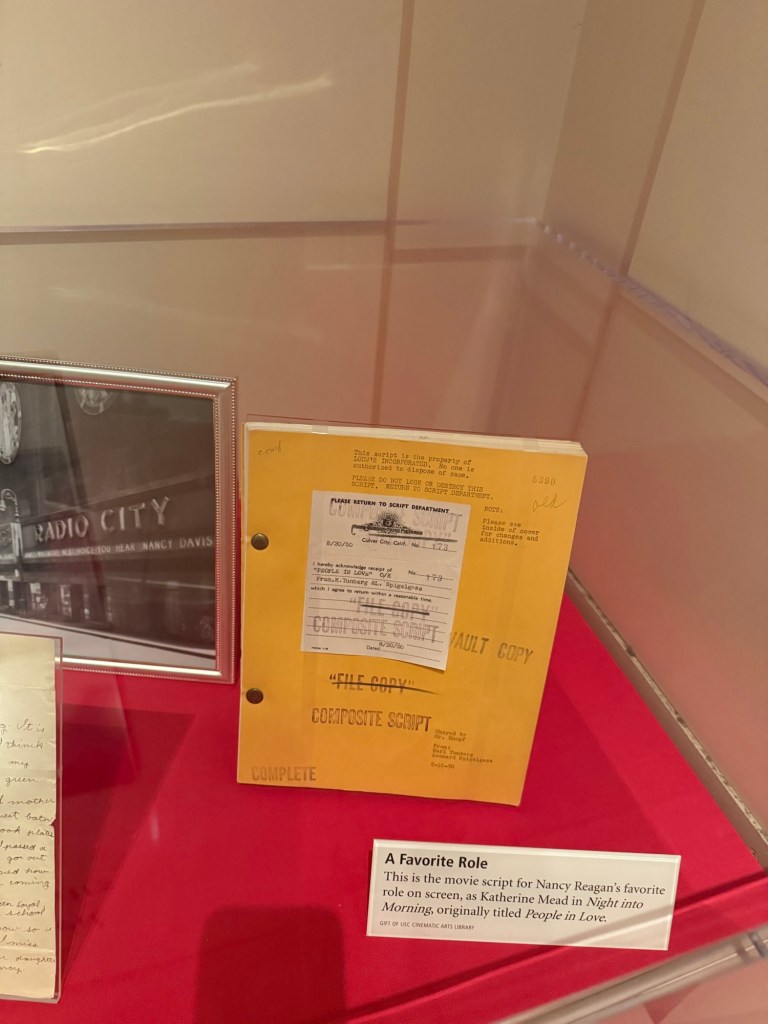
Front Entrance From the Front of the Library Front Entrance Front Entrance The Current Exhibit Statue Outside the Front Doors Buffalo CoatCongressional Gold Medal for Louis L’AmourChuck Wagon Typical Western SaddlesChapsThe Evolution of the Cowboy Hat and Birth of the StetsonWild ChairCattle CarBranding Irons Including the One Used ByWill RogersThe History of the Branding Iron Barbed Wire Was Patented Modern Cattle Ranching Utilizes HelicoptersRodeo AttireReagan’s 1960 Jeep The Exhibit Has a Rifle Demo Yellowstone Television Series Costumes Wagon Trigger of Roy Rogers FameChristmas Tree in the Gift Shop – Ornaments for Sale A Piece of the Berlin Wall Inauguration Clothing for the Reagan’sNancy’s Second-Hand Rose Costume Clothes Worn by Nancy Sinatra Was a Huge Supporter In High School Nancy Starred in Her High School’s Play First Lady Air Force One Another View of Air Force One
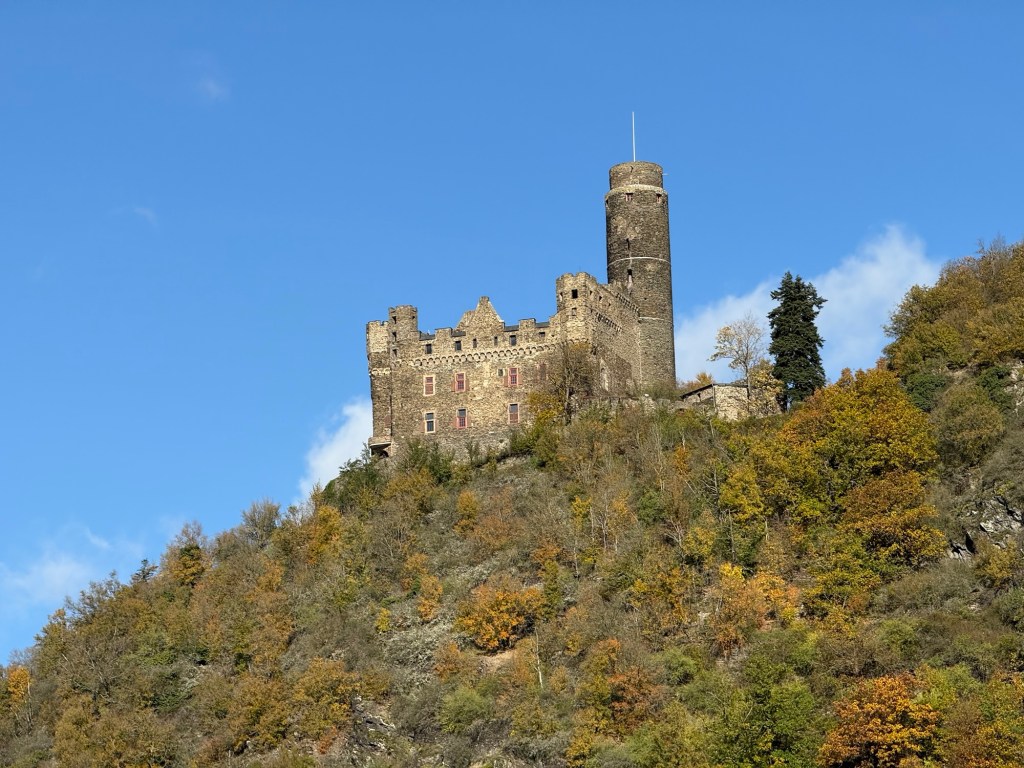
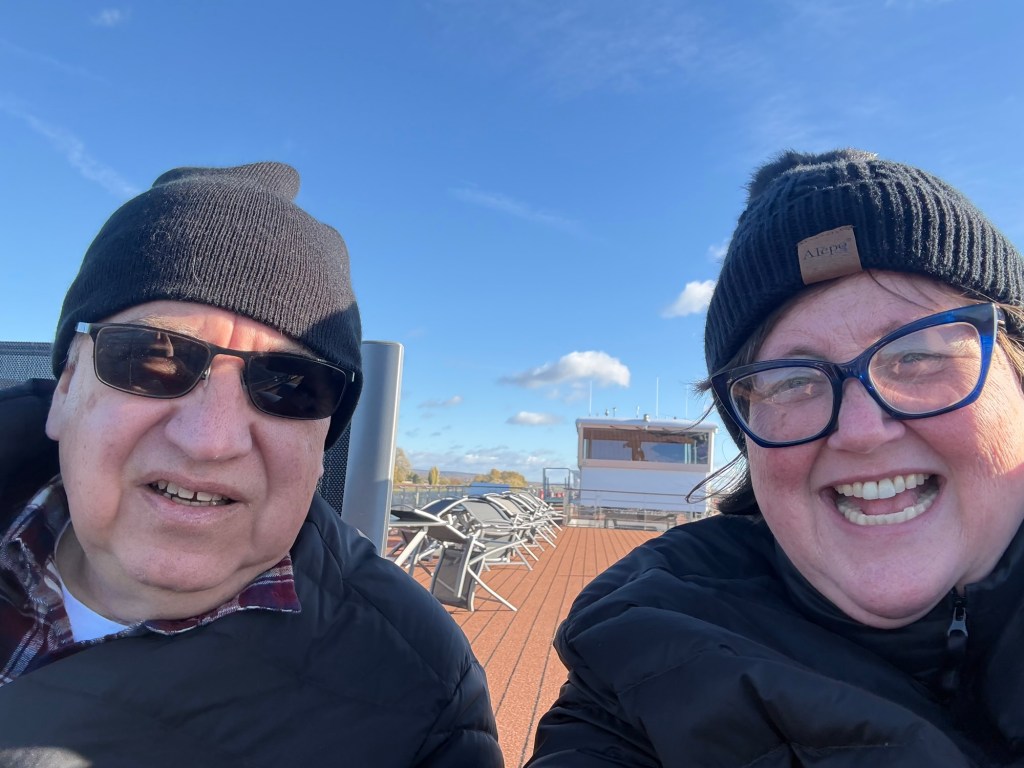
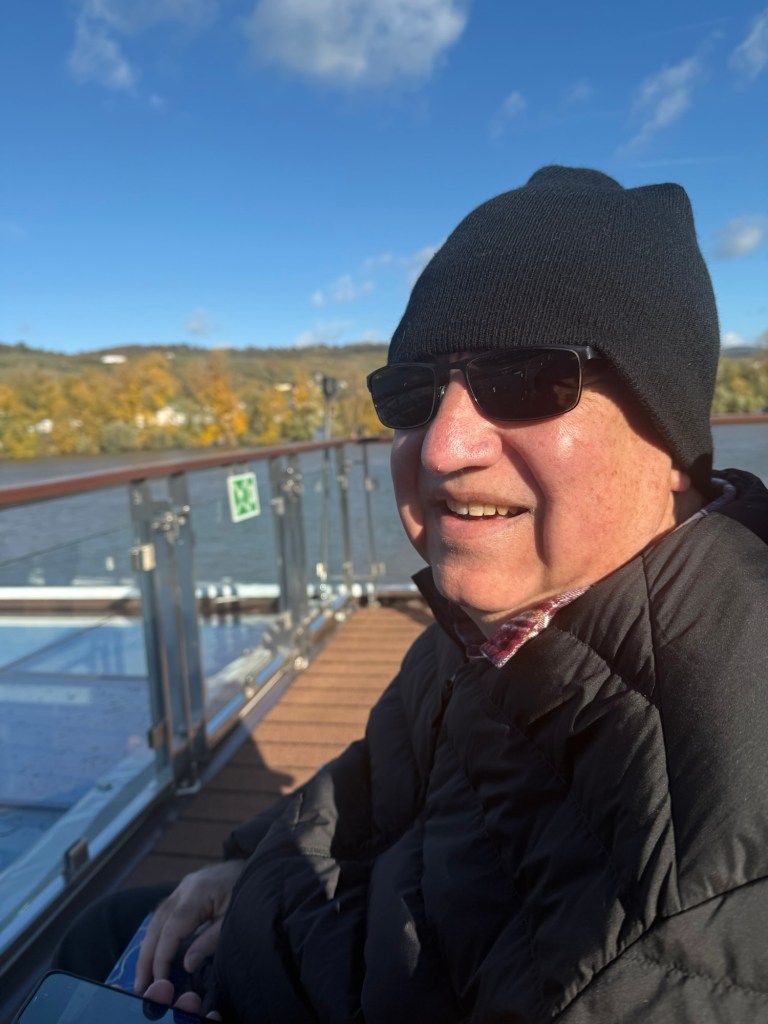
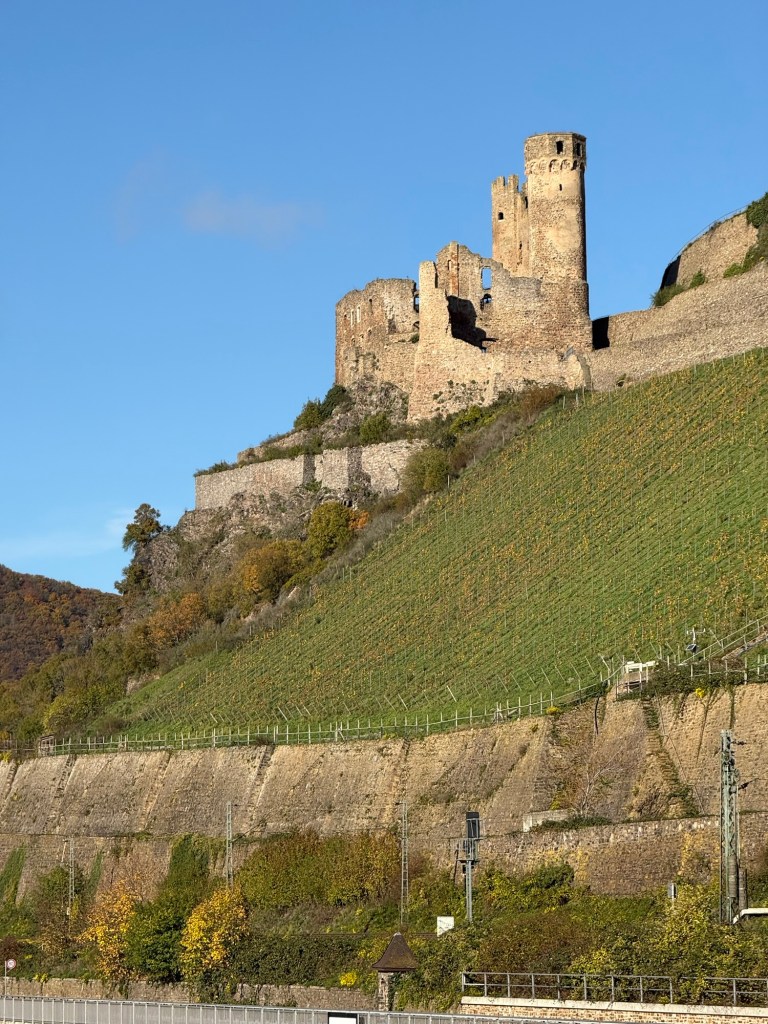
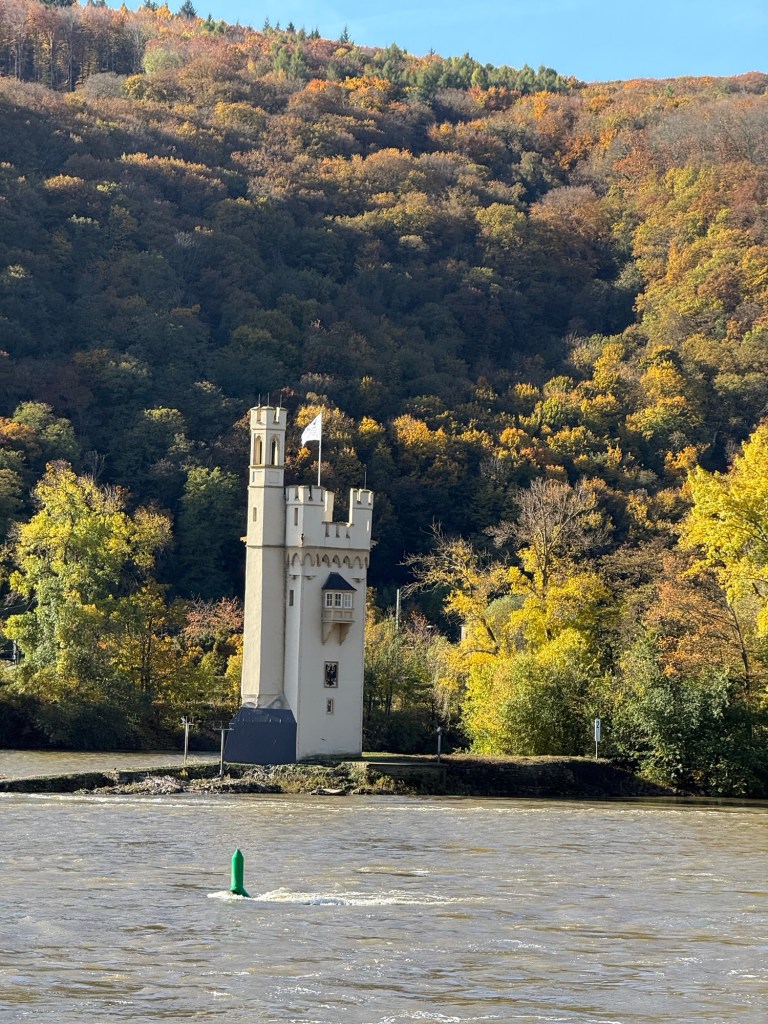
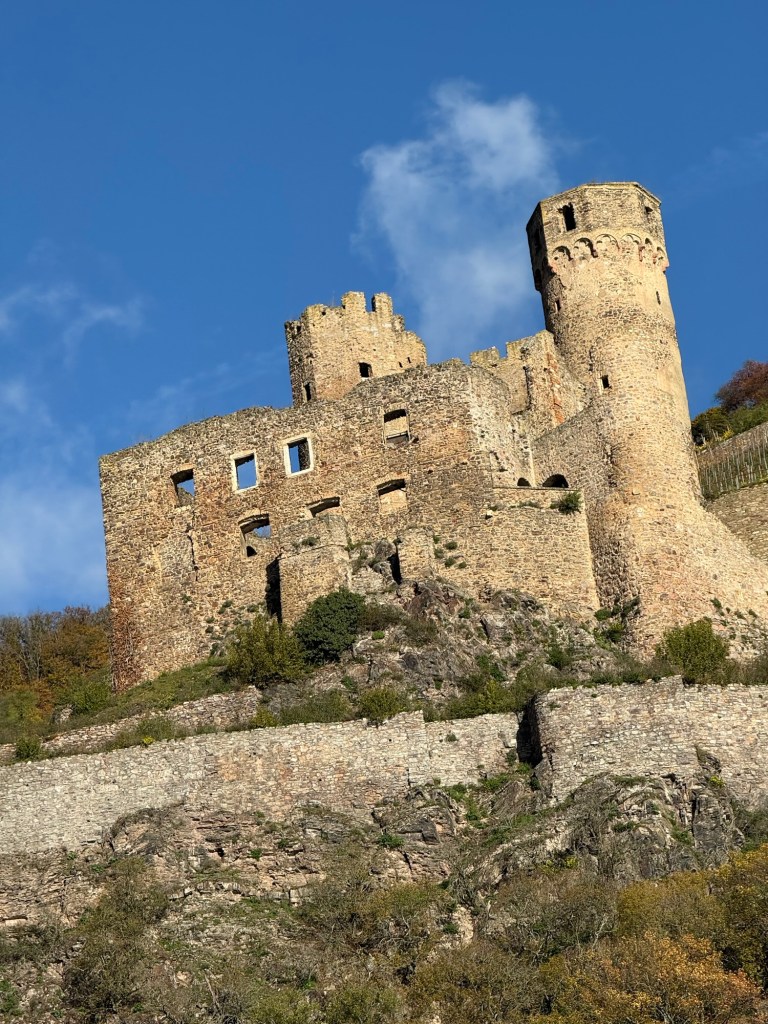
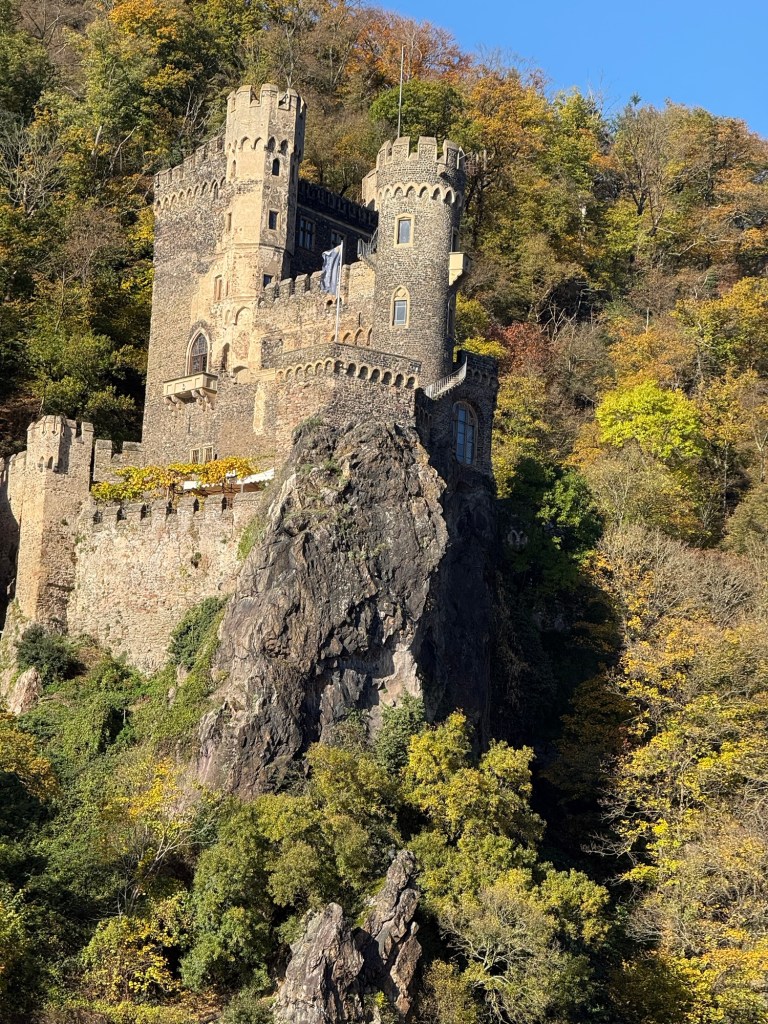
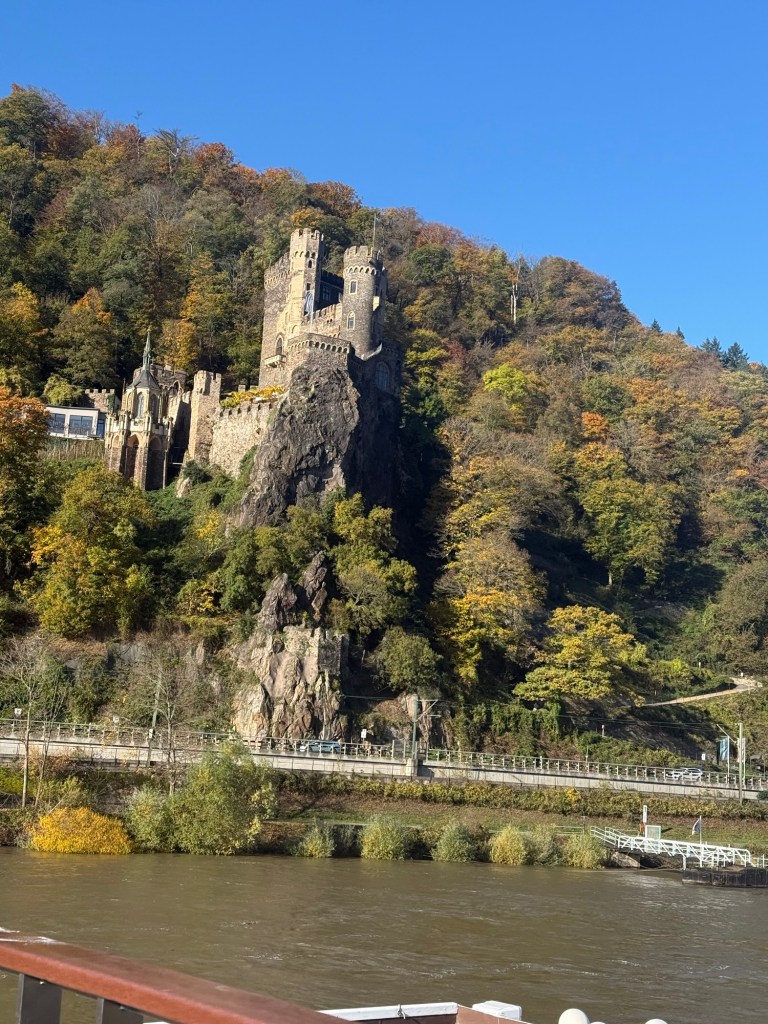
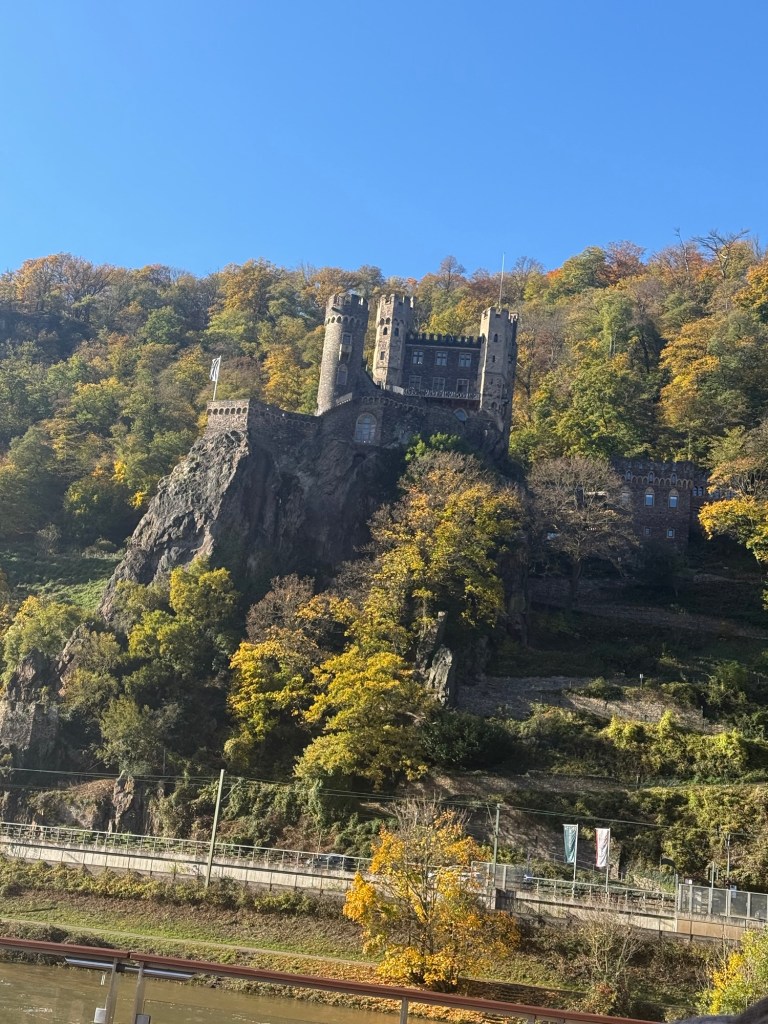
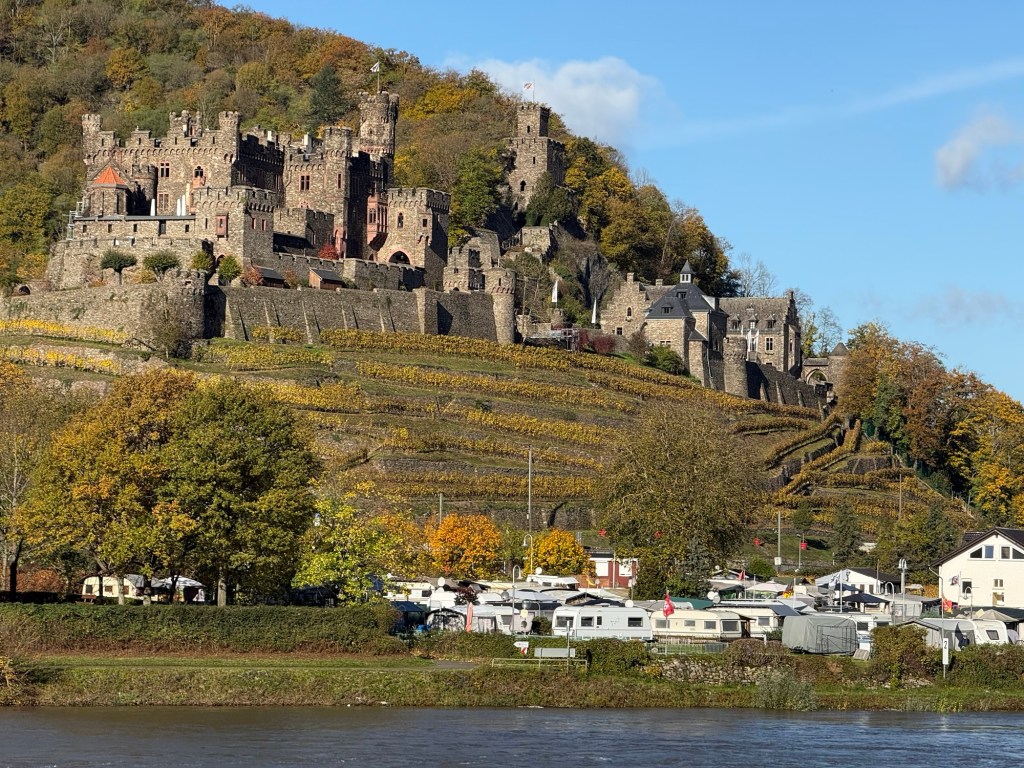
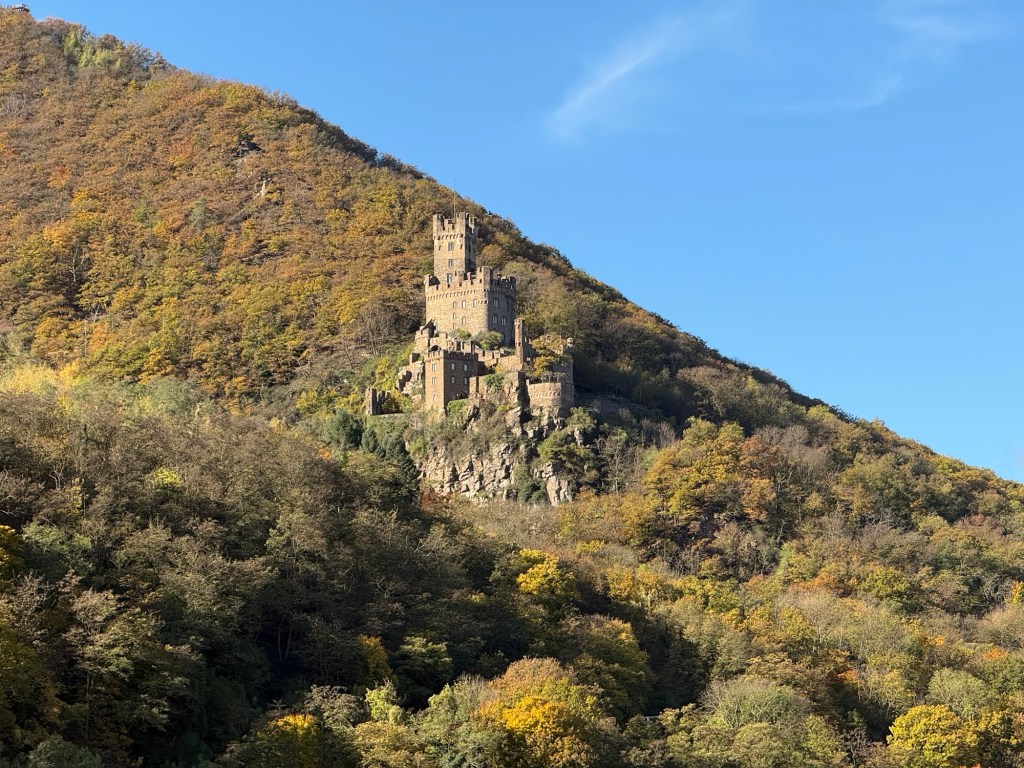
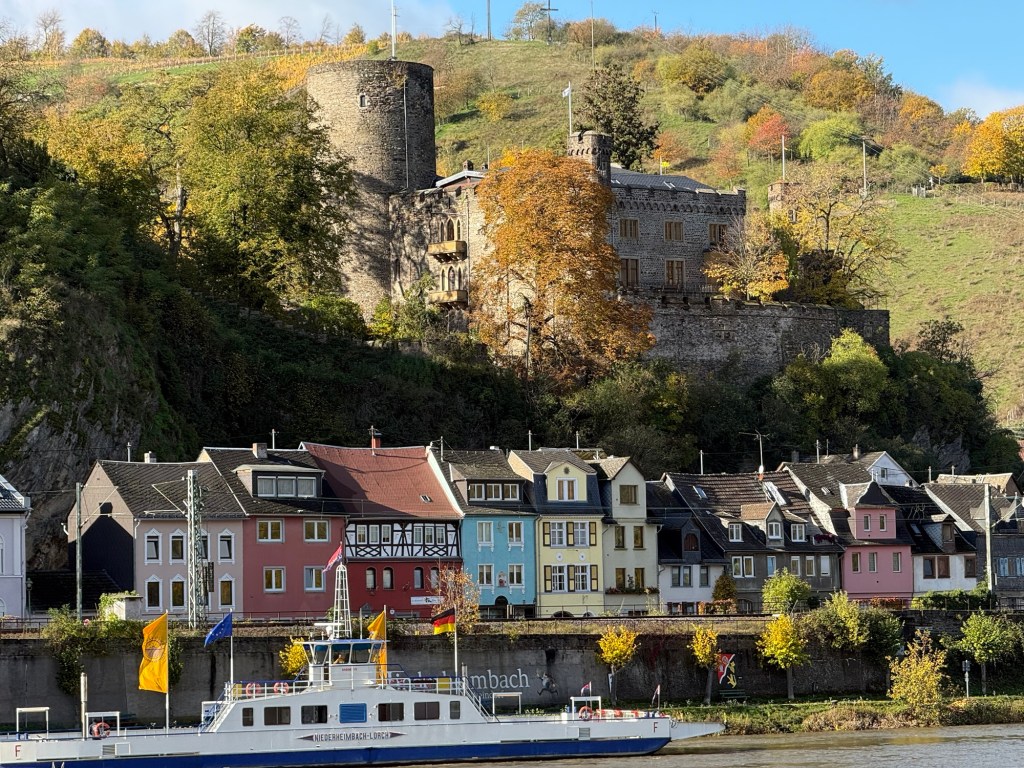
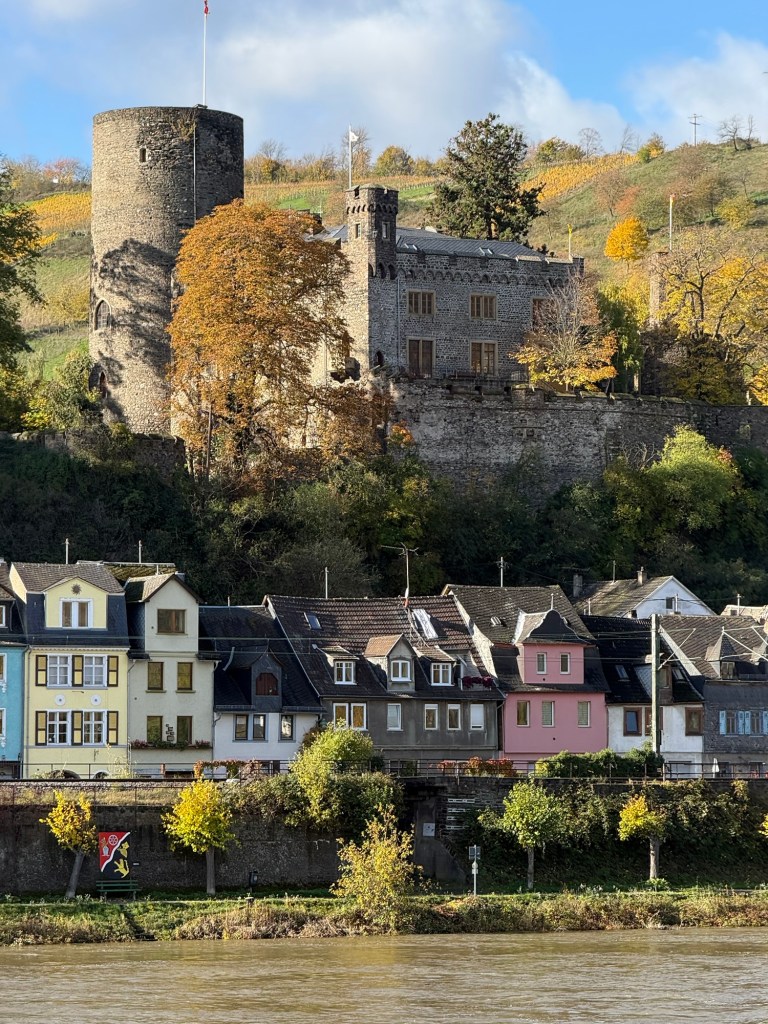
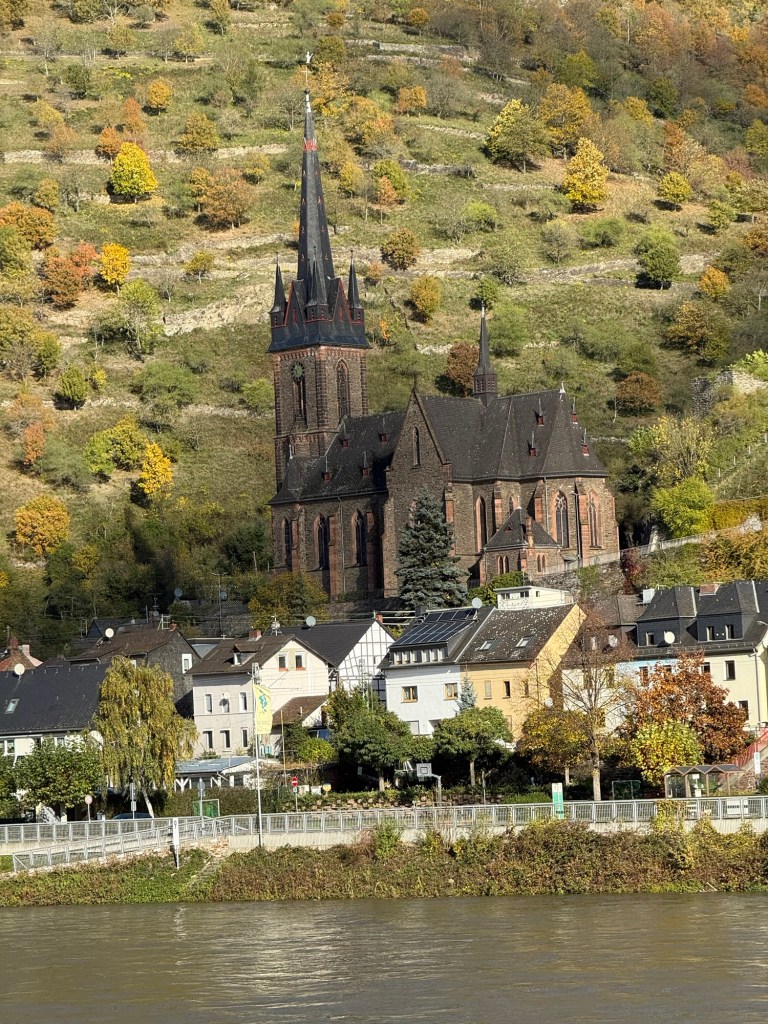
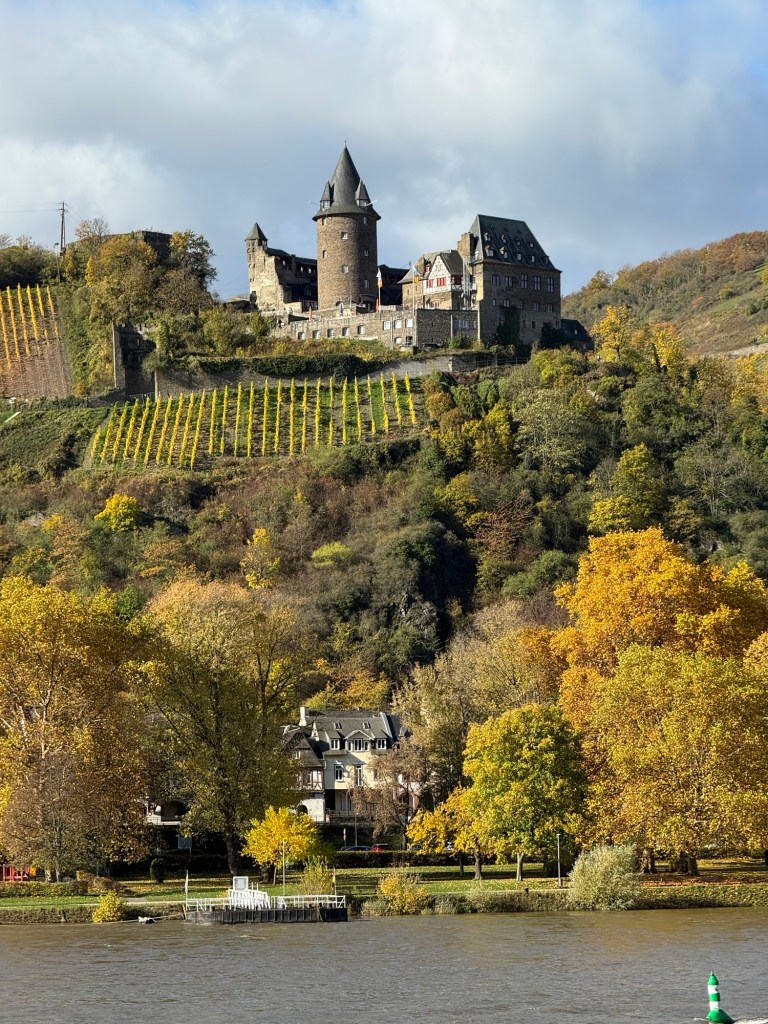
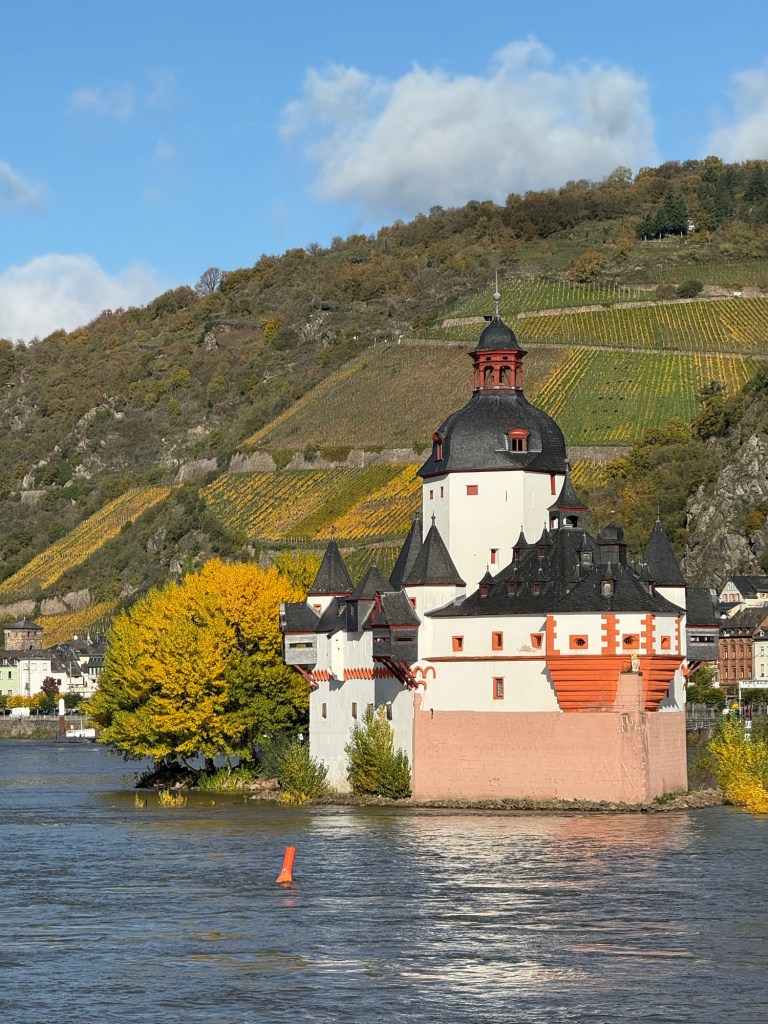
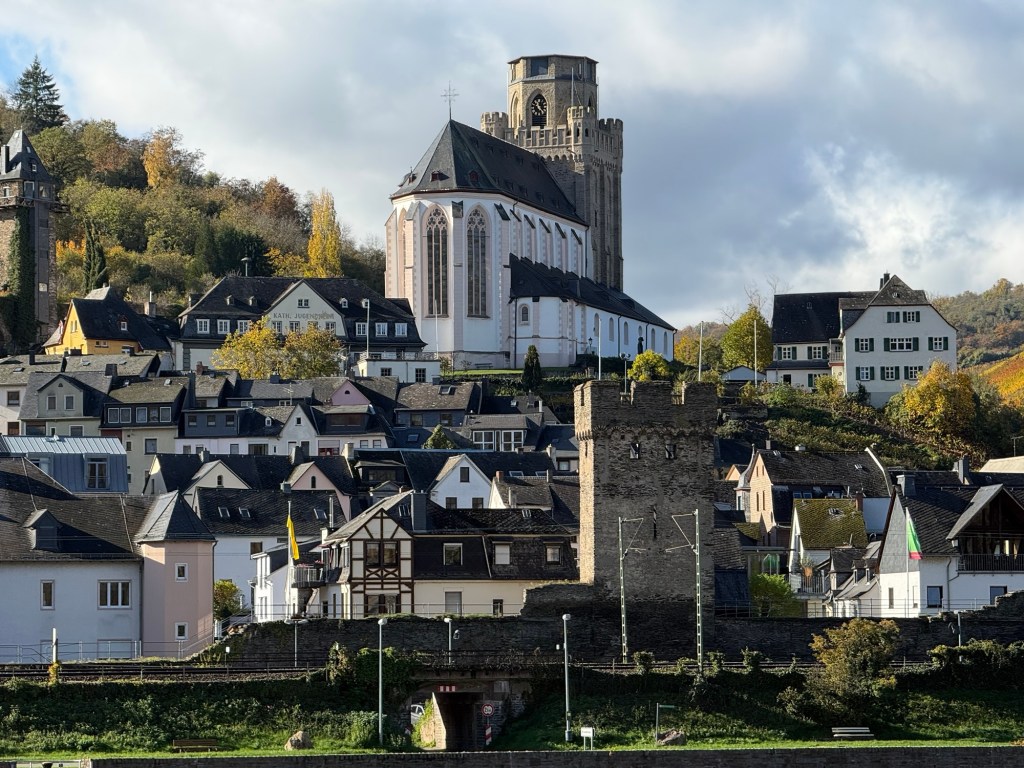
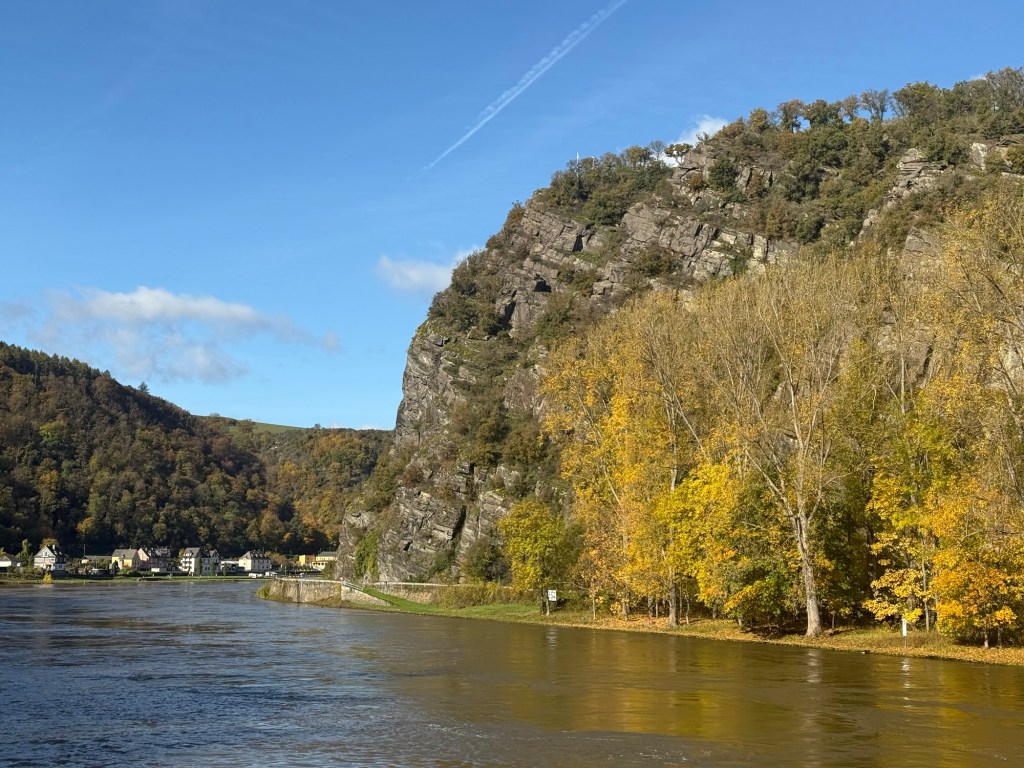
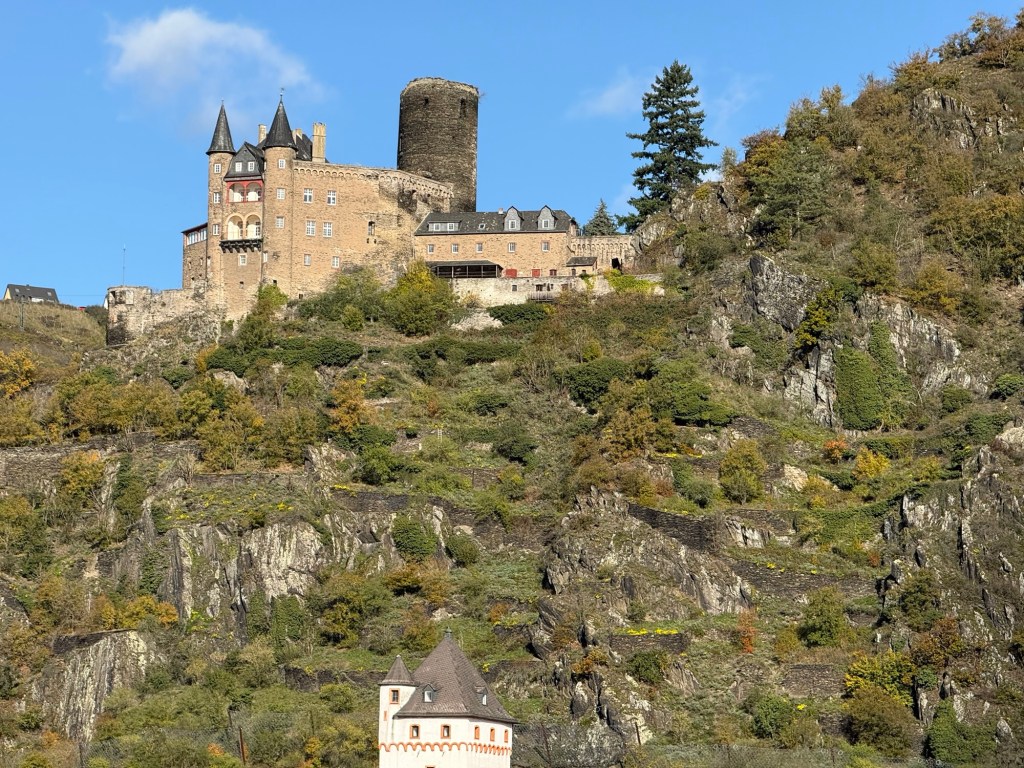
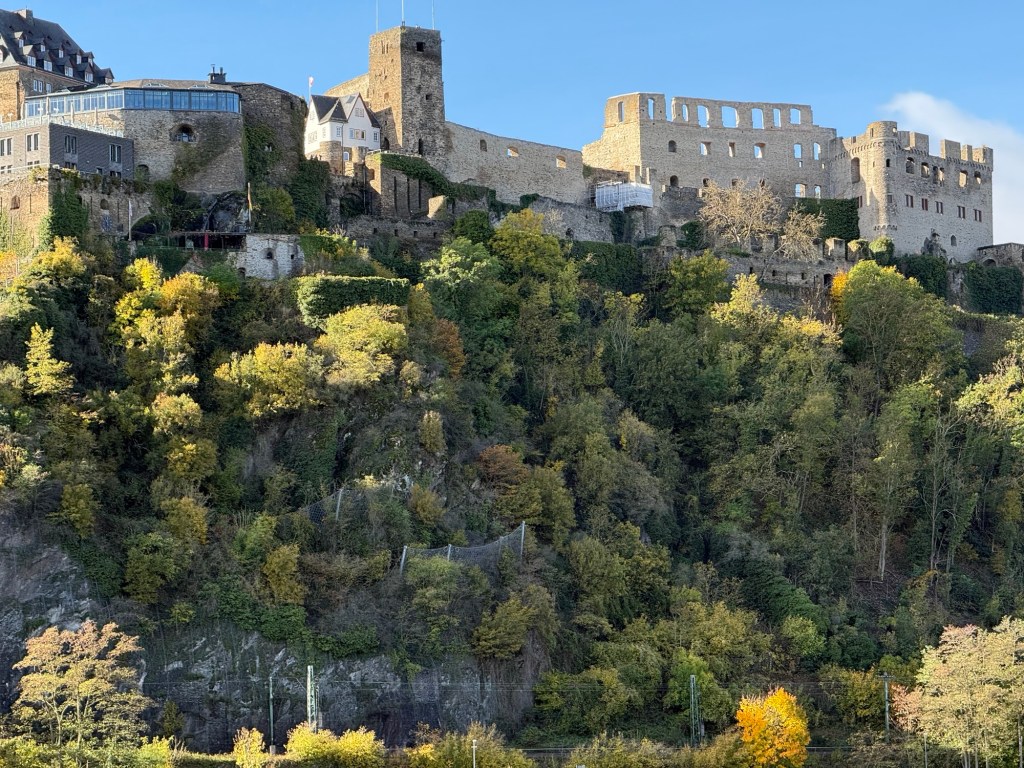
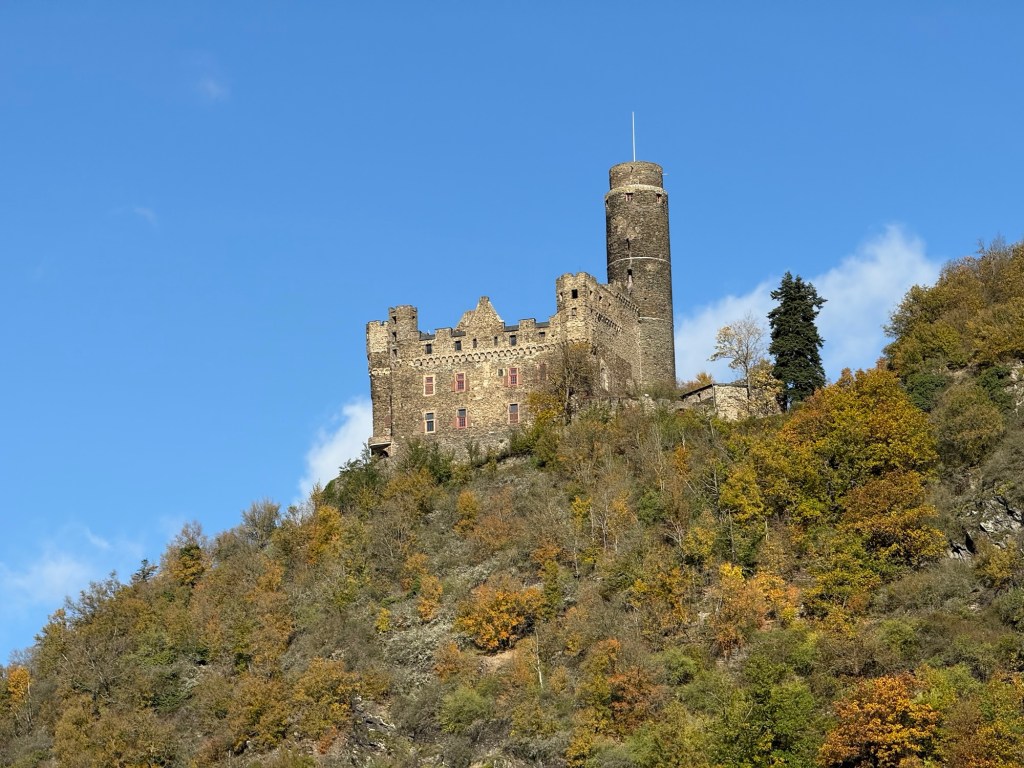
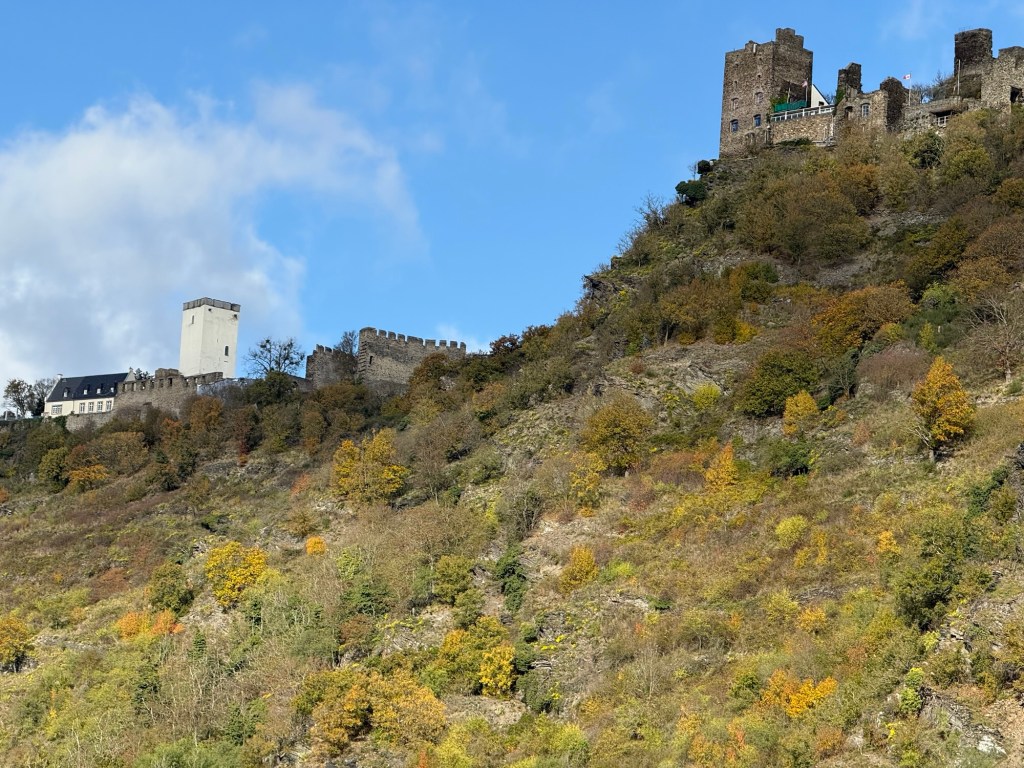
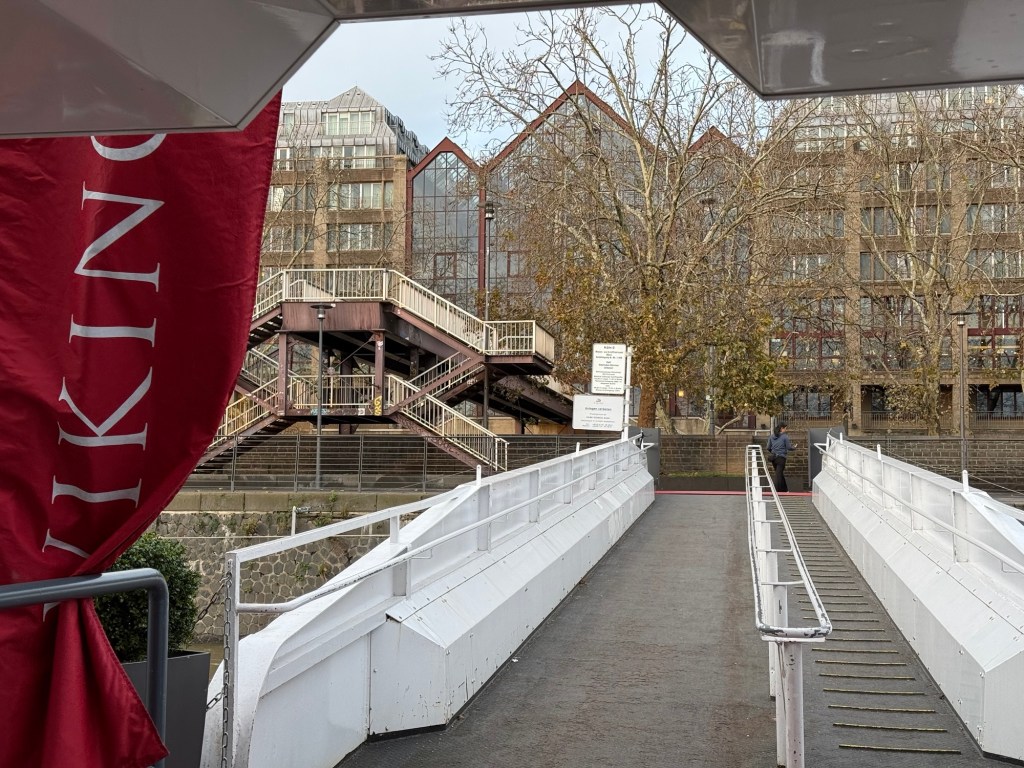
A highlight of our Viking River cruise from Budapest to Amsterdam was the morning we spent on the roof deck watching the plethora of beautiful castles. Our cruise director Elena provided really helpful commentary while crew members handed out shots of German apricot schnapps. This all took place during a 40-mile stretch of the Rhine prior to landing in the town of Koblenz.
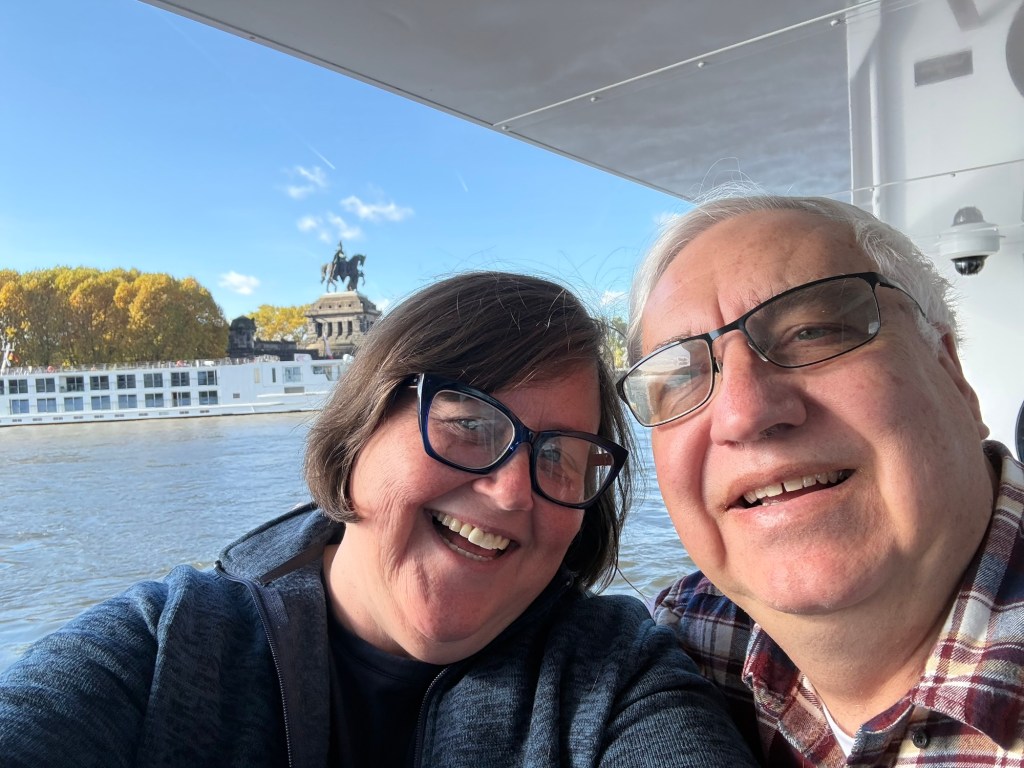
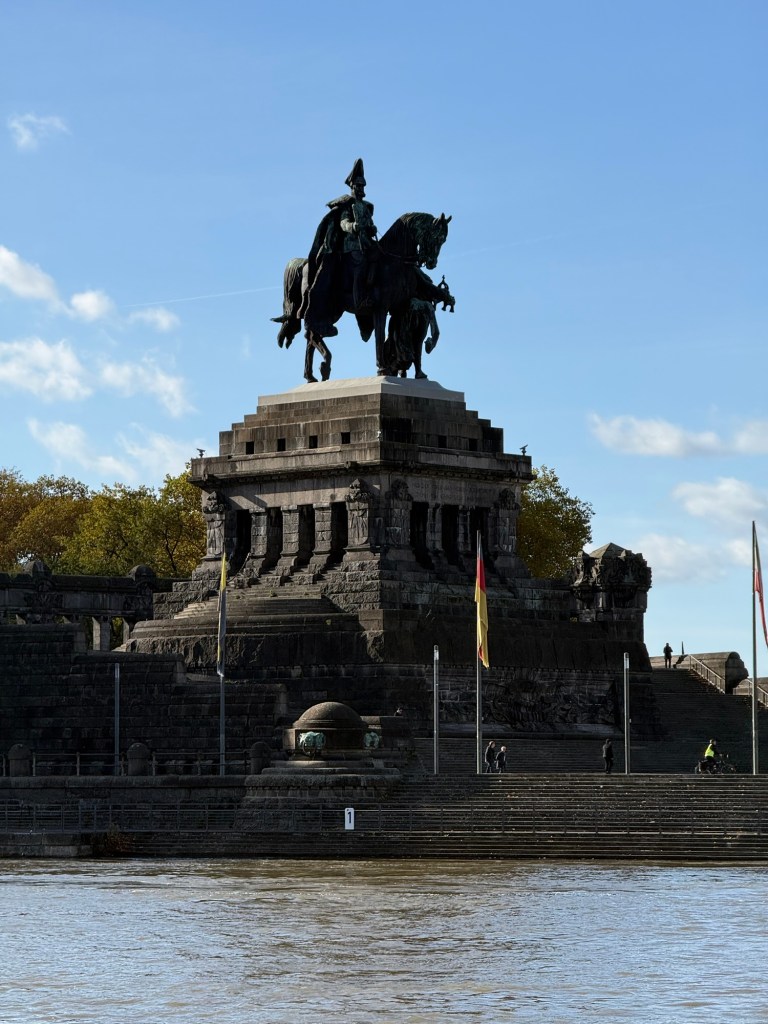
As John and I sat on the deck, looking at the spectacular scenery, we felt we were participants in a Viking River television commercial. We had a lot of “pinch me am I really here” moments. This experience, alone, was a main selling point for going on this cruise. We sailed miles without seeing another ship and saw so many beautiful castles with little effort. For me, our arrival in Koblenz was especially dramatic. It was hard not to be in awe as our ship approached the Deutsches Eck and the enormous statue of Kaiser Wilhelm I.
Castle Watching with John Beautiful Church Along the Rhine John Taking in the Scenery Ehrenfels Castle Mouse TowerAnother View of the Ehrenfels Castle Rheinstein Castle Another View of the Rheinstein Castle Another View of the Rheinstein Castle Reichenstein Castle Sooneck Castle Another View of the Sooneck Castle Heimburg Castle Another View of the Heimburg Castle Liebenstein CastleVillage and Scenic Church Along the Rhine Stahleck Castle The PflazGutenfels Castle Schonburg Castle Picturesque Village Old Guard Tower Lorelei RockKatz Castle Another View of Katz Castle Sterrenberg CastleAnother View of the Sterrenberg CastleMaus Castle Sterrennberg Castle Viking River Castle Brochure Landing in Koblenz with Kaiser Wilhelm I in the Background Kaiser Wilhelm I Statue Kaiser Wilhelm IKaiser Wilhelm I
Amsterdam truly has an amazing collection of museums. While in Amsterdam, we visited Rembrandt’s House, the Museum of Contemporary Art, the Rijksmuseum and the Anne Frank House.
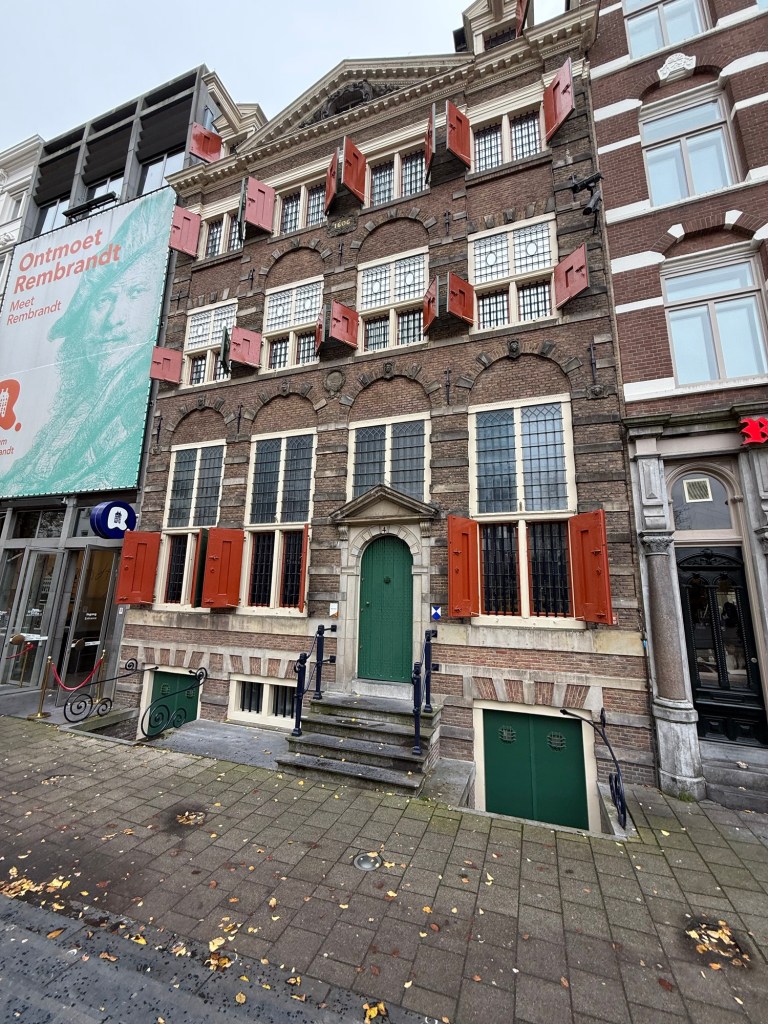
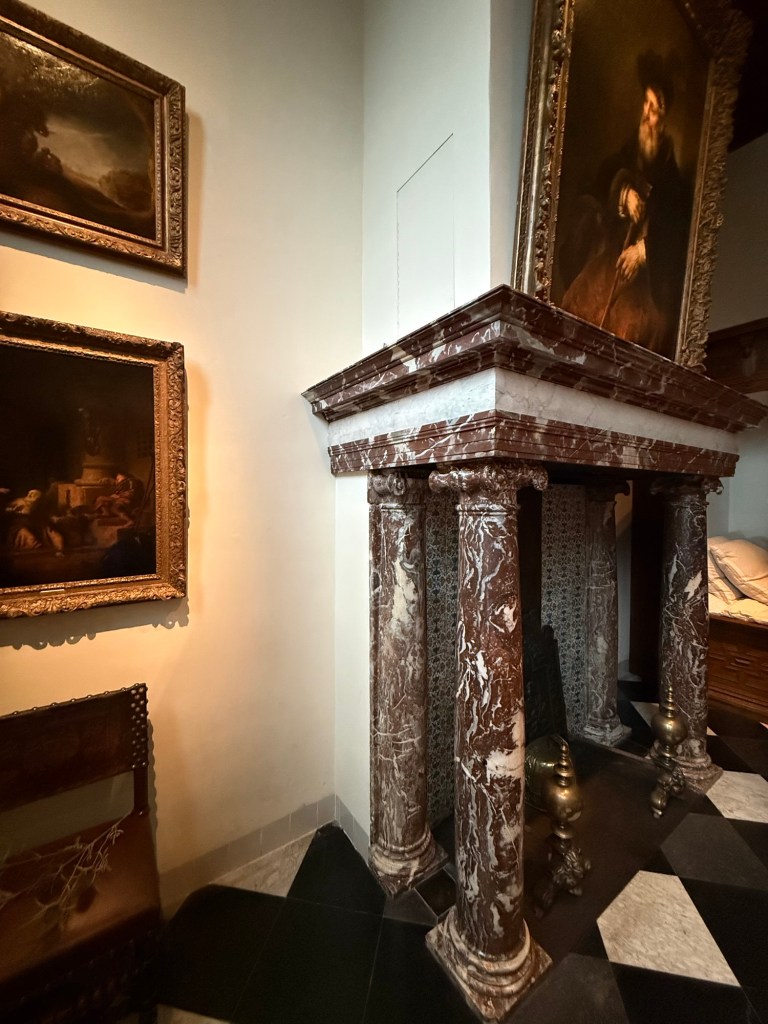
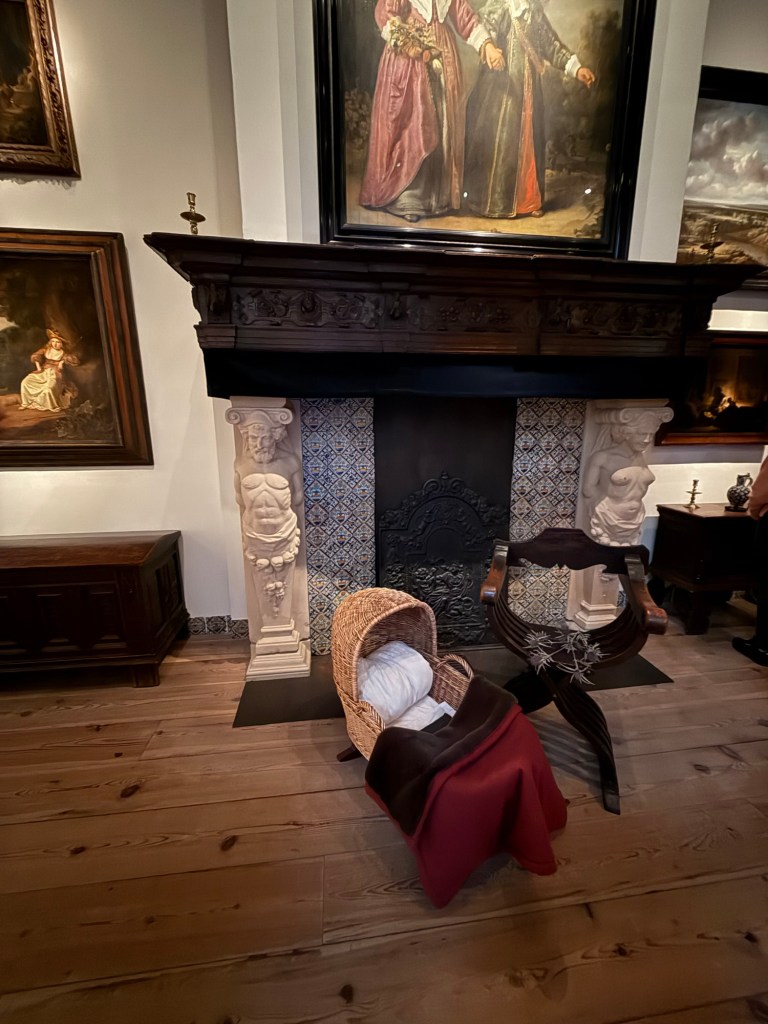
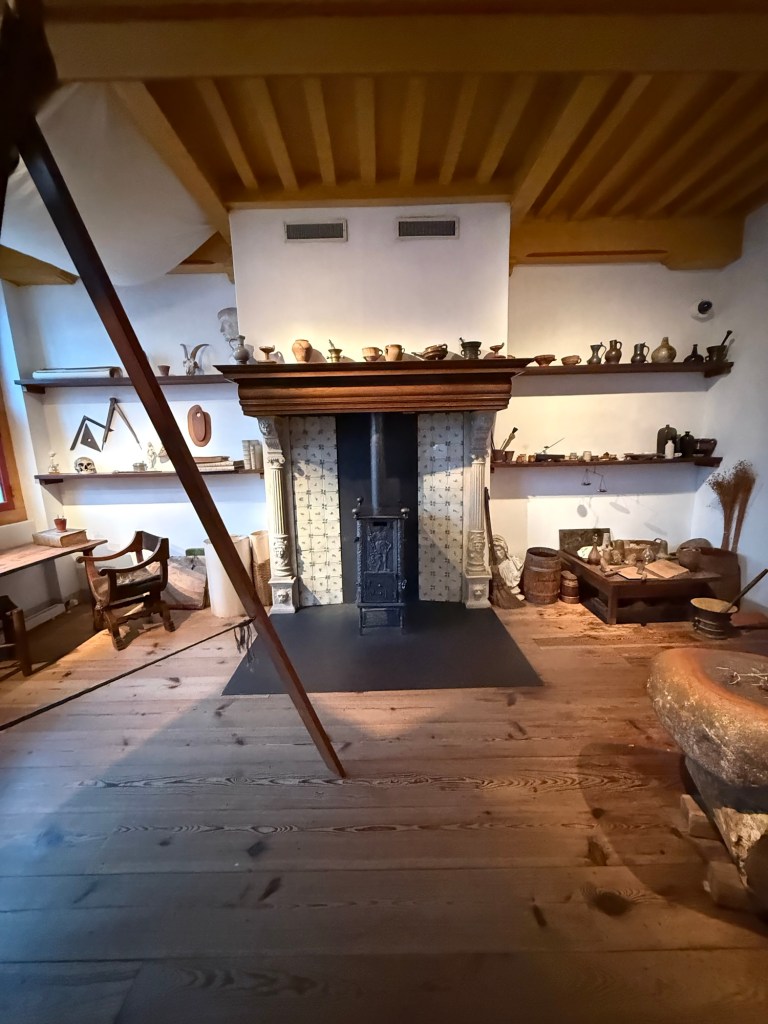
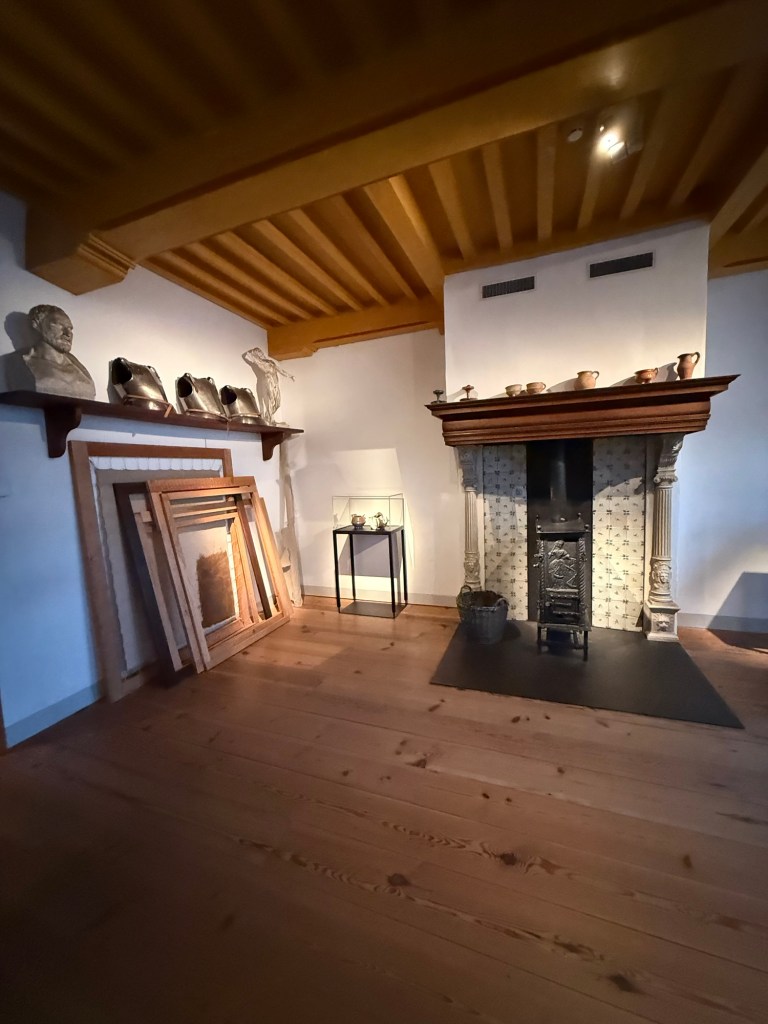
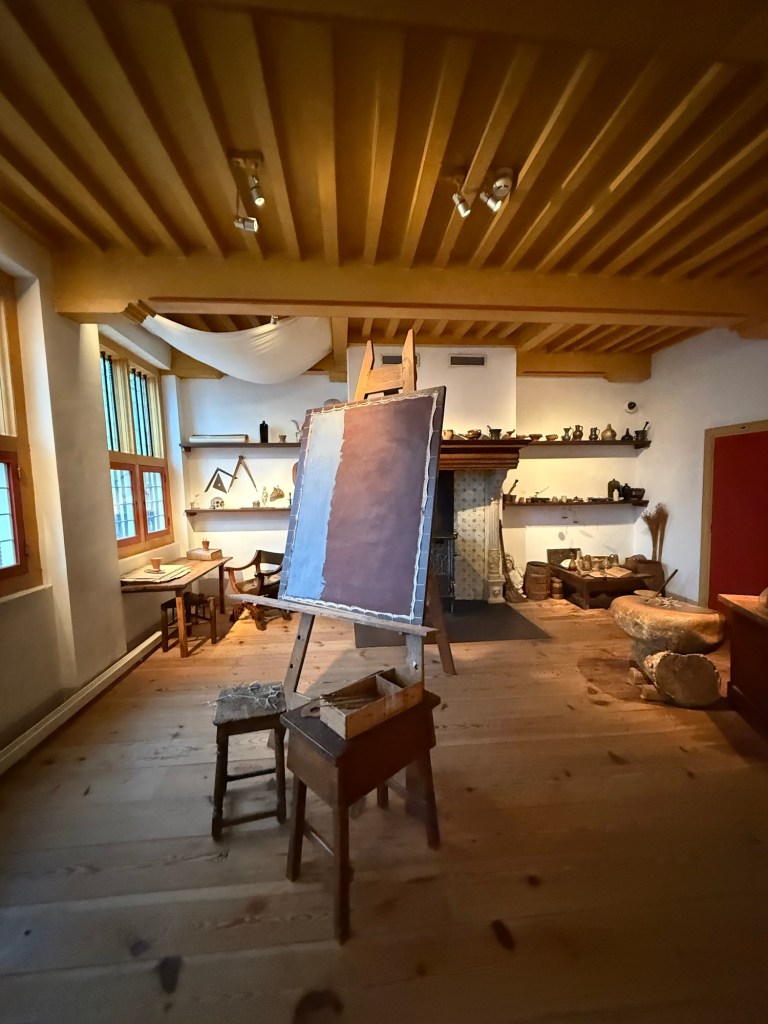
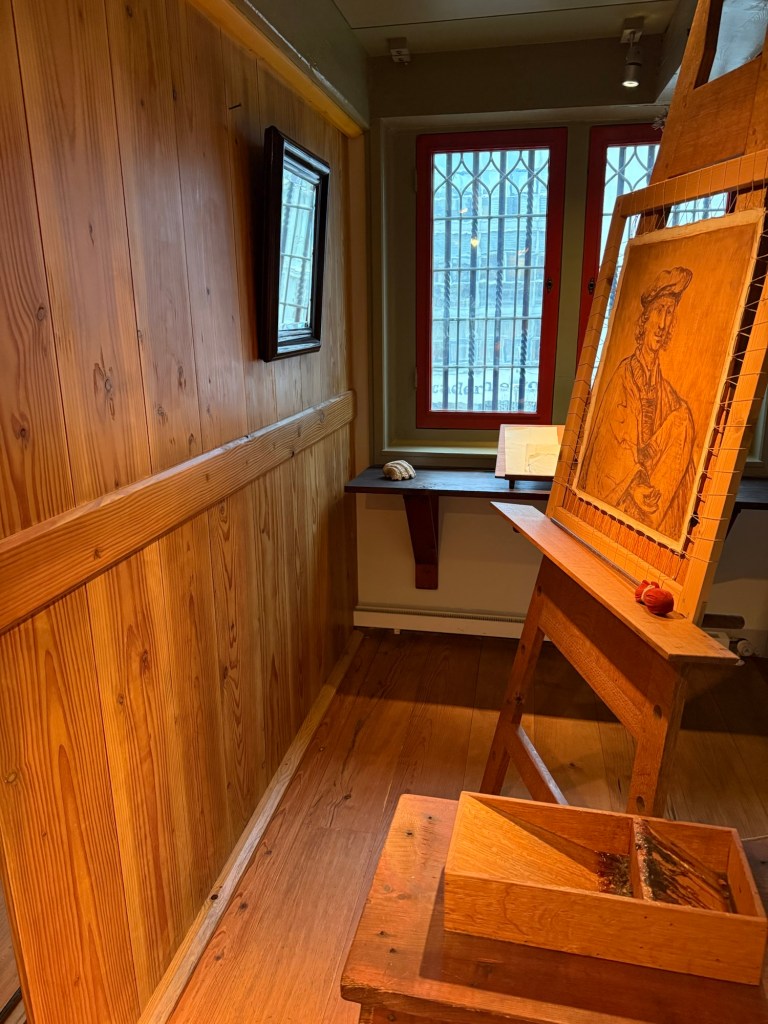
Rembrandt’s House was our first stop. Rembrandt spent the final years of his life in poverty with massive debts. To cover his debts, he was forced to sell his house in Amsterdam as well as all of his possessions. The detailed list is of his possessions is what makes the museum possible. The curators had a complete list of everything in the house. The house is spacious with both lots of living and working space. His studio is impressive with the massive windows that flood the room with light. He had a massive collection of everything from a stuffed alligator to unusual sea shells that he used for inspiration for his paintings. His enormous collection is partially responsible for his debt. Even as he struggled with paying his bills, he continued to acquire new items for his collection.
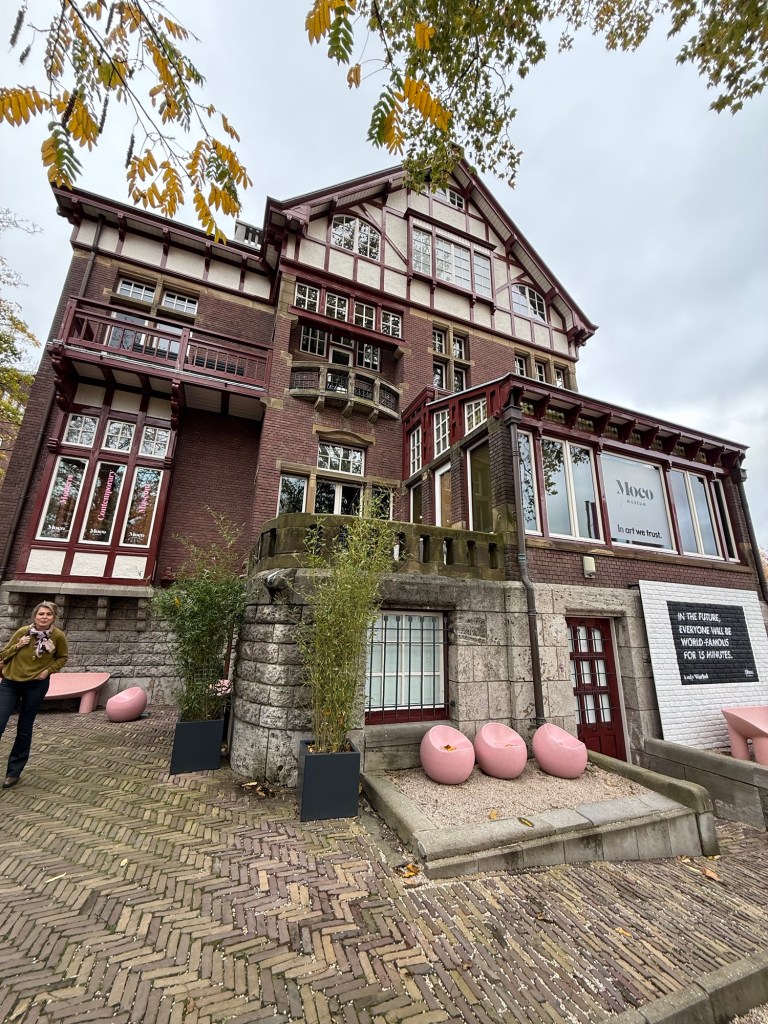
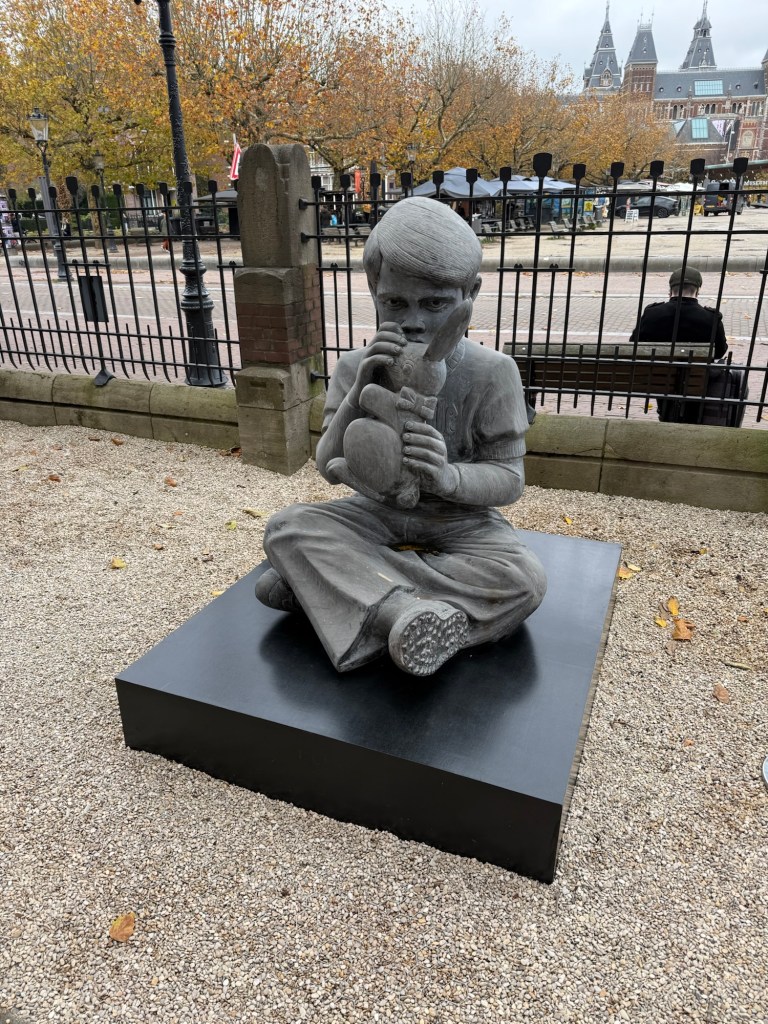
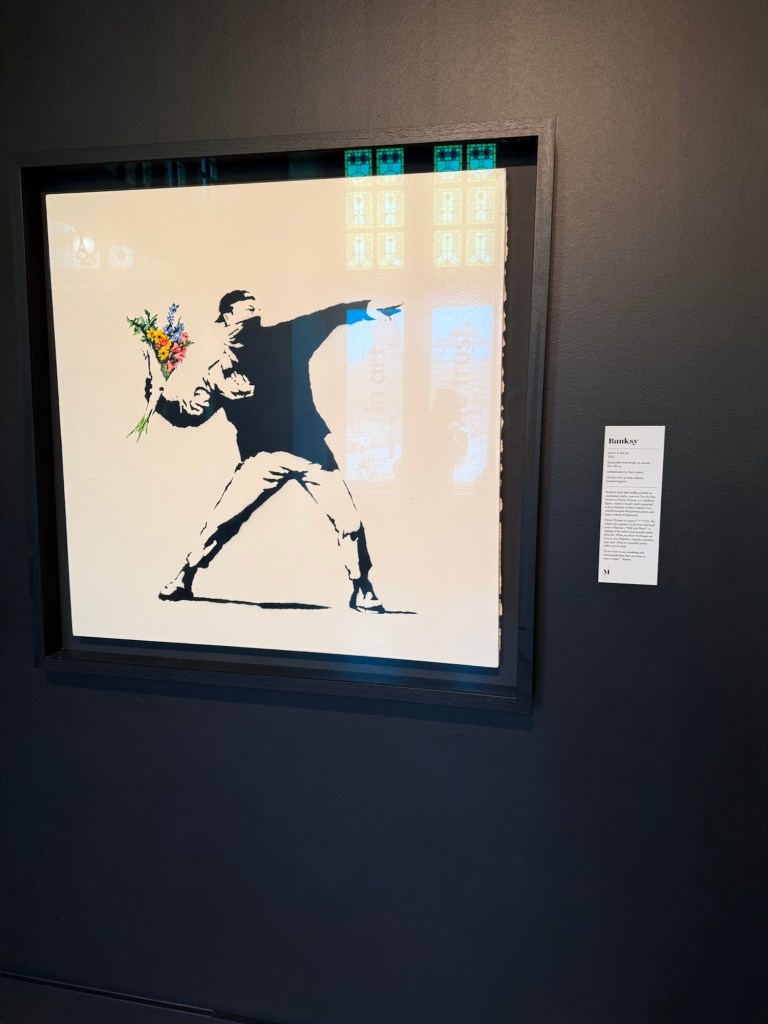
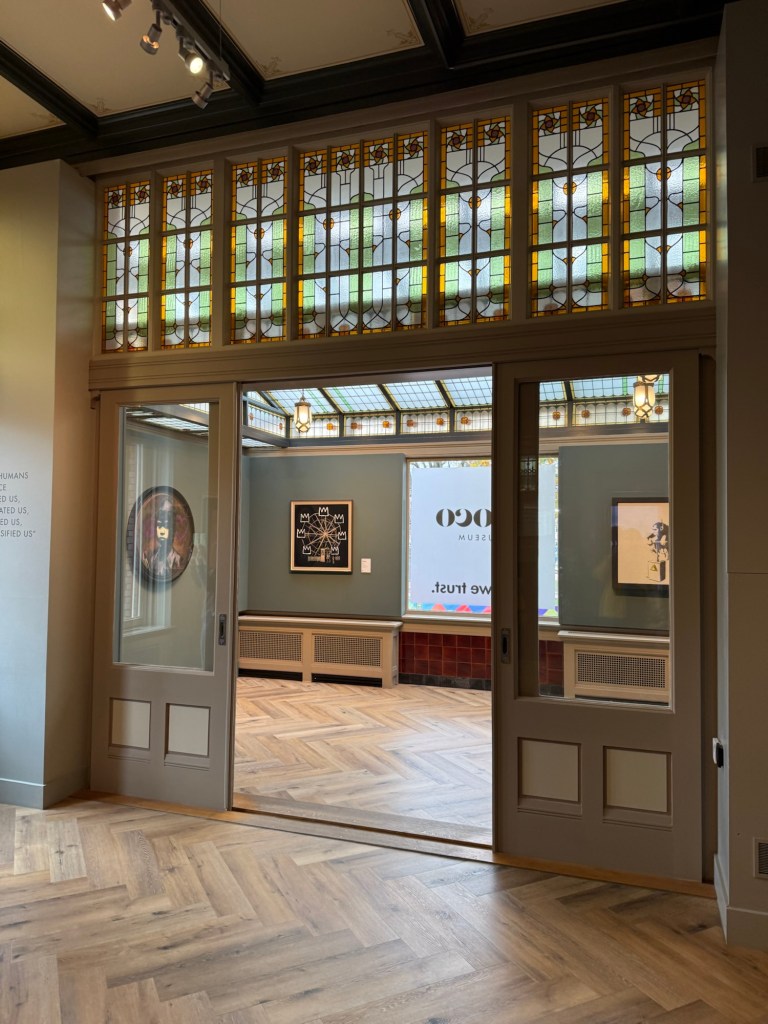
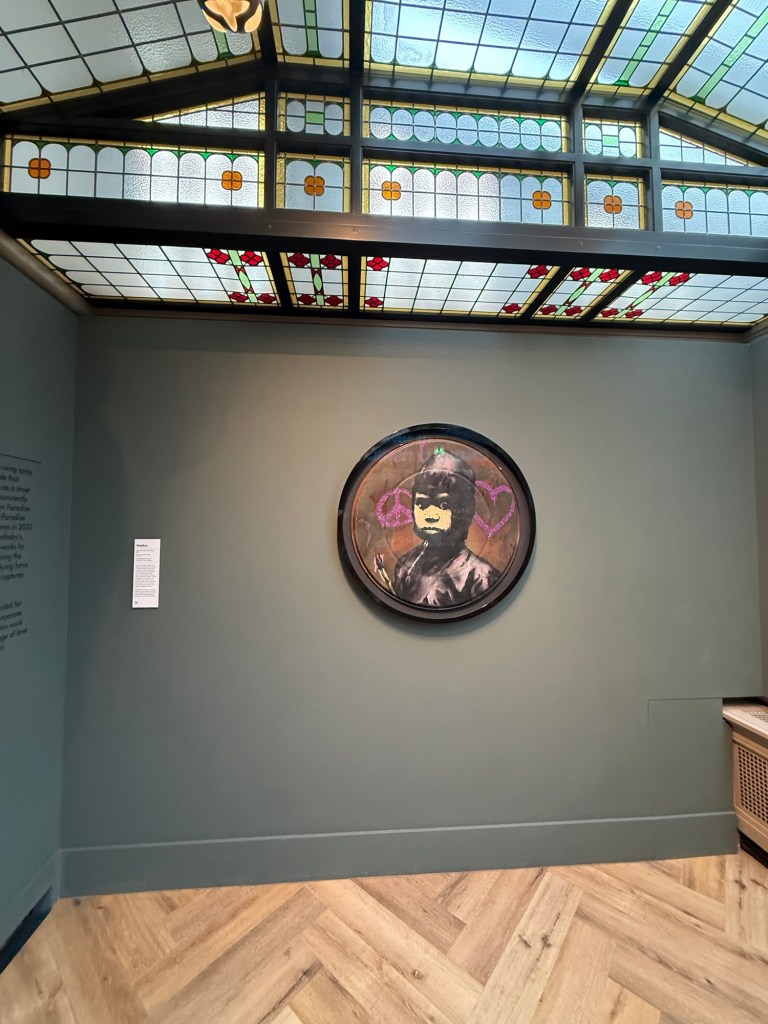
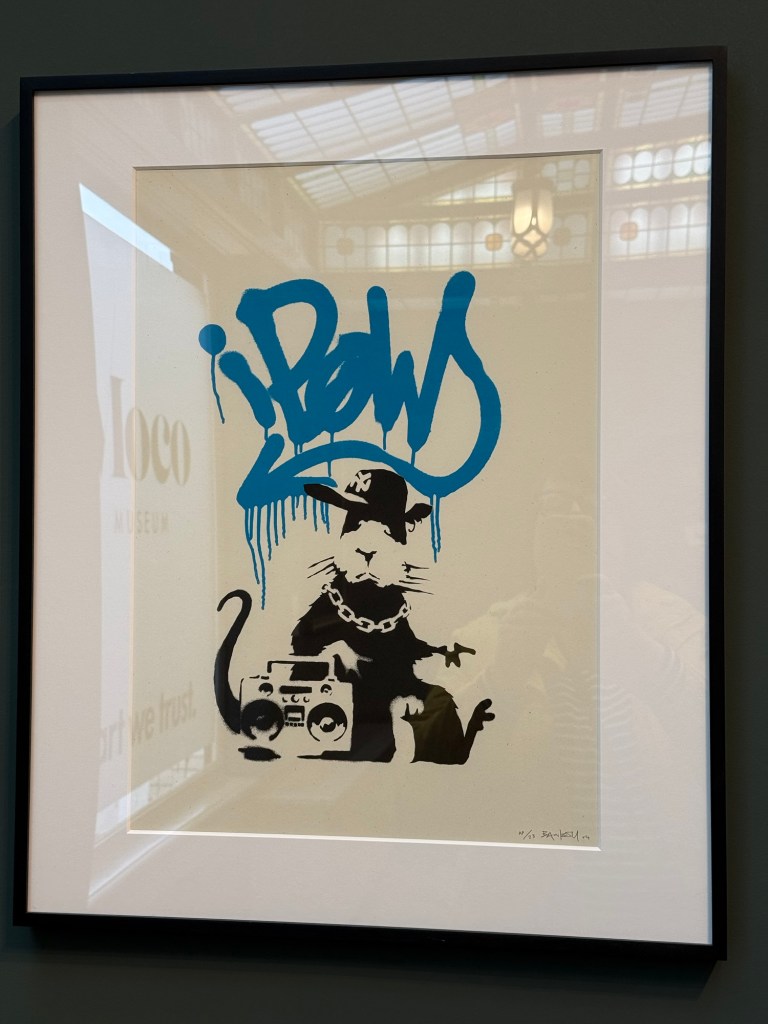
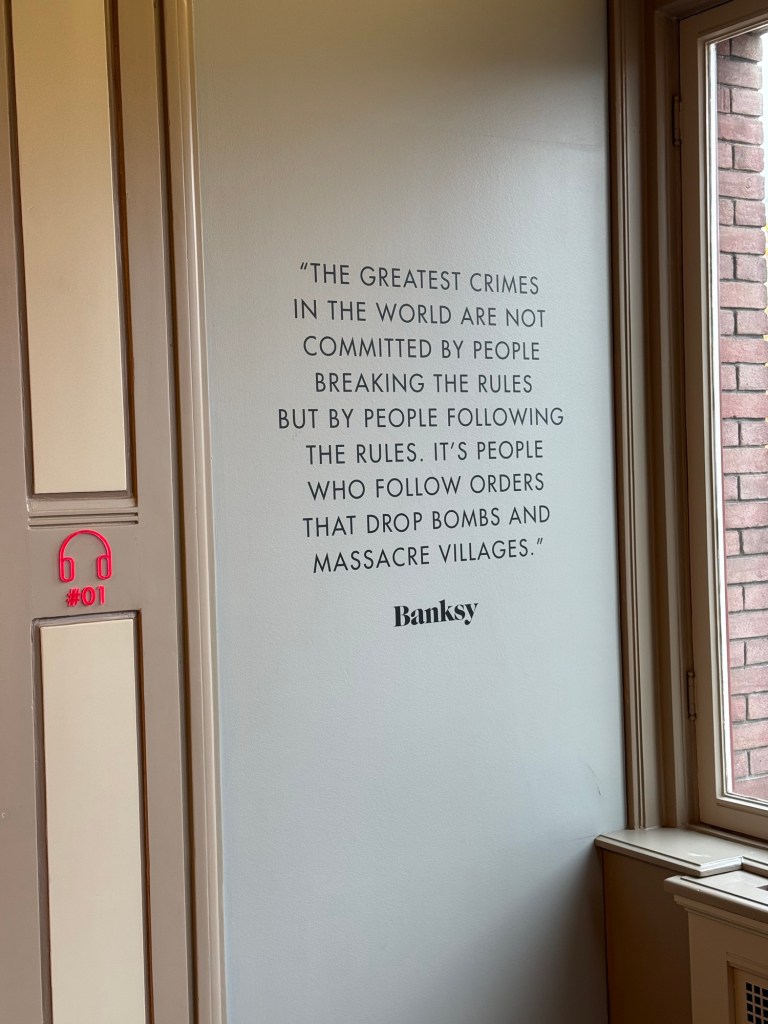
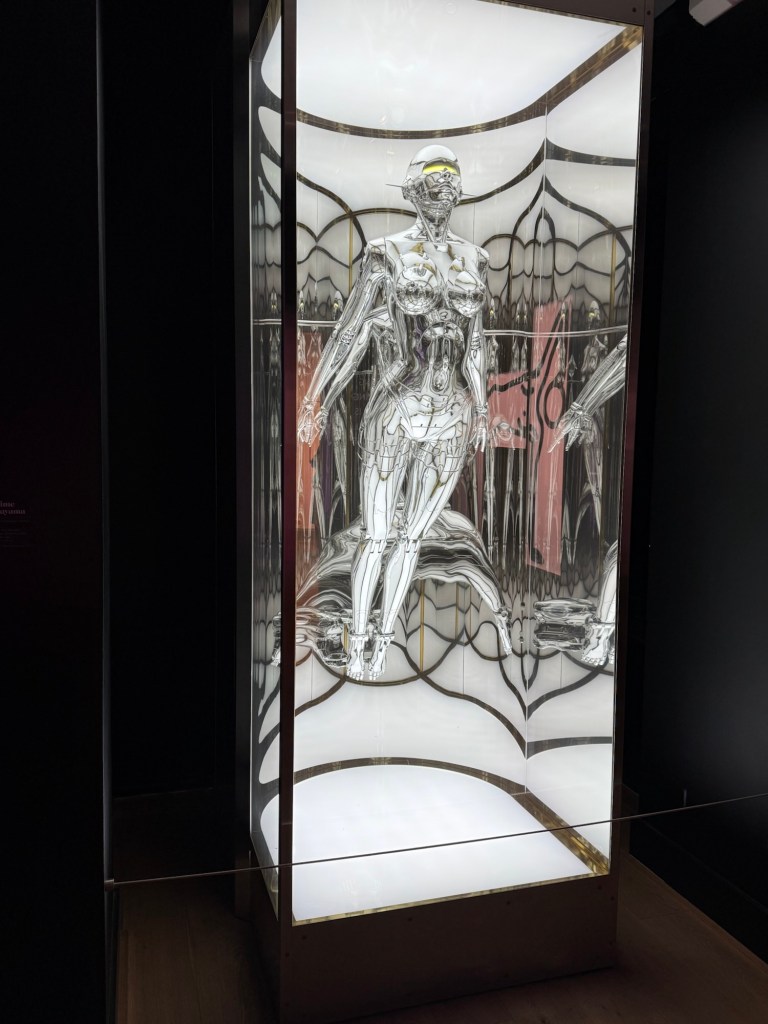
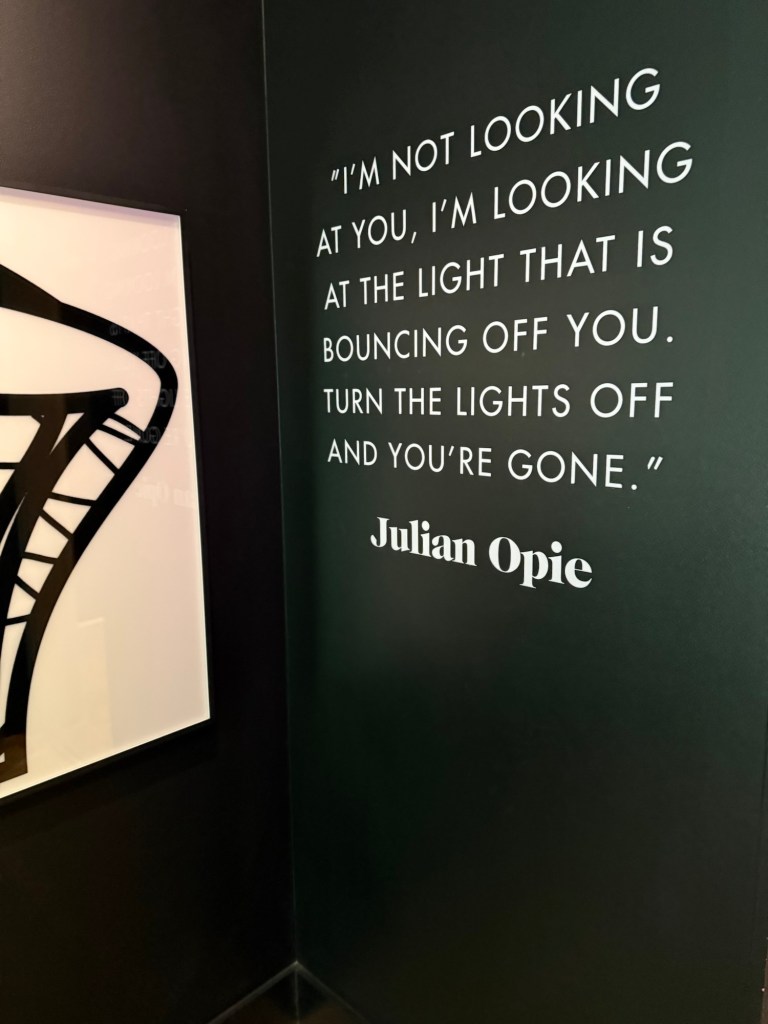
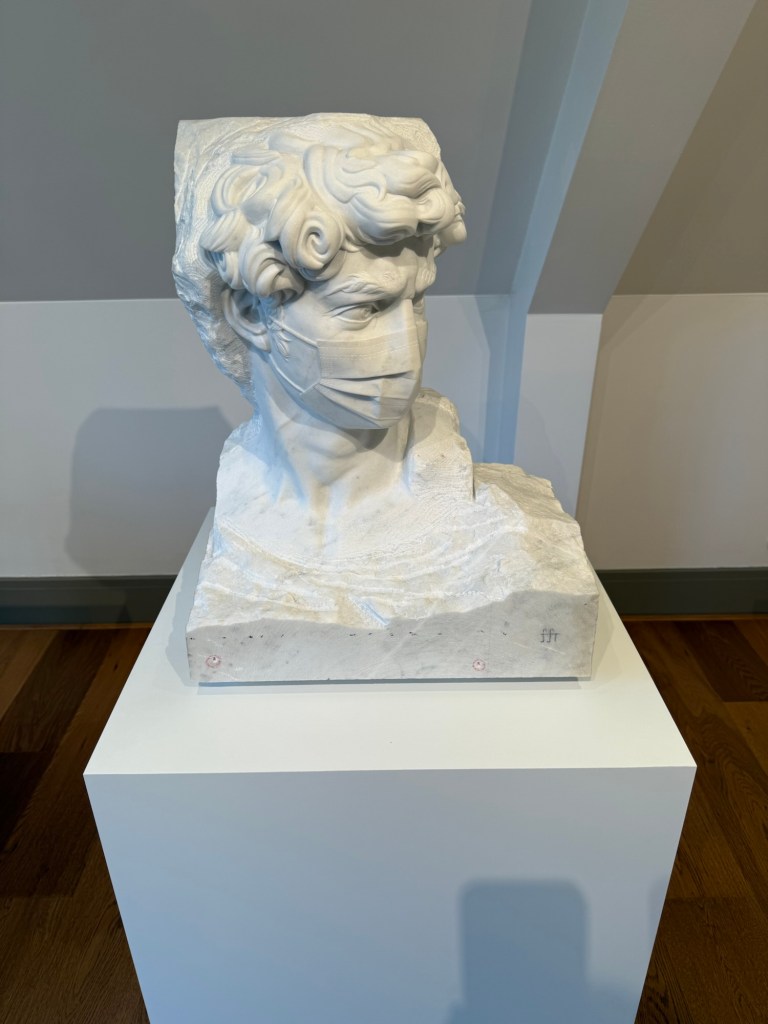
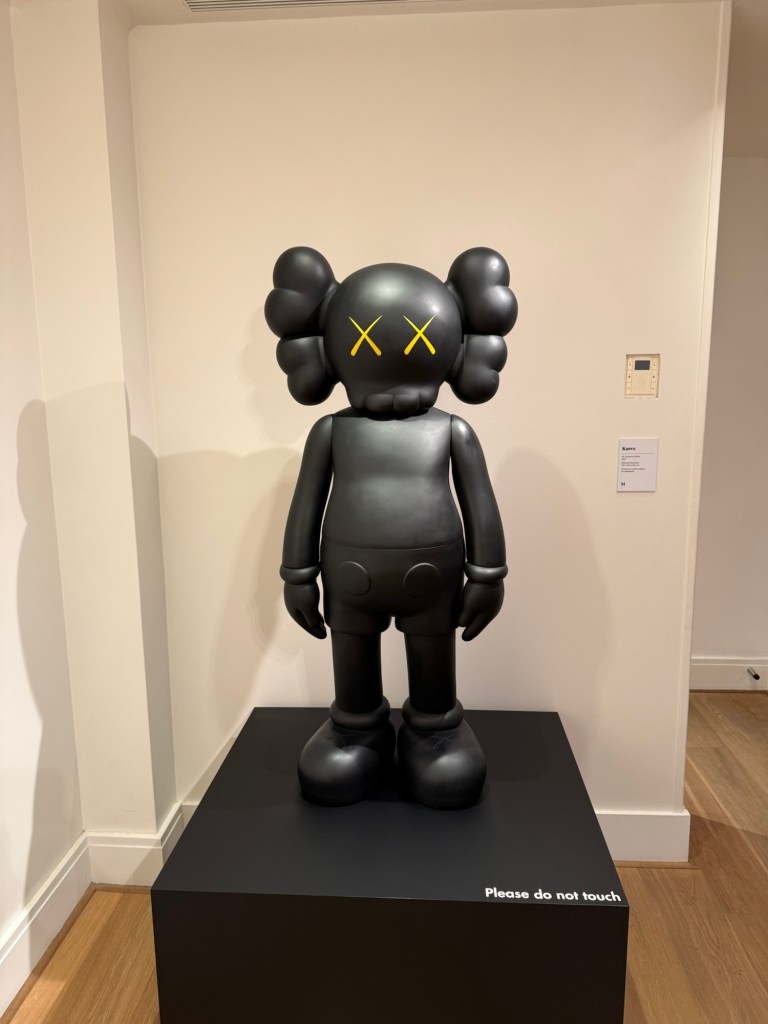
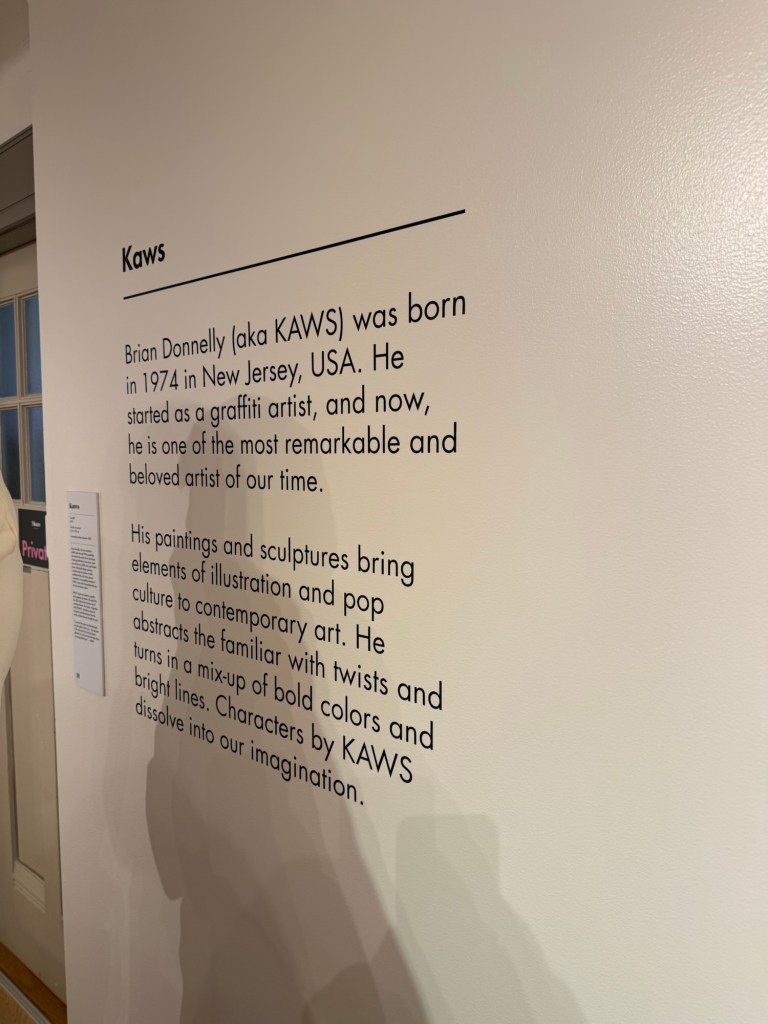
After spending the morning at Rembrandt’s House, we took the trolley to Museumplein. There we first visited the Museum of Contemporary Art. It was a real treat. It is located in a small art-deco building from the 1920s with a charming sculpture garden surrounding the museum. The exhibits included a fun Banksy exhibit downstairs and a star-studded exhibit upstairs including Keith Haring, Julian Opic and Jeff Koons.
Interestingly, it was the only museum where we did not need to buy tickets in advance. Over 20 years ago, on my first visit to Amsterdam, I was able to walk into Rembrandt’s House, the Rijksmuseum, the Van Gogh Museum and the Anne Frank House. Those days are long gone. We walked by the Van Gogh Museum and the line for those on standby was wrapped around the building.
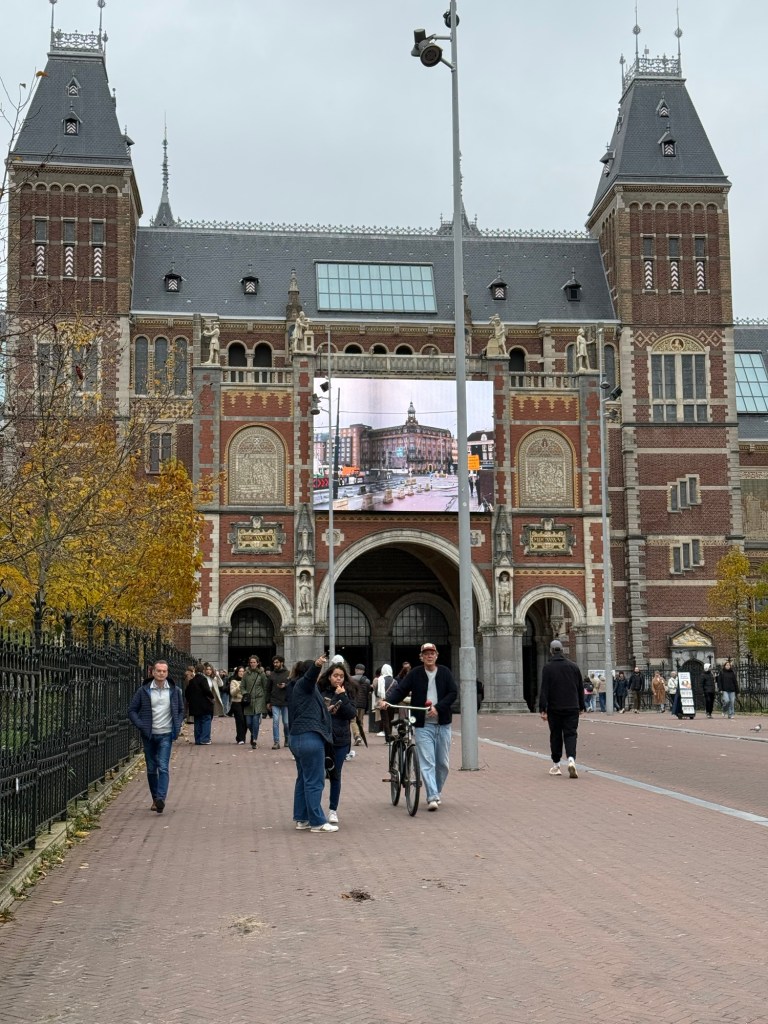
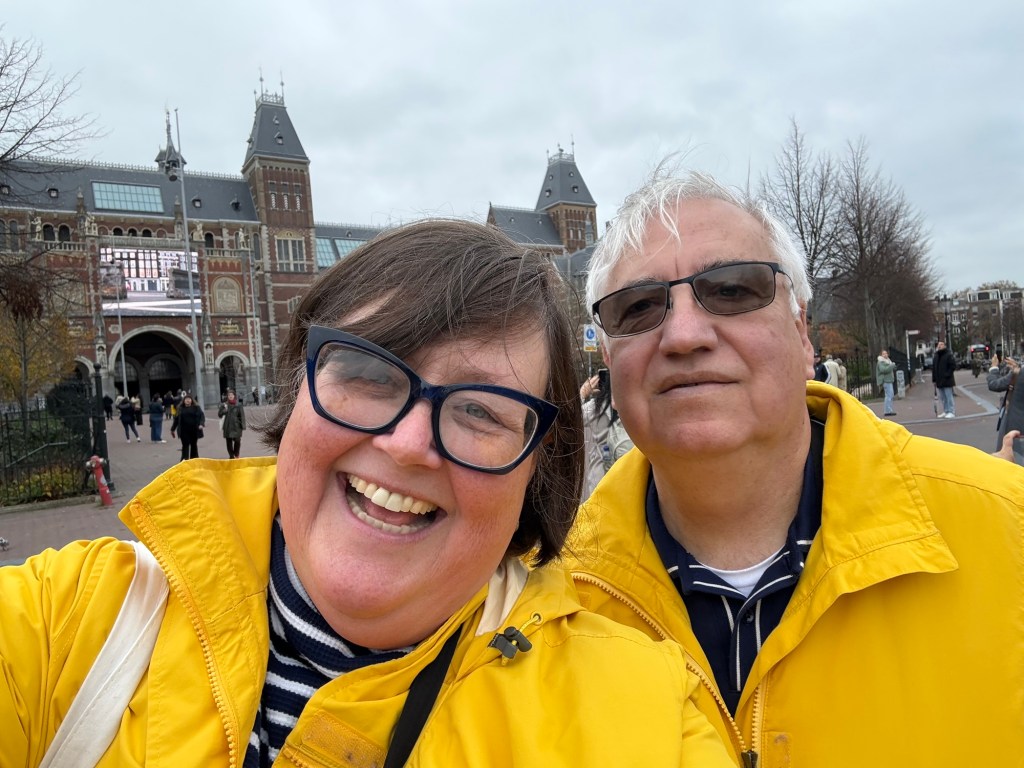
For our next stop, we went to the Rijksmuseum where we had tickets. The museum let us in early and we had a fabulous lunch in the museum cafe. We sat next to a fun couple from Windsor England. They were on a cruise with a bus tour of Amsterdam and had a few hours off before returning to their ship. We shared travel stories and discussed our mutual dislike of Donald Trump and Boris Johnson . Upstairs in the Dutch Masters exhibit, we had another chat with a tourist from Toronto Canada. When people are on holiday, they are usually so relaxed and receptive to meeting new people.
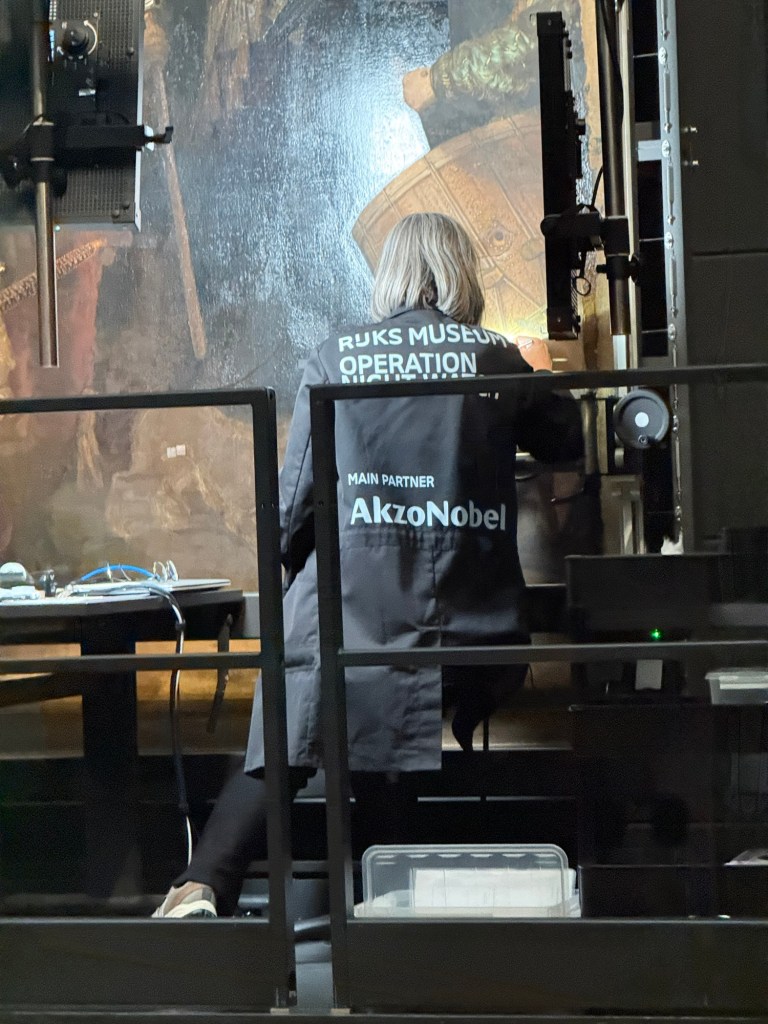
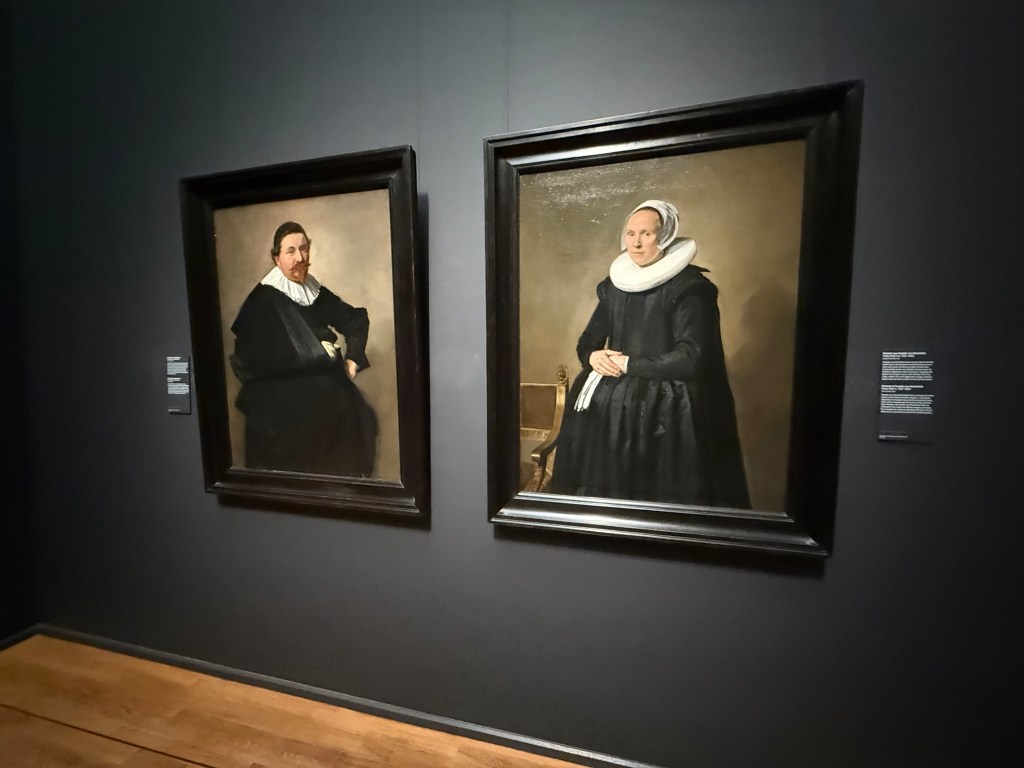
The Dutch Masters collection is impressive. Having just visited Rembrandt’s House, it was fun to see the museum’s extensive number of Rembrandt paintings. The only disappointment is that The Night Watch by Rembrandt is undergoing an extensive restoration that is anticipated to take 10 to 15 years. The museum has hired 8 art restorers to undertake this impressive project. This project is being done in public and visitors are able to see the restoration work being done. The first stage is the painstaking process of removing the old varnish. As a reminder, this painting has been vandalized twice – including in 1975 when a deranged man slashed it with a bread knife.
Our final museum visit for the day was an evening visit to the Anne Frank House. The museum is so popular that it stays opened until 10 PM at night. Our tickets were for 7PM and the museum was filled with a combination of people from The Netherlands and around the world. Tickets are only released online 6 weeks prior to the desired date. I actually had to set my alarm for 2 AM on a particular Tuesday to purchase our tickets. When I successfully purchased our tickets, I felt like I had won the lottery. I had previously visited the museum over 20 years ago and a lot has changed. The audio guide is phenomenal as is the revised curation of the Frank hiding place. The tour includes great video clips of Otto Frank as well of the former employees who helped with the hiding process. There was also a temporary exhibit about Otto Frank’s experience traveling from the concentration camp back to Amsterdam. The museum is extremely poignant and worth visiting. As an FYI, no photos are allowed.
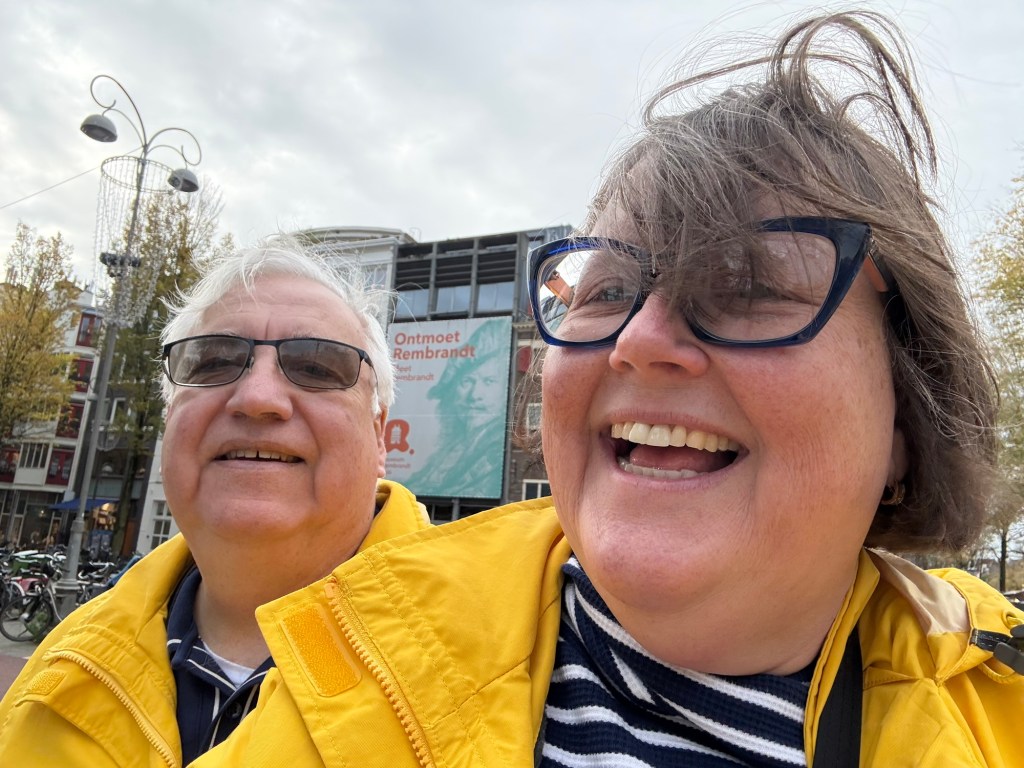
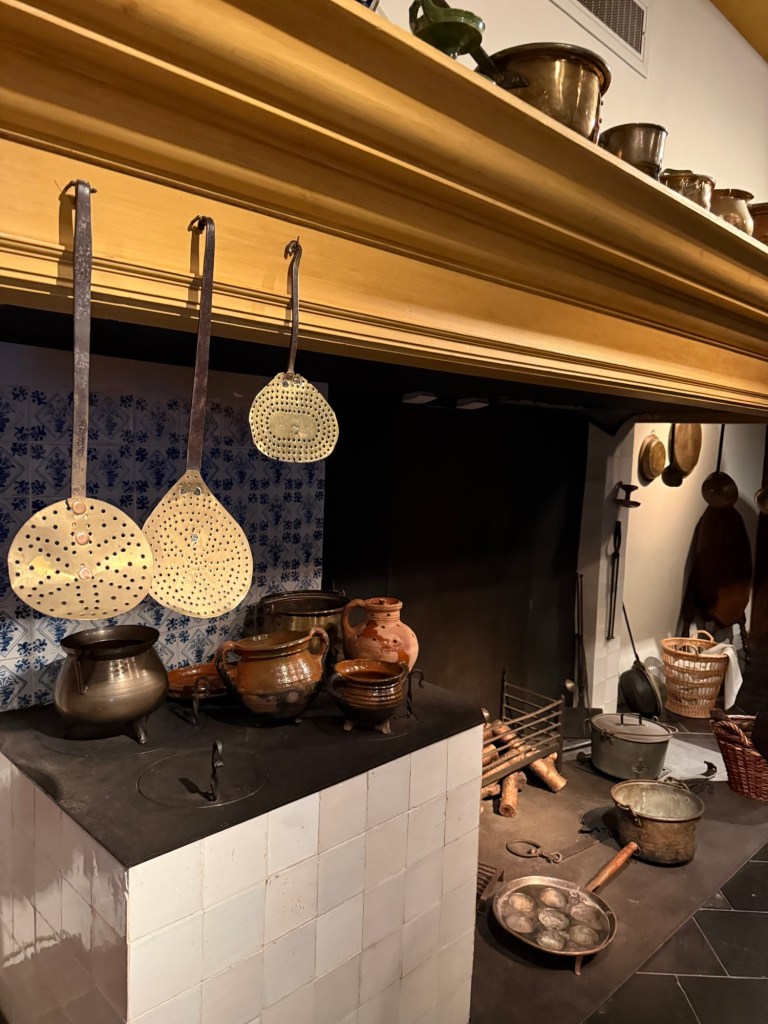
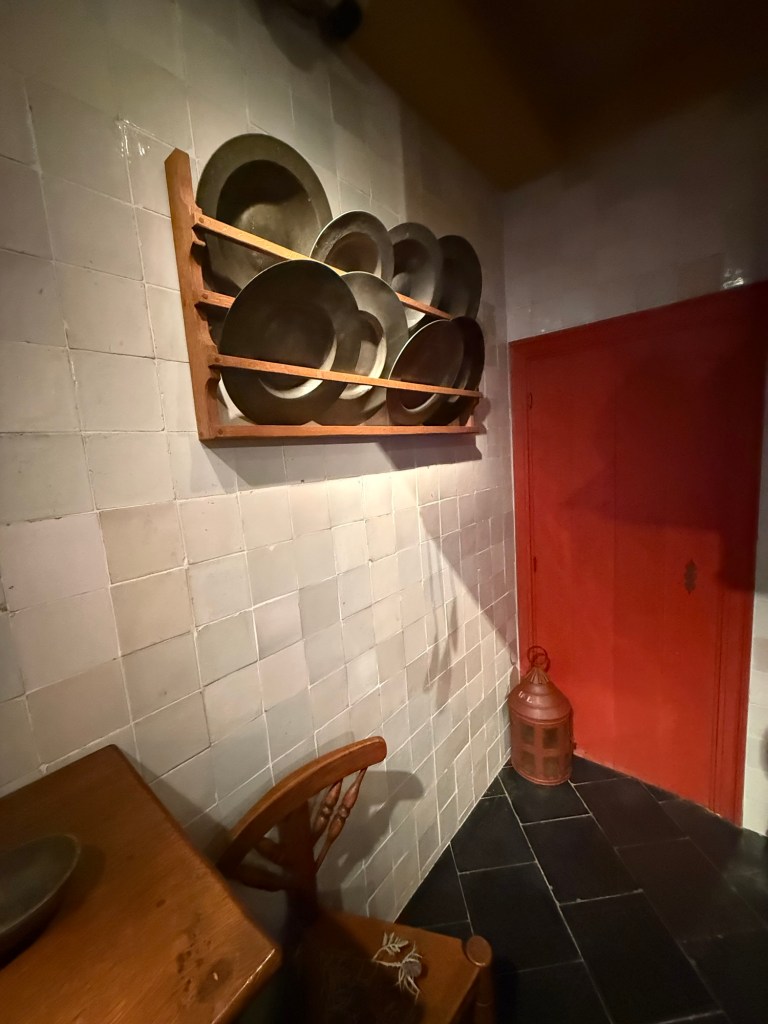
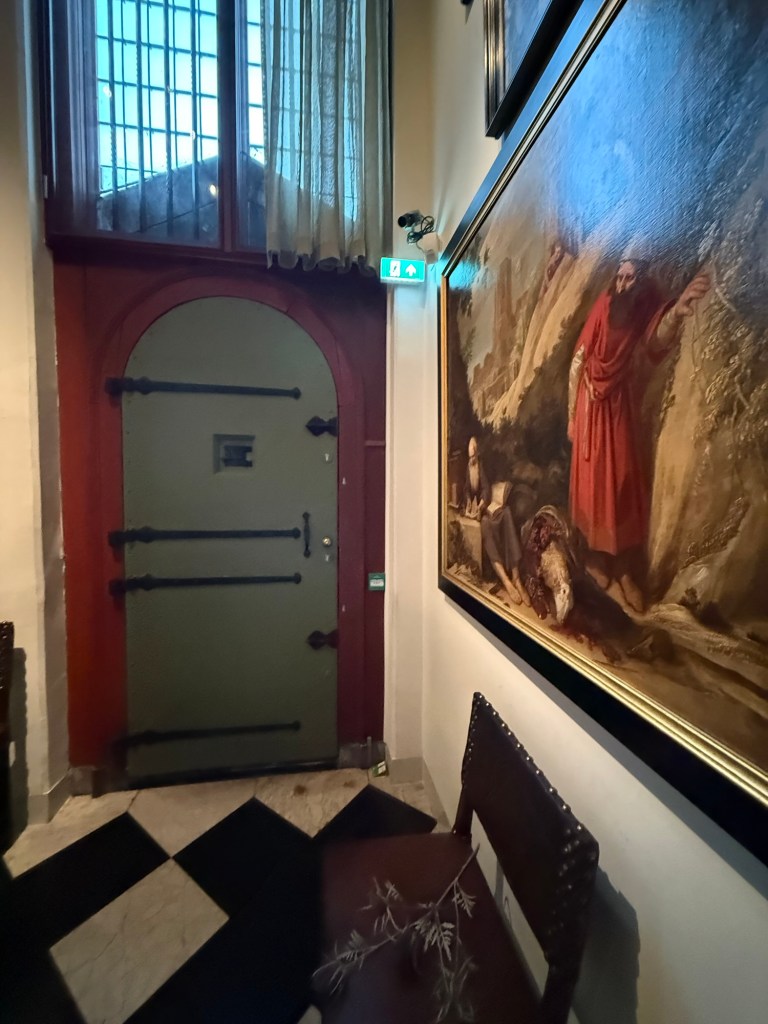
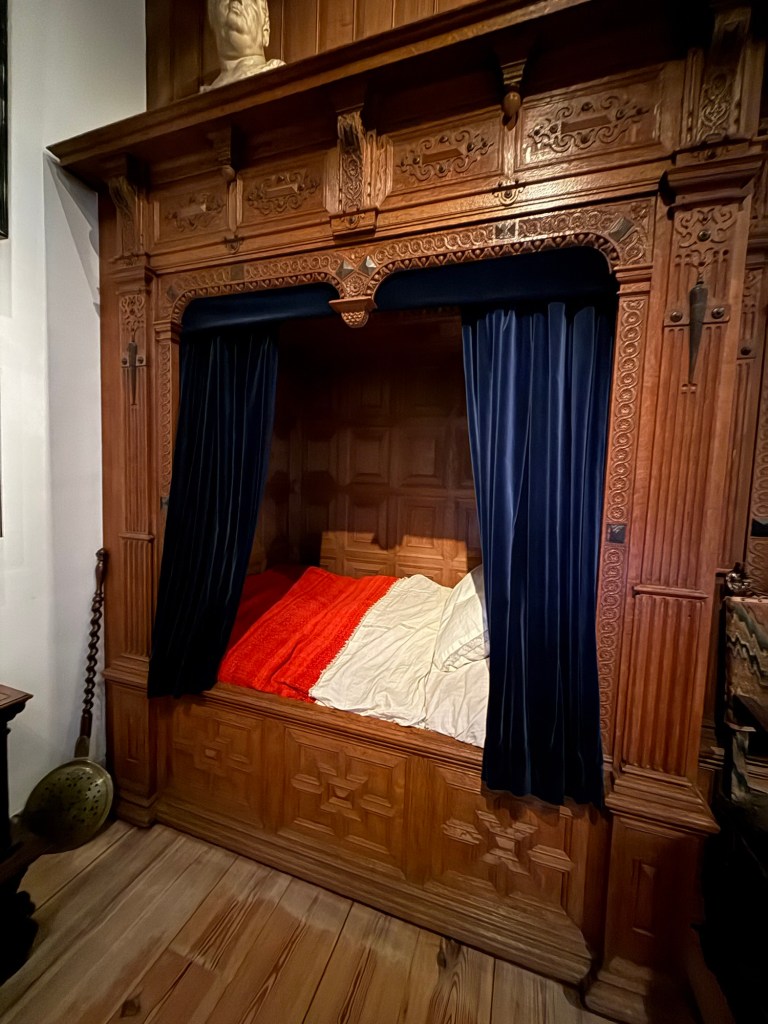
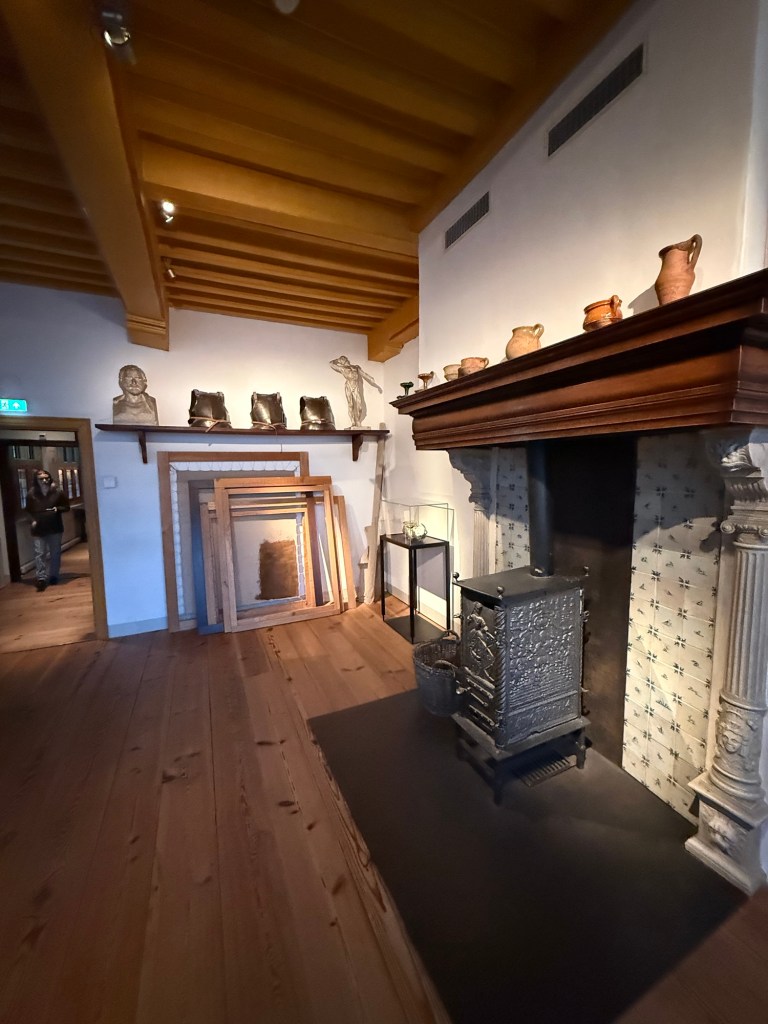
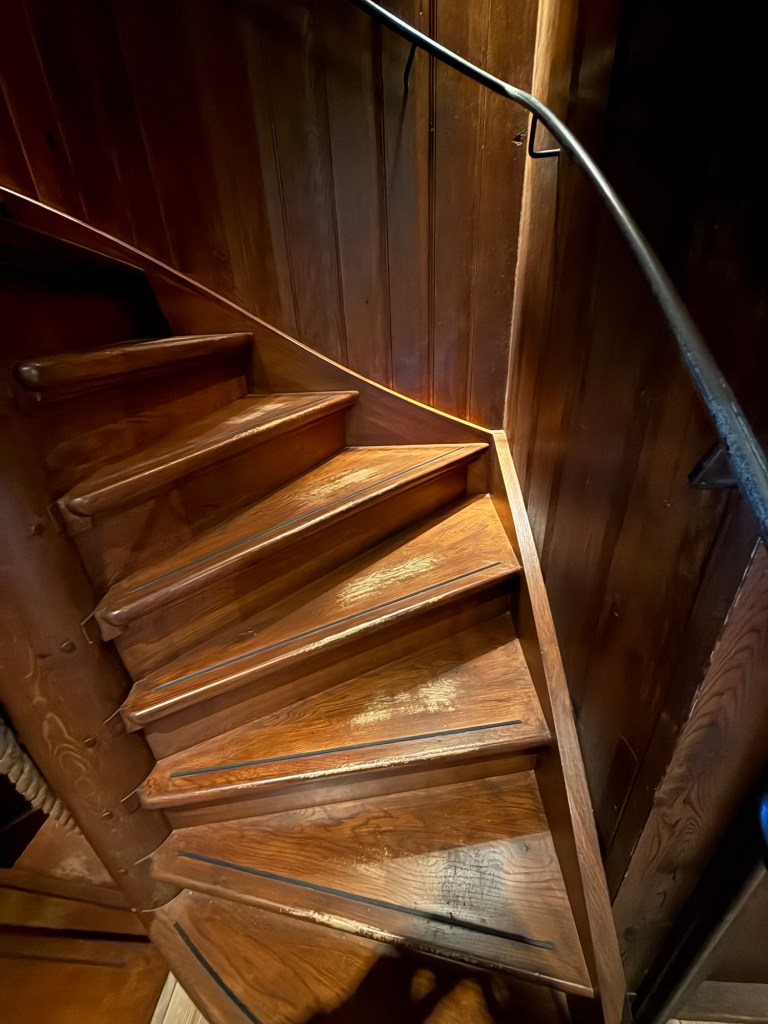
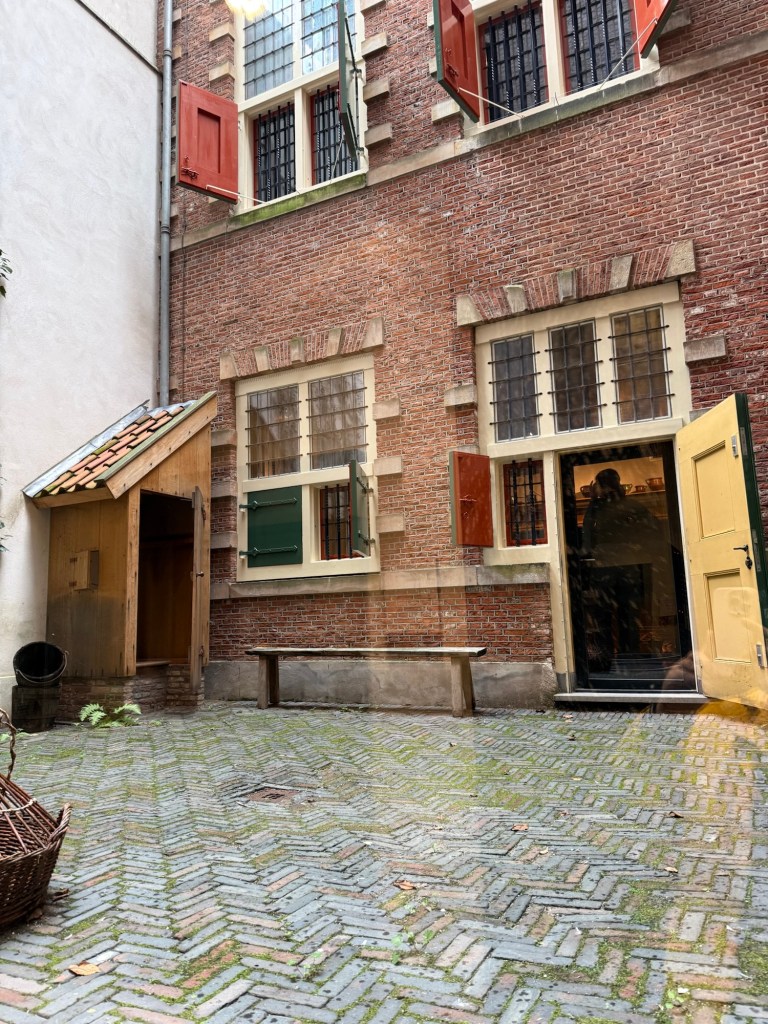
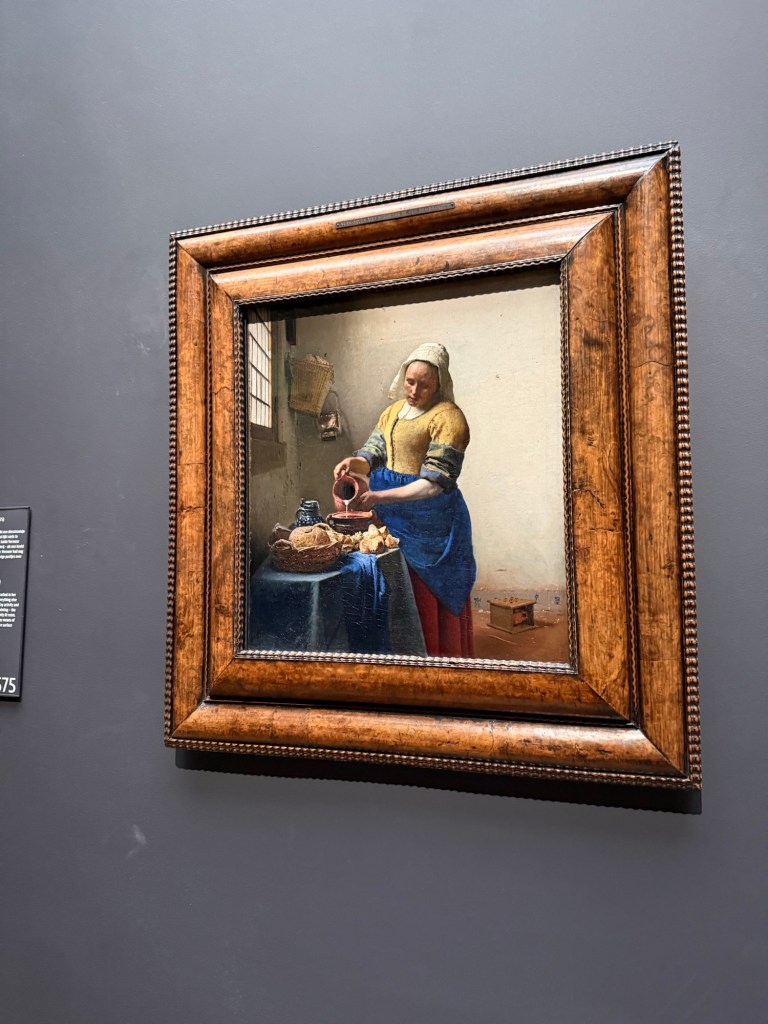
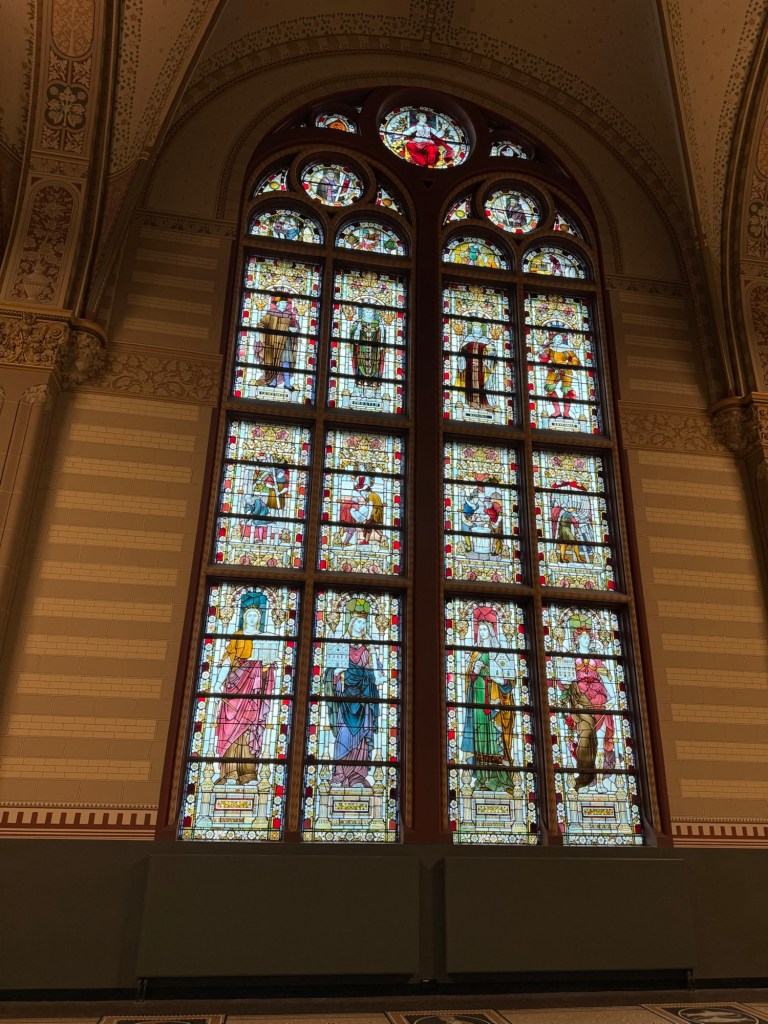
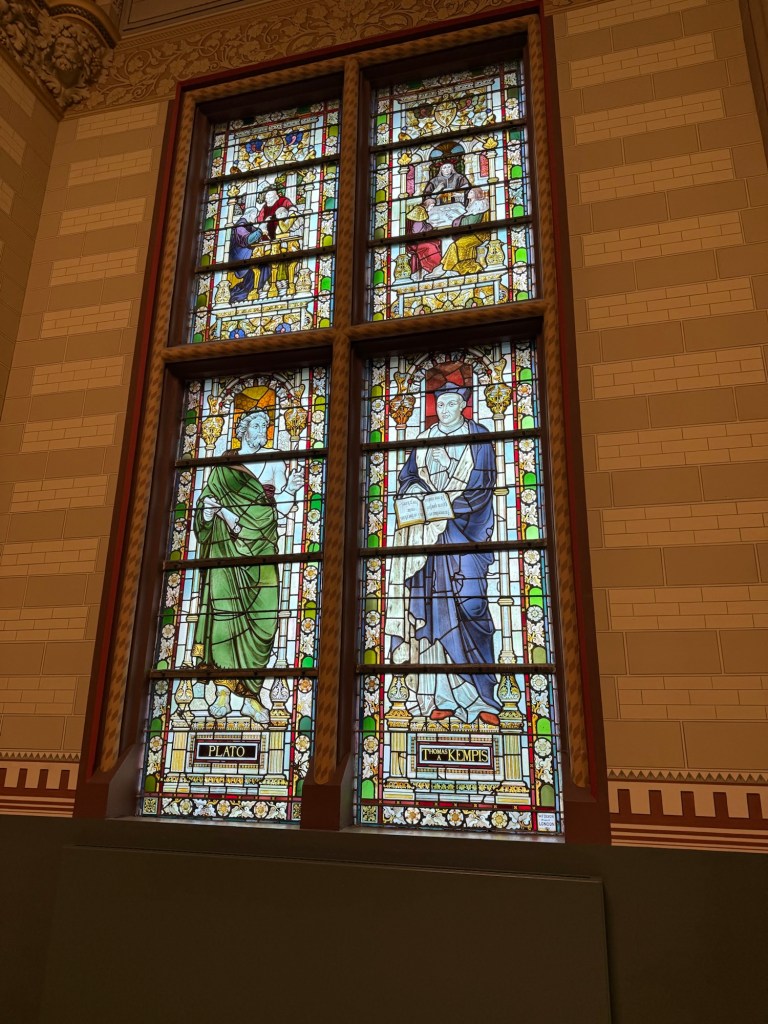
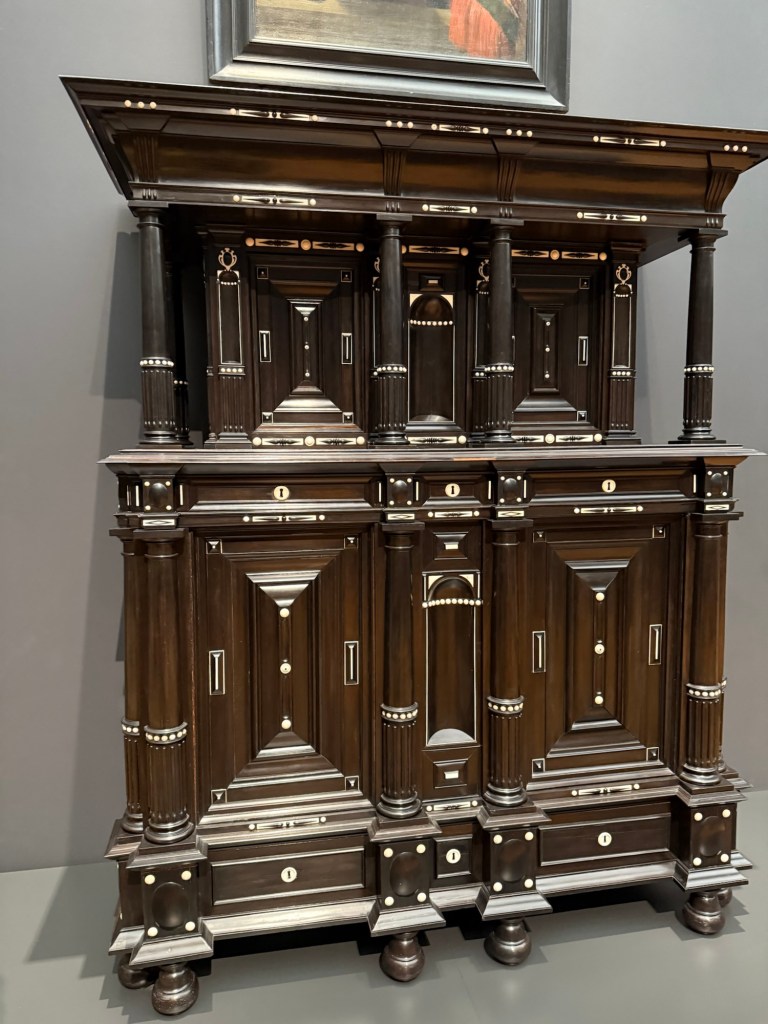
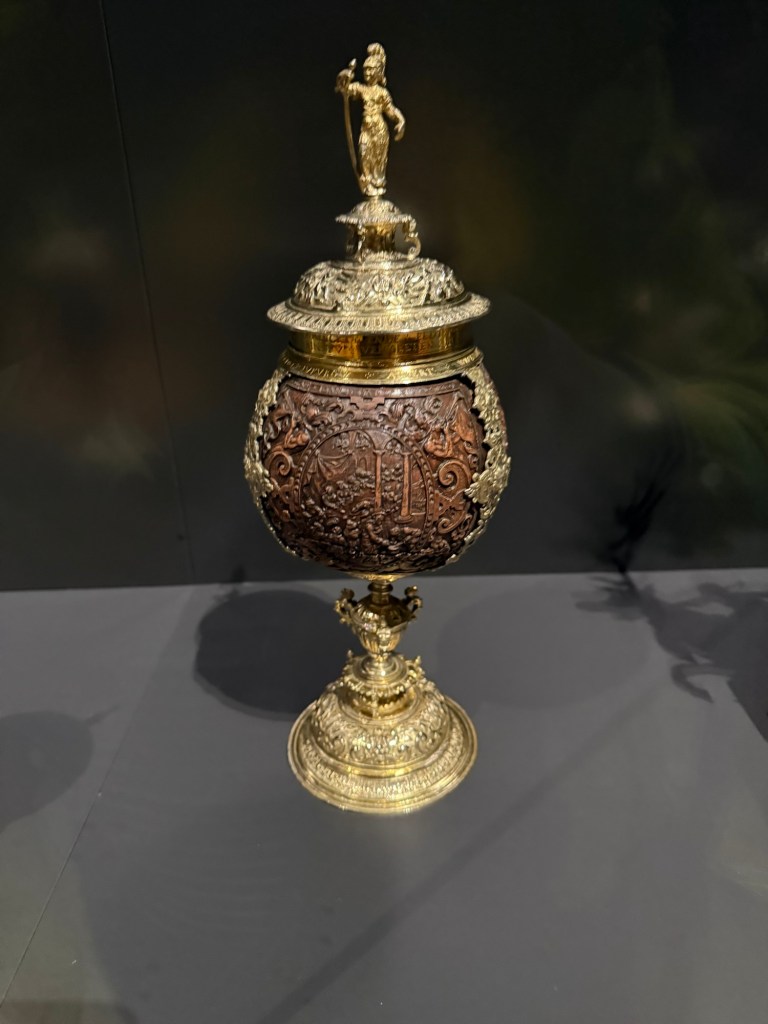
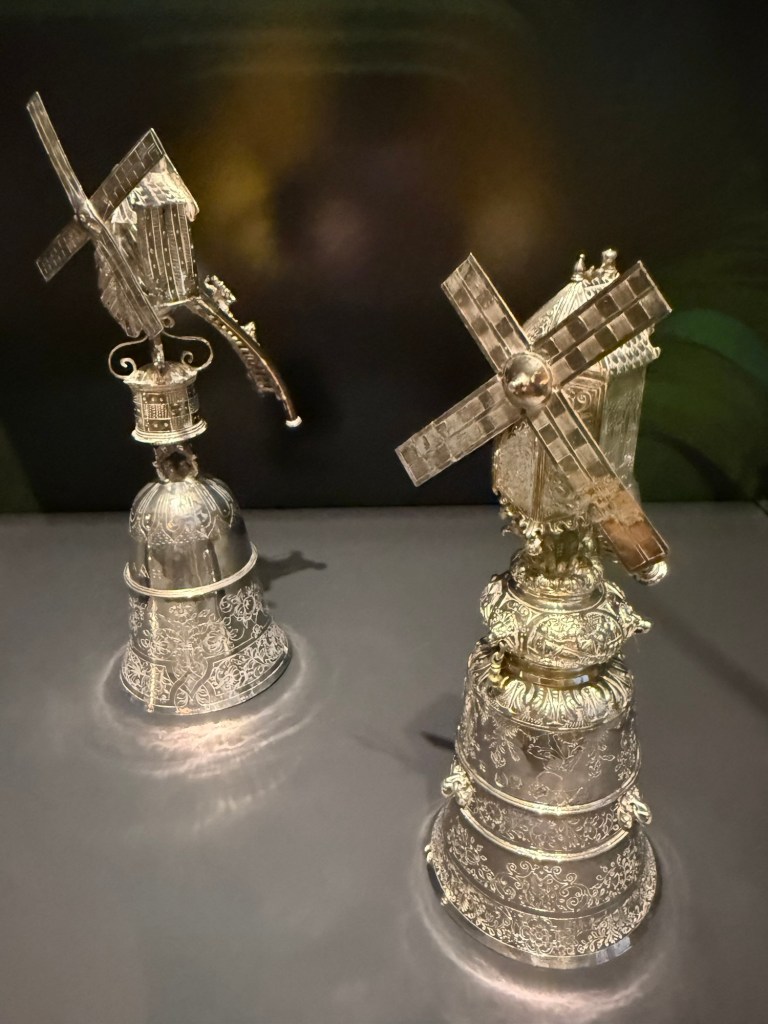
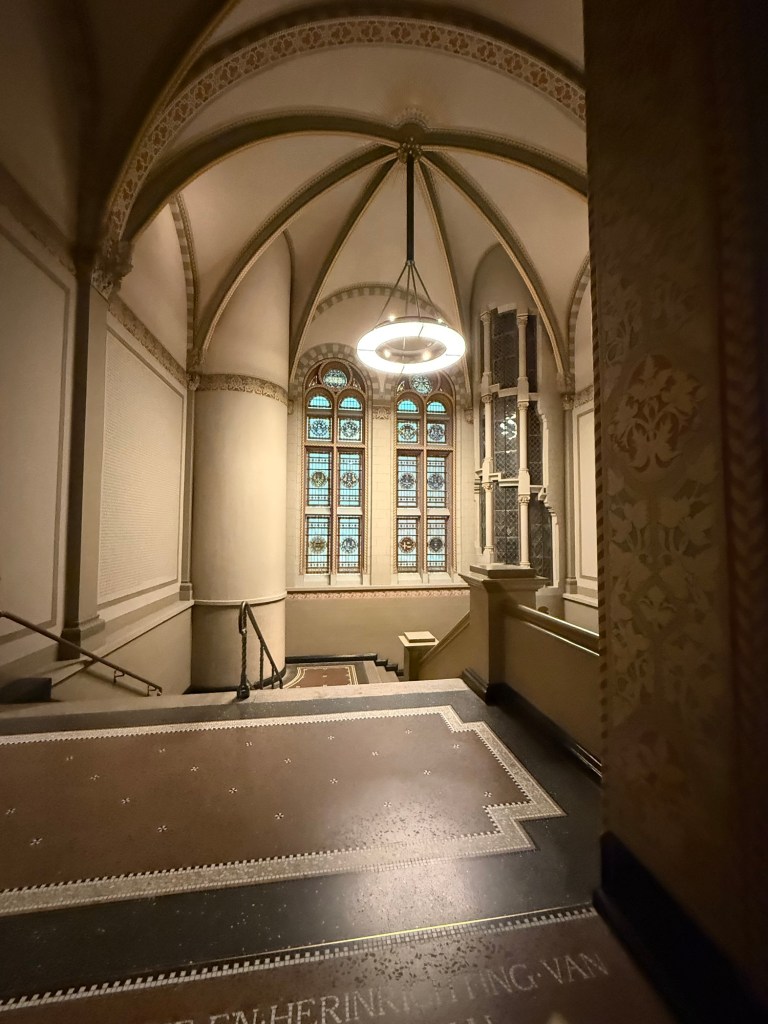
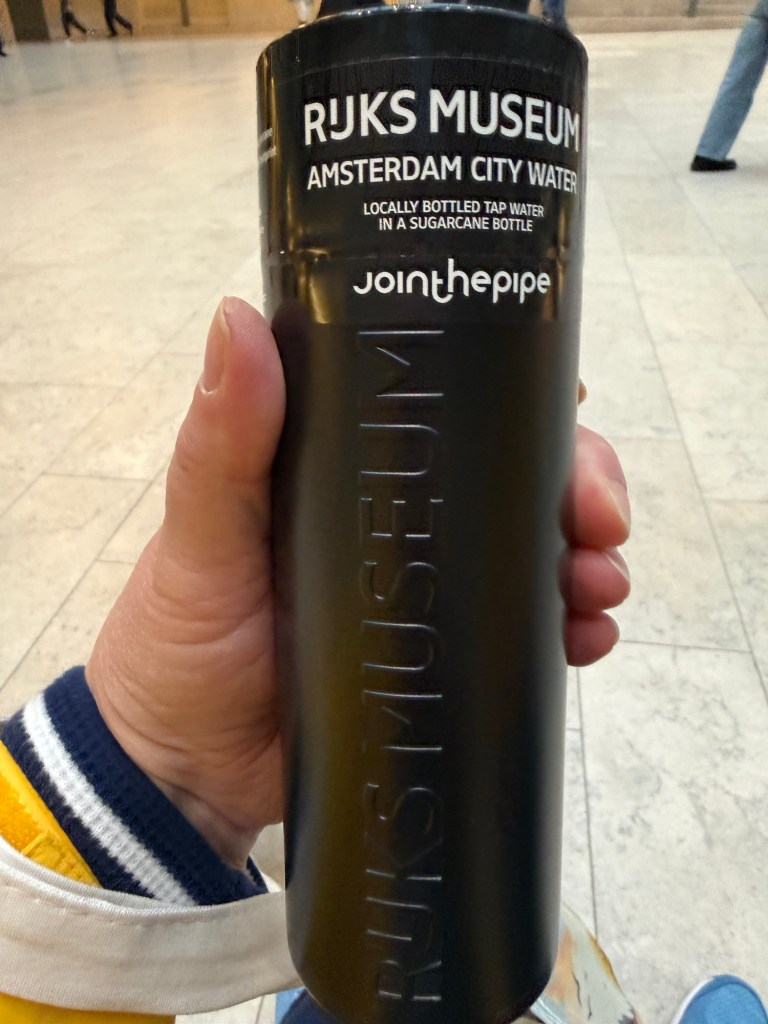
Rembrandt’s House Rembrandt’s House Standing in Front of Rembrandt’s House Kitchen At Rembrandt’s House Kitchen At Rembrandt’s House Foyer At Rembrandt’s House Main Reception Room At Rembrandt’s House Main Living Room At Rembrandt’s House Rembrandt’s Studio Rembrandt’s Studio One of the Box Beds in Rembrandt’s House when People Slept Sitting UpView of Rembrandt’s Studio Another View of Rembrandt’s Studio Lots of Steep Steps At Rembrandt’s House Teaching Studio Room At Rembrandt’s House Center Courtyard of Rembrandt’s House Rembrandt’s House Has A Great Audio Guide Museum of Contemporary Art in Amsterdam Courtyard Sculpture Exhibit At the Museum of Contemporary Art Garden At Museum of Contemporary Art in Amsterdam Interactive Sculpture At the Museum of Contemporary Art Part of the Museum’s Banksy Collection Art-Deco Detail of Museum of Contemporary Art in Amsterdam Art-Deco of Museum of Contemporary Art in Amsterdam Part of the Banksy Exhibit Banksy Created a Series of Gangster Rat Paintings Amazing Opic Sculpture Painting At the Museum of Contemporary Art Interactive Exhibit at the Museum of Contemporary Art Interactive Exhibit at the Museum of Contemporary ArtInteractive Exhibit at the Museum of Contemporary Art Front Exterior of the Rijksmuseum Exterior Front of the Rijksmuseum Restorer at Work on The Night WatchRestoration of The Night Watch Vermeer’s The Milkmaid from 1658Stained Glass Windows At the Rijksmuseum Stained Glass Windows At the Rijksmuseum Dutch Masters Section At the Rijksmuseum The Rijksmuseum Has a Beautiful Collection of Furniture This Is An actual Carved Coconut Salt Mills Beautiful Architecture At the Rijksmuseum Souvenir Water from the Rijksmuseum
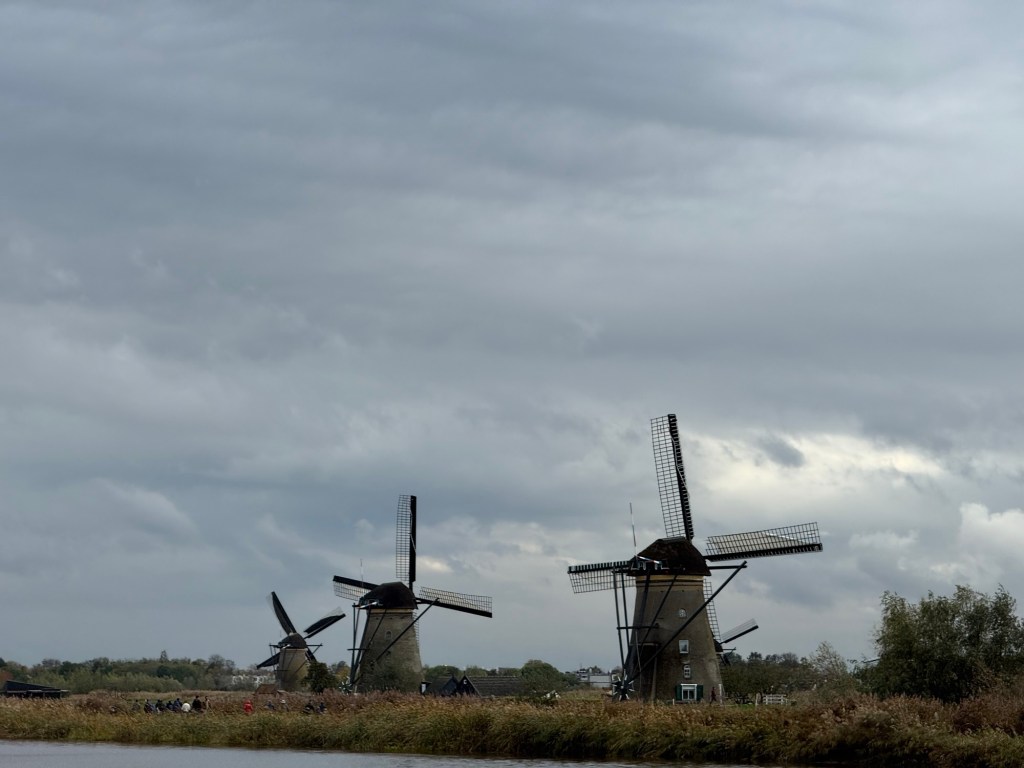
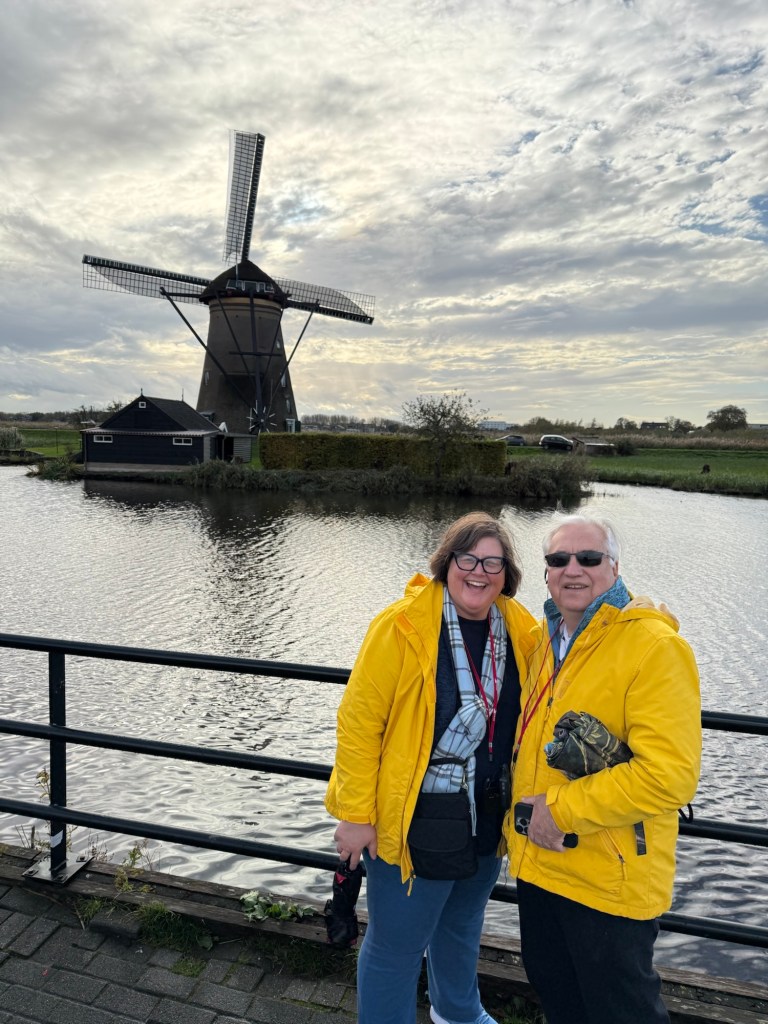
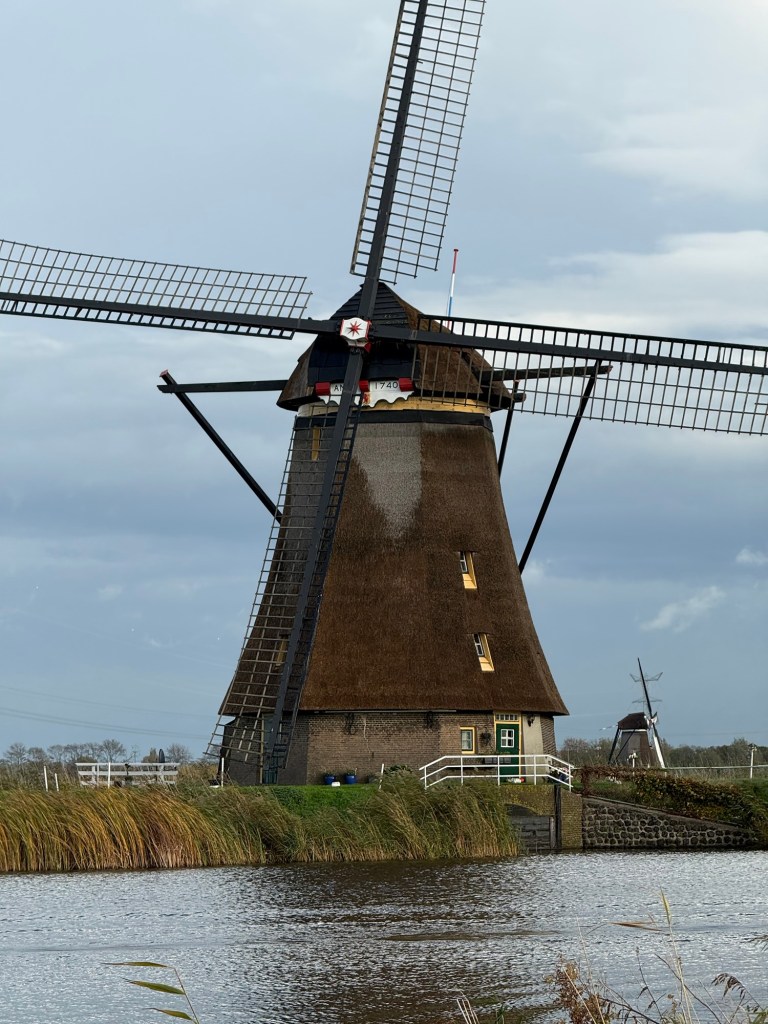
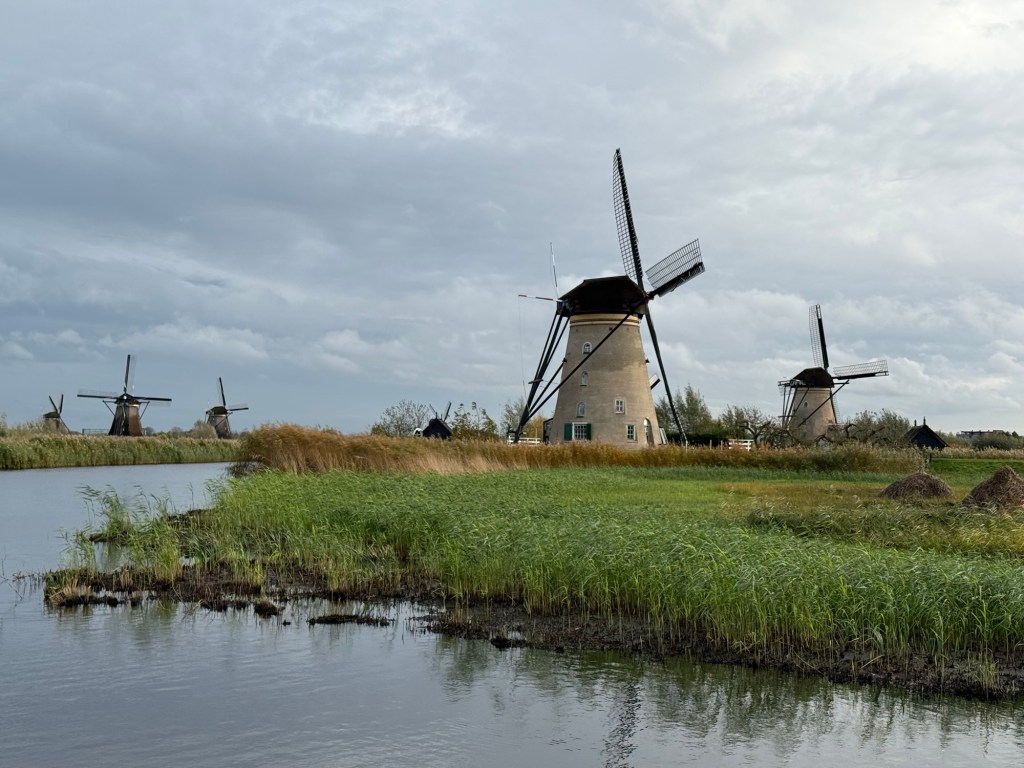
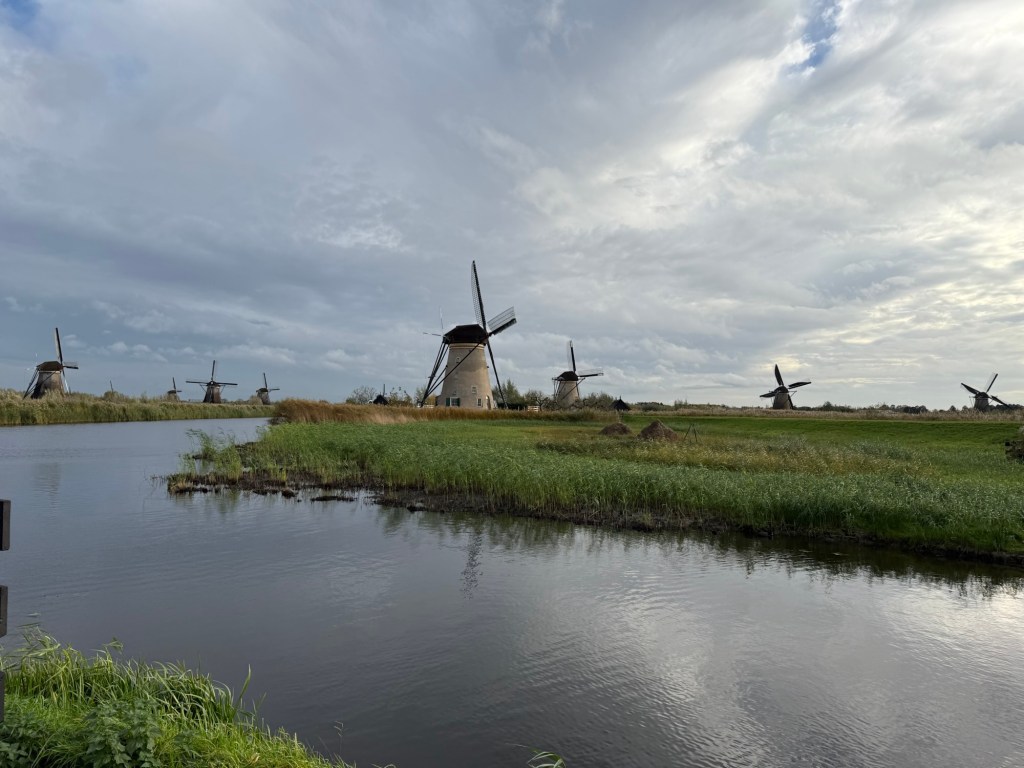
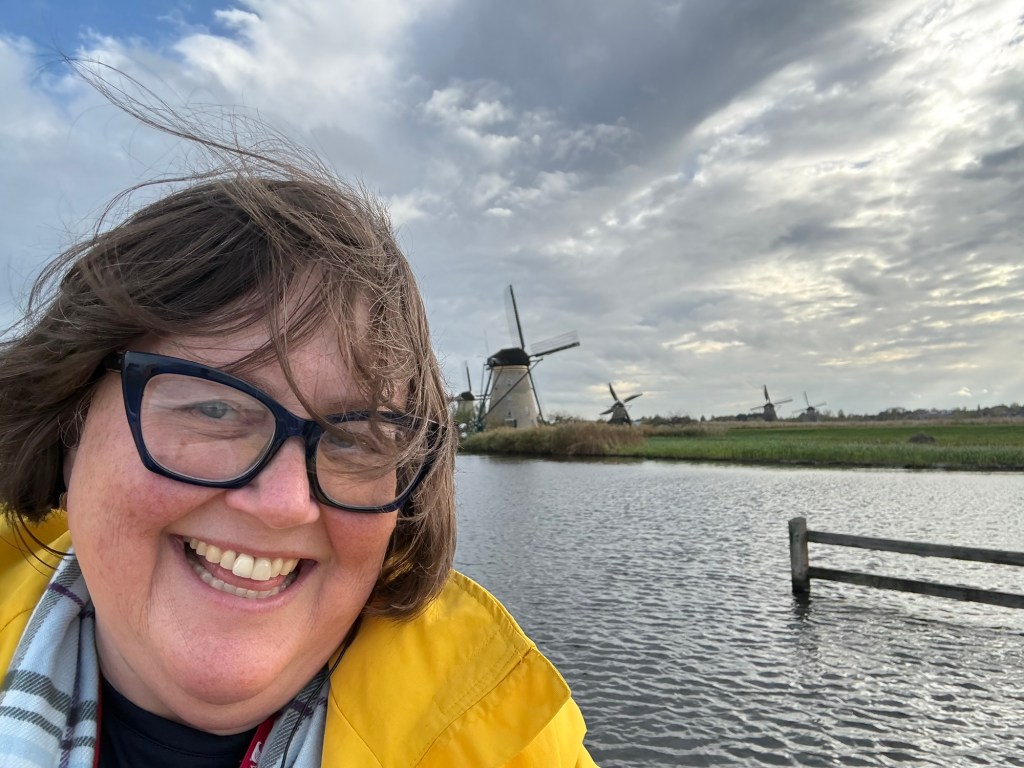
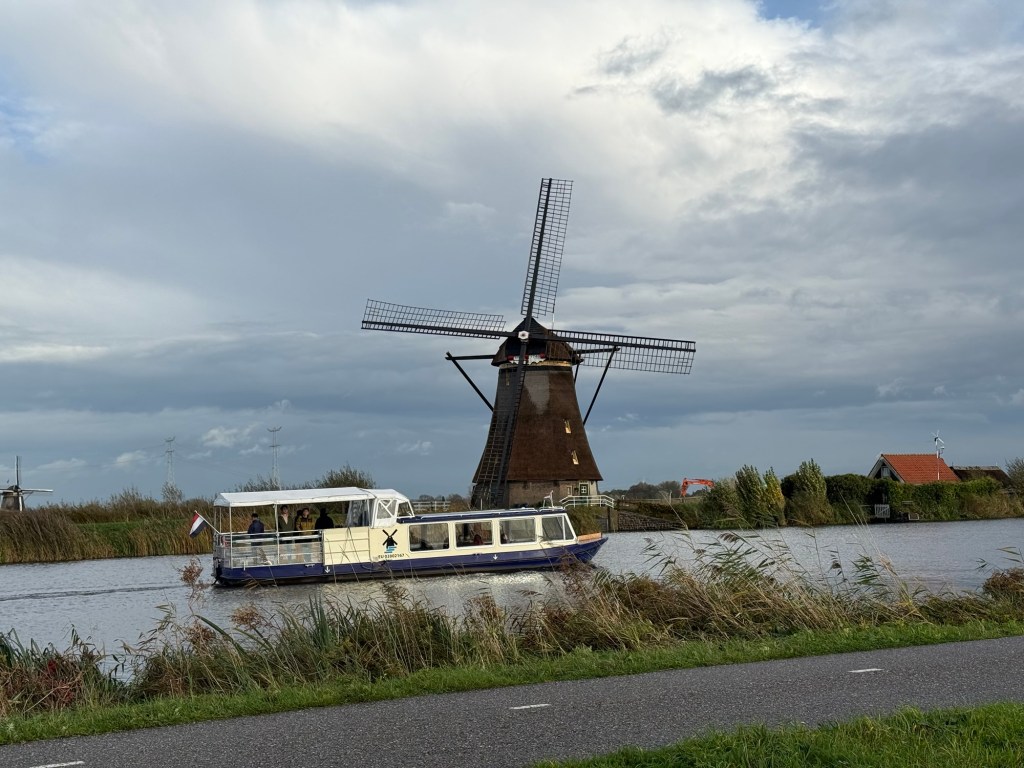
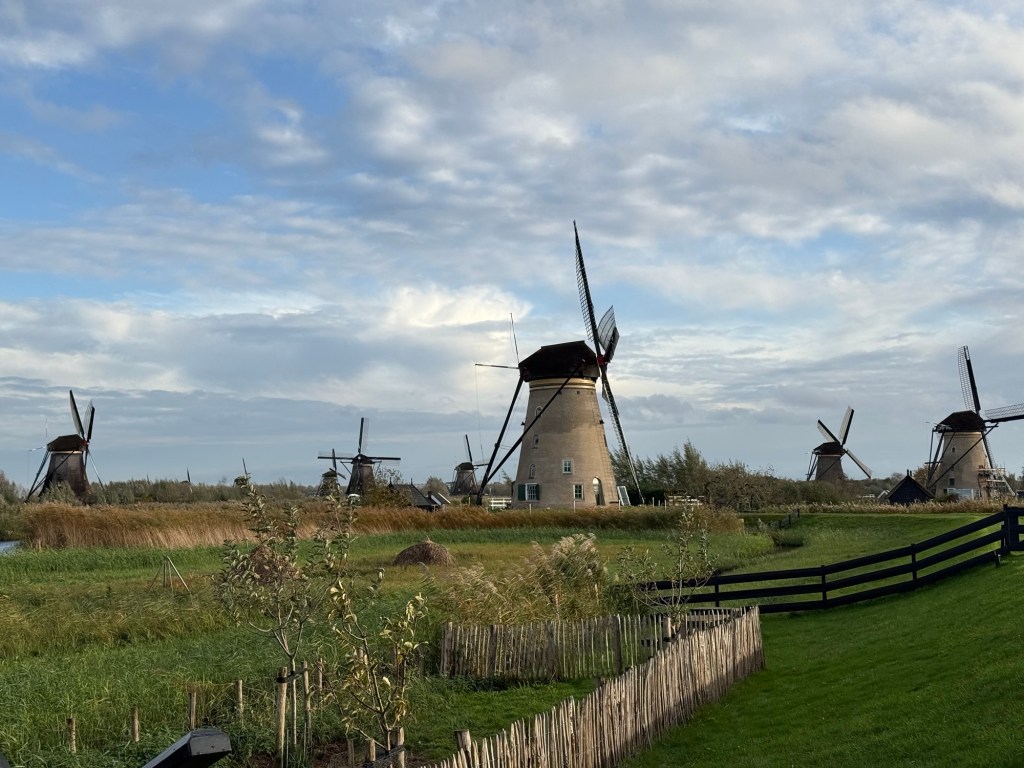
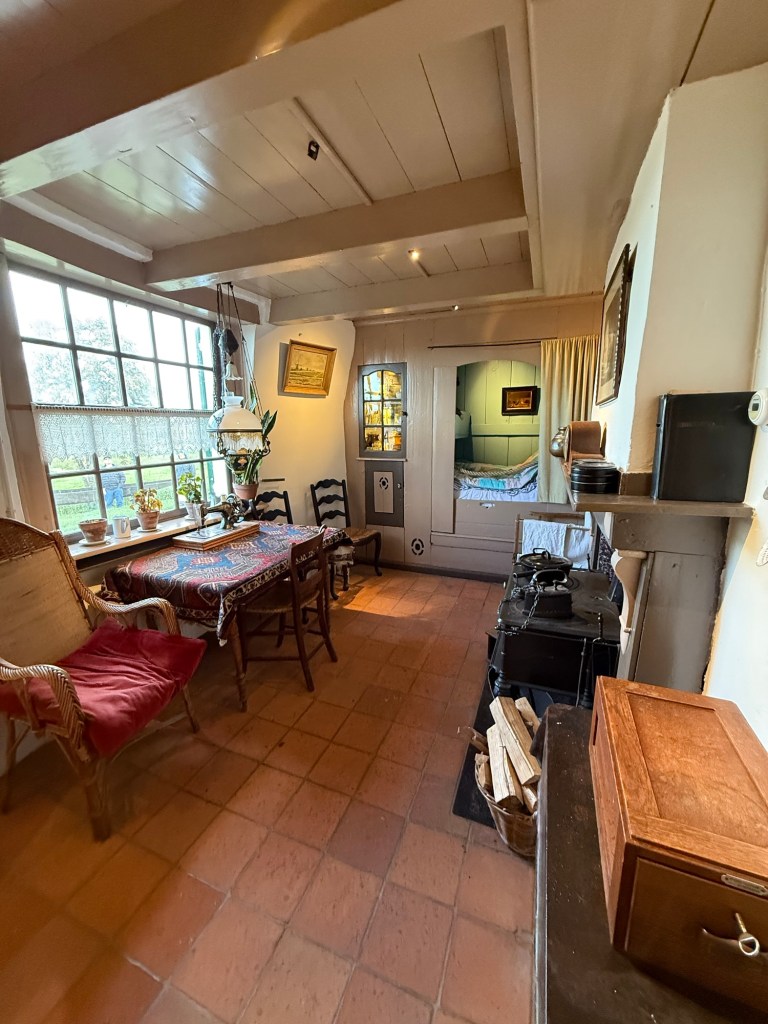
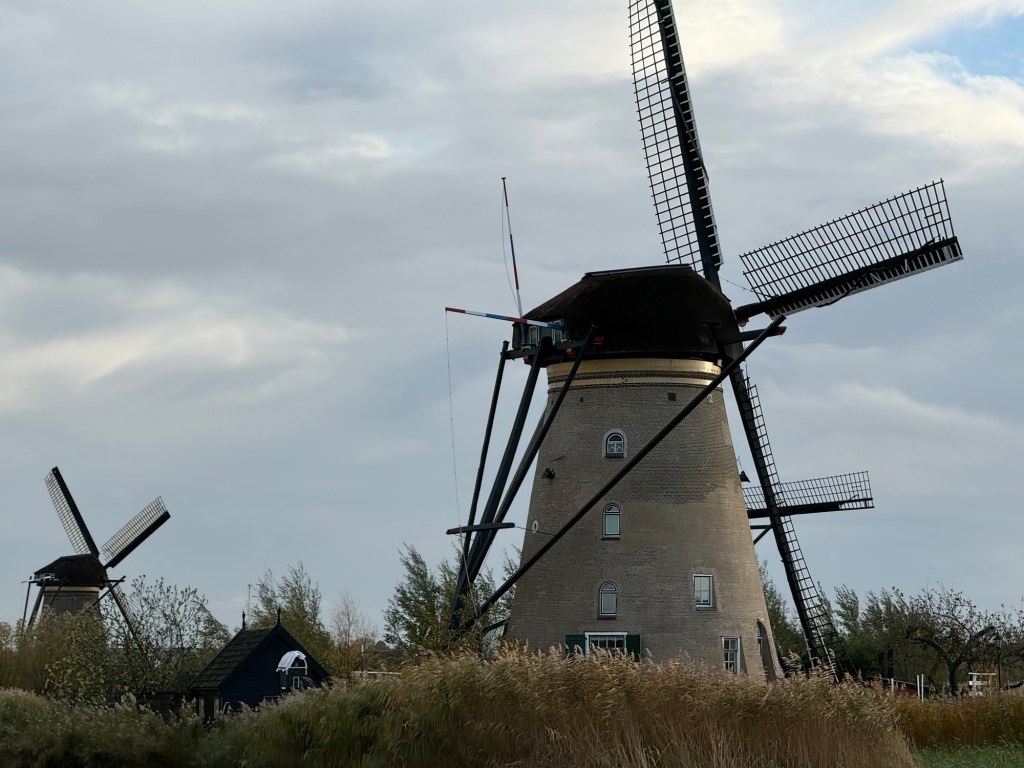
We visited Kinderdijk to see the windmills and they didn’t disappoint. At one, there were over 11,000 windmills throughout the country. Now, there are approximately 1,100. To be a miller requires years of training. If you make a mistake, you can cause the windmill to self-ignite.
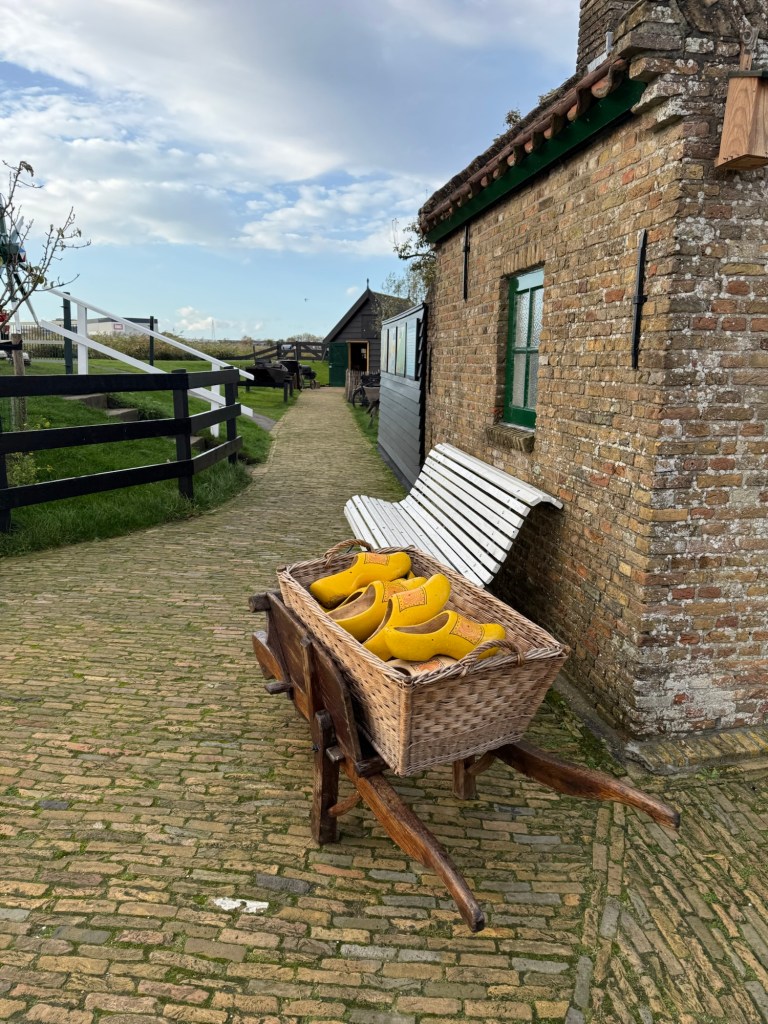
Also, it’s no myth – they really wear wooden clogs. Apparently, wooden clogs are waterproof and inexperienced. The millers we met wore unpainted clogs. Yellow clogs became popular as well because yellow use to be the cheapest color of paint. Painted designs on the clogs indicate which region of the Netherlands the person is from.
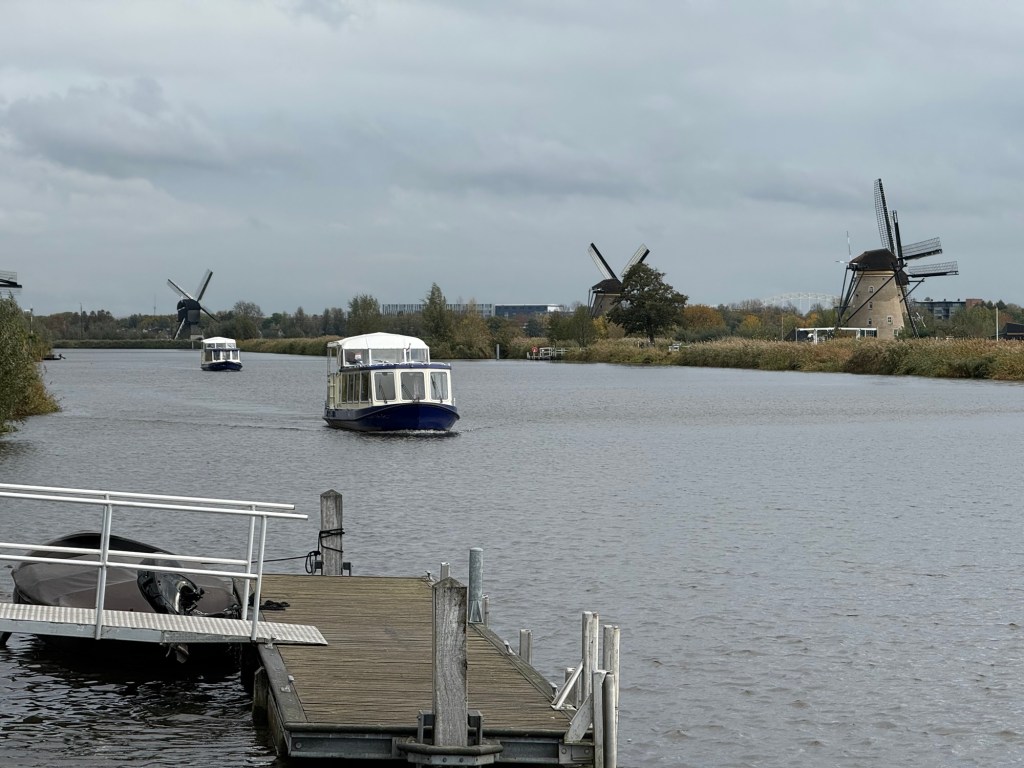
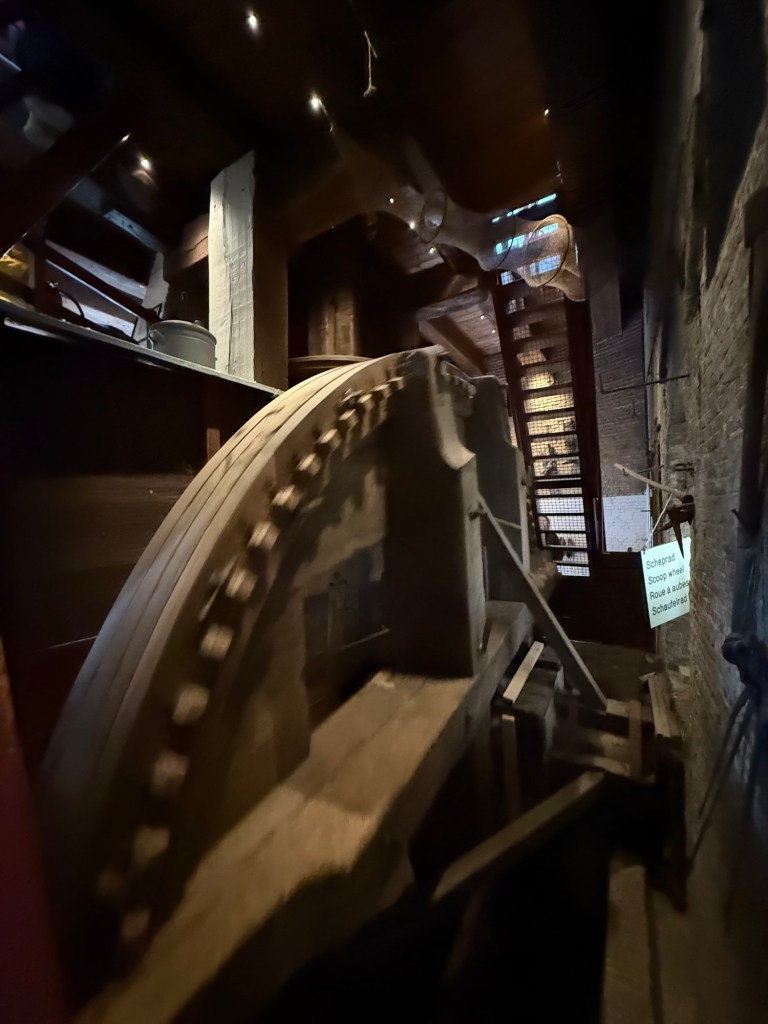
The windmills we visited serve a critical function. They pump water into the rivers to prevent flooding in the Netherlands. They are so hypnotic to watch. If we didn’t have an appointment with a cheese maker, I would have stayed for hours watching.
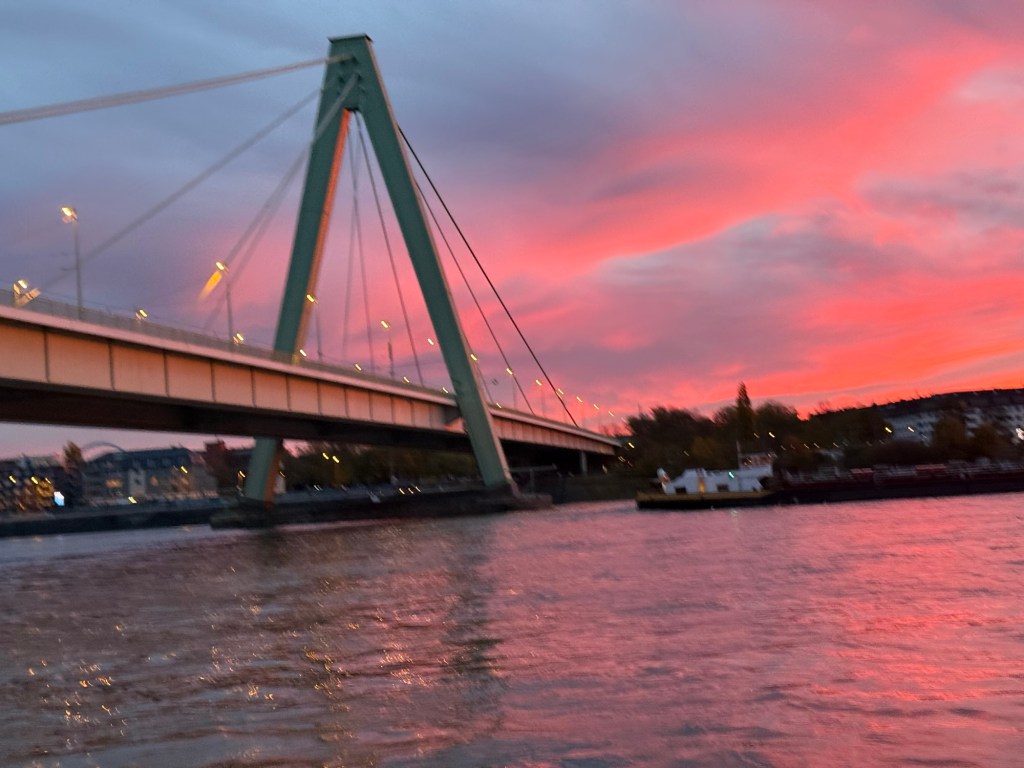
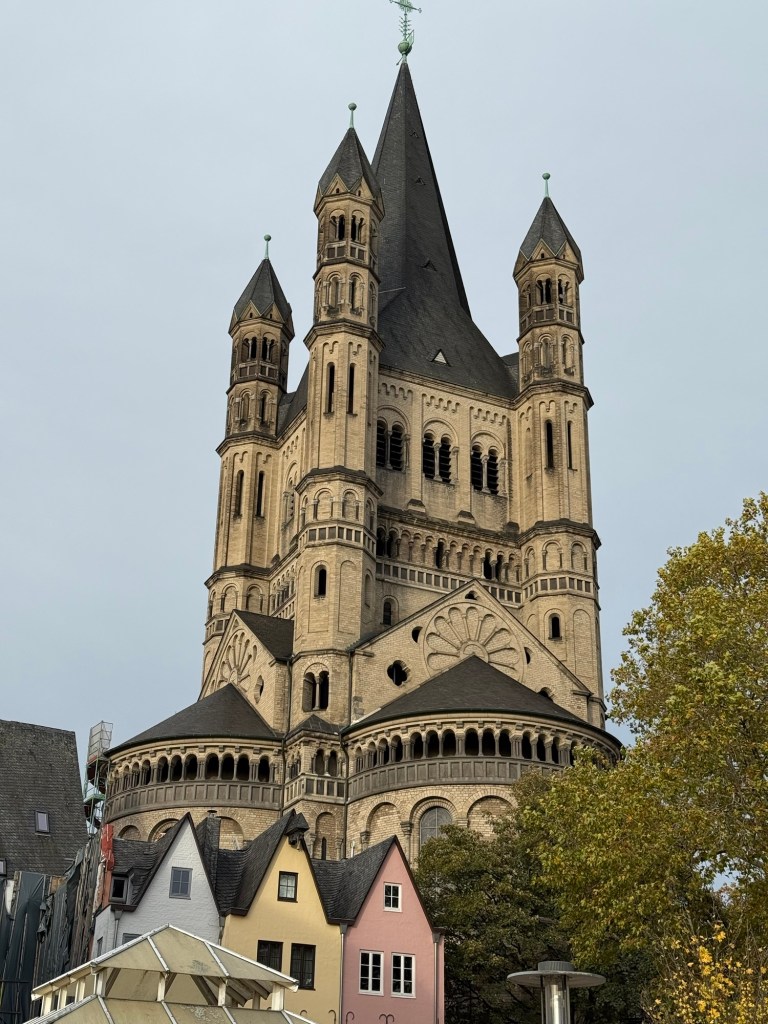
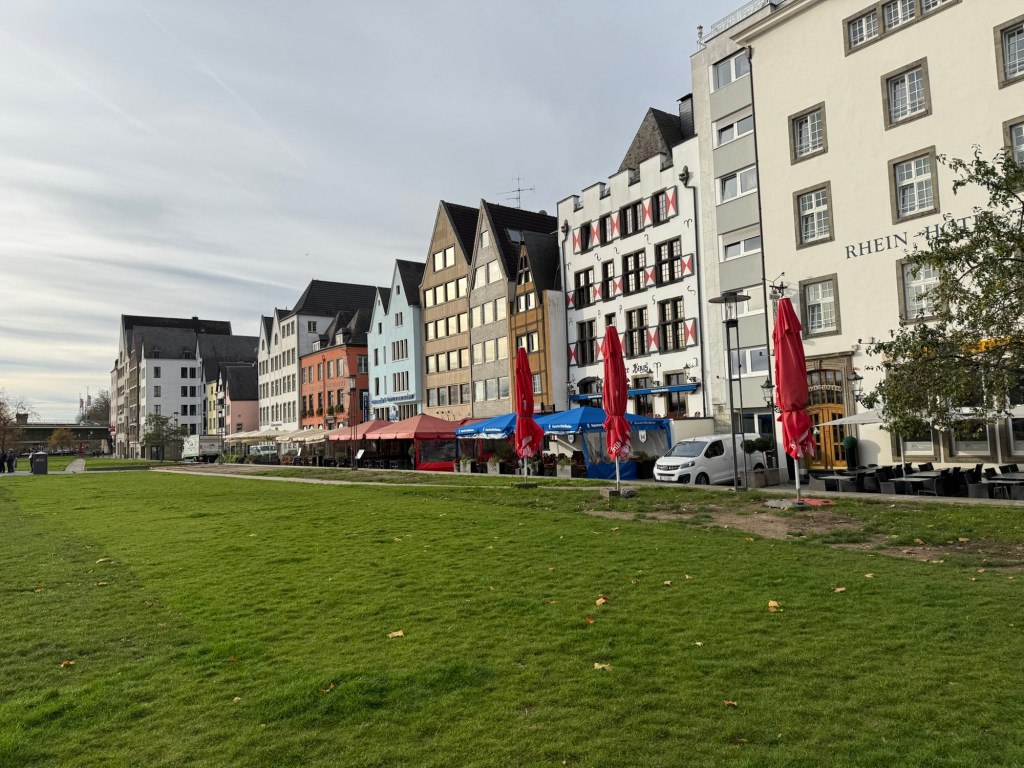
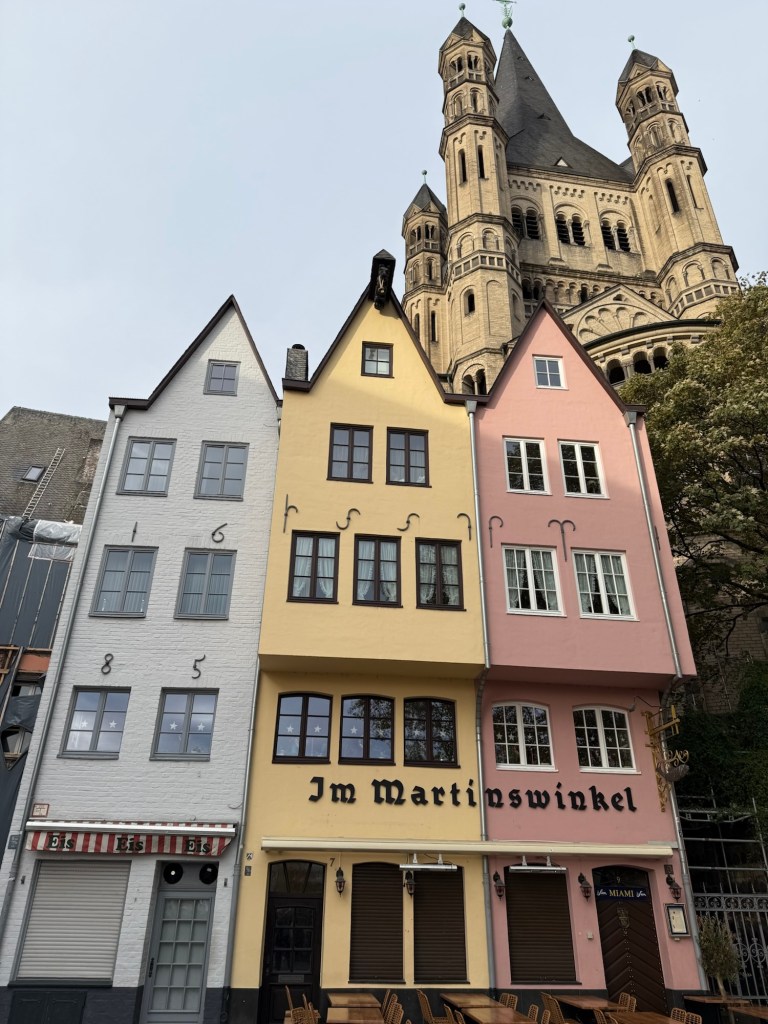
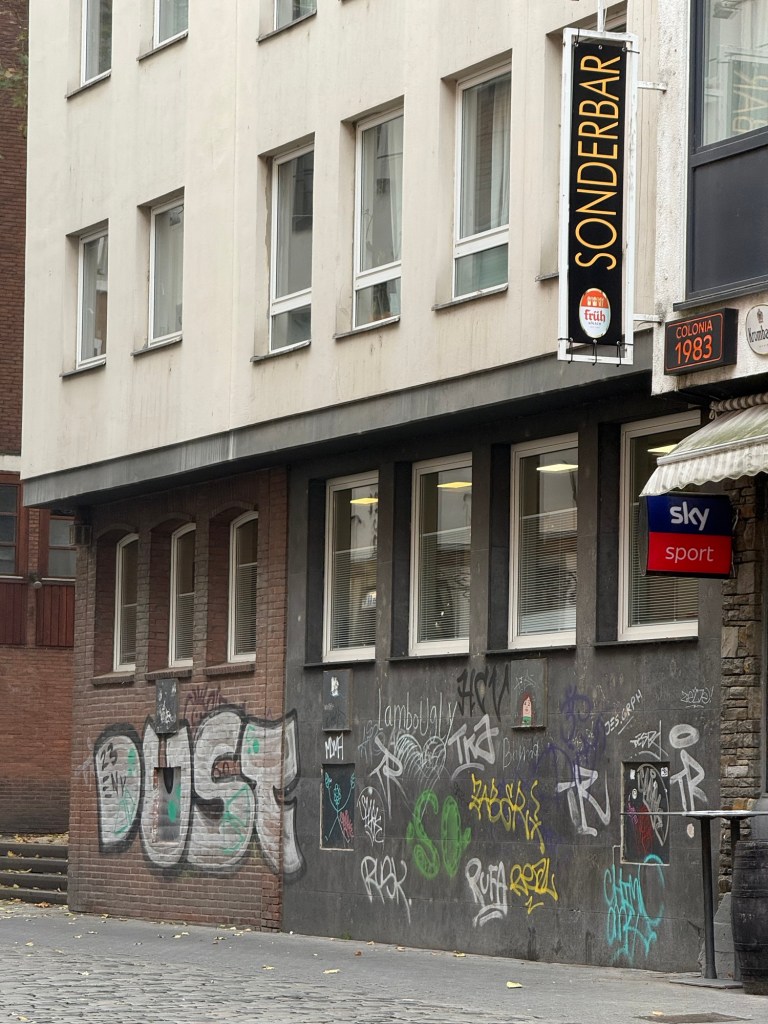
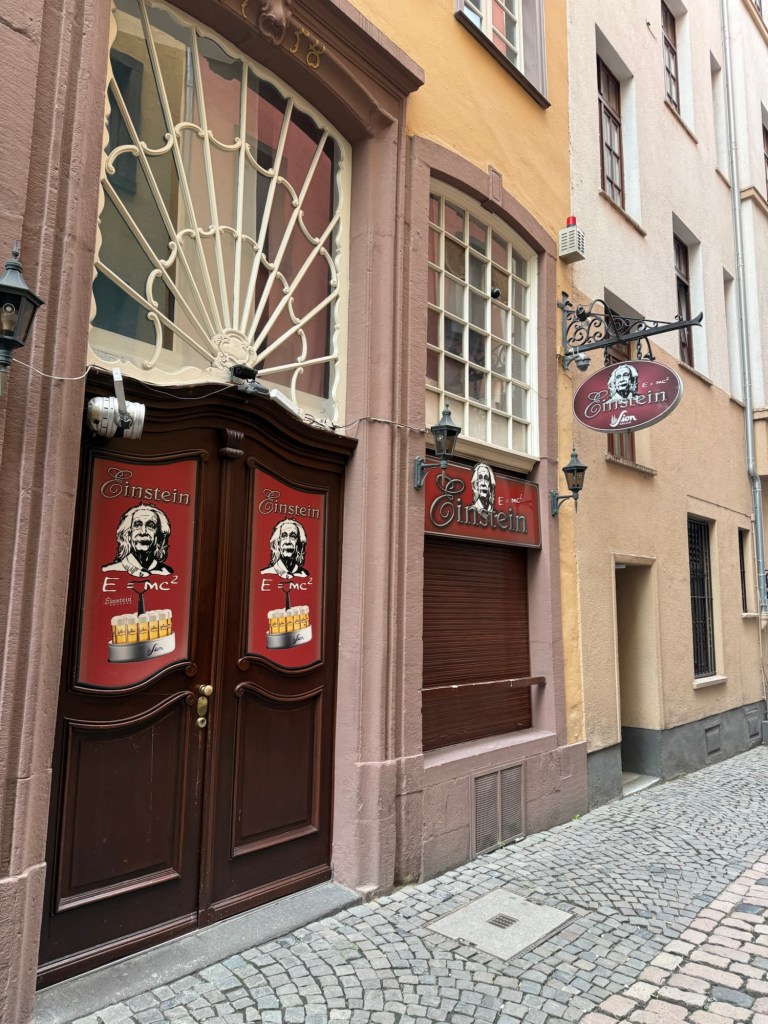
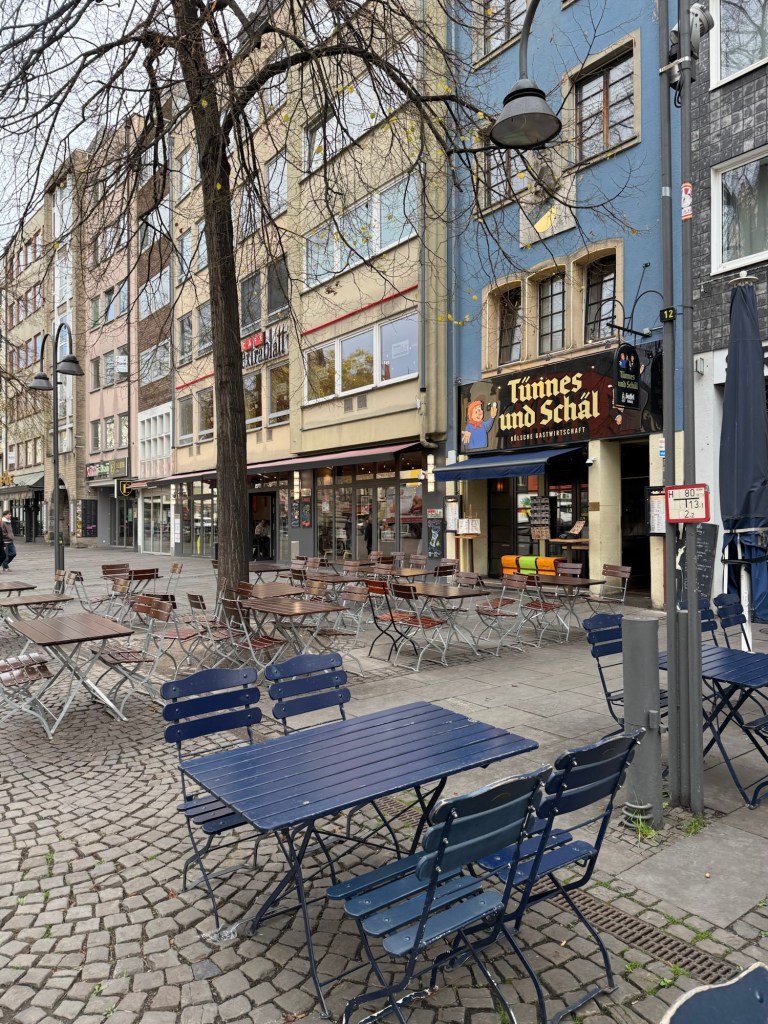
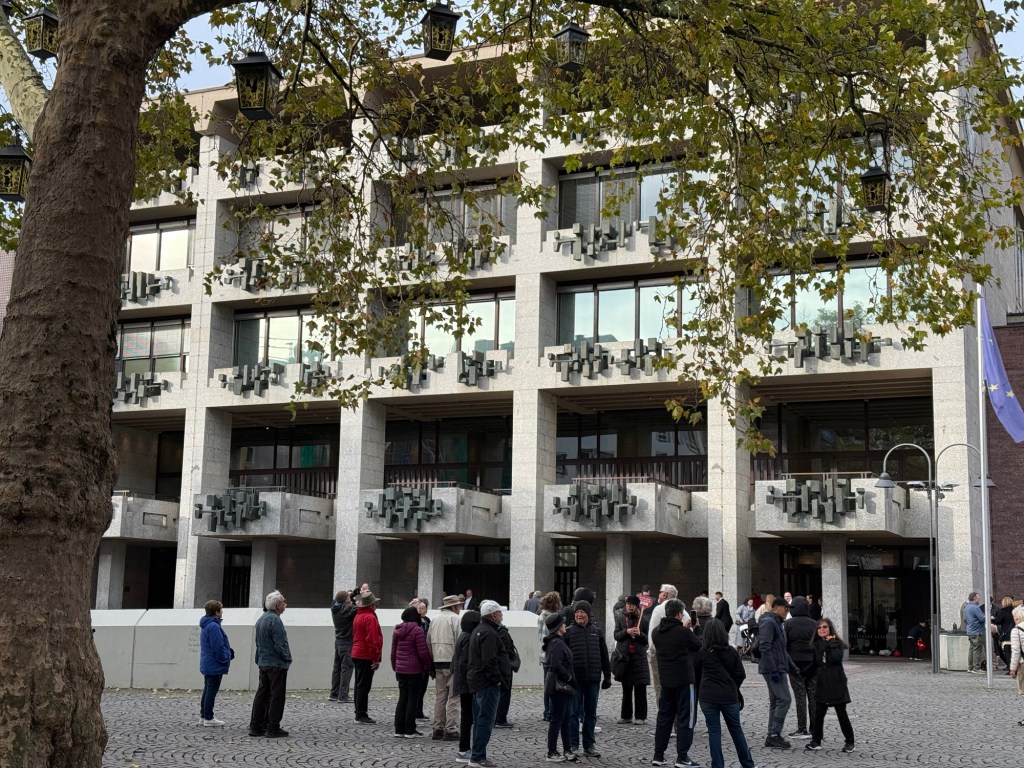
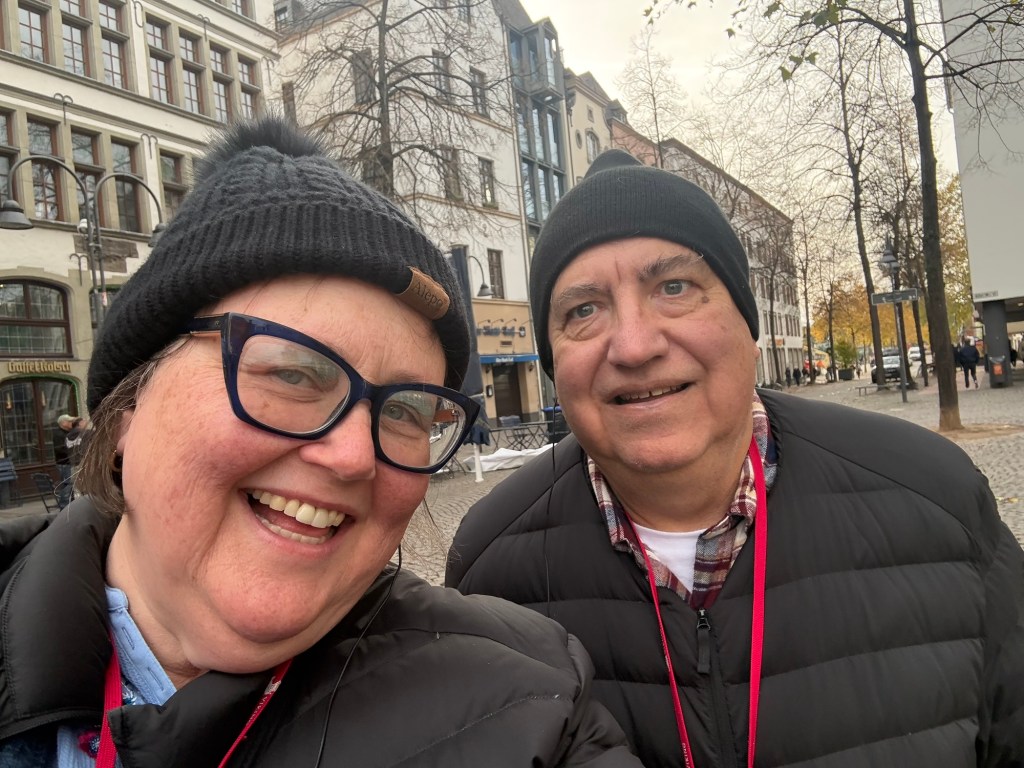
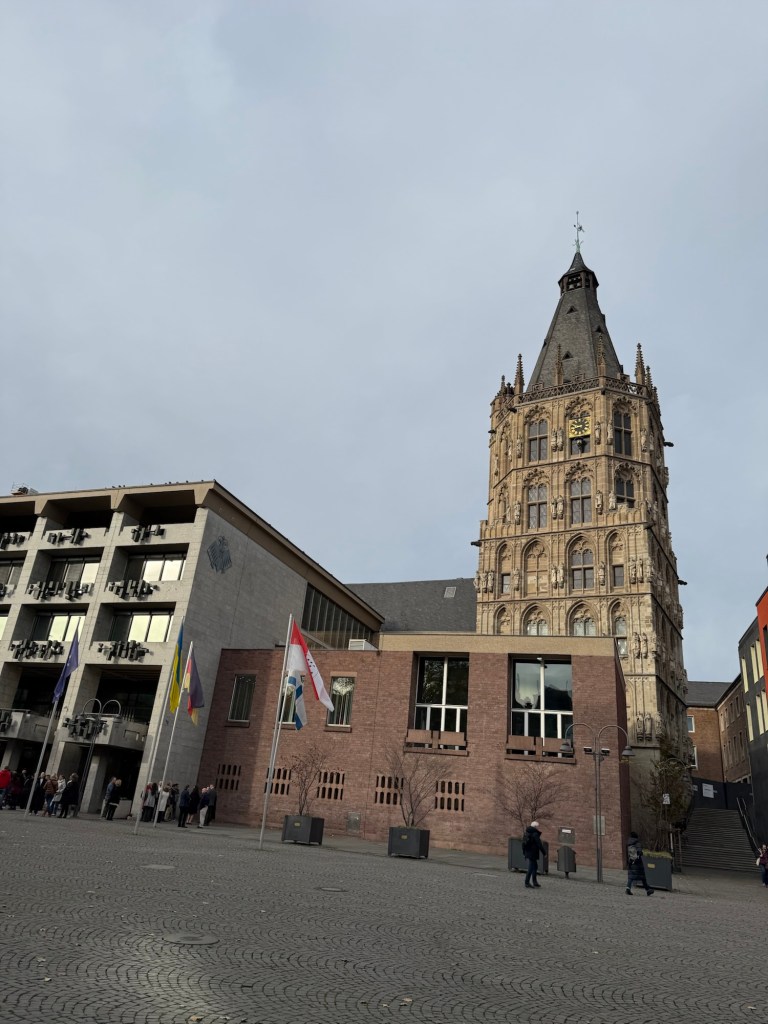
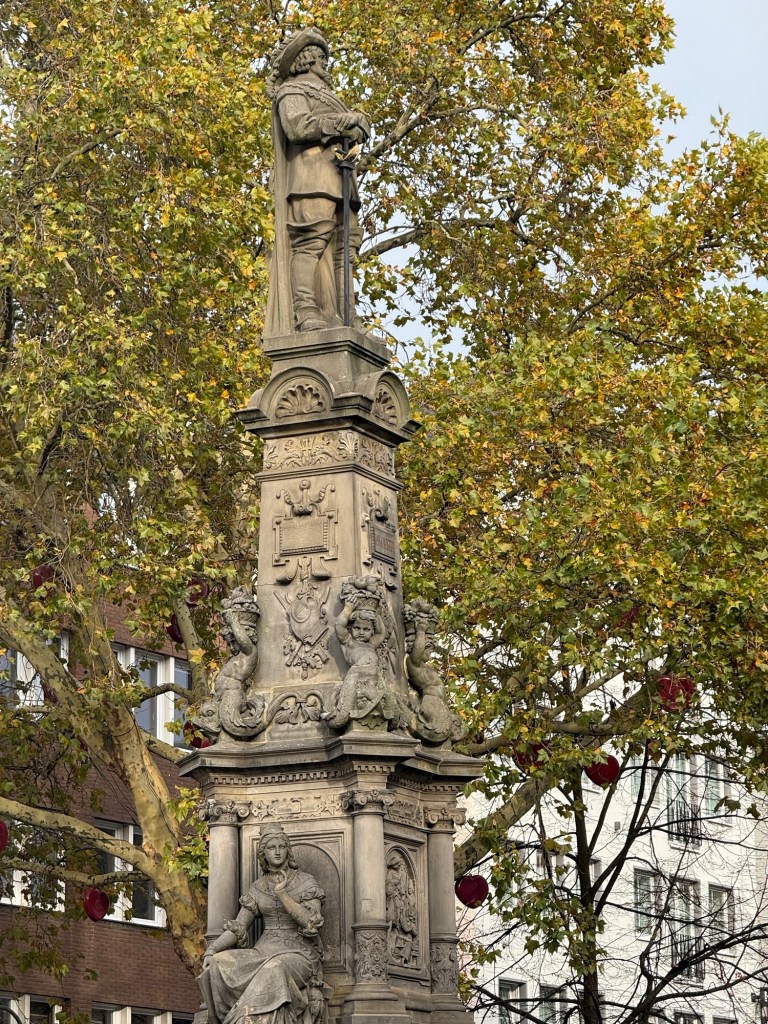
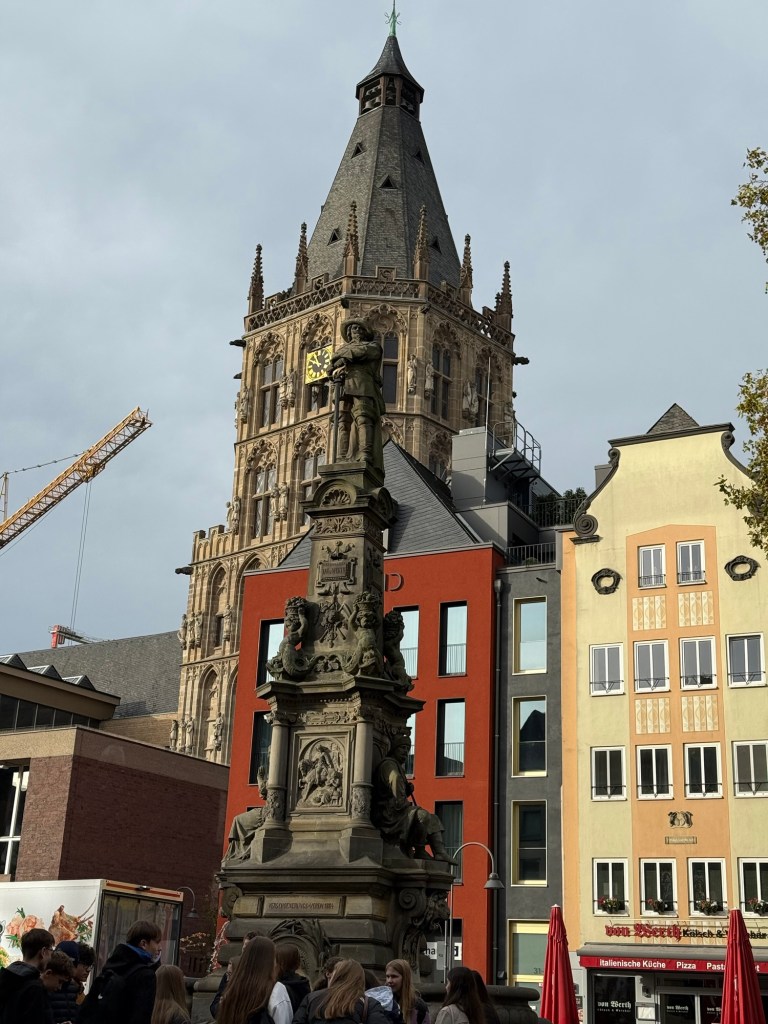
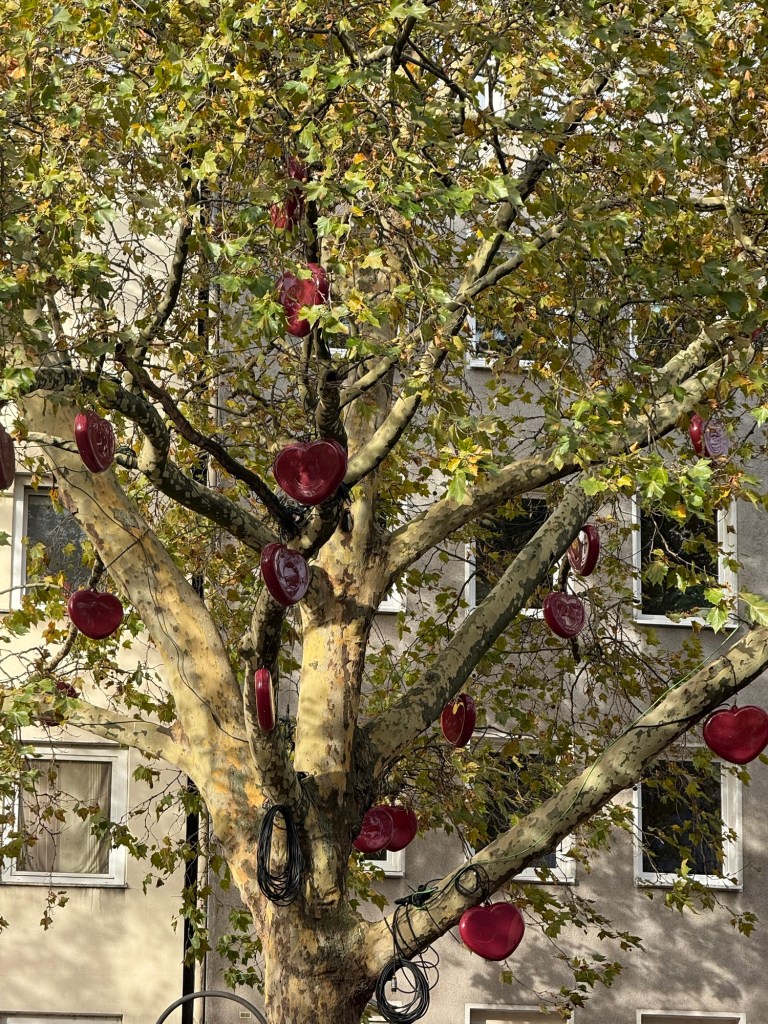
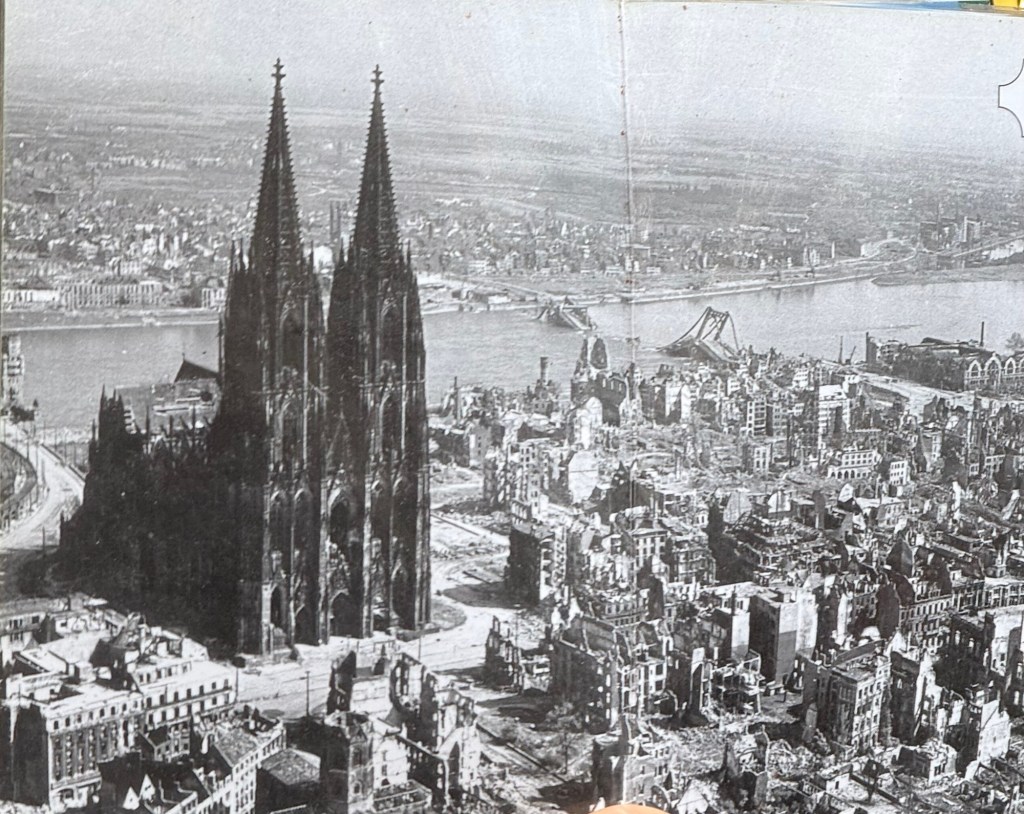
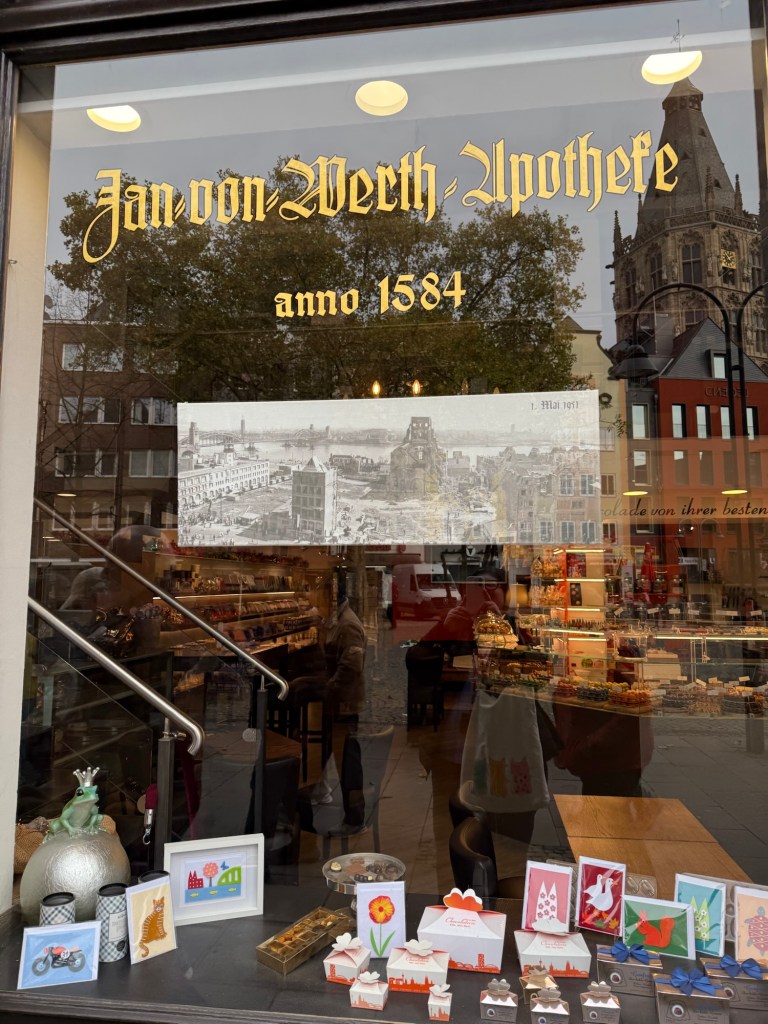
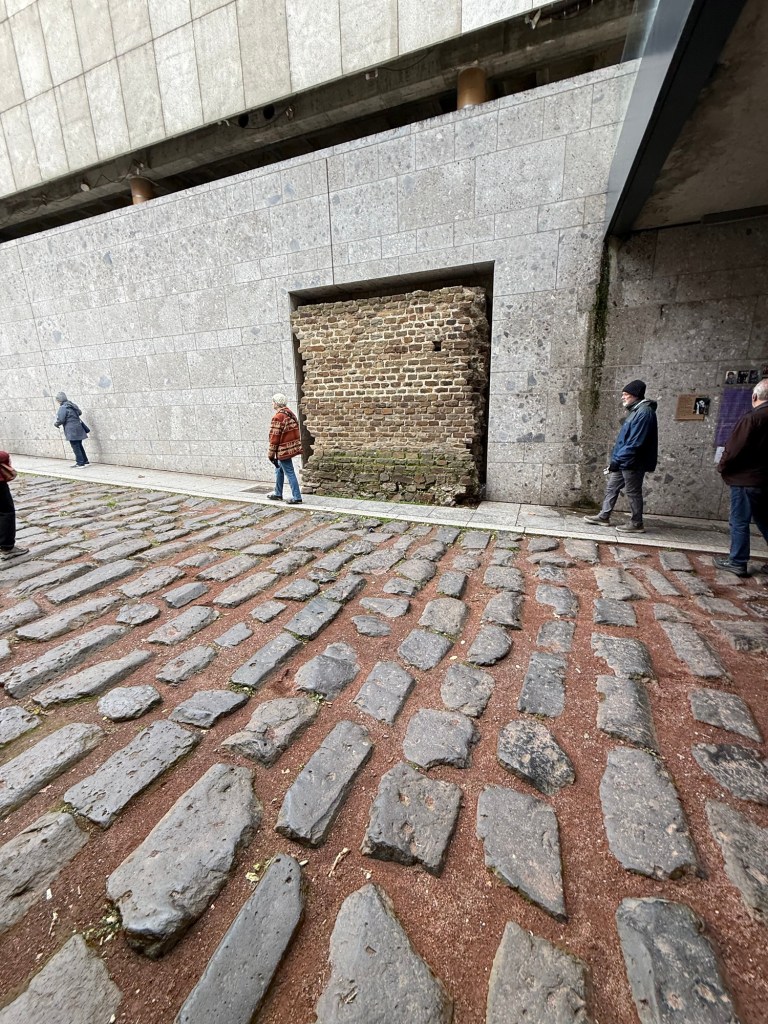
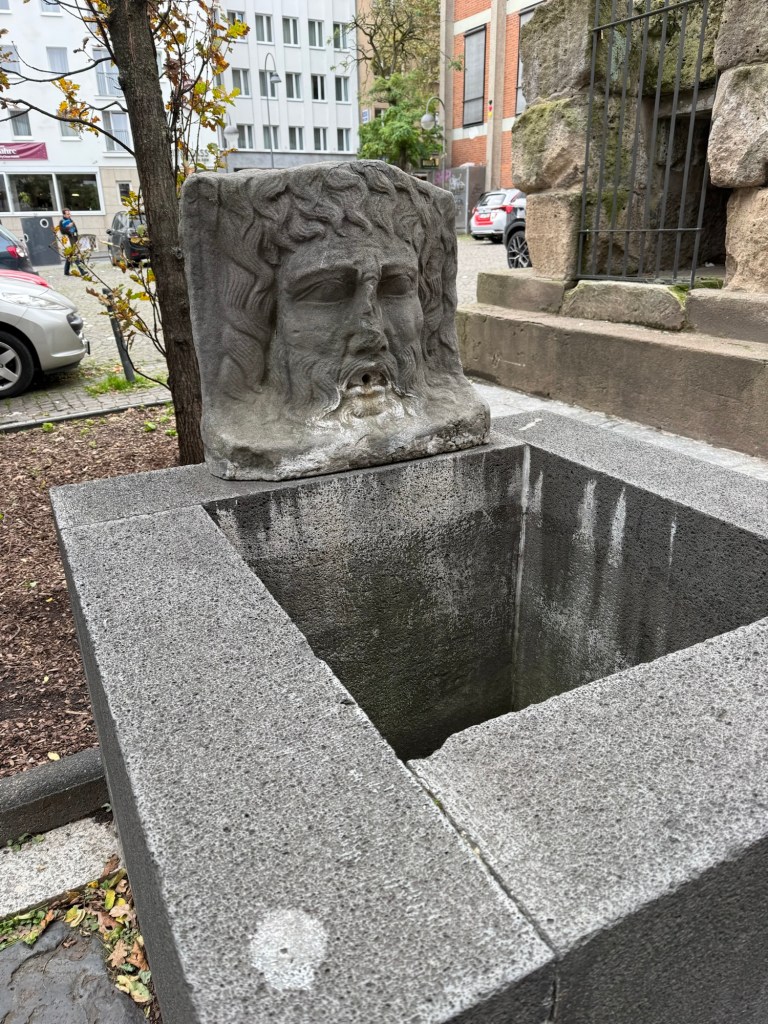
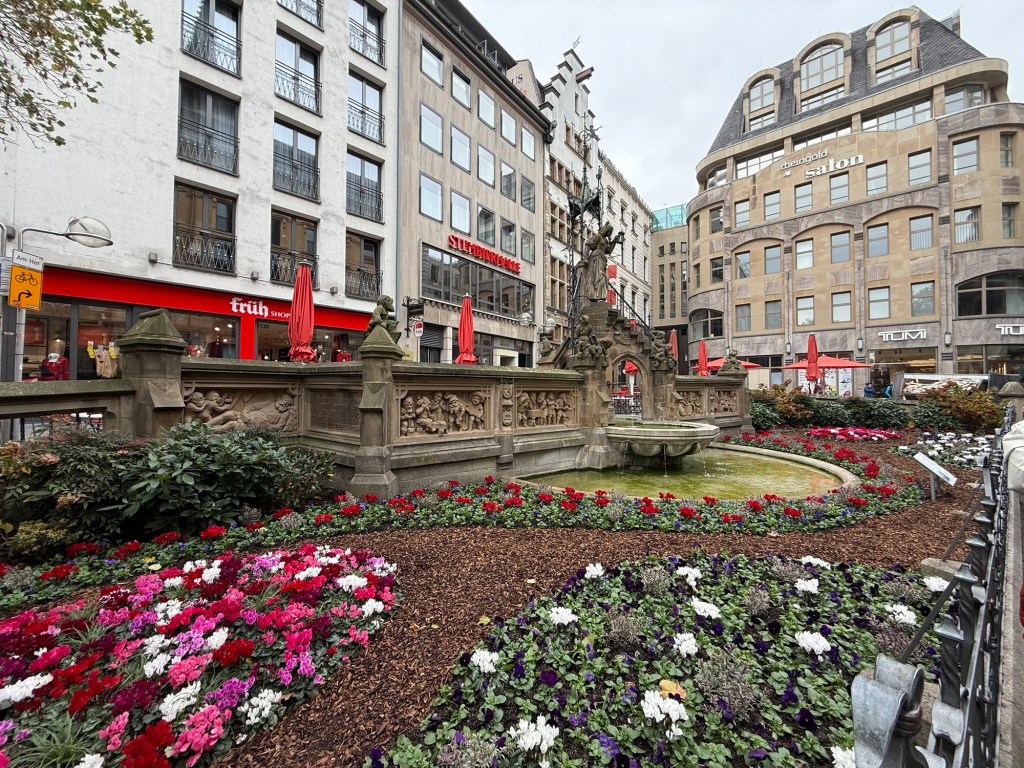
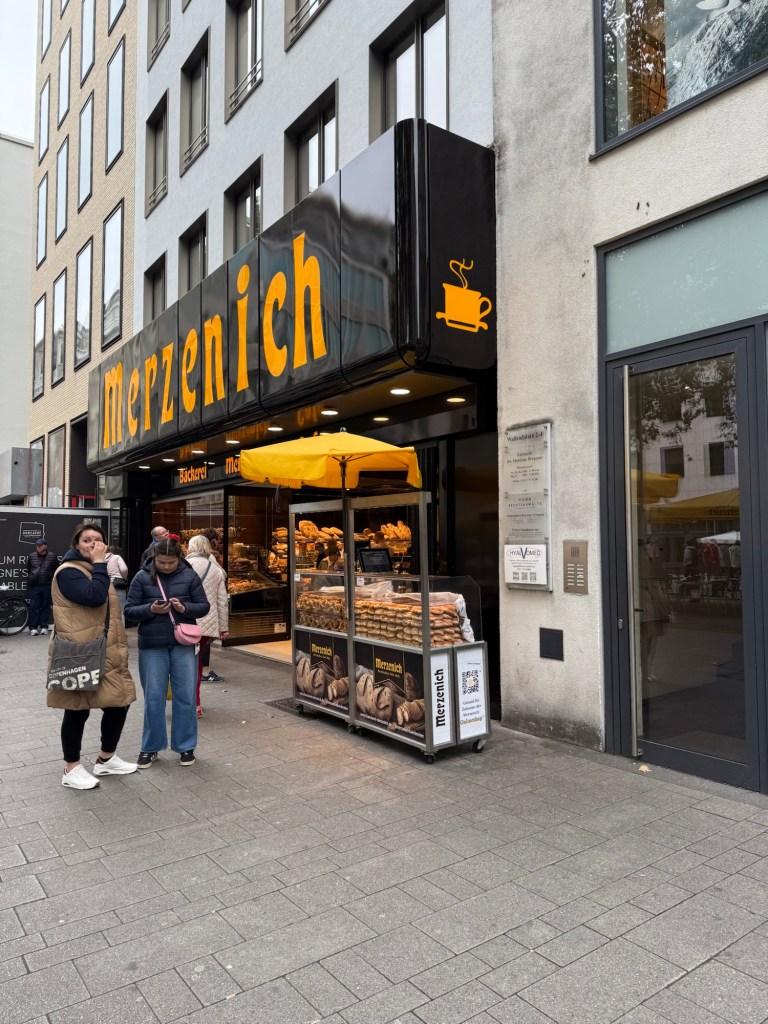
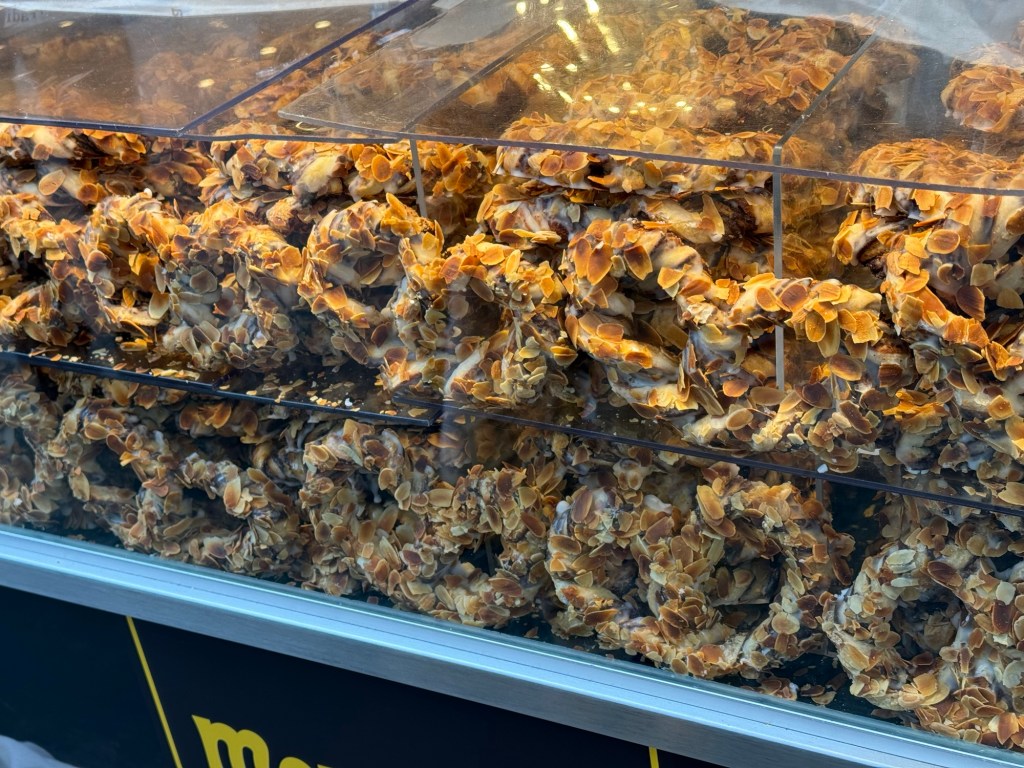
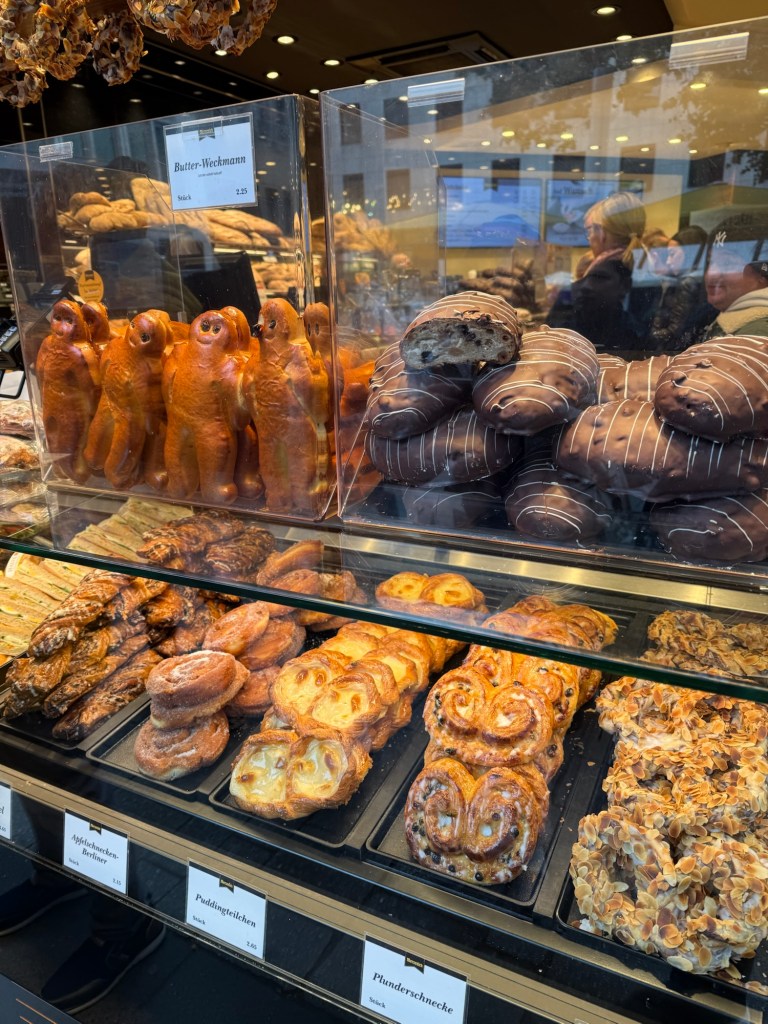
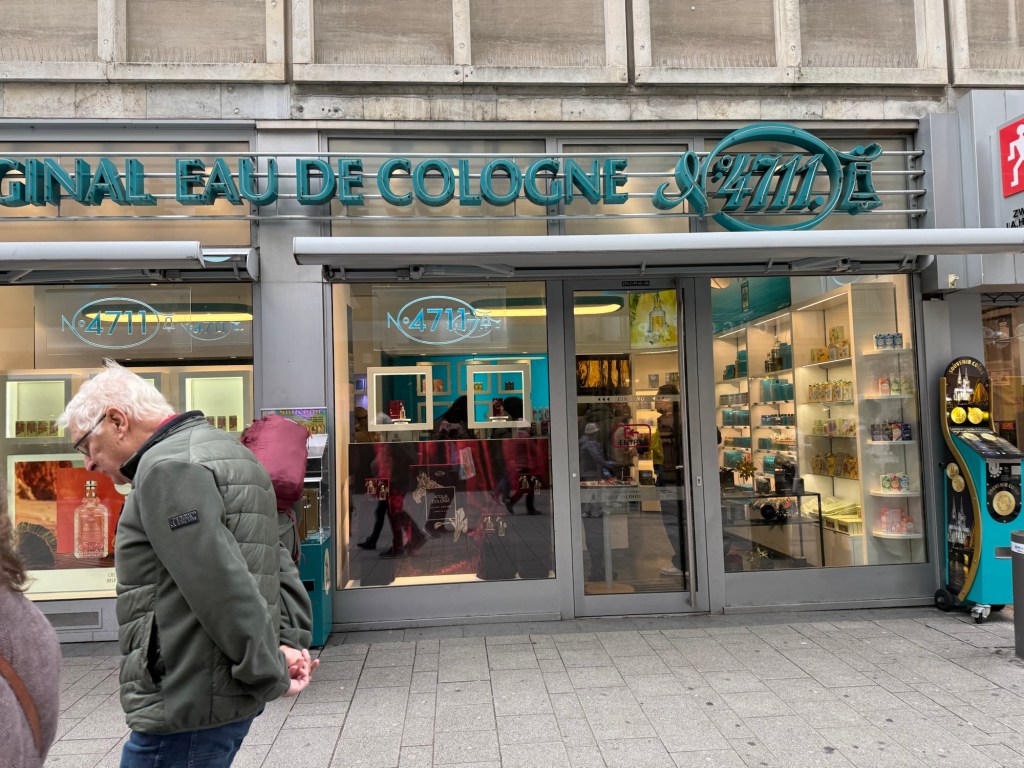
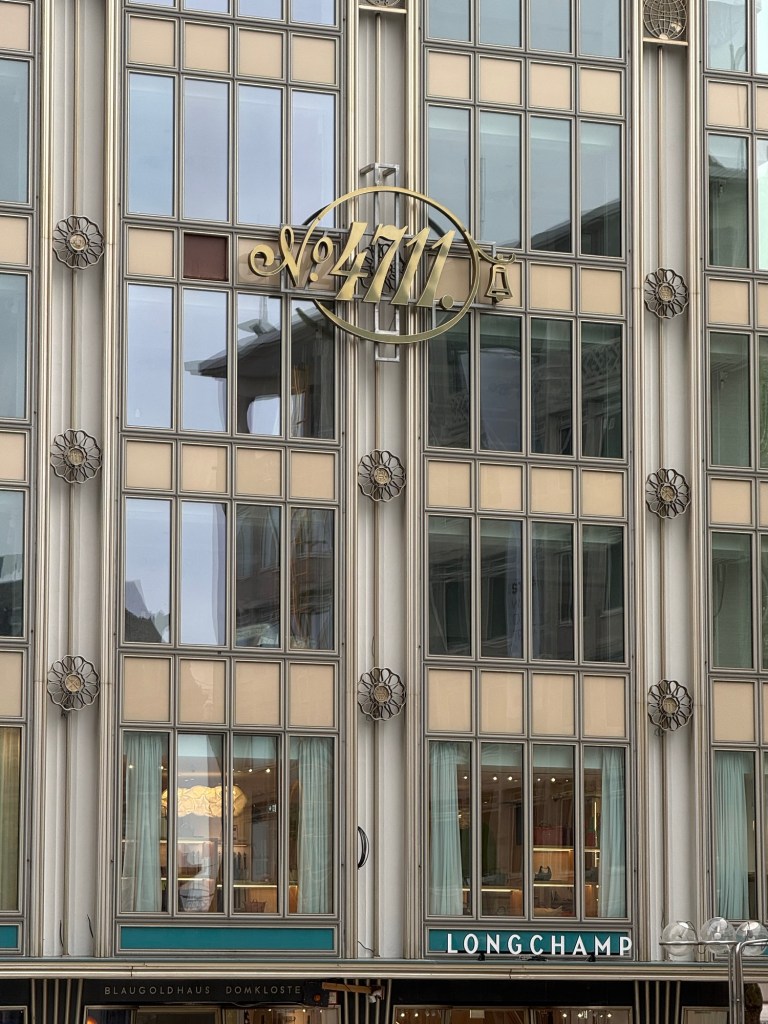
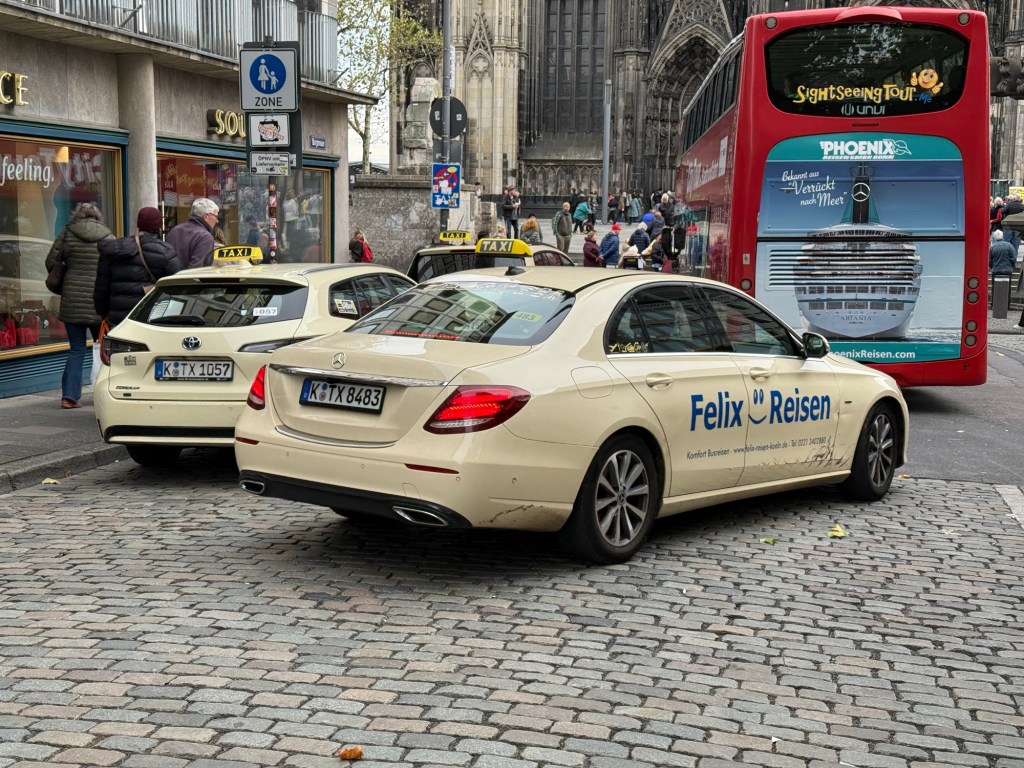
Sunrise in Cologne Sunrise in Cologne Entrance to Cologne from Our ShipCologne Church Restaurants Facing the Waterfront Older Housing That Survived WWIIGraffiti Is Everywhere In Austria & Germany Einstein’s PubCity Hall Where the Locals MaryAnother View of City Hall Fountain Near City Hall View of the city square near city hall Fun Tree in the Main Shopping Area Cologne Post WWIIA Display By a Business That Survived WWII Bombing Roman Part of TownRhinus Pater – Roman God the Rhine is Named After Part of Roman Sewer System Cologne Cathedral Pretty fountain area near the main shopping center Local Pretzel ShopCologne Specialty Pretzels Goodies At the Pretzel Shop The Original 4711All the Taxi Cabs Are MercedesThe Lindt Chocolate Museum The Lindt Chocolate Museum The Lindt Chocolate Museum The Lindt Gift Shop The Lindt Gift Shop The Lindt Gift Shop
I wasn’t sure what to expect from Cologne Germany. First, the city experienced 95% destruction during WWII. Fortunately, the cathedral was the first of its kind – built with steel reinforcement so most of it survived. Overall, the city is a mixture of old and new. Some of the modern architecture is spectacular but other buildings, such as city hall, are really ugly and depressing.
Our tour guide explained that Cologne is more about a certain attitude. The locals appreciate being social and enjoying life much more than the more serious Berliners. Cologne natives, apparently, talk to everyone and are less reserved than other Germans. Consequently, bars in Cologne are much more likely to be filled with people chatting versus loud music drowning everyone out. At night, I did notice a few bars aimed at a younger crowd with blaring music.
The city seemed very safe. Our evening tour guide, for our pub crawl, confirmed my impression of Cologne. It is also a very walkable city with lots to explore as you walk. I actually got in almost 17,000 steps in one day of touring Cologne.
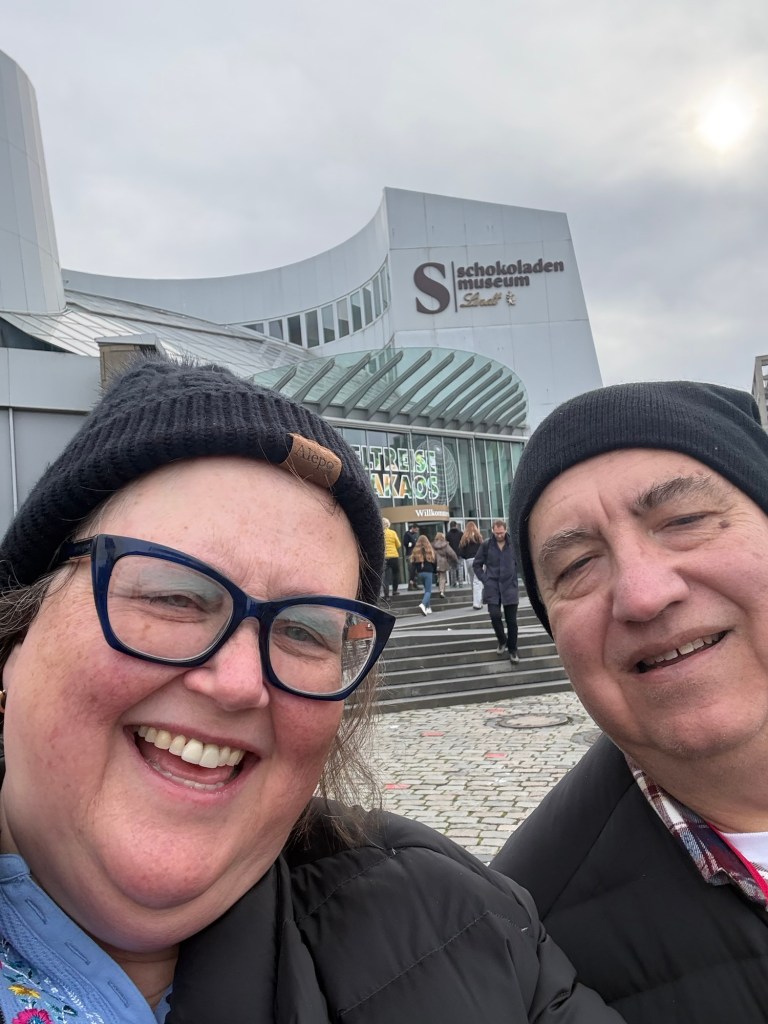
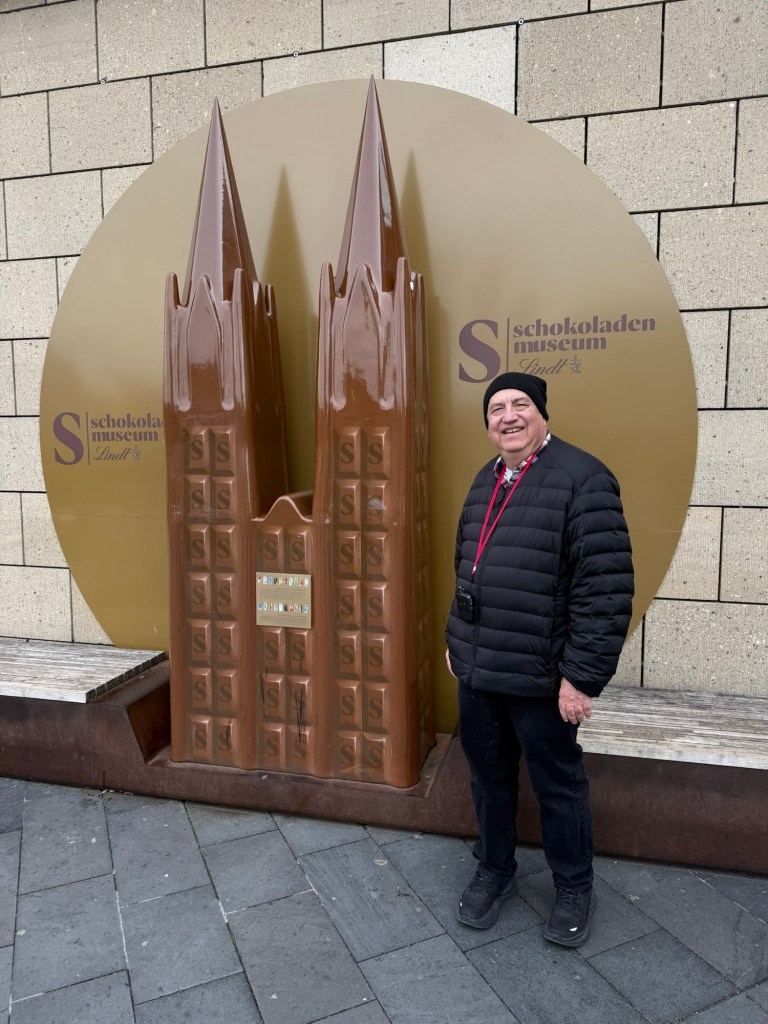
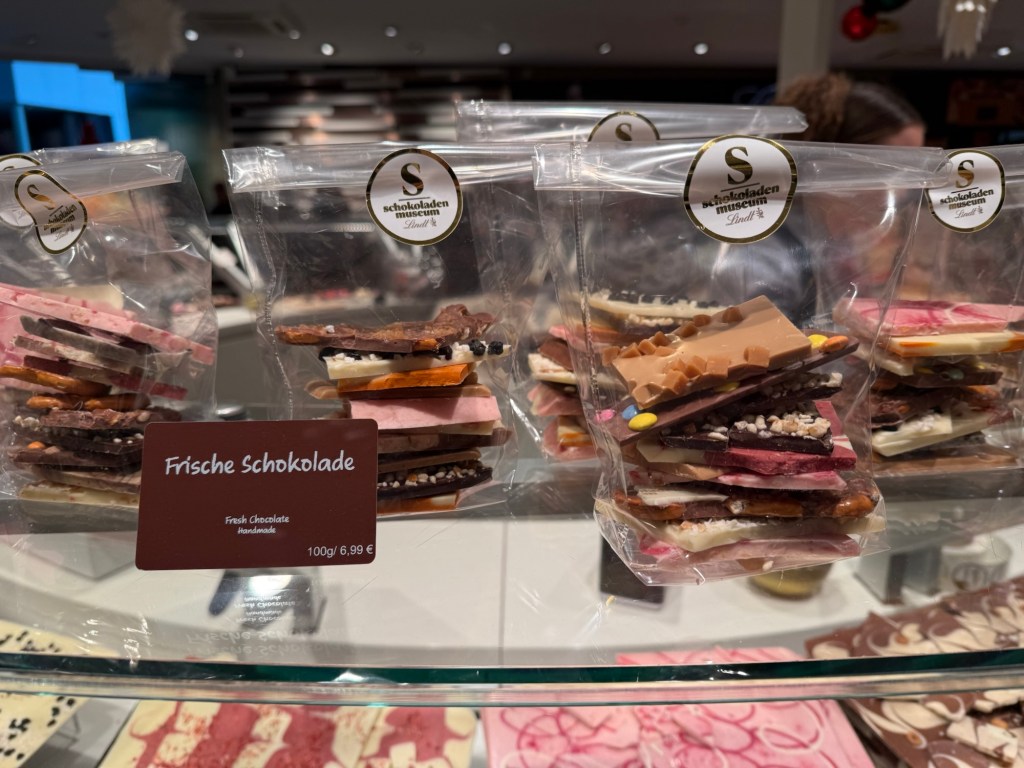
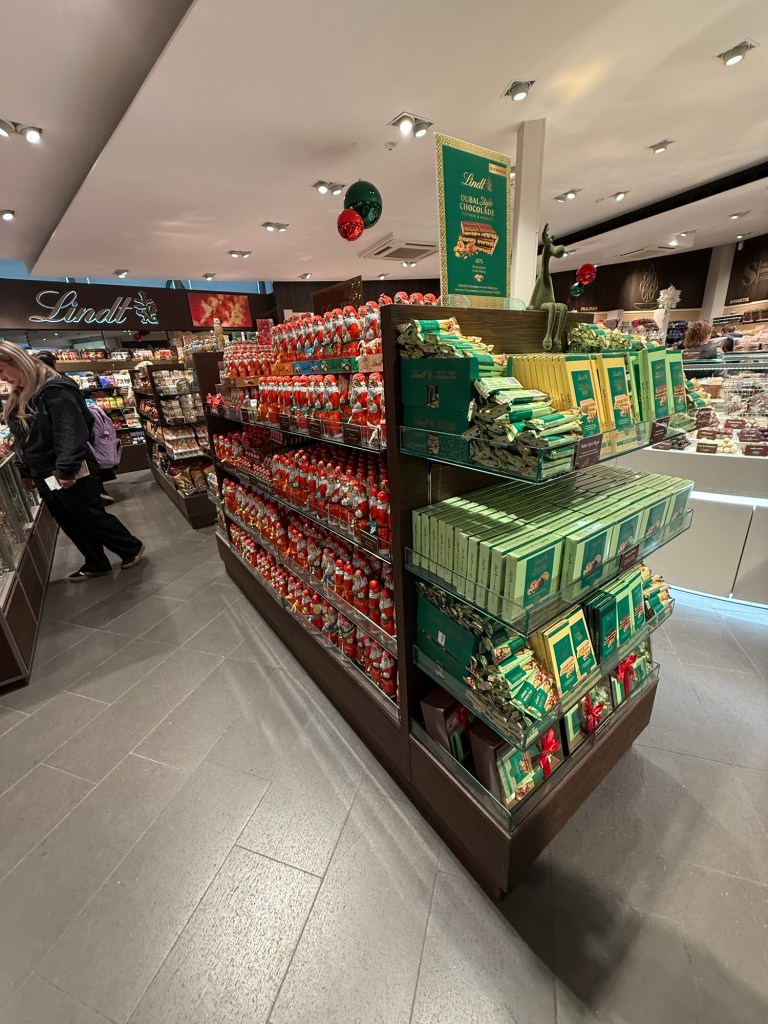
The city has a Lindt Chocolate Museum that is worth visiting. We found the gift shop to be almost overwhelming. My husband and I saw items that we never see at home in the U.S.
We did take a brief break from the city to visit the hunting lodge and Bruhl Palace. Both were impressive. When Bonn was the capital of West Germany, the government used the palace to entertain top visiting dignitaries such as Queen Elizabeth and Ronald Reagan. Both structures are impressive. Interestingly, both interiors incorporate the most beautiful Dutch blue and white tiles on the walls.
If given the opportunity, I would like to return to Cologne to spend a few more days. Our tour guide noted that the London Times describes the Cologne Christmas Markets as the best in the country. I see a December trip in my future!
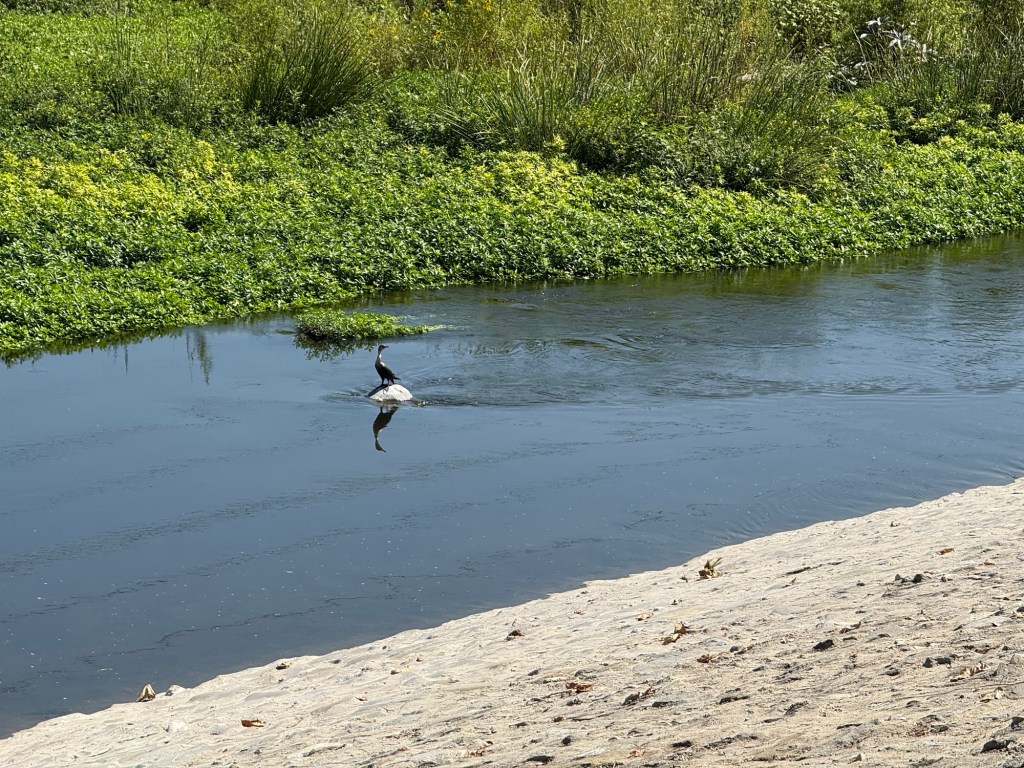
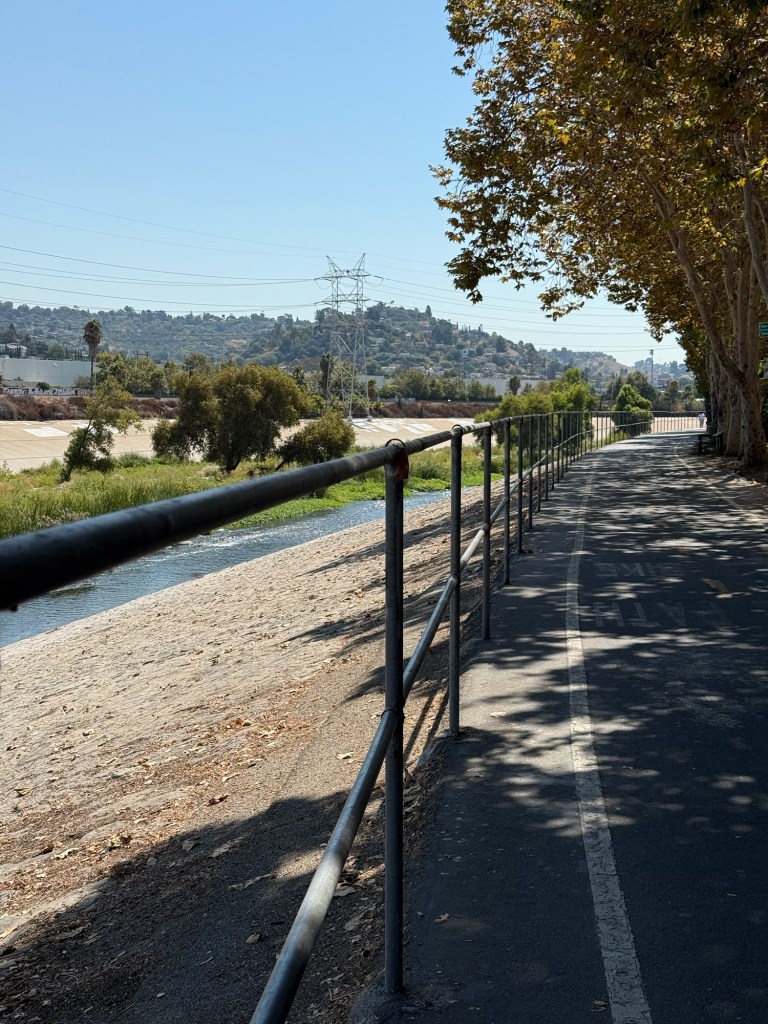
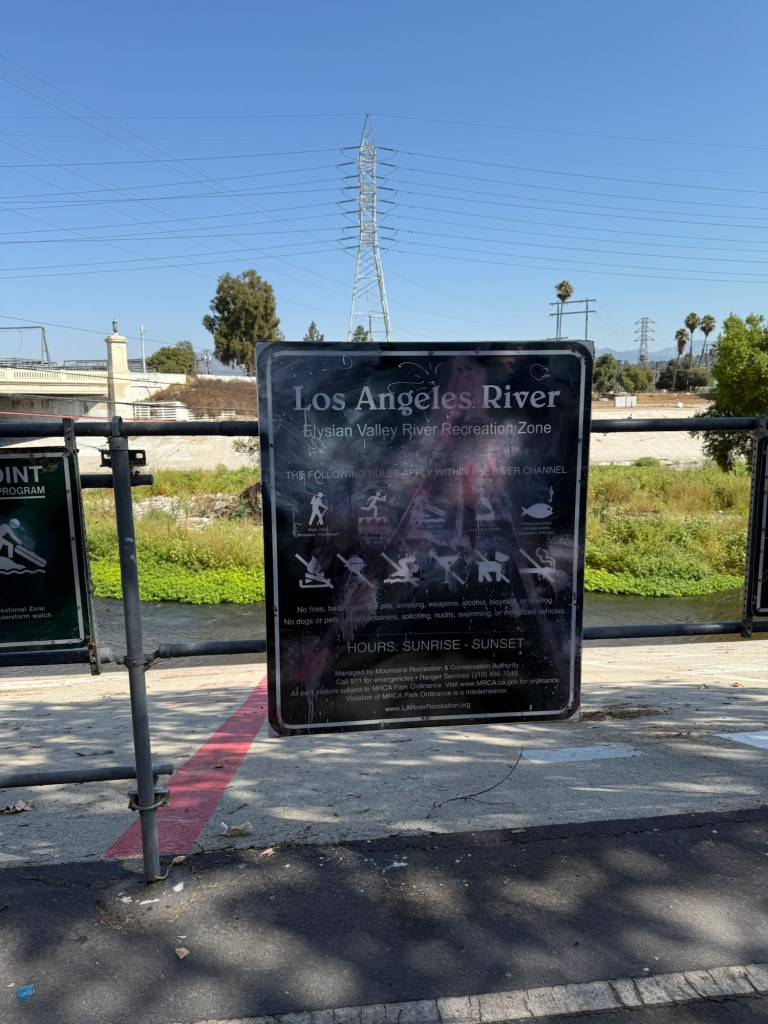
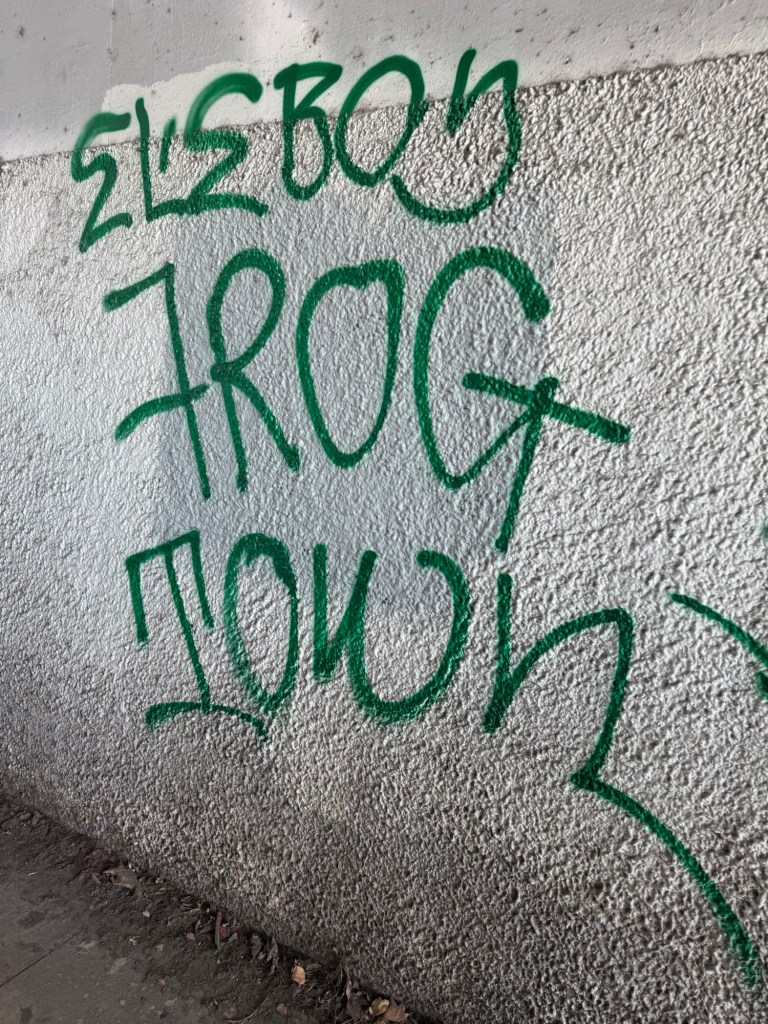
Over the years, I have heard so much about Frogtown and the Los Angeles River. Recently, my husband and I opted to sign up for one of the Los Angeles Conservancy’s tours of the area – also known as the Elysian Valley. The tour of the area was done in partnership with Friends of the Los Angeles River. Our tour met at the Lewis MacAdams Park, named after the founder of the Friends of the Los Angeles River. MacAdams, who passed away in 2020, was a huge advocate for restoring the river to a more natural state. The park and surrounding area has been designated a protected butterfly habitat with lots of milkweed planted to encourage butterfly activity. Consequently, beautiful butterflies are everywhere within the park and nearby homes.
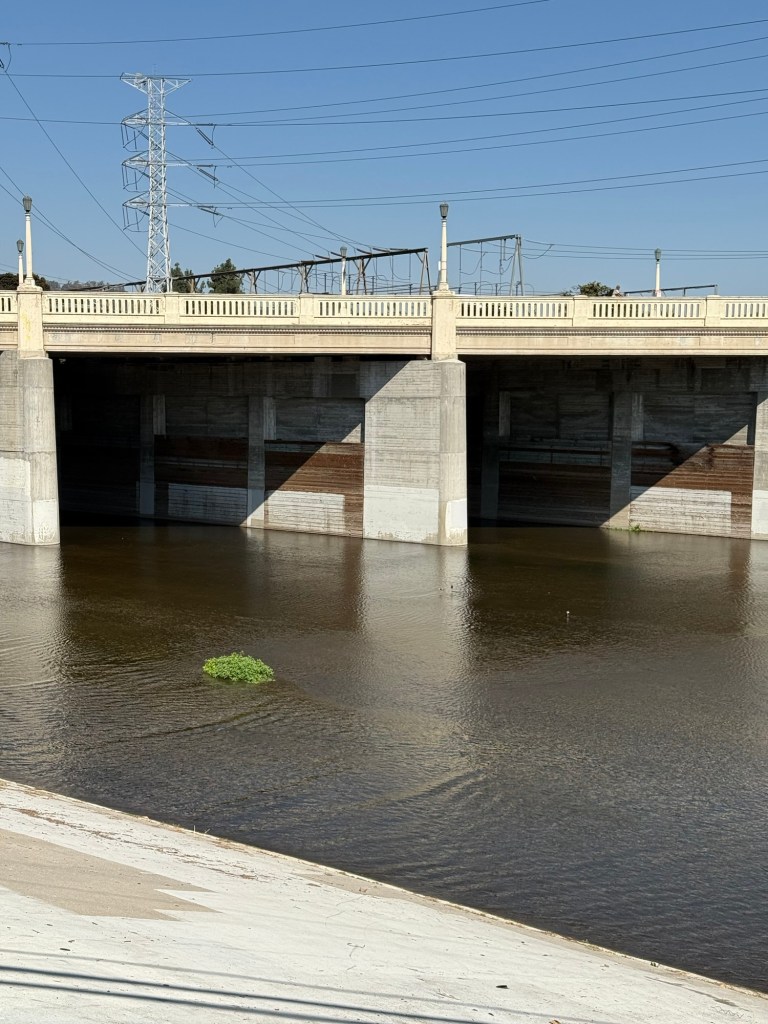
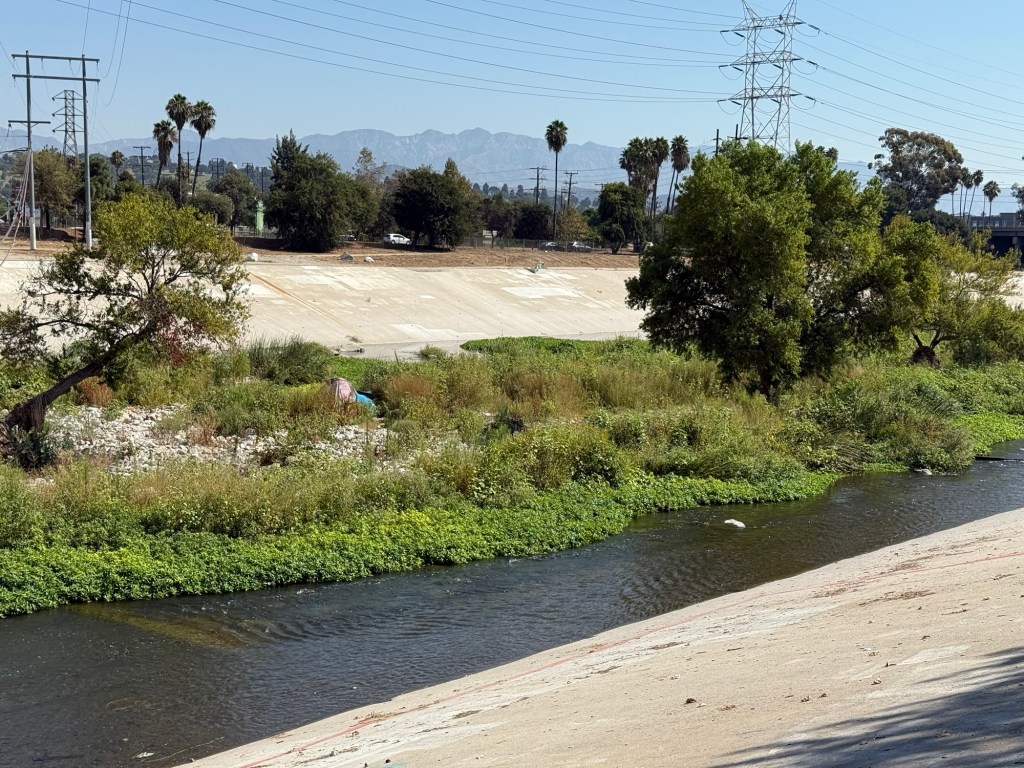
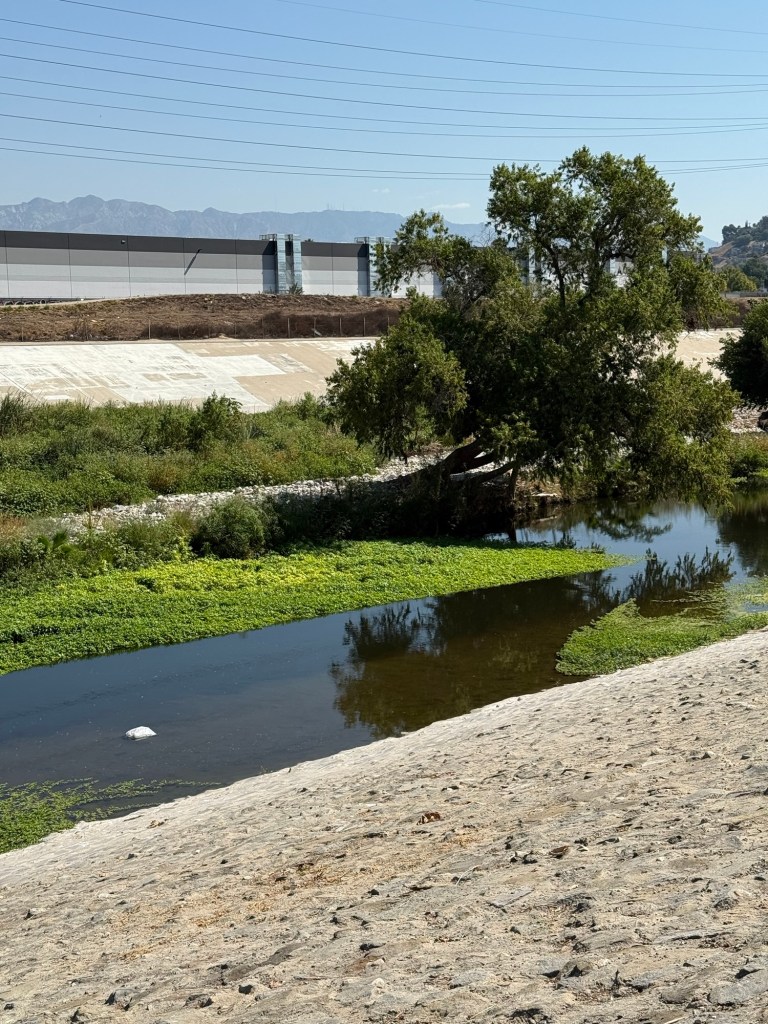
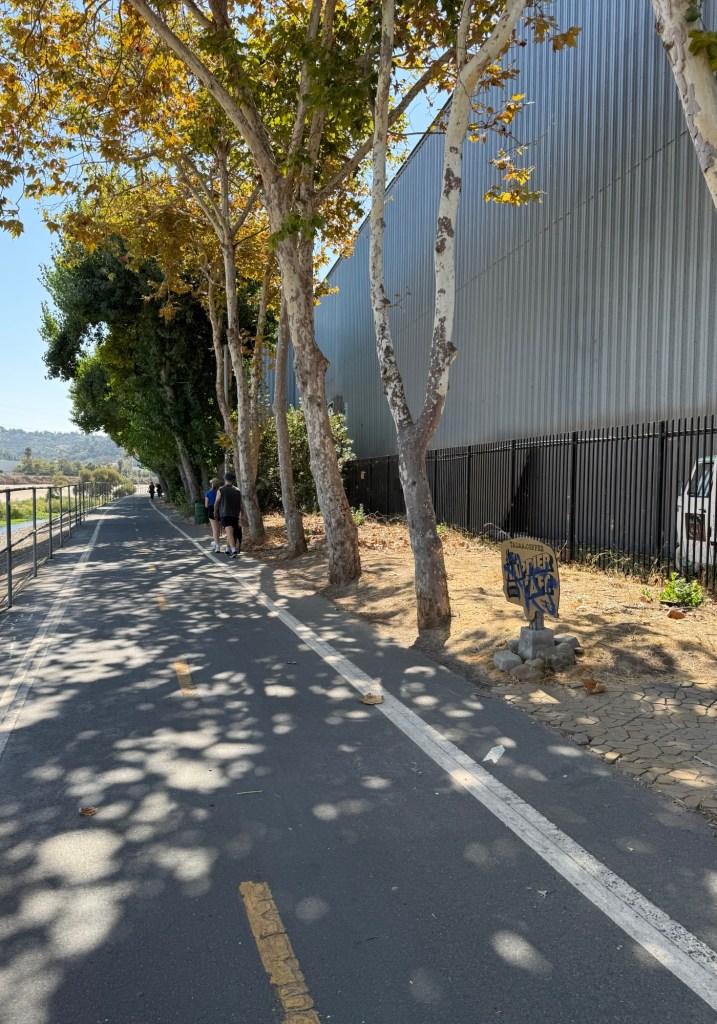
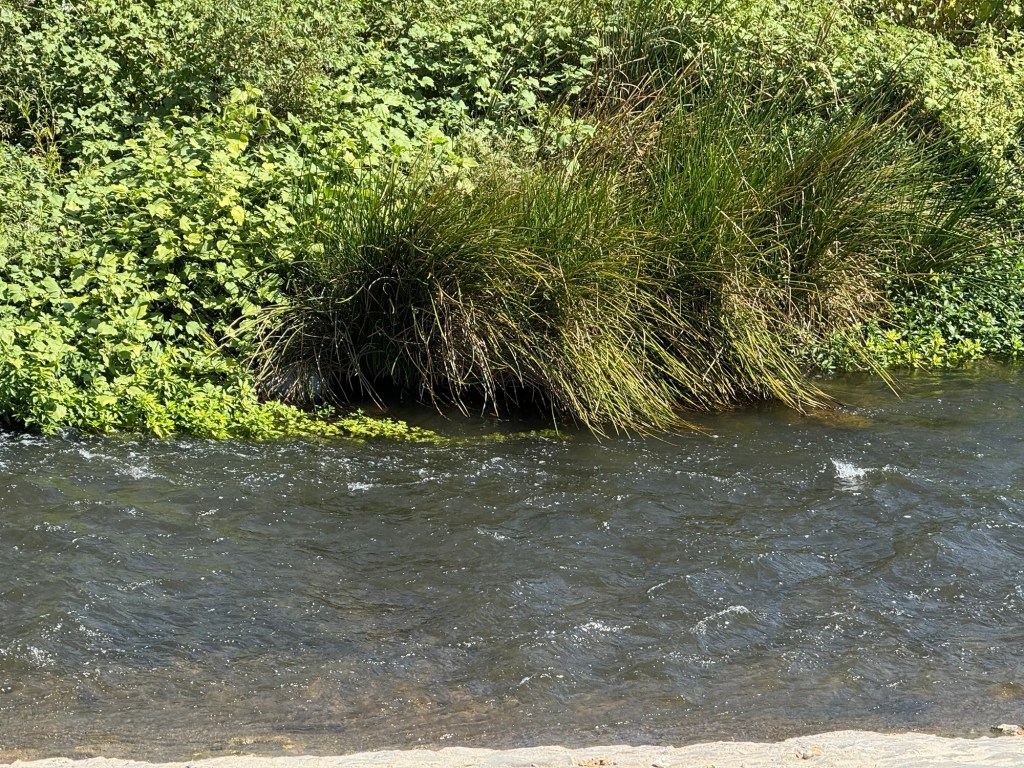
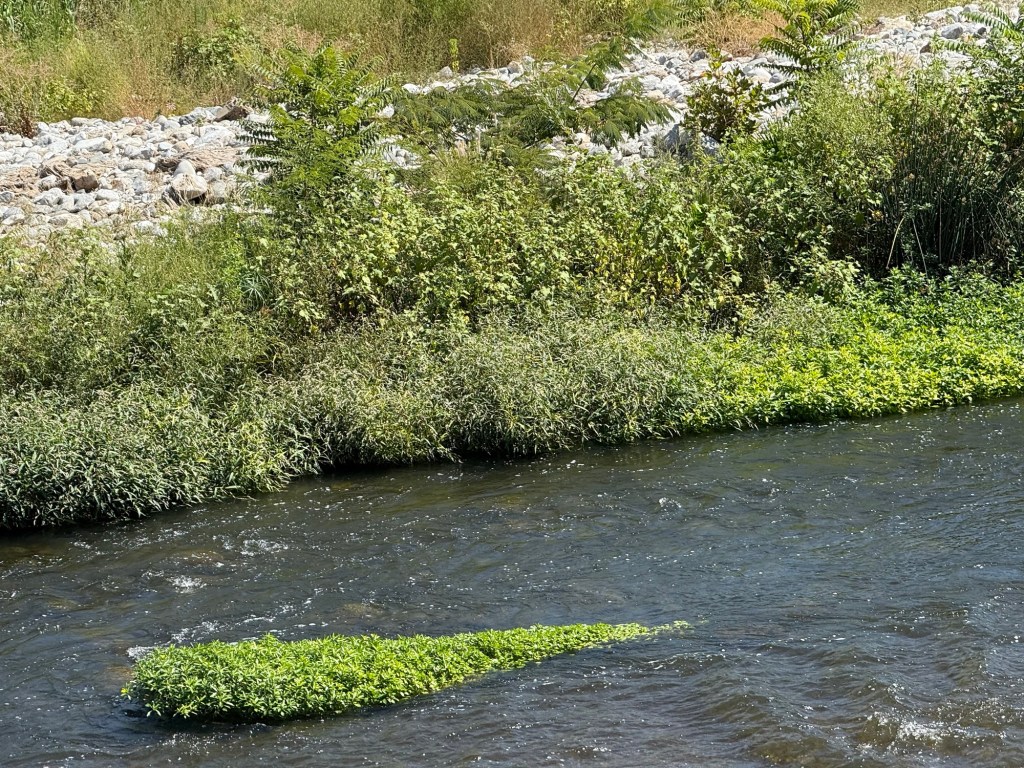
After a massive flood in 1938, the Army Corps of Engineers created a 51-mile waterway encased in concrete to prevent future devastating floods. The area we visited is one of the few areas with a dirt basin. A nice walkway with a bike lane, adjacent to the park, has been built. We were warned in advance about speeding cyclists and the warnings were valid. We stayed on the far left side closest to the river and managed to avoid a collision with a few Lance Armstrong wannabes. Future plans include new parks, recreational areas and restored habitat areas for wildlife. Unfortunately, the plans are moving at a snail’s pace due to conflicting goals and concerns from the multiple government agencies involved.
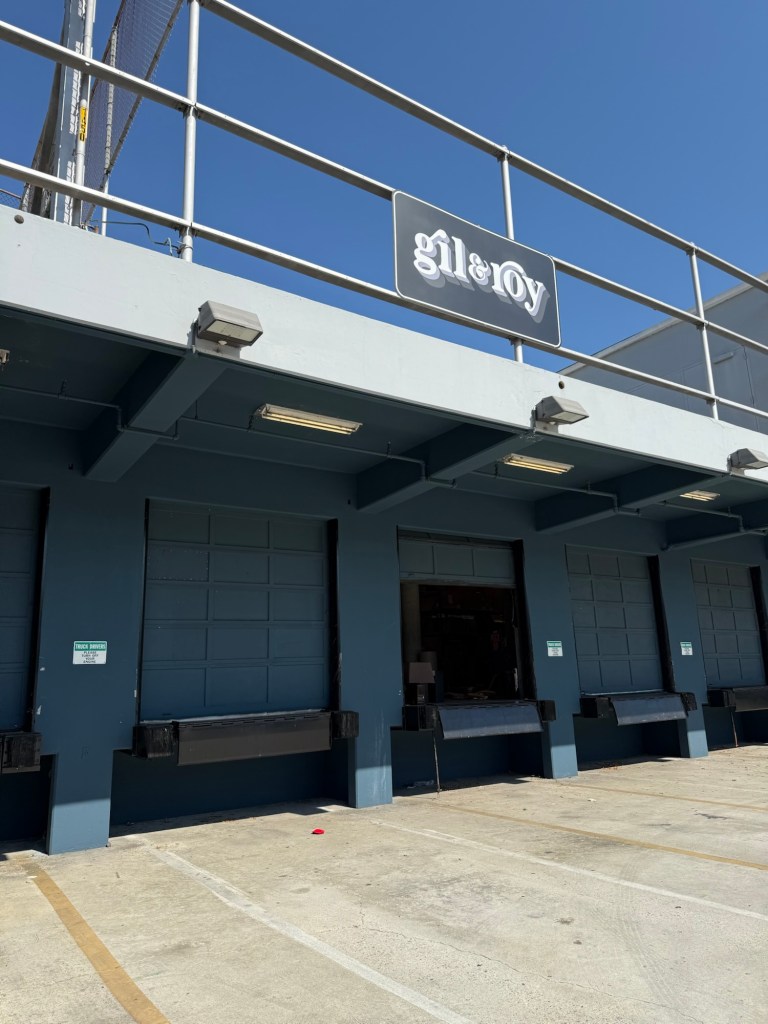
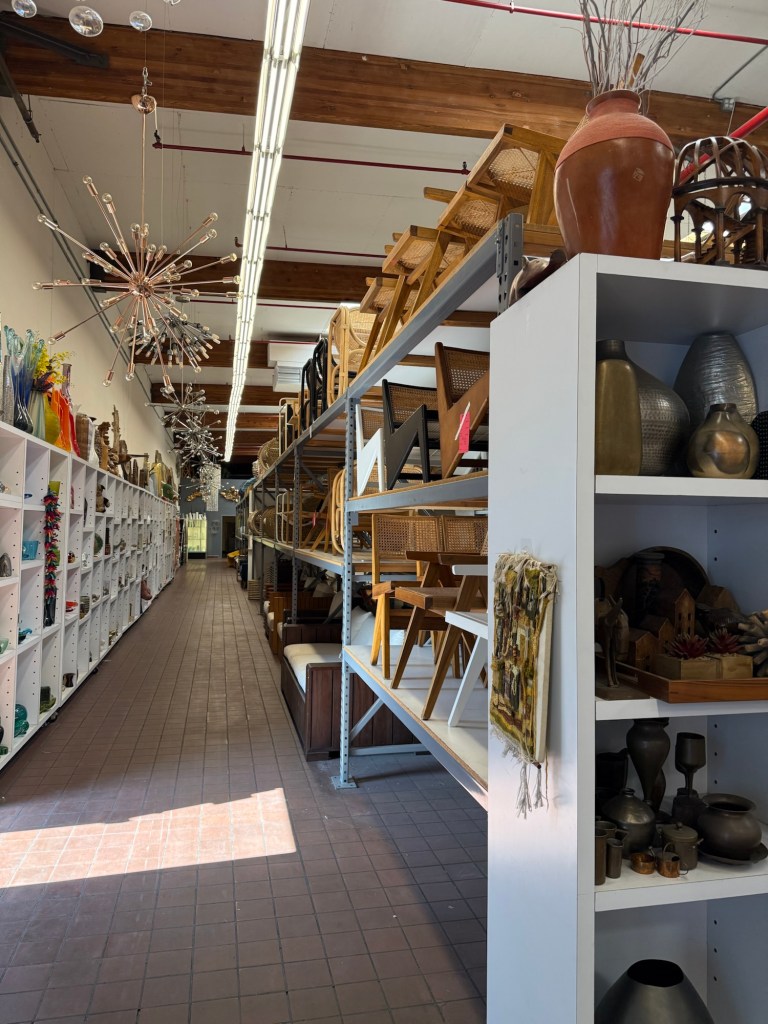
The surrounding area started as a working-class neighborhood of affordable housing near industrial facilities, including the Kruegermann Pickle and Sauerkraut factory and the massive Hostess Bakery facility. The pickle factory site is now a dance studio and the bread factory is now an amazing film industry prop house. As part of our tour, we spent some time exploring the prop house. The place has furniture, lighting and dishes from every decade. Based on the hold tickets I saw, every major studio is renting items from this place.
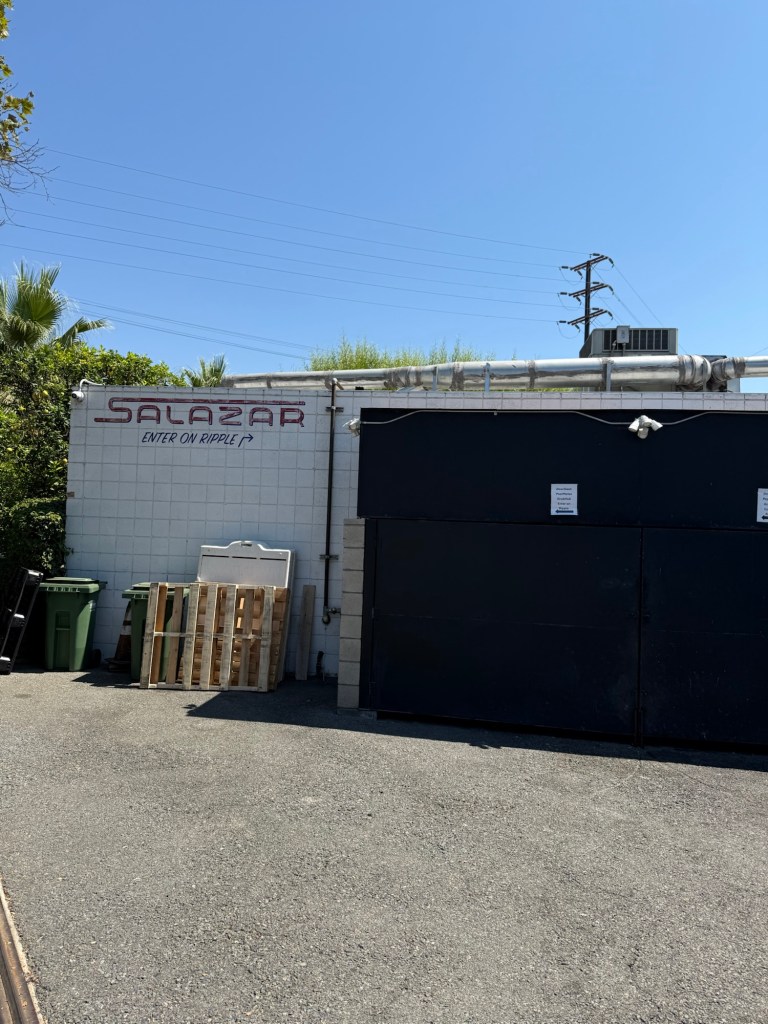
In addition, a nearby automotive repair shop called Salazar’s is now Salazar’s Mexican BBQ restaurant. Our tour guide mentioned this restaurant and we met a friend there for lunch. The food and atmosphere were amazing. Salazar’s serves a delicious salsa made with tomatoes that they roast on the grill. The tres leche cake was phenomenal, too. Our waiter was an actor originally from Argentina. Apparently, he grew up primarily eating Italian food in Argentina and was relatively new to Mexican cuisine. He and the rest of the crew were incredibly welcoming.
The neighborhood dates back to the late 1800 and the streets are extremely narrow. Parking is limited with street parking at a premium. With all the cars parked on both sides of the streets, the remaining street space is too narrow for cars to pass going in opposite directions. We found ourselves frequently waiting for a car going in the opposite direction to pass before we could continue driving.
Additional fun business have opened up in the area including Bauer Pottery. I have been buying dishes made by Bauer online and was really excited to have the opportunity to see the company’s showroom.
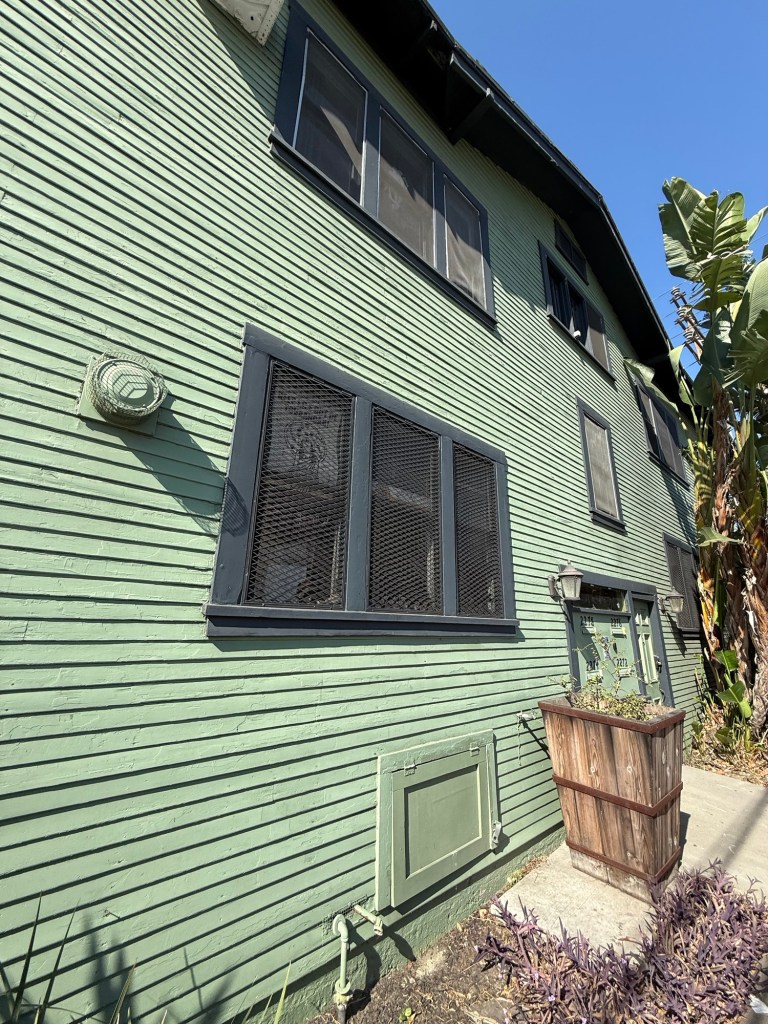
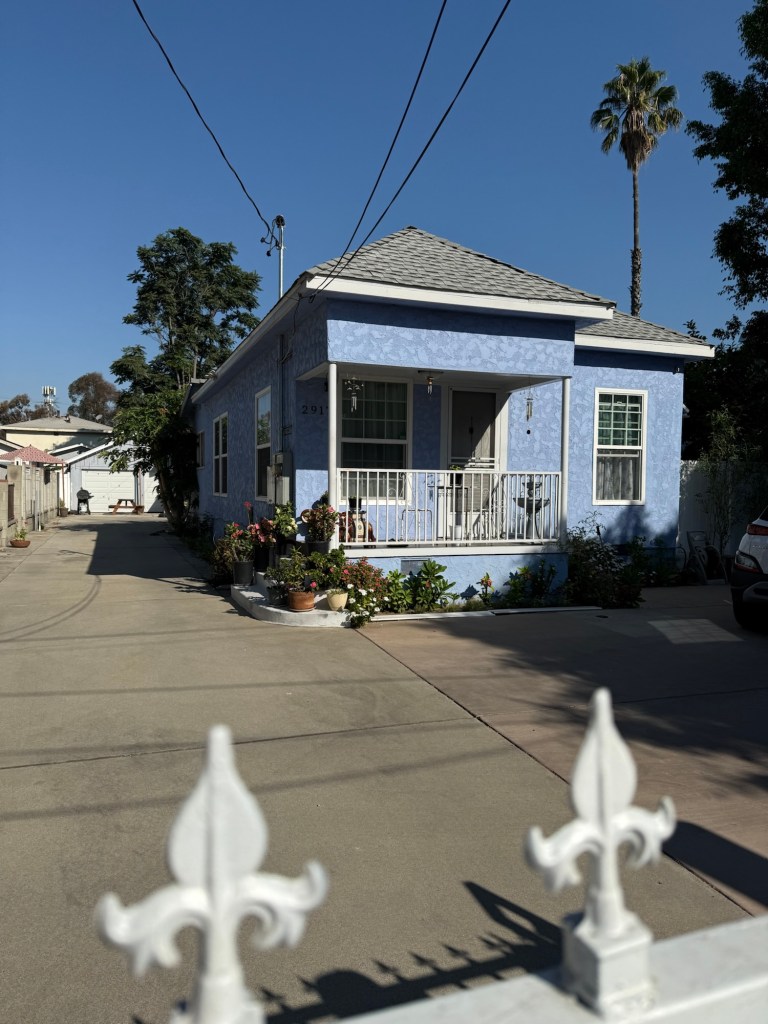
LA River and Bridge LA River LA River LA River Gallery Adjacent to the LA RiverLA River LA RiverLA River Walkway Interior of Bauer Pottery Showroom Salazar’s – Former Automotive Repair Shop and Now Mexican BBQ Restaurant LA River Walkway Former Wonder Bread Bakery – Now a Movie Prop Business Interior of Gil & Roy PropsBoarding House Built in 1917Historic Home Near the River ParkLocal Graffiti at the Freeway Underpass
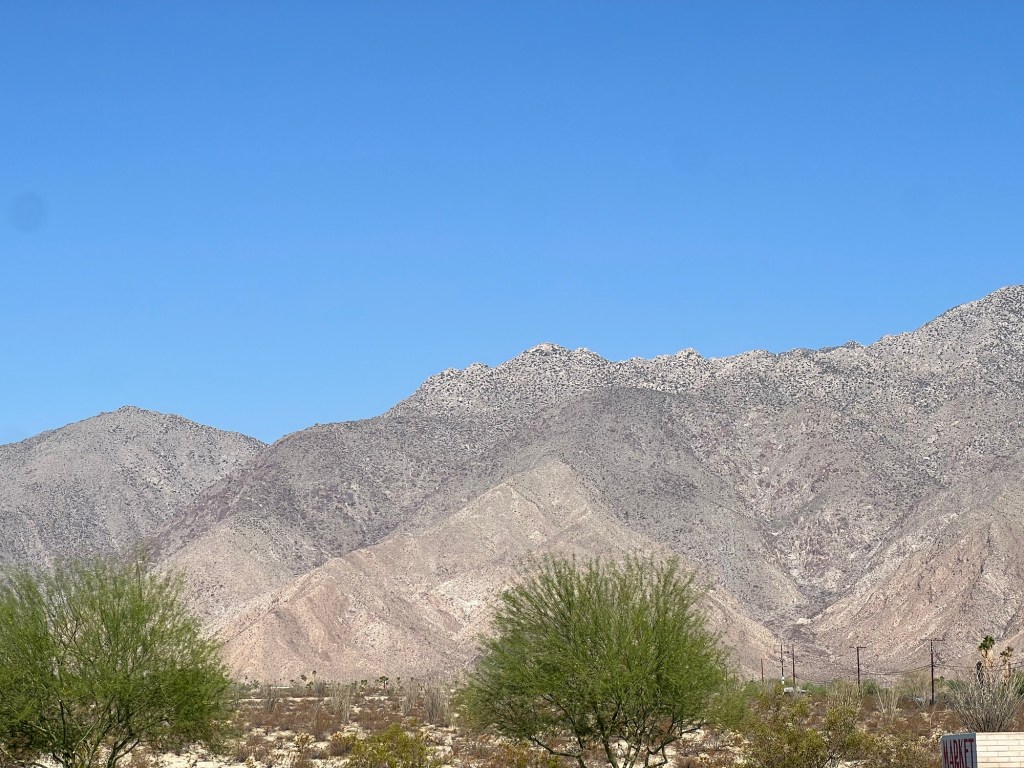
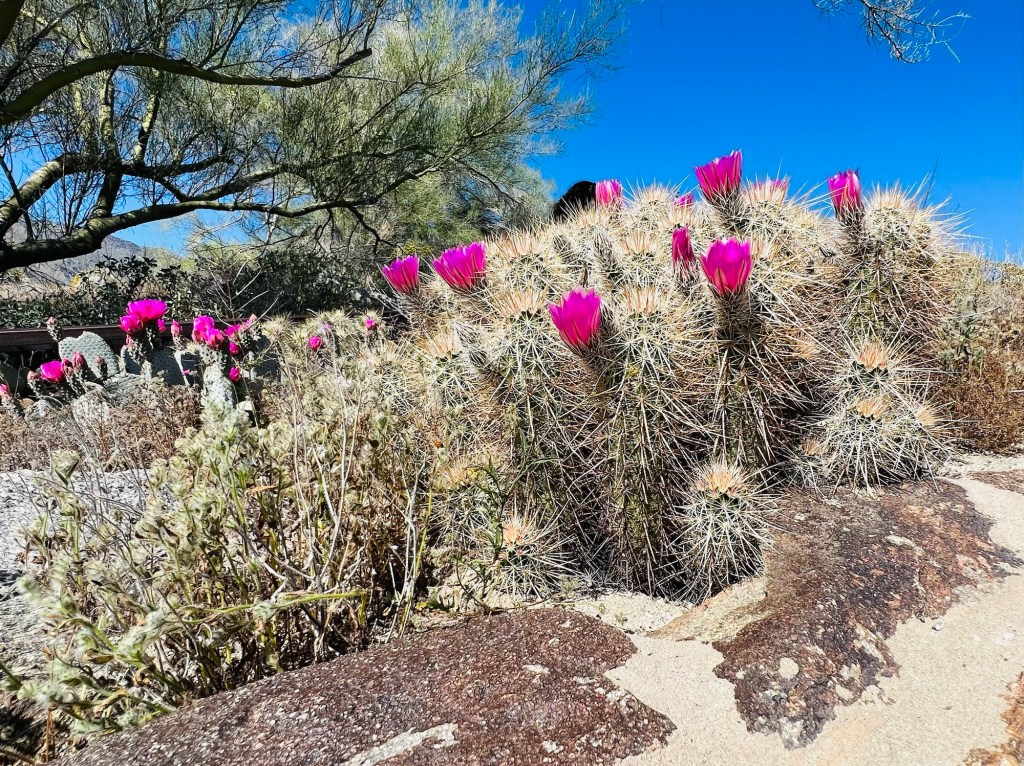
I am fortunate enough to live within two hours of Borrego Springs. Usually, my husband and I visit during the wild flower season in early spring. This year, we opted to visit in late June. Given the heat factor, I was not sure of what to expect. Our visit was a pleasant surprise. This is a place where a large community of artists thrives and I can see why. The natural desert scenery is beautiful. The combination of mountains, plants and colors are inspiring for painters and photographers. Right in downtown is both the Borrego Springs Art Center as well as an performing arts center.
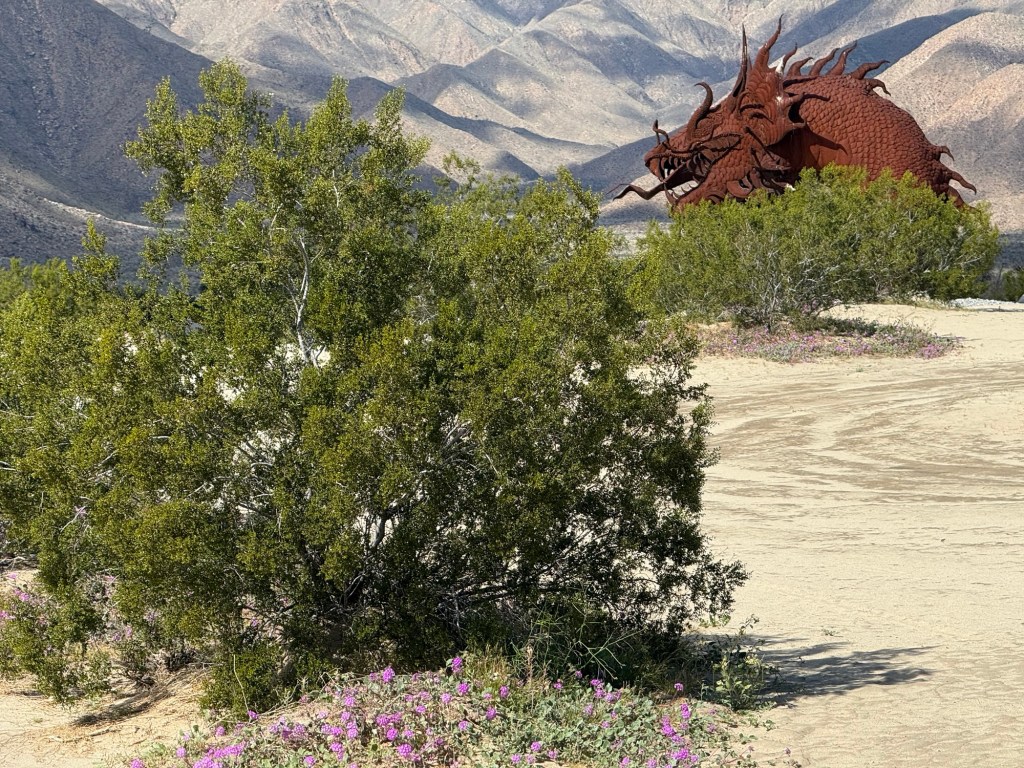
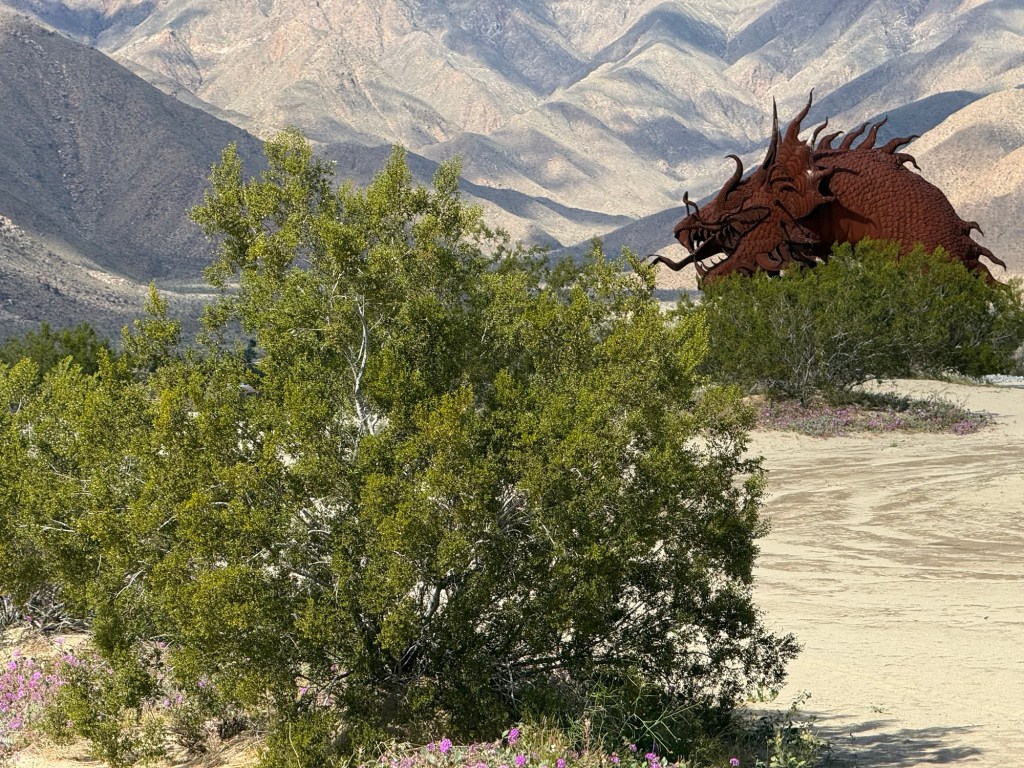
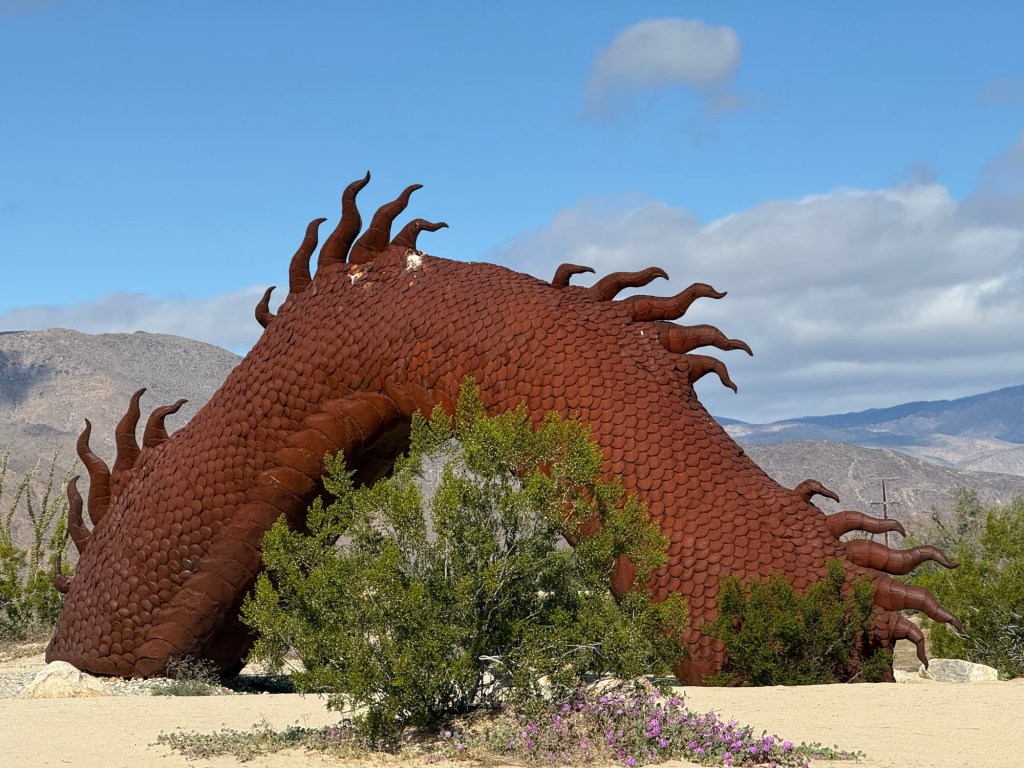
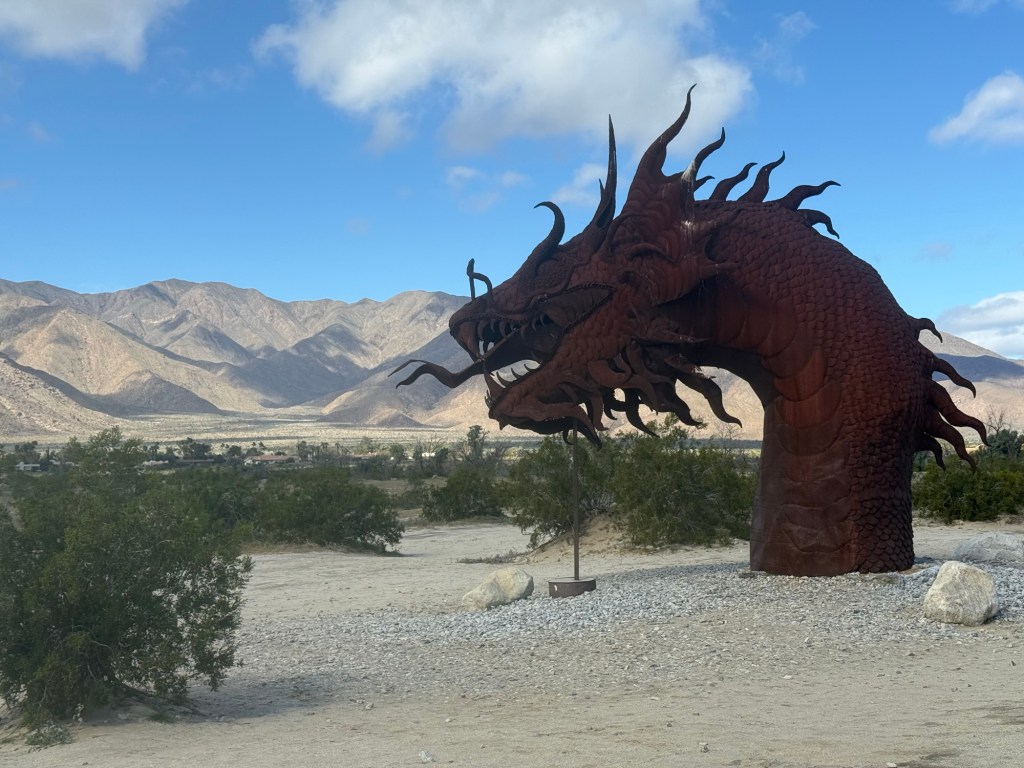
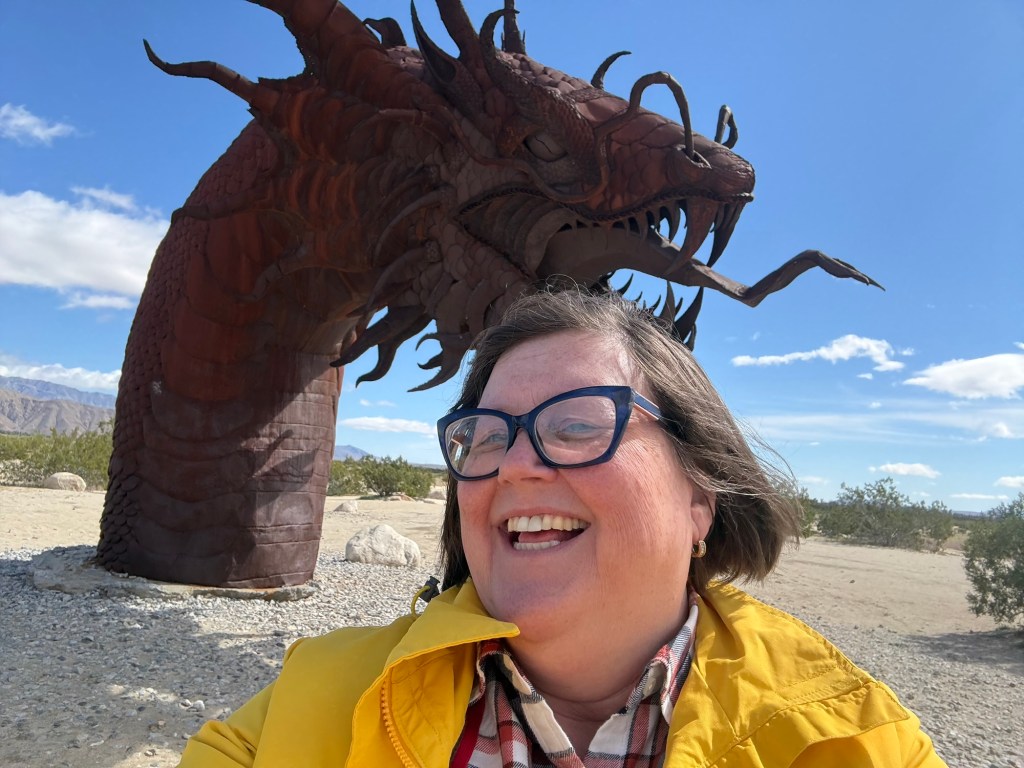
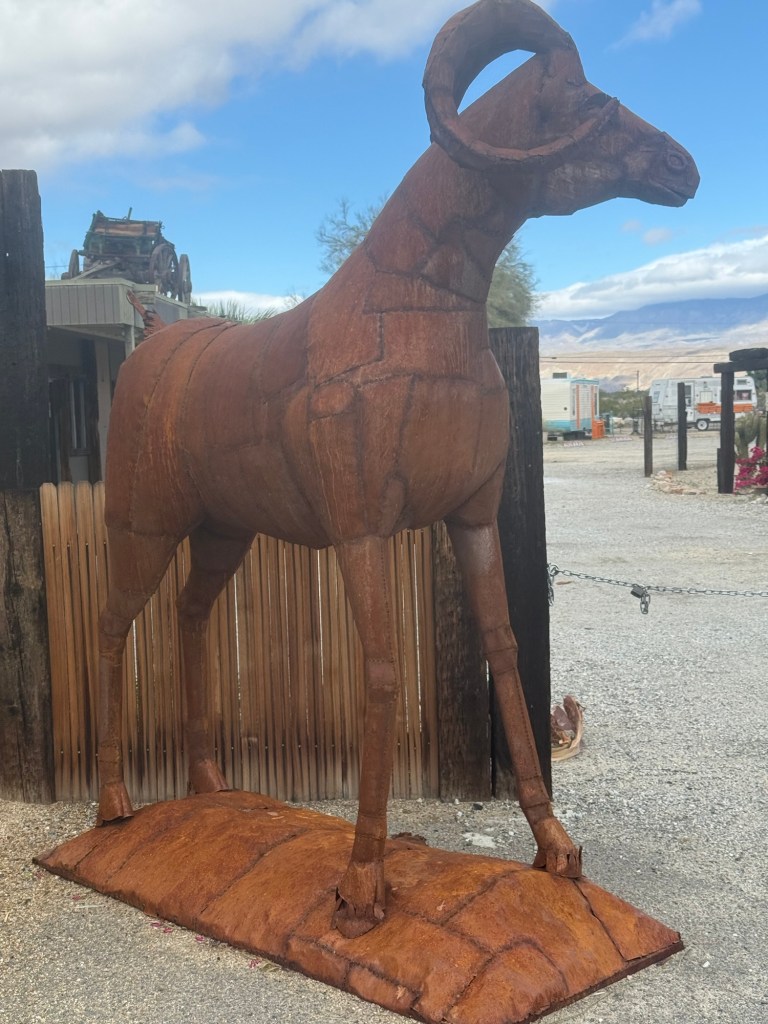
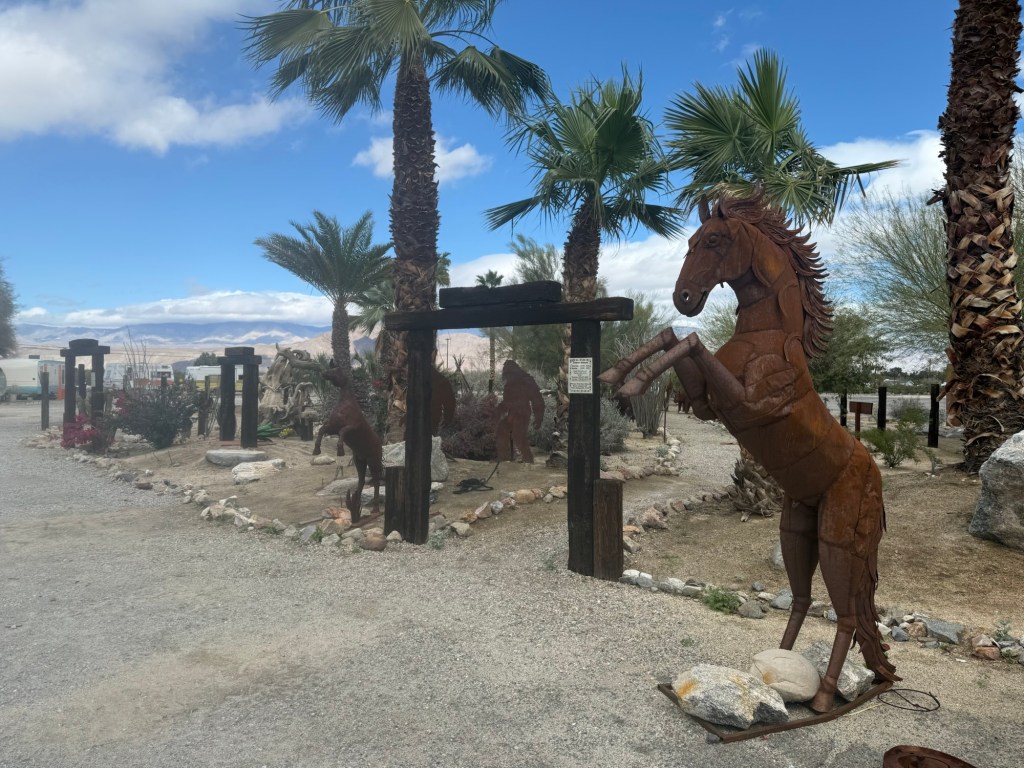
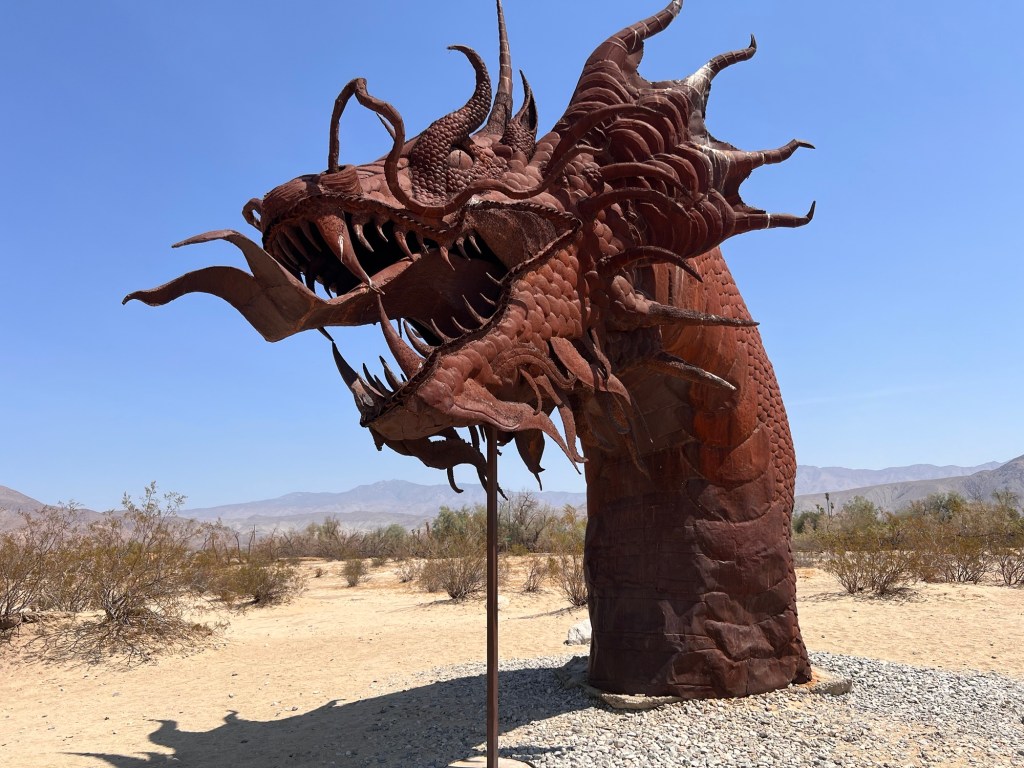
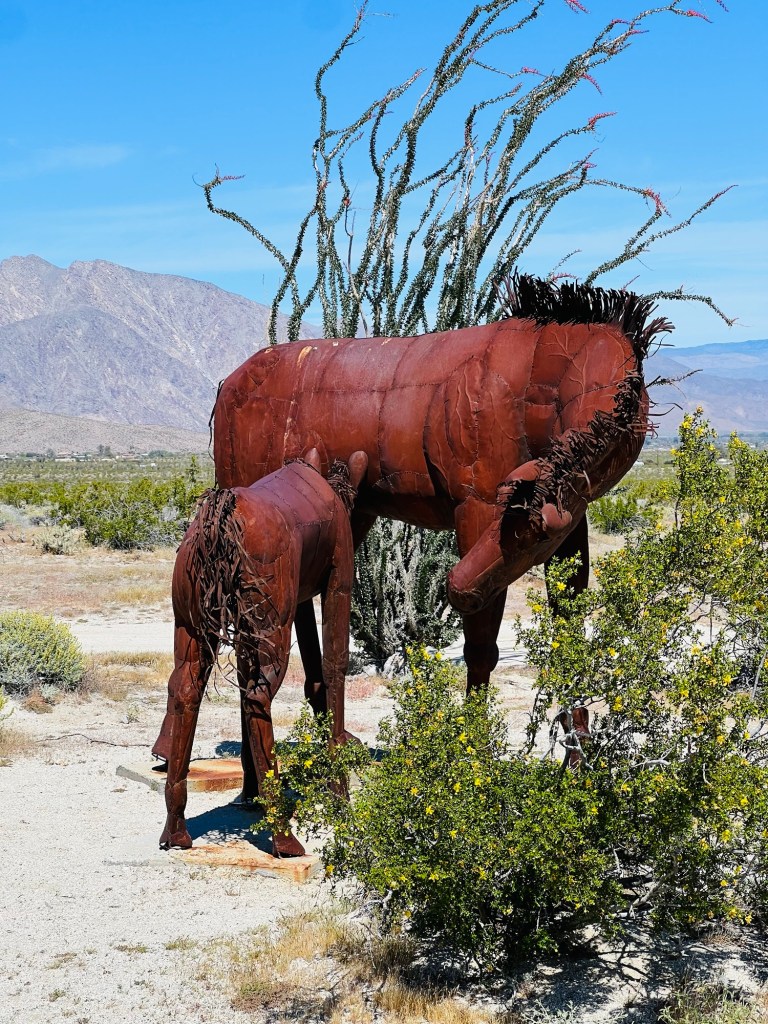
In particular, the larger than life collection of outdoor sculptures is breathtaking. Each visit, I seem to come across sculptures I missed on previous visits. There approximately 130 sculptures, created by Ricardo Breceda, scattered throughout the area. On my most recent visit, I discovered the dragon that appears to emerge from the sand and stretches over both sides of a local highway.
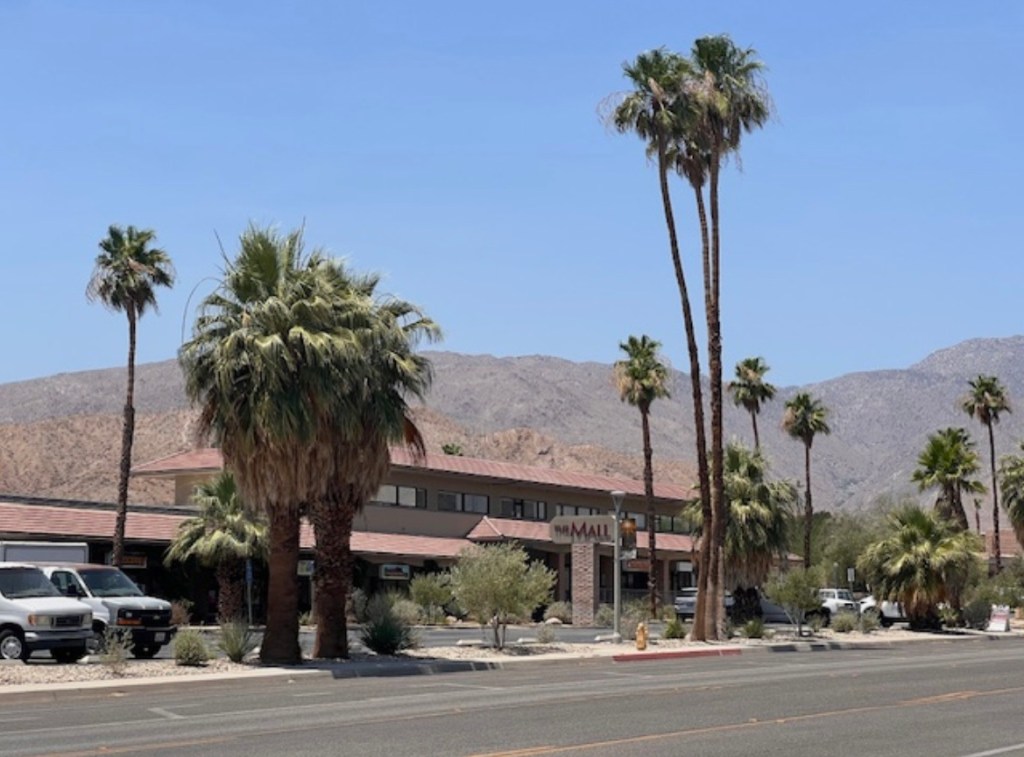
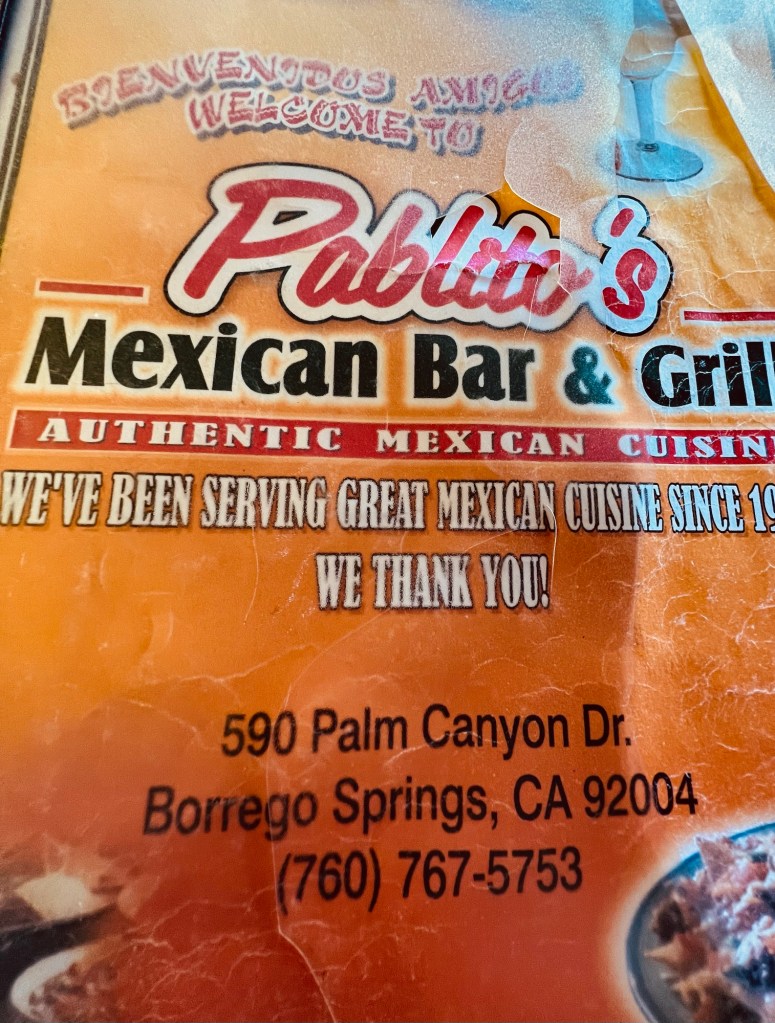
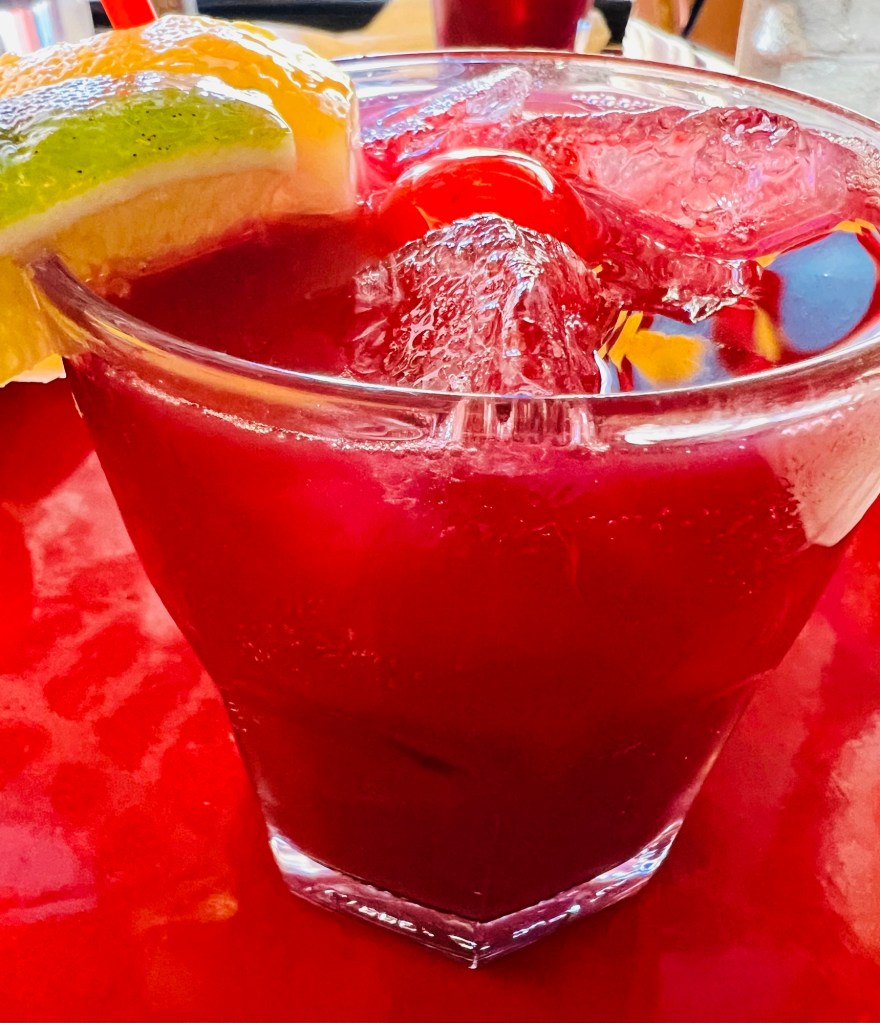
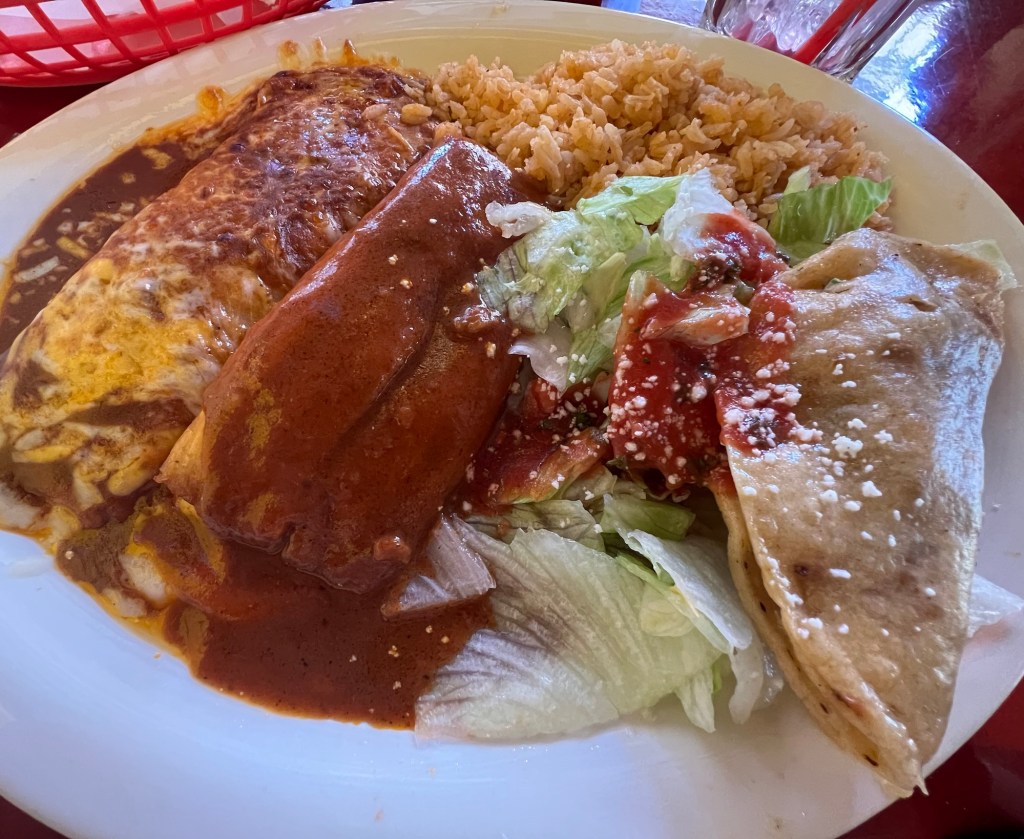
Everyone has a favorite restaurant in Borrego Springs and for my family it is Pablito’s for killer cocktails and delicious Mexican food. The restaurant first opened in 1995 and has a very casual atmosphere with a mixture of indoor and outdoor seating. It is located in the same shopping center as the community performing arts center.
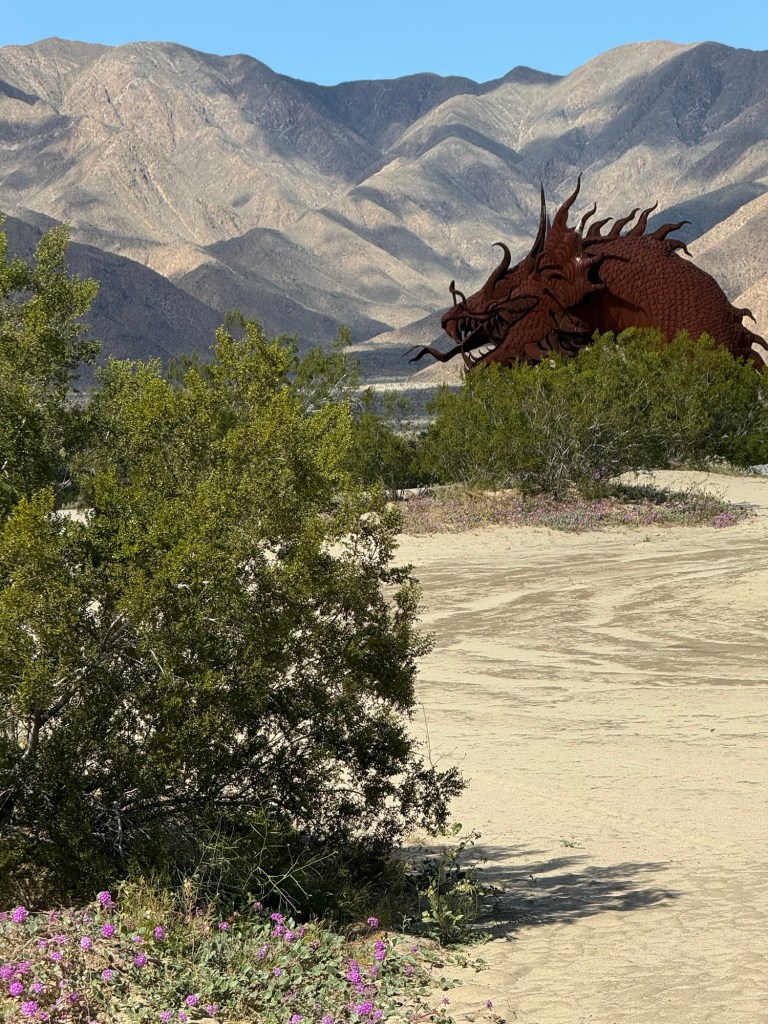
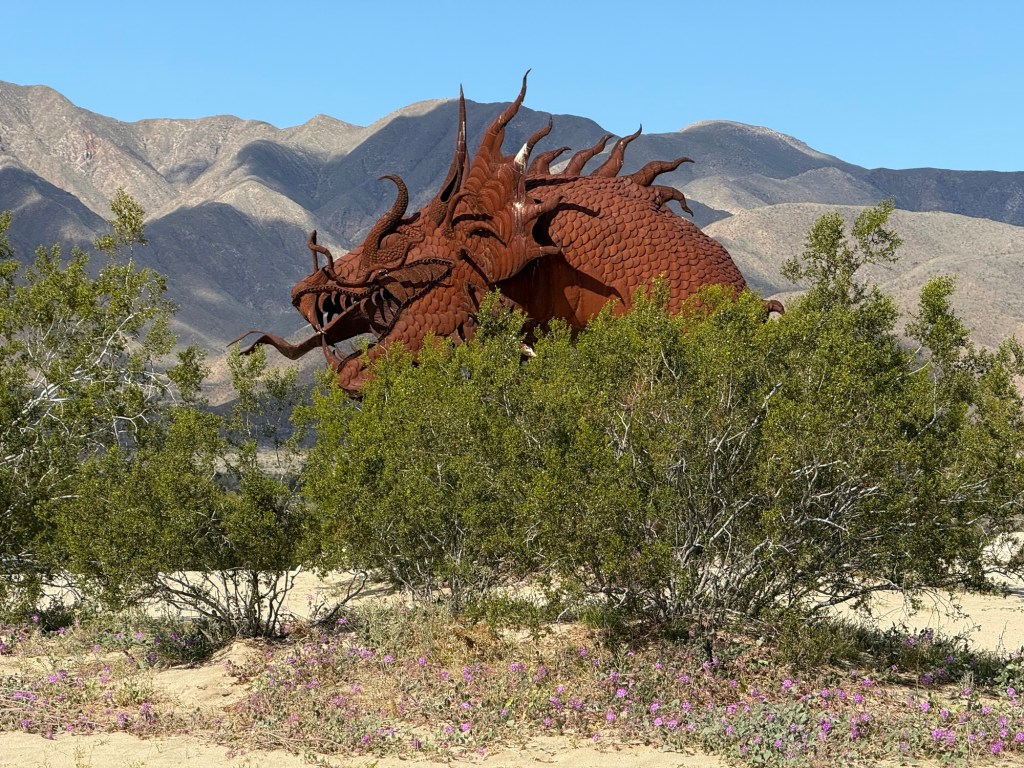
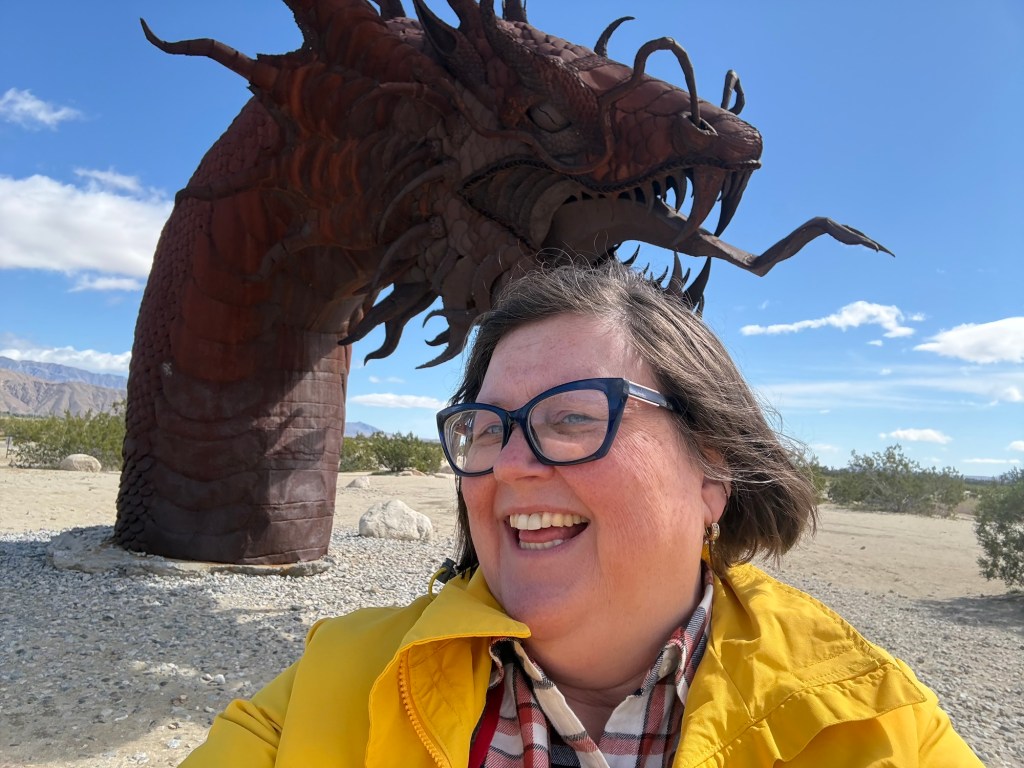
The head of the famous dragon sculpture in Borrego Springs CA



























































 NO time for boredom today