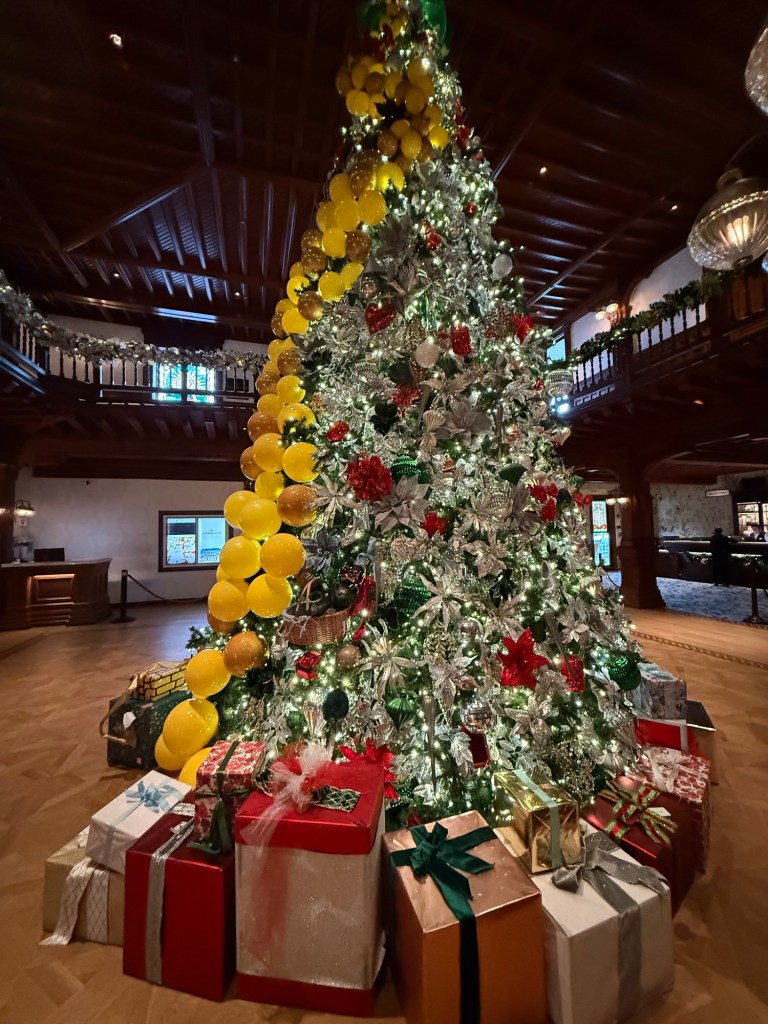
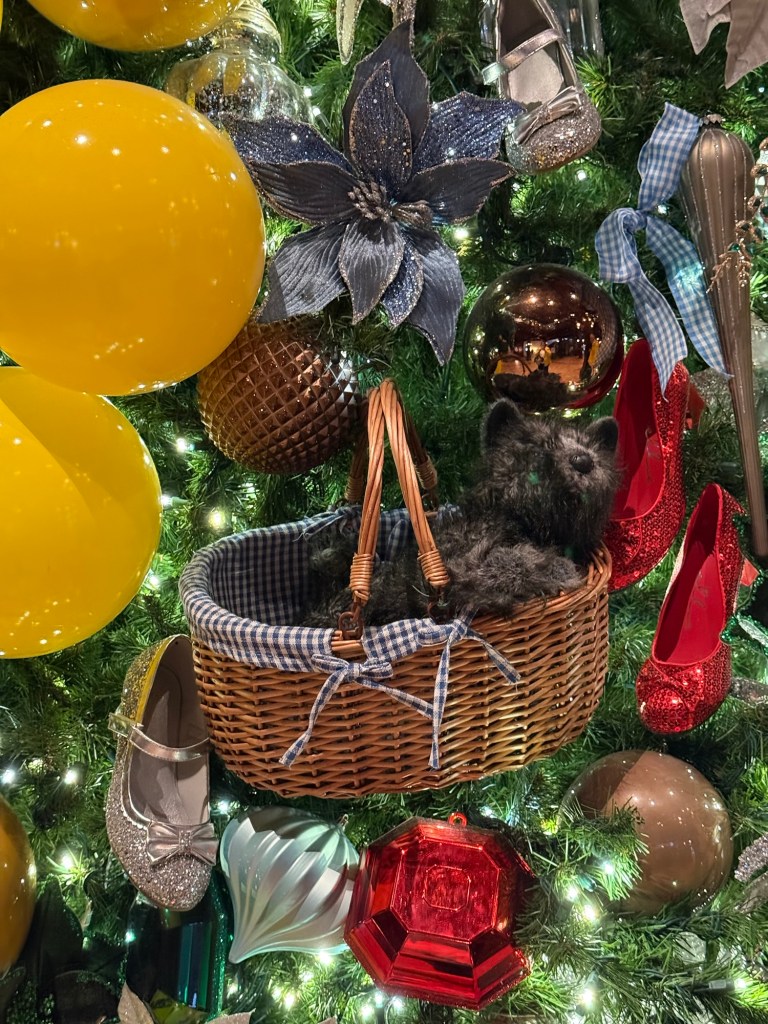
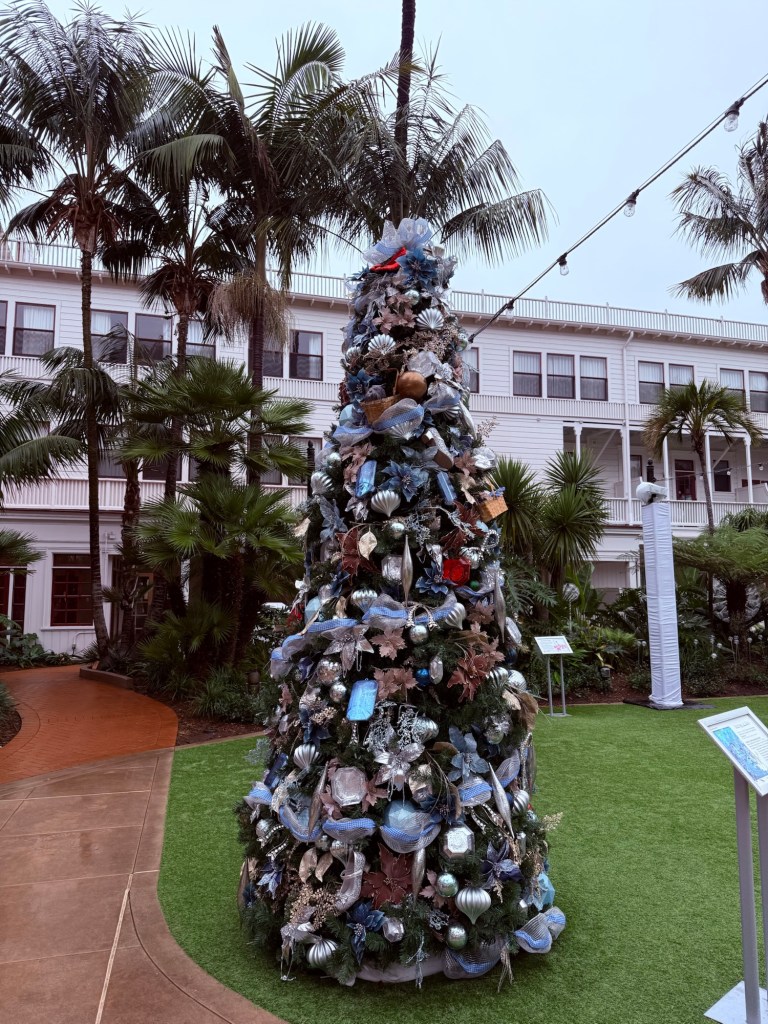
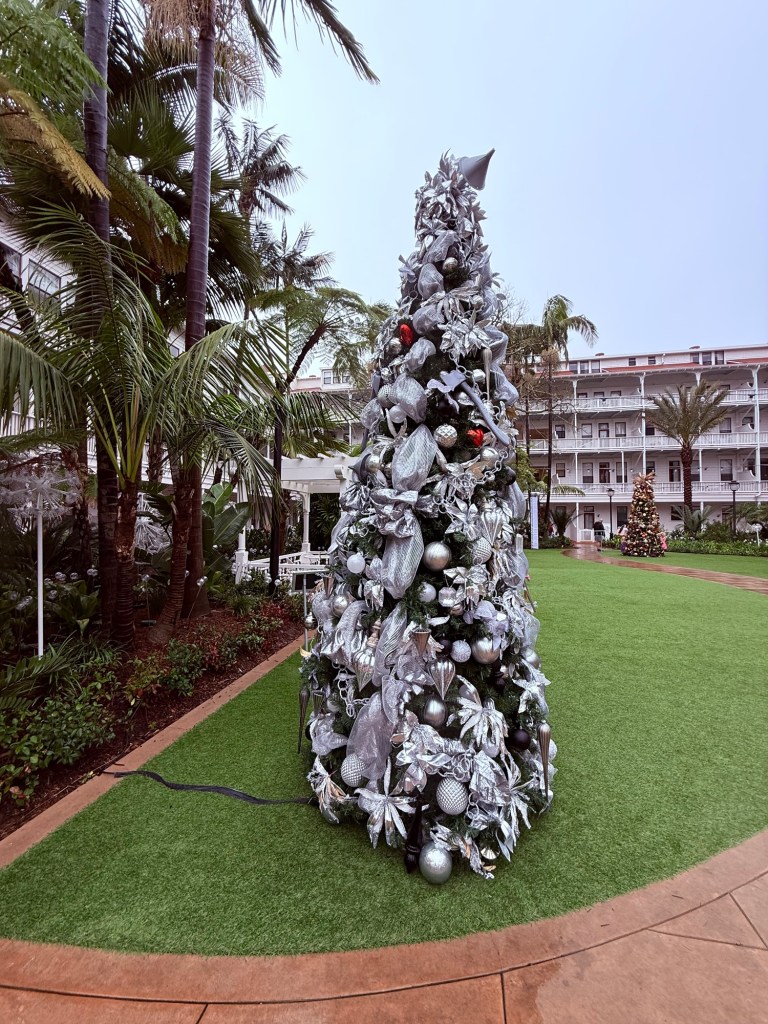
Every year, the Hotel Del Coronado puts up an impressive Christmas tree in the hotel’s main lobby. This year’s theme is the Wizard of Oz. In addition, to the tree in the lobby, the hotel set up multiple trees in the courtyard. Each of the smaller tree represents a character from the Wizard of Oz.
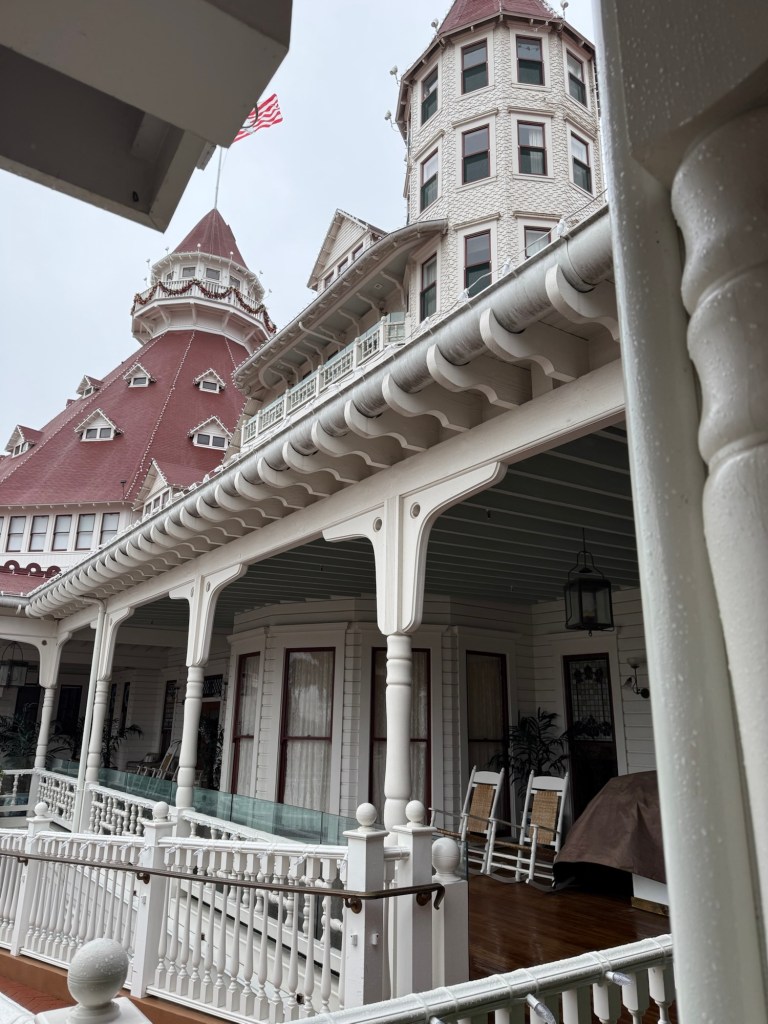
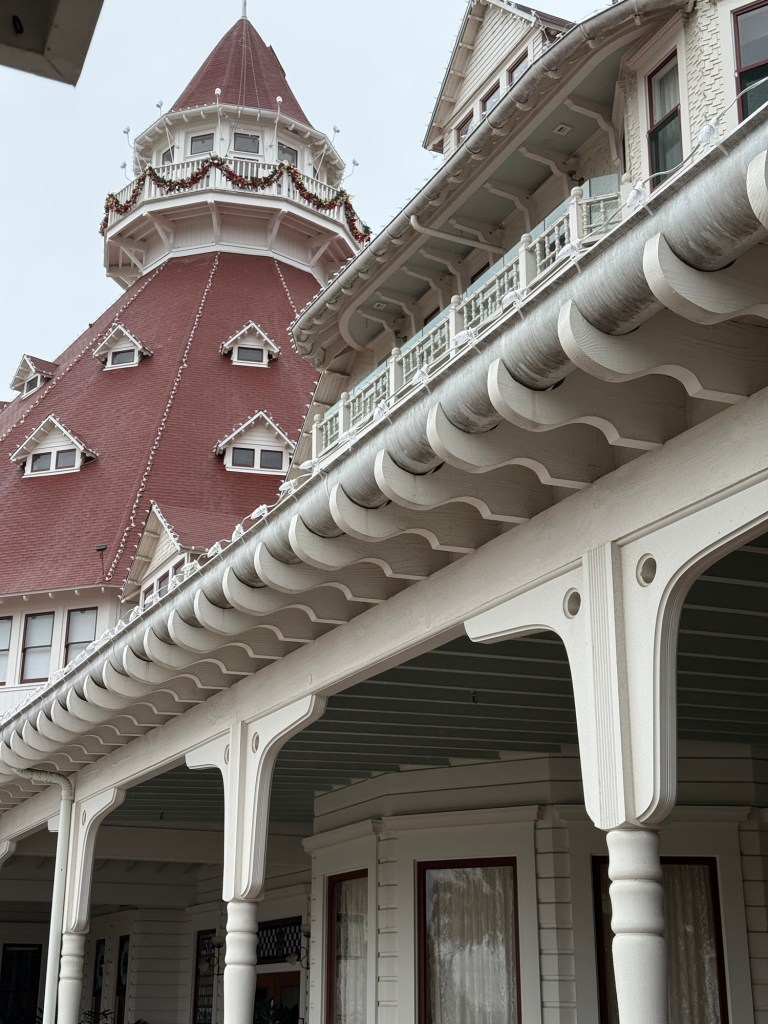
I have always loved visiting the Hotel Del Coronado. First, the hotel is an elegant Victorian hotel built in 1888. The hotel is painted white with a red roof and is known for its iconic large circular ballroom. Second, the surrounding town is beautiful. Coronado is a charming and elegant beach town with a small-town feel. The beach is the most beautiful beach in all of San Diego. Third, one of my favorite movies, Some Like It Hot, with Marilyn Monroe, Tony Curtis and Jack Lemon was filmed at the hotel in 1958. Billy Wilder directed the film and the Del Coronado filled in for a Floridian resort.
Finally, as a history buff, I love that the Prince of Wales, subsequently known as King Edward for a brief period of time, visited San Diego in 1920 and stayed at the Hotel Del Coronado. The hotel hosted an elaborate gala for the occasion. The Del Coronado still has the menu and some of the special China used for the dinner on display.
Normally, the hotel is extremely busy during the holiday season. However, due to heavy rain on New Year’s Day, the town of Coronado and the hotel were quiet. We were able to enjoy the Christmas decorations without anyone else around.
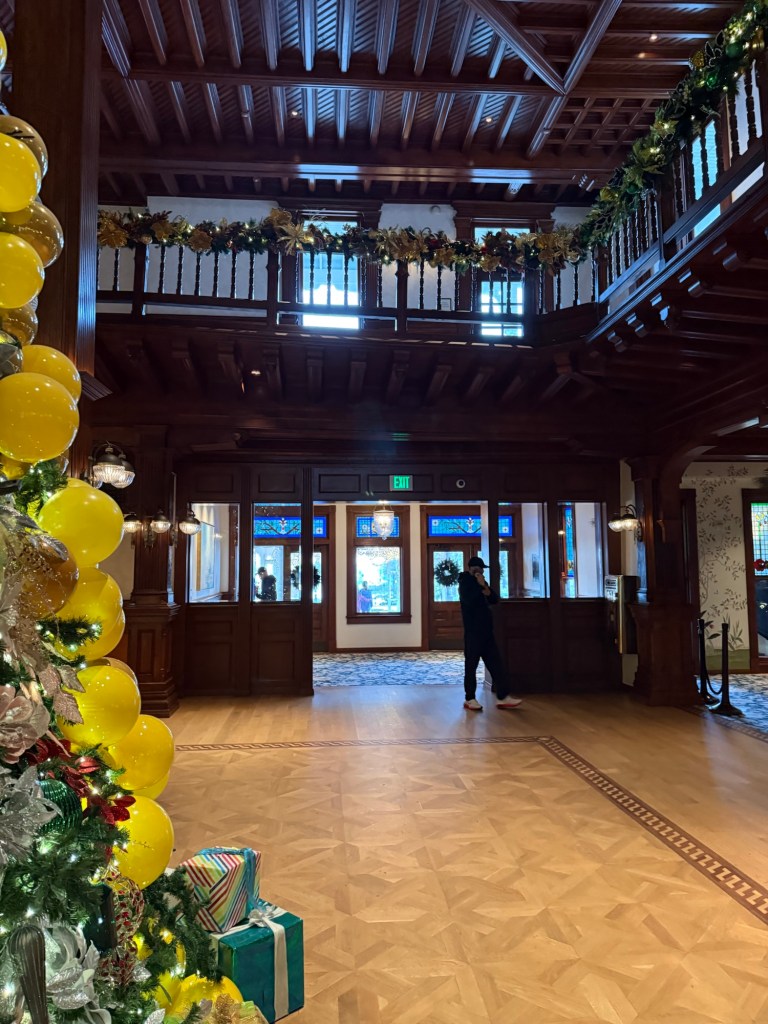
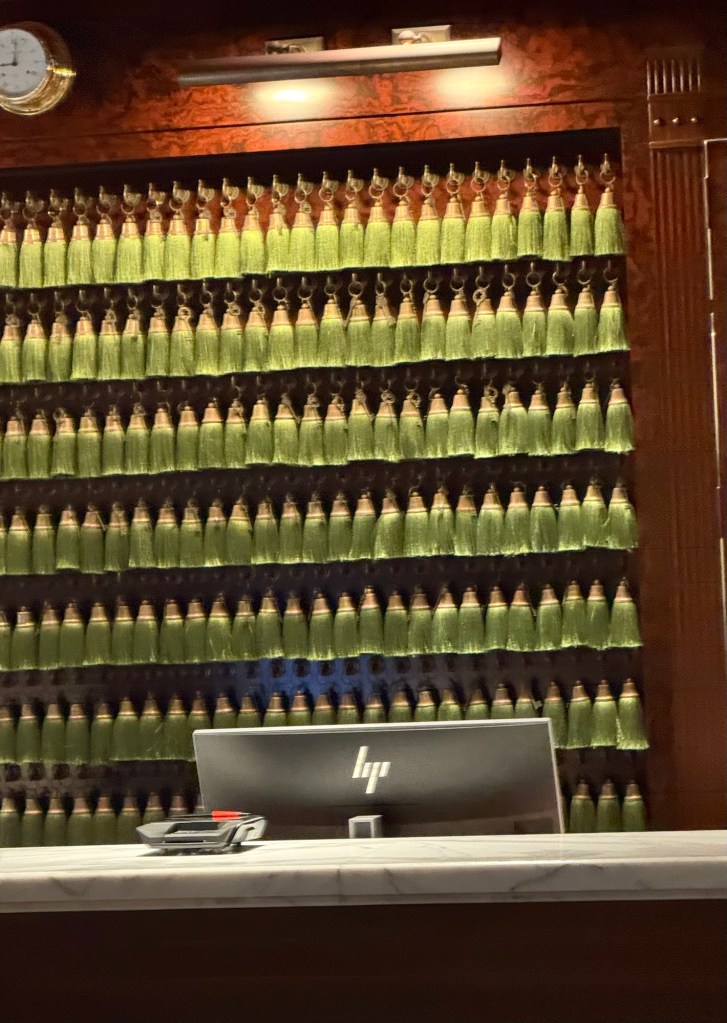
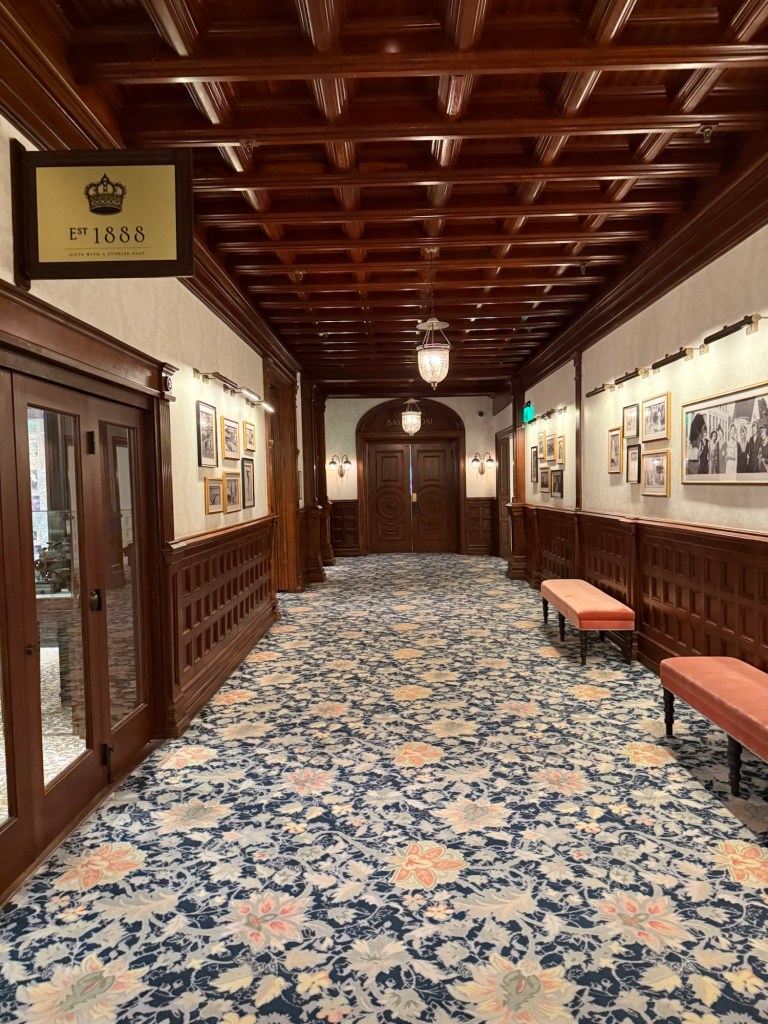
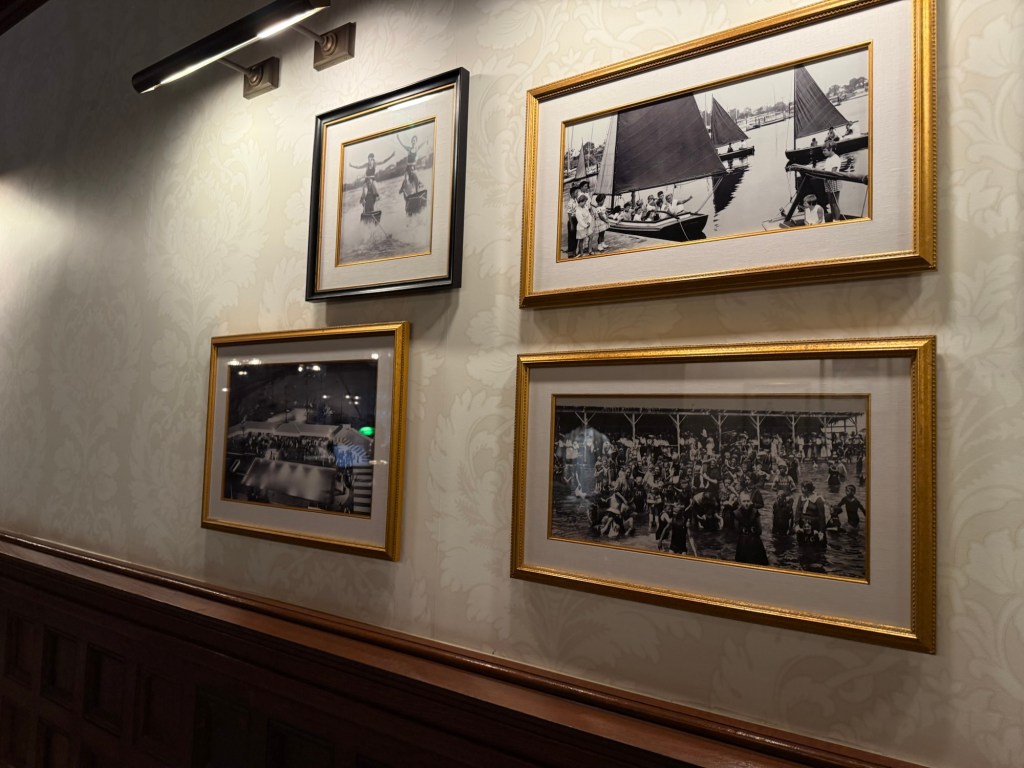
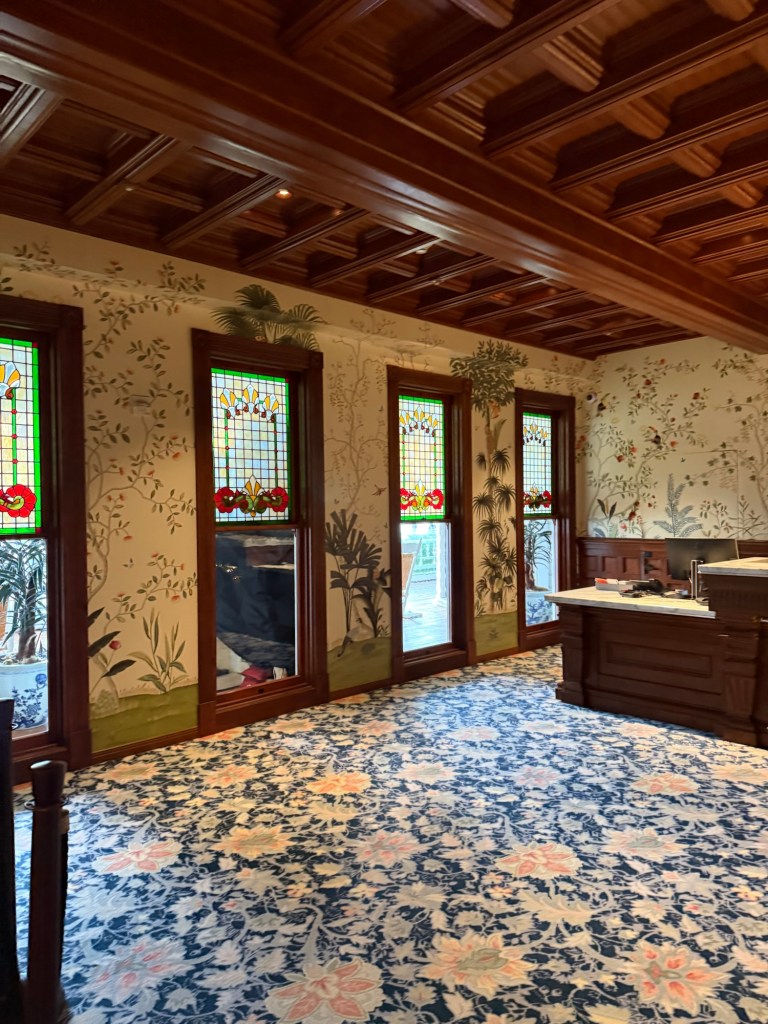
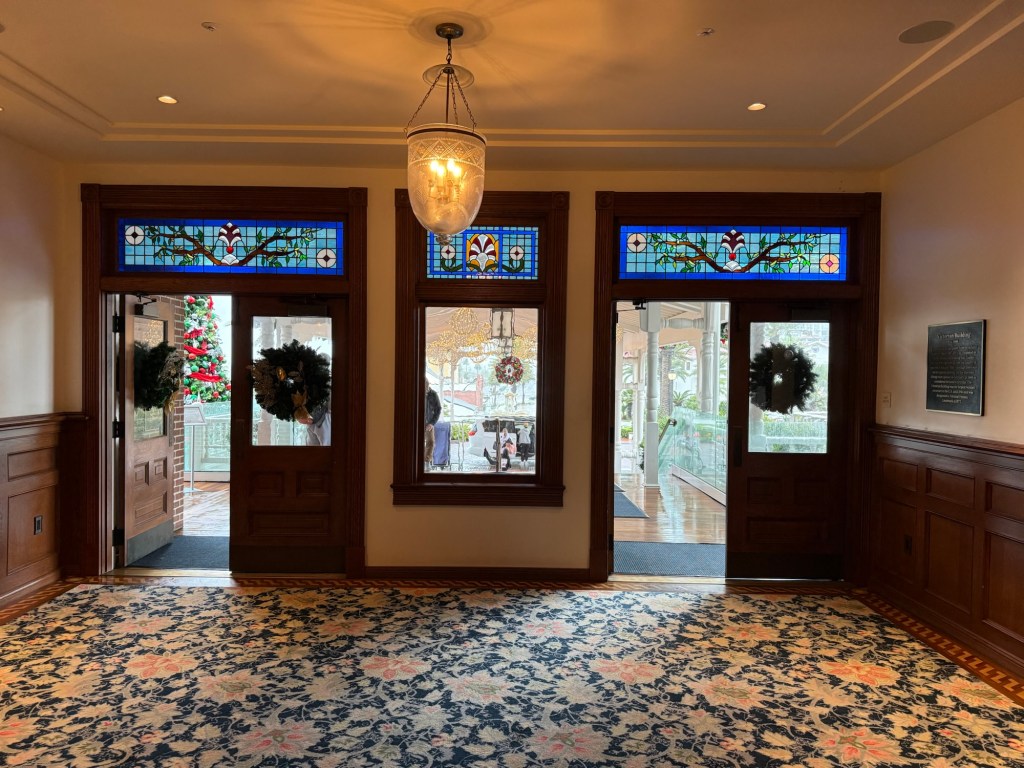
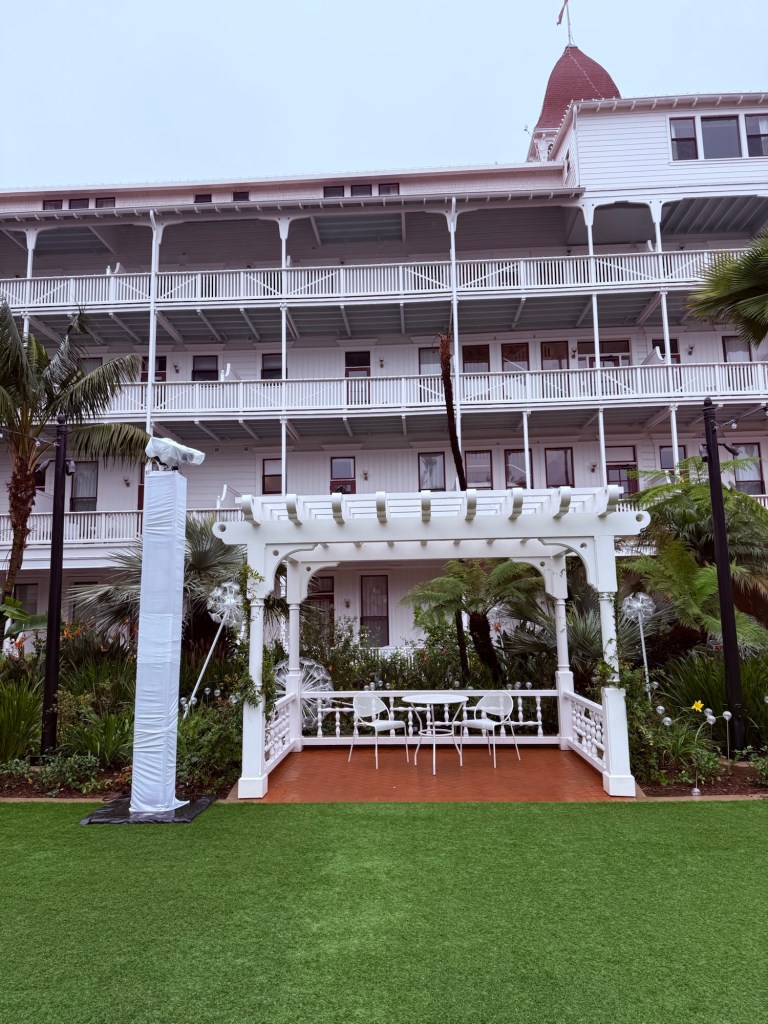
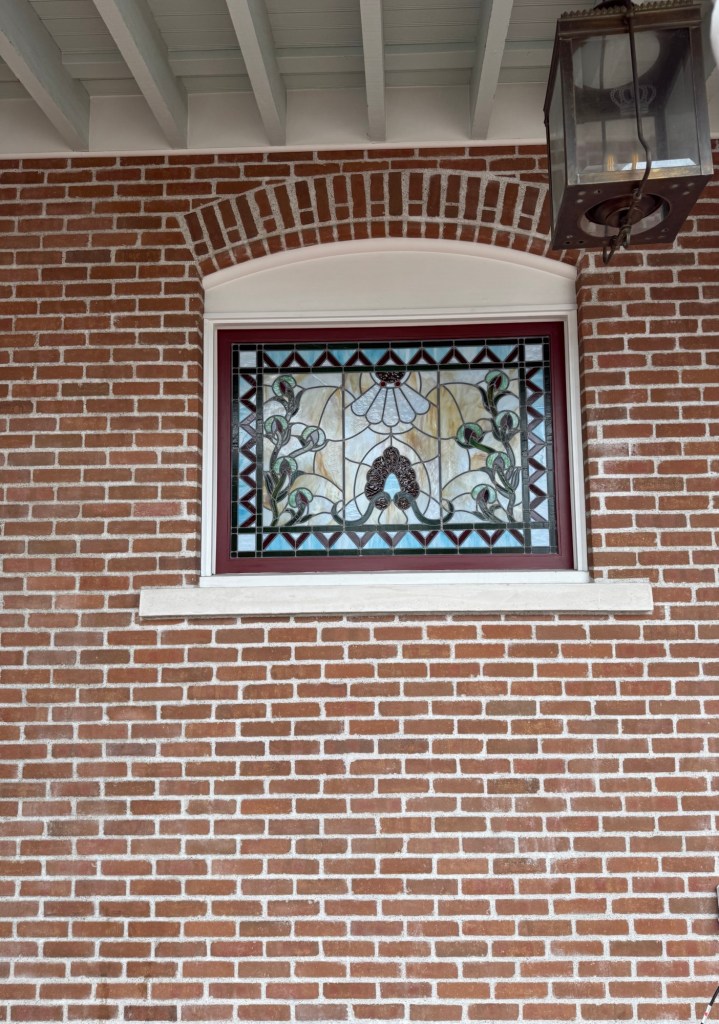
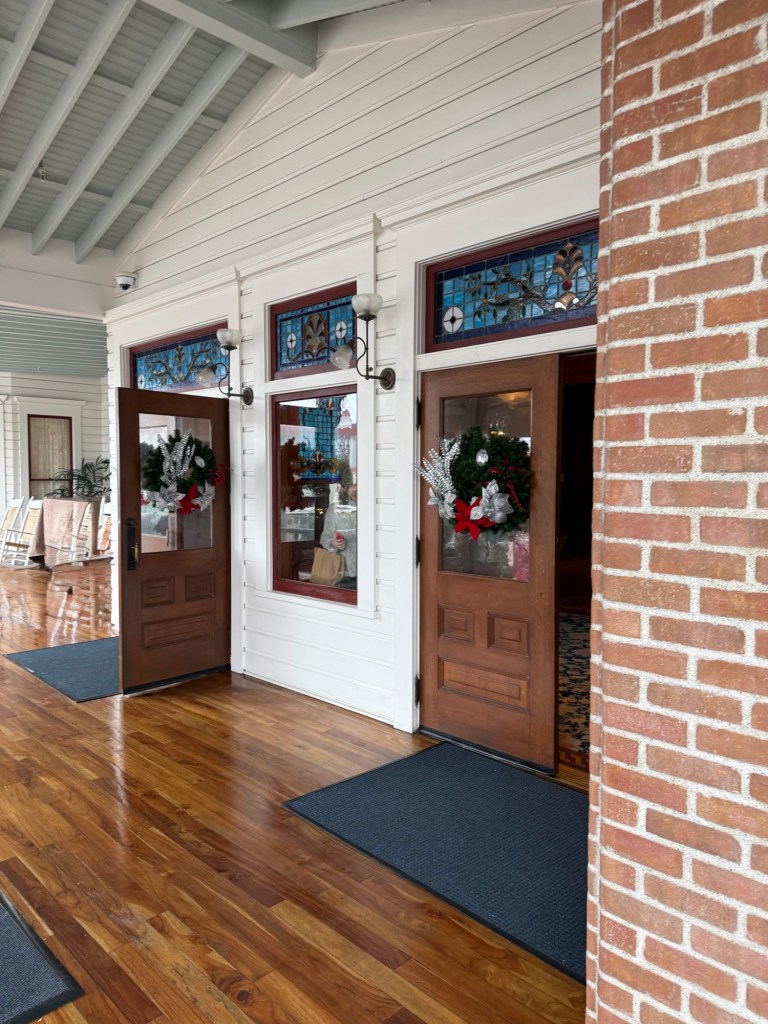
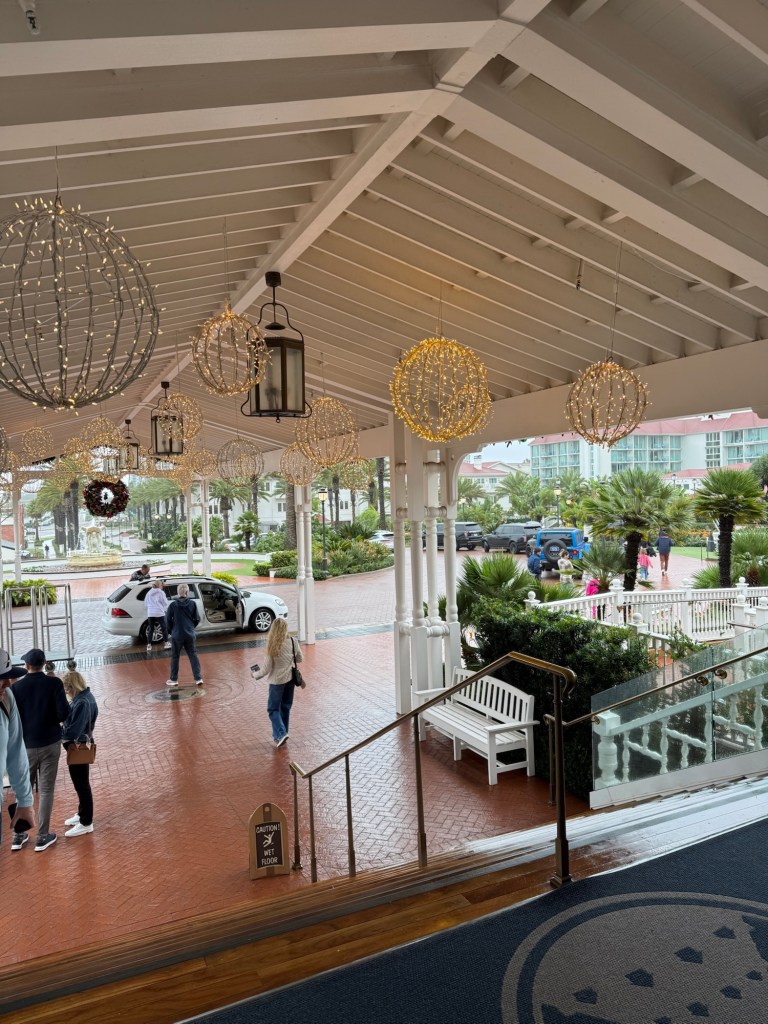
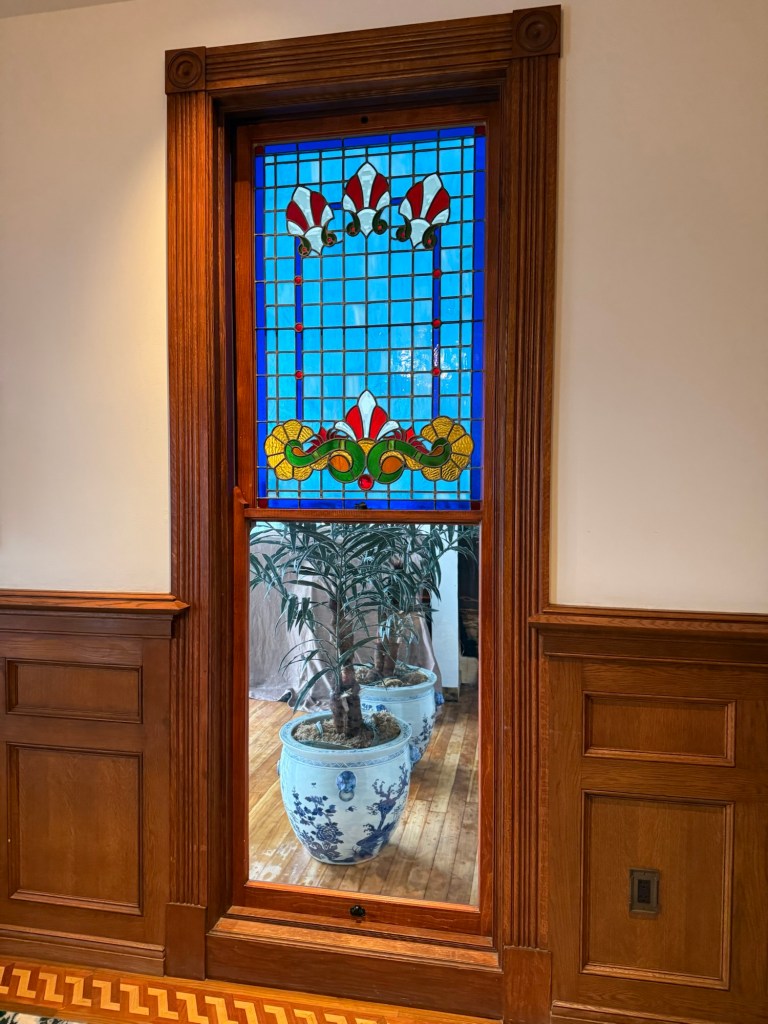
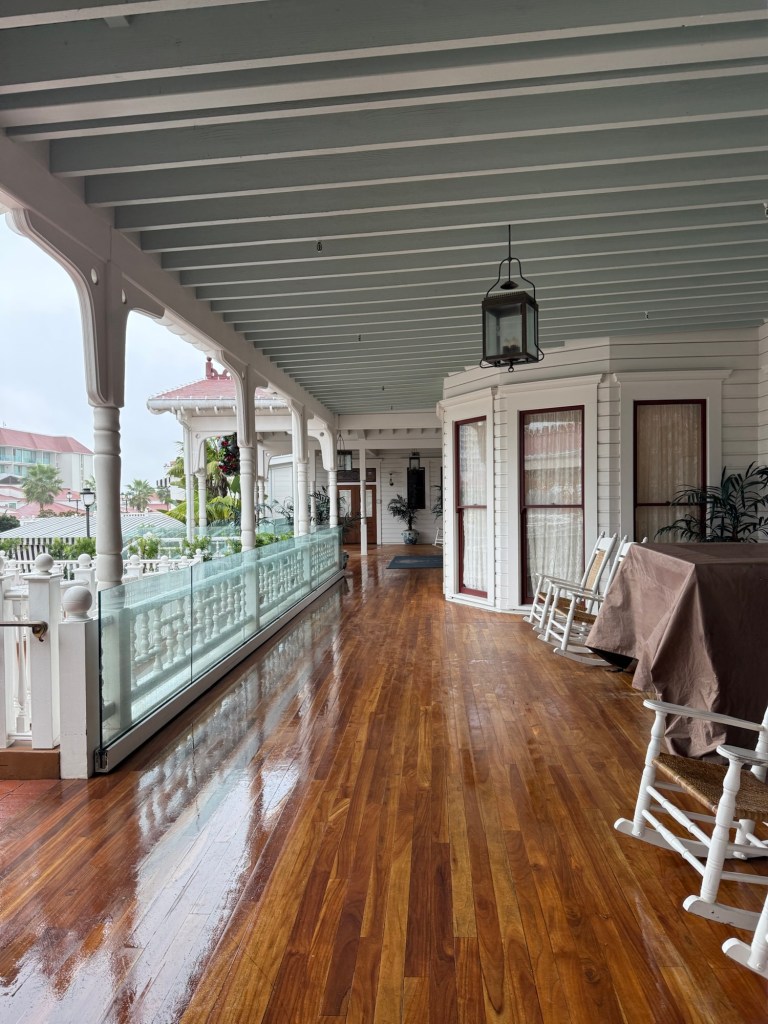
Main Lobby Christmas Tree with Wizard of Oz Theme Close-Up of Lobby Tree with TotoMain Lobby Main Lobby Elevator at Lobby Interior View of Front DoorsReception Desk Close-Up of Original Room Keys at Reception Desk Main Hallway Off the Lobby with Historic Photos Historic Framed Photos at the Hotel Stained-Glass Windows Near the Reception Desk Interior View of the Front DeskThere’s No Place Like Home TreeDorthy’s TreeCowardly Lion TreeTin Man TreeScarecrow TreeInterior Courtyard Back Exterior of Hotel Front Exterior Photo of Stained-Glass Window Exterior View of Front DoorsFront Entrance & Valet Parking Famous Dome Roof Famous Done RoofExample of Lobby Stained Glass Windows Built in 1888 – the Hotel Became an Historic Landmark in 1977Front Porch Downstairs Cafe & Market
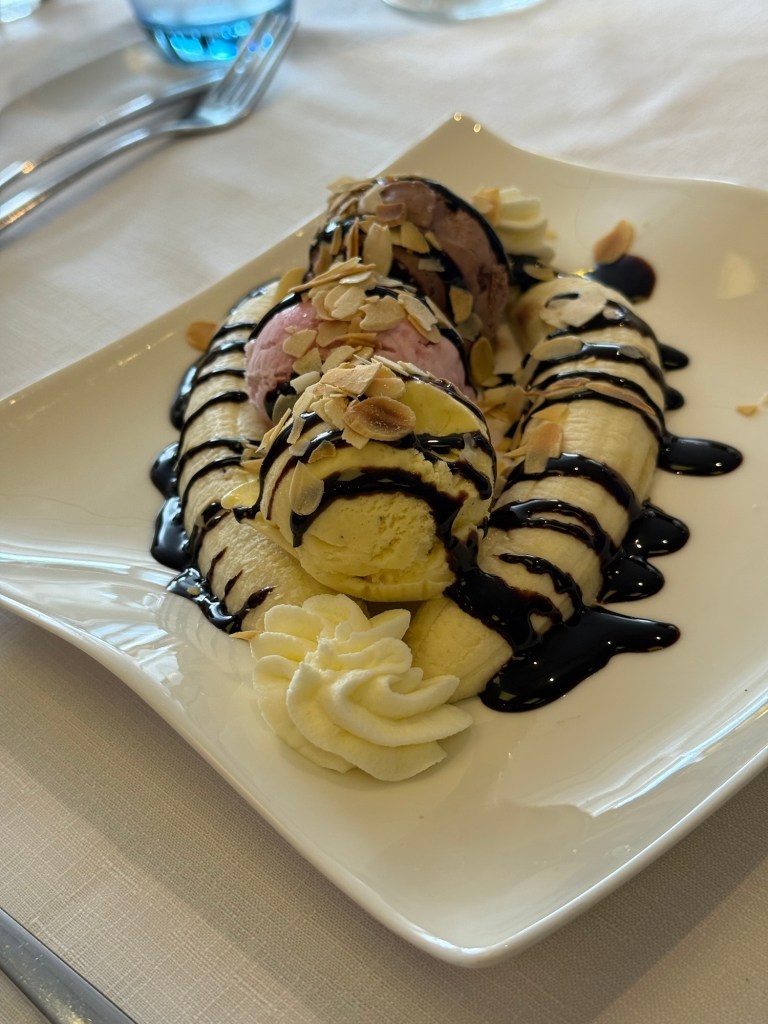
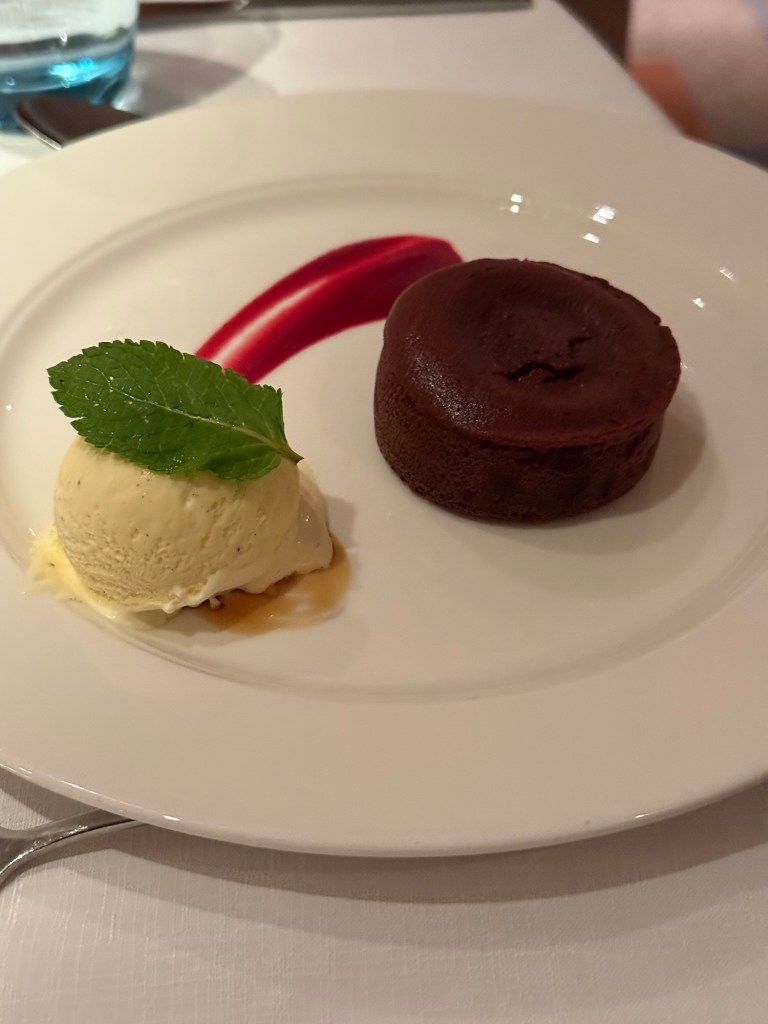
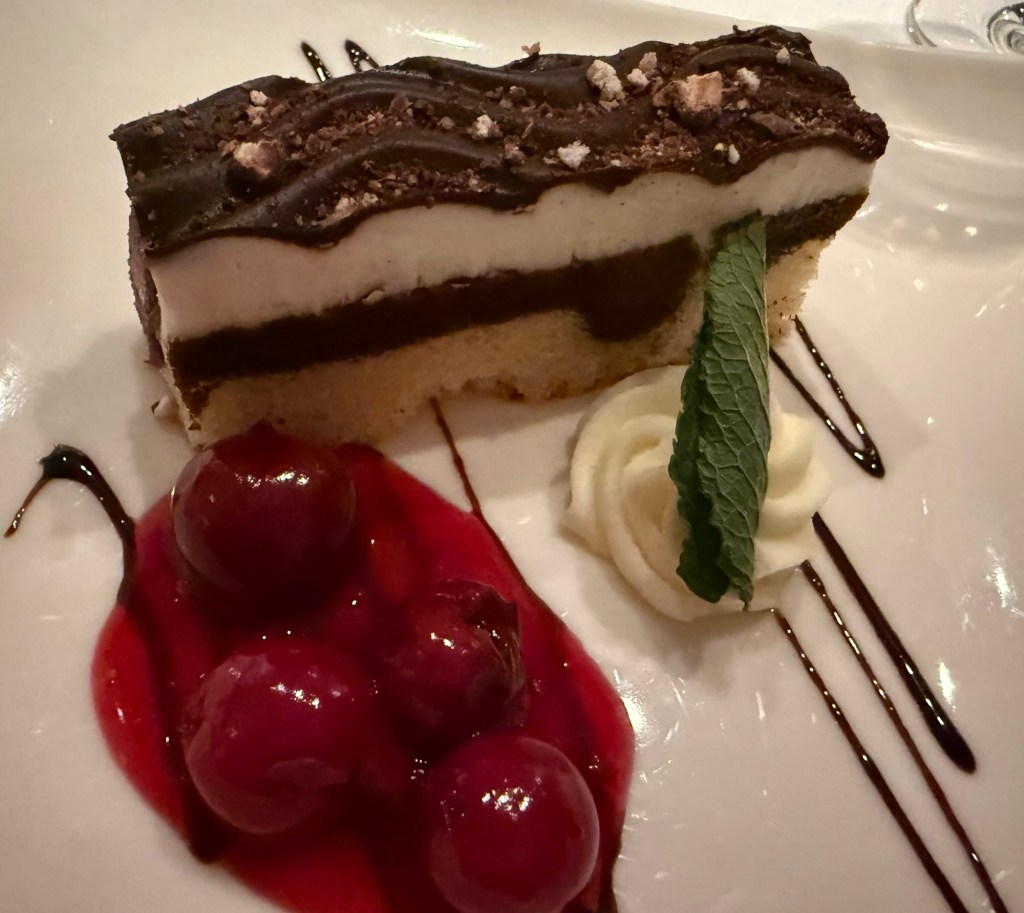
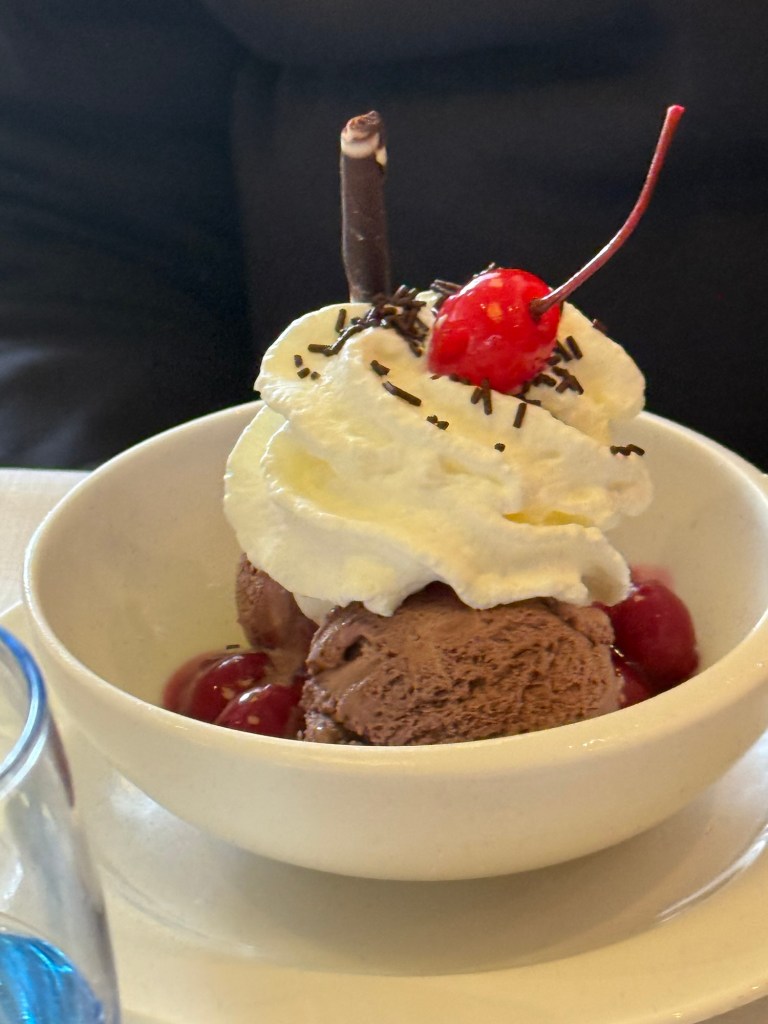
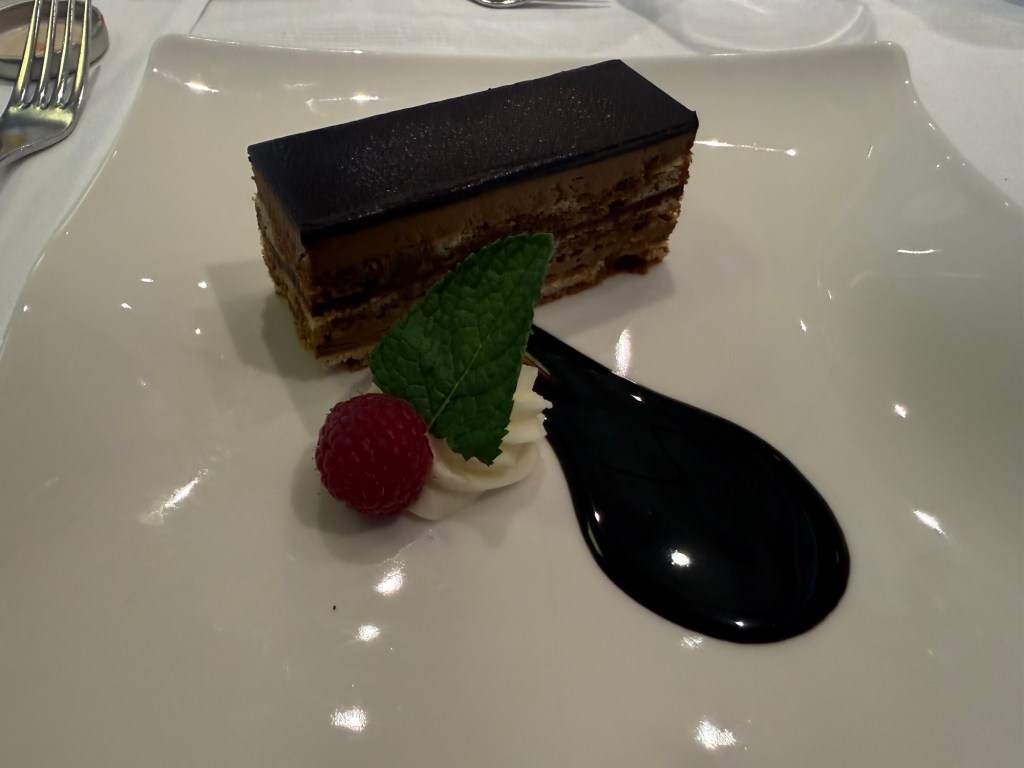
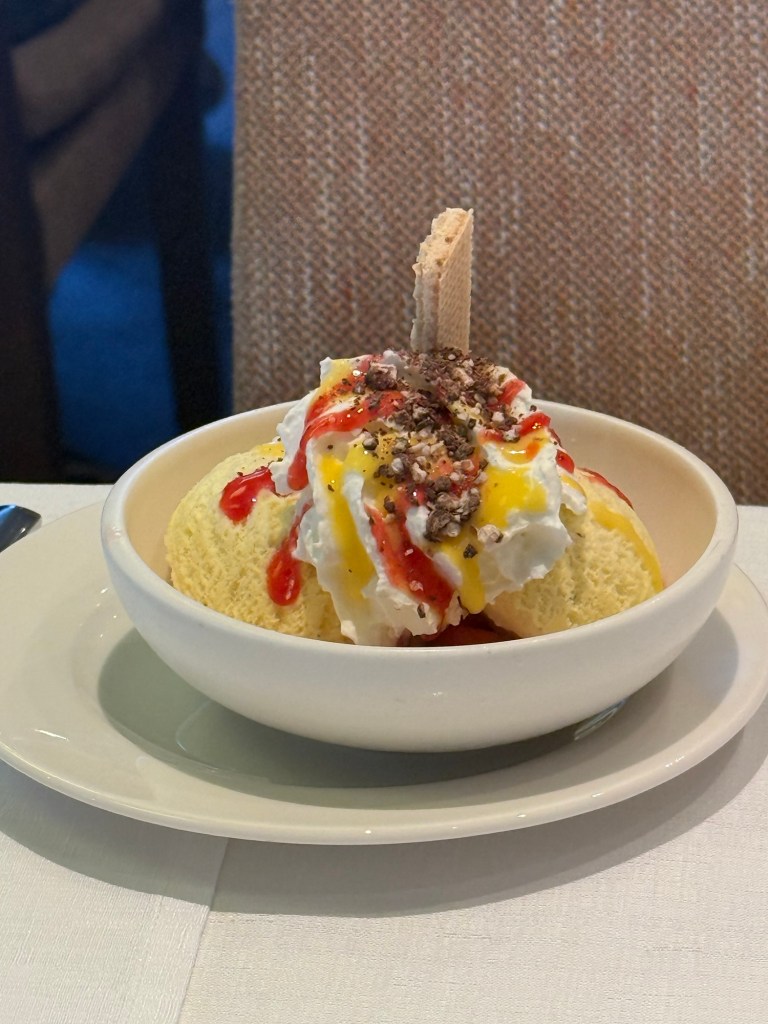
While all of the food was wonderful on the Viking River Cruise, the desserts were legendary. A variety of desserts were offered at both lunch and dinner. Most days, my husband and I opted to pass on desserts at lunch but it was tough because they were really good.
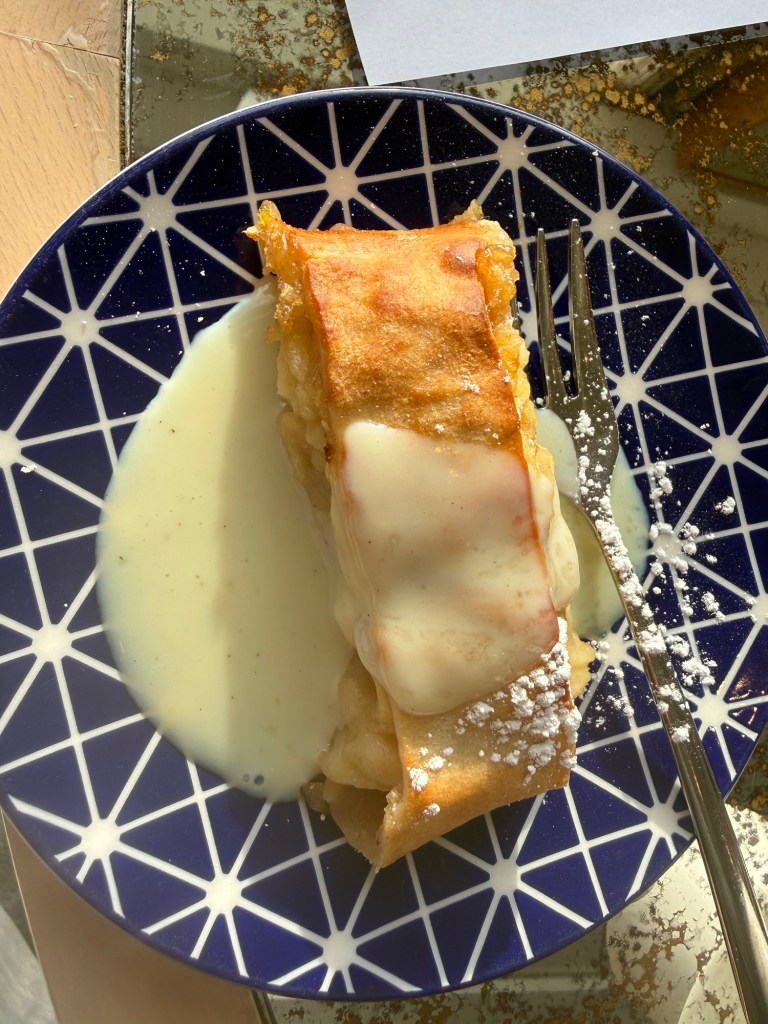
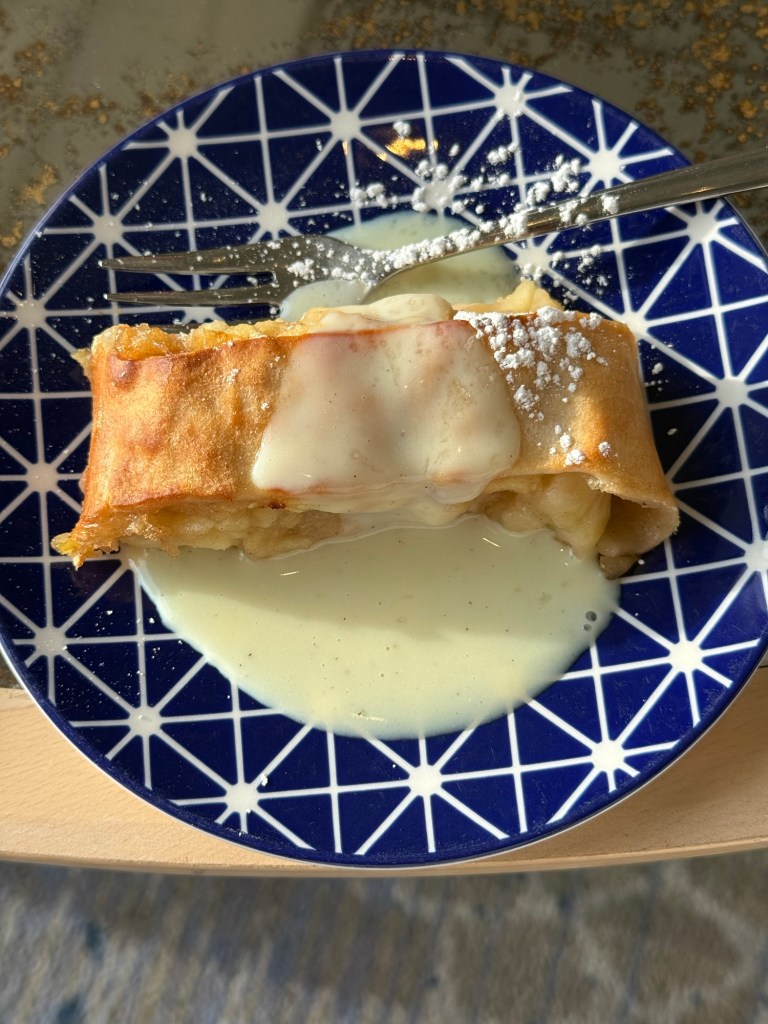
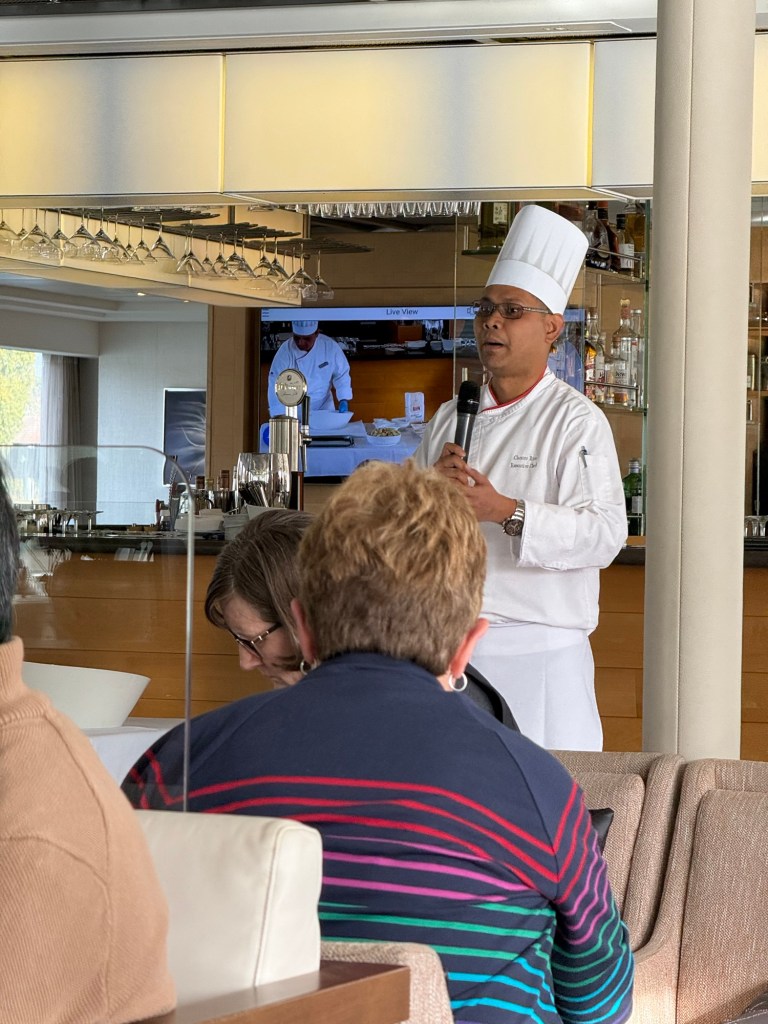
My favorite was the apple strudel that was part of a special afternoon cooking demonstration executed by the ship’s head chef – Chef Chester.
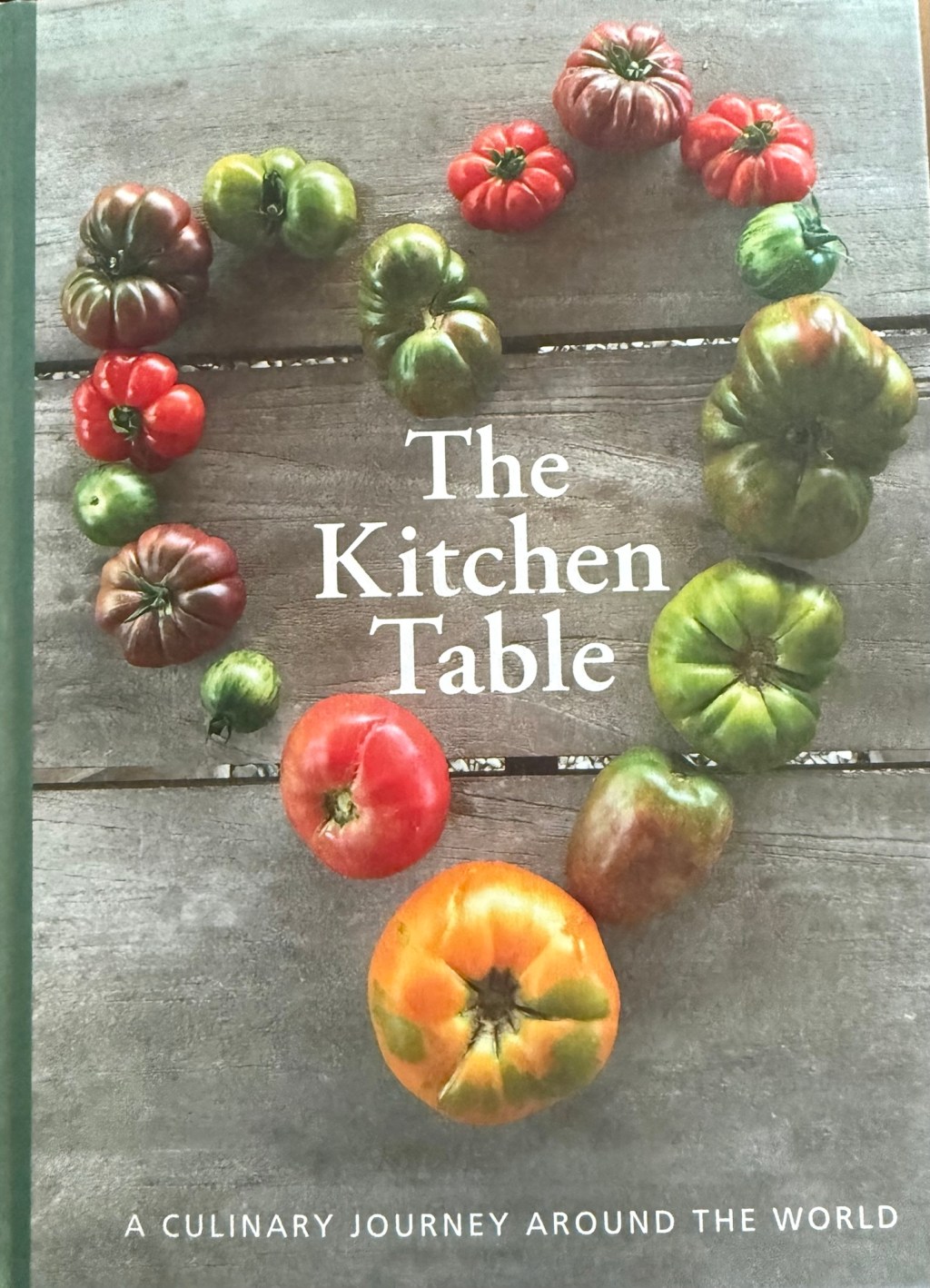
I enjoyed the food so much that I purchased the Viking River Cruise cookbook which is sold onboard the company’s ships for 20 Euros.
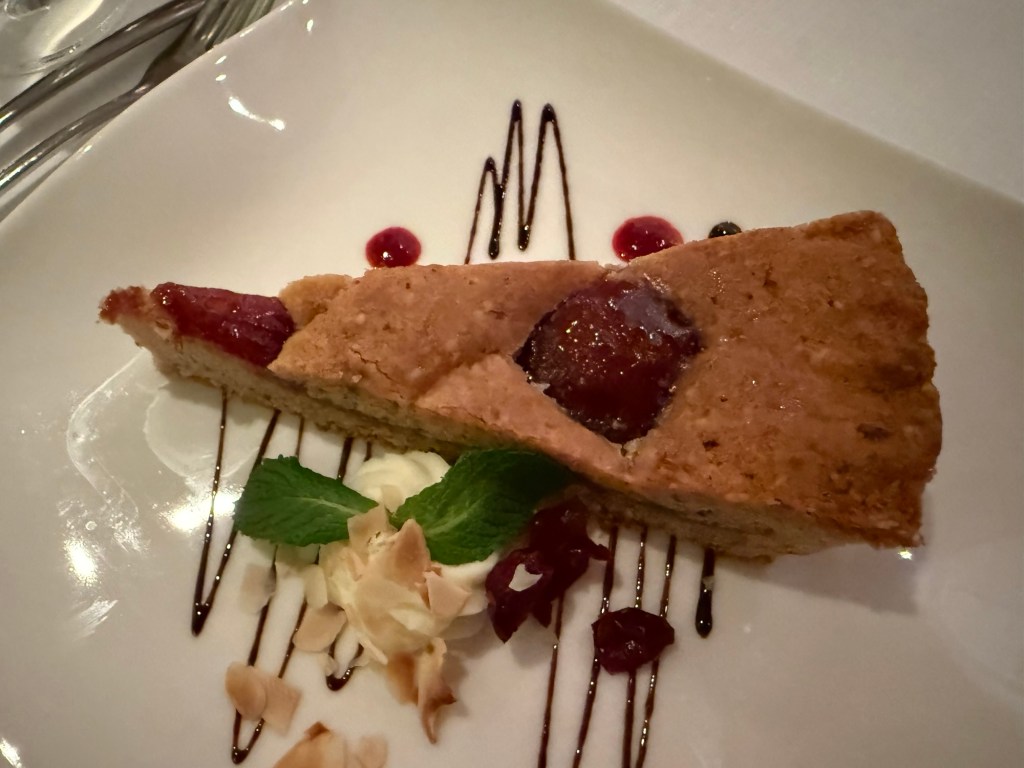
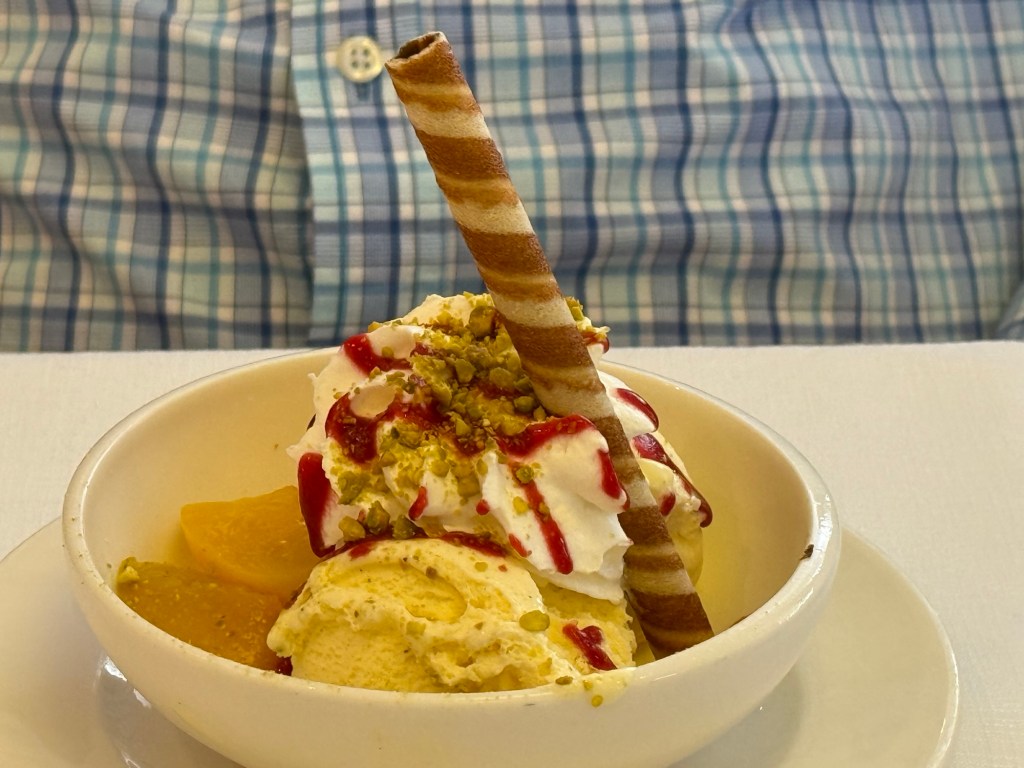
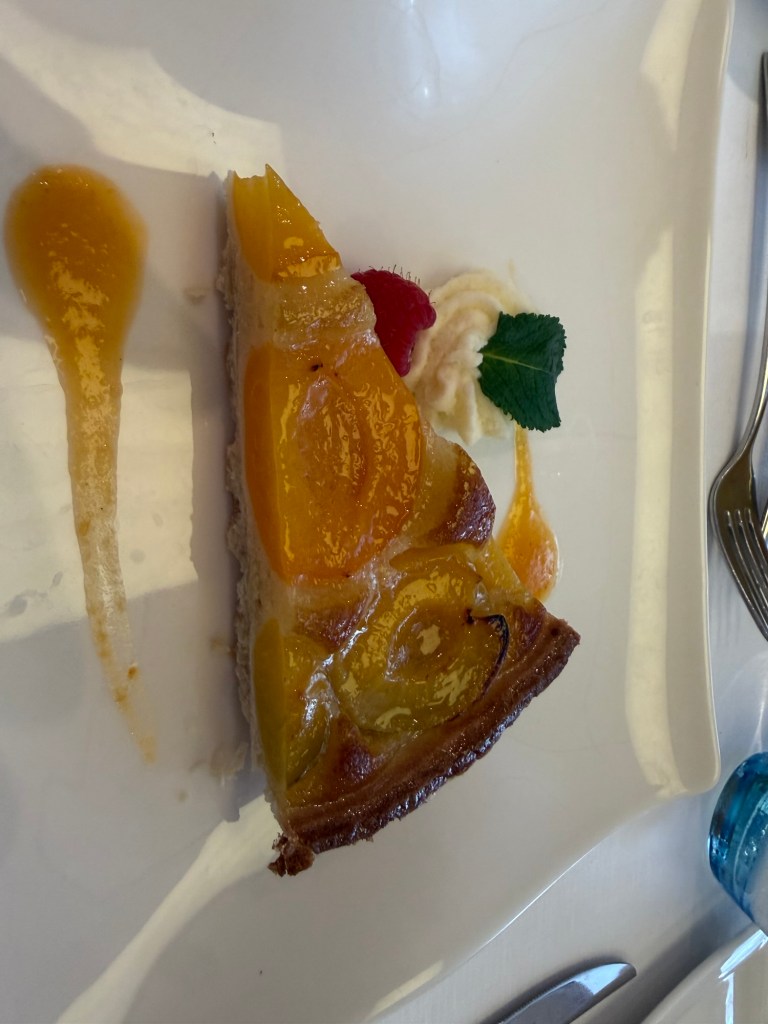
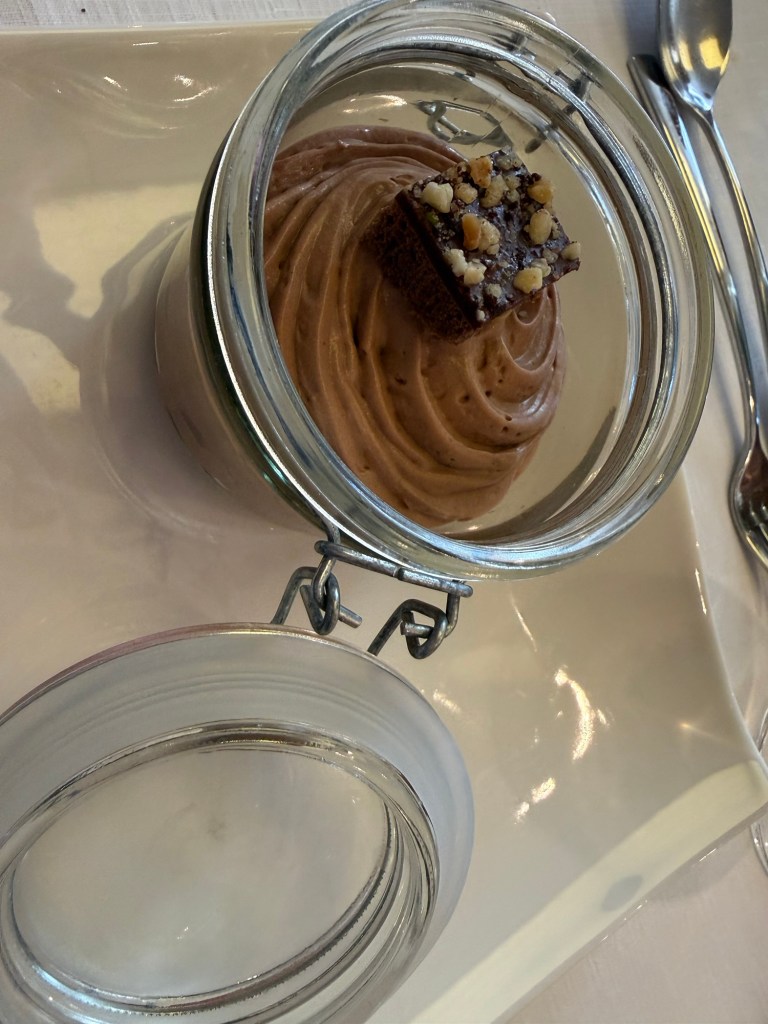
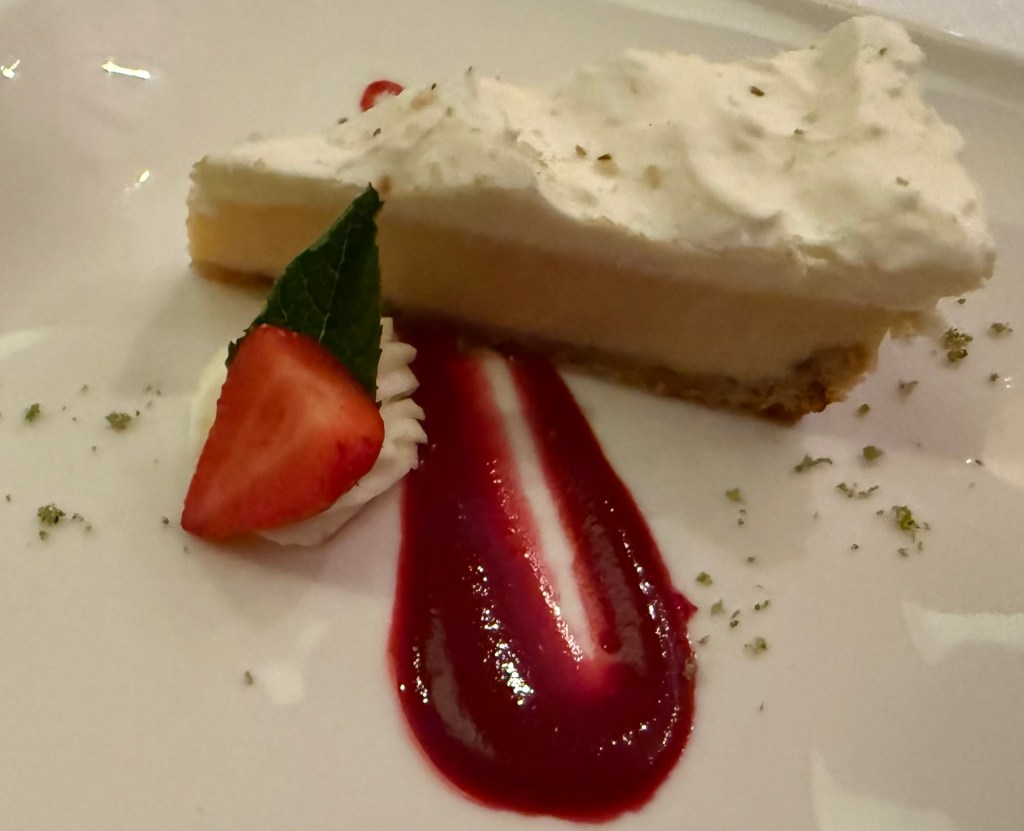
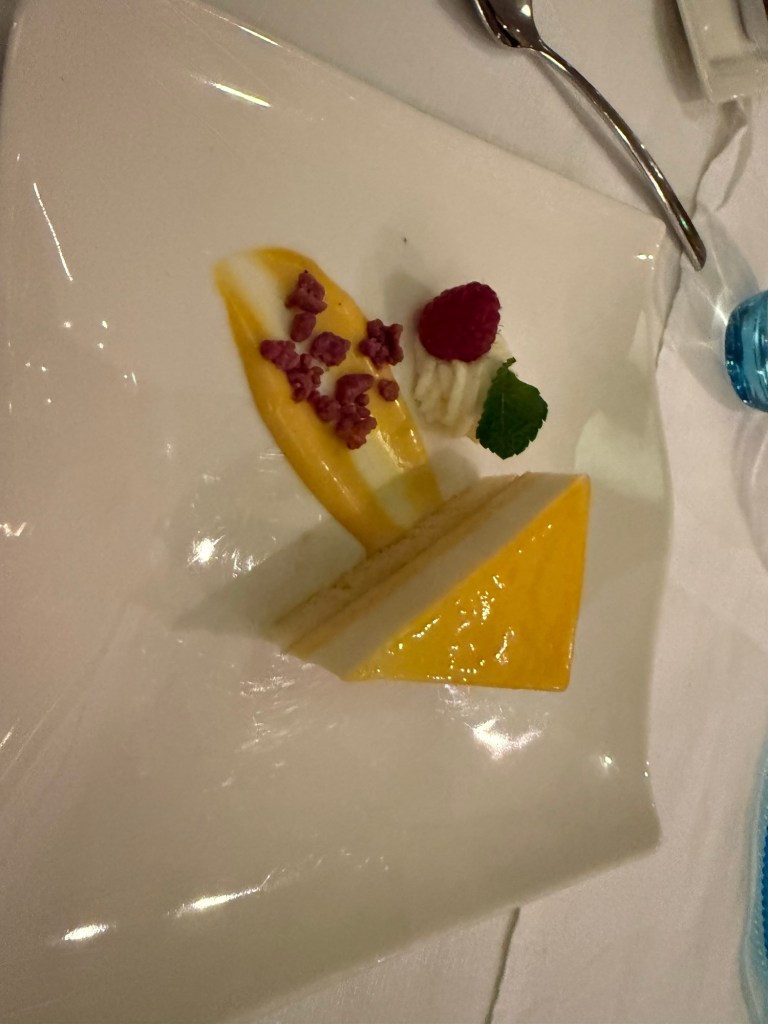
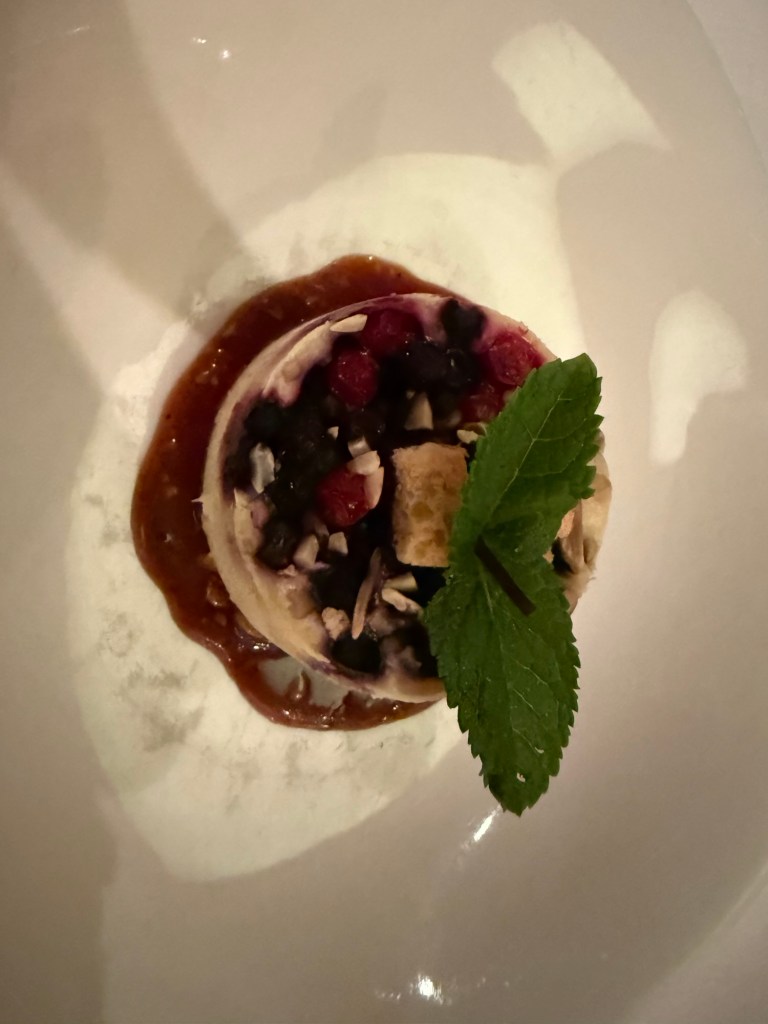
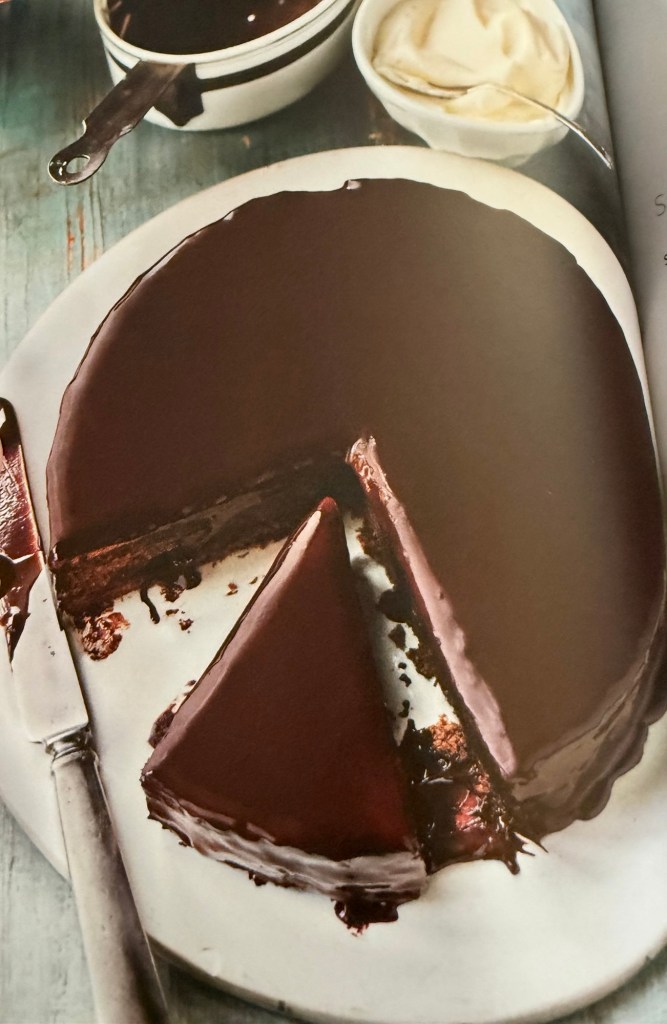
Apple Tartan Linzertorte Homemade Peach Melba Ice CreamApricot Tart Apple Strudel Banana Split Lava CakeDonauwelle Black Forest Ice Cream Chocolate Mousse Key Lime PieBrioche Pudding Mango and Coconut Cake Bread Pudding with Berries and Pralines Opera Cake Ice Cream with Vodka-Soaked Strawberries Viking SachertorteViking RecipeViking’s Cookbook Sold Onboard
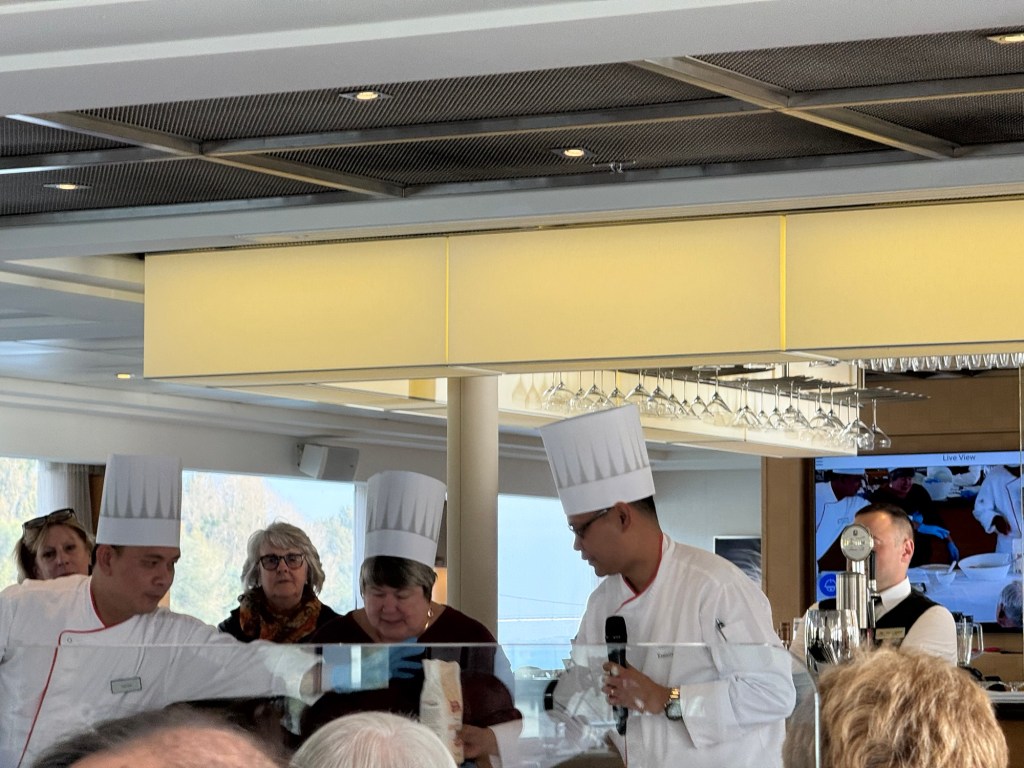
I just attended my first Viking River cruise cooking demonstration. The chef and his assistant chef taught us to make apple strudel from scratch! Based on what I saw, I think I can do this at home.
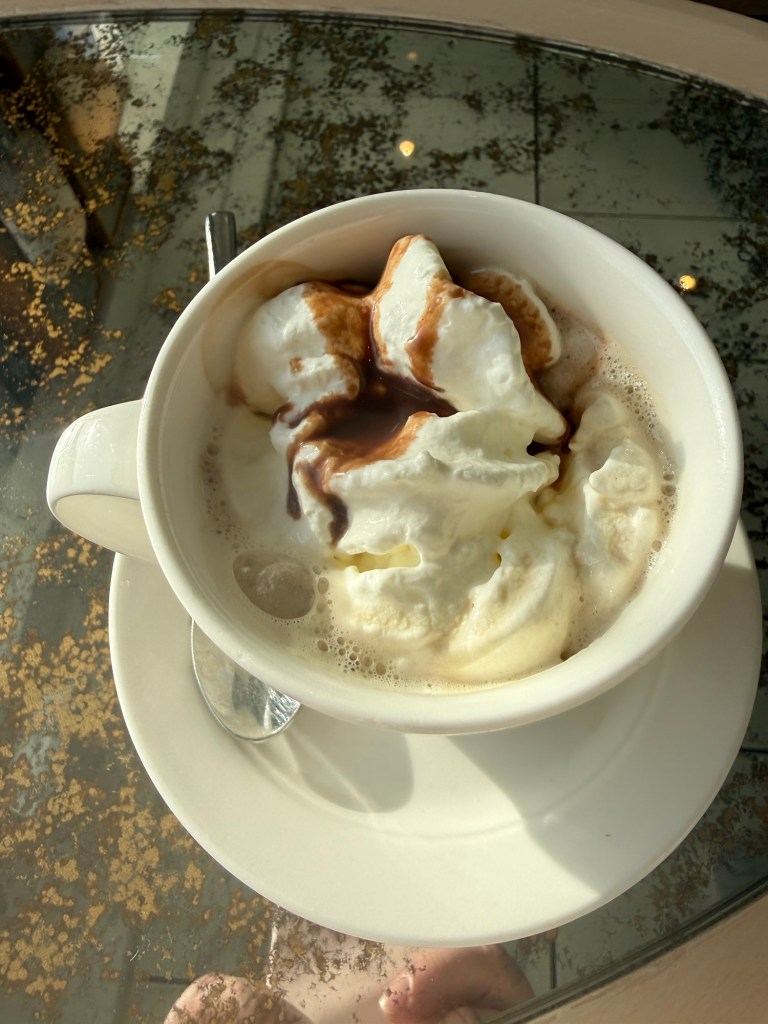
Naturally, the staff served us Mozart coffee while we waited for the demonstration to begin.
The two big takeaways from our chef:
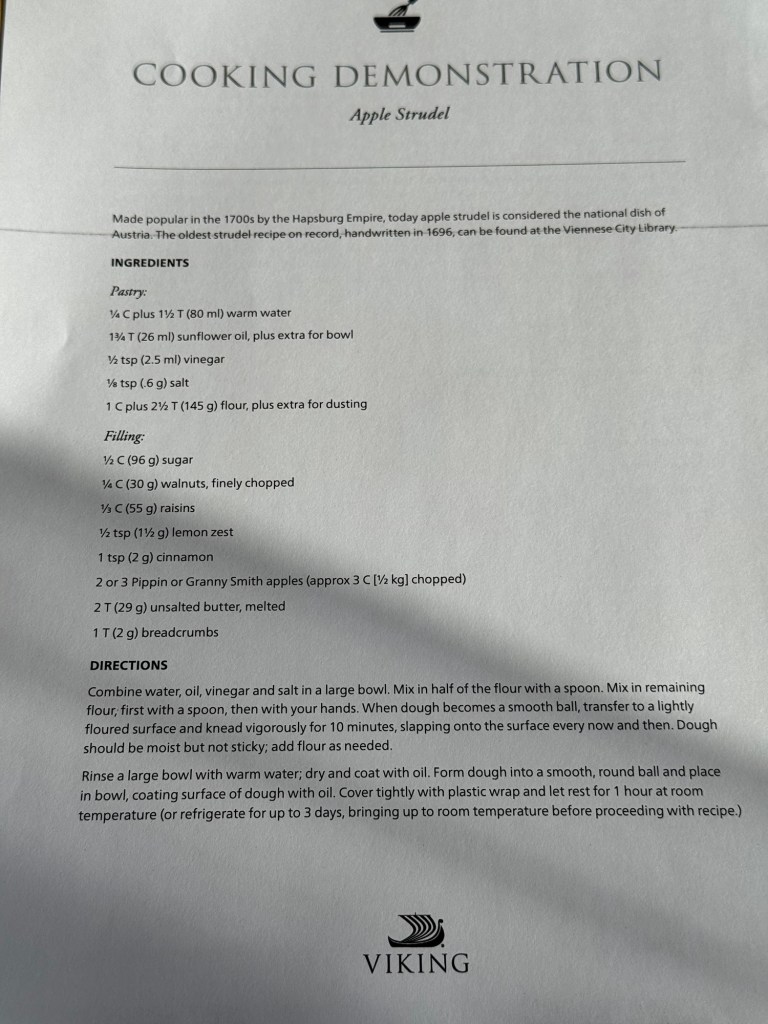
Use vinegar when combining the dry ingredients to make the dough elastic.
Place a cloth towel underneath the dough to keep it from sticking to the counter or other surface.
The best part was enjoying freshly baked apple strudel which the staff served with a delicious vanilla sauce.
The finished product The Baldur Ship Recipe The chef Teaching a Guest Mozart Coffee The Viking Cruise Recipe
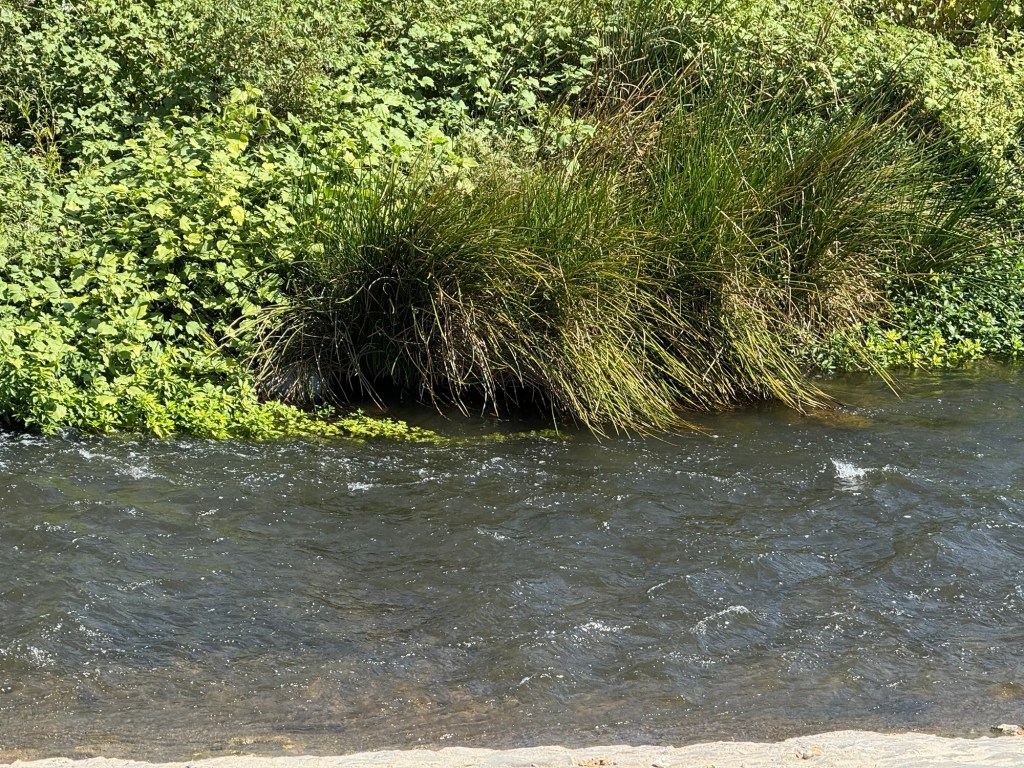
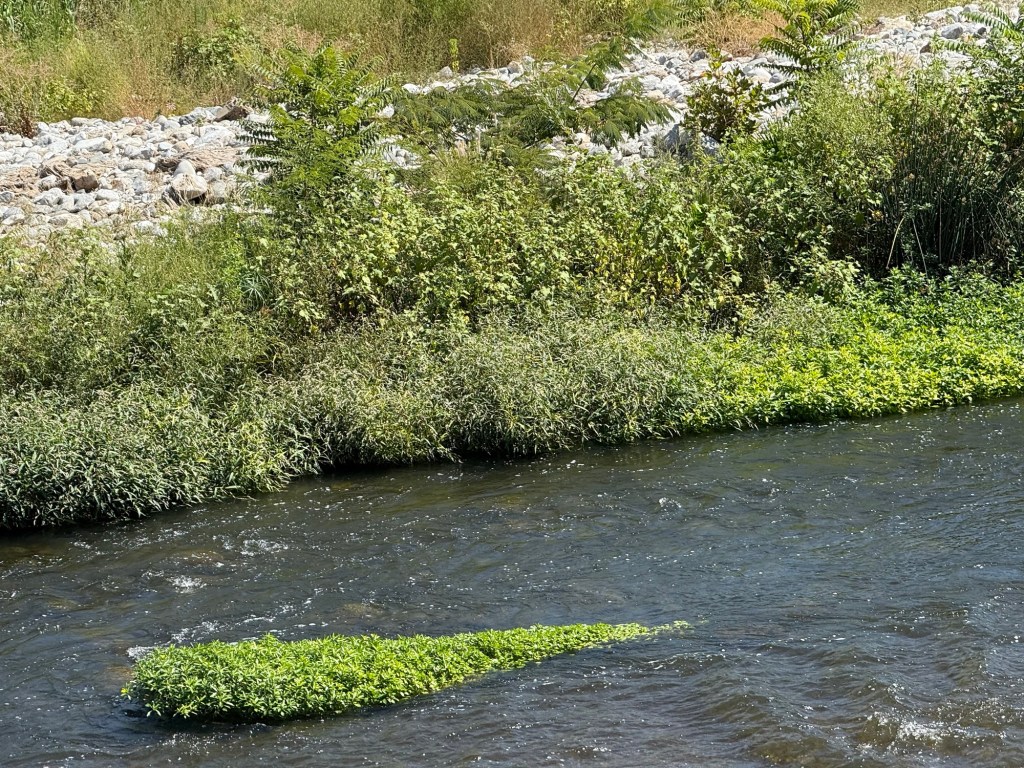
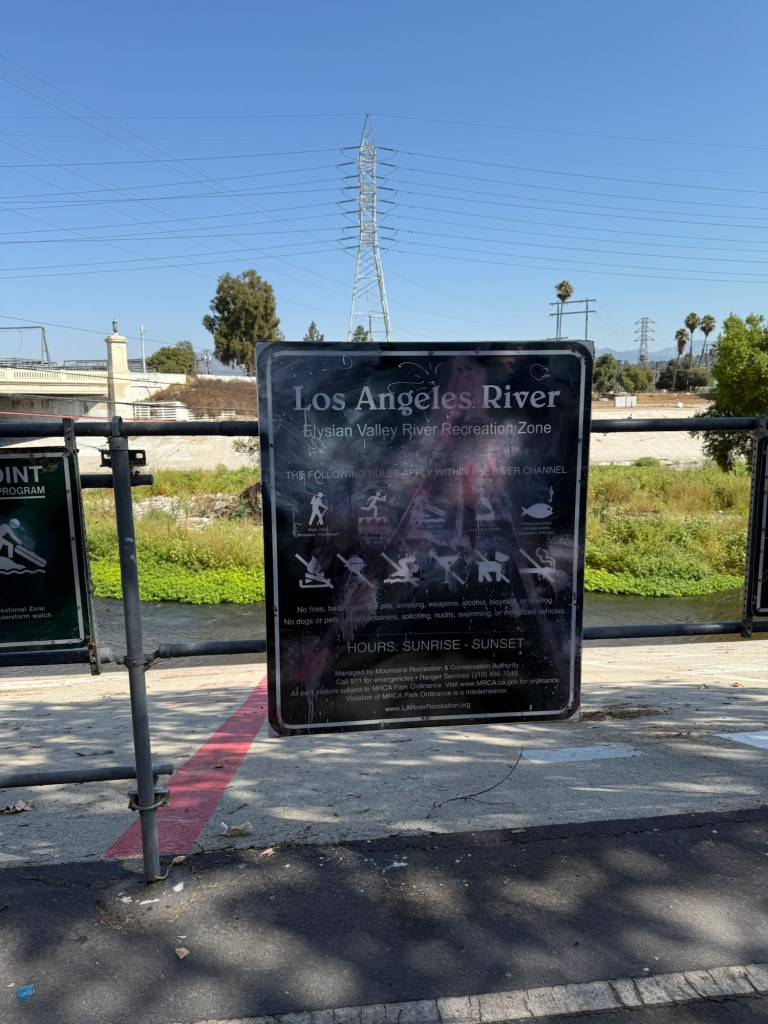
Over the years, I have heard so much about Frogtown and the Los Angeles River. Recently, my husband and I opted to sign up for one of the Los Angeles Conservancy’s tours of the area – also known as the Elysian Valley. The tour of the area was done in partnership with Friends of the Los Angeles River. Our tour met at the Lewis MacAdams Park, named after the founder of the Friends of the Los Angeles River. MacAdams, who passed away in 2020, was a huge advocate for restoring the river to a more natural state. The park and surrounding area has been designated a protected butterfly habitat with lots of milkweed planted to encourage butterfly activity. Consequently, beautiful butterflies are everywhere within the park and nearby homes.
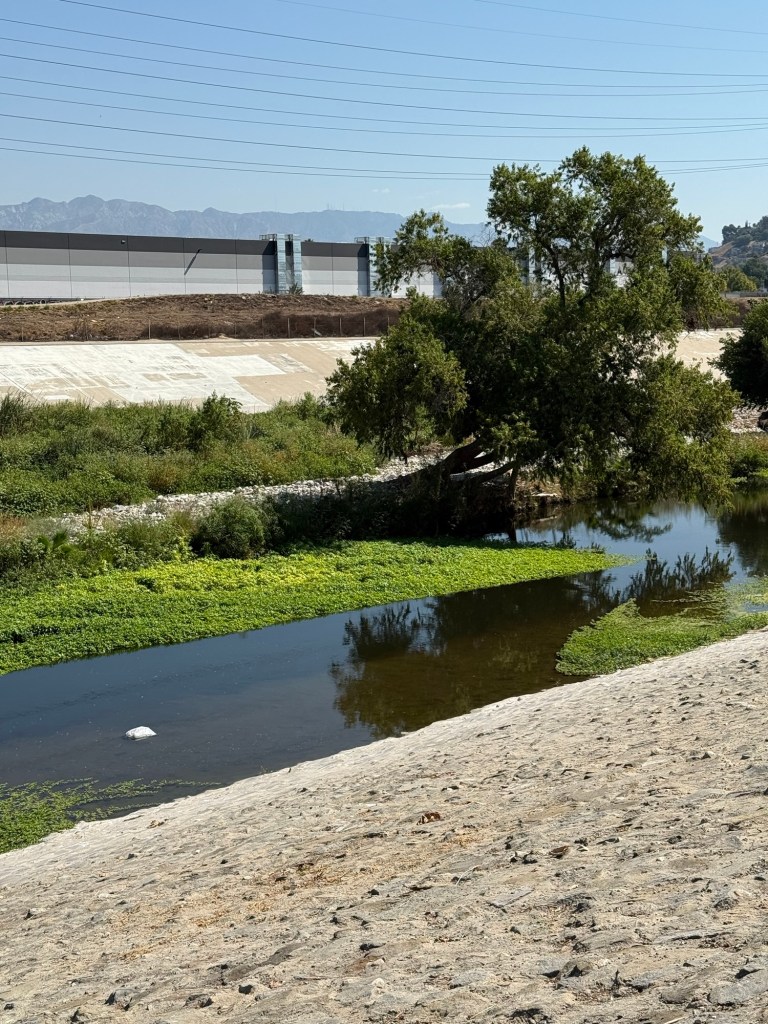
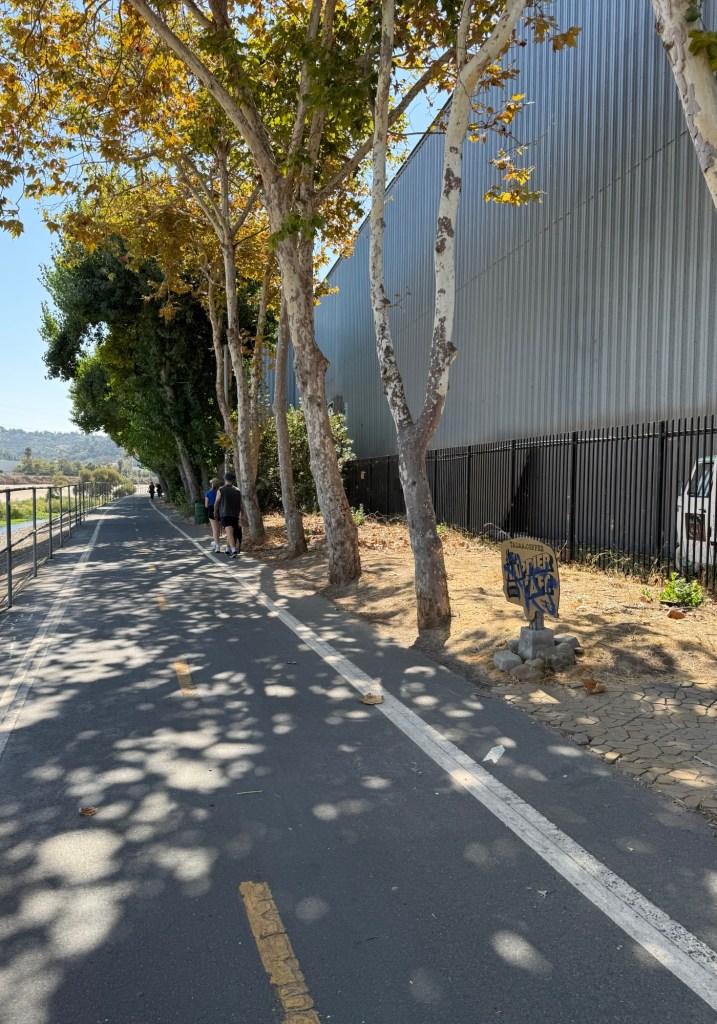
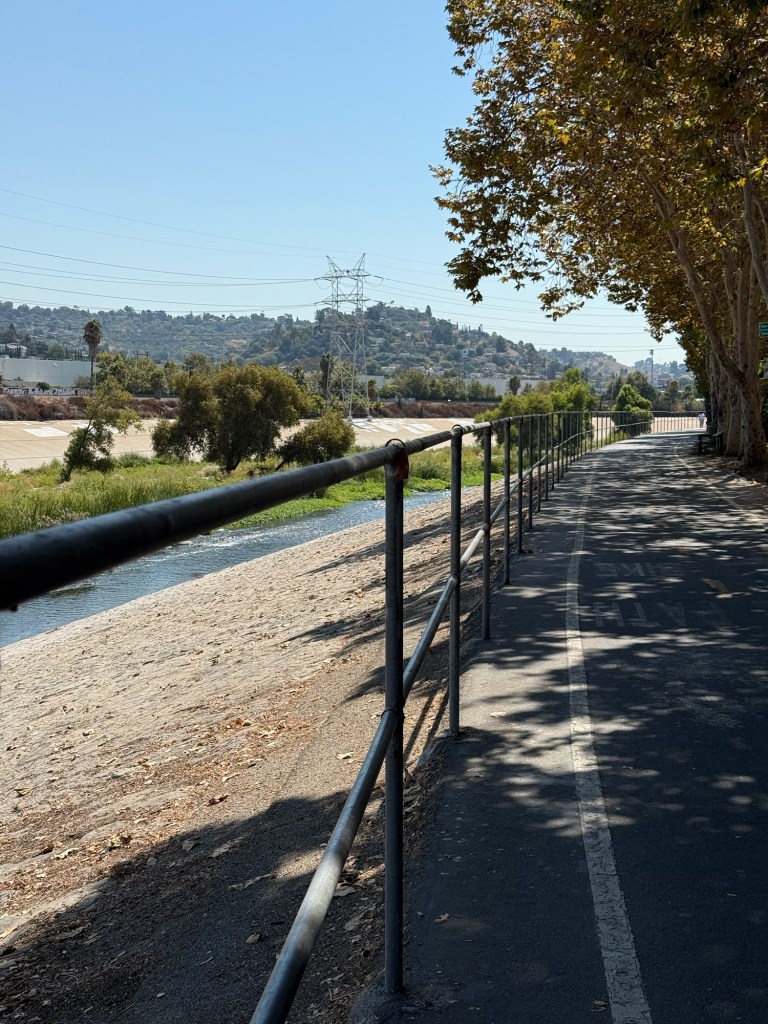
After a massive flood in 1938, the Army Corps of Engineers created a 51-mile waterway encased in concrete to prevent future devastating floods. The area we visited is one of the few areas with a dirt basin. A nice walkway with a bike lane, adjacent to the park, has been built. We were warned in advance about speeding cyclists and the warnings were valid. We stayed on the far left side closest to the river and managed to avoid a collision with a few Lance Armstrong wannabes. Future plans include new parks, recreational areas and restored habitat areas for wildlife. Unfortunately, the plans are moving at a snail’s pace due to conflicting goals and concerns from the multiple government agencies involved.
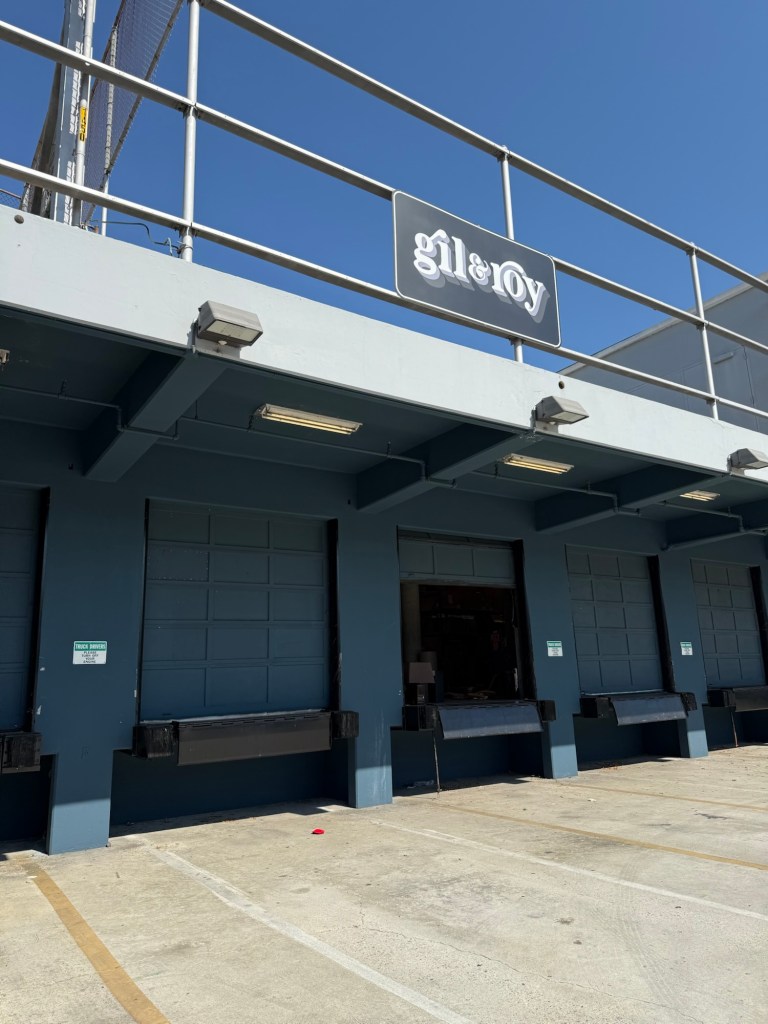
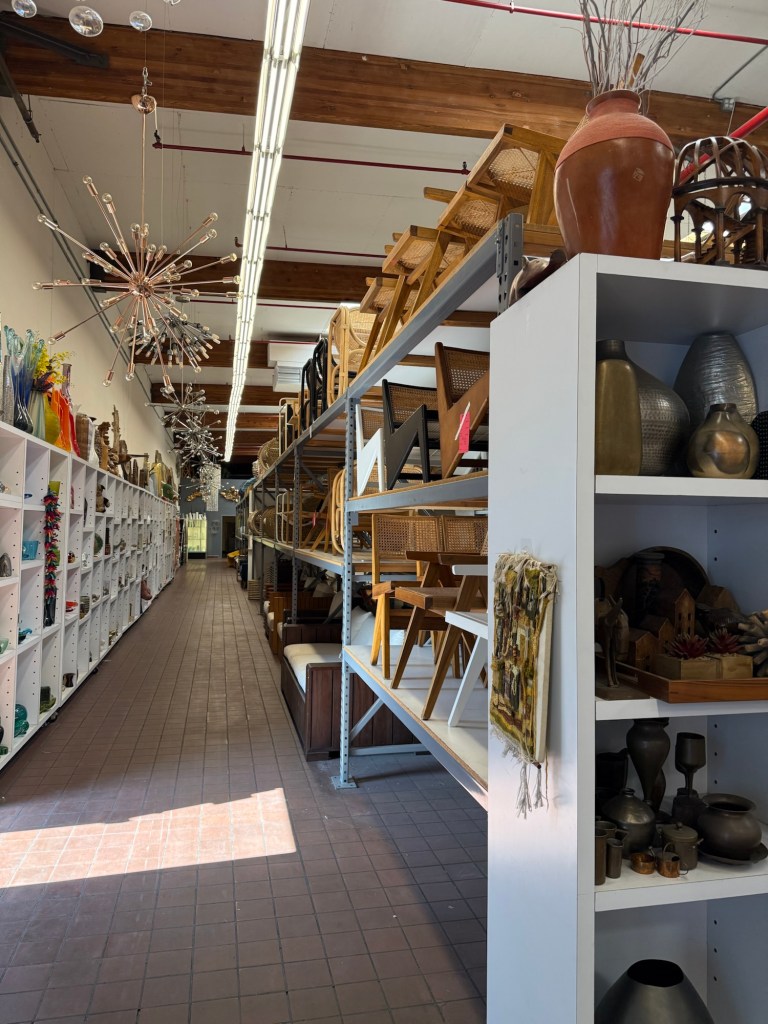
The surrounding area started as a working-class neighborhood of affordable housing near industrial facilities, including the Kruegermann Pickle and Sauerkraut factory and the massive Hostess Bakery facility. The pickle factory site is now a dance studio and the bread factory is now an amazing film industry prop house. As part of our tour, we spent some time exploring the prop house. The place has furniture, lighting and dishes from every decade. Based on the hold tickets I saw, every major studio is renting items from this place.
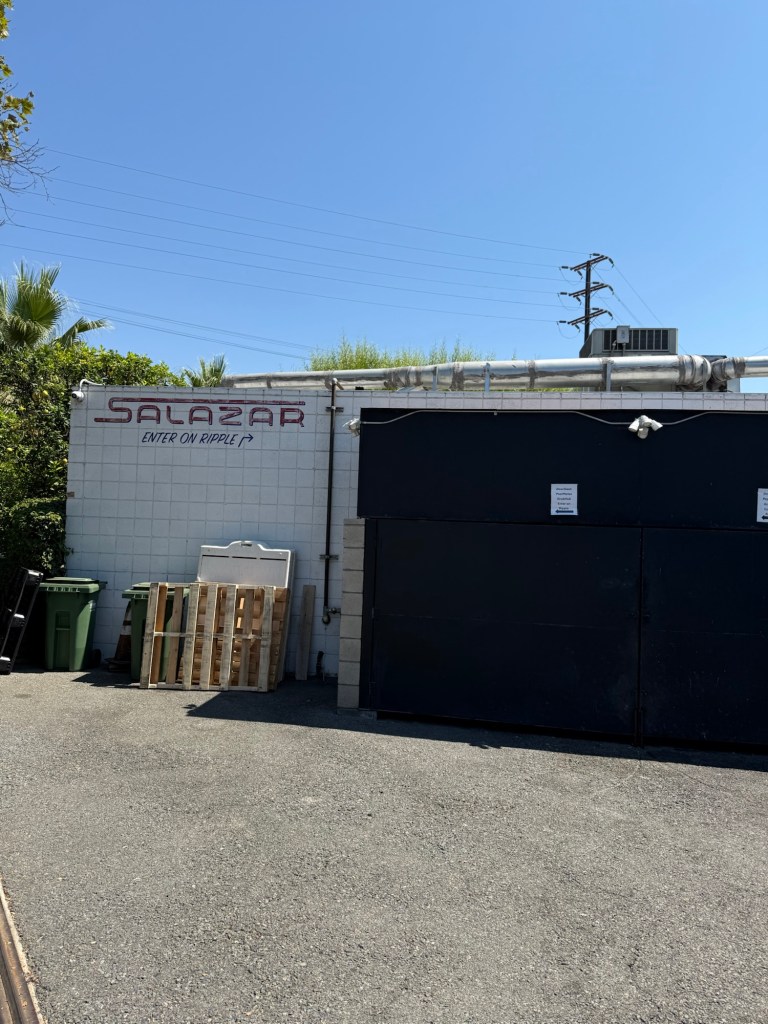
In addition, a nearby automotive repair shop called Salazar’s is now Salazar’s Mexican BBQ restaurant. Our tour guide mentioned this restaurant and we met a friend there for lunch. The food and atmosphere were amazing. Salazar’s serves a delicious salsa made with tomatoes that they roast on the grill. The tres leche cake was phenomenal, too. Our waiter was an actor originally from Argentina. Apparently, he grew up primarily eating Italian food in Argentina and was relatively new to Mexican cuisine. He and the rest of the crew were incredibly welcoming.
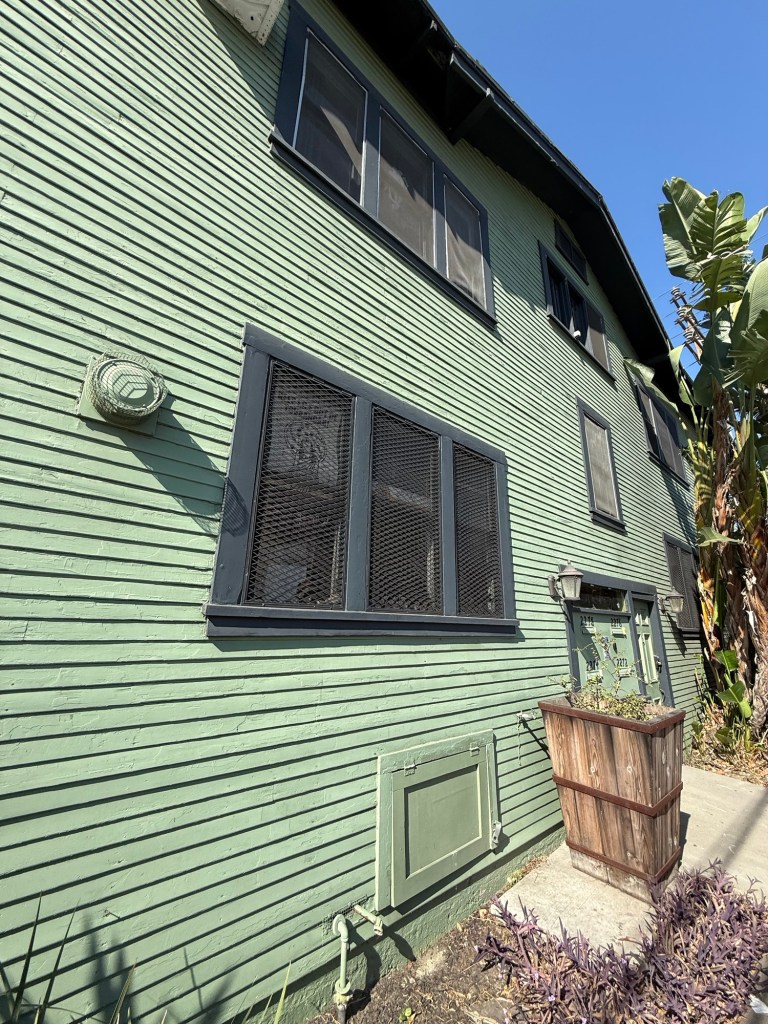
The neighborhood dates back to the late 1800 and the streets are extremely narrow. Parking is limited with street parking at a premium. With all the cars parked on both sides of the streets, the remaining street space is too narrow for cars to pass going in opposite directions. We found ourselves frequently waiting for a car going in the opposite direction to pass before we could continue driving.
Additional fun business have opened up in the area including Bauer Pottery. I have been buying dishes made by Bauer online and was really excited to have the opportunity to see the company’s showroom.
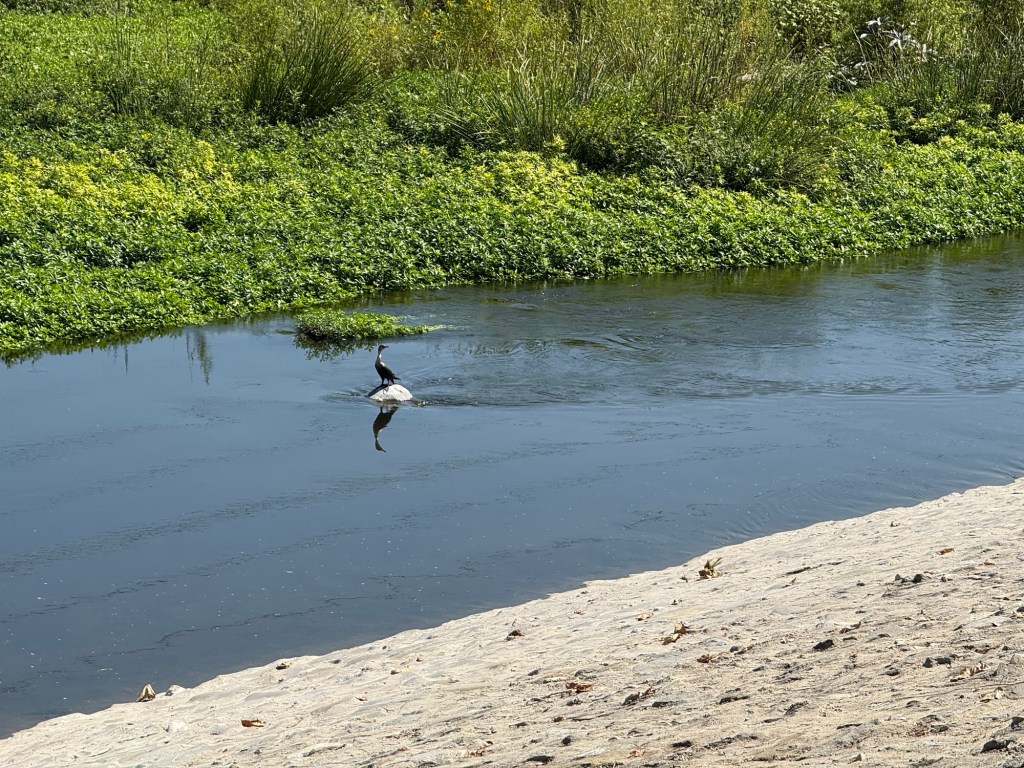
LA River and Bridge LA River LA River LA River Gallery Adjacent to the LA RiverLA River LA RiverLA River Walkway Interior of Bauer Pottery Showroom Salazar’s – Former Automotive Repair Shop and Now Mexican BBQ Restaurant LA River Walkway Former Wonder Bread Bakery – Now a Movie Prop Business Interior of Gil & Roy PropsBoarding House Built in 1917Historic Home Near the River ParkLocal Graffiti at the Freeway Underpass
I finally figured out how to make the perfect savory-style baked Brie.
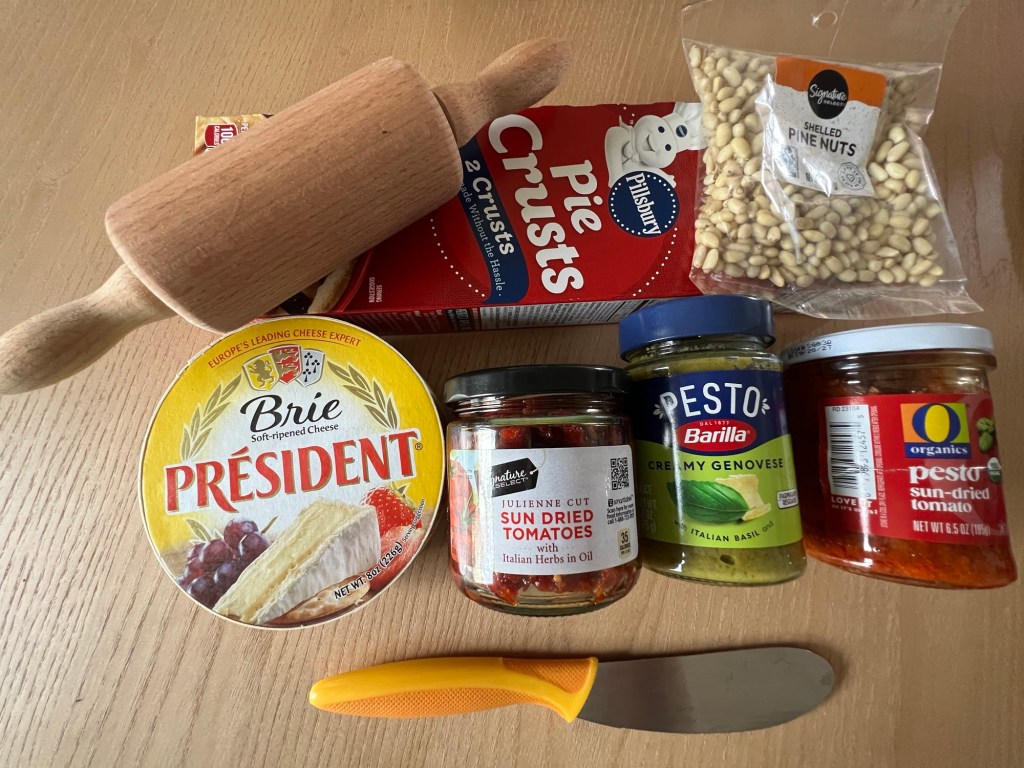
Prior to assembling, be sure to leave a roll of refrigerated Pillsbury pie crust out for 30 minutes to warm up. I have tried cheaper versions and they are not as good. Slightly warming the pie dough will make it much easier to handle. Also, preheat the oven to 400.
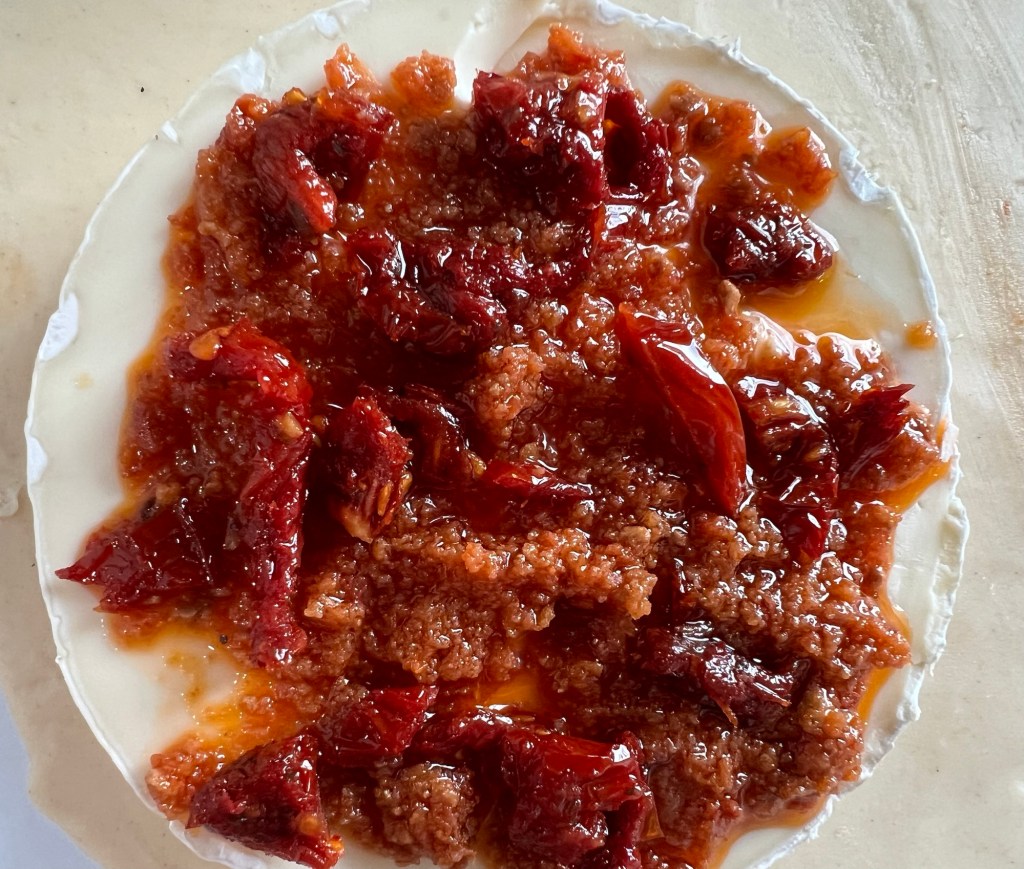
As with a traditional jam version, the Brie needs to be cut in half. With this recipe, I first spread a coat of tomato pesto followed by a tablespoon of chopped sun-dried tomato pieces (drain any oil from the sun-dried tomato). Then put the Brie back together.
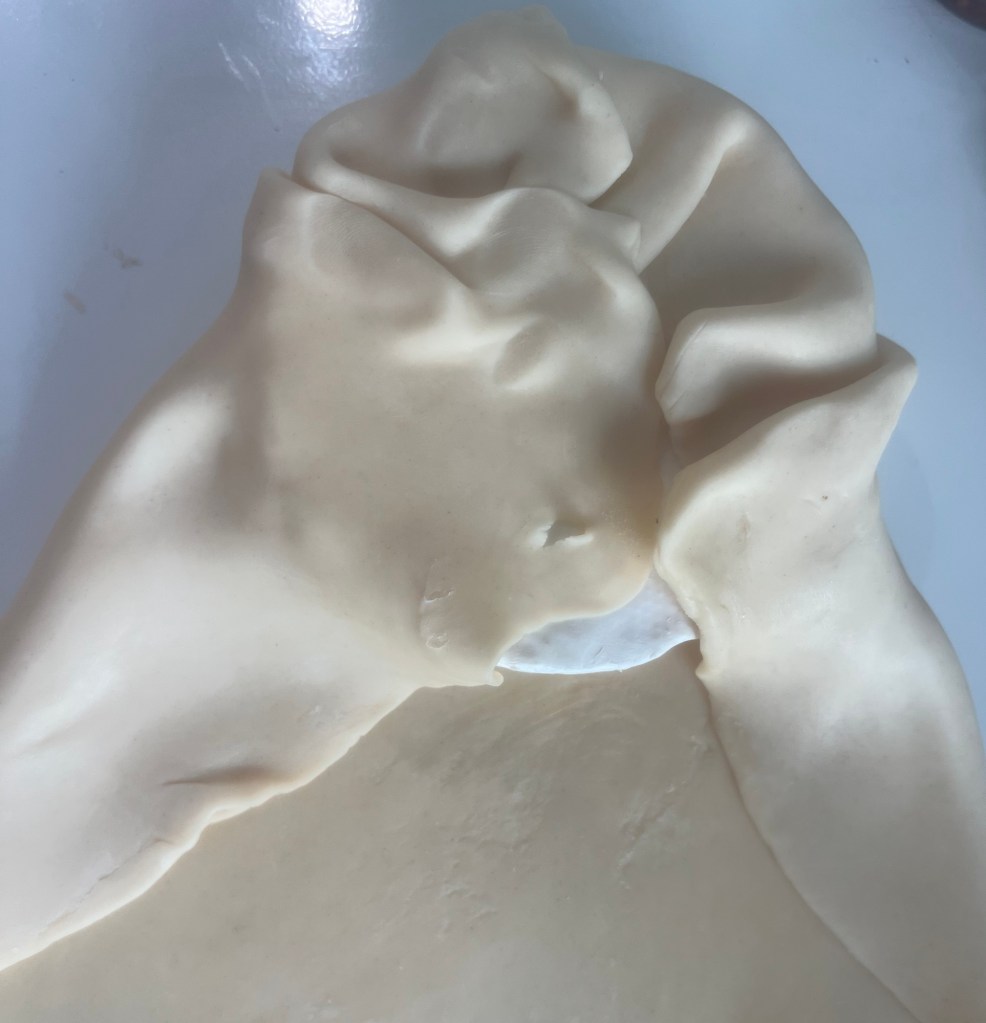
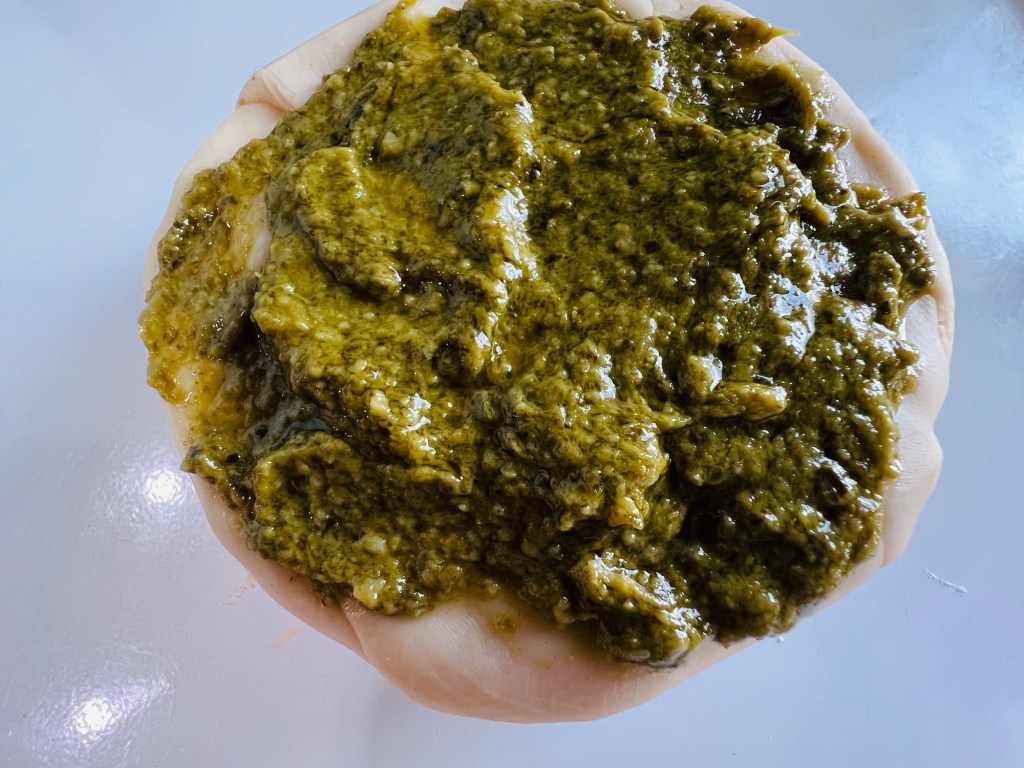
Next, pull out the pie crust and use a small rolling pin to make the dough thinner. Wrap the Brie in pie crust. Trim away the excess – roughly 25% of the crust. Cover the top of the pie-crust covered brie with jarred pesto sauce. Barilla sells a creamy style version that I like.
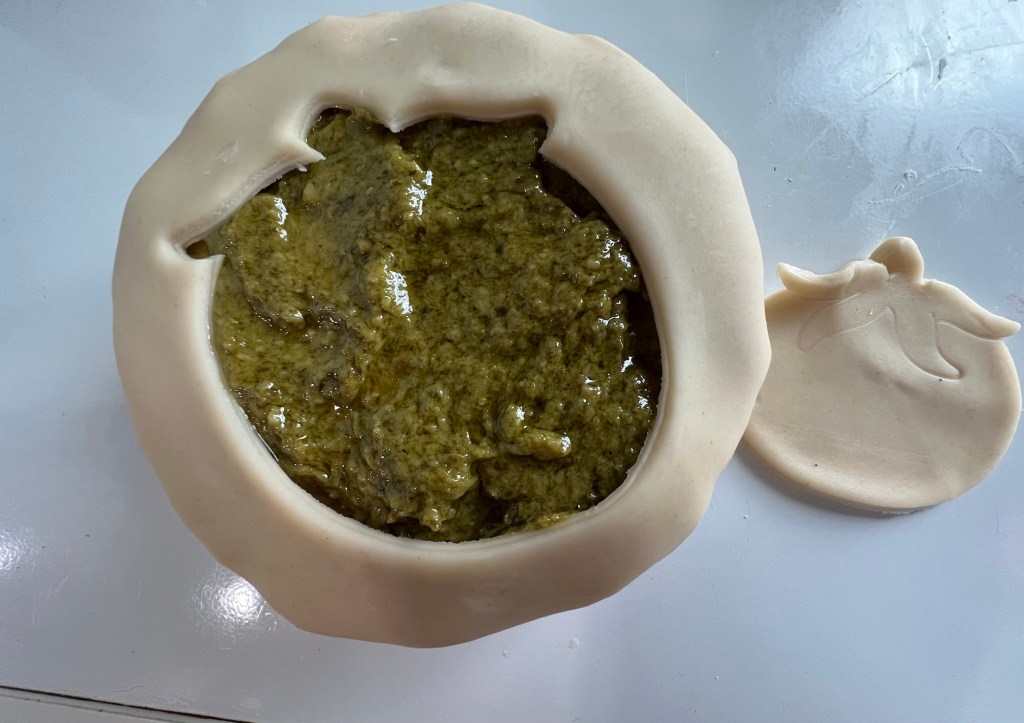
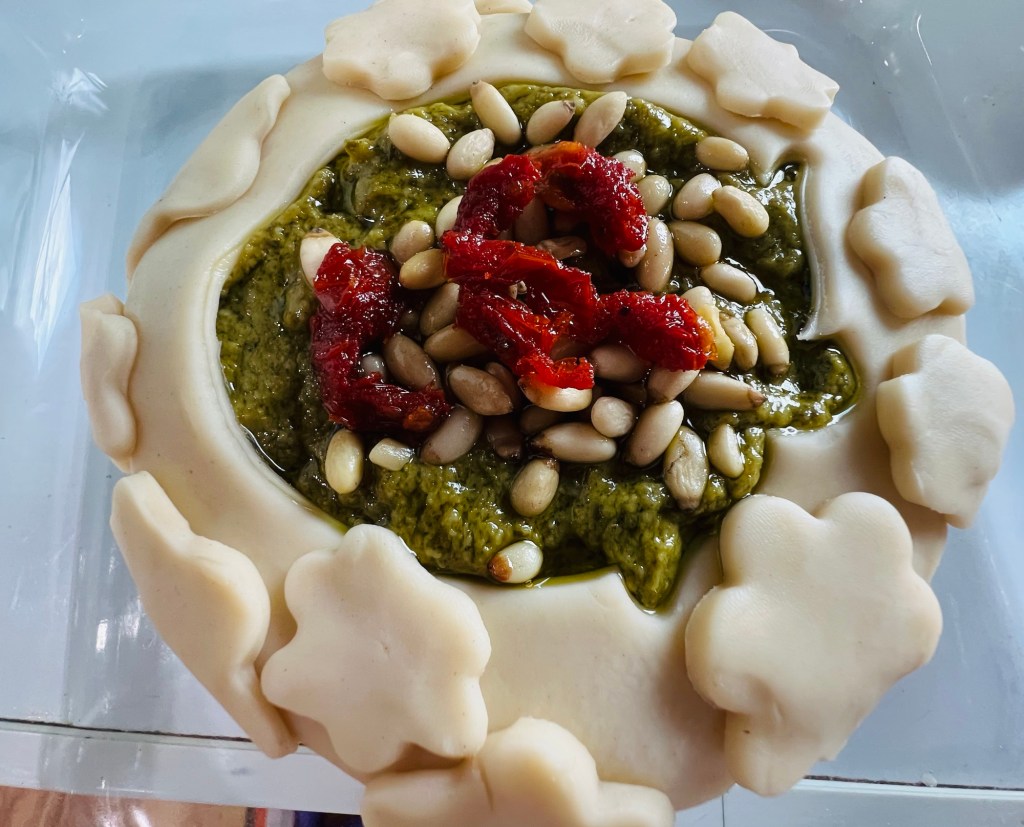
Create a circle of crust, from the extra, that will fit over the Brie’s top. First, use a cookie cutter to cut a window in the center of the dough circle. I like to use a cutter in the shape of a tomato. Place the crust circle with window cut-out centered on top of the Brie. Smooth out the edges. With remaining pie crust, use very small cookie cutters to cut out a few shapes. Then, place these pieces around the Brie to make it look extra special.
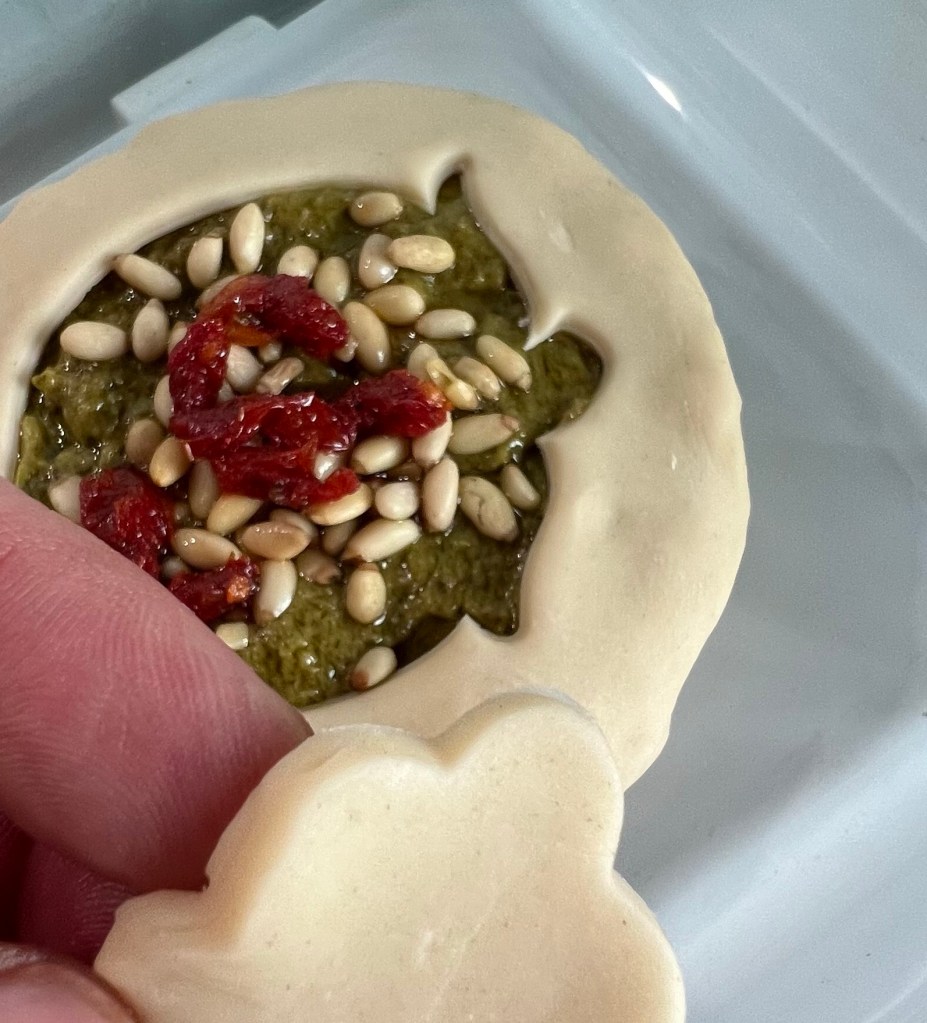
Also, I like to sprinkle a handful of pine nuts on top of the exposed pesto as well as a few pieces of diced sun-dried tomato, too.
Finally, the Brie is ready to go into the preheated oven at 400 for 20 to 25 minutes. I use a glass Pyrex dish but a cookie sheet will work, too. Make sure that the Brie crust is a light brown before removing from the oven.
Share with family and friends – enjoy!
The Perfect Baked Brie with Pesto, Sun-Dried Tomato and Pine NutsKey Ingredients and Steps to the baked Brie
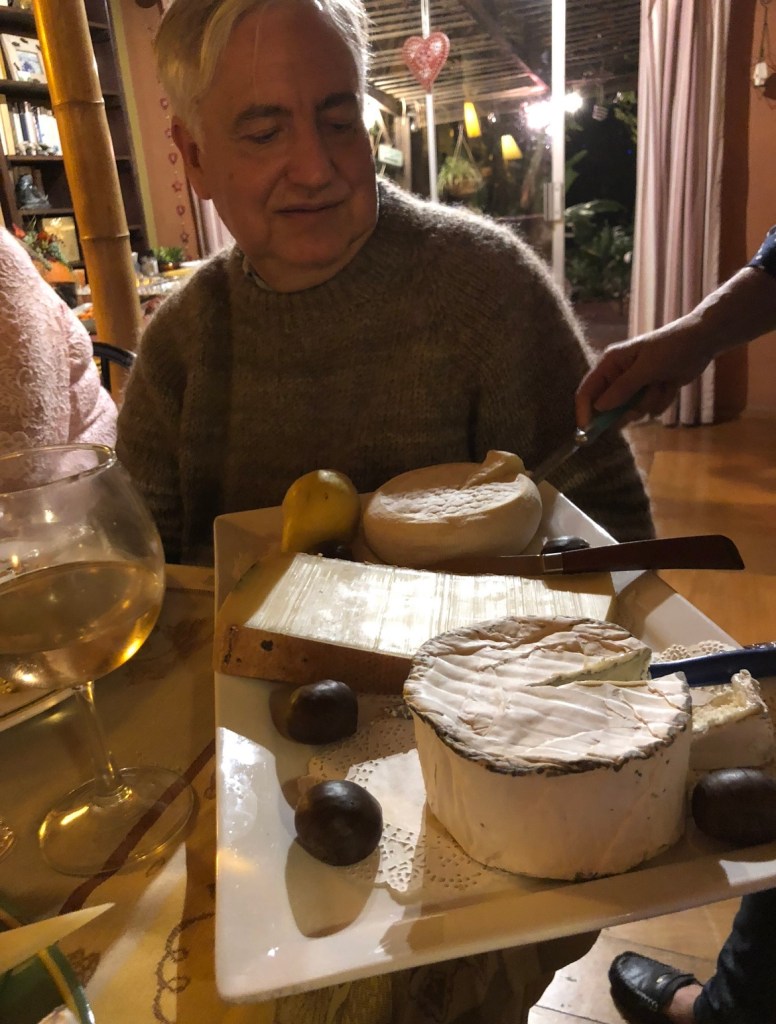
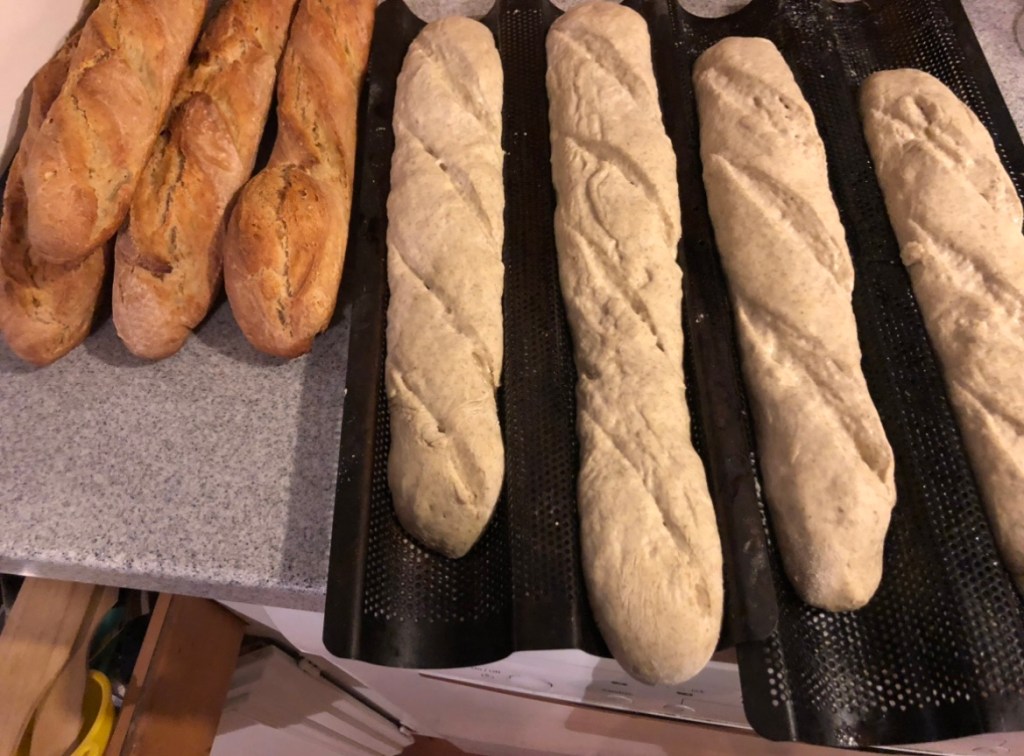
A few years ago, my husband and I, along with a few other family members, were invited to a Thanksgiving dinner hosted by a French family temporarily living in the United States. It was probably one of the best holiday meals I’ve enjoyed – even the roasted turkey was fantastic (coated in a mixture of beer and Dijon mustard)! The hosts invited another French couple who were professional cheesemakers. Naturally, this couple brought the cheeses for the traditional French cheese course. Our hosts baked beautiful homemade baguettes to go with the cheeses. The cheeses were served after dinner – before dessert. I do not remember what desserts we ate but I still think about those amazing cheeses.
Recently, I rediscovered the joy of specialty cheeses. Going back to that Thanksgiving with our French hosts, they served three cheeses and provided a suggested order in which to try them.
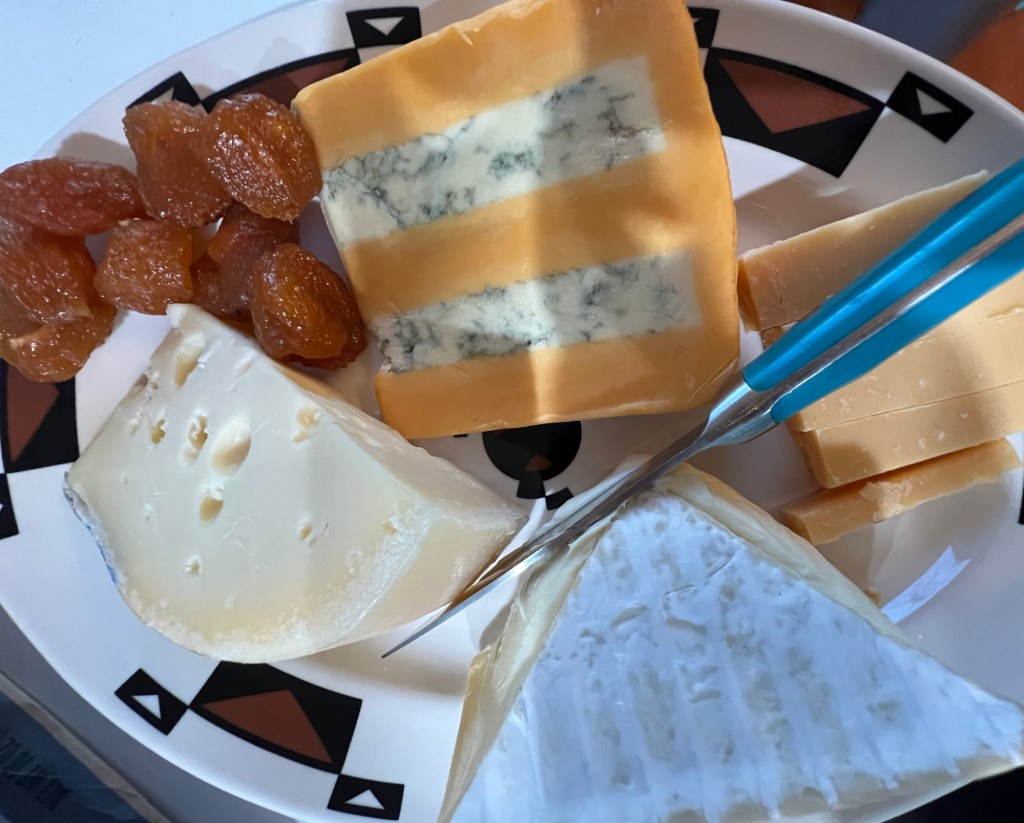
When serving an assortment of cheeses, it is a good idea to include a mixture of cow, sheep and goat ones. In addition, the proper order is to go from mildest to sharpest varieties. Our French hosts served their cheeses with a few grapes and an anise aperitif. Personally, I prefer to pair my cheeses with dried fruit and a ruby port. As of lately, I am really into golden prunes that I buy at a local Middle Eastern market.
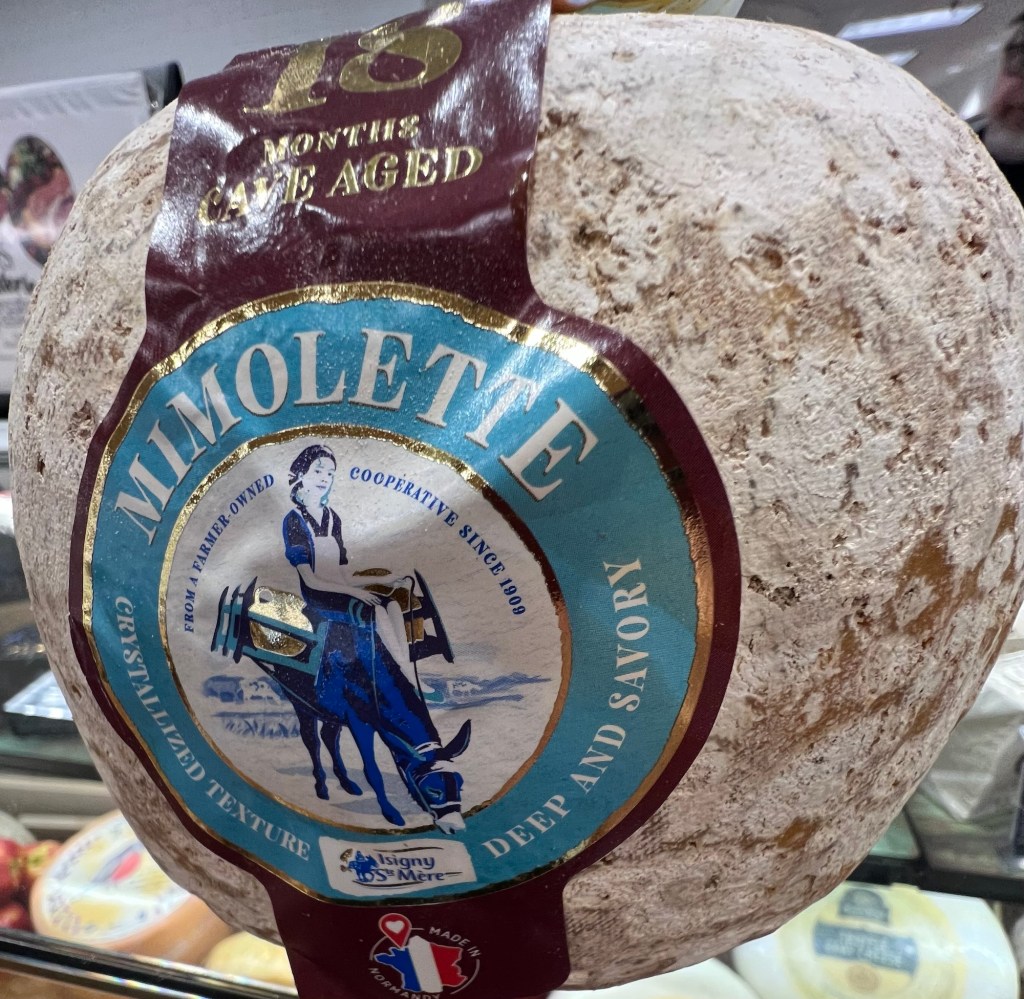
Also, I think it is fun to introduce guests to less well-known cheeses. Recently, I was introduced to the French Mimolette made from cow’s milk and aged for 18 months. The exterior is rough and looks like a mini boulder. In fact, the hard exterior is covered in cheese mites. Consequently, the U.S. banned this cheese for a number years over unwarranted safety concerns. It is best to let this cheese sit out for a while to really enjoy its full flavor. It has a nutty and somewhat sweet taste.
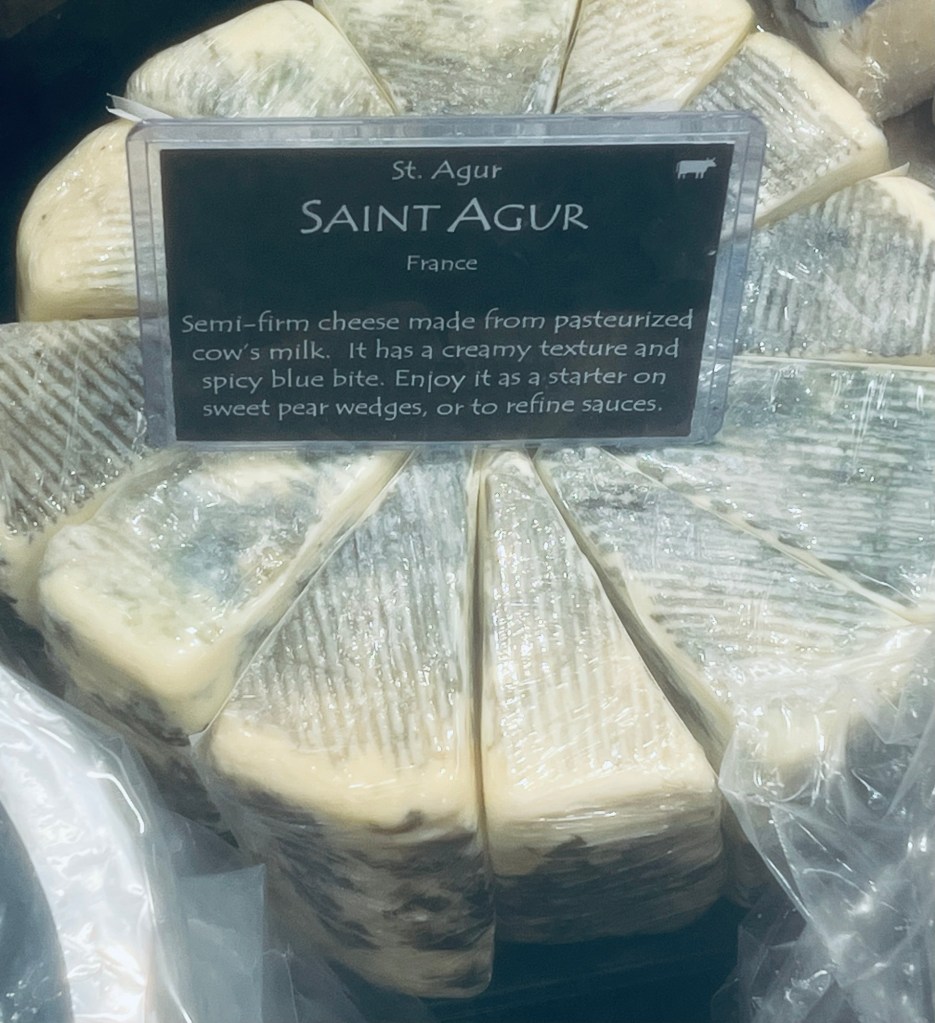
Finally, I am a huge blue cheese fan. I enjoy it in salads and cheese plates or as its own appetizer with thinly sliced pears, dates or toasted walnuts. It is a strong cheese so it is best to enjoy it last – after eating milder cheeses. Saint Agur is a French blue cheese produced from cow milk in central France.
The Cheese Course at Our French Thanksgiving Day Dinner























 NO time for boredom today