Tag: Cheese

  • Homemade Mac ‘N’ Cheese Versus the Boxed Stuff

    My mother and I have a running joke/argument regarding macaroni and cheese.

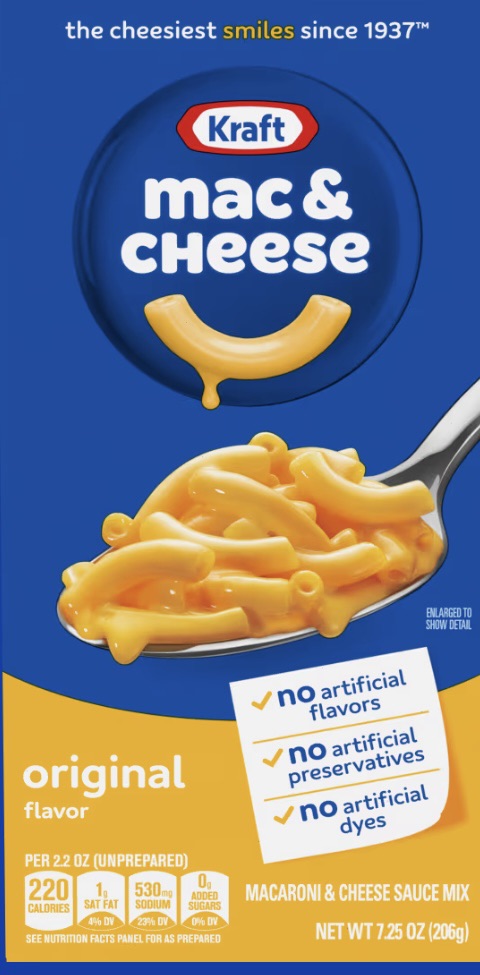
    She loves Kraft mac & cheese; she admits that her love for it goes back to her childhood. I should add that she was born in the 1930s. Kraft mac & cheese came out in 1937. At 19 cents a box, it was a great success. Between the depression and WW II food rationing, Americans were looking for cheap ways to feed their families.

    I prefer homemade macaroni and cheese. Over the years, I have perfected my recipe. My key tip is to undercook the macaroni. Otherwise, after you combine the cooked macaroni with all the other ingredients and bake the dish – you can end up with overcooked mush. Also, I like to use a good quality macaroni. For my latest effort, I paid an extra dollar for Italian macaroni. The result was a delicious dish with great texture.

    As far as the cheese mixture, I normally use a combination of a really sharp cheddar, parmesan and either smoked Gouda or smoked mozzarella. Other key ingredients include: Worcestershire sauce, salt, pepper, sweet hot mustard, nutmeg, dry Sherry, butter, heavy cream and milk.

    When I make the roux, I immediately add the Dijon mustard to the butter and flour – before I add the milk and cream. I then add in the cheese, spices and so on. I like texture in my macaroni and cheese. After combining the macaroni and cheese sauce, I fold in additional grated cheddar and cover the top with extra grated parmesan.

    My mother considers herself a Kraft purist; she likes her Mac ‘n’ cheese exactly as the box directions state. My husband and I just seem incapable of following the directions. We usually add additional cheese and replace the milk with either cream or half & half. My mother will protest if we make too many additions.

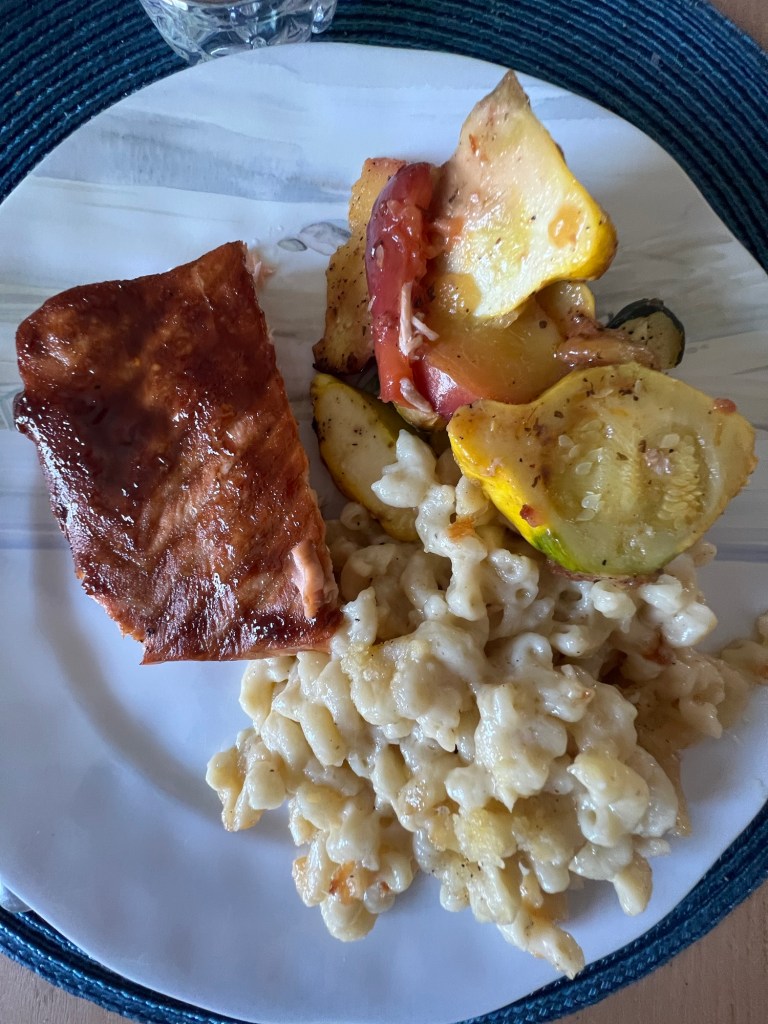
    I did notice that the other night, Mom ate her entire serving of my homemade macaroni and cheese. She grudgingly even admitted that the pasta texture was perfect. My husband and I just laughed as soon as she left the table.
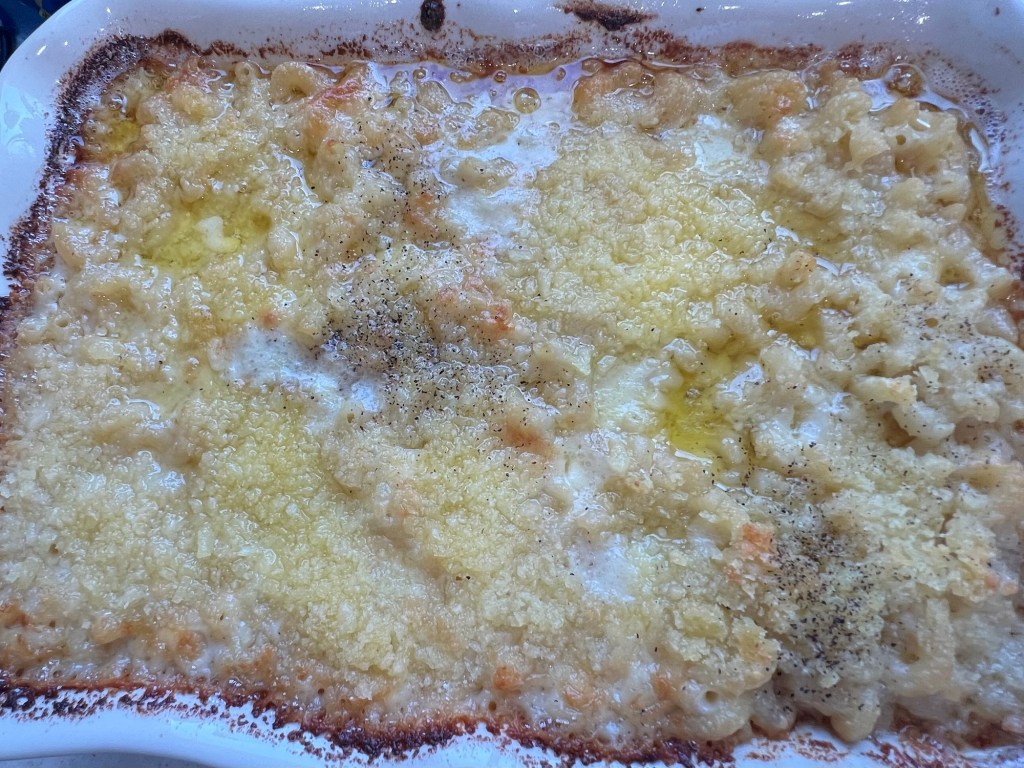
    Dinner with My Homemade Macaroni and Cheese.
  • The Path to a Perfect Baked Brie

    I finally figured out how to make the perfect savory-style baked Brie.

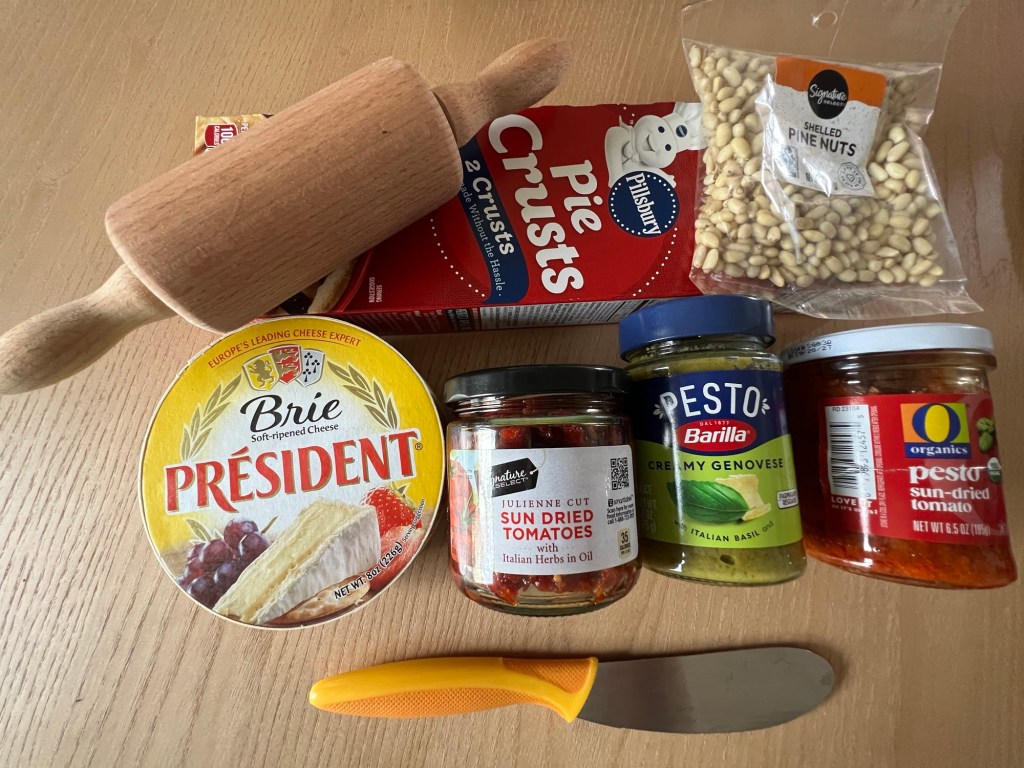
    Prior to assembling, be sure to leave a roll of refrigerated Pillsbury pie crust out for 30 minutes to warm up. I have tried cheaper versions and they are not as good. Slightly warming the pie dough will make it much easier to handle. Also, preheat the oven to 400.

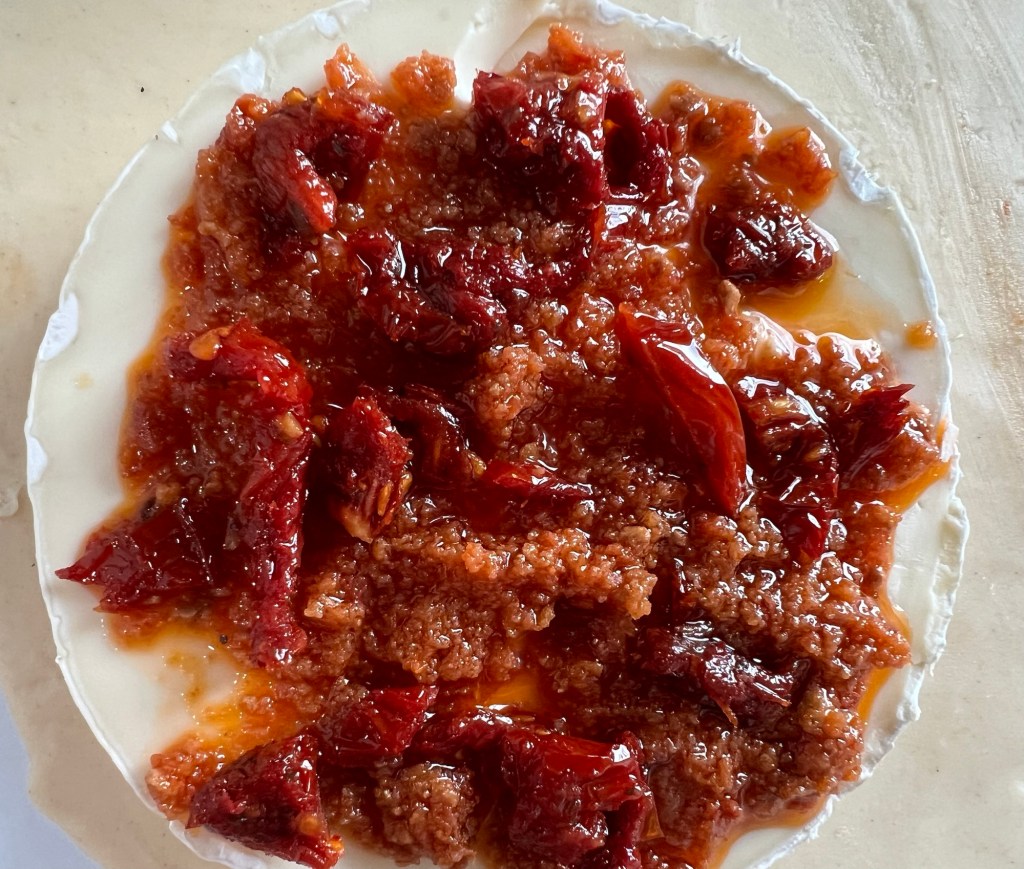
    As with a traditional jam version, the Brie needs to be cut in half. With this recipe, I first spread a coat of tomato pesto followed by a tablespoon of chopped sun-dried tomato pieces (drain any oil from the sun-dried tomato). Then put the Brie back together.

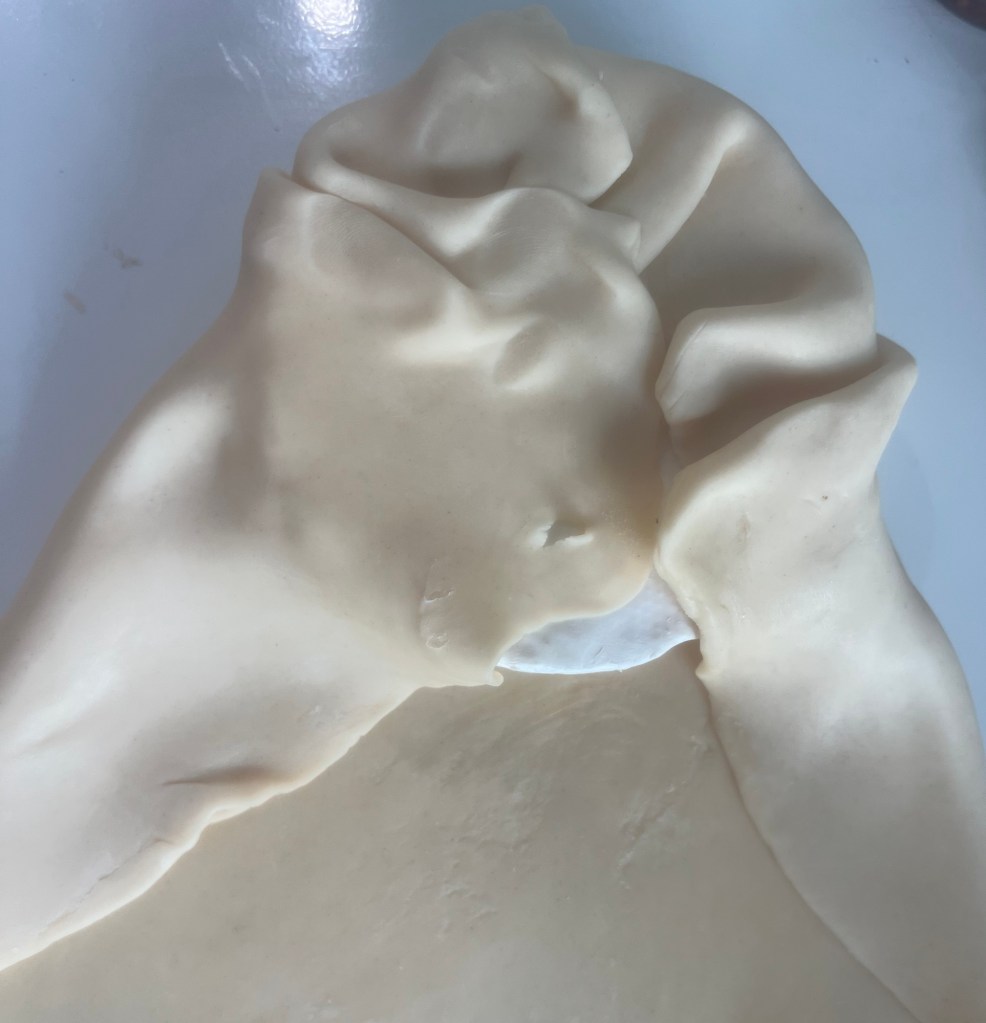
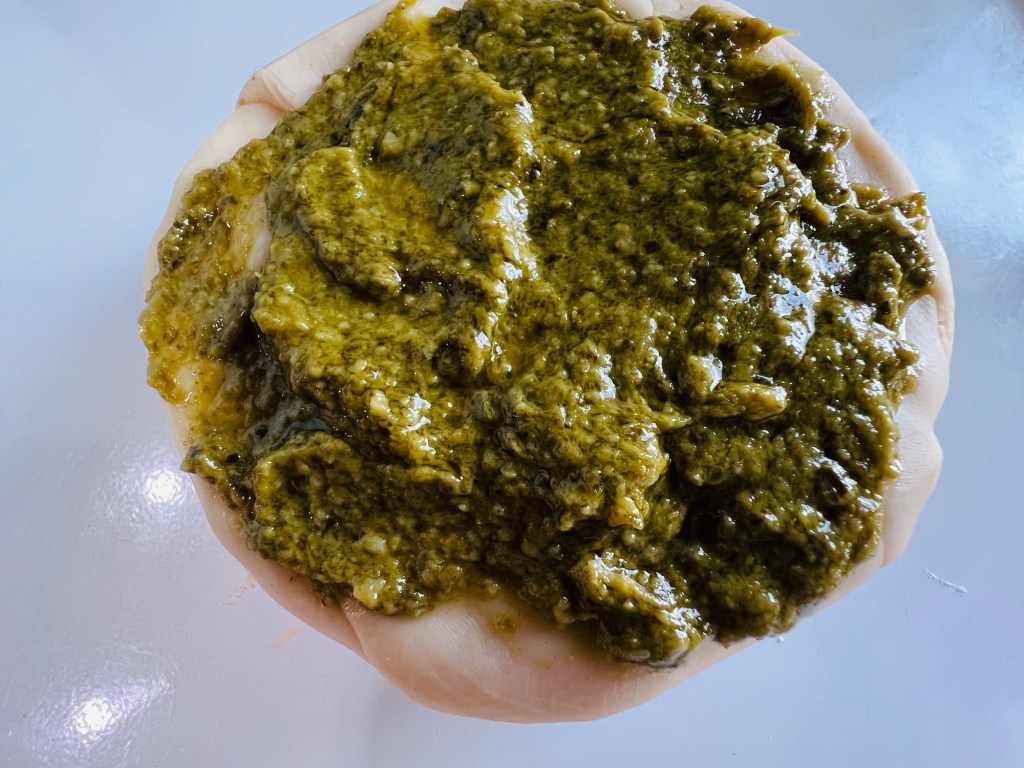
    Next, pull out the pie crust and use a small rolling pin to make the dough thinner. Wrap the Brie in pie crust. Trim away the excess – roughly 25% of the crust. Cover the top of the pie-crust covered brie with jarred pesto sauce. Barilla sells a creamy style version that I like.

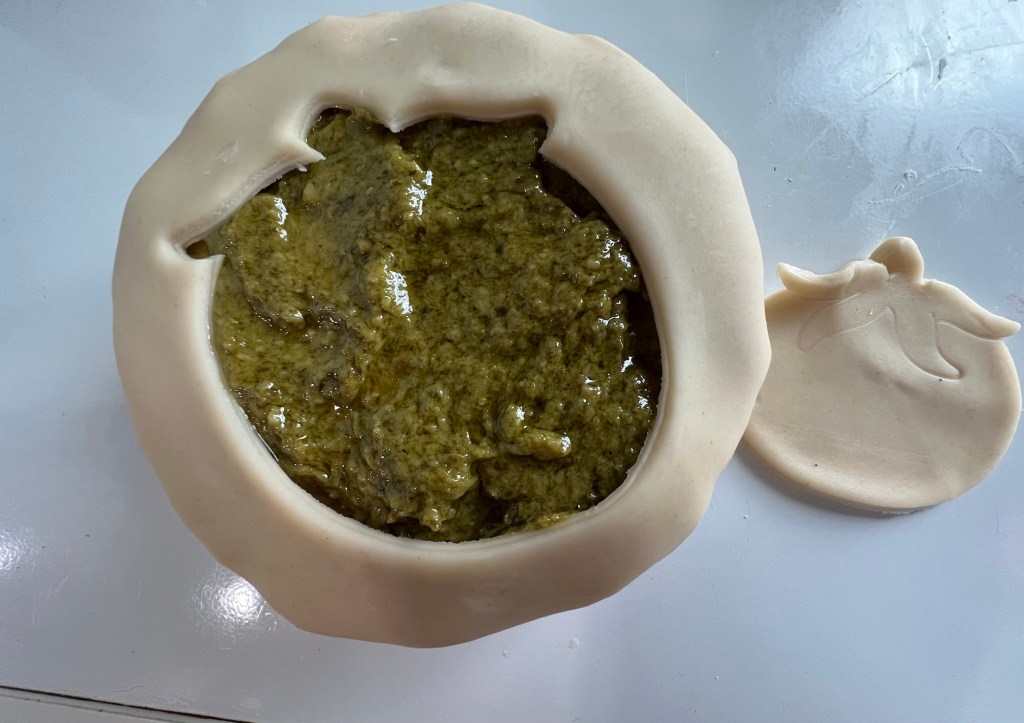
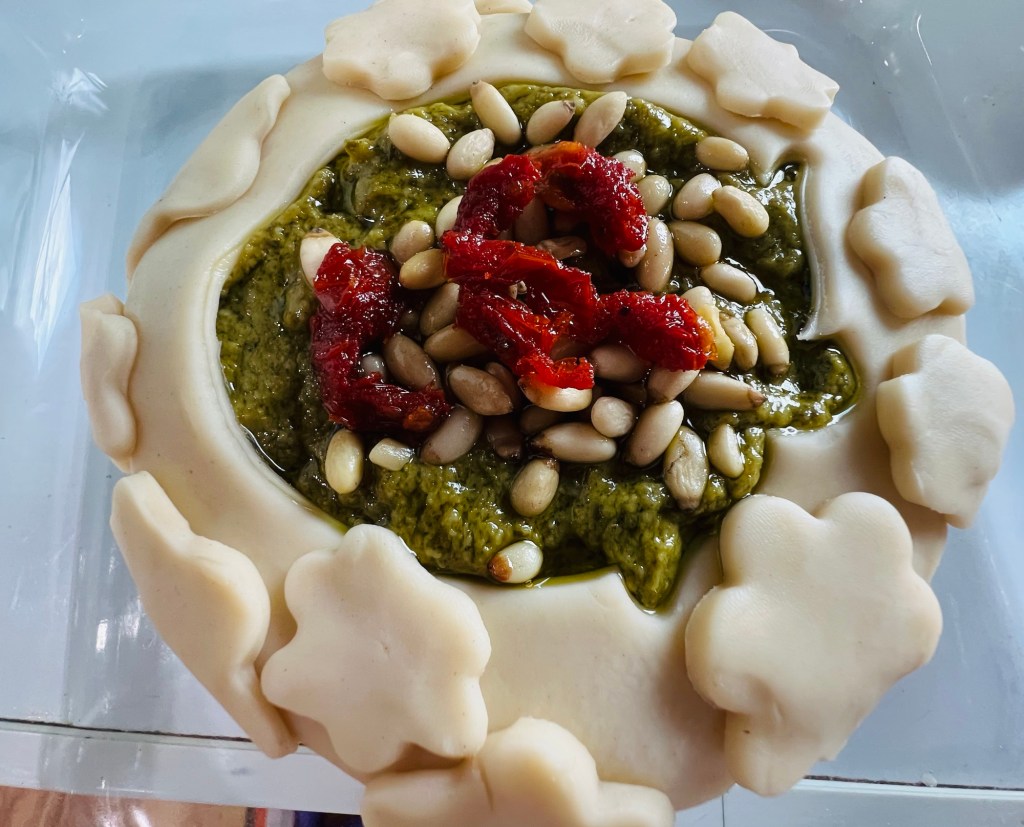
    Create a circle of crust, from the extra, that will fit over the Brie’s top. First, use a cookie cutter to cut a window in the center of the dough circle. I like to use a cutter in the shape of a tomato. Place the crust circle with window cut-out centered on top of the Brie. Smooth out the edges. With remaining pie crust, use very small cookie cutters to cut out a few shapes. Then, place these pieces around the Brie to make it look extra special.

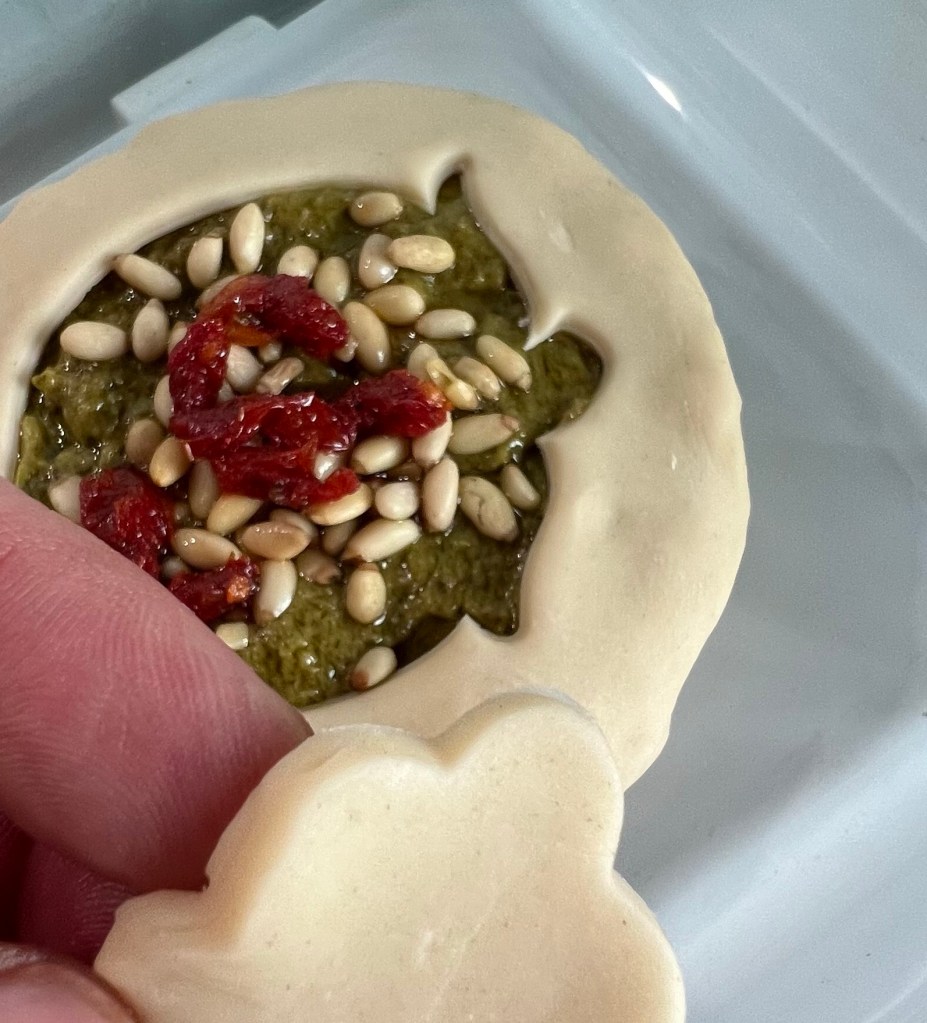
    Also, I like to sprinkle a handful of pine nuts on top of the exposed pesto as well as a few pieces of diced sun-dried tomato, too.

    Finally, the Brie is ready to go into the preheated oven at 400 for 20 to 25 minutes. I use a glass Pyrex dish but a cookie sheet will work, too. Make sure that the Brie crust is a light brown before removing from the oven.

    Share with family and friends – enjoy!

    The Perfect Baked Brie with Pesto, Sun-Dried Tomato and Pine Nuts

  • Best Crab Dip Ever – Forget the Mayo & Sour Cream

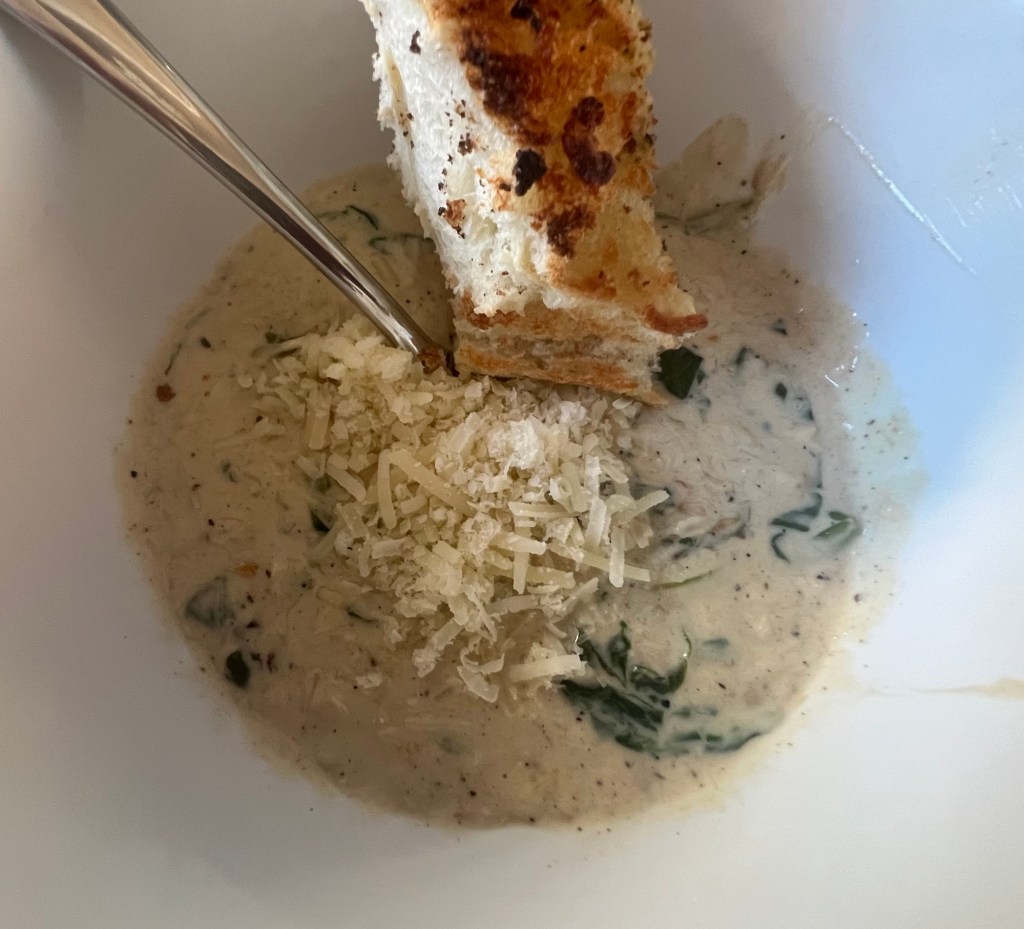
    Recently, my husband I tried the warm crab dip at The Prado restaurant in San Diego. Our waiter recommended it and he was spot on with his suggestion. The combination of flavors was fantastic.

    Unlike other similar dips which combine sour cream or cream cheese with mayonnaise, this dip has a base of mascarpone cheese. Based on the menu, I knew the key ingredients but had to guess a few items as well. The crab dip I replicated at home is a masterpiece. My husband was in awe.

    Ingredients are as follows:

    Mascarpone cheese, small tub of crab claw meat, 2 cups fresh spinach, 1 poblano chili pepper, 1/2 cup parmesan cheese, 2 tablespoons Worcestershire sauce, 1 teaspoon Dijon mustard, 1/3 cup sherry & 1 teaspoon garlic powder.

    The key thing is to melt the mascarpone at a very low temperature on the stove. If you melt the mascarpone at too high of a temperature, you will cause the cheese to separate. This dip is great warm and does not to be scalding hot.

    Step 1 – Roast the poblano chili. I cooked mine for 10 minutes ub the air fryer at 400.

    Step 2 – Saute the fresh spinach in a pan with a drizzle of olive oil and a light sprinkle of salt and black pepper.

    Step 3 – Start melting the mascarpone in a sauce pan. Add in the wilted spinach and roasted poblano chile (dice first). Add in Worcestershire sauce and sherry. Constantly stir the mixture as the Mascarpone softens. Add in the Parmesan and Dijon mustard. Keep stiring and add in the crab meat, too. Keep stirring. The dip will be warm but not scalding hot.

    I served the dip in a bowl with a basket of toasted French bread that I cut up into smaller pieces. Prior to toasting the bread in the broiler, on low, I spread both sides of my halved bread with light coating of garlic and herb compound butter.

    This dip can also be made in advance and reheated. I had leftover dip which I stored in a glass container and reheated two days later.

  • The Amazing French Cheese That Looks Like Cantaloupe

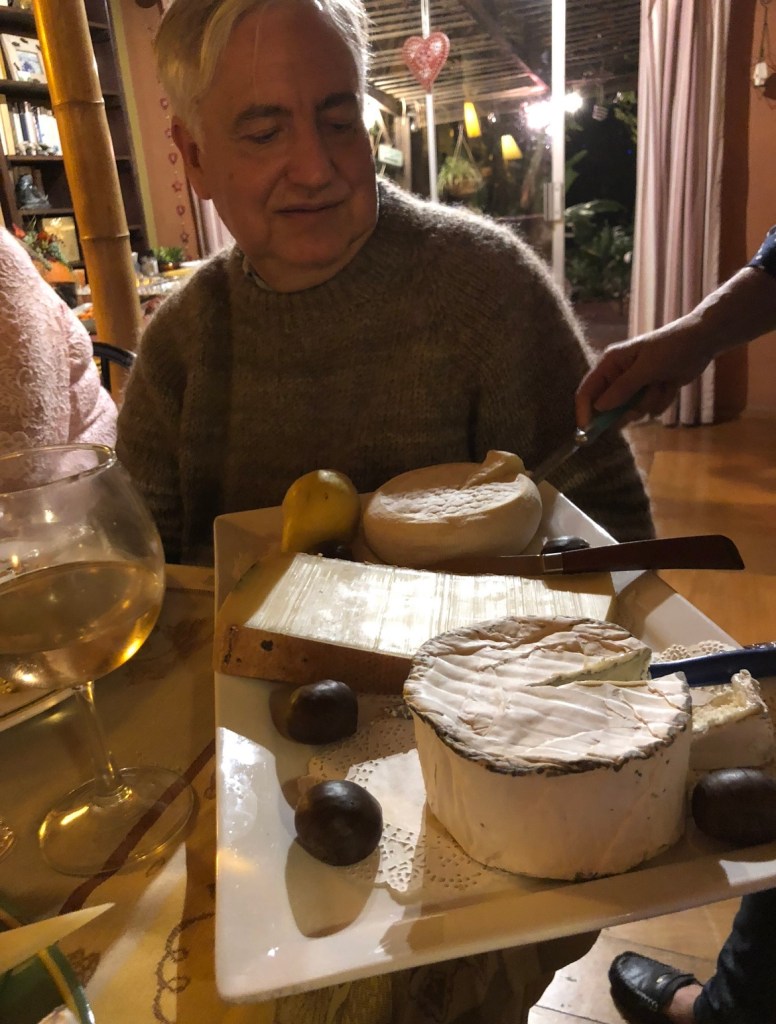
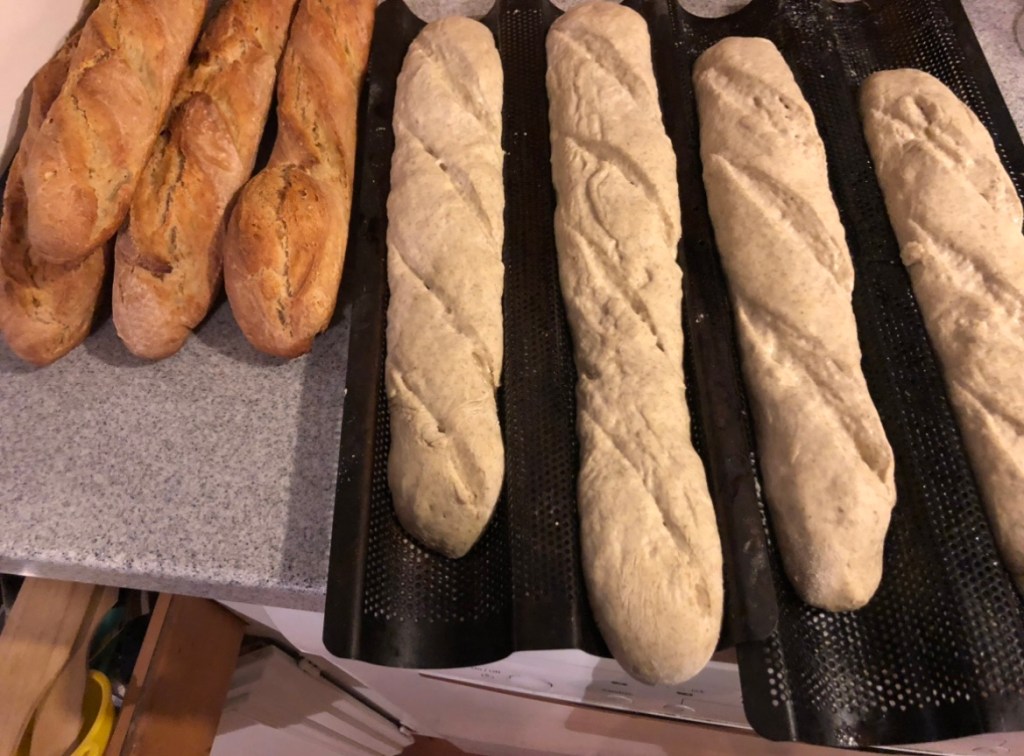
    A few years ago, my husband and I, along with a few other family members, were invited to a Thanksgiving dinner hosted by a French family temporarily living in the United States. It was probably one of the best holiday meals I’ve enjoyed – even the roasted turkey was fantastic (coated in a mixture of beer and Dijon mustard)! The hosts invited another French couple who were professional cheesemakers. Naturally, this couple brought the cheeses for the traditional French cheese course. Our hosts baked beautiful homemade baguettes to go with the cheeses. The cheeses were served after dinner – before dessert. I do not remember what desserts we ate but I still think about those amazing cheeses.

    Recently, I rediscovered the joy of specialty cheeses. Going back to that Thanksgiving with our French hosts, they served three cheeses and provided a suggested order in which to try them.

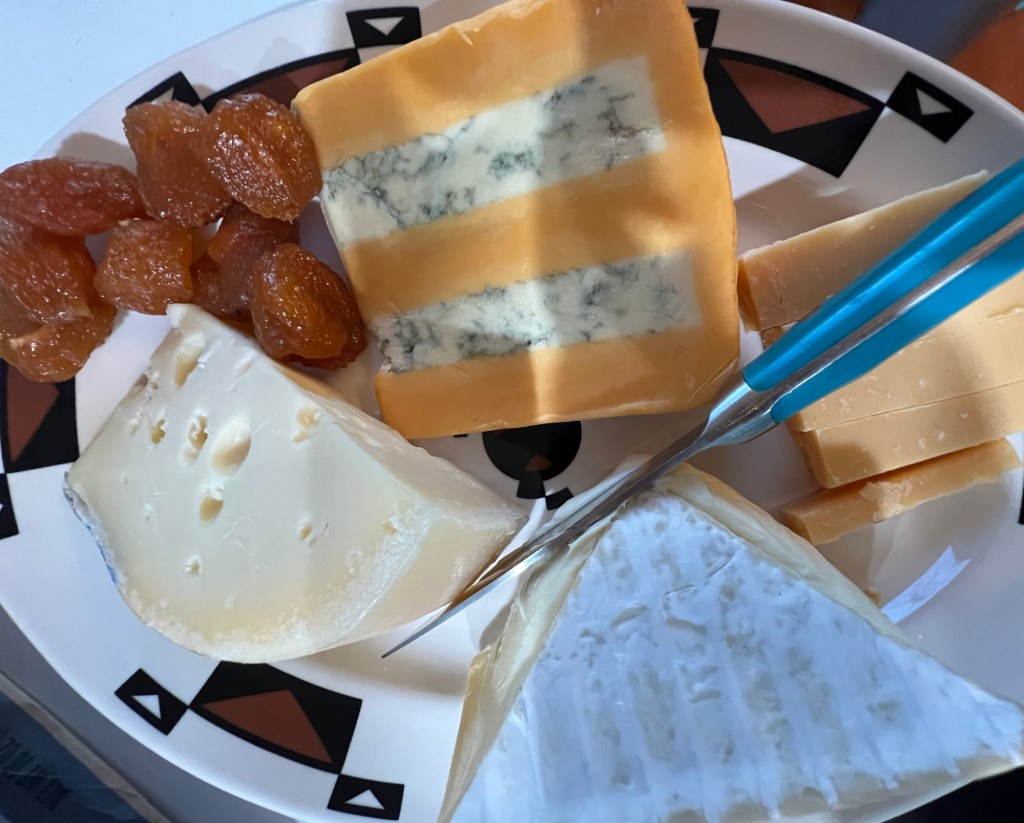
    When serving an assortment of cheeses, it is a good idea to include a mixture of cow, sheep and goat ones. In addition, the proper order is to go from mildest to sharpest varieties. Our French hosts served their cheeses with a few grapes and an anise aperitif. Personally, I prefer to pair my cheeses with dried fruit and a ruby port. As of lately, I am really into golden prunes that I buy at a local Middle Eastern market.

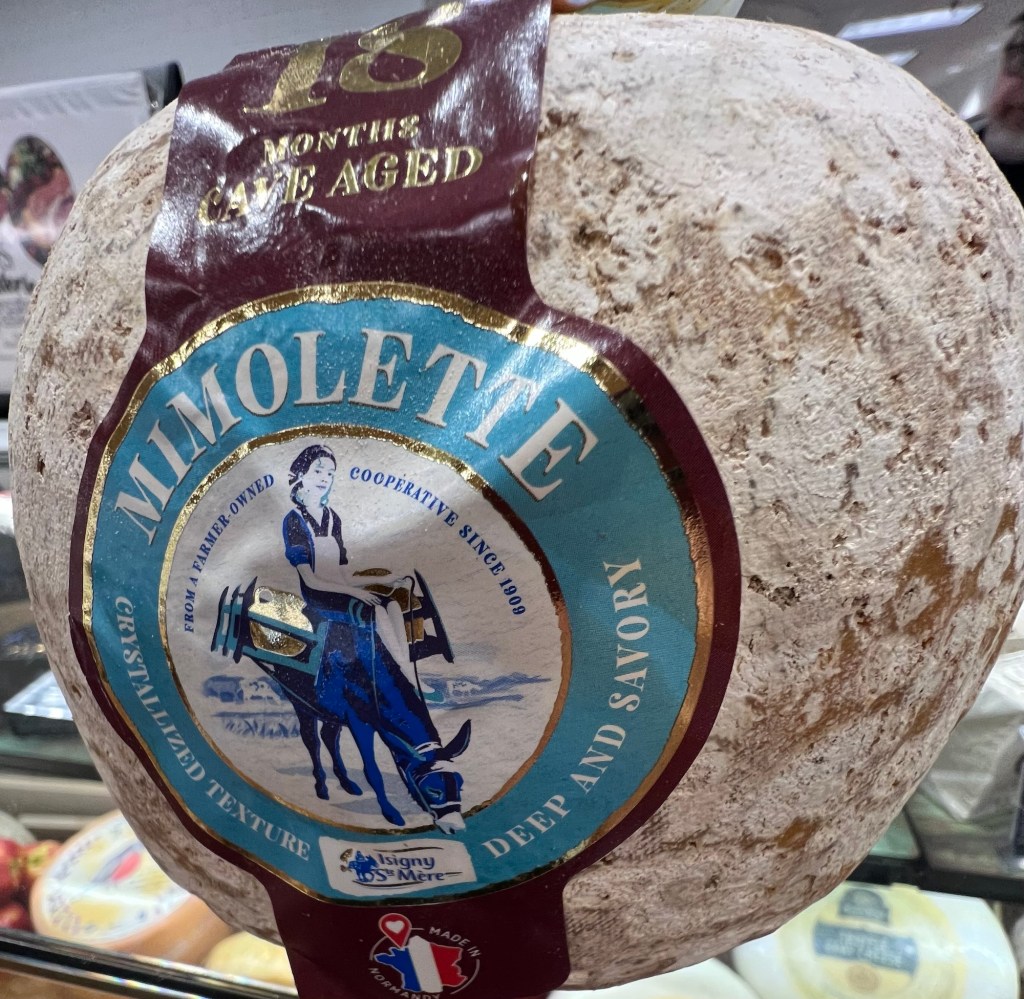
    Also, I think it is fun to introduce guests to less well-known cheeses. Recently, I was introduced to the French Mimolette made from cow’s milk and aged for 18 months. The exterior is rough and looks like a mini boulder. In fact, the hard exterior is covered in cheese mites. Consequently, the U.S. banned this cheese for a number years over unwarranted safety concerns. It is best to let this cheese sit out for a while to really enjoy its full flavor. It has a nutty and somewhat sweet taste.

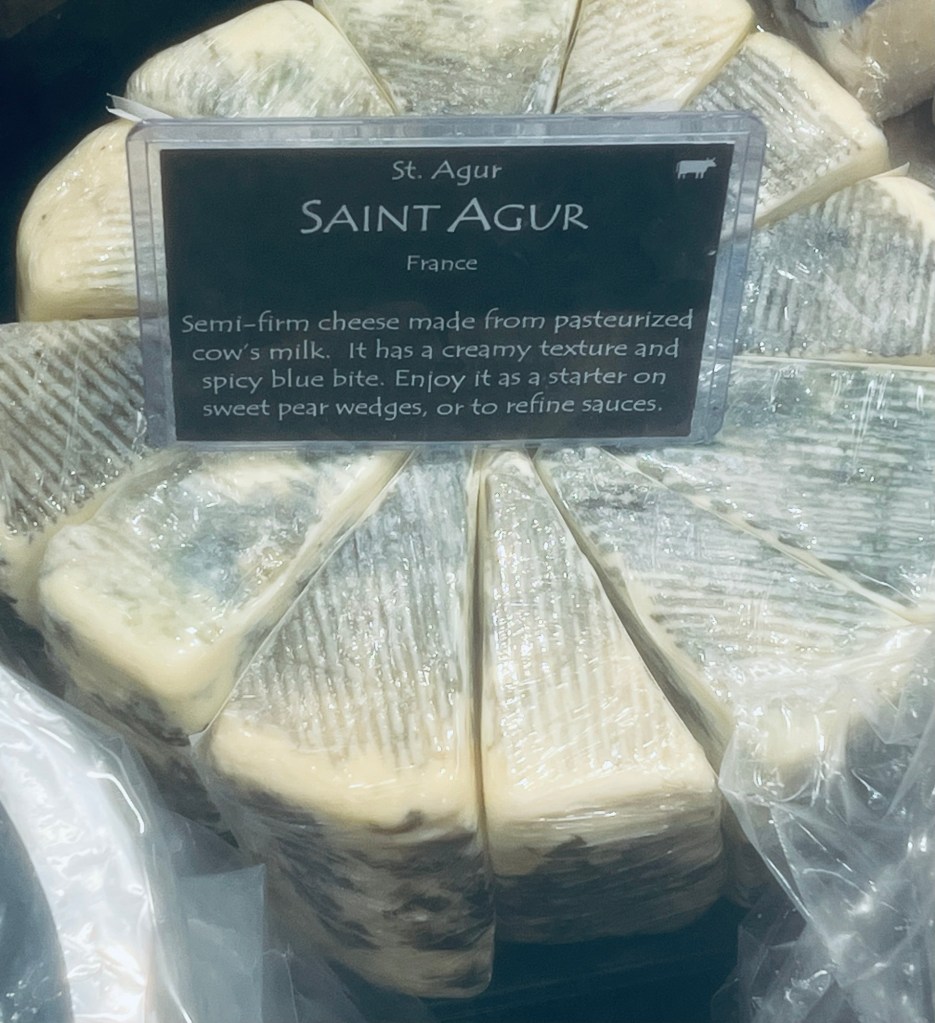
    Finally, I am a huge blue cheese fan. I enjoy it in salads and cheese plates or as its own appetizer with thinly sliced pears, dates or toasted walnuts. It is a strong cheese so it is best to enjoy it last – after eating milder cheeses. Saint Agur is a French blue cheese produced from cow milk in central France.