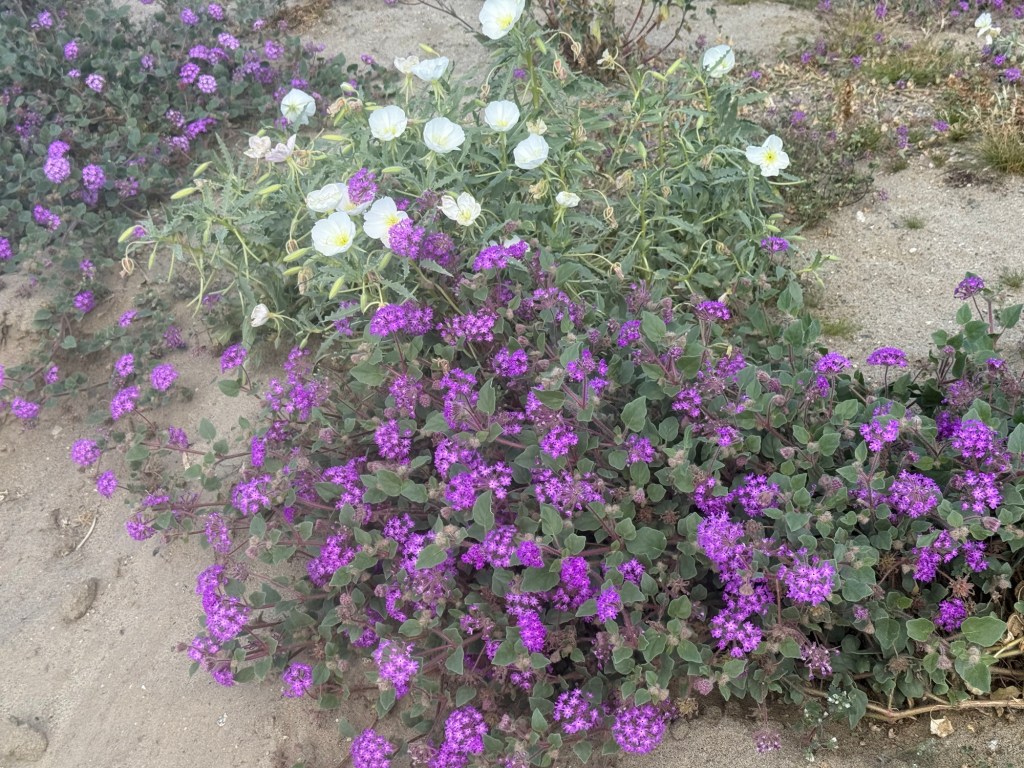
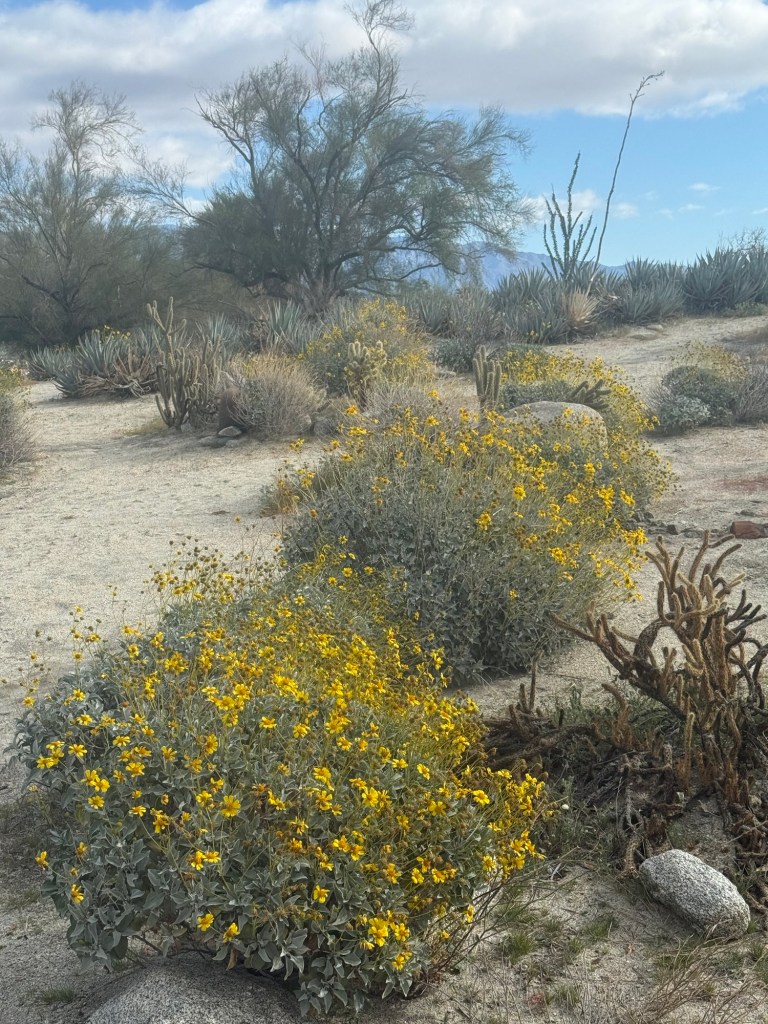
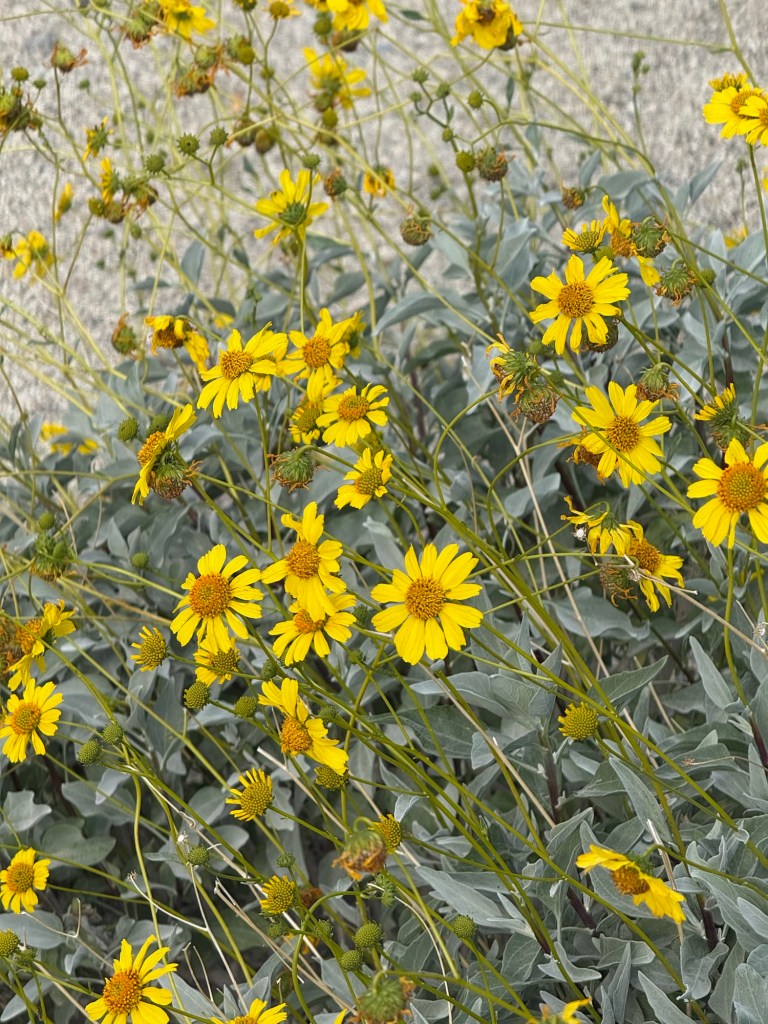
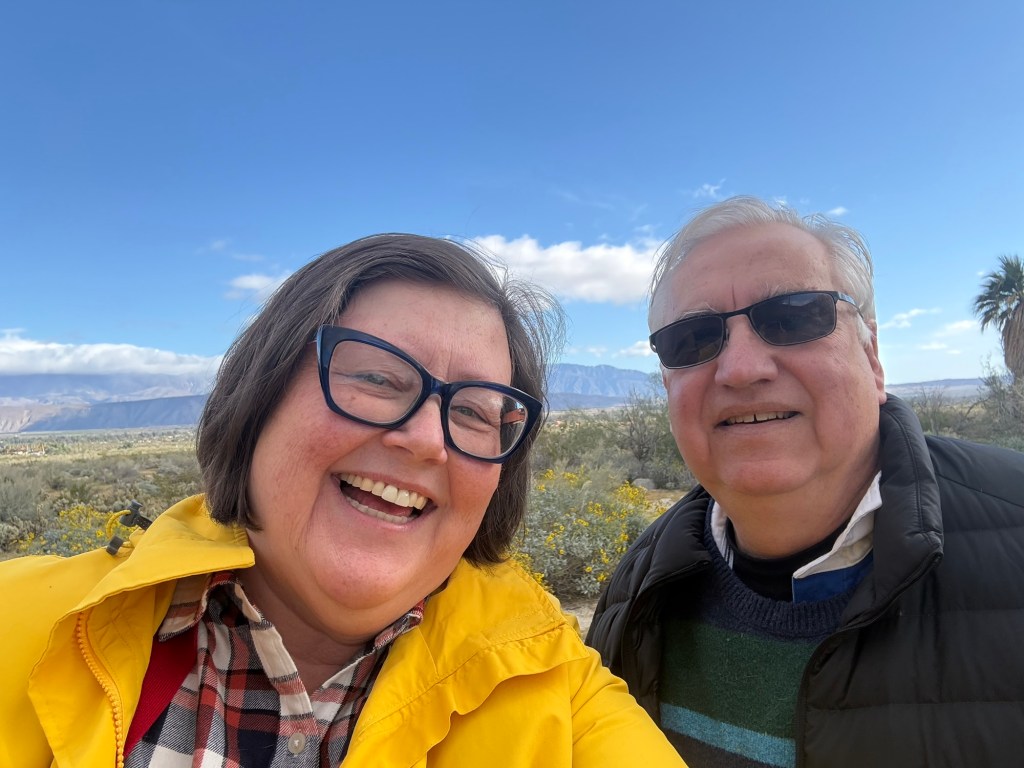
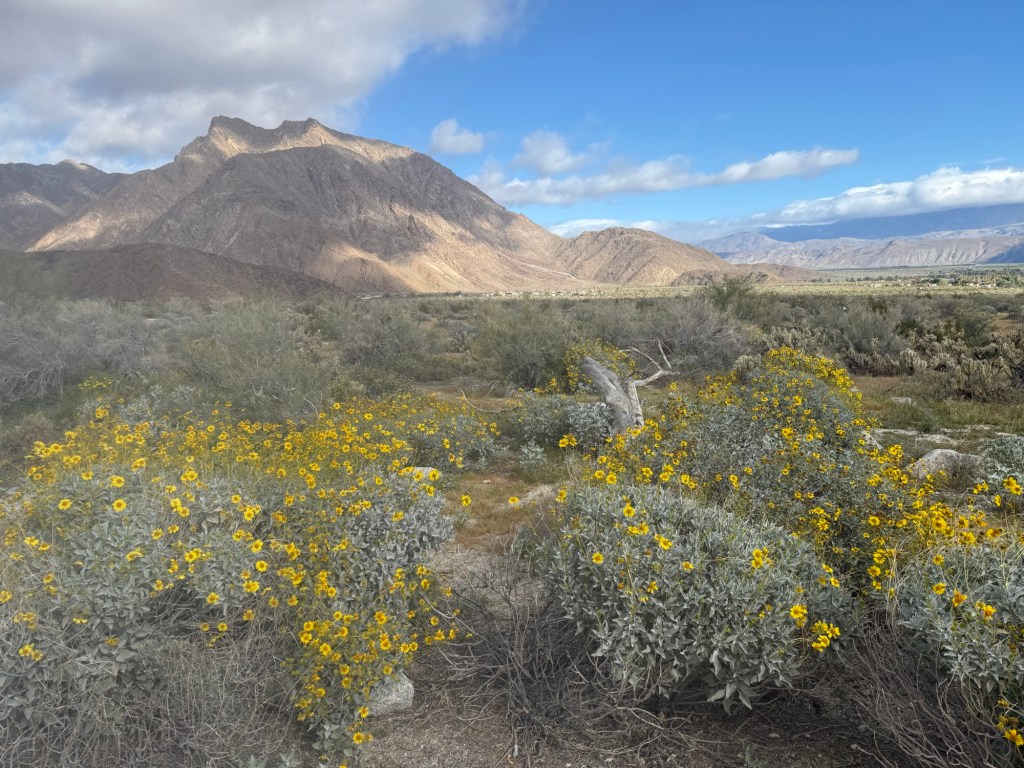
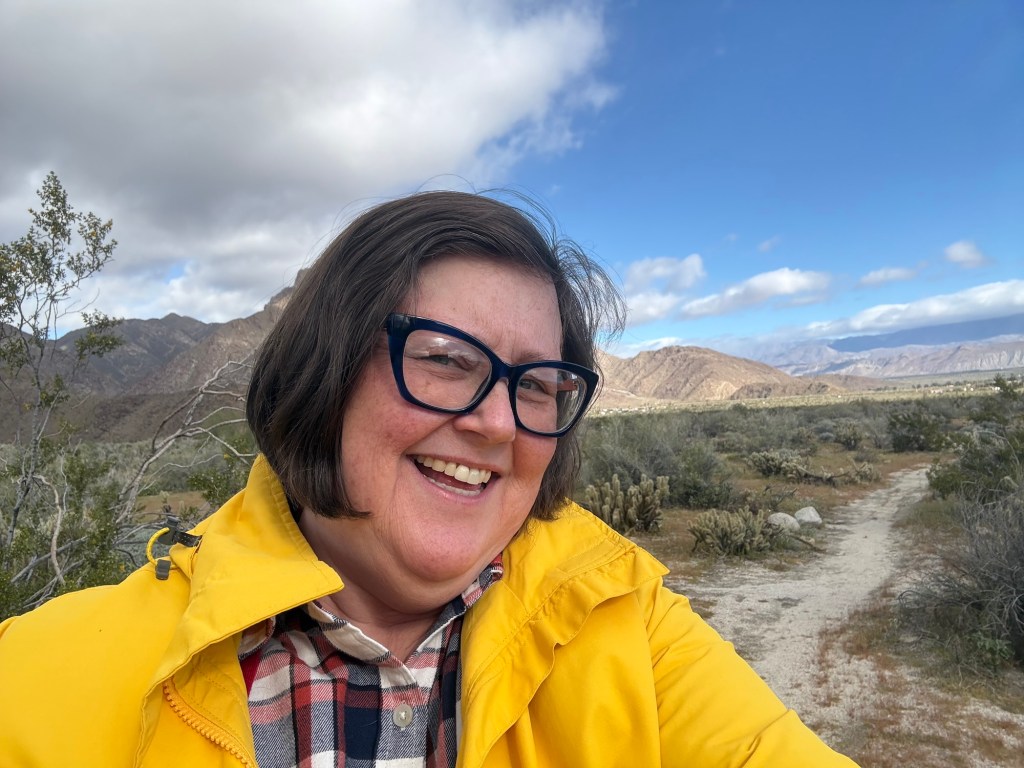
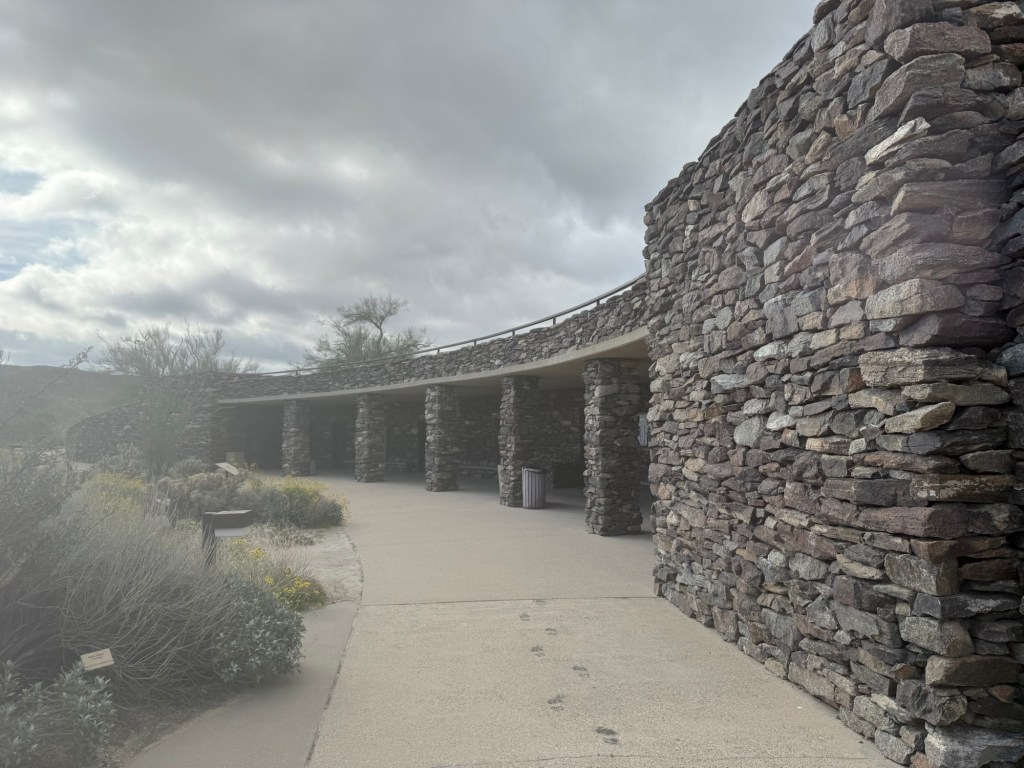
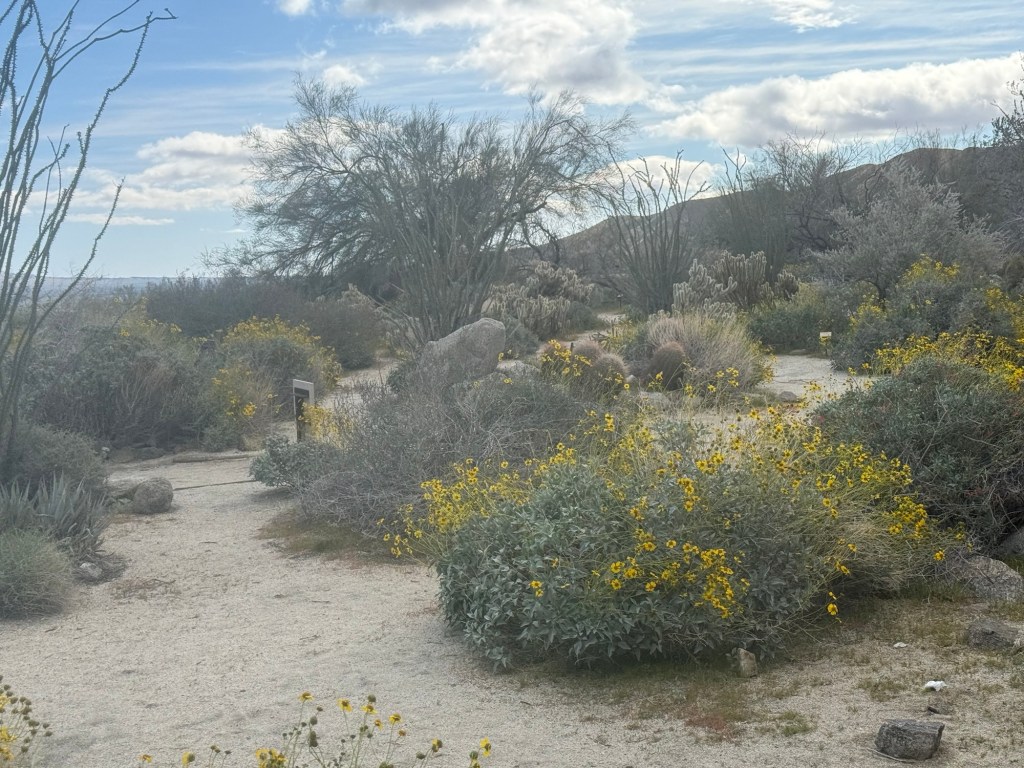
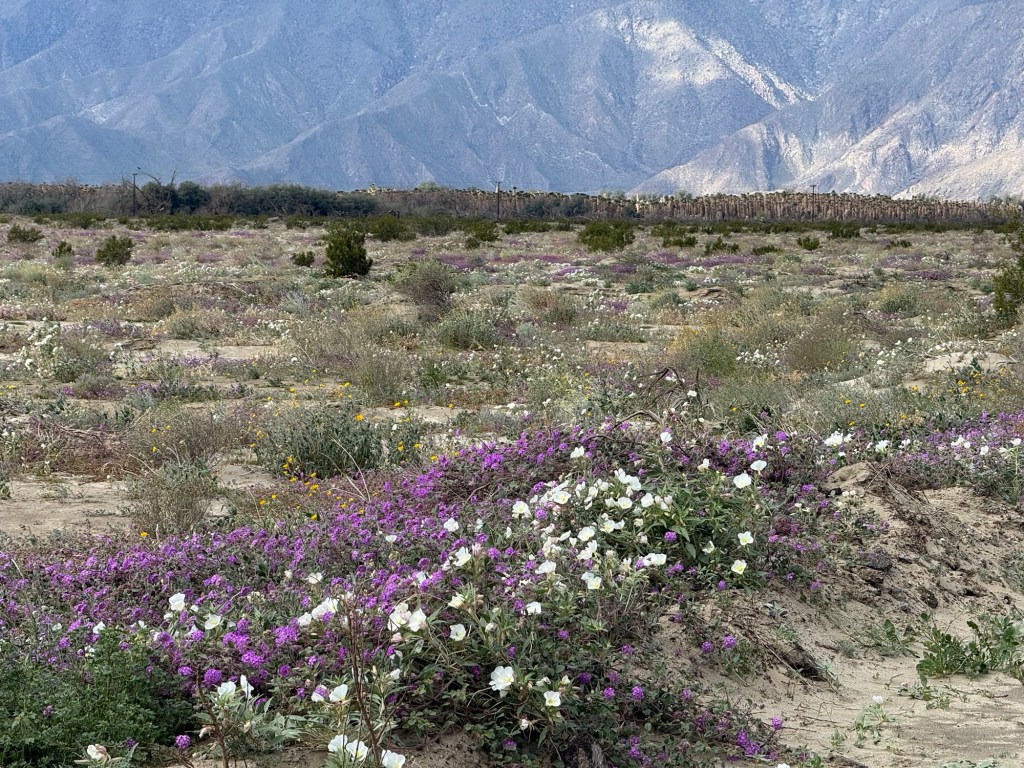
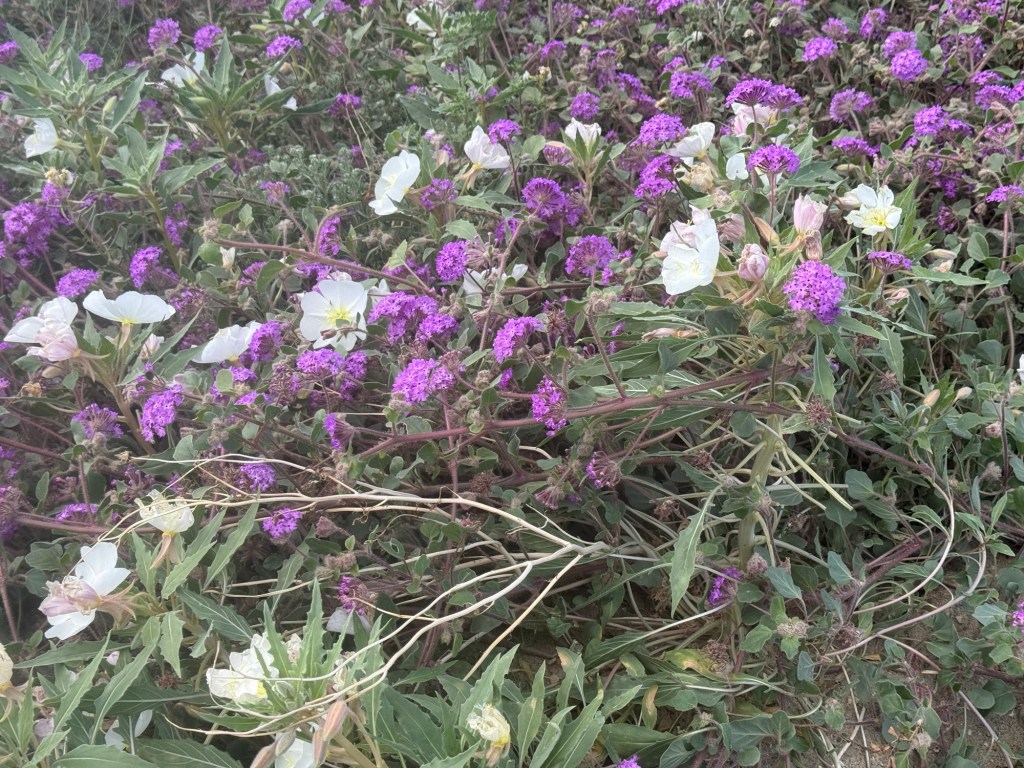
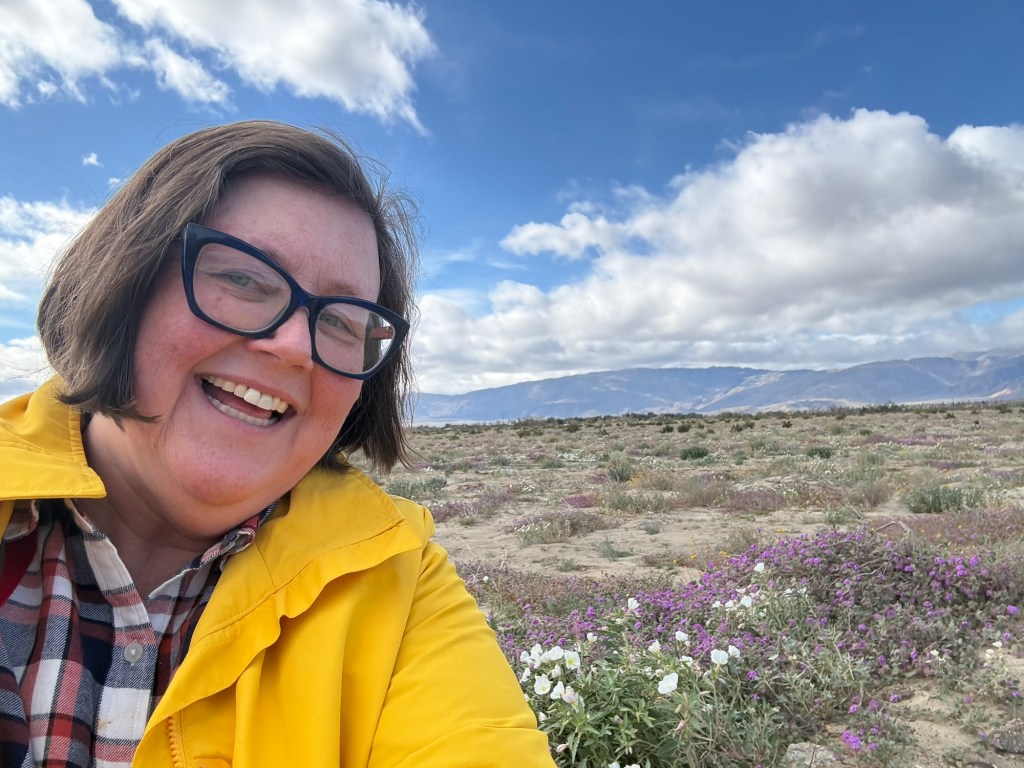
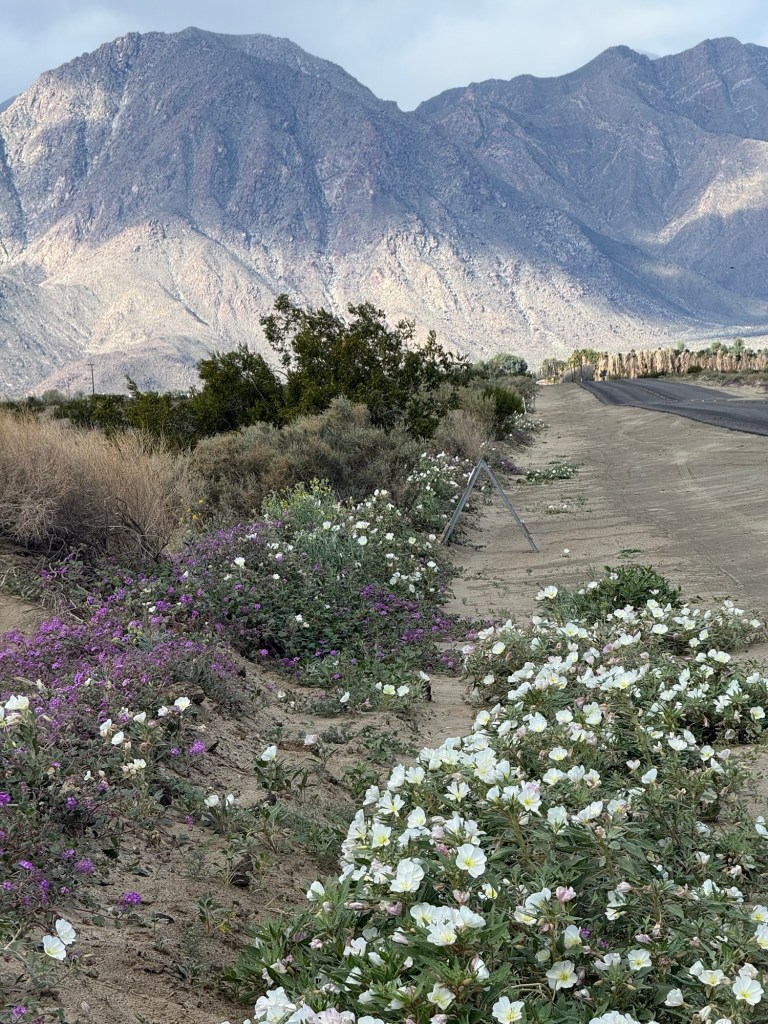
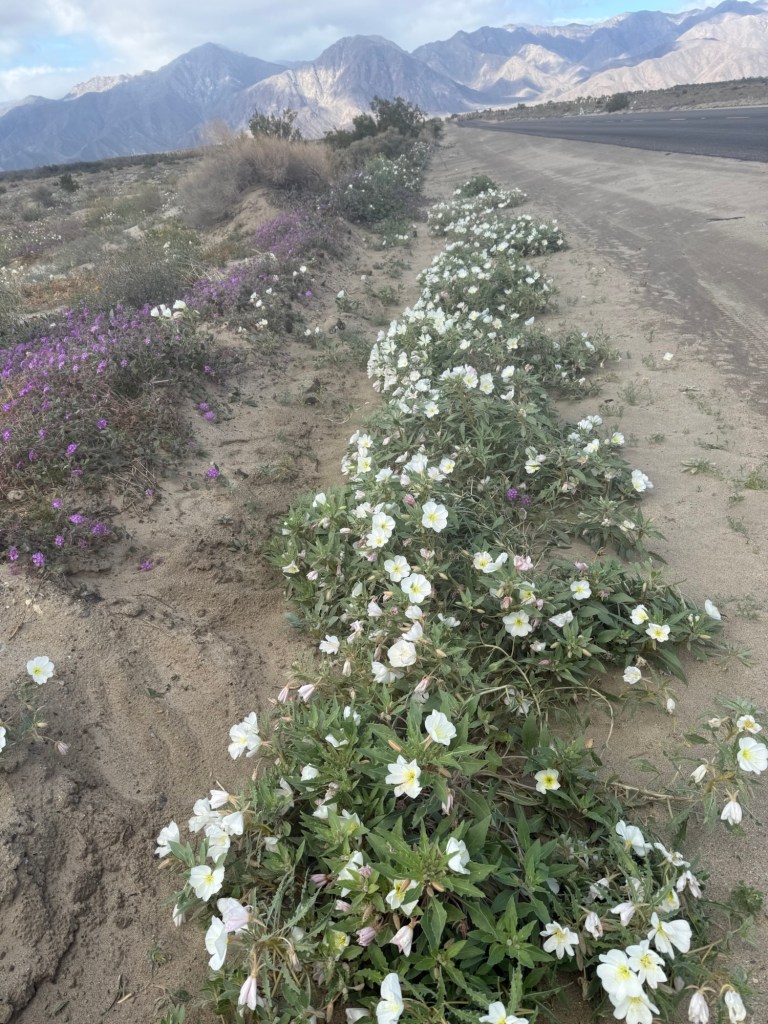
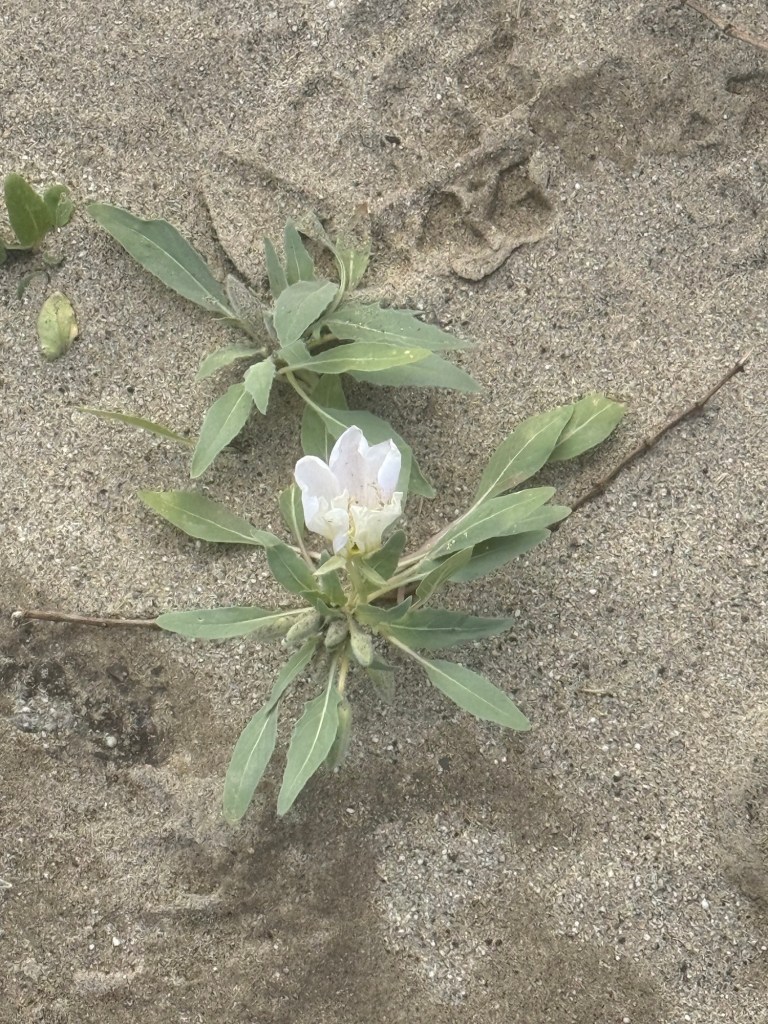
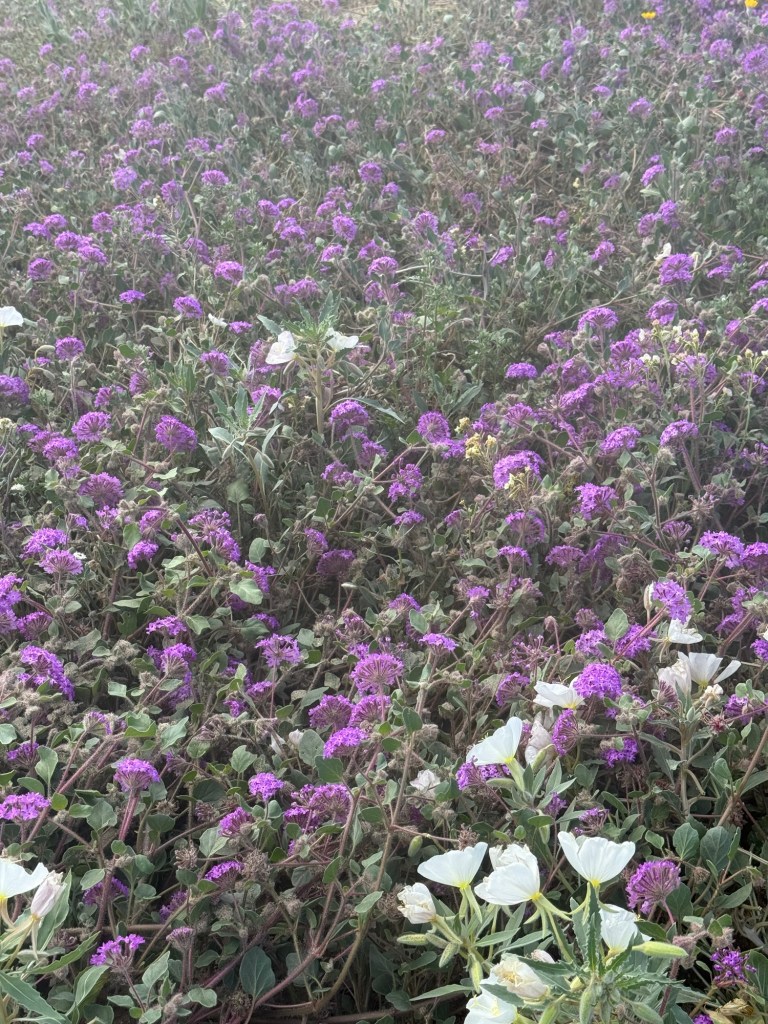
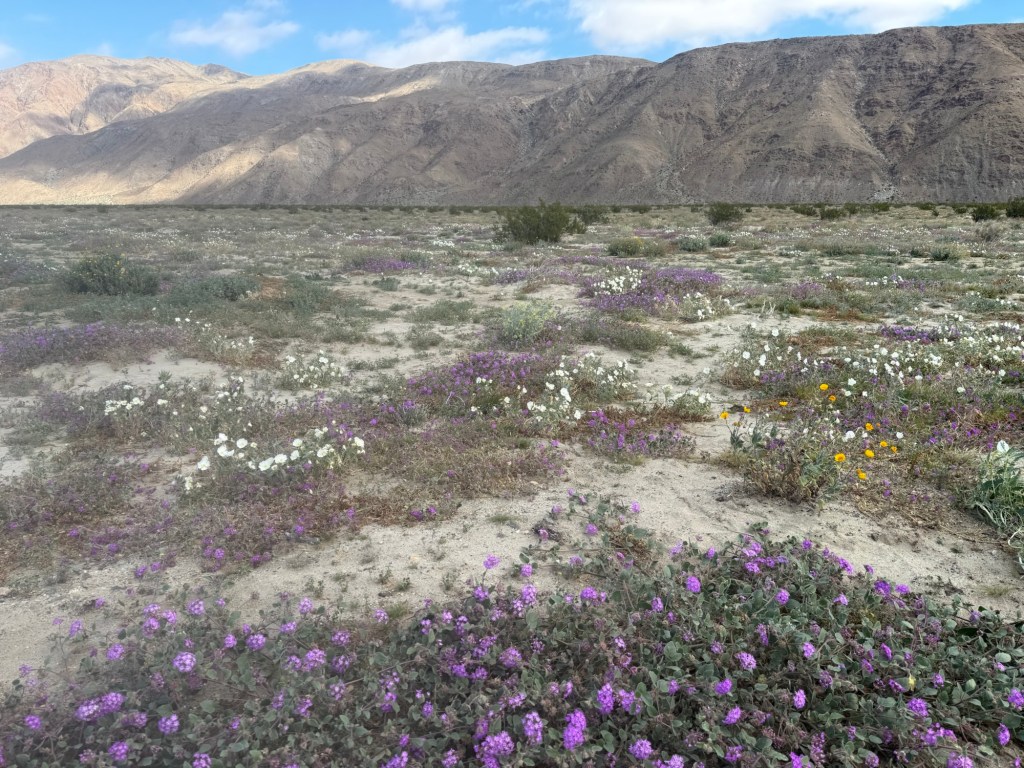
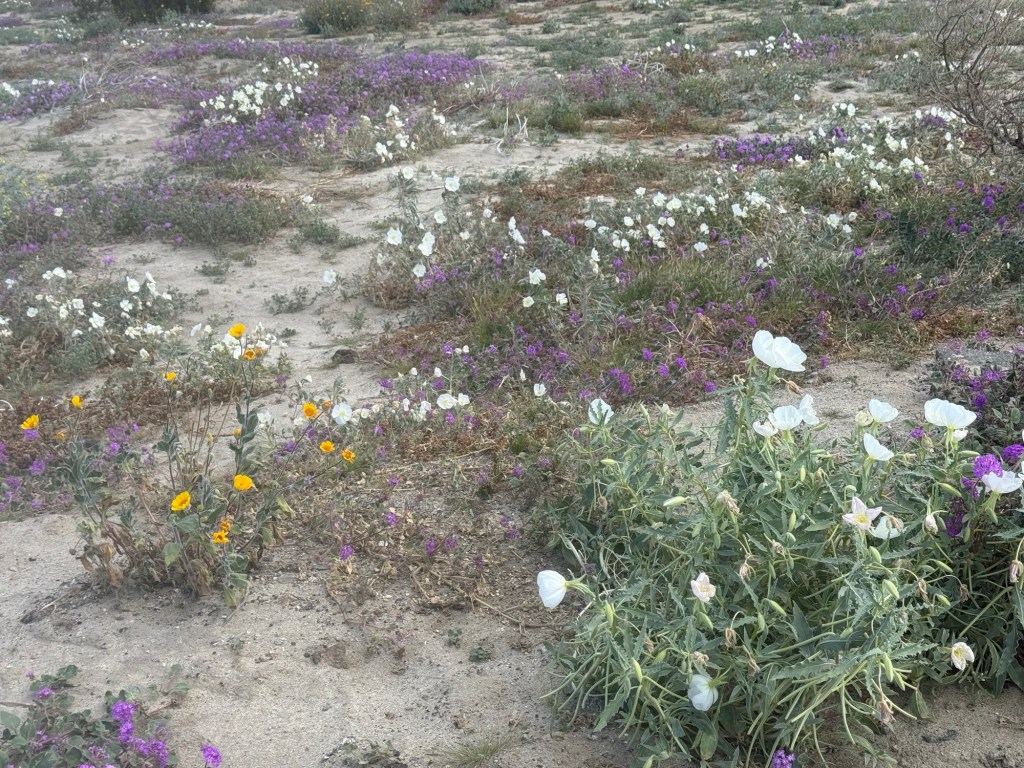
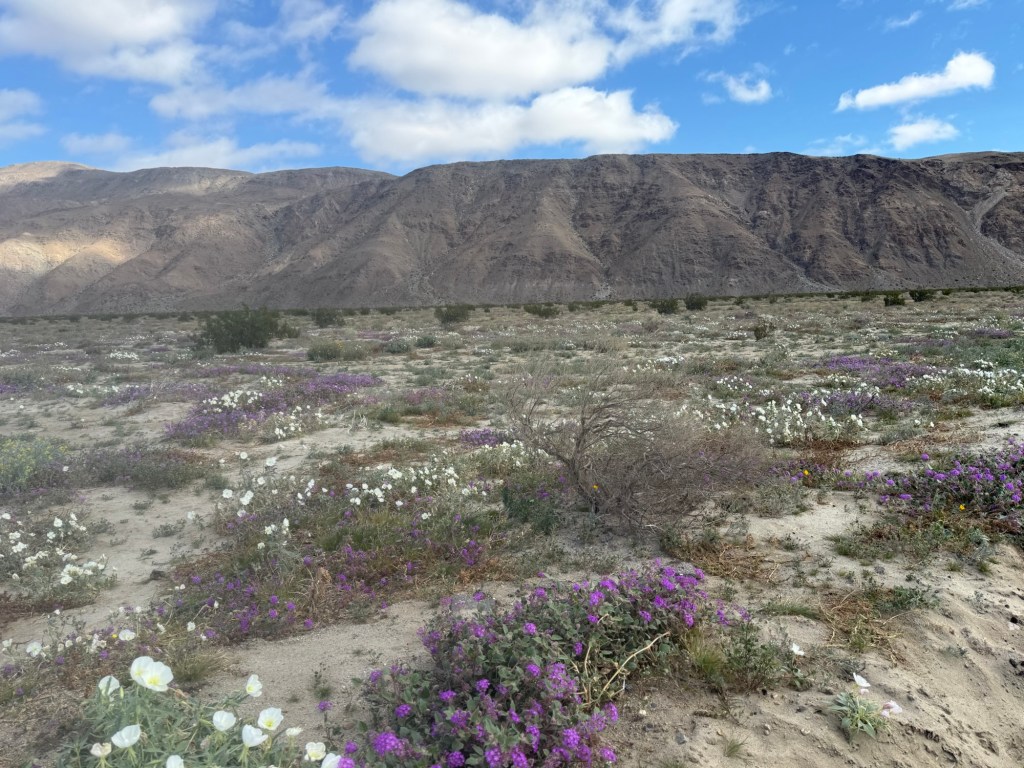
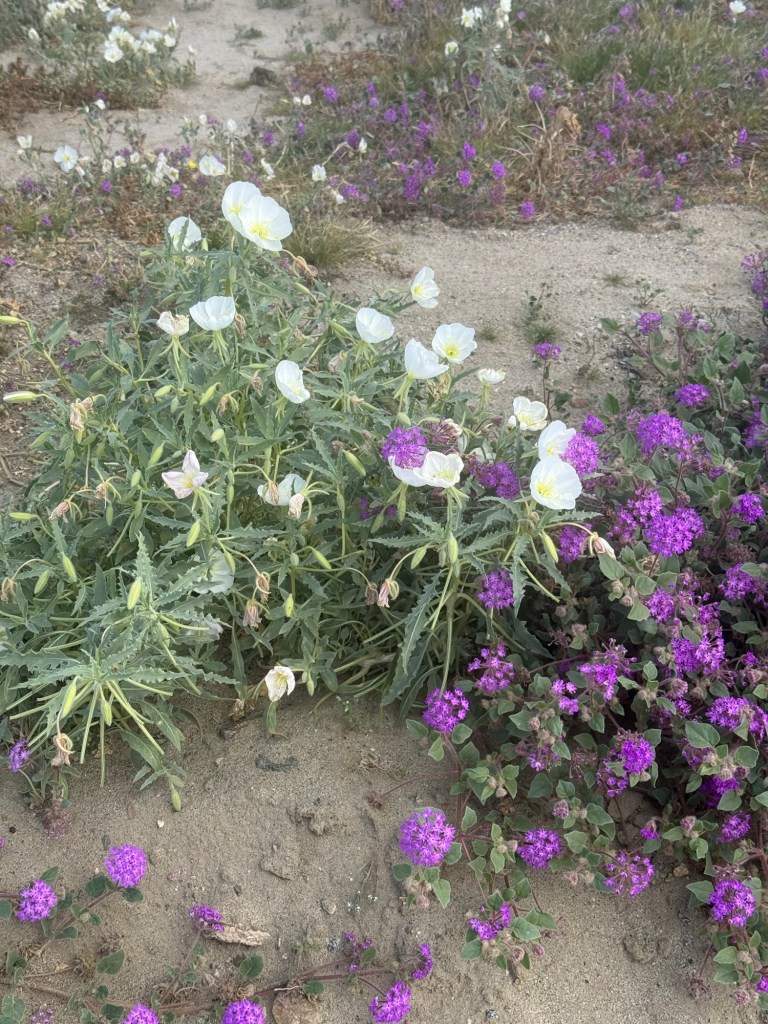
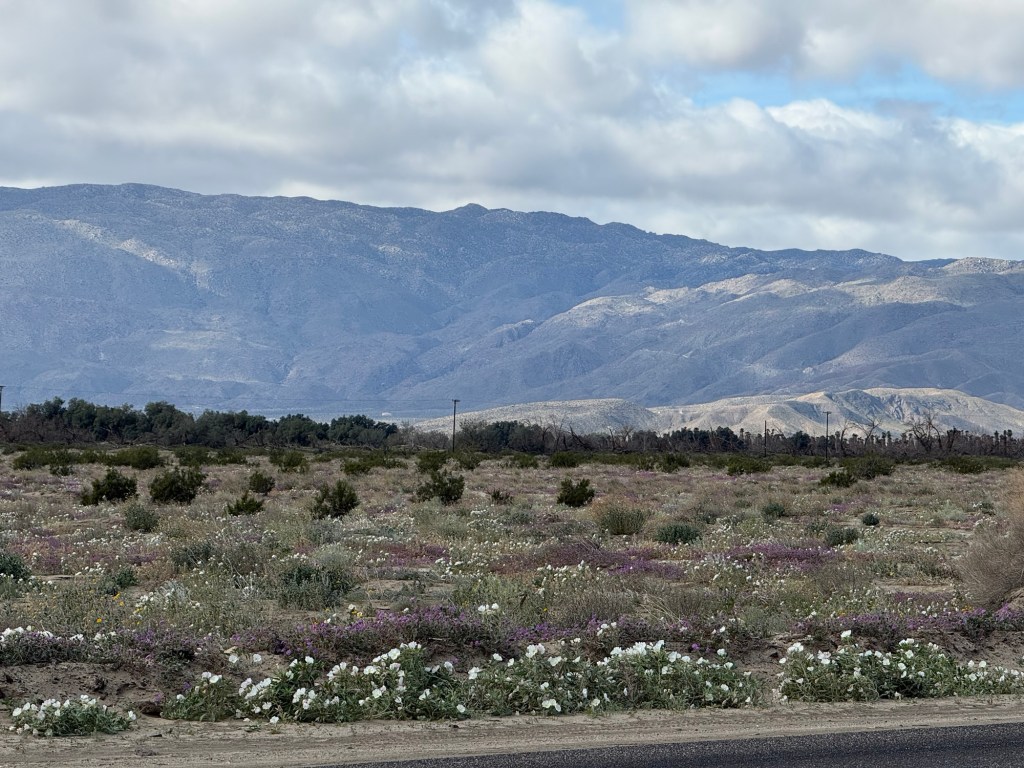
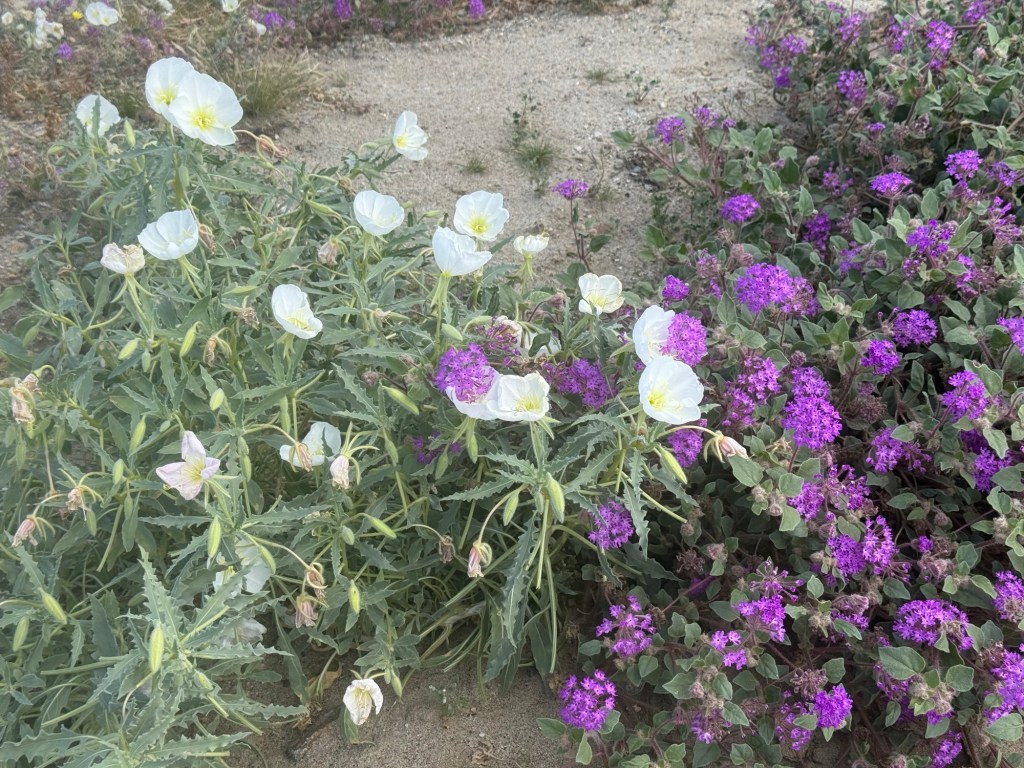
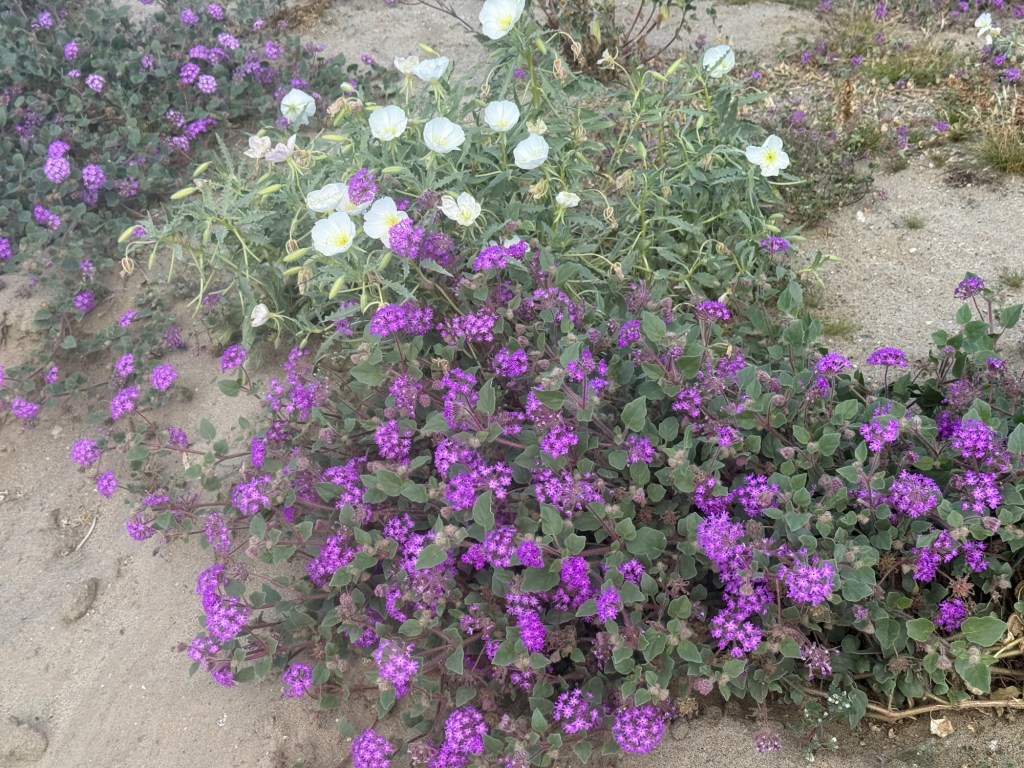
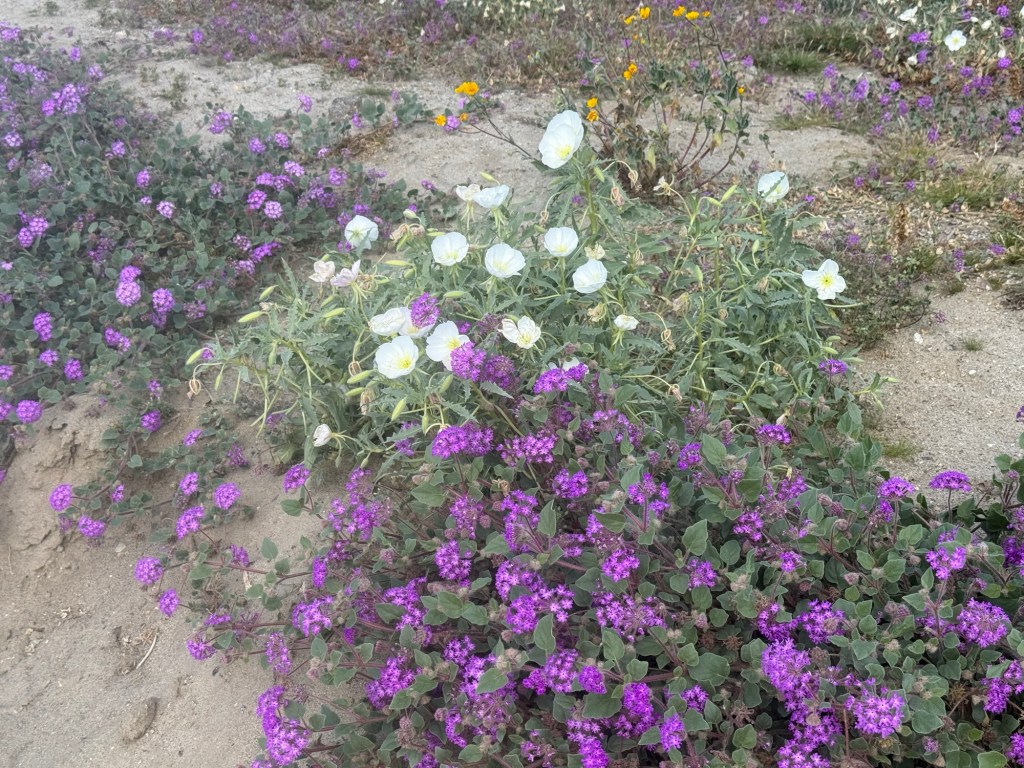
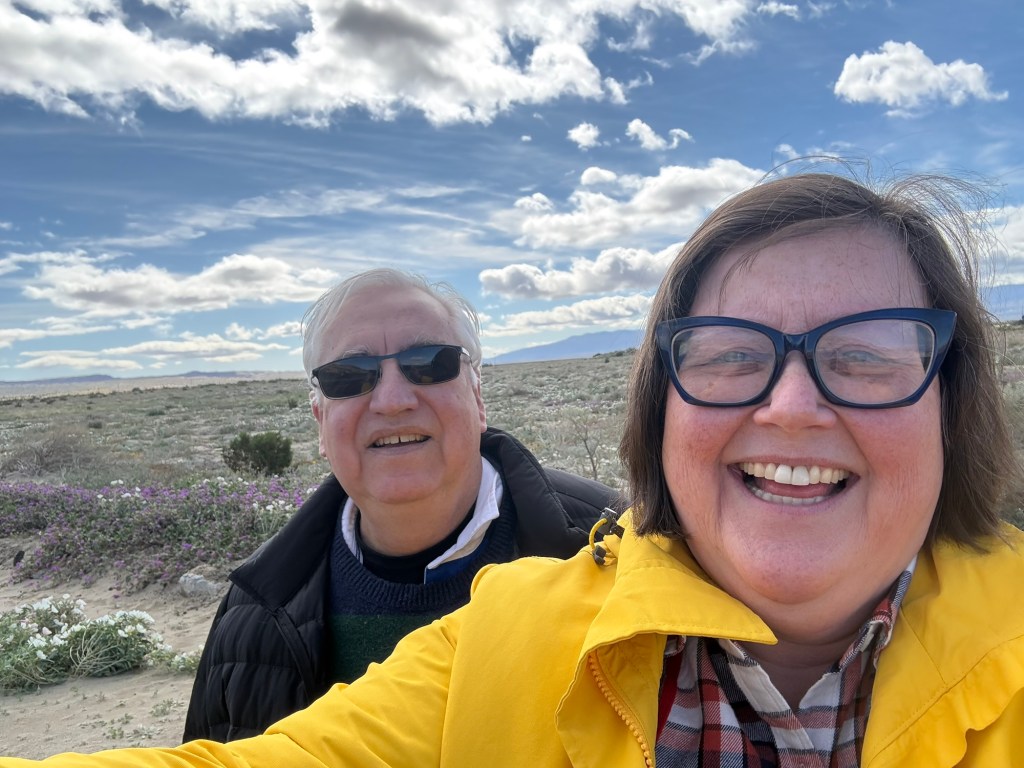
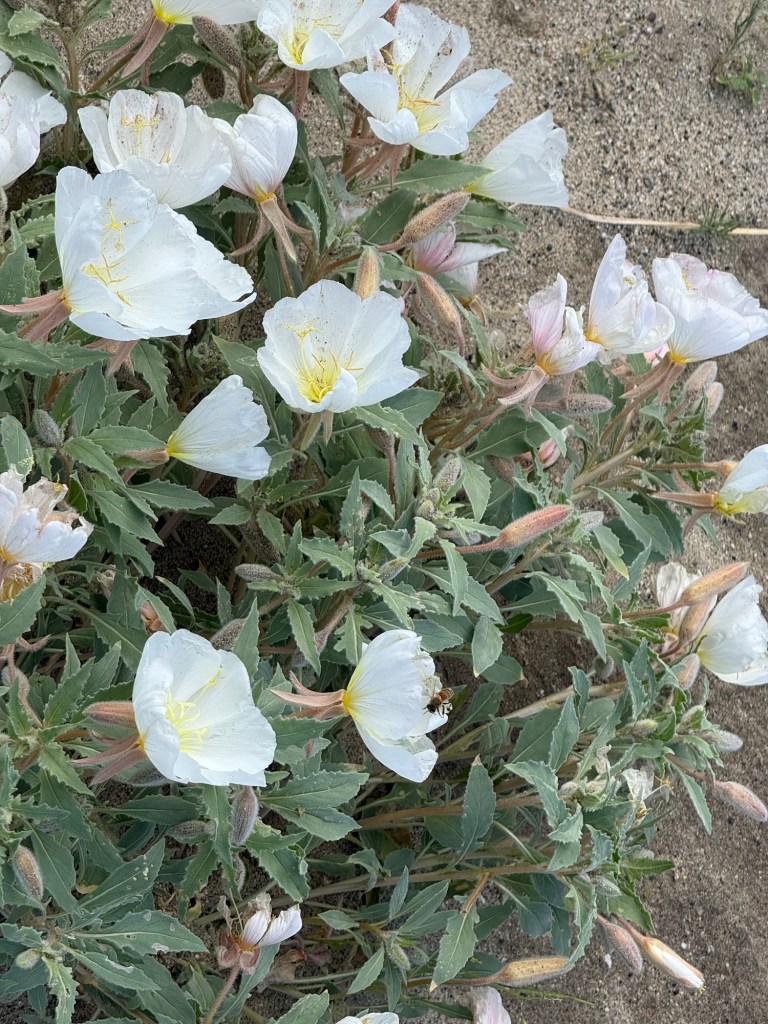
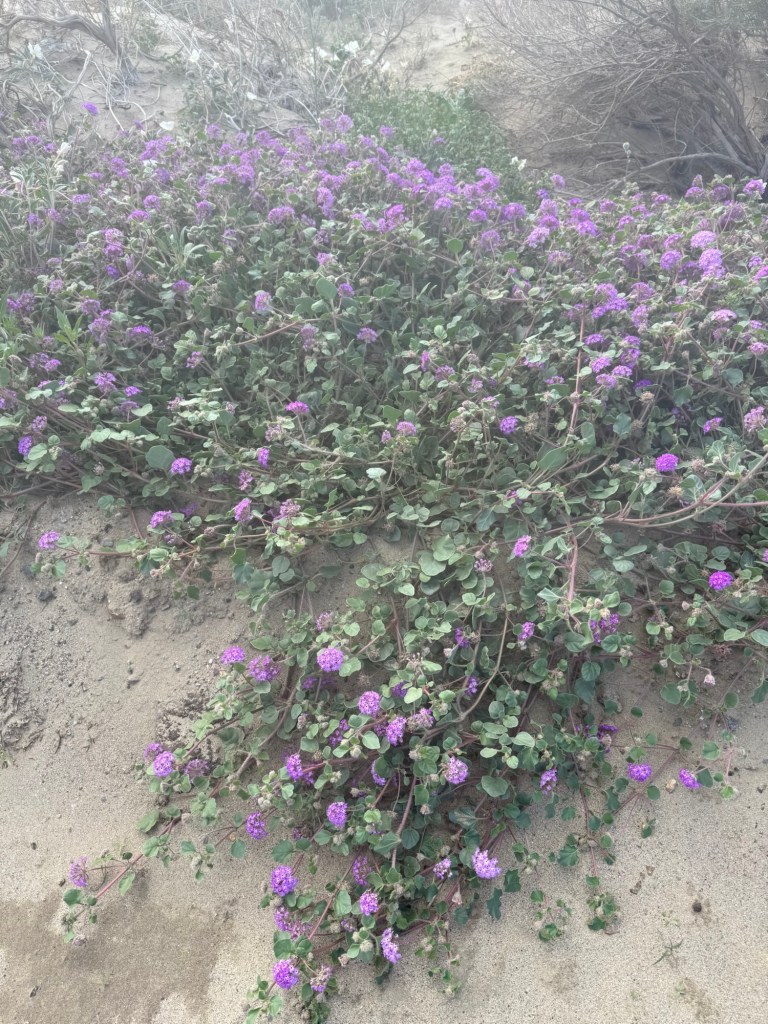
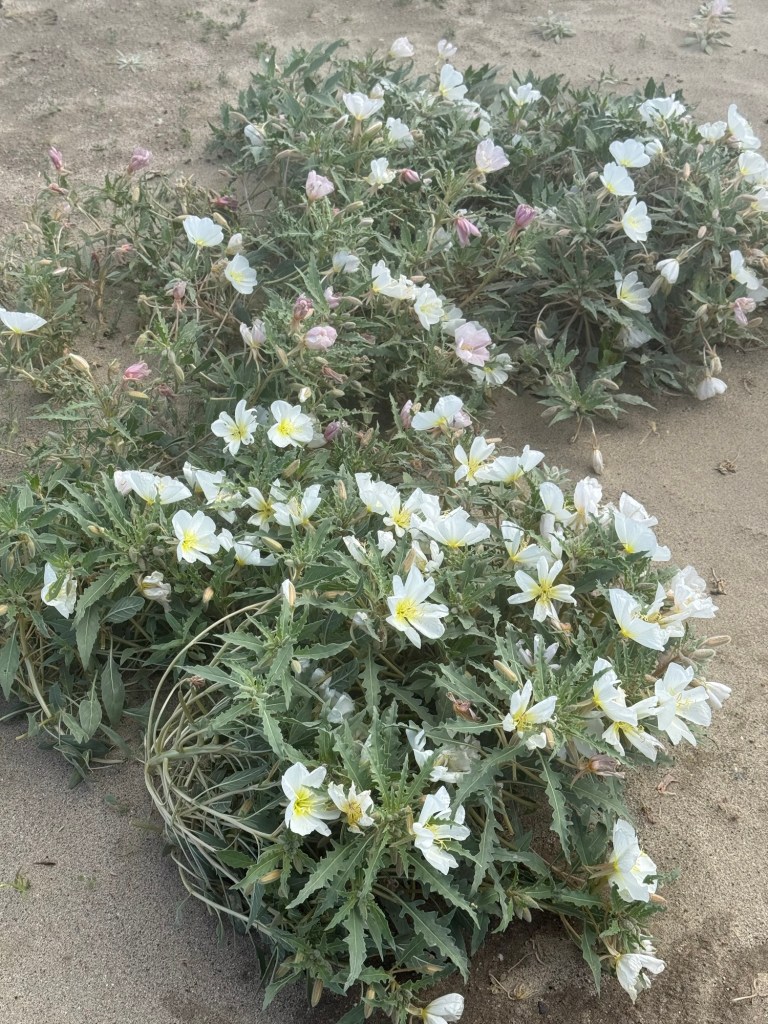
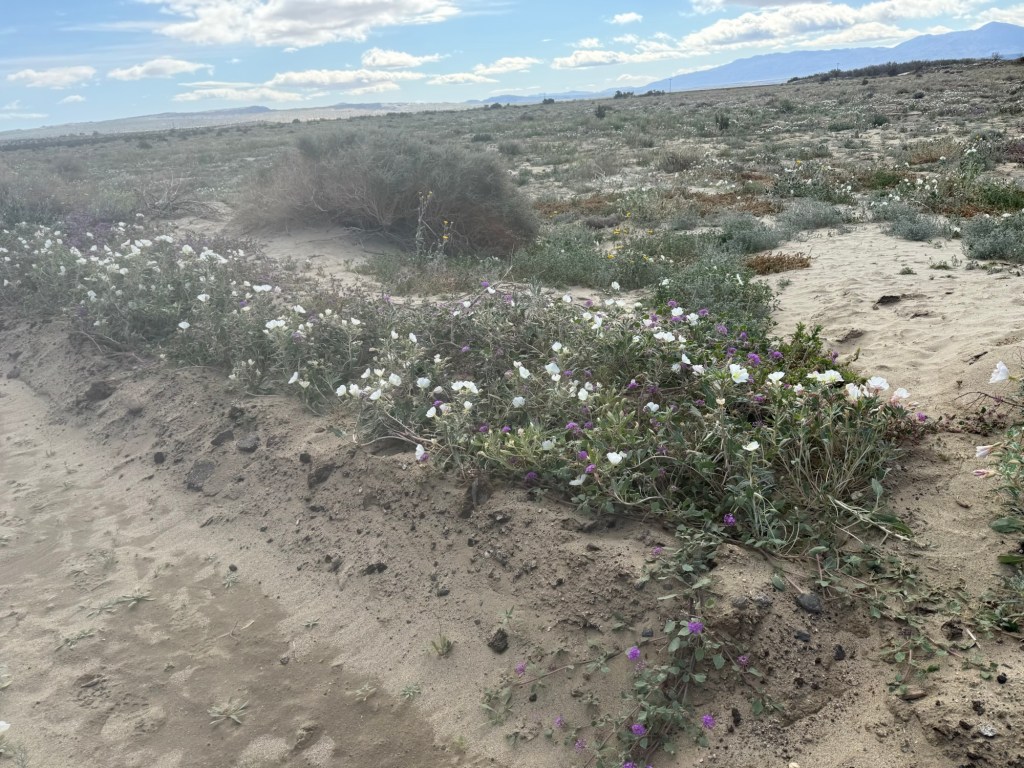
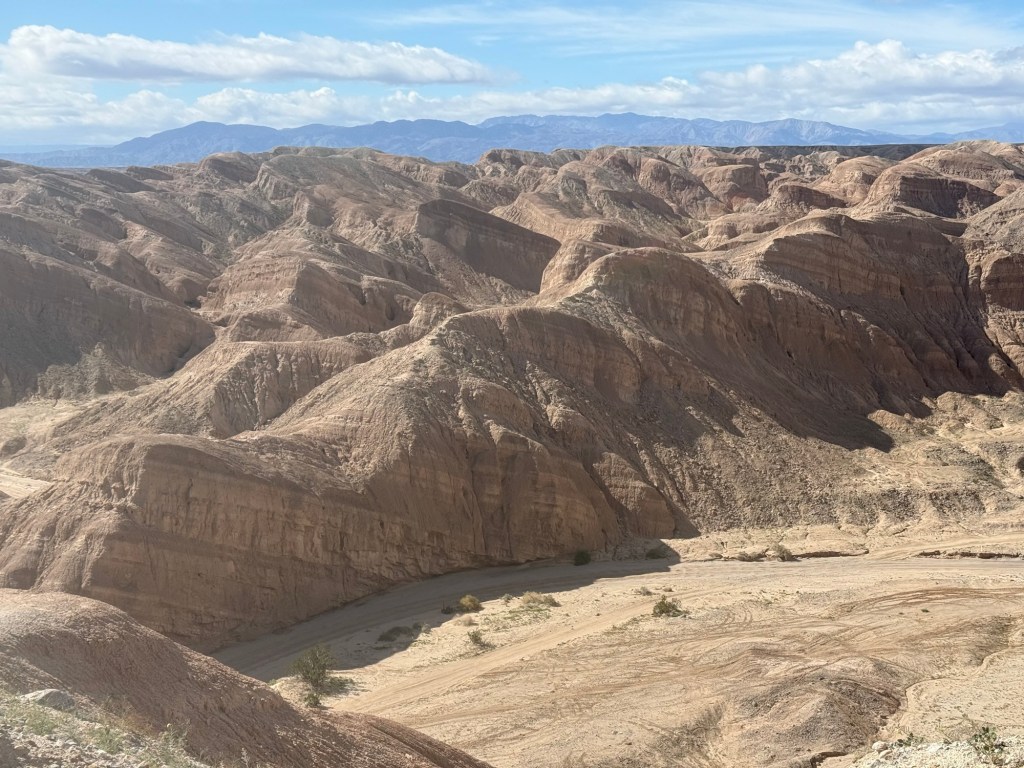
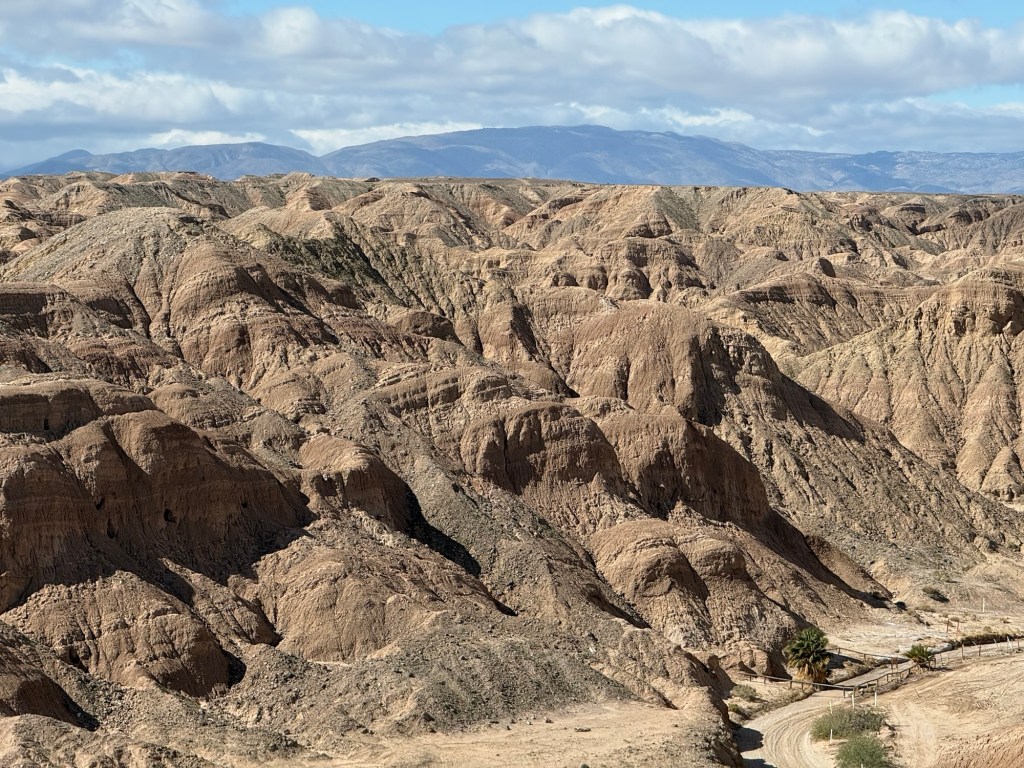
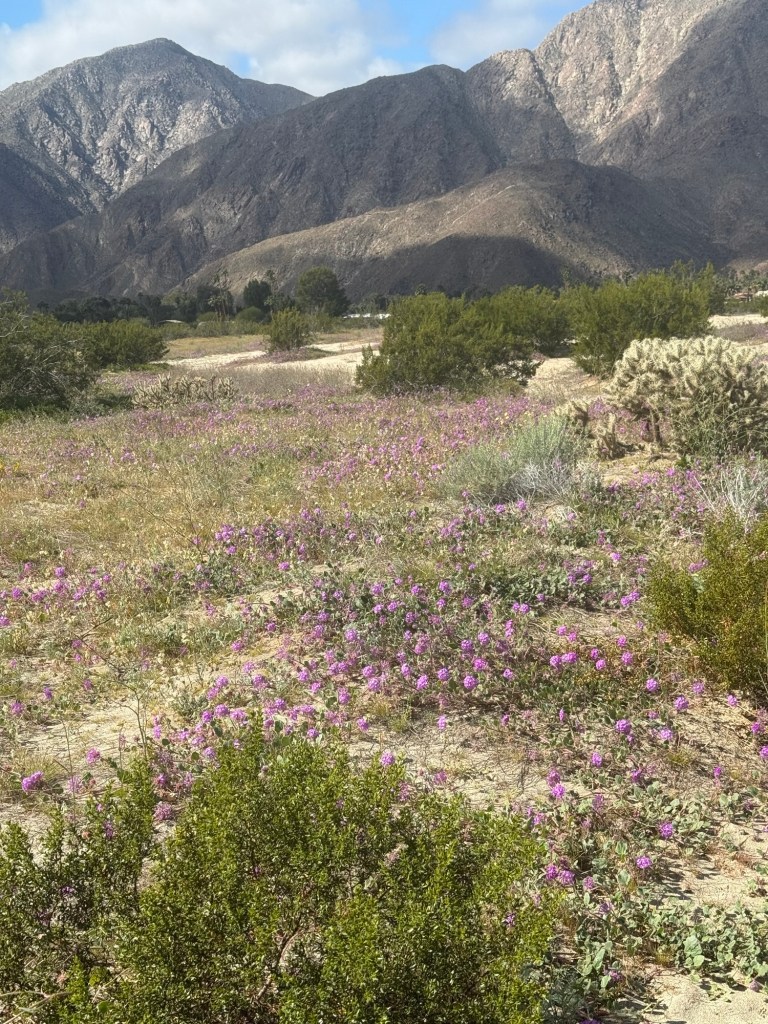
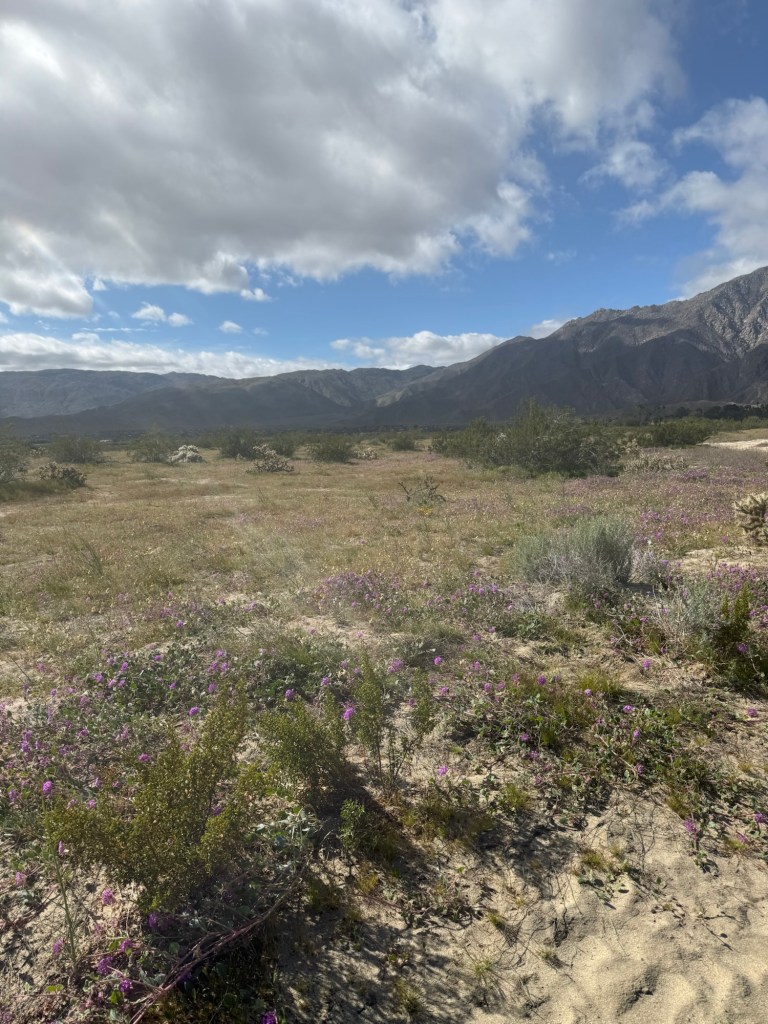
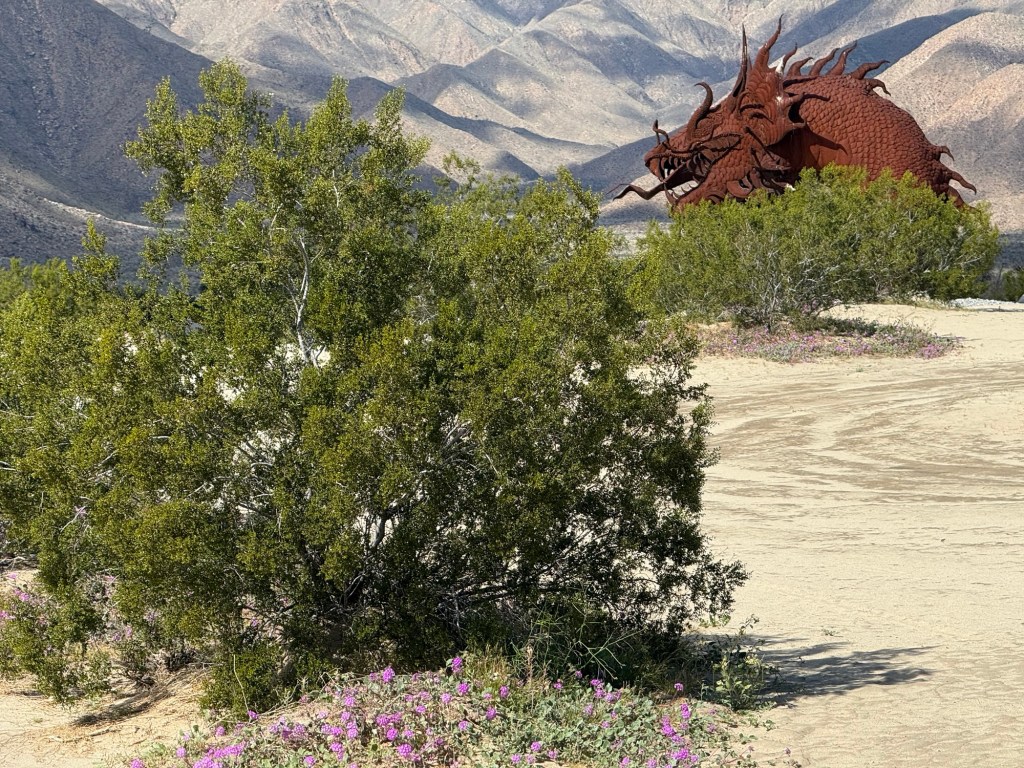
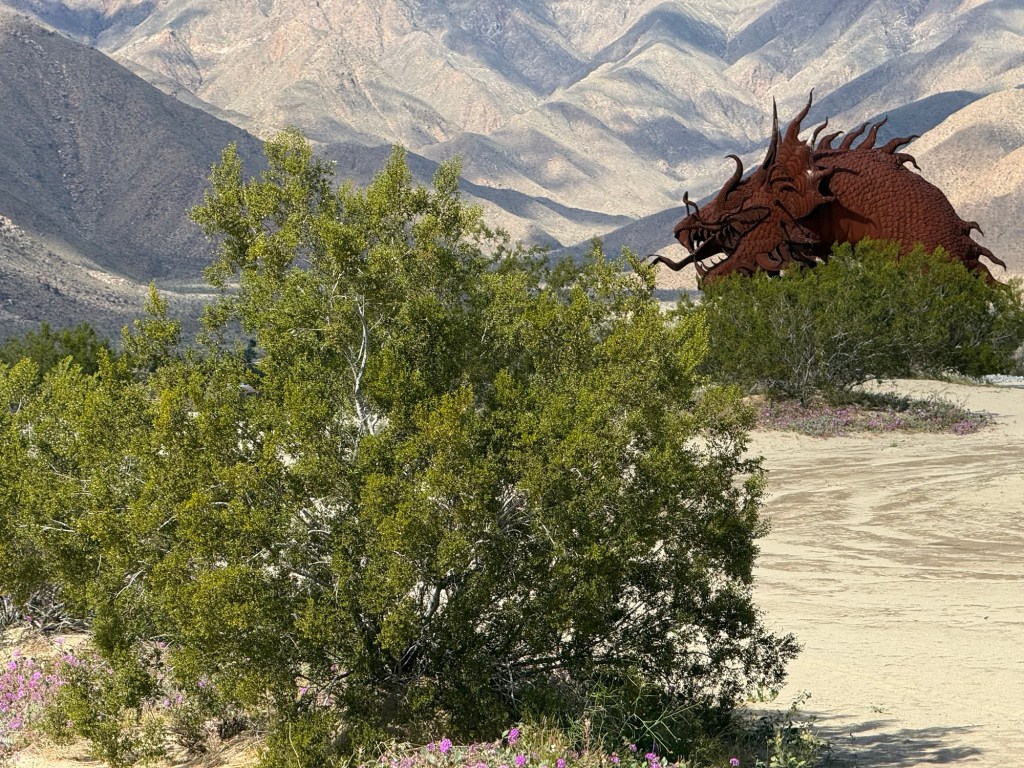
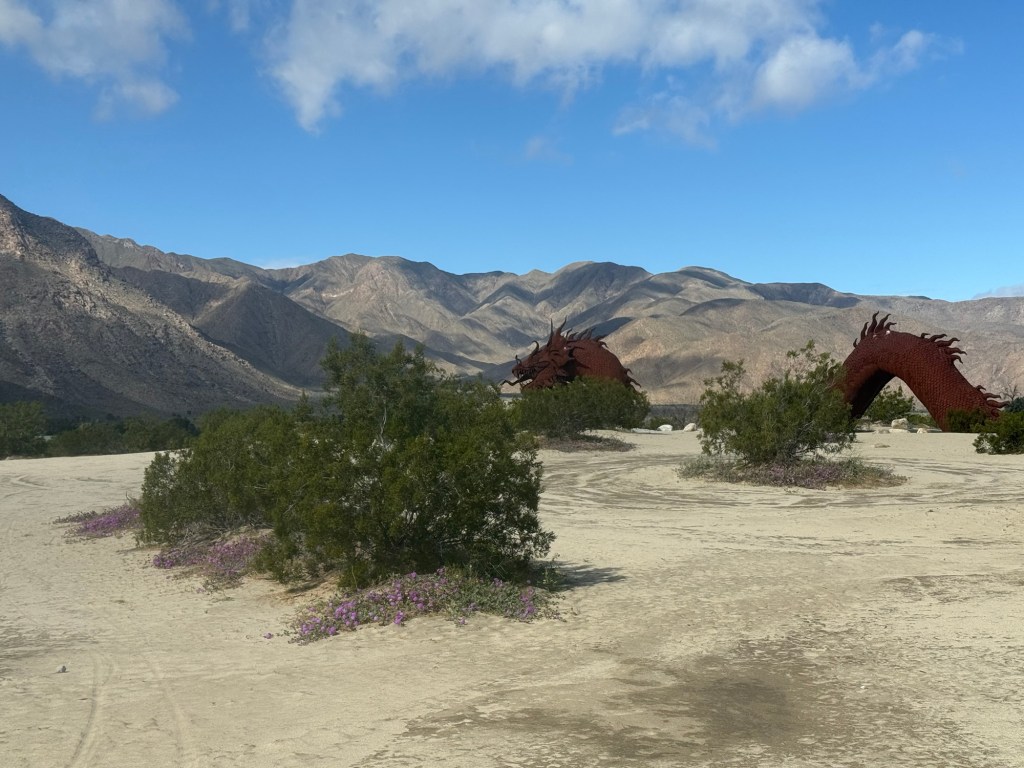
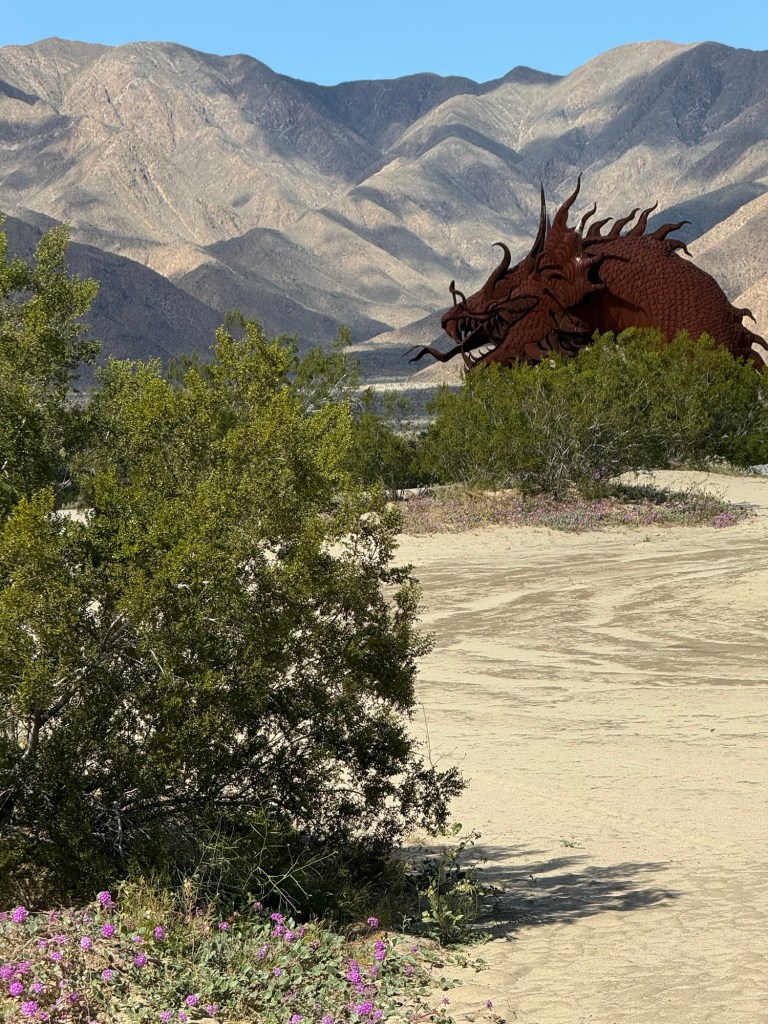
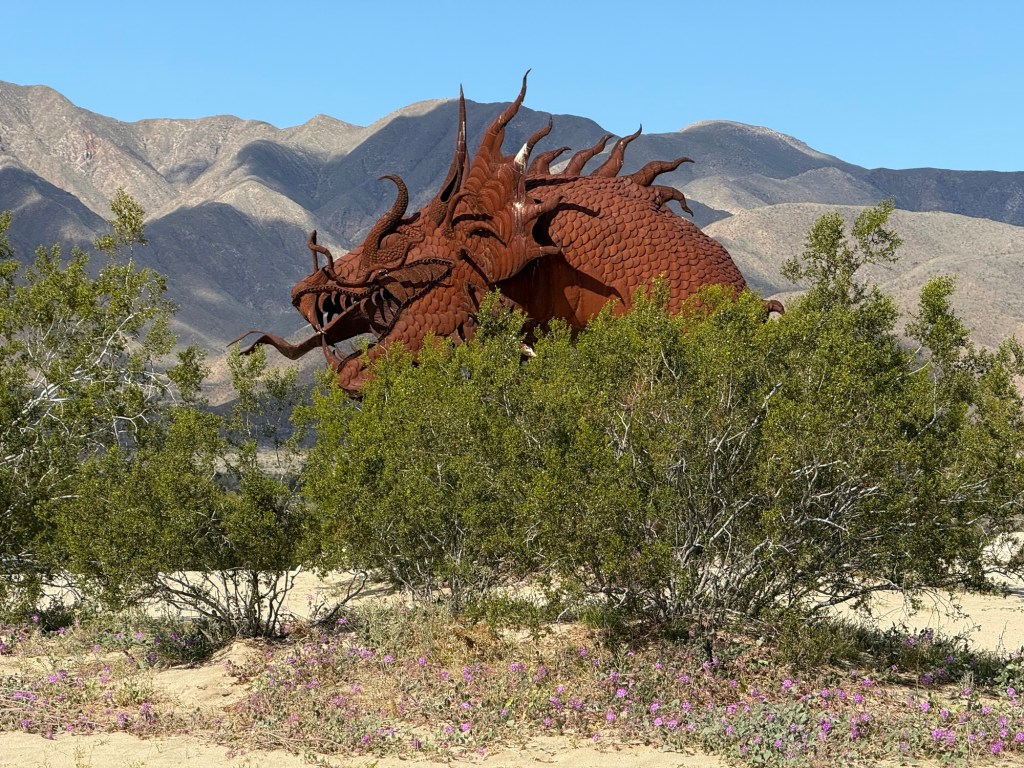
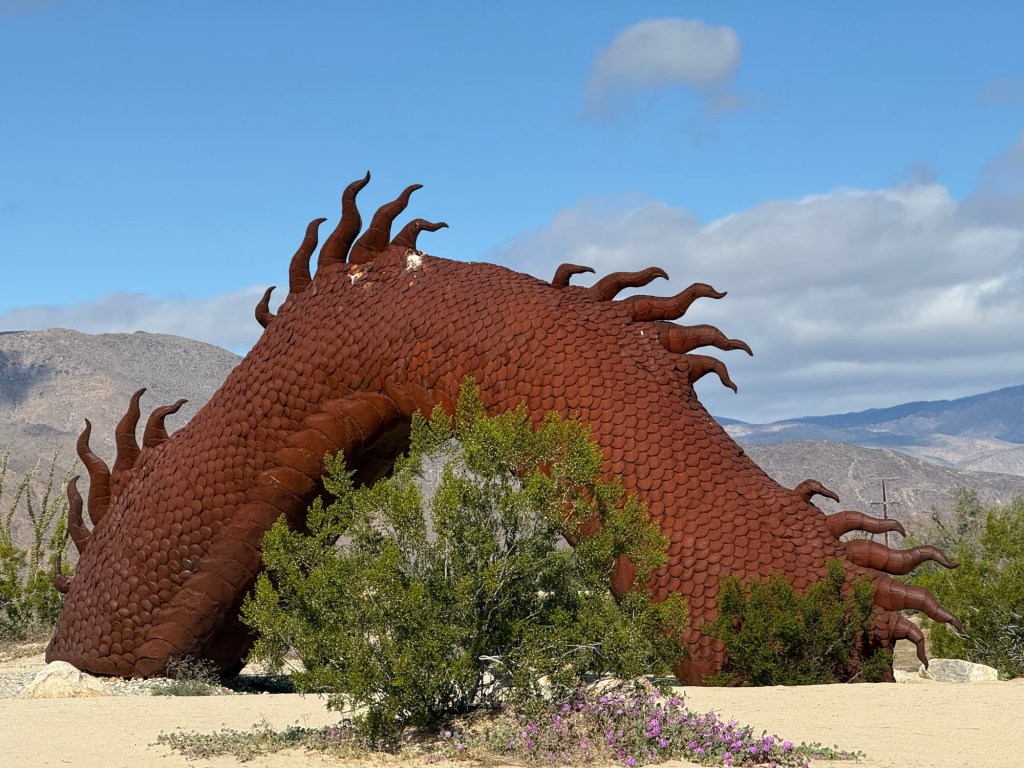
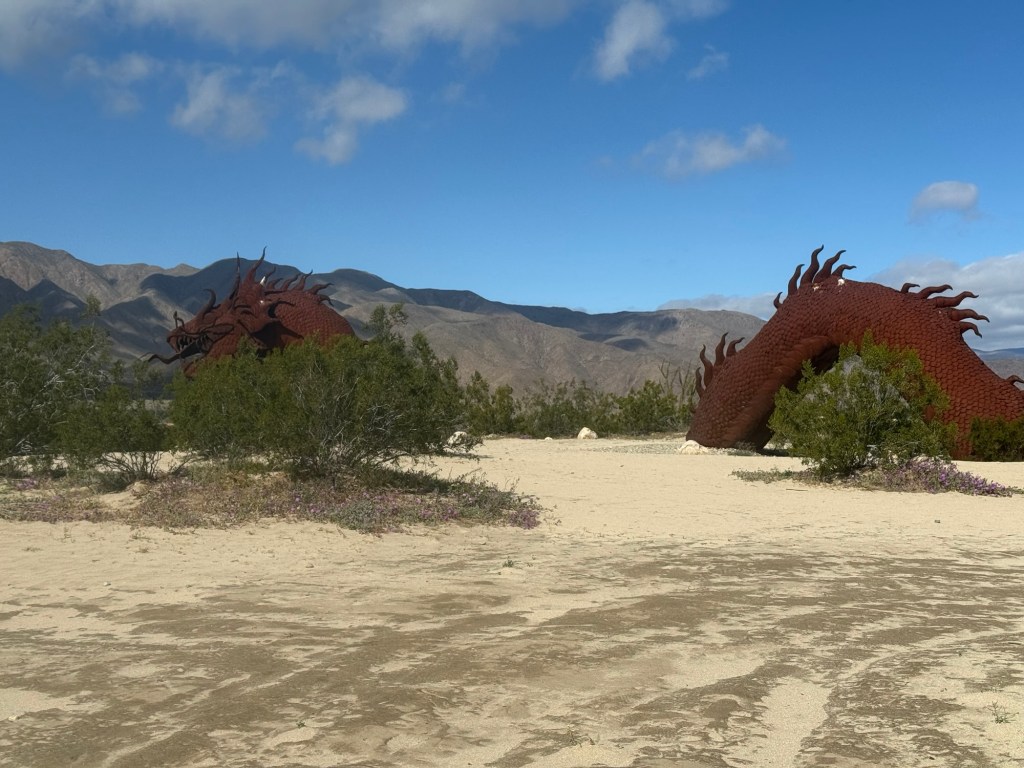
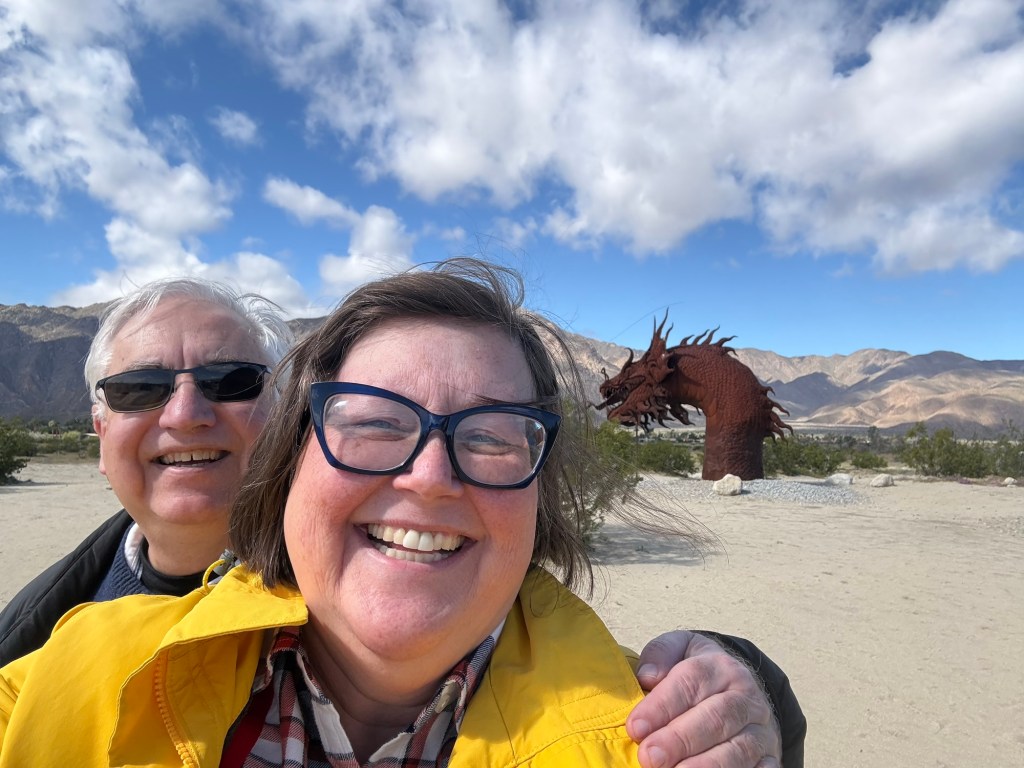
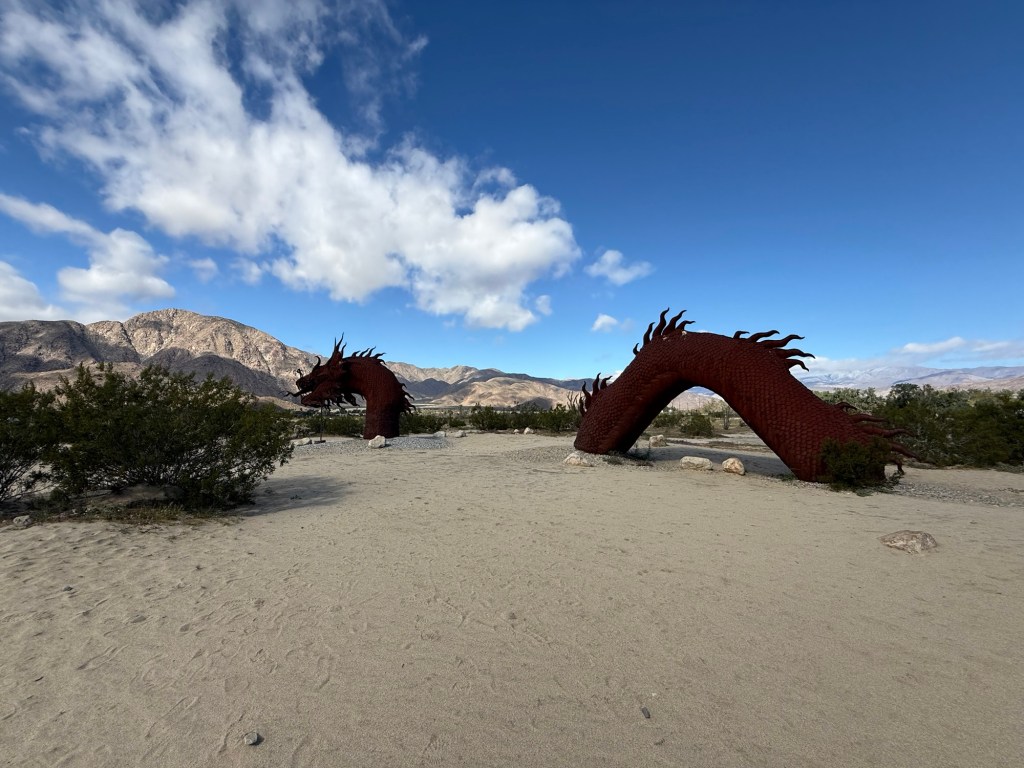
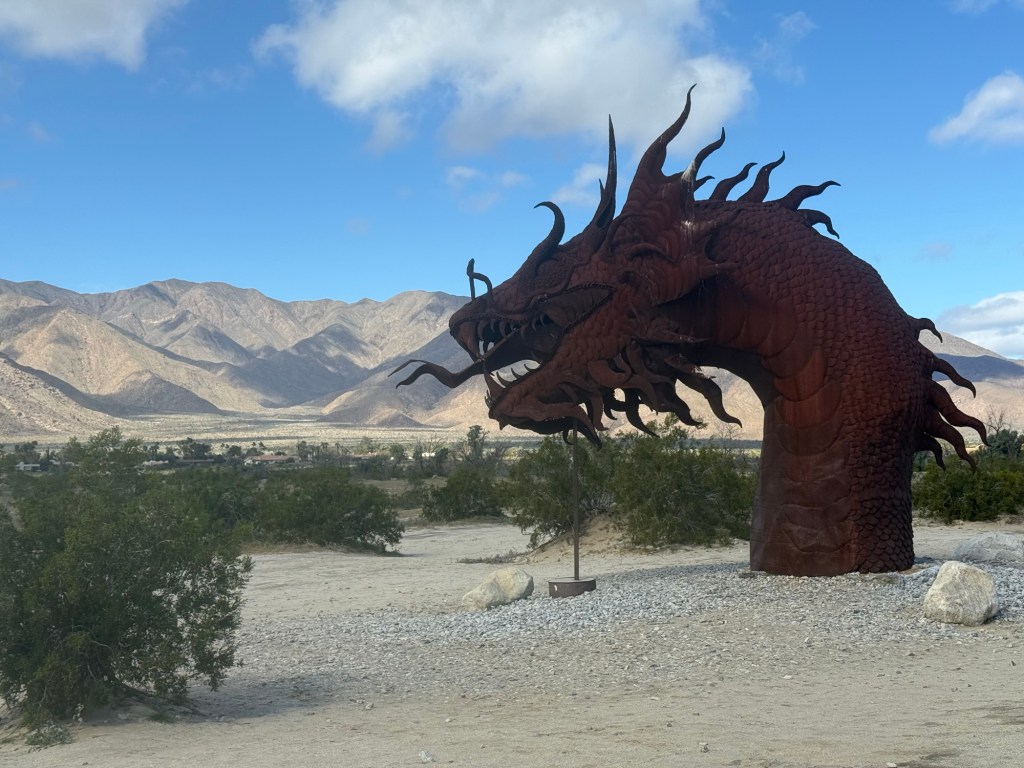
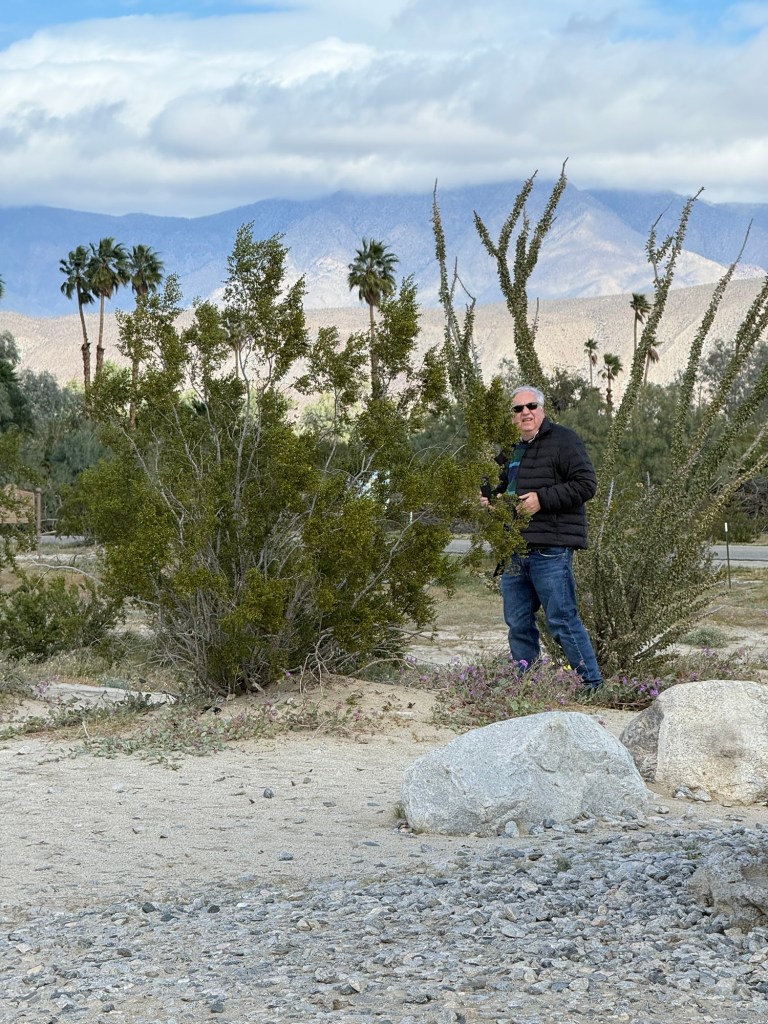
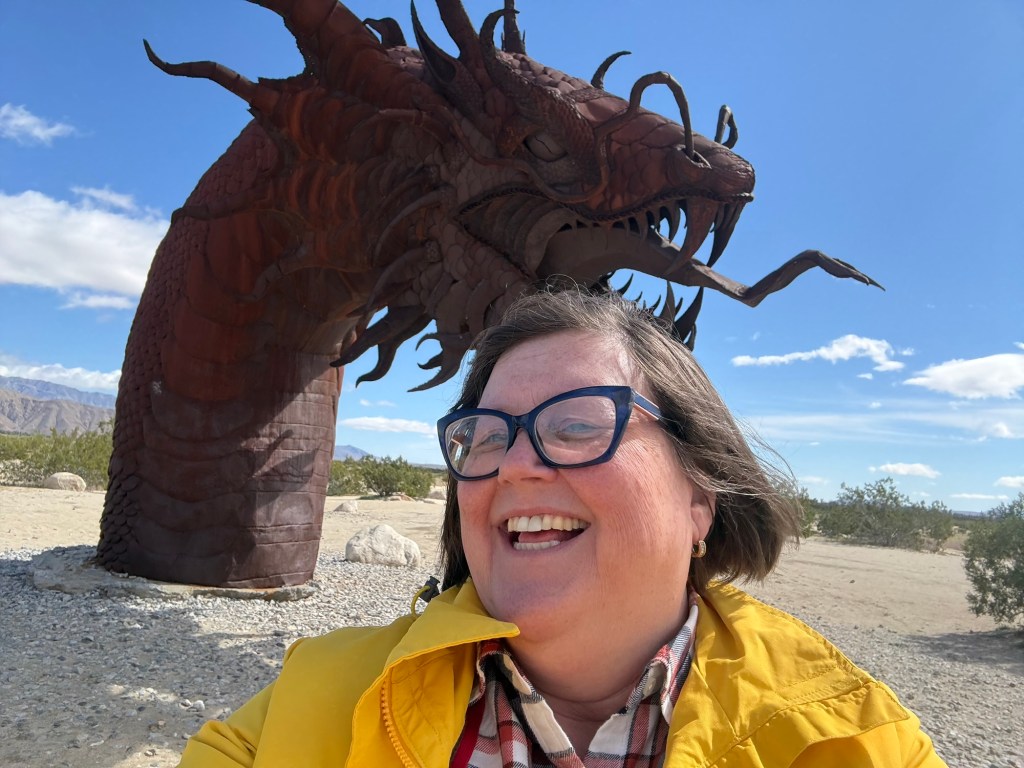
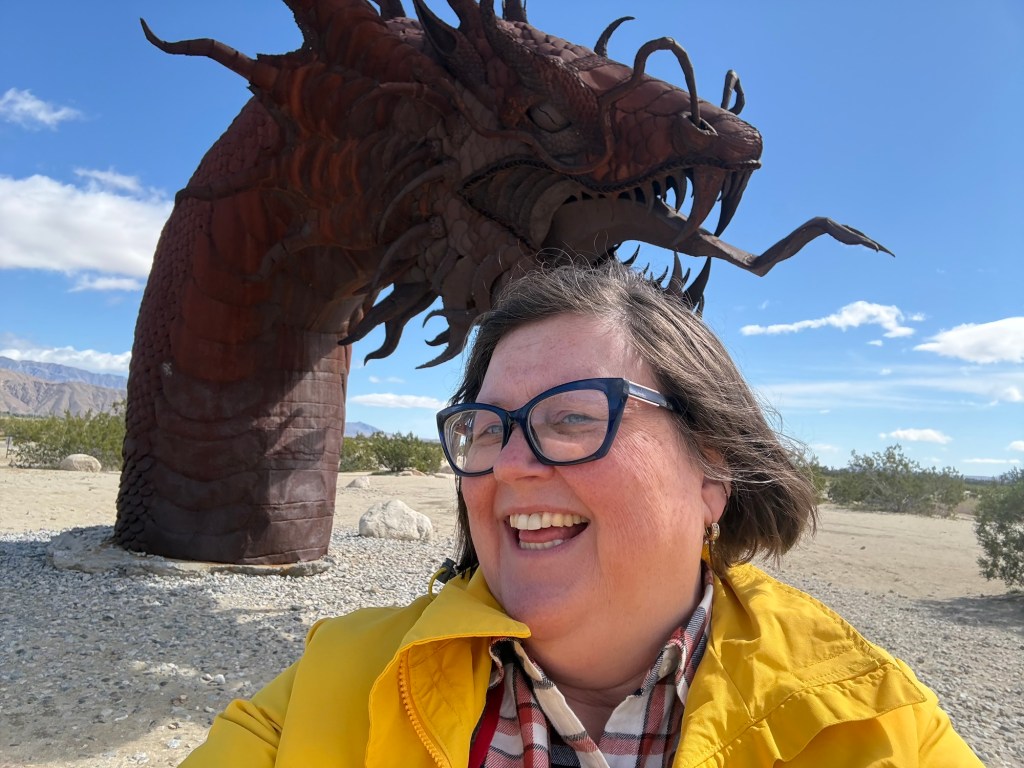
Borrego Springs is special for so many reasons – my favorite is the wildflower season. Every year we make the drive to the desert to catch the wildflowers. In recent years, we have arrived too late for the big display. This year, the rain has been intense and we opted to make the drive a few weeks earlier than our usual schedule. It paid off. The flowers were out in full bloom along Henderson Canyon Road with a beautiful array of purple and white flowers. In addition, we found some beautiful purple blooms on Borrego Springs Road near the famous dragon sculpture that stretches over both sides of the road. The Anza-Borrego State Park Visitor Center had lots of yellow blooms along with a few traces of red and blue flowers.
Upon entering town, we first went to the Visitor Center. Not only is it a great place to stretch your legs but the staff is extremely friendly and helpful. We bought a book that identifies all the wildflowers in the area and received a map showing all current areas of wildflowers.
Next, we made the short drive through the one-street town of Borrego Springs to Henderson Canyon Road. The wildflowers were outstanding. Because rain was forecast for the afternoon, there were no crowds. It was us and three other couples taking in the glorious sight of vibrant flowers. From there we drove another 15 minutes to the nearby canyon. There are nine canyons in the Borrego Springs area. As an added bonus, we saw the Salton Sea in the distance.
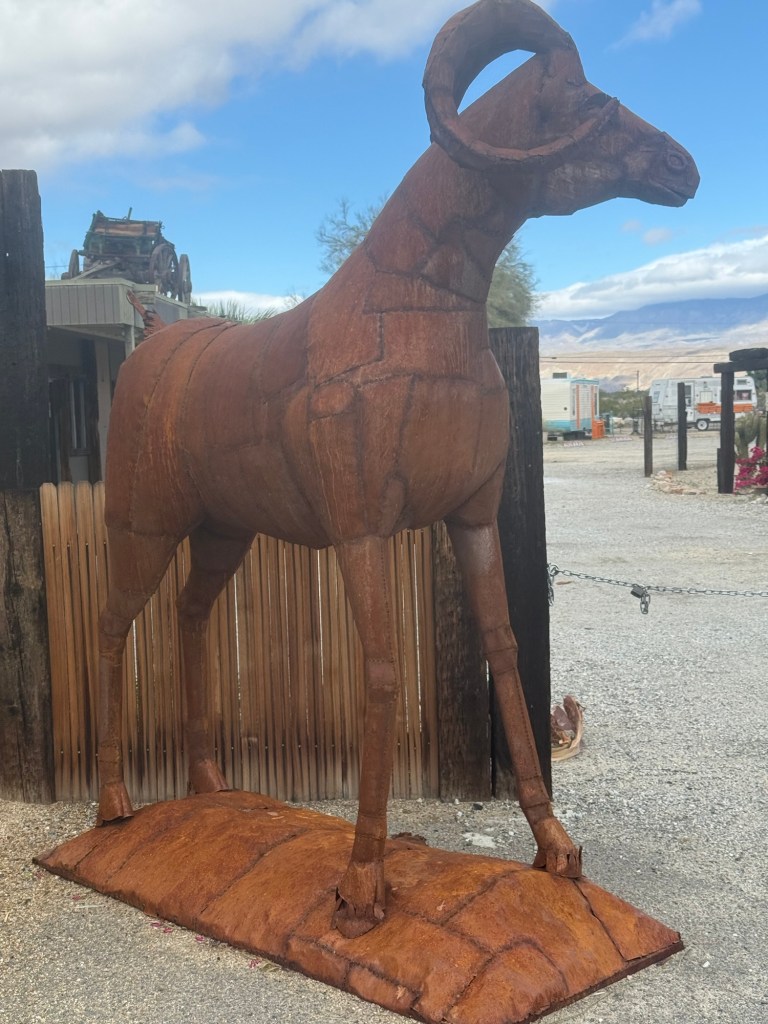
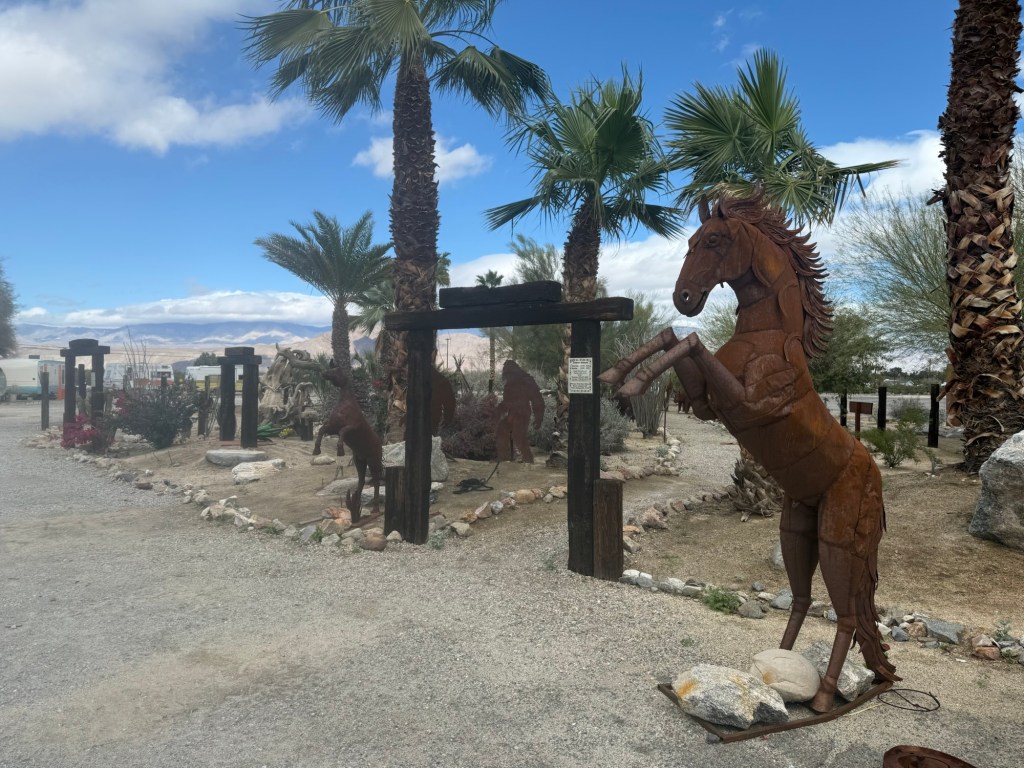
On our way back into town, we stopped by the enormous dragon sculpture (it’s 350 feet long) that goes across both sides of the road. The sculpture is one of numerous sculptures by Ricardo Brecedo that you will see throughout Borrego Springs. More purple wildflowers flowers surrounded the sculpture.
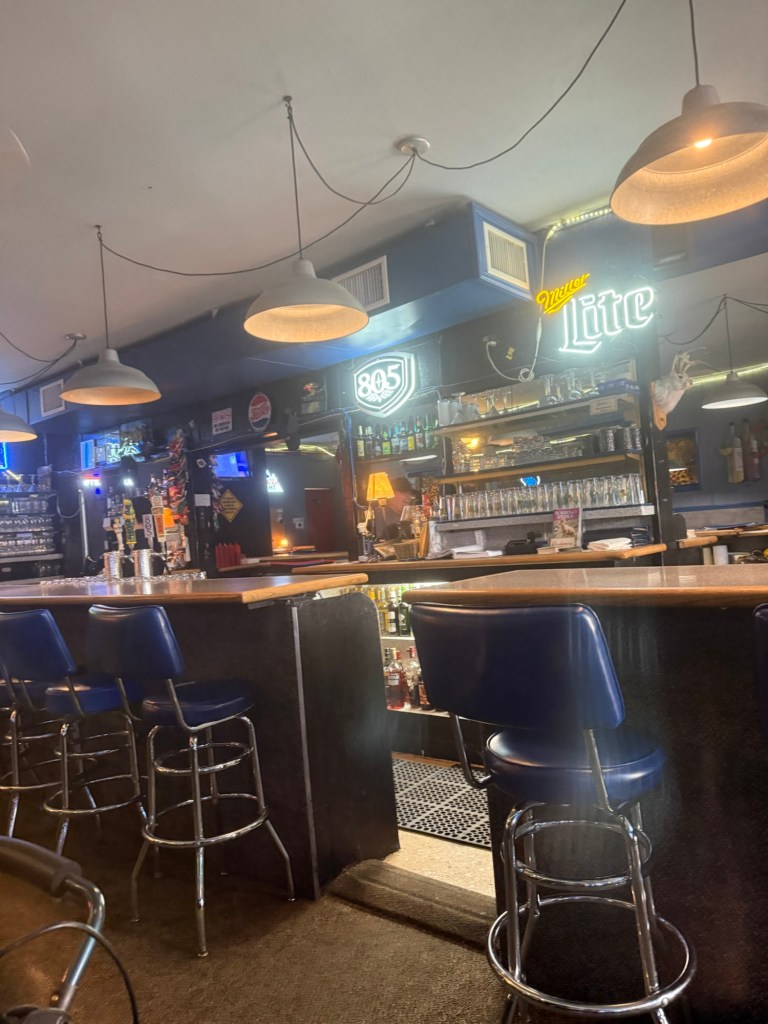
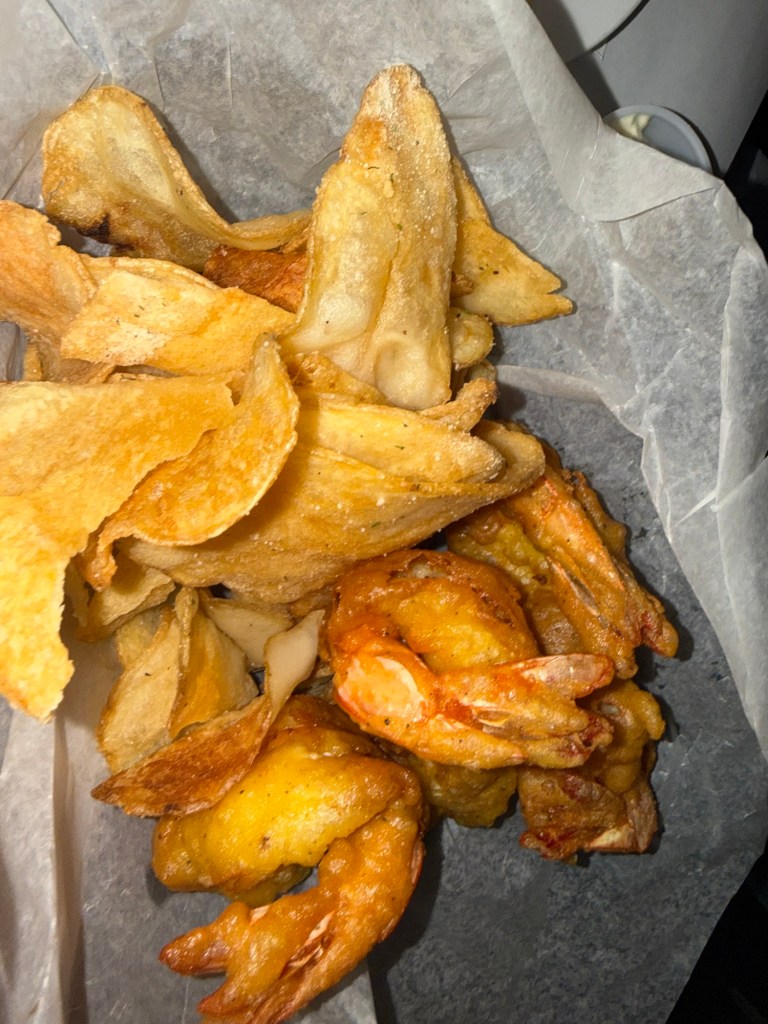
Normally, we stop at the amazing Pablito’s for delicious Mexican food. This time, we decided to try the famous Carlee’s that so many people have told me about. The food is wonderful but I warn you that the portions are enormous. We were there by 11:30 AM and the place was already busy. We were the only out-of-towners. Carlee’s is clearly popular with the locals. The steak quesadilla known as “The Andy” did not disappoint. My husband loved his shrimp basket that came with delicious homemade warm chips.
Anza-Borrego Desert State Park Visitor Center Anza-Borrego Desert State Park Visitor Center Anza-Borrego Desert State Park Visitor Center Anza-Borrego Desert State Park Visitor CenterAnza-Borrego Desert State Park Visitor CenterAnza-Borrego Desert State Park Visitor CenterAnza-Borrego Desert State Park Visitor CenterAnza-Borrego Desert State Park Visitor CenterAnza-Borrego Desert State Park Visitor CenterHenderson Canyon Road Blooms Henderson Canyon Road BloomsHenderson Canyon RoadHenderson Canyon Road Henderson Canyon Road Henderson Canyon Road Henderson Canyon Road Henderson Canyon Road Henderson Canyon Road Henderson Canyon Road Henderson Canyon Road Henderson Canyon Road Henderson Canyon Road Henderson Canyon Road Henderson Canyon Road Henderson Canyon Road Henderson Canyon Road Henderson Canyon Road Henderson Canyon Road Henderson Canyon Road Henderson Canyon Road Henderson Canyon Road Henderson Canyon Road Henderson Canyon Road Henderson Canyon Road Henderson Canyon Road Henderson Canyon Road Henderson Canyon Road Henderson Canyon Road Henderson Canyon Road Henderson Canyon Henderson CanyonHenderson Canyon The Salton SeaHenderson Canyon Fields of Wildflowers Map of Flower Activity Given at Visitor Center Borrego Springs Road Borrego Springs Road Famous Dragon Sculpture Dragon Sculpture Dragon Sculpture The Dragon Sculpture The Dragon Sculpture Dragon Sculpture Dragon Sculpture Dragon Sculpture Dragon Sculpture Dragon Sculpture Dragon Sculpture Dragon Sculpture Dragon Sculpture My Husband Taking Photos Dragon Sculpture Sneaky Photo of Me by HubbyDragon Sculpture Dragon Sculpture Dragon Sculpture Famous Carlee’s Bar at Carlee’s Potato Skins Appetizer at Carlee’s Shrimp Basket with Homemade Chips at Carlee’s Andy’s Quesadilla at Carlee’s Small Sculpture in Town Small Sculpture in TownExterior of Carlee’s Front Entrance of Carlee’s
Everyone has different opinions but here’s my cheat sheet for what to purchase at each location when going on the Grand European Tour with Viking. We traveled from Budapest to Amsterdam so my guide is in that order.
Prior to going, I formed a mental list by reading posts from others. I really picked up some great tips. For example, reading other posts is how I knew about the amazing roof tiles in Budapest as well as the to-die-for fruit-filled chocolate bars at the Melk Abbey gift shop.
I vowed to shop with some thought versus coming home with stuff to clutter up the house. I wanted items, with the exception of Christmas ornaments, that we would consume or use. The biggest surprise was probably how fantastic Hungarian chocolate is. I subsequently read that Hungary is really well-known for chocolate – go figure! We actually enjoyed the Hungarian chocolate more than the chocolate from Germany.
Budapest
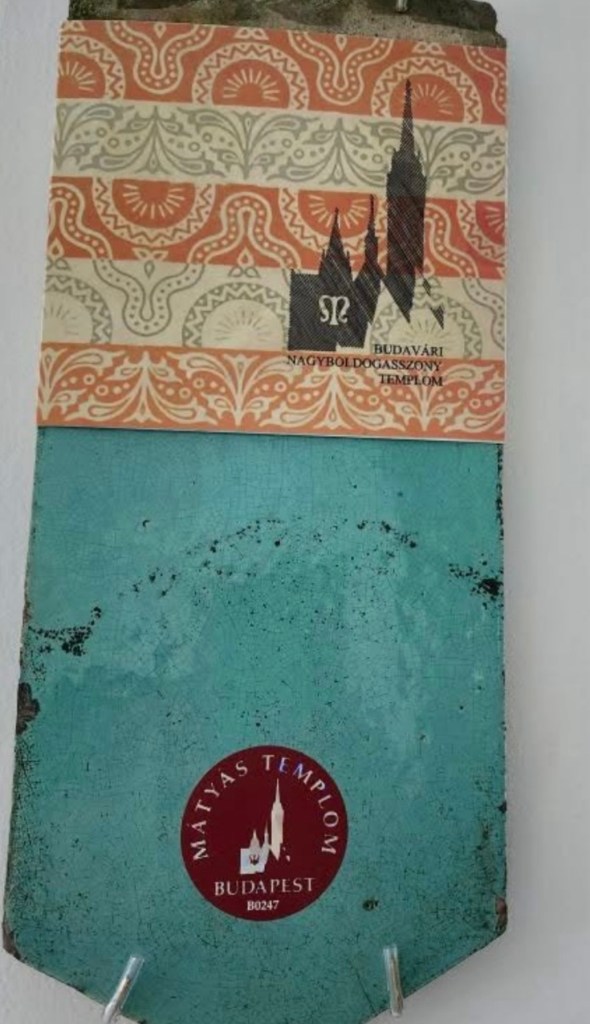
Roof Tiles from Saint Matthias
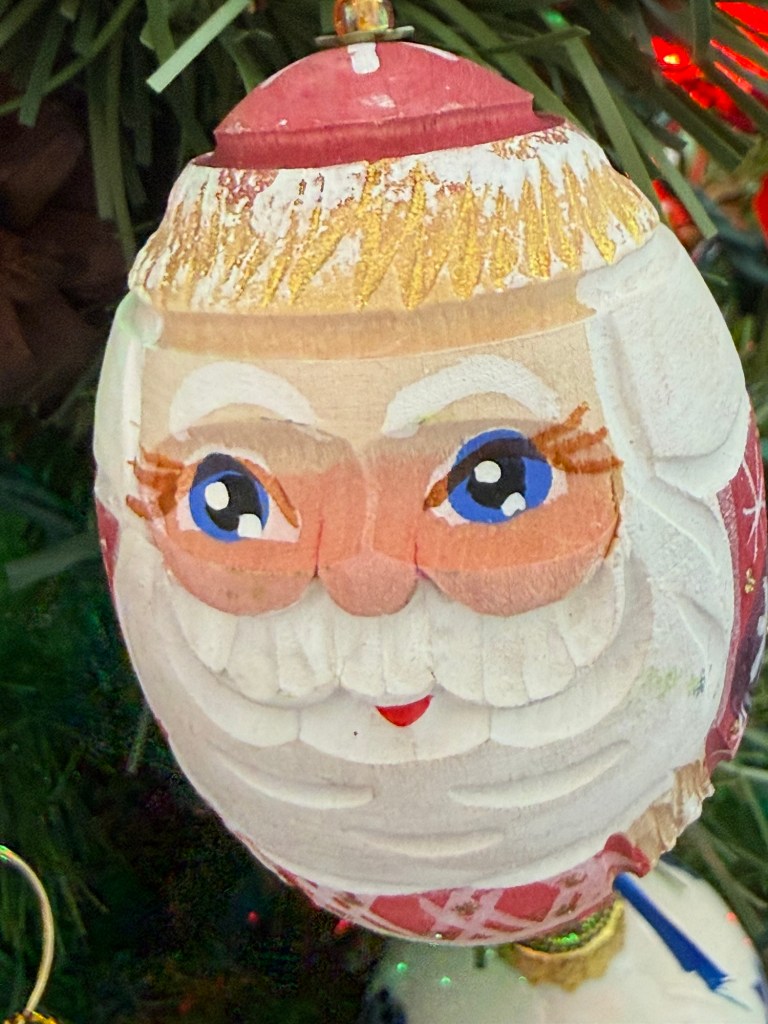
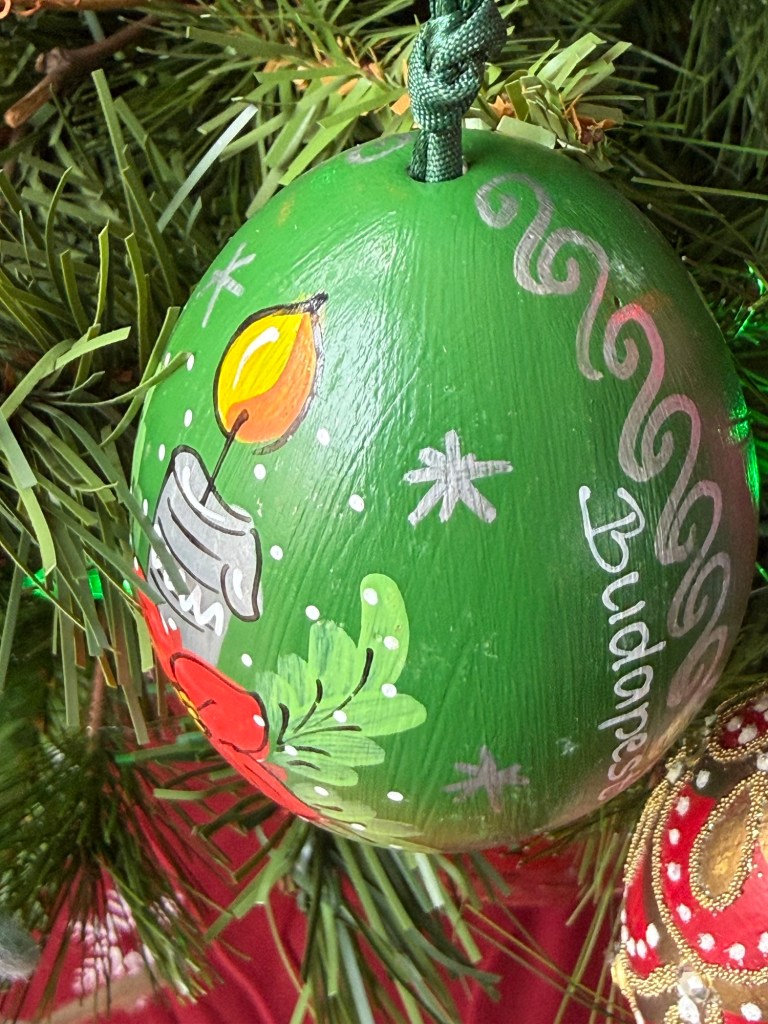
Christmas ornaments from shops near Saint Matthias
Chimney Cake from the stand adjacent to Saint Matthias
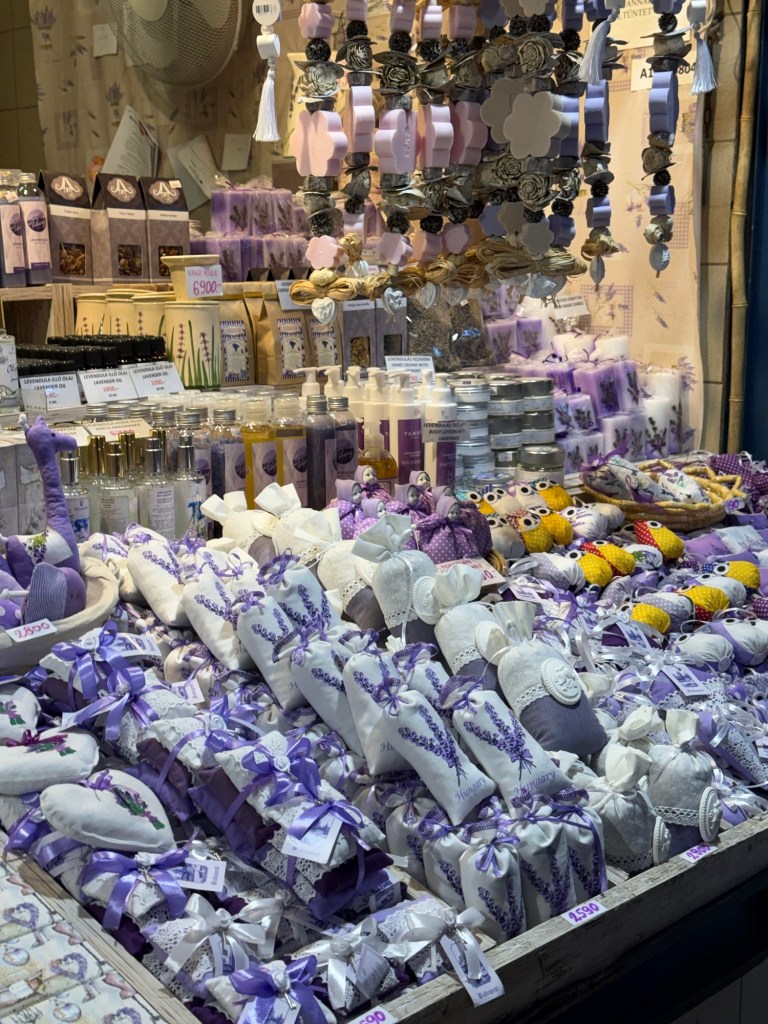
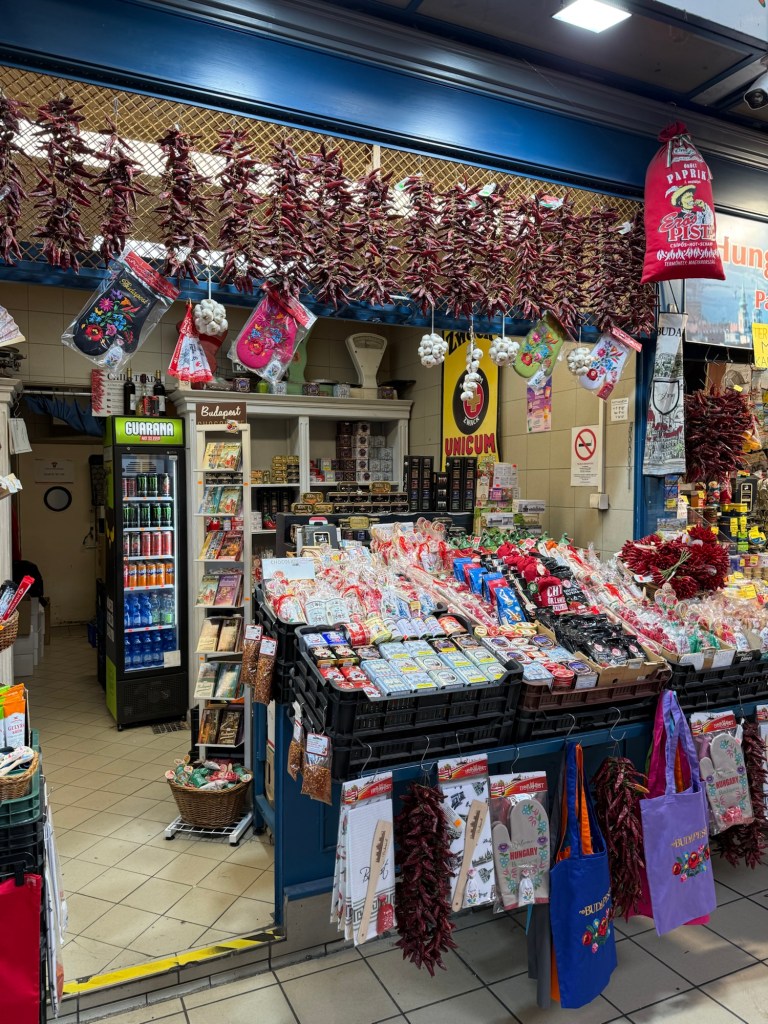
Paprika, Lavender, wooden spoons, leather goods ,such as belts, and chocolate from the stands at the Central Market. My husband bought a terrific leather belt that the vendor customized to his waist for $20 Euros.
Vienna
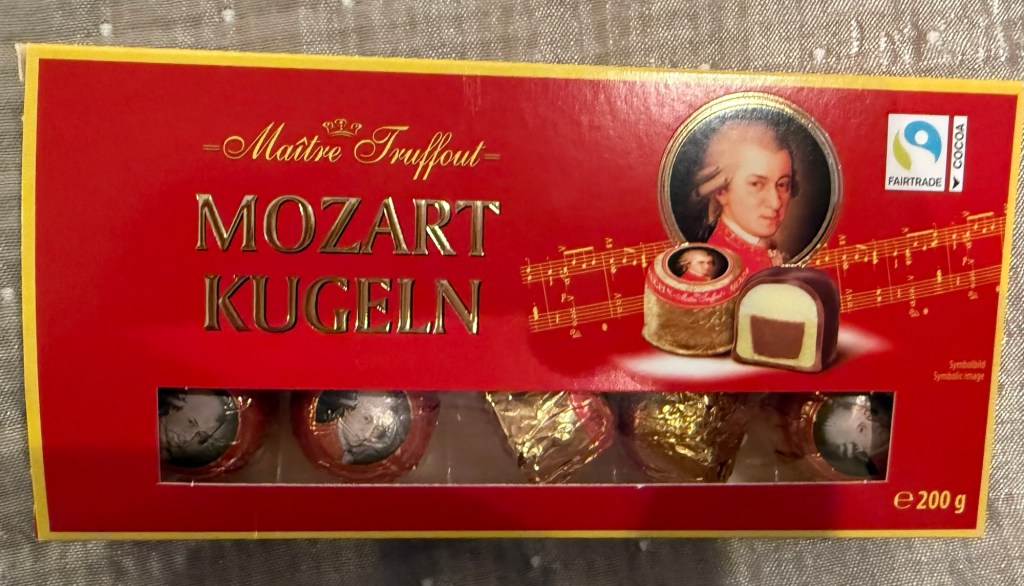
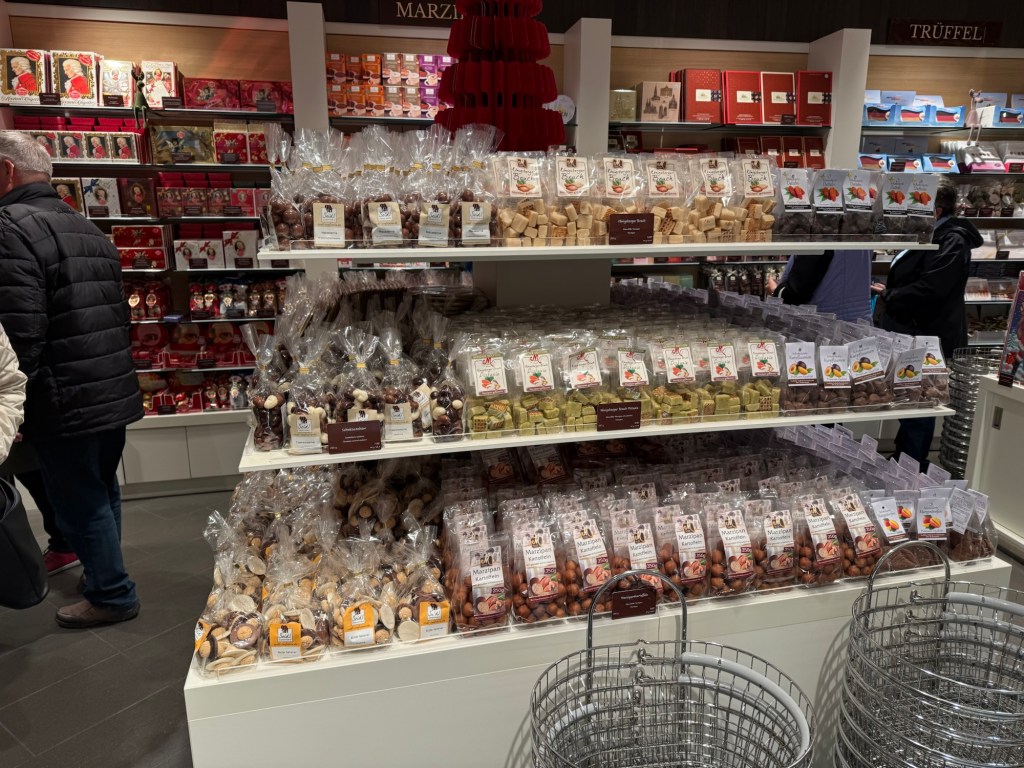
Mozart Chocolates from shops near the cathedral
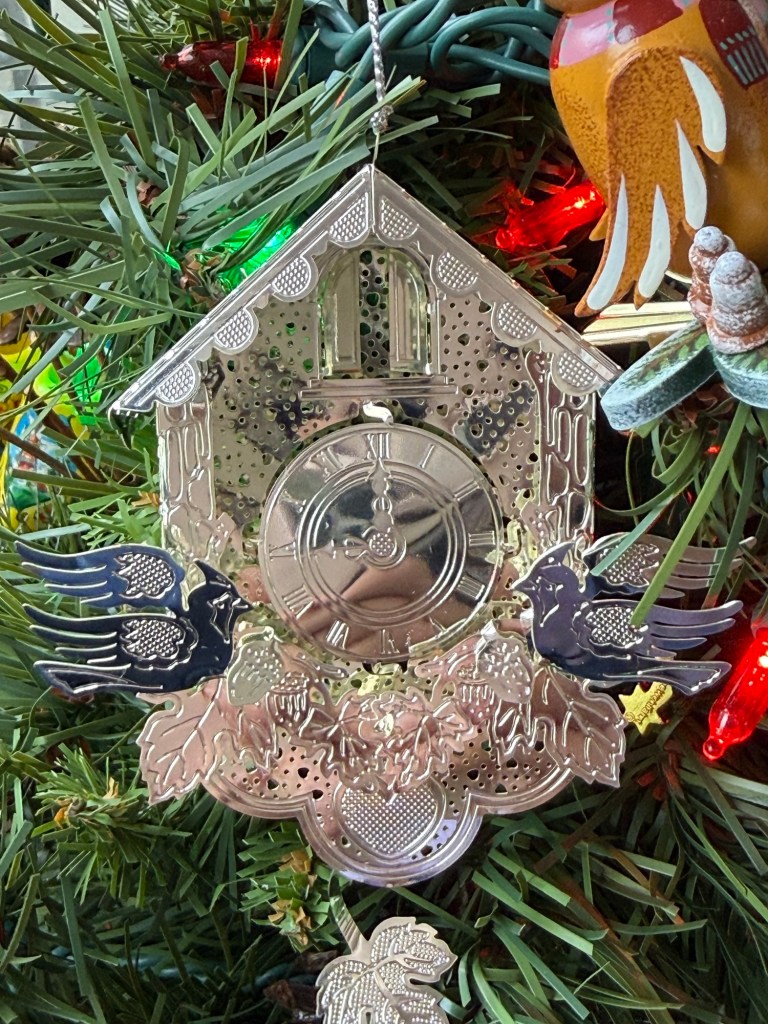
Christmas ornaments from the Schonbrunn Palace Gift shop
Melk Abbey
The fruit-filled chocolate bars are an absolute must! They are just fantastic. We also bought a few prints. Others bought wine which they loved.
Passau
I bought nothing
Regensburg
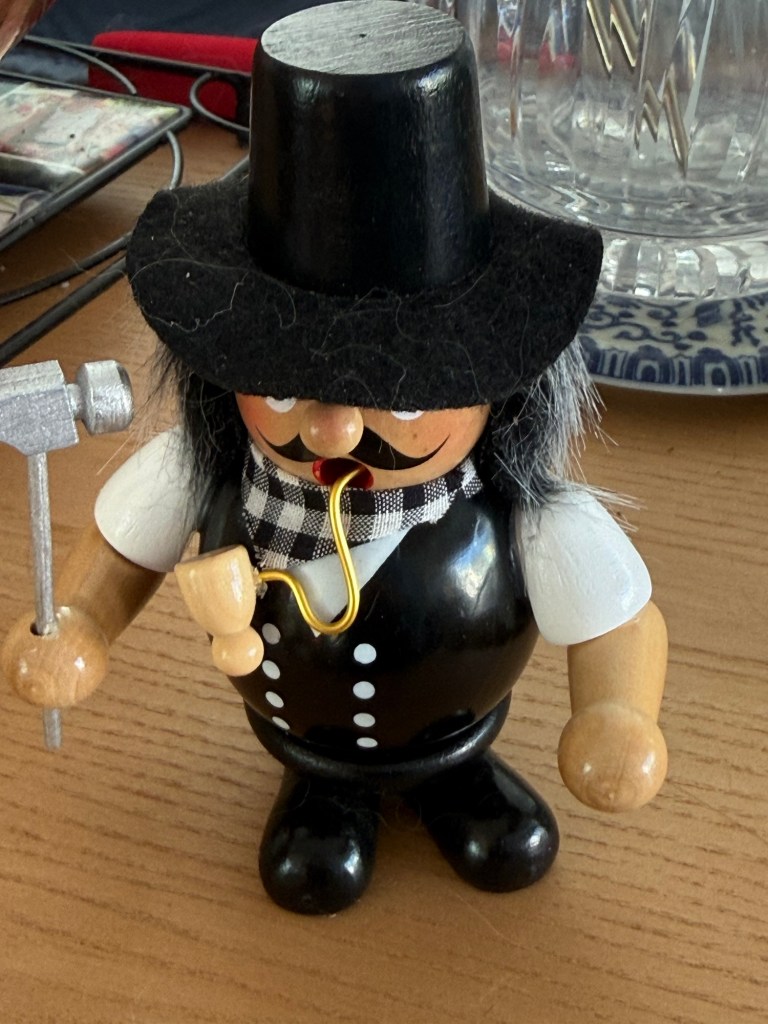
Sausage sandwiches from the Sausage Kitchen, pretzels, mustard and Christmas ornaments. Our tour guide recommended a shop for ornaments and he was spot on with his advice. We bought an adorable German smoker and incense for about 1/3 price Amazon charges for German-made ones.
It started to rain heavily towards the end of our afternoon. We were waiting to meet our cruise director for the return walk to the ship. To stay warm, we stumbled upon a book store. Another lady from the ship (we still stay in contact) and I made a beeline for the Christmas ornaments. We found some very unusual ones.
Nuremberg
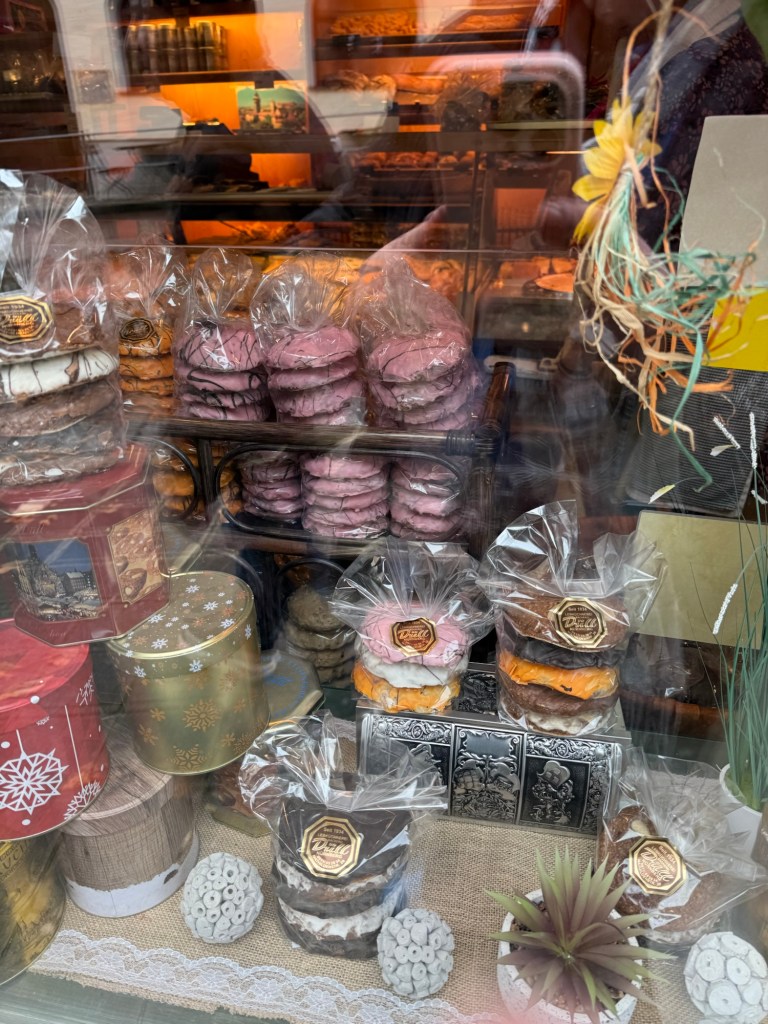
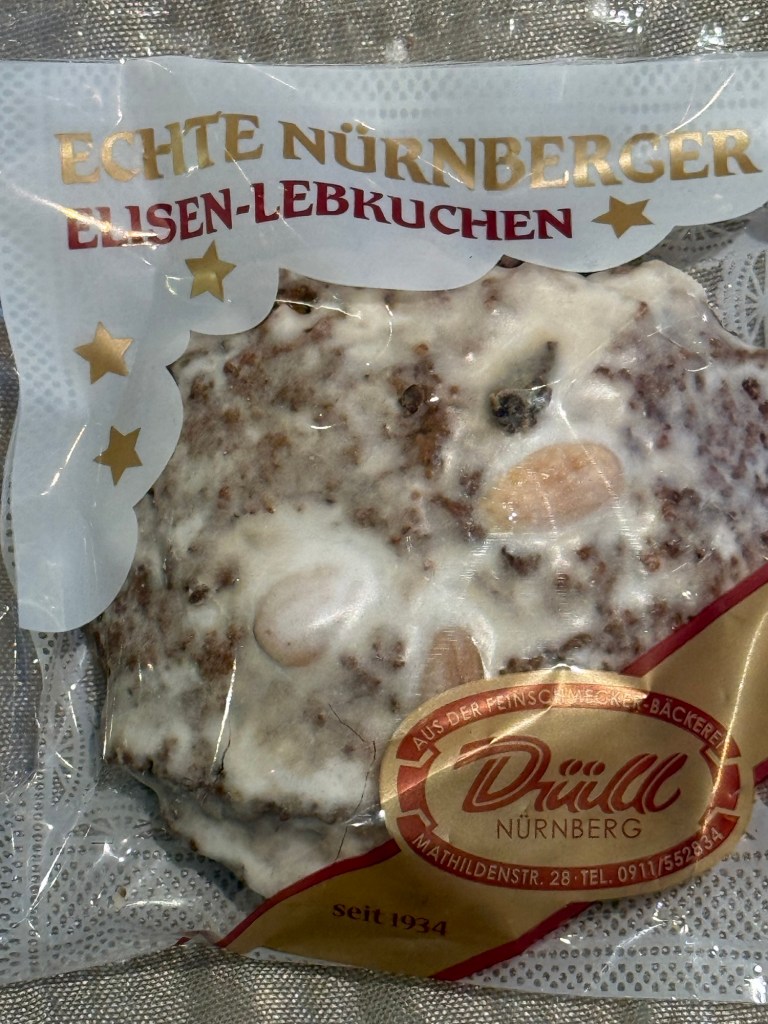
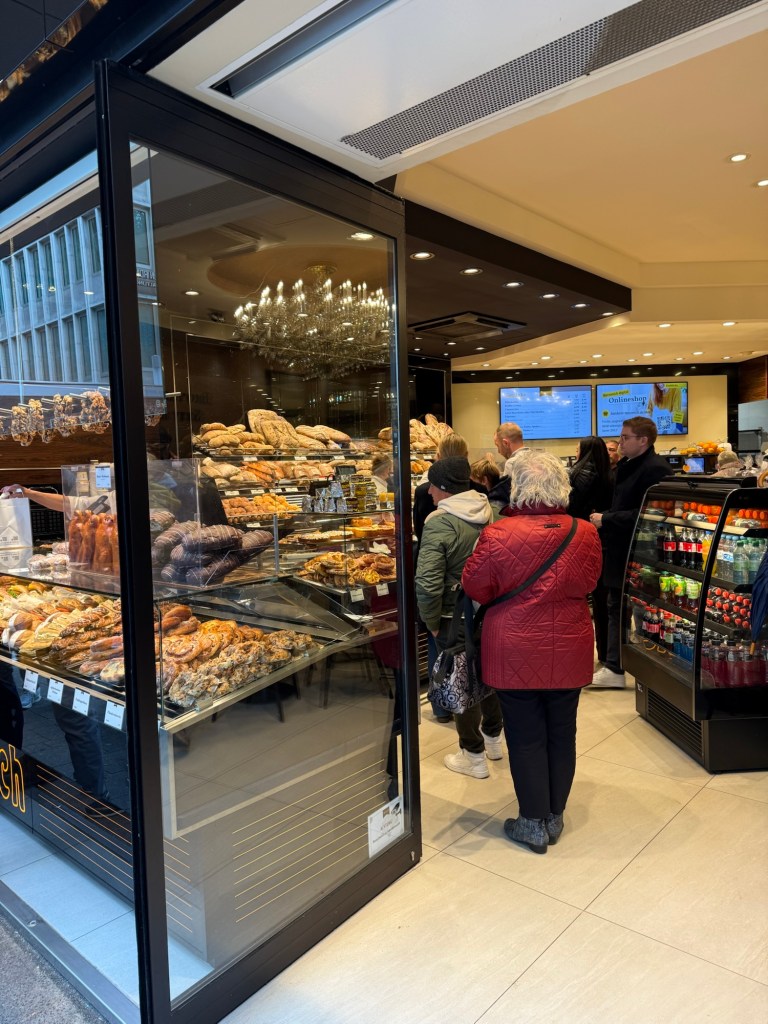
We went on a Sunday when most stores are closed but the bakeries were open and wow! The Lebkuchen are an absolute must-buy item. We bought ones to eat on the ship as well as a package to take home. I can see why these spicy soft cookies are so popular.
Bamberg
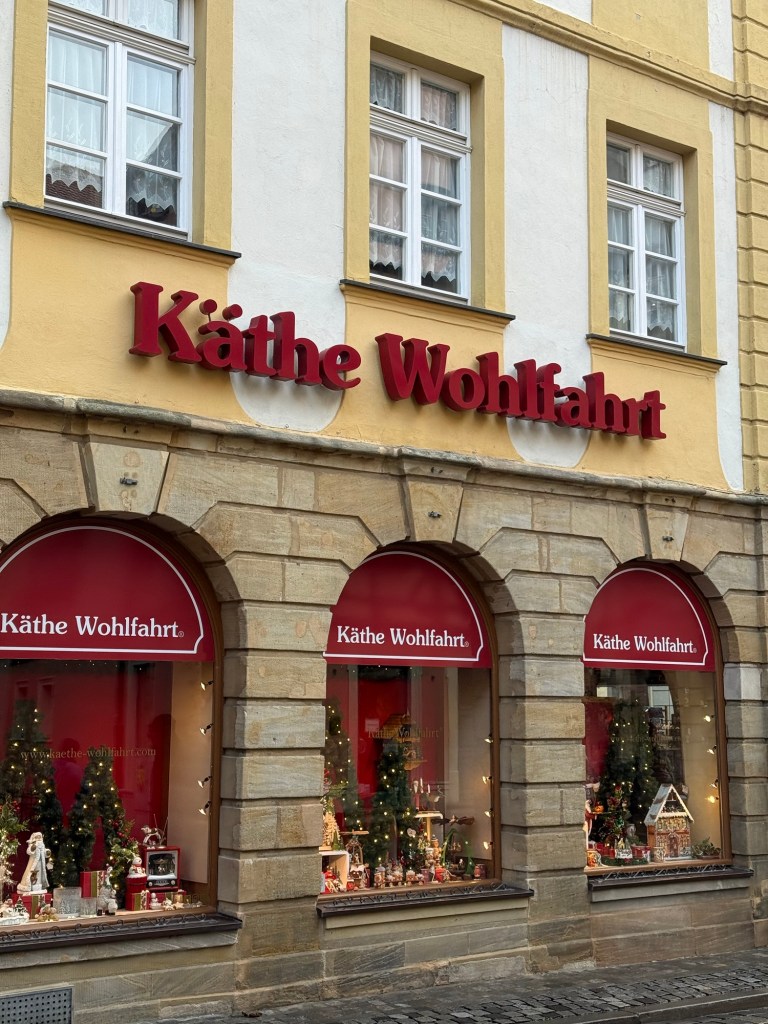
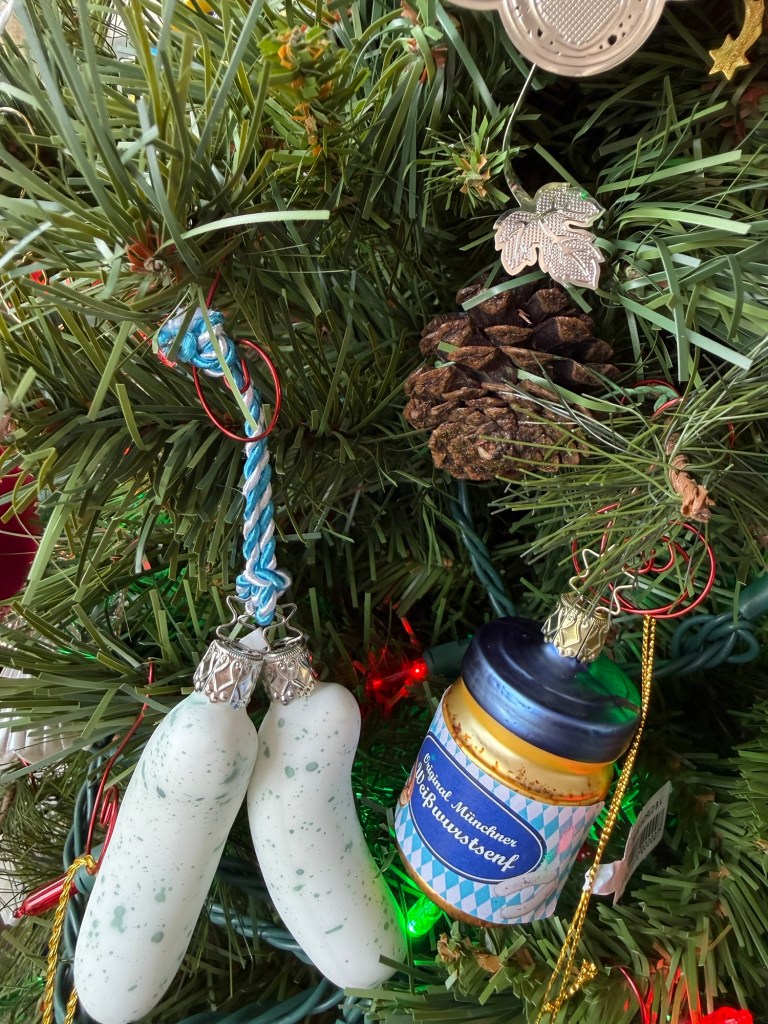
We bought Christmas tree ornaments from two adjacent Christmas tree ornament shops. Bamberg is famous for its smoked beer and one of the shops sold smoked beer ornaments as well as glass sausage and mustard ornaments. Both shops beautifully wrapped my ornaments in tissue paper and boxes. I did not have a single ornament break during our travels.
Wurzburg
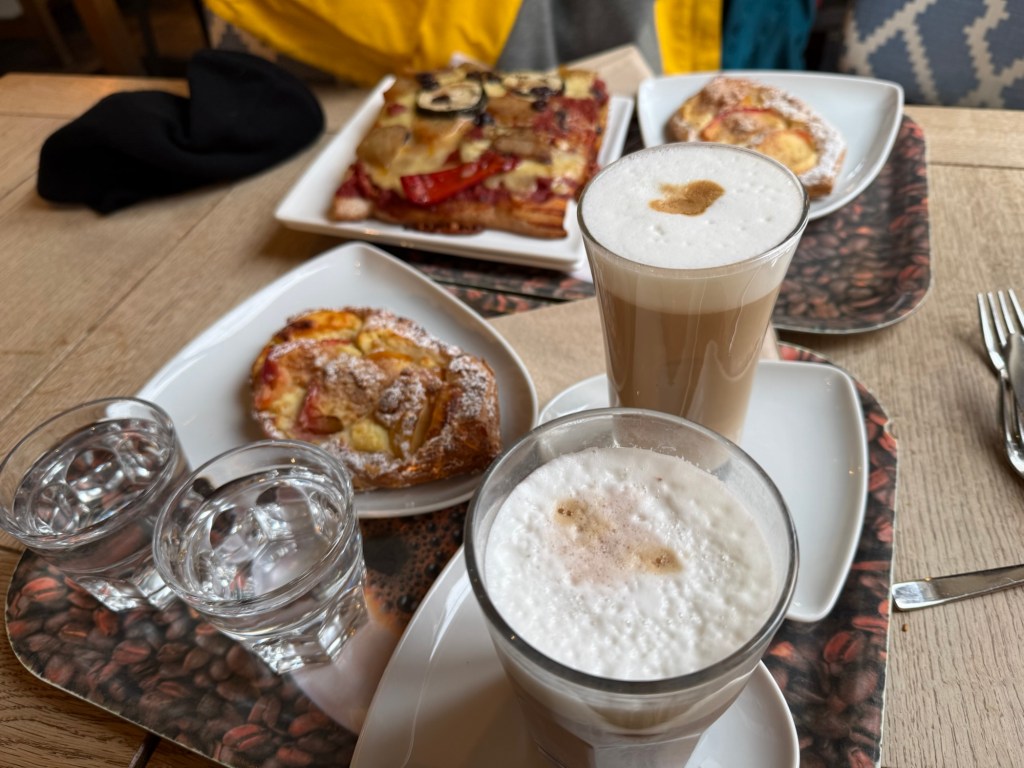
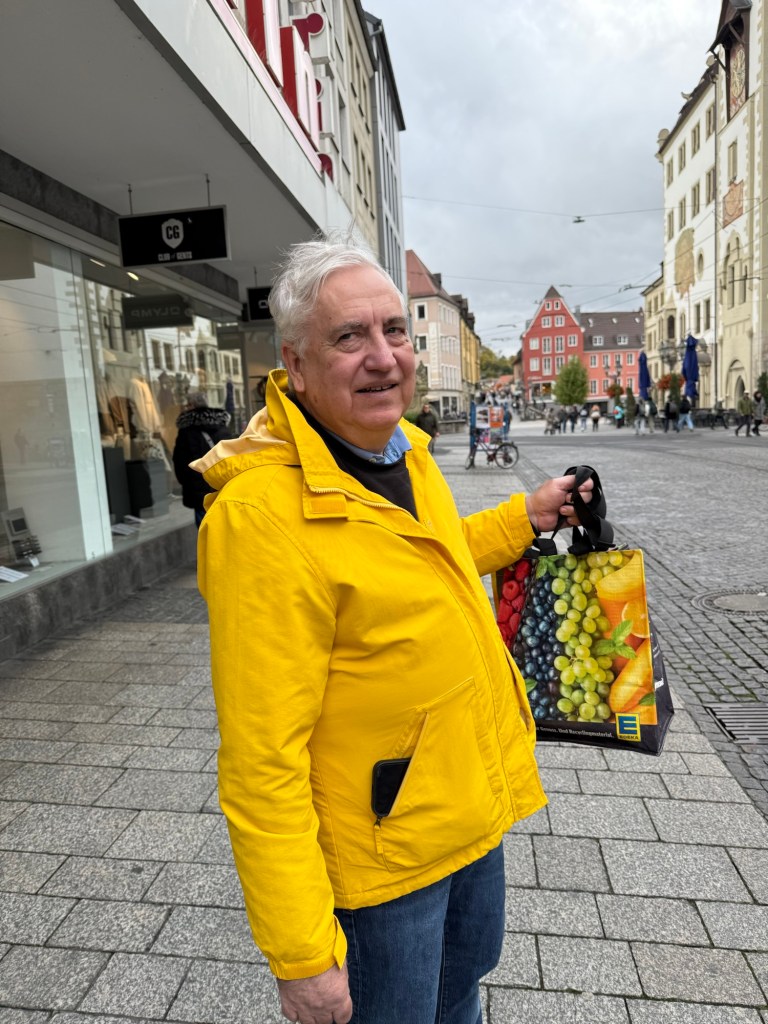
Here we did one of our favorite things. We went to a local grocery store – close to where the tour guide left the group. We bought German coffee and cookies. The prices were very reasonable and we loved the coffee. I wish we had purchased more coffee. In addition, we enjoyed a lunch at a cute cafe along the bridge – next to the wine bar.
Wertheim
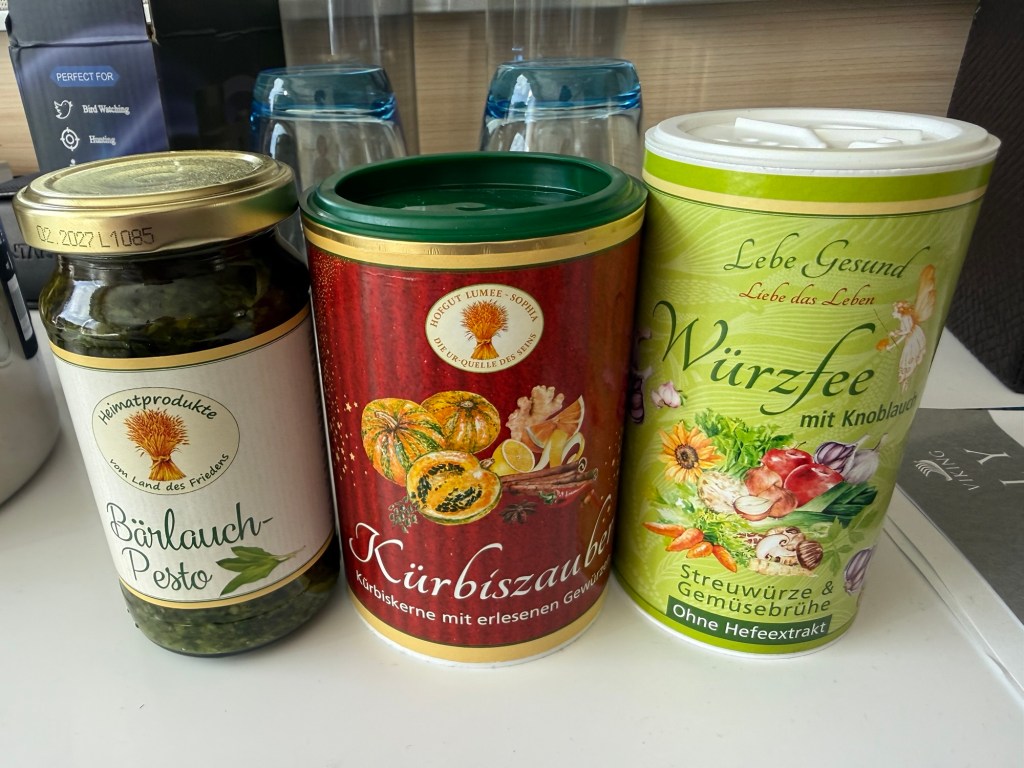
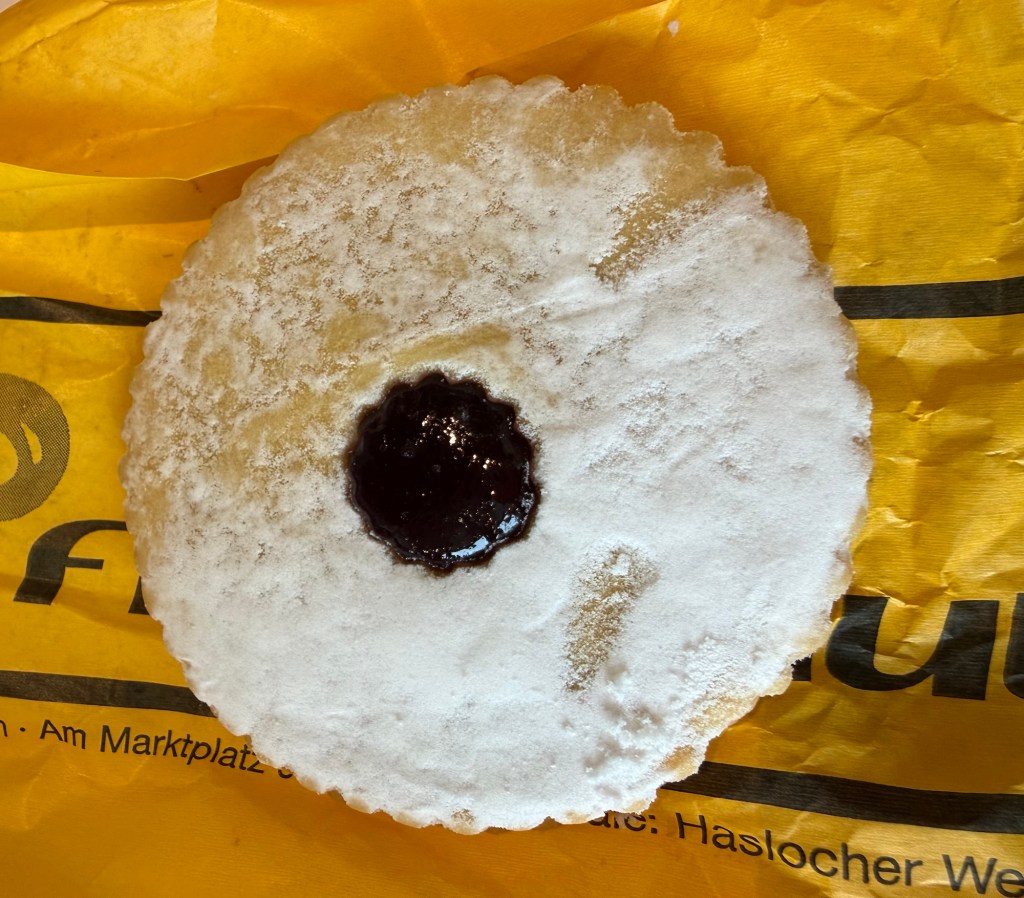
Here we had fun buying a few pretzels and amazing Linzer cookies at a local bakery. We only bought two of each. The pretzels in Germany have no preservatives so they get hard within two days. They were so delicious. In addition, I bought a few items a local gourmet shop – including the best jarred pesto sauce I have ever tasted.
Koblenz
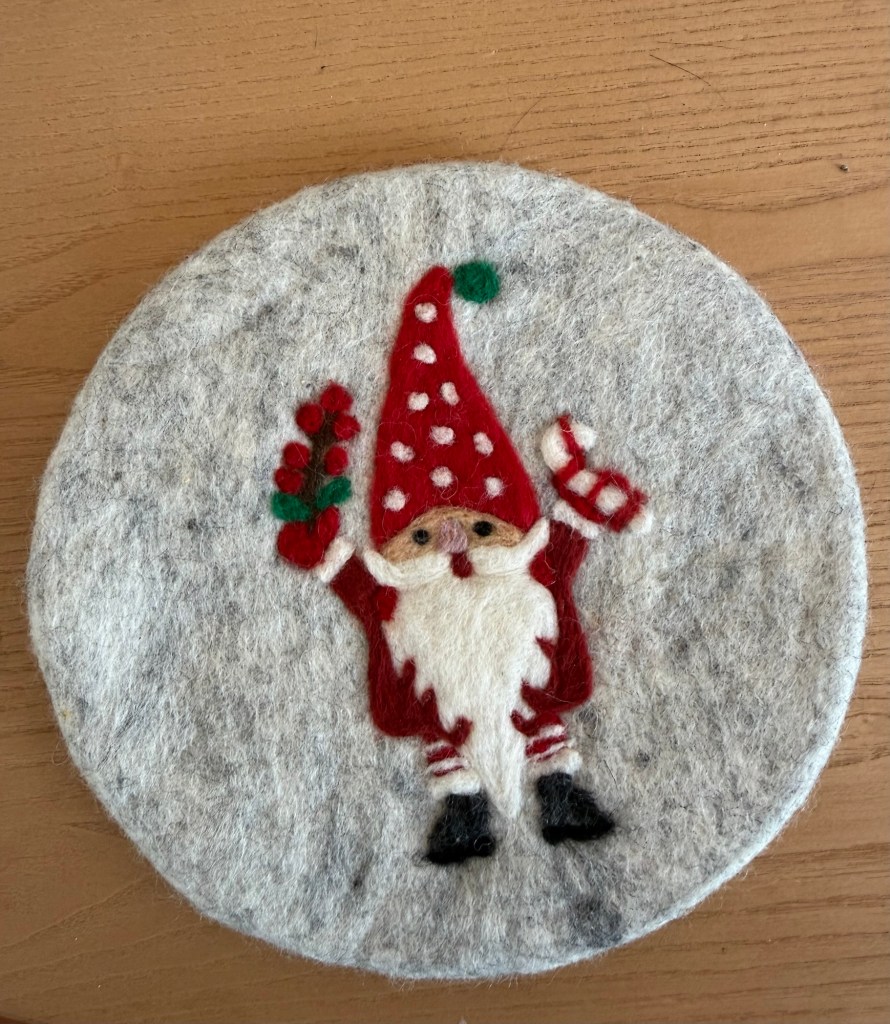
We found a great shop on the corner of the main shopping street. Yes, I bought a few ornaments but the store had so much more to offer. I bought a few delightful heat-resistant pads to protect my table from damage by hot casserole dishes. Also, I found some cute appetizer forks and a cool wooden wine bottle coaster as a souvenir for my brother-in-law.
Cologne
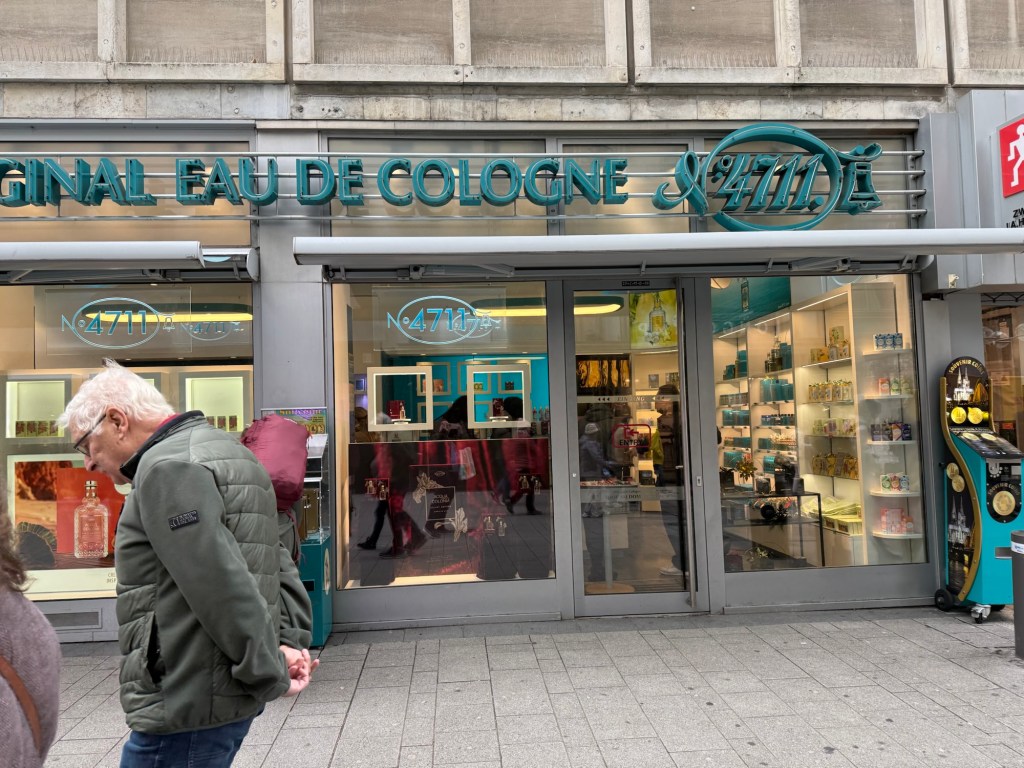
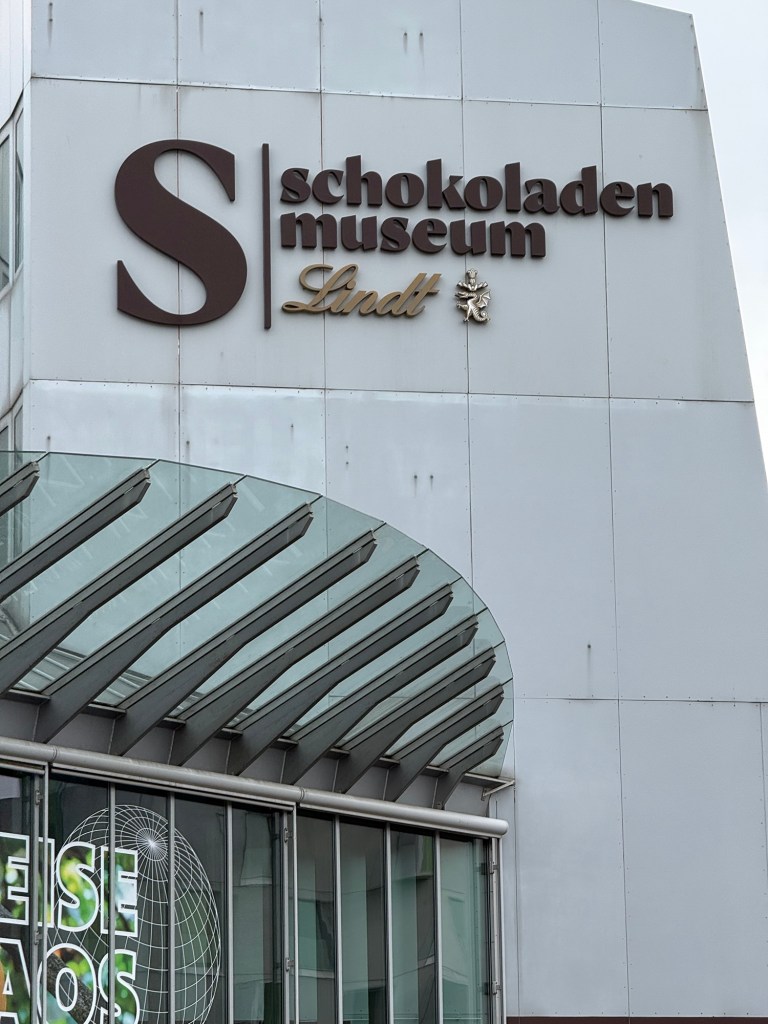
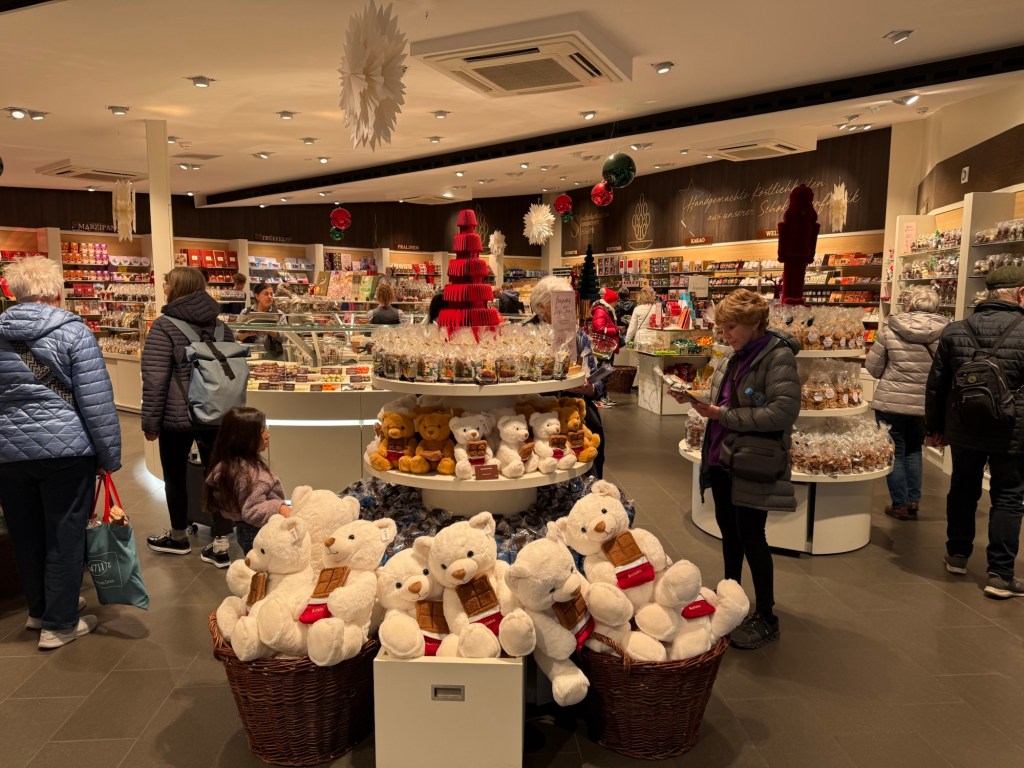
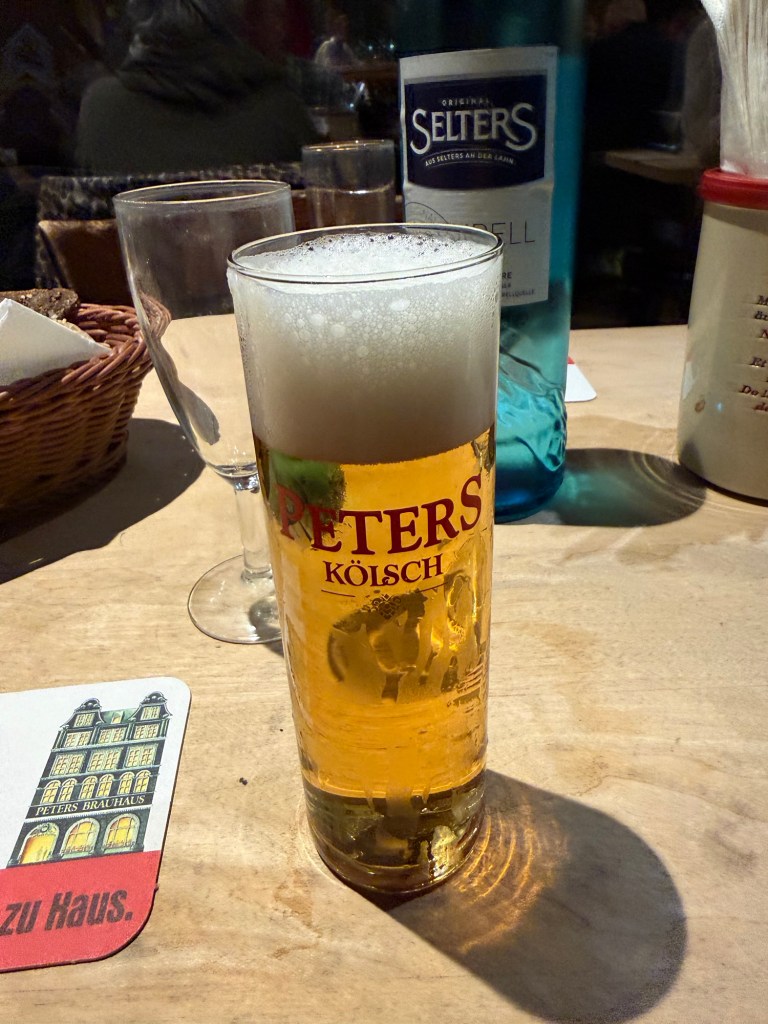
Our morning tour guide pointed out a great souvenir shop near the cathedral where I bought German-made Christmas ornaments (as opposed to imported ones made in China) and a gift box of mini bottles of 40711 cologne. In addition, we bought a fantastic assortment of chocolates from the gift shop at the Lindt Chocolate Museum. Our Viking ship was docked within blocks of the museum. We participated in the evening dinner and pub crawl. Peter’s, our first stop, sells the beer glasses used. They are smaller and unique. I regret not buying one or two glasses.
Kinderdijk
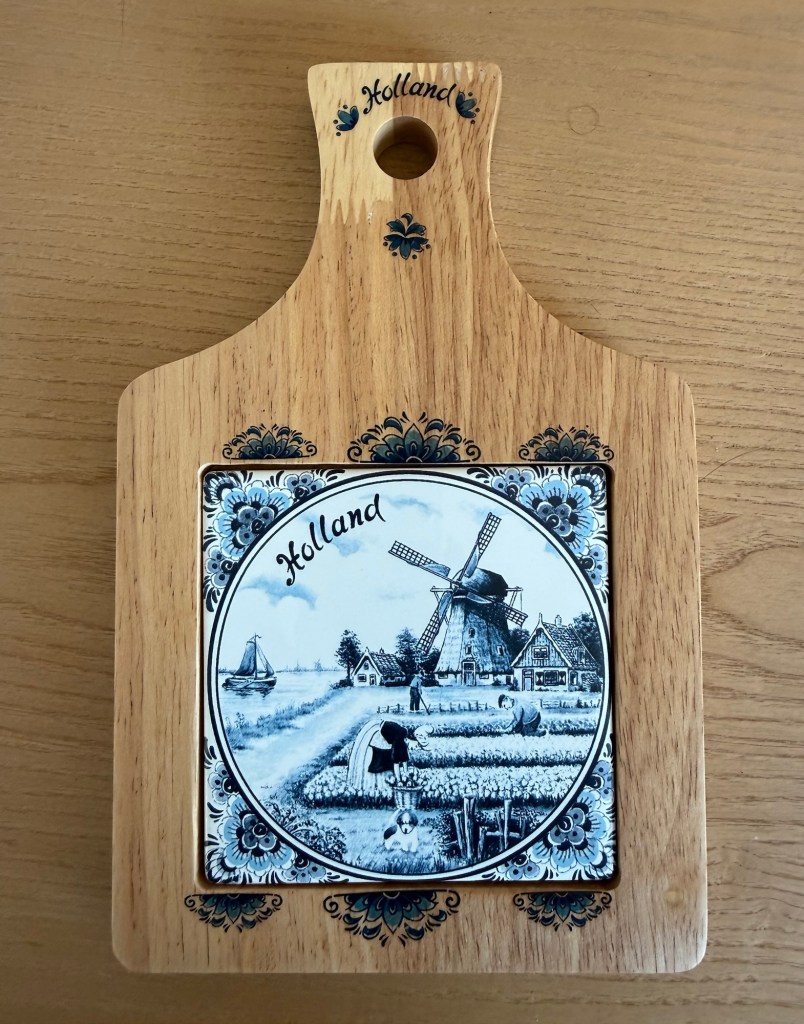
The gift shop at the Windmill stop is great. I bought several Christmas ornaments including a Delft one as well as a cute cheese board. I am a professional cheese monger so I can’t resist anything related to cheese. My husband actually bought socks with a windmill theme – out of necessity. He still wears them now that we are back home.
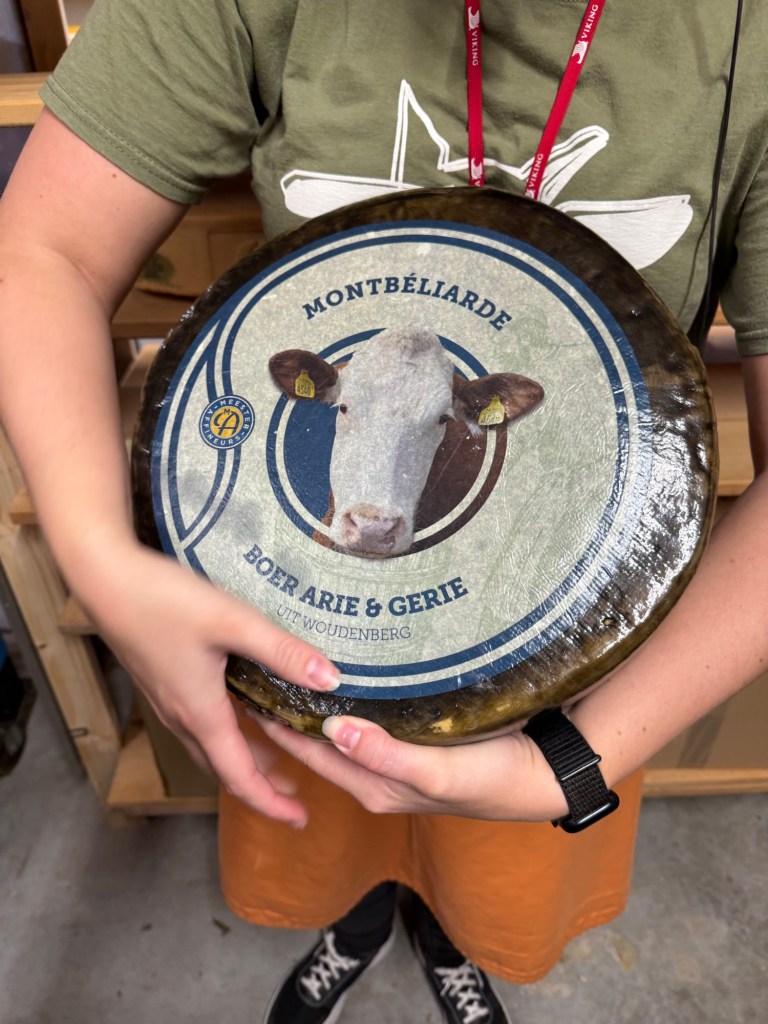
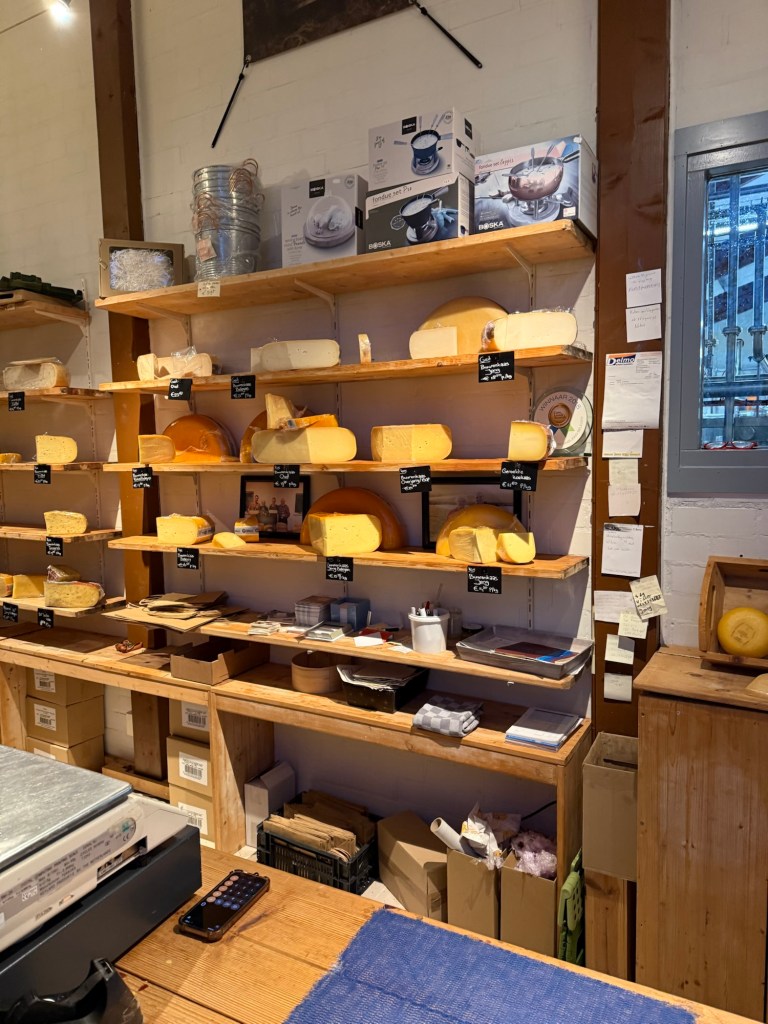
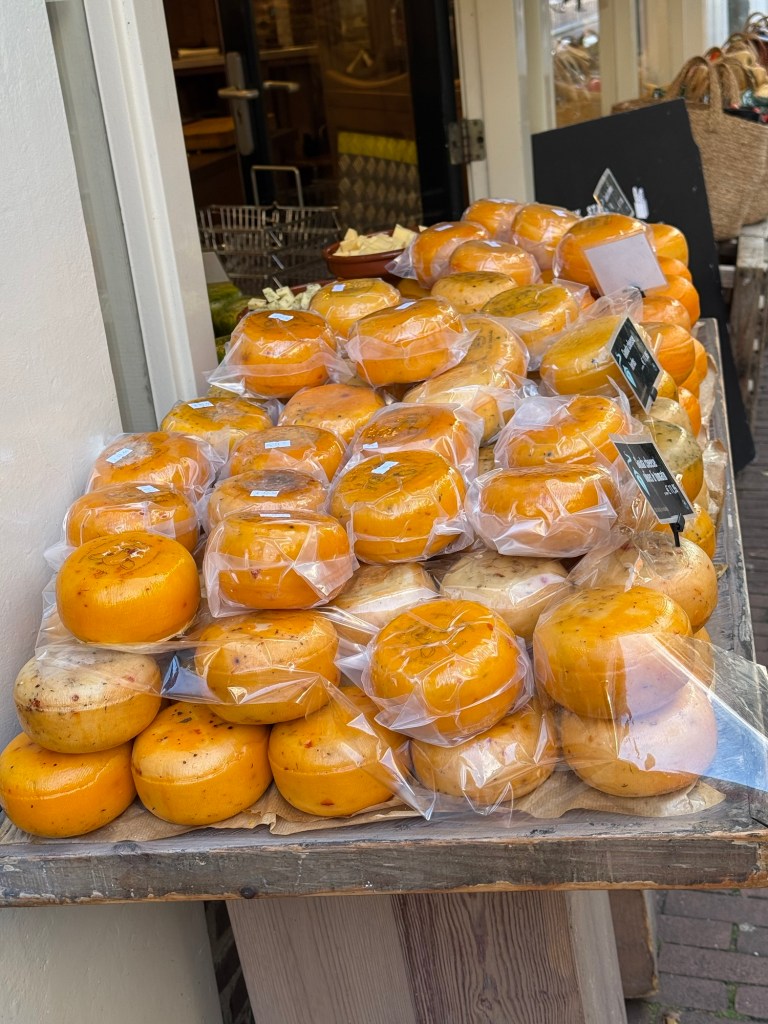
We loved our cheese farm tour and stocked up on Gouda which was sold vacuumed-pack. I picked up multiple packages of three different types. My favorite was a new flavor- it included ginger.
Amsterdam
We found a fun souvenir shop near Rembrandt’s house where I picked up wooden tulips, Christmas tree ornaments and colorful socks for John. At the Rijksmuseum gift shop, I bought a few more Christmas ornaments – ones that replicated artifacts we saw at the museum as well as some fun refrigerator magnets.
The Ship Gift Shop
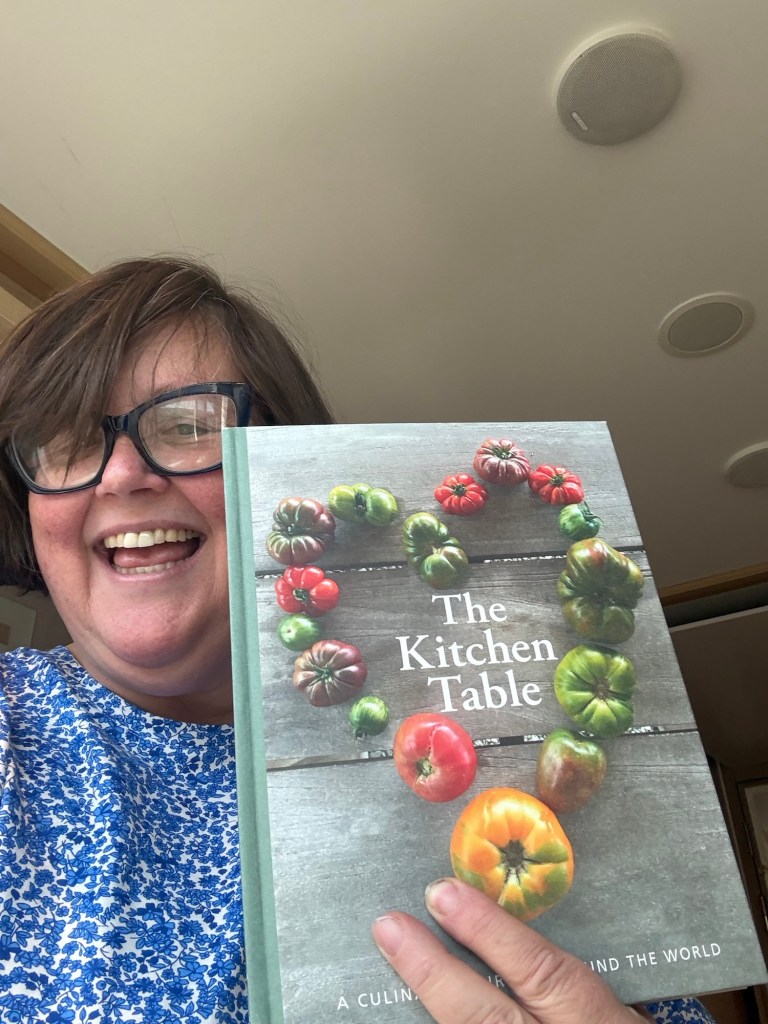
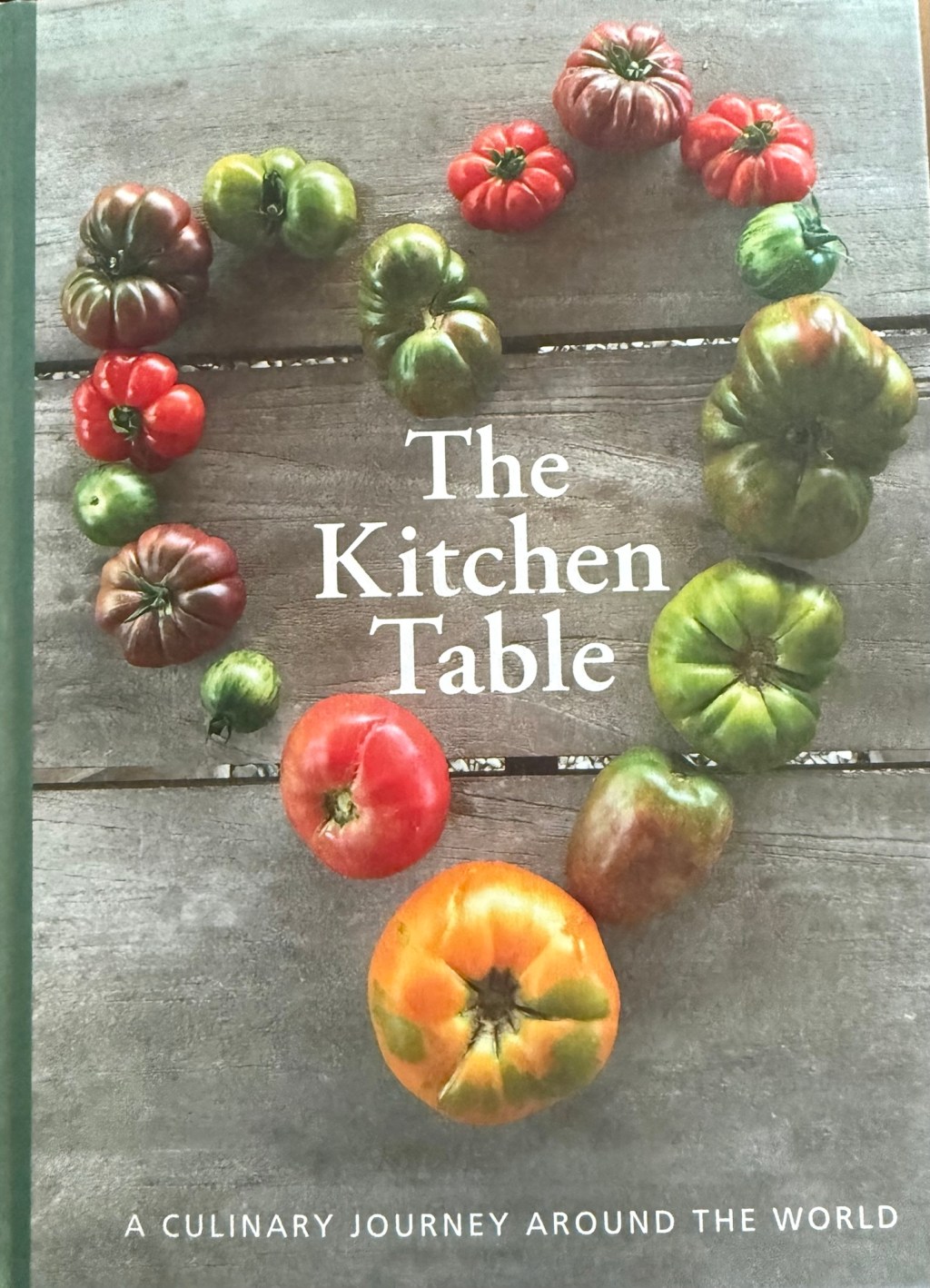
I can’t say enough positive things about the Viking cookbook sold on board the ship for $20 Euros. We really enjoyed the goulash and soups served onboard. The book includes some of the recipes for what we enjoyed during our cruise. I especially enjoy the goulash recipe as well the recipes for Swedish meatballs and gravlax. I recommend getting the cookbook early – our ship sold out. I got mine from another Viking ship that adjacent to ours.
Duty-Free Shopping
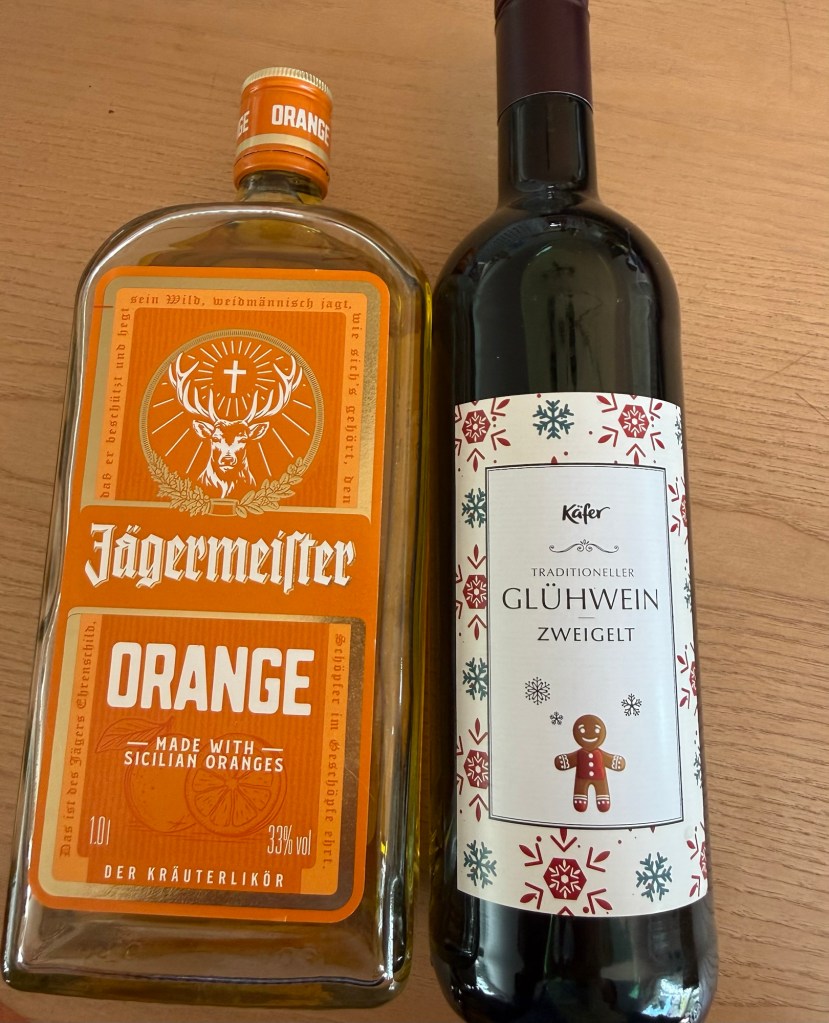
We loved the shopping at the airport in Munich – way more impressive than what was available in Amsterdam.!The liquor and wine selection was impressive. I bought more Dutch cheese as well as some wonderful German sausages.
My final suggestion is to pack an extra suitcase for your souvenirs. We packed a Goldie-style bag that really came in handy on the return flights home.
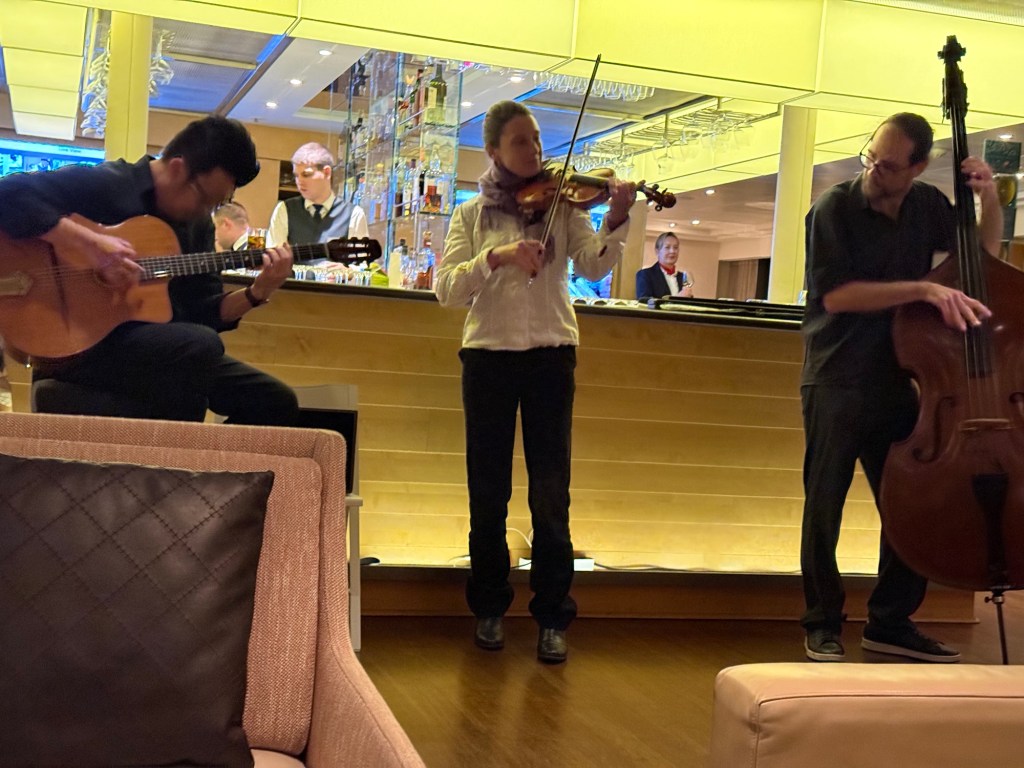
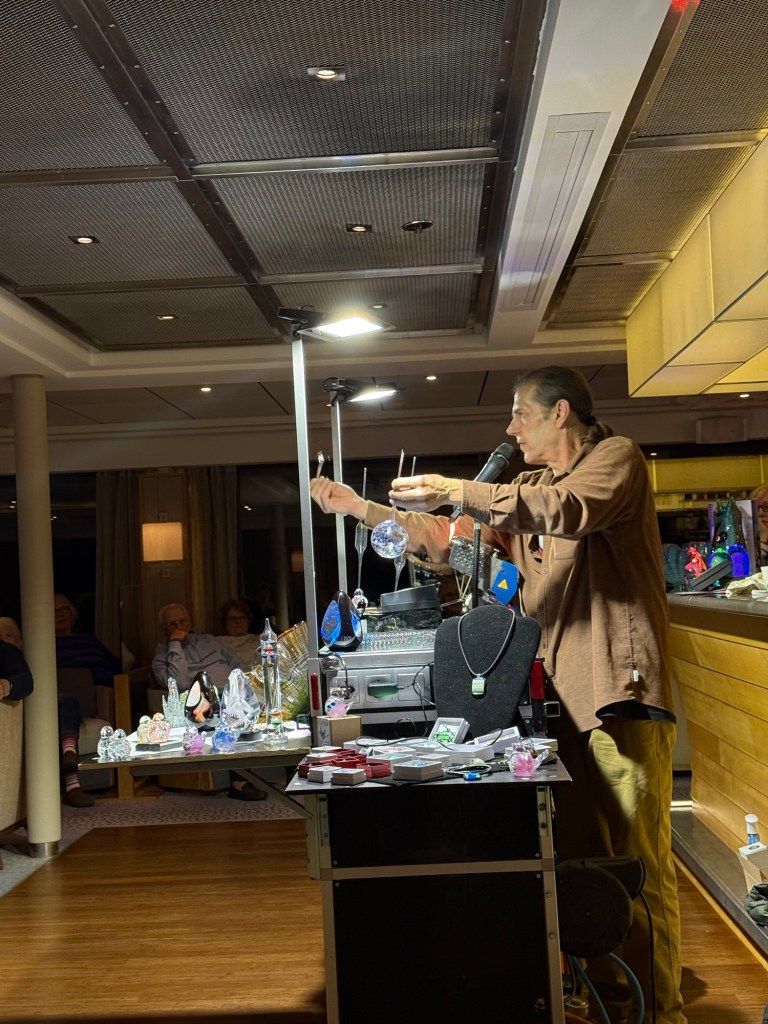
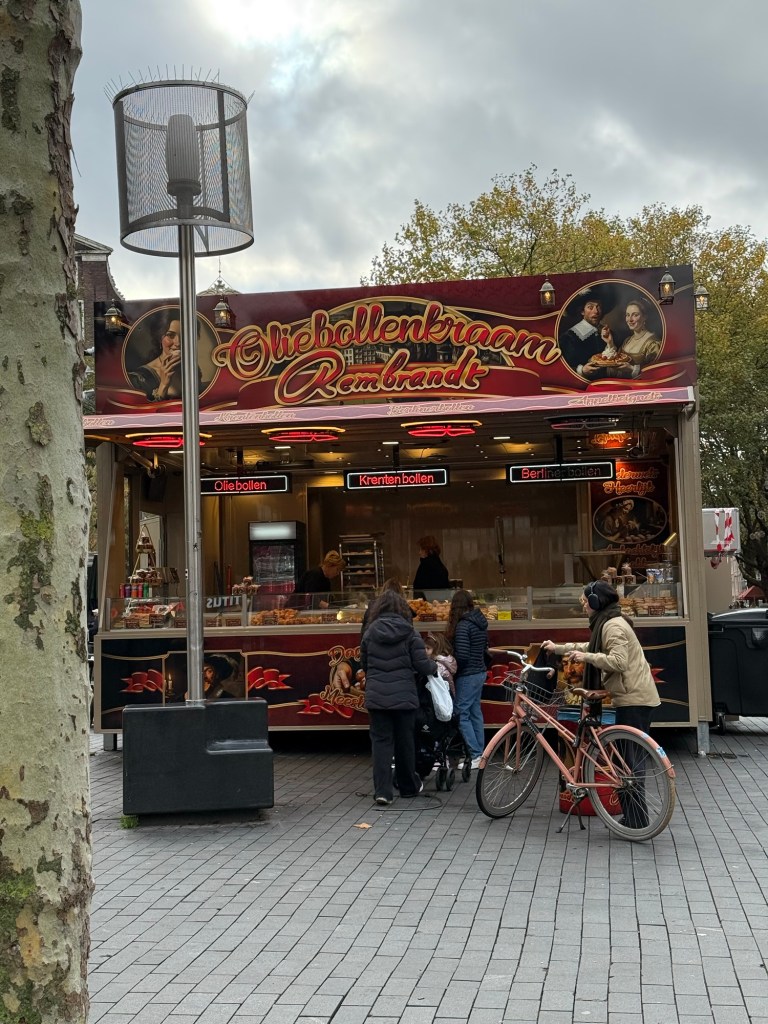
The Chimney Cake StandThe Chimney Cake Chocolate Stand at the Central Market in Budapest A Lavender Stand at the Central Market in Budapest Paprika at a Stand in Budapest’s Central Market Mozart Chocolates in Vienna The Melk Abbey Gift Shop The Famous Sausage Kitchen in Regensburg The Saint Matthias Roof Tiles Sold in the Gift Shop – I bought a Blue One; a friend bought an Emerald Green OneChristmas Ornaments From a Book Store Across from the Cathedral in Regensburg Must-Buy from a Bakery Near the Castle in Nuremberg Nuremberg Treat – Much Better than What We Get in the U.S.Musicians Onboard Our Ship – Sorry I Didn’t Buy the CD.One of Two Great Christmas Shops in BamburgAmazing Christmas Ornament Shop in Bamberg – Sells Smoked Beer Ornaments Wurzburg CafeWurzburg Grocery Store Outside Wurzburg Grocery Store Glass-Blowing Demonstration Onboard Our Ship – I Bought Glass Angels for My TreeWertheim Bakery Goodies from Wertheim Store The Ship Sells the Viking River cookbook for $20 Euros. It’s a great cookbook – love the Goulash and Swedish Meatballs Recipes!Wertheim Linzer CookieInside the Lindt Chocolate Museum Gift Shop The Famous 4711 ShopThe Exterior of the Lindt Chocolate Museum in Cologne The Lindt Chocolate Gift Shop The Lindt Chocolate Gift Shop The Lindt Chocolate Gift Shop The Lindt Chocolate Gift Shop The Lindt Chocolate Gift Shop The Lindt Chocolate Gift Shop Peter’s in Cologne Sells Its Beer Glasses – Sorry I Didn’t Get One Gouda Cheese in Kinderdijk Gouda Cheese in Kinderdijk Amazing Treat At Rembrandt’s Square in Amsterdam Oliebollen – Warm Dutch Donuts Avoid the Tourist Cheese Shops in Amsterdam Hungarian Christmas Ornament from Shop Near Saint Matthias in BudapestChristmas Ornament from Schonbrunn Palace in Vienna Bamberg Smoked Beer Ornament Christmas Ornament From Shop Near Saint Matthias in Budapest Bamberg Christmas Tree Ornament Bamberg Sausage & Mustard Christmas Tree Ornaments German-Made Smoker From Regensburg Table Coasters from Koblenz Table Coasters from Koblenz Cheese Board from Kinderdijk Windmill Gift ShopPaprika and Wooden Salad Tossing Set from Budapest’s Central Market Duty-Free Shopping At Munich Airport – Orange Jaegermeister is Hard to Find Near Me…Great in Coffee!Fun Print La from the Melk Abbey Got Accustomed to Mozart Coffees Onboard the Baldur Rijksmuseum Art Magnet Rijksmuseum Art Magnet Tulip Magnet from Amsterdam
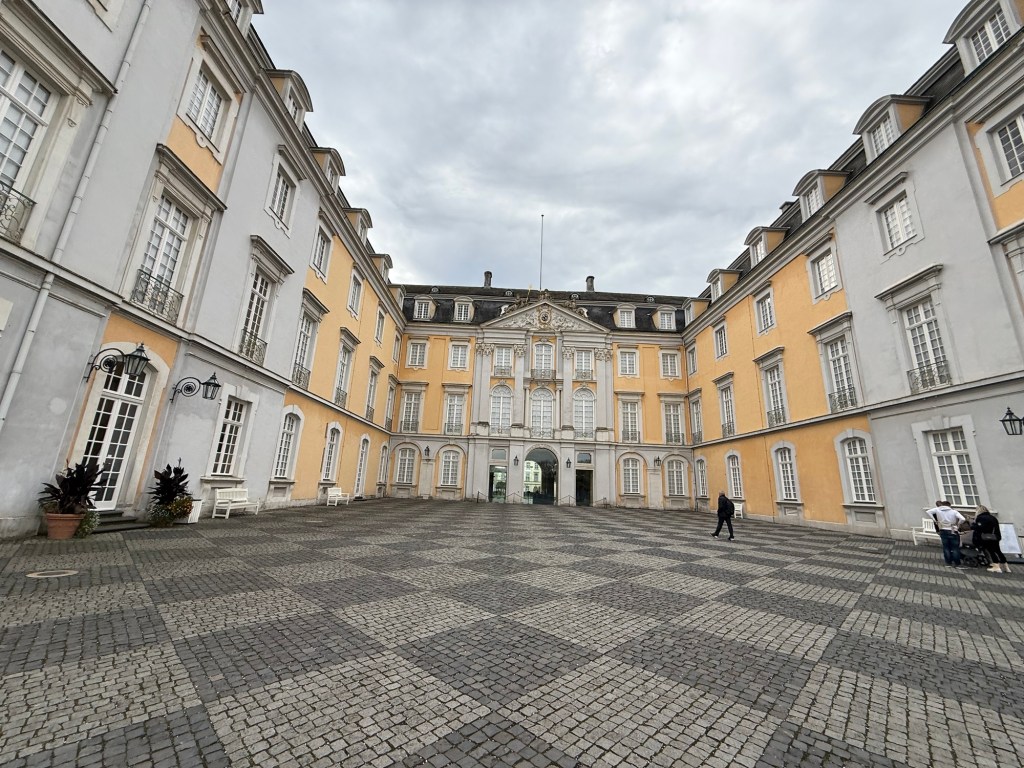
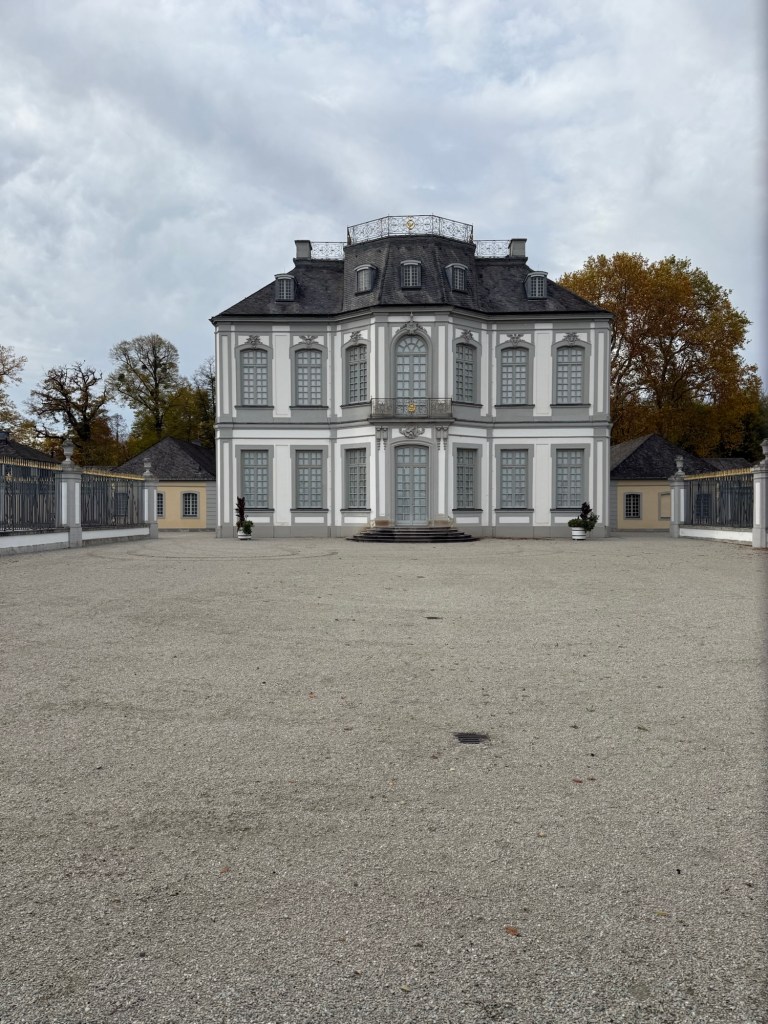
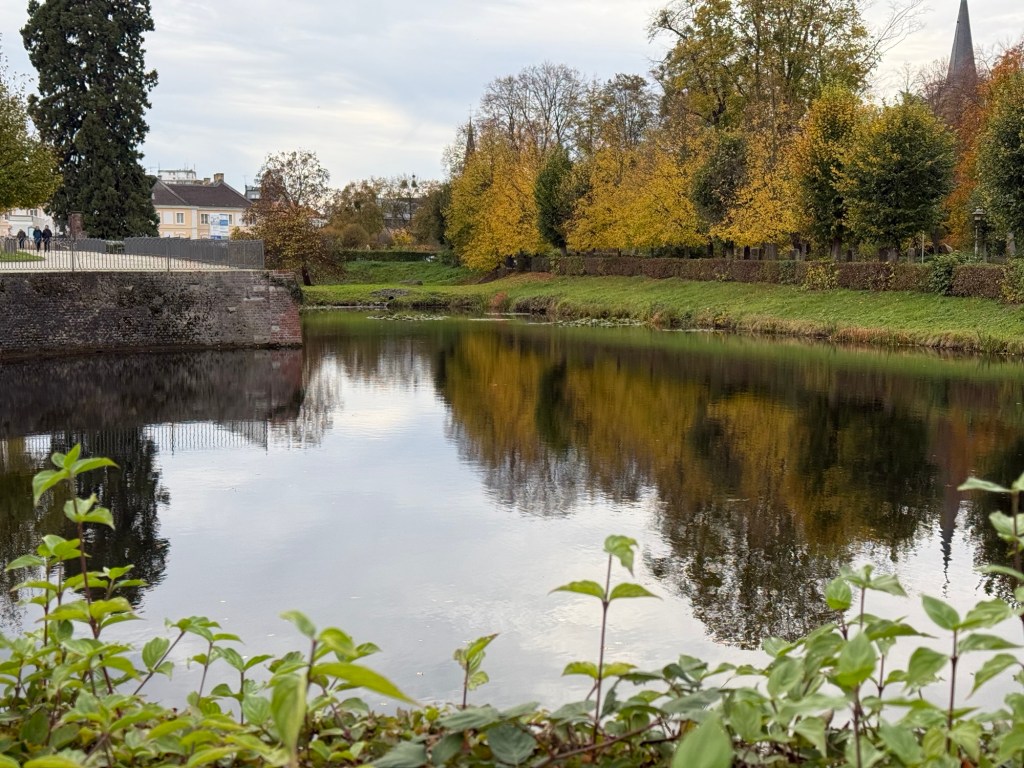
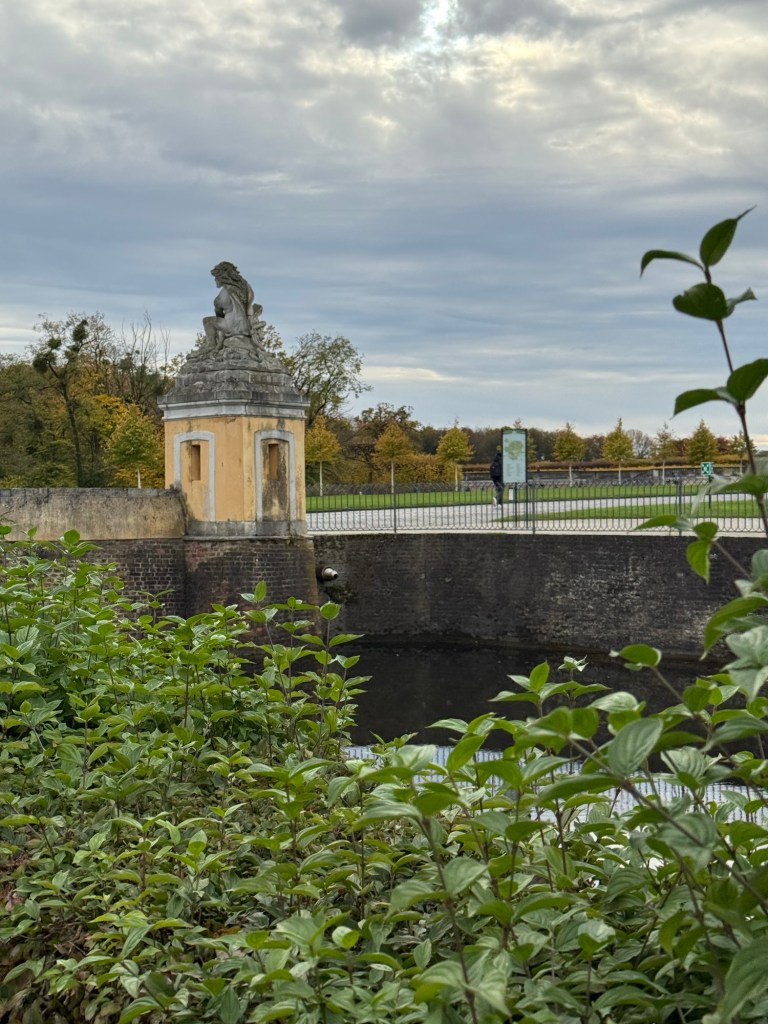
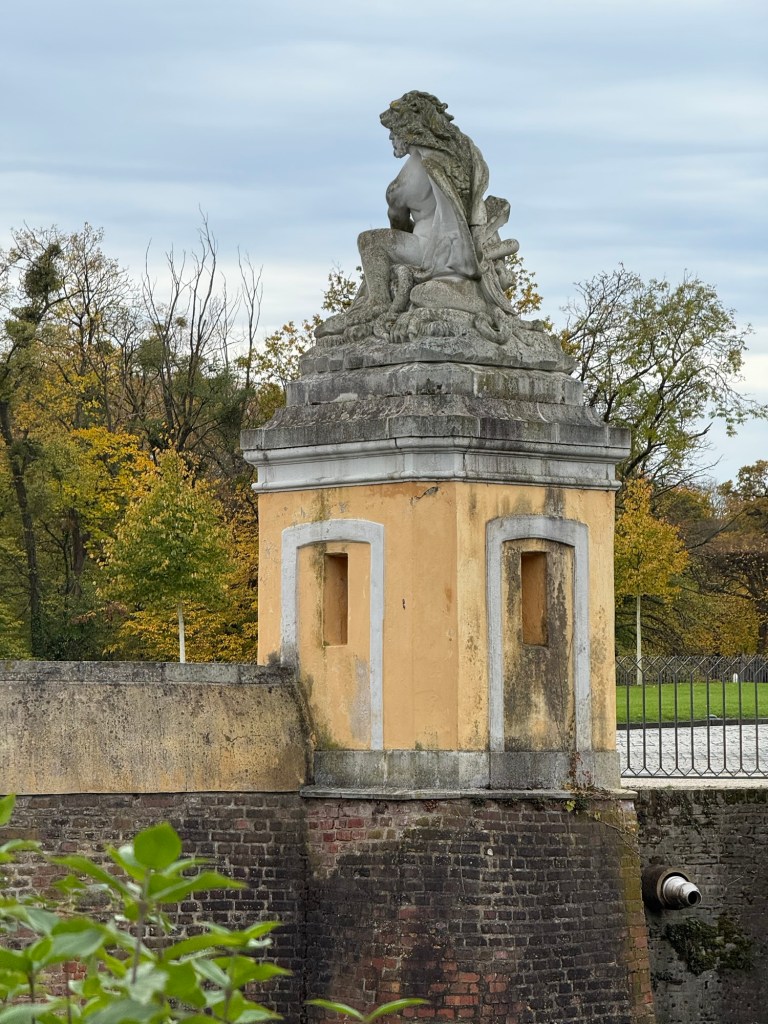
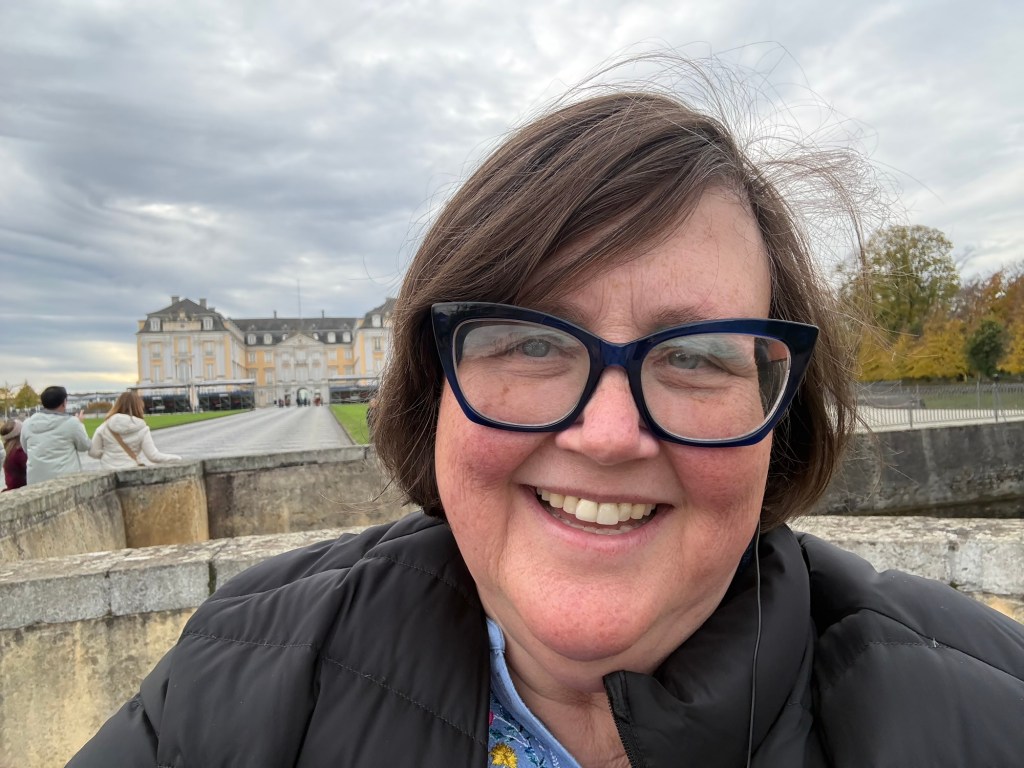
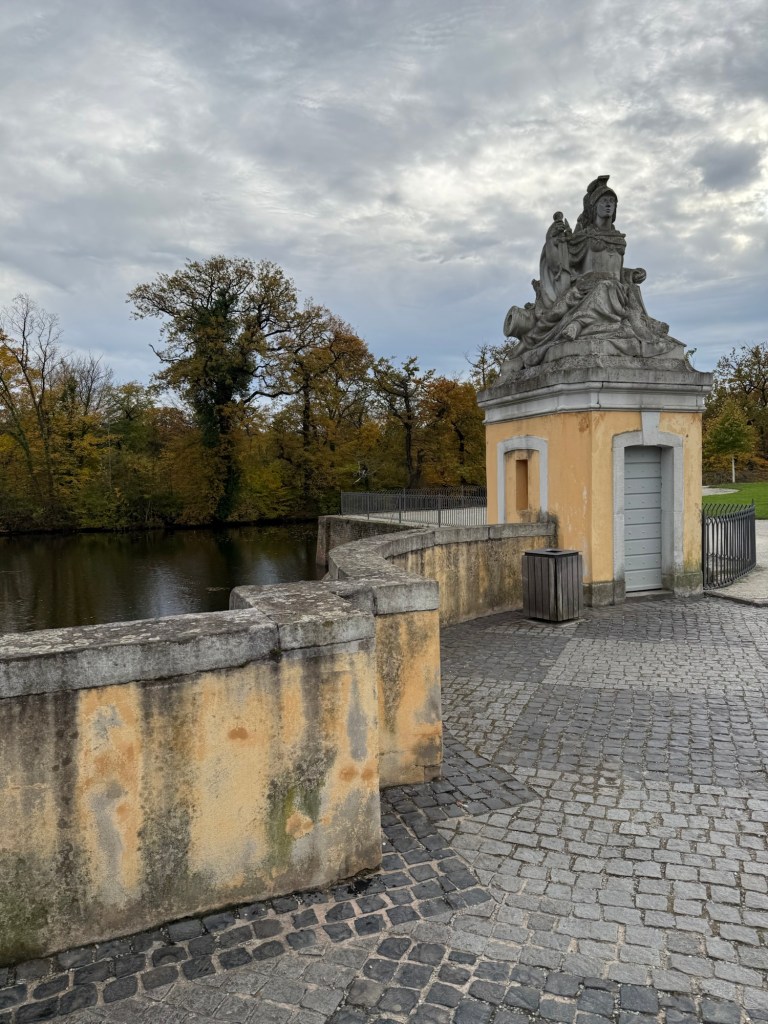
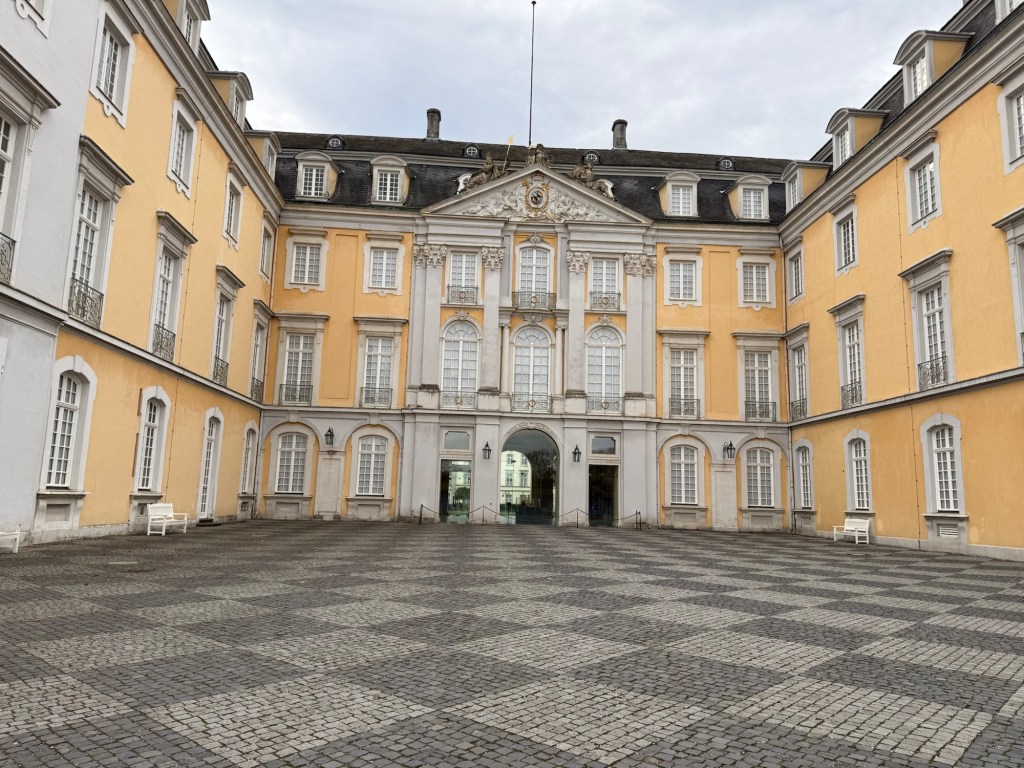
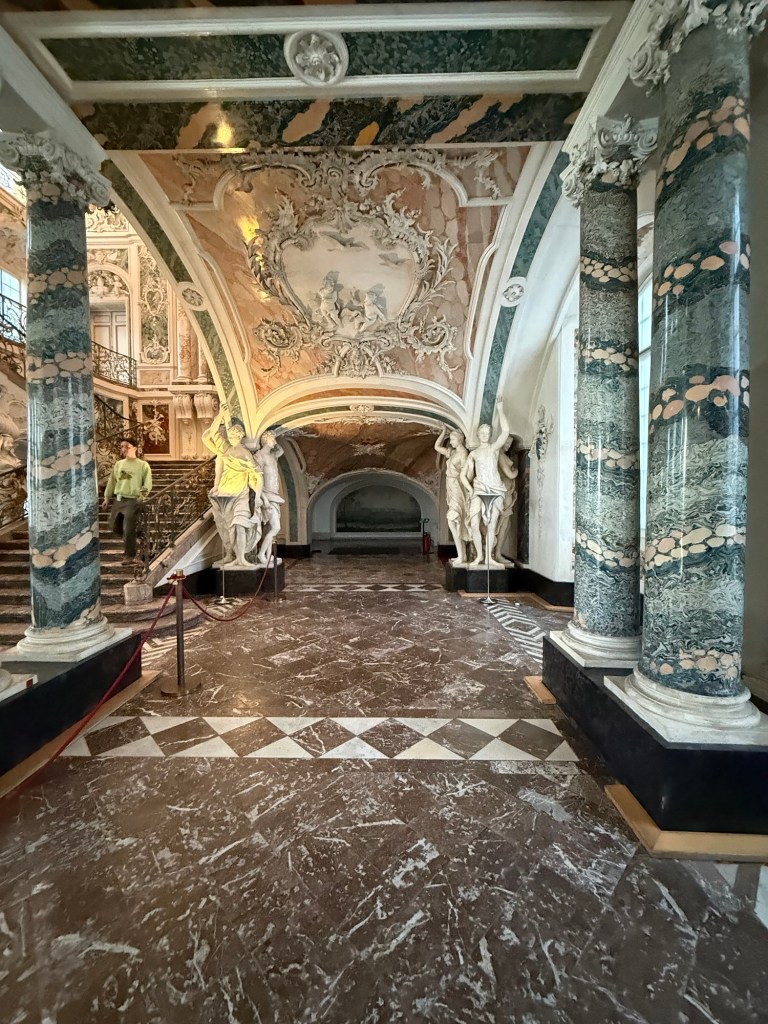
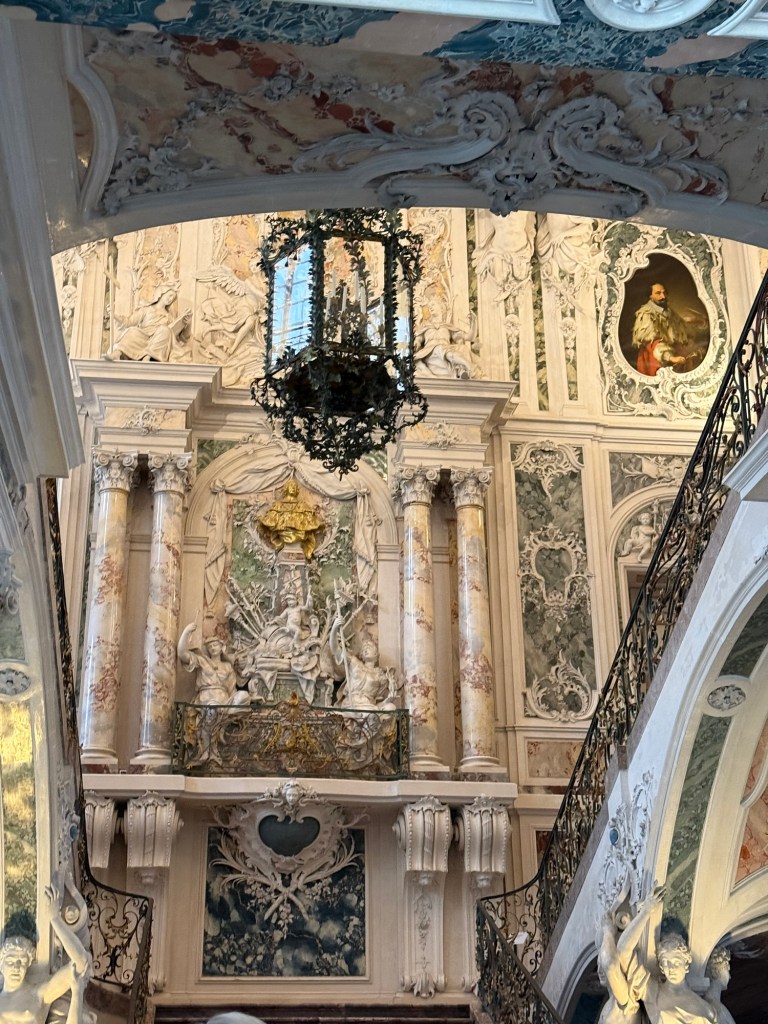
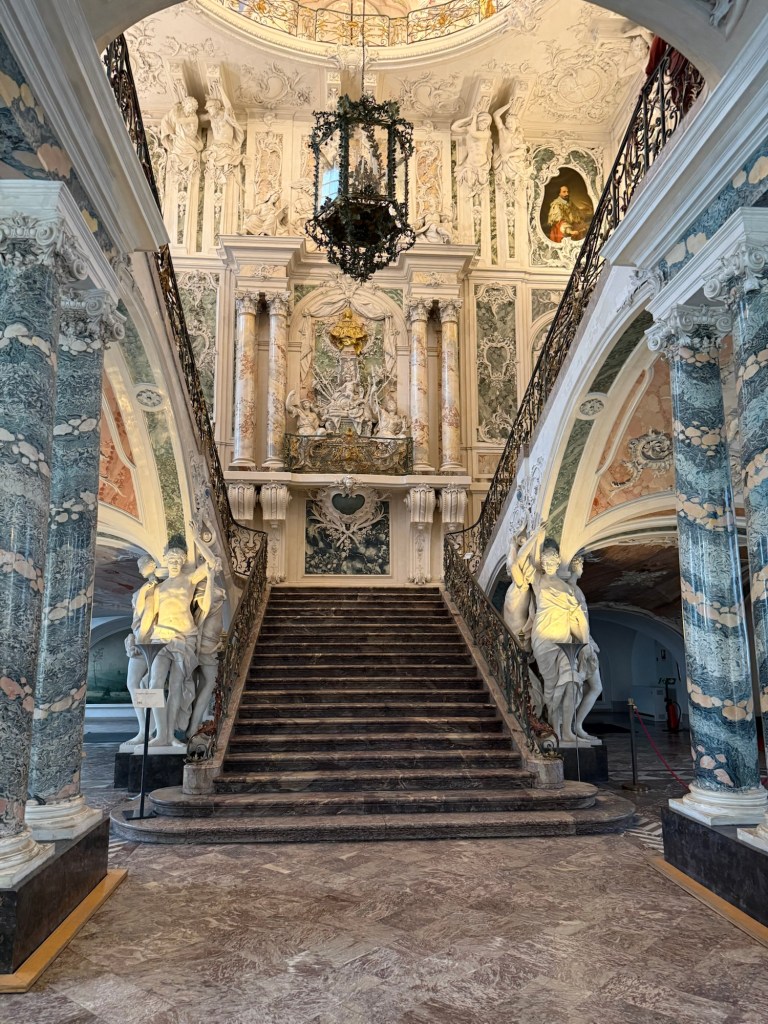
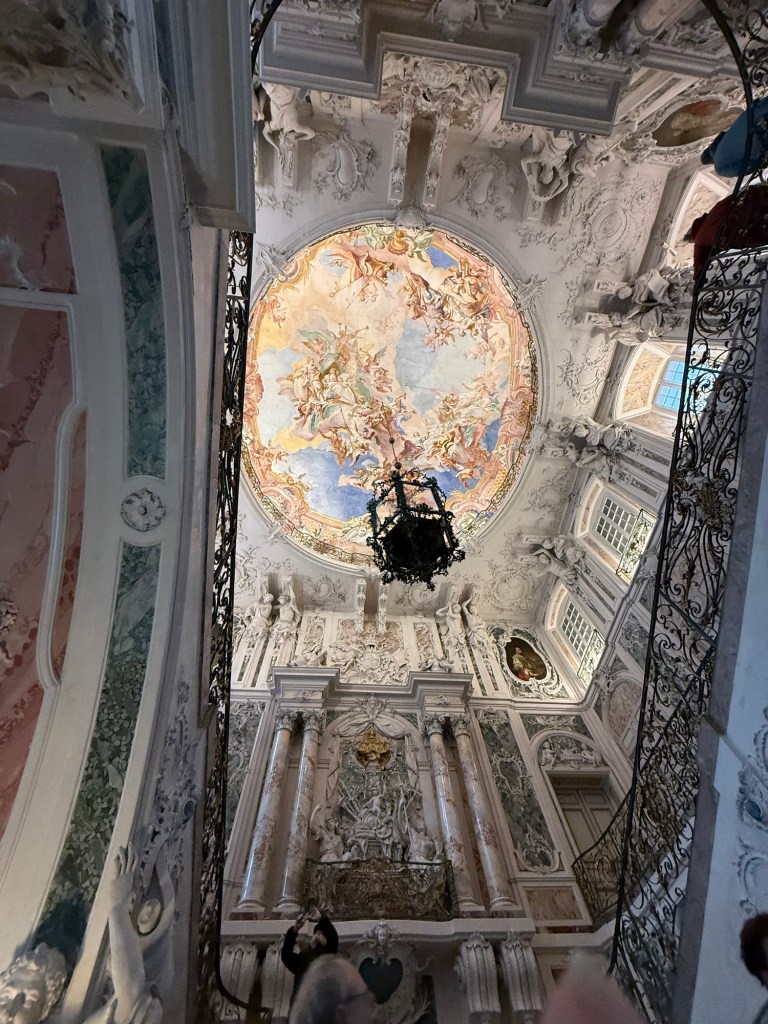
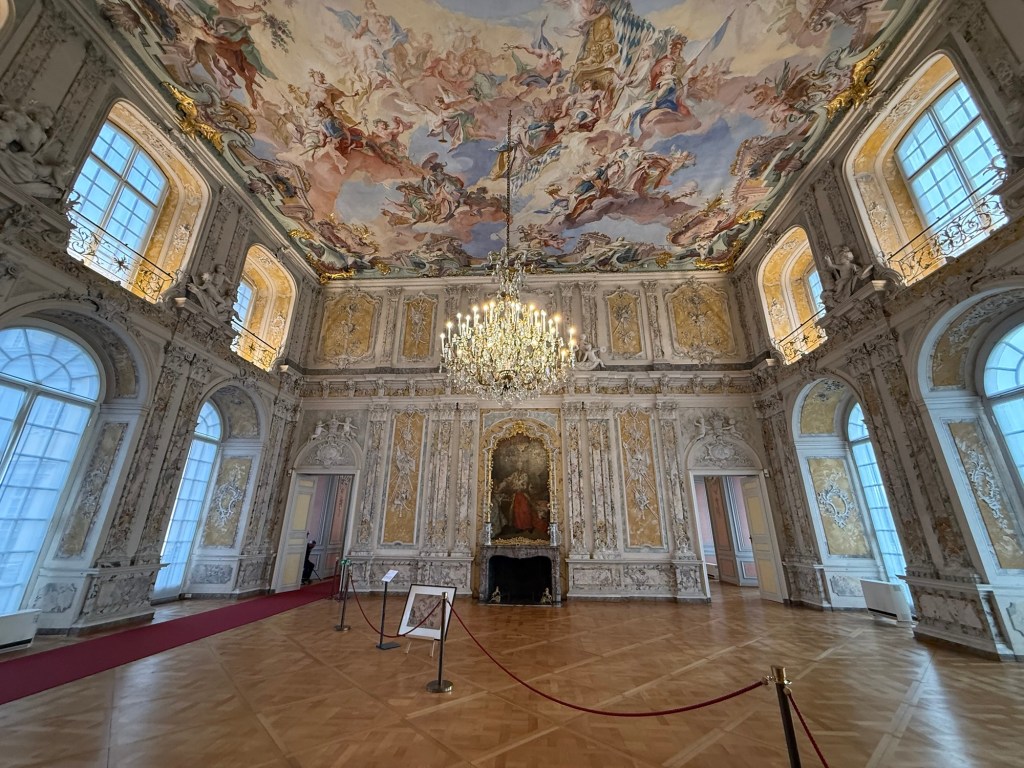
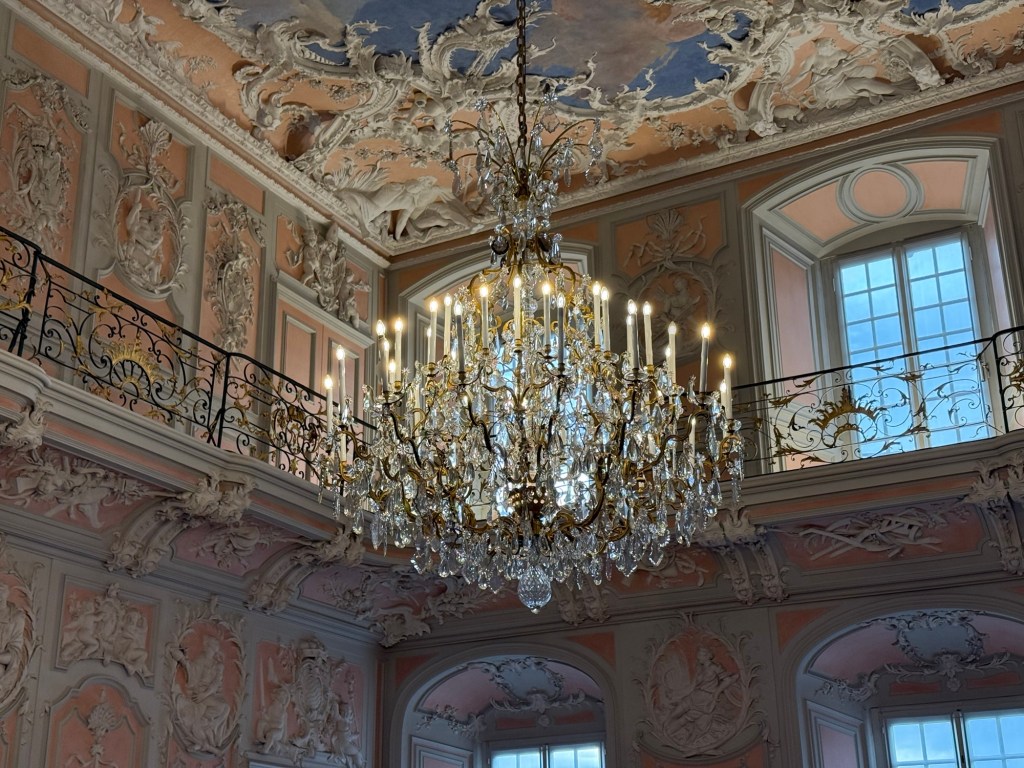
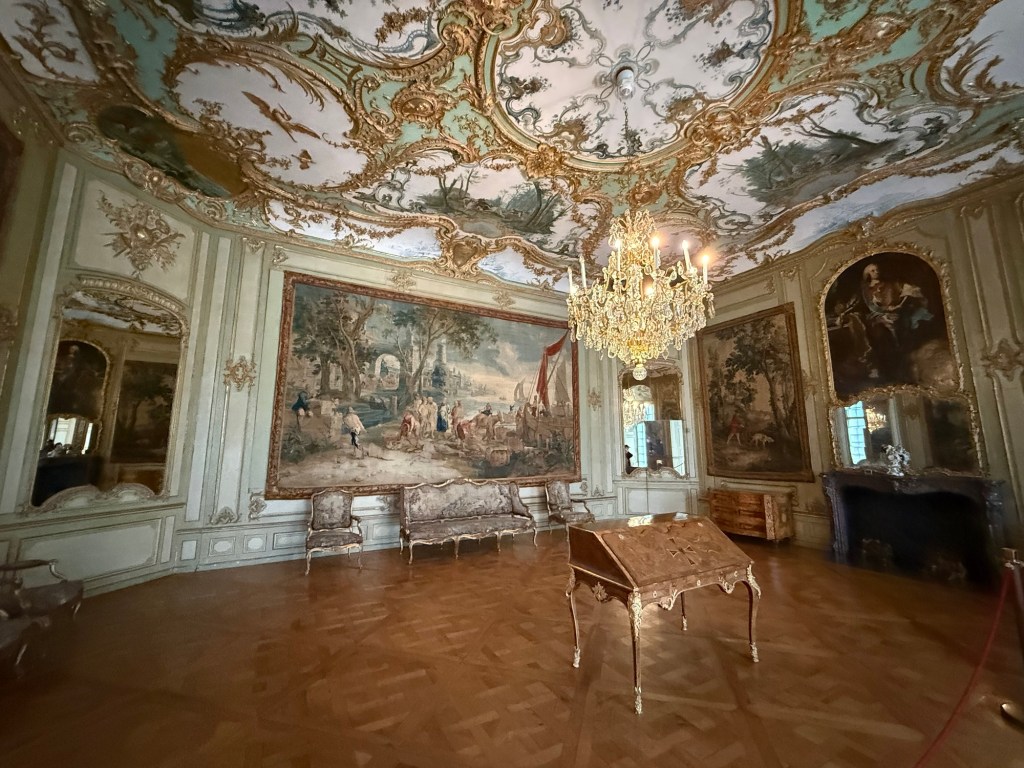
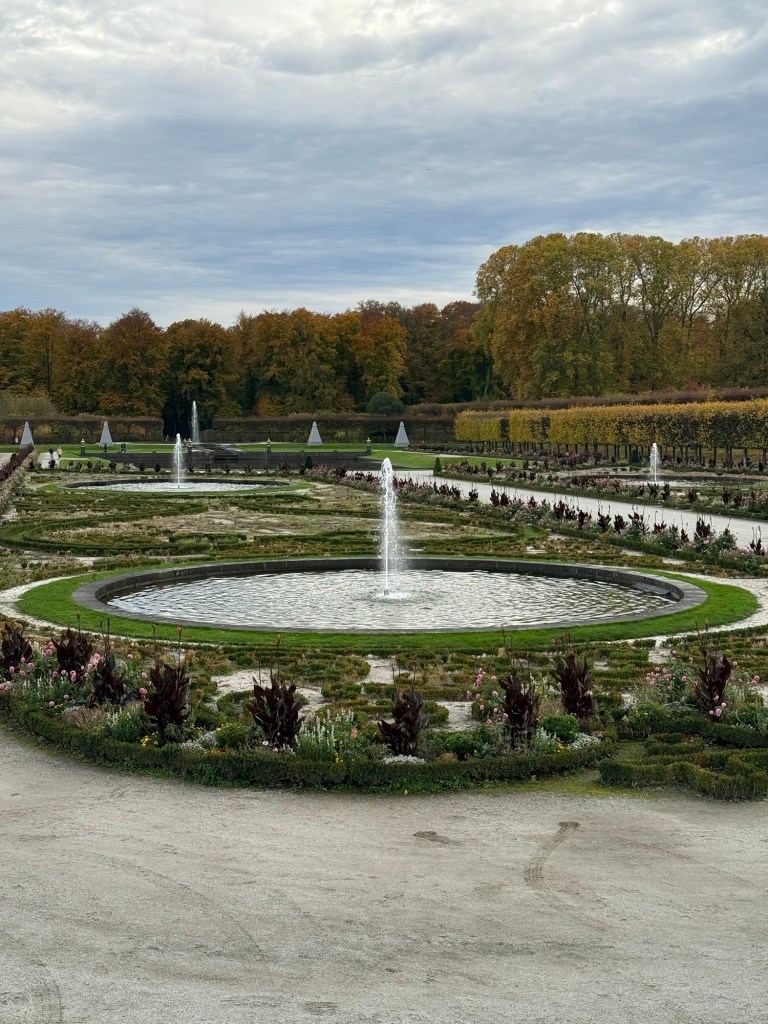
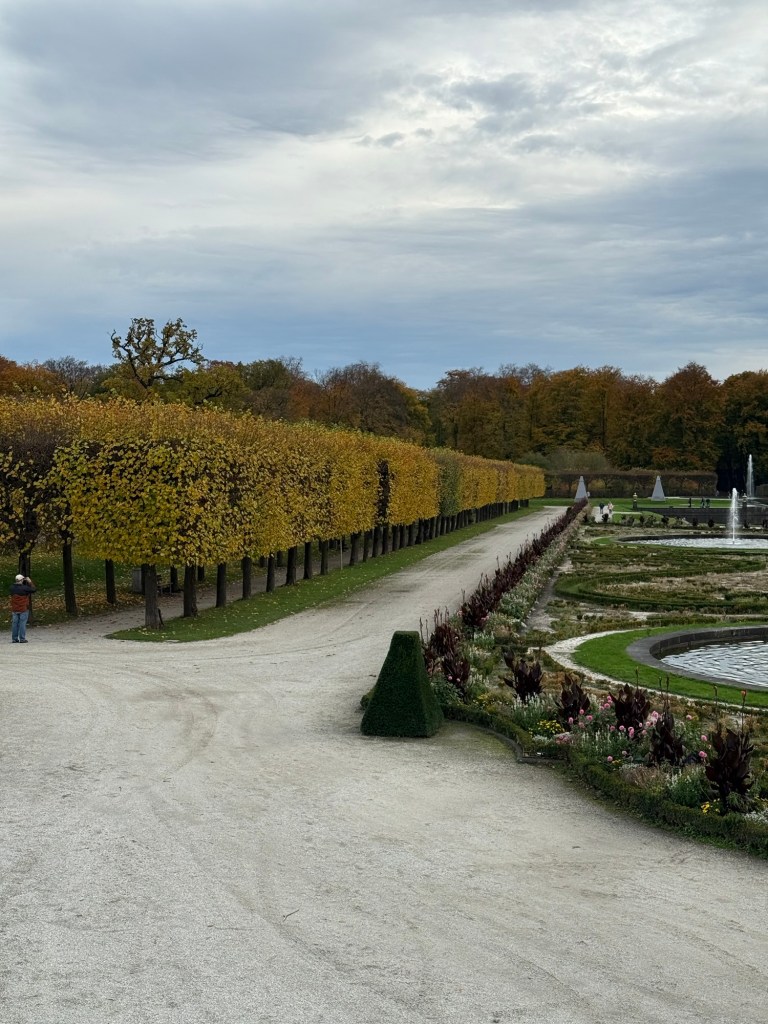
Last October during a visit to Cologne Germany, we took a 31-mile excursion to the impressive Bruhl Palaces. The palaces were built between 1729 and 1735 as a summer retreat for Archbishop Clemons August of Bavaria. He was the Archbishop-Elector of Cologne at the time the Bruhl Palaces were constructed. Prior to this, he was the Archbishop of Regensburg. Upon his death, the property fell into disrepair until post WWII.
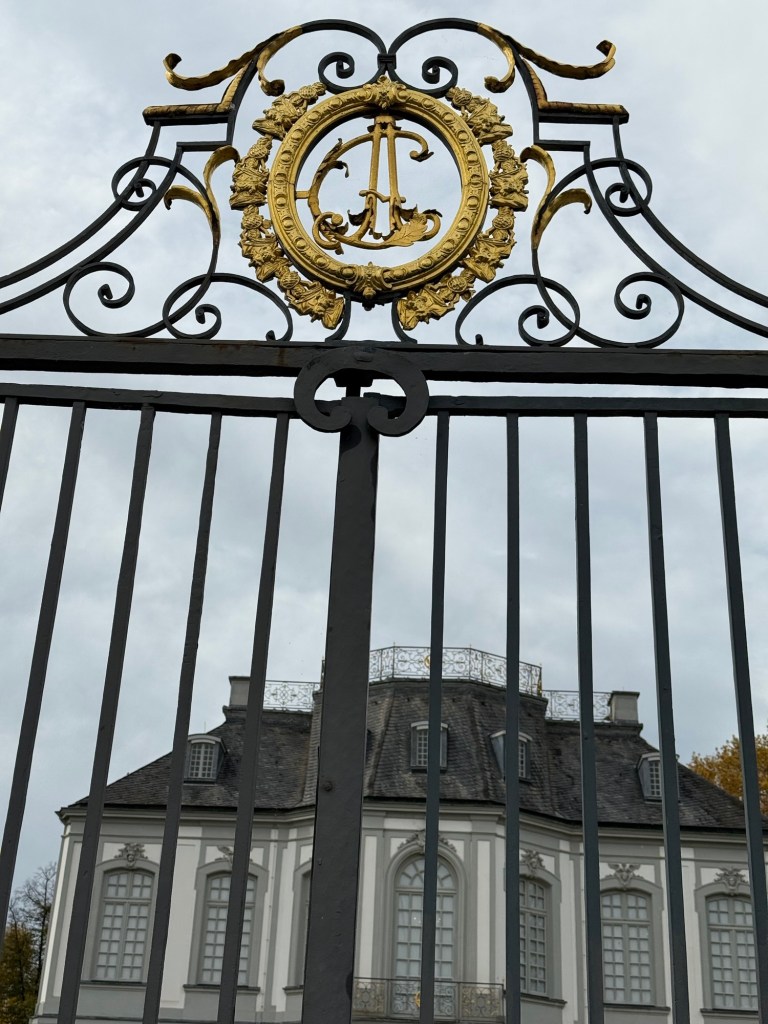
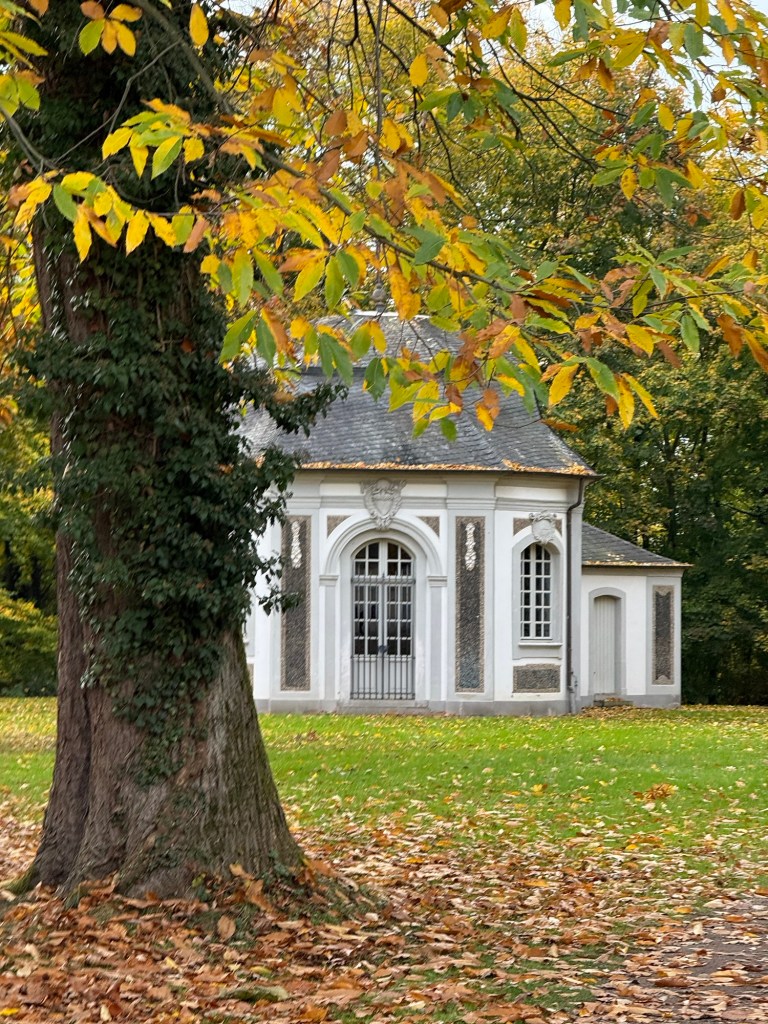
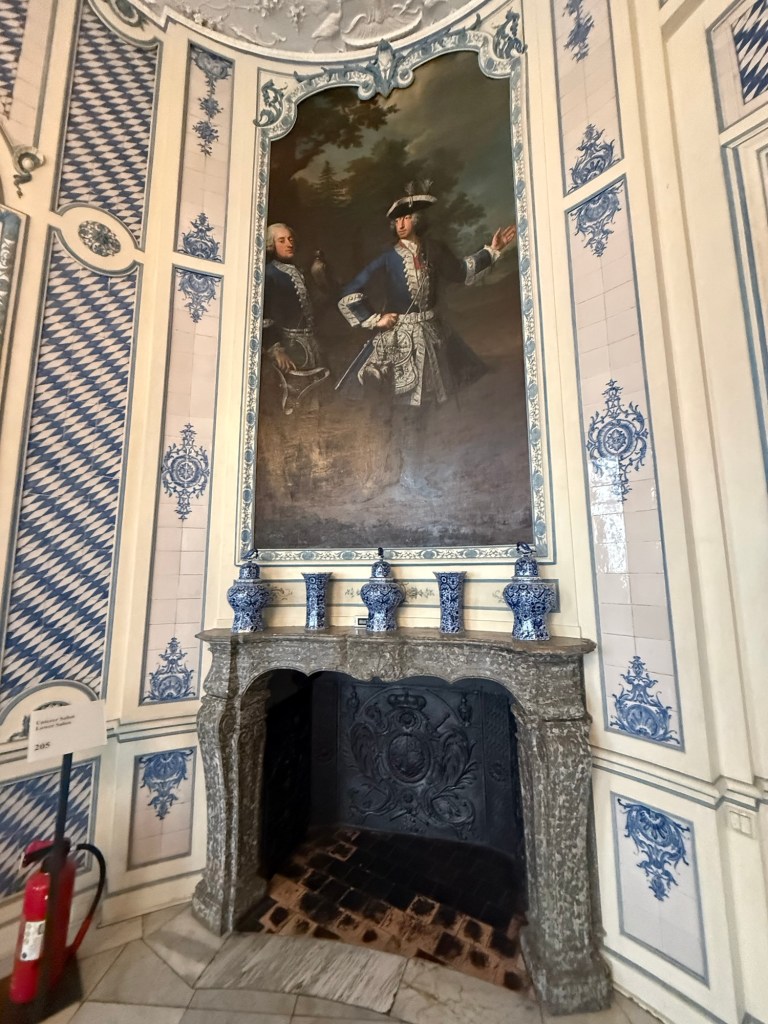
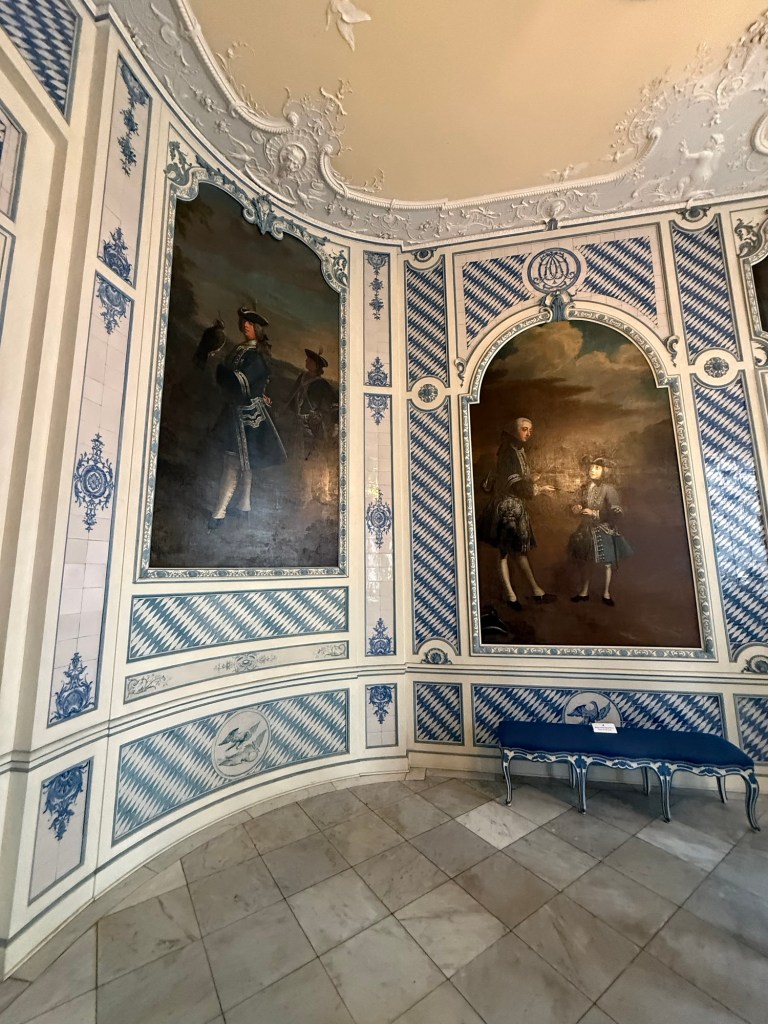
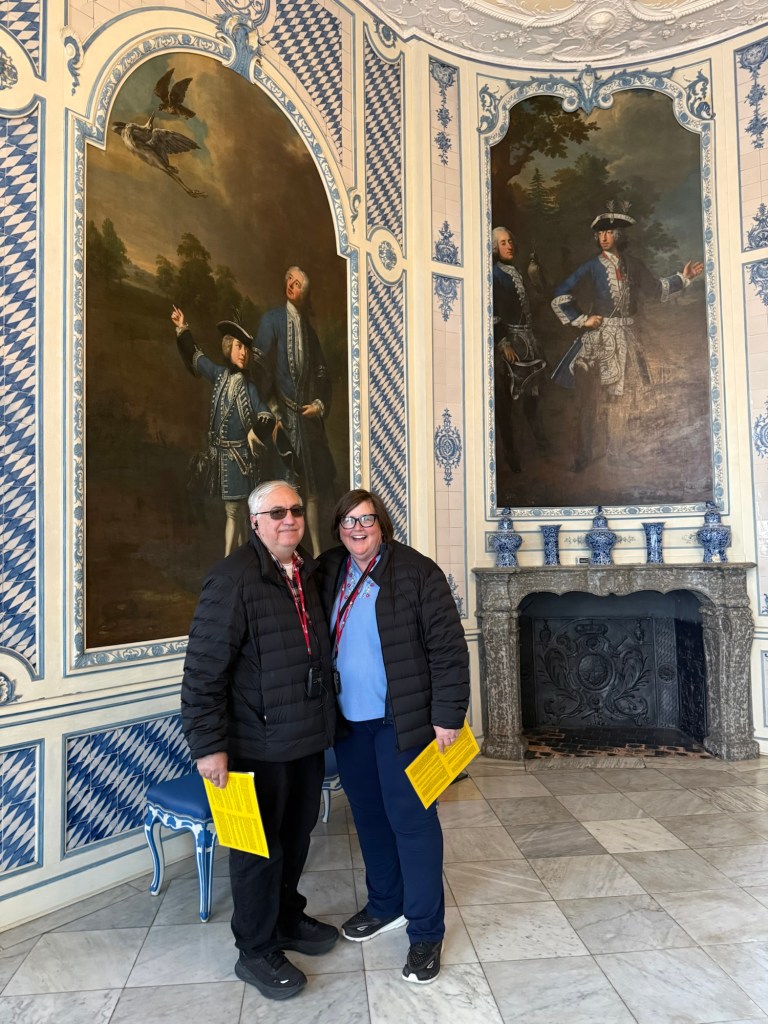
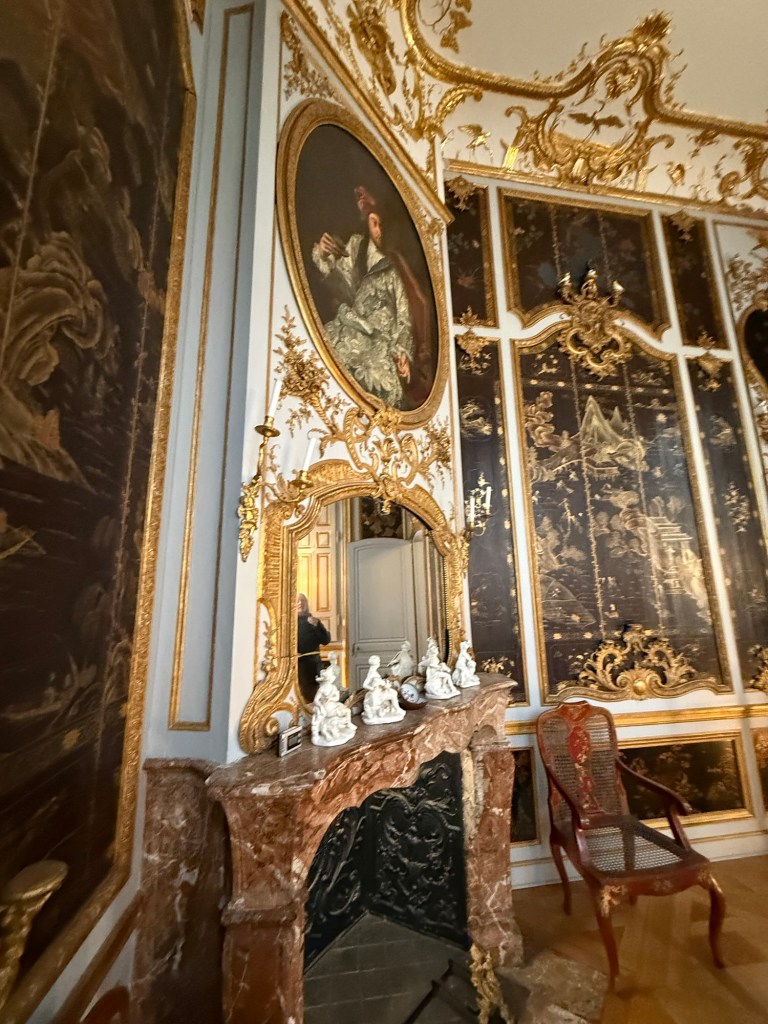
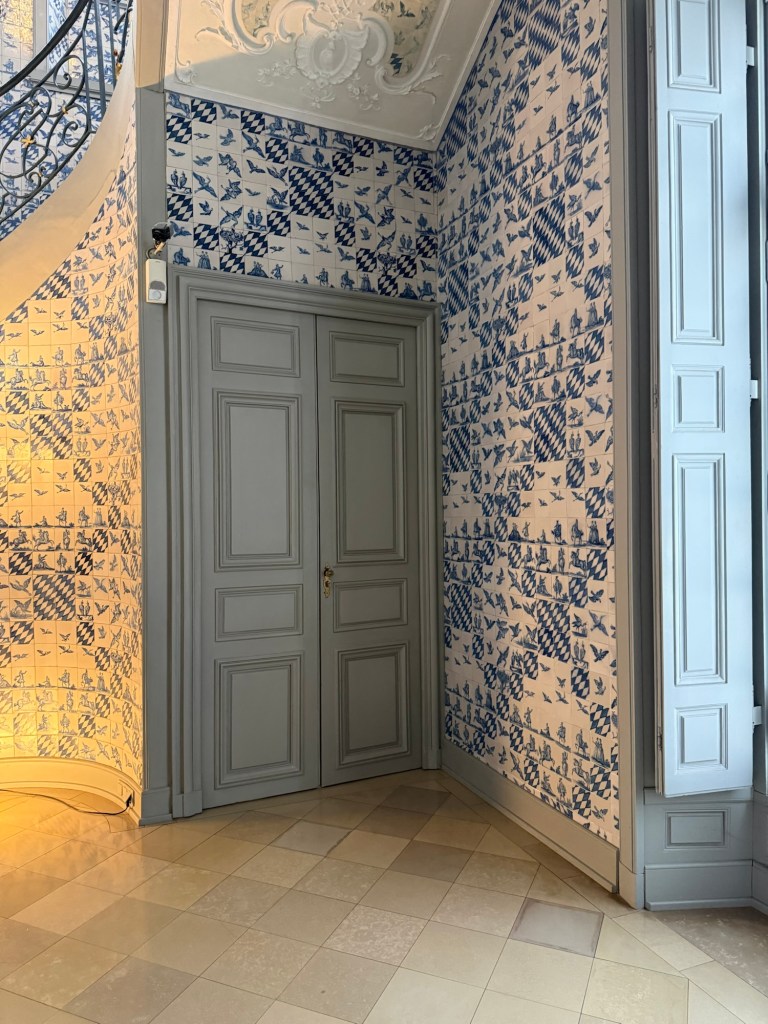
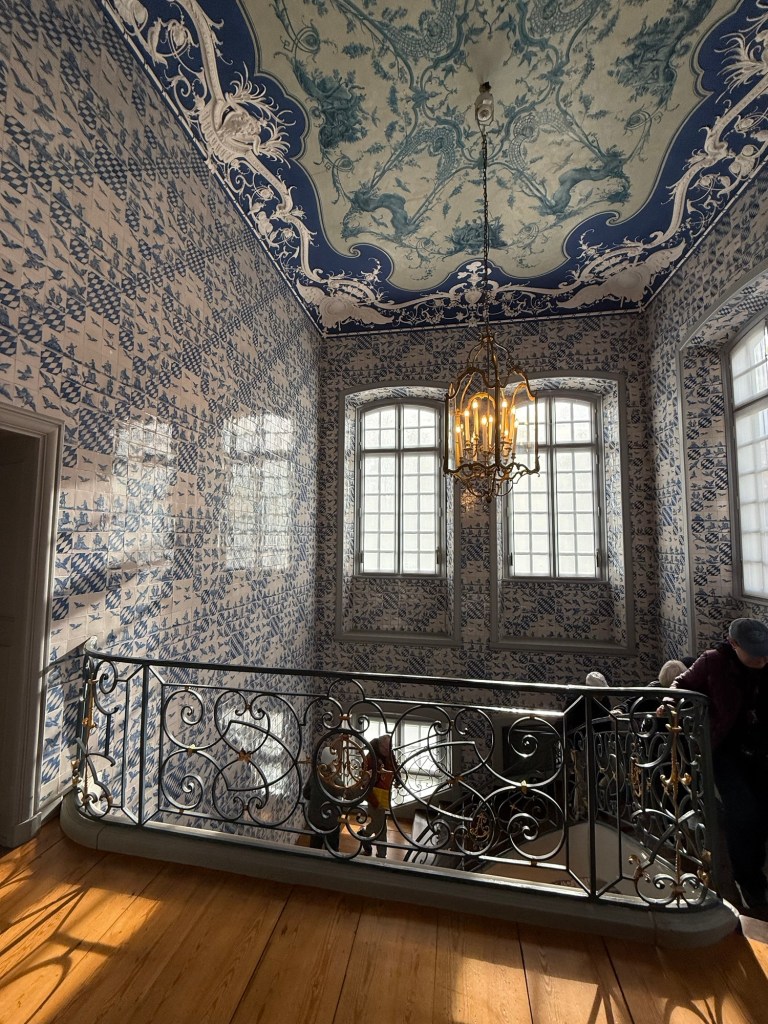
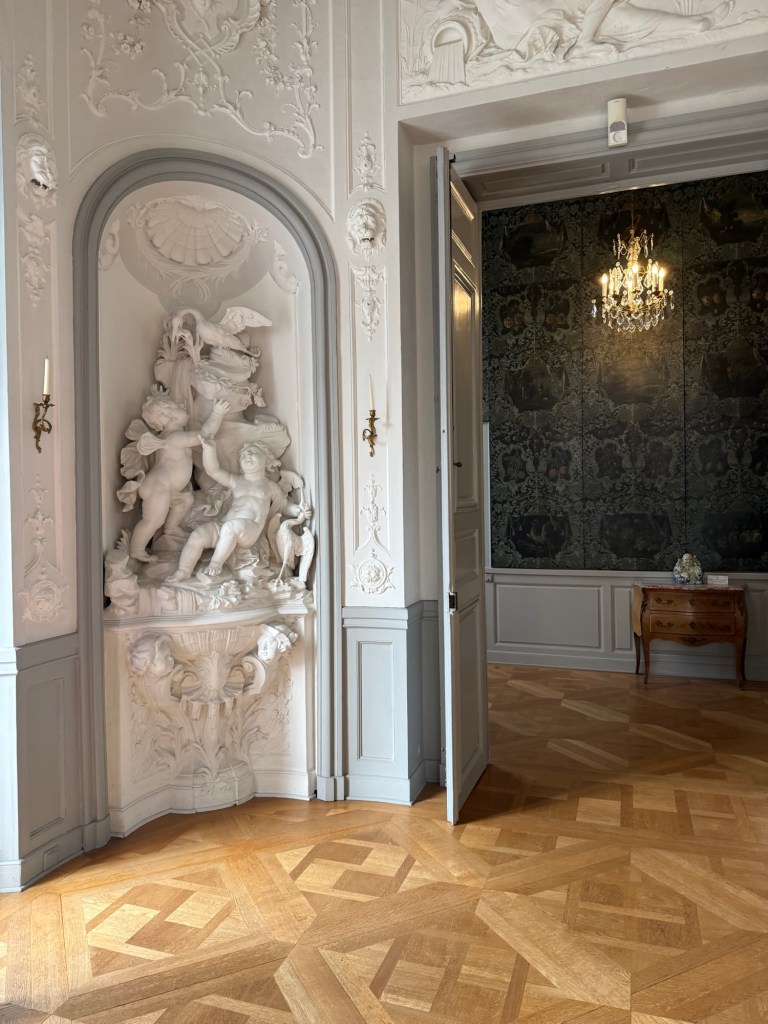
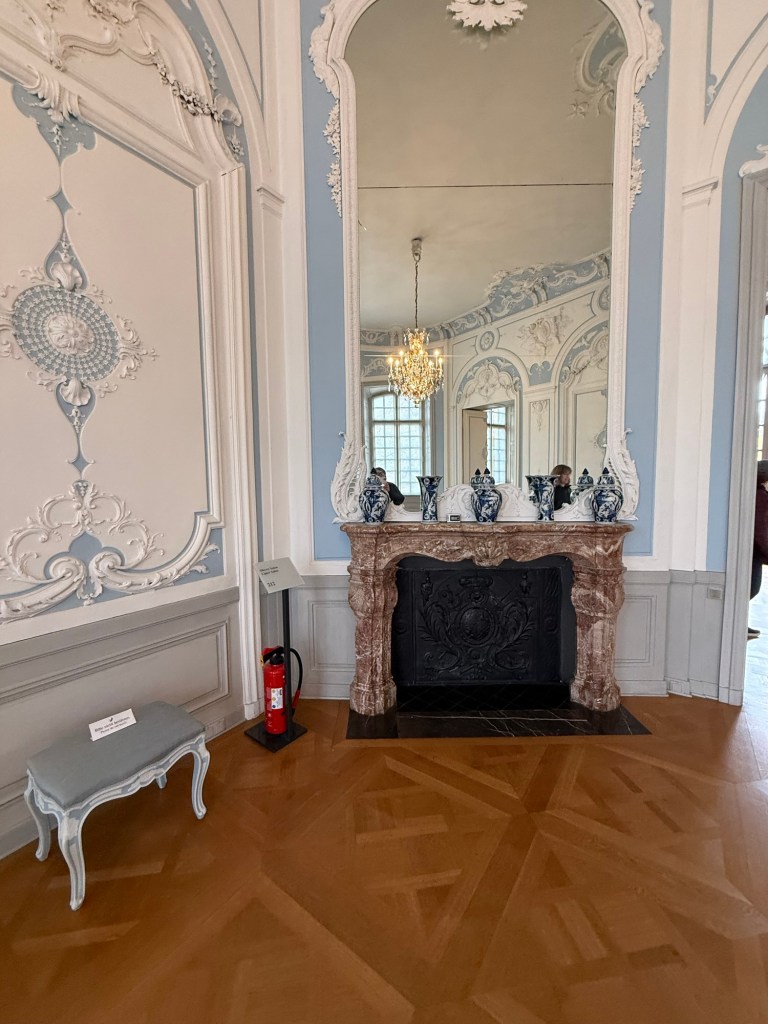
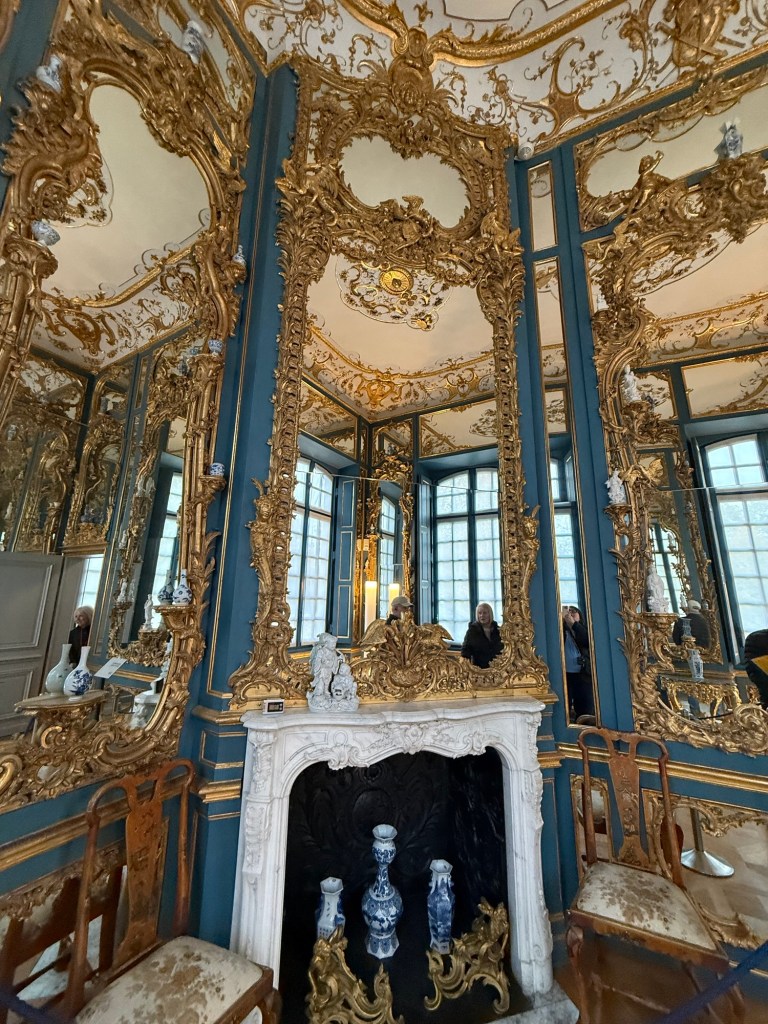
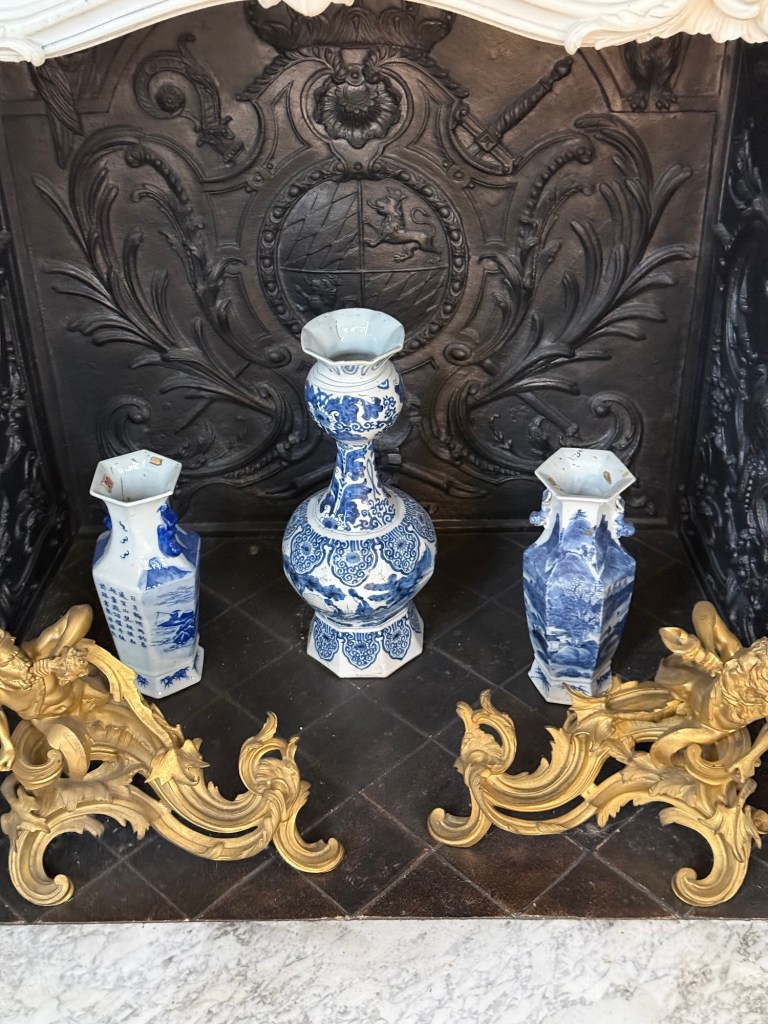
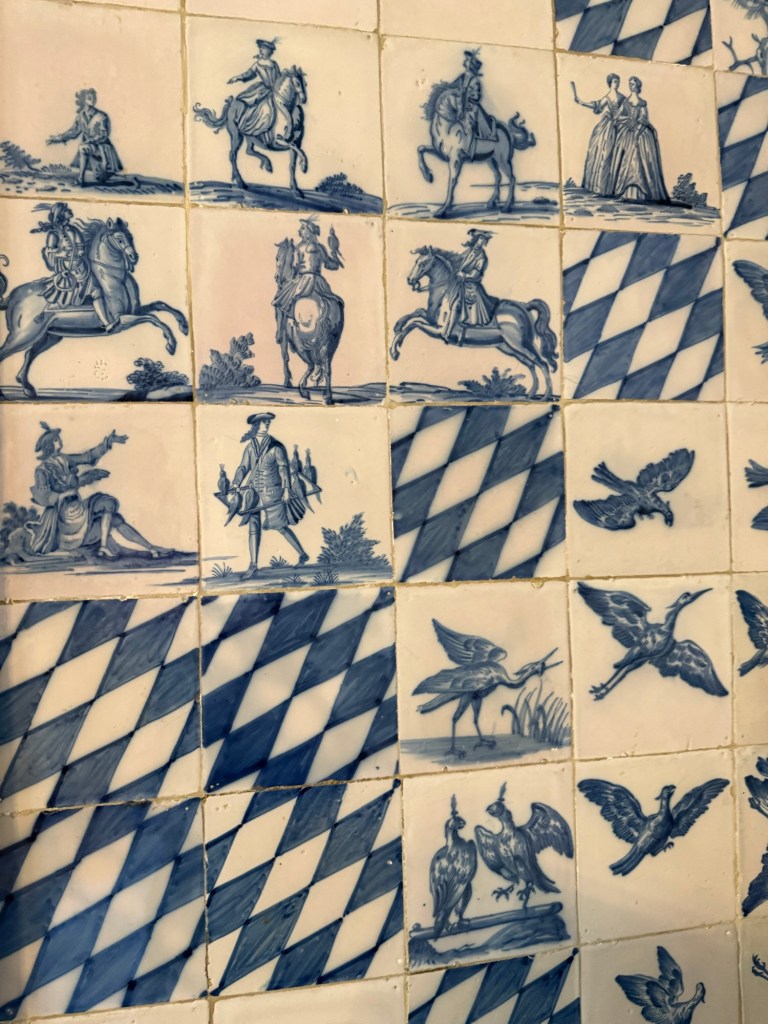
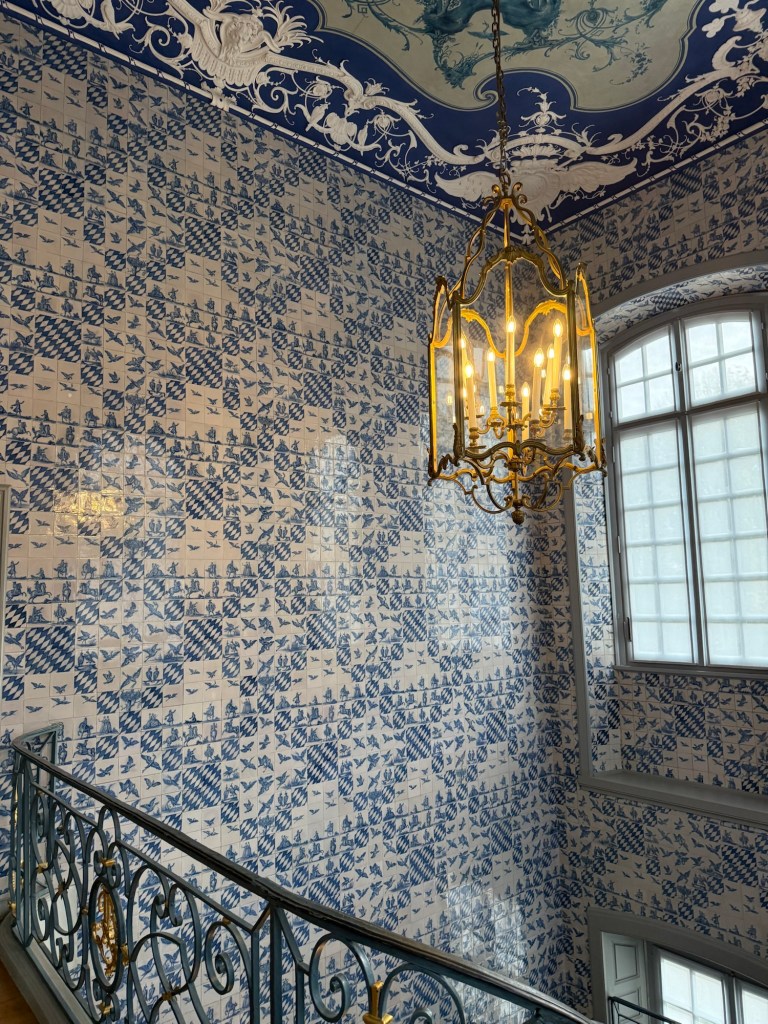
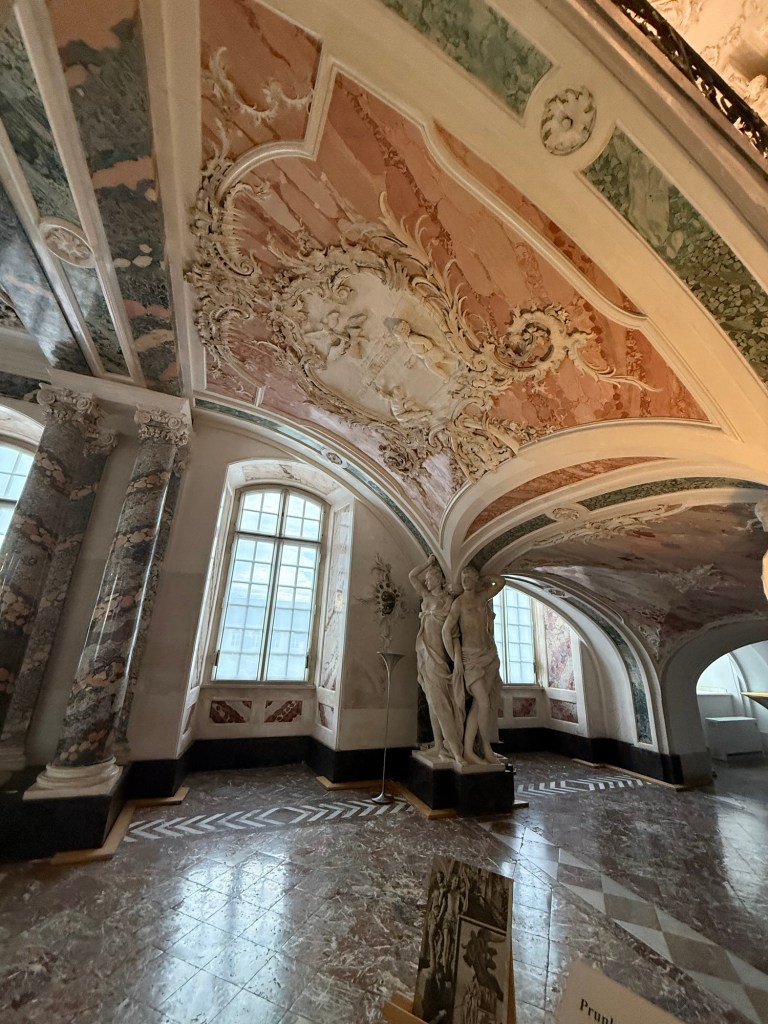
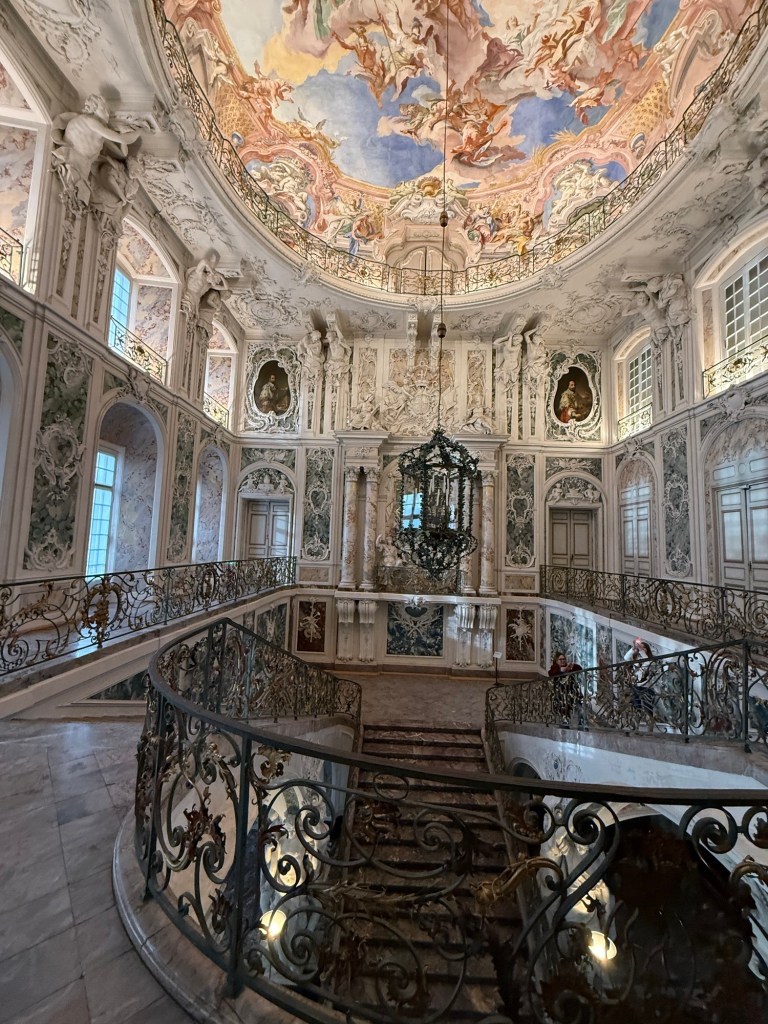
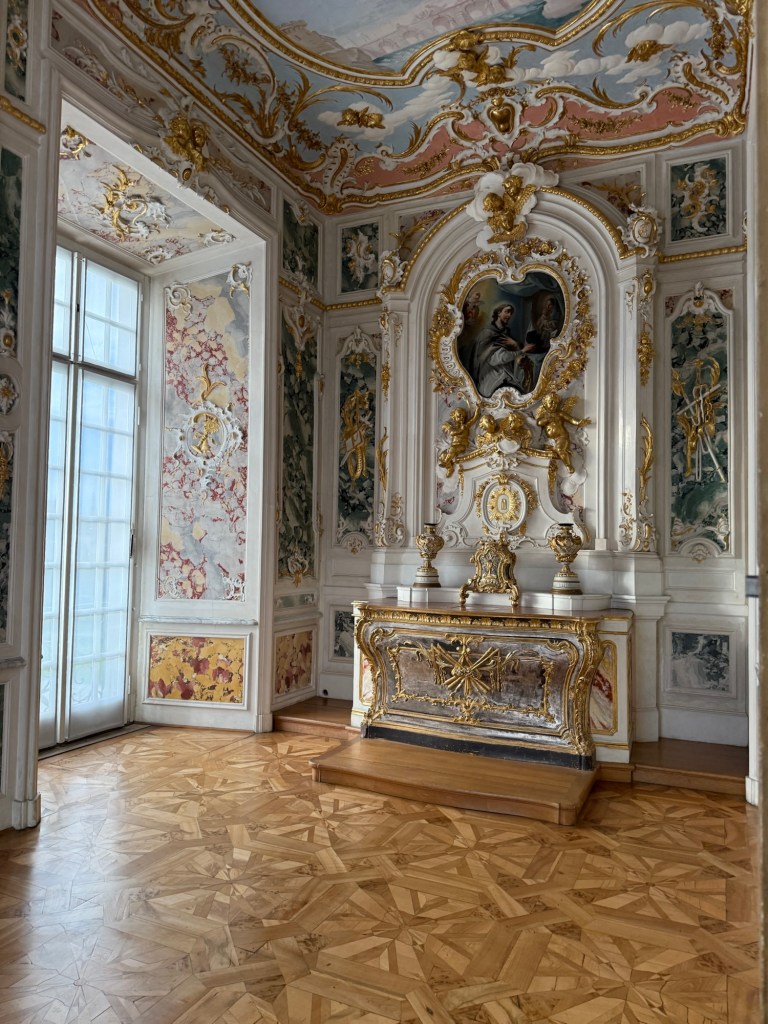
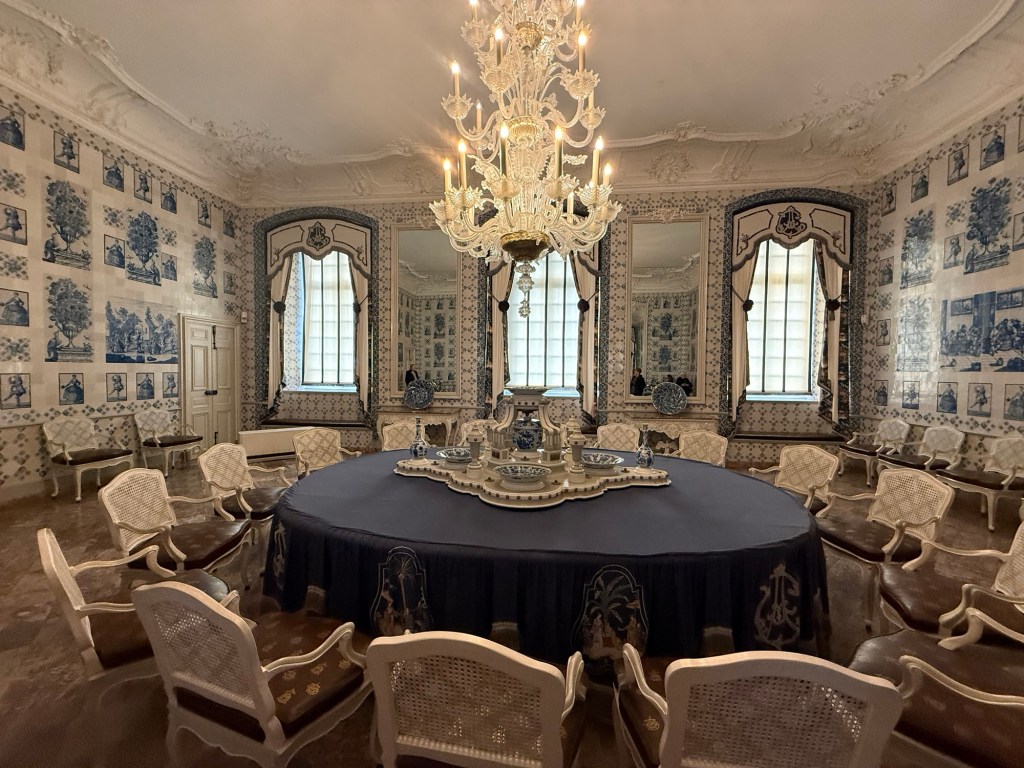
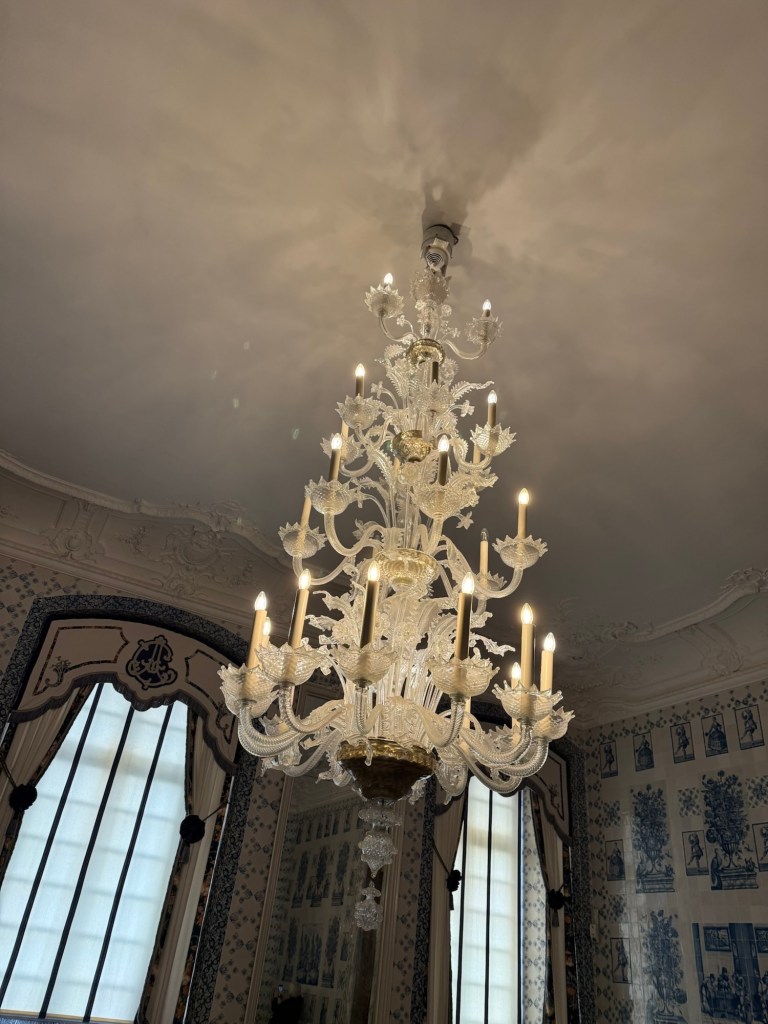
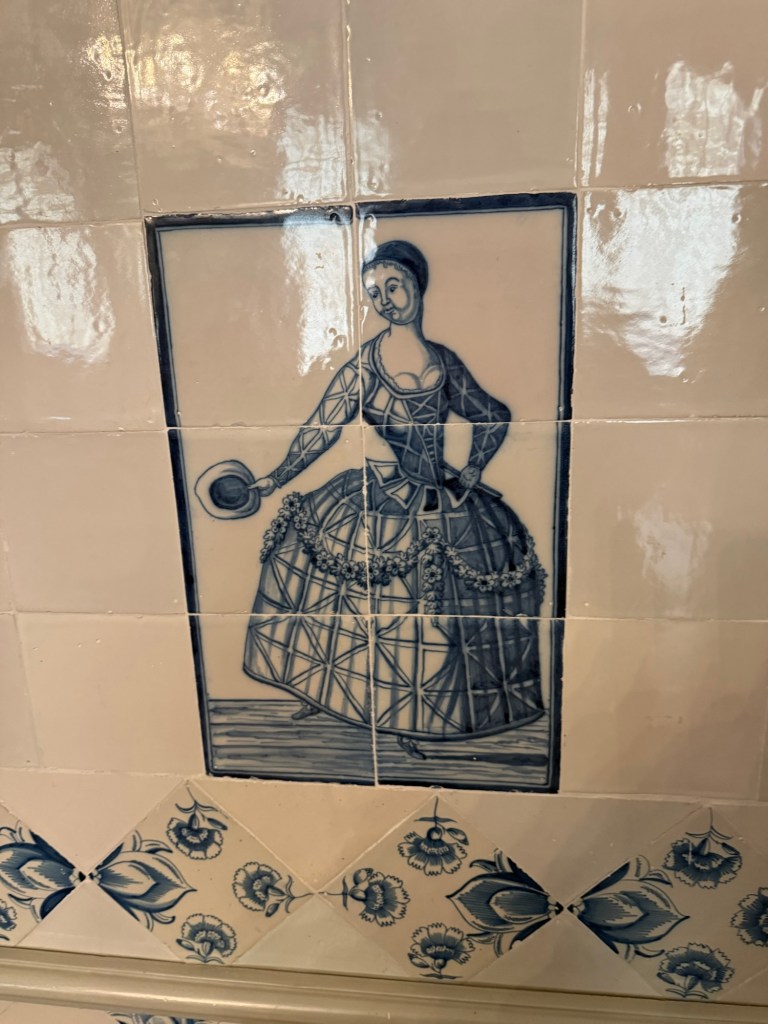
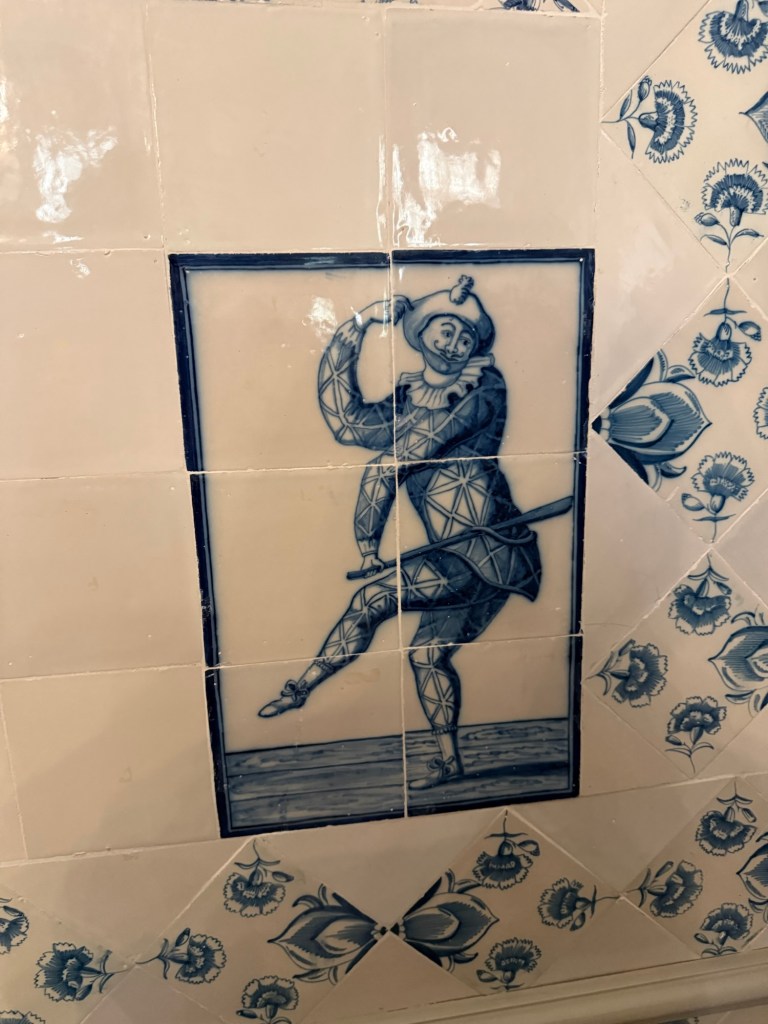
Based on our experience here, as well as at several other German palaces, the bishops were extremely powerful and lived very lavish lifestyles. Our first stop was the hunting lodge, also known as Falkenlust, which was small and elegant. It is where the bishop spent time with his friends. The blue and white tile going up the entire main staircase was absolutely beautiful.
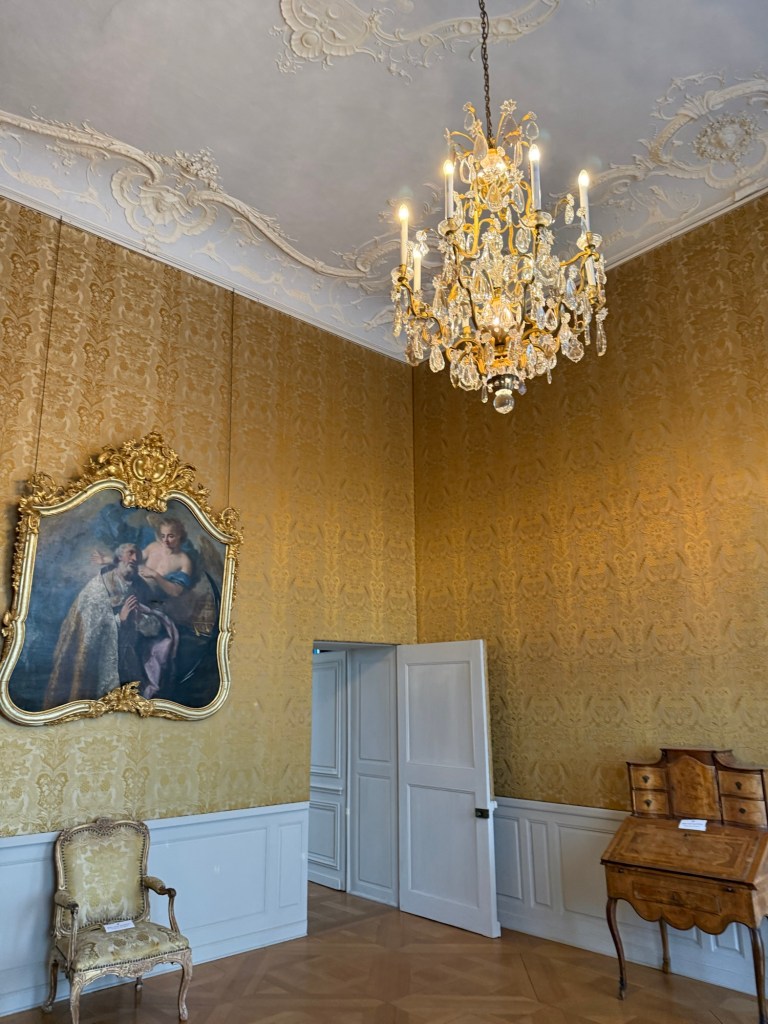
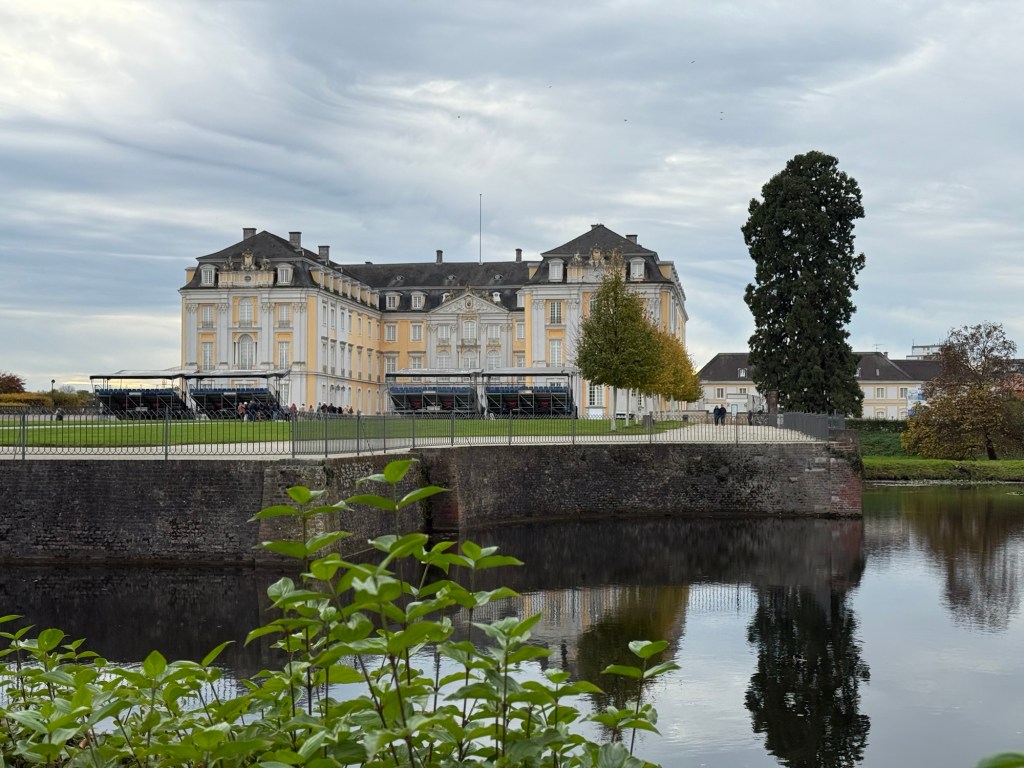
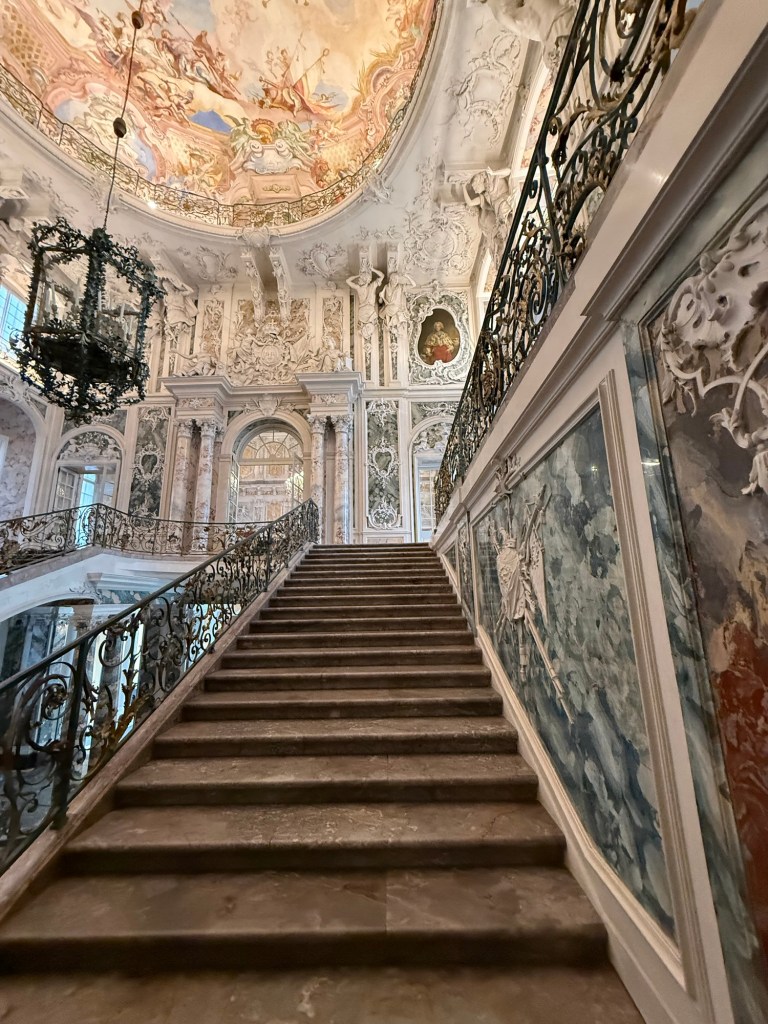
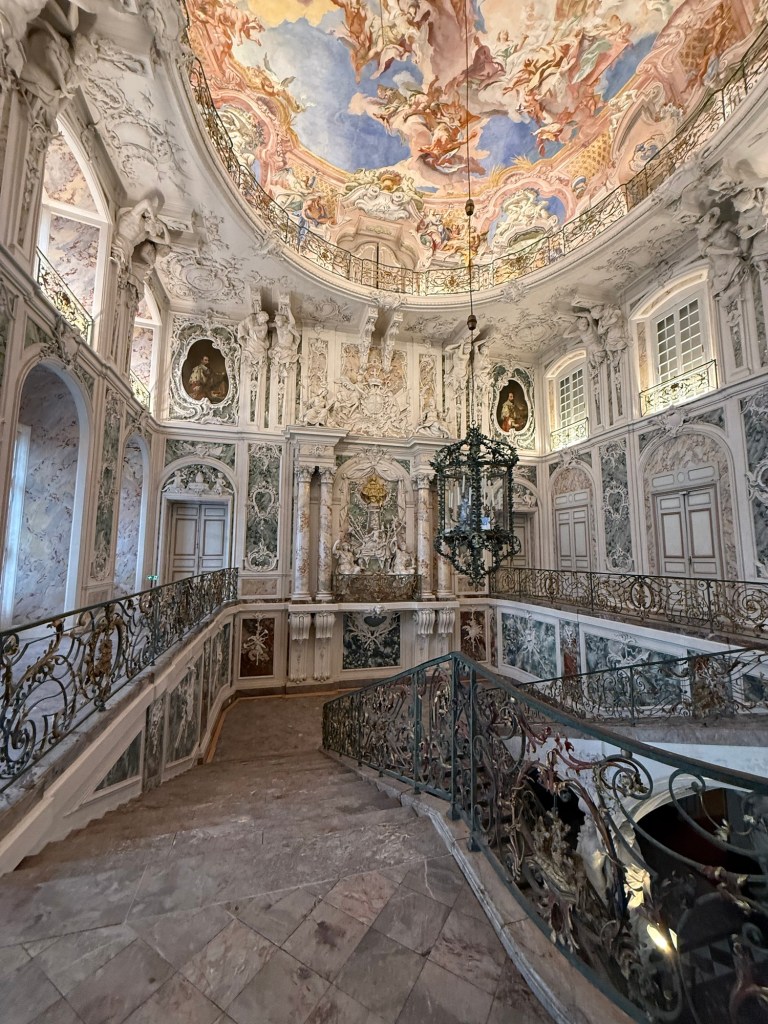
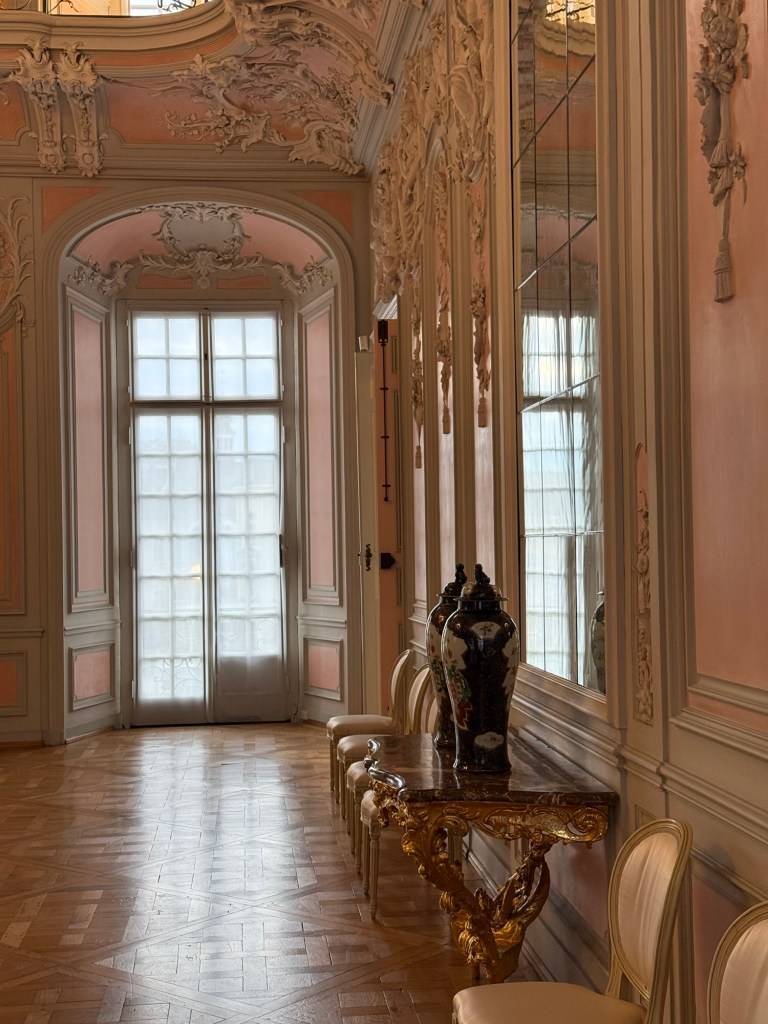
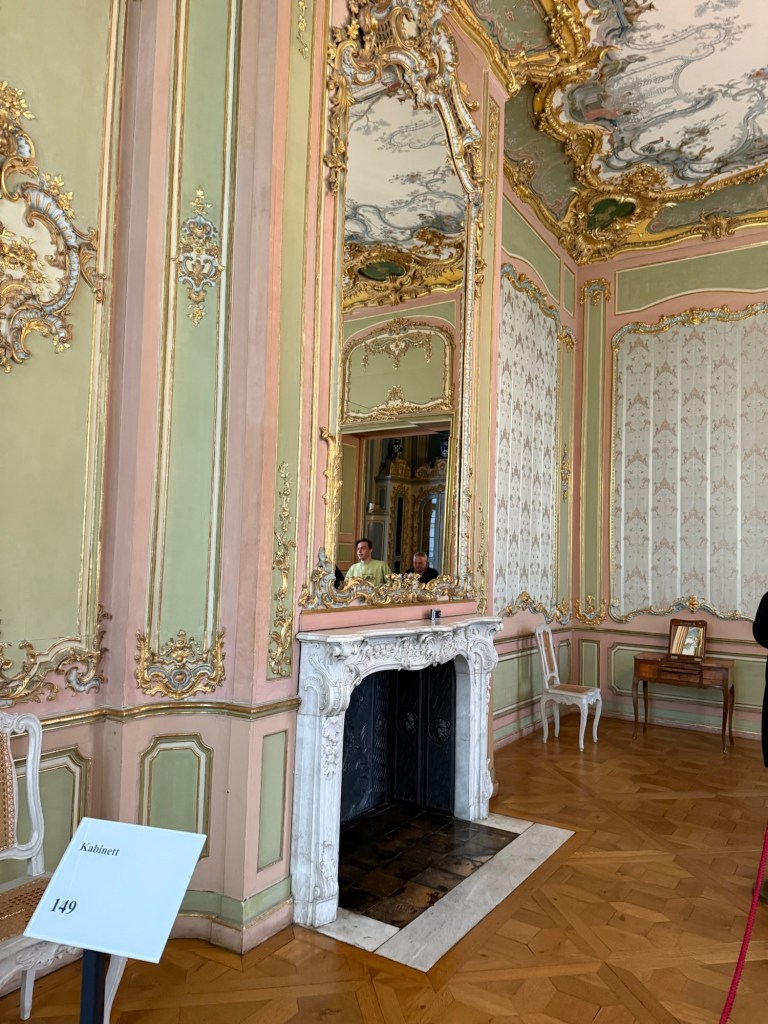
Next, we visited the Augustusburg Palace which was a top highlight of our trip to Germany. Bonn is not too far away…a mere 35 miles away. When Germany was divided into two countries, the Bruhl Palace played a significant part in hosting dignitaries from other countries,such as Ronald Reagan, starting right after WWII until 1994.
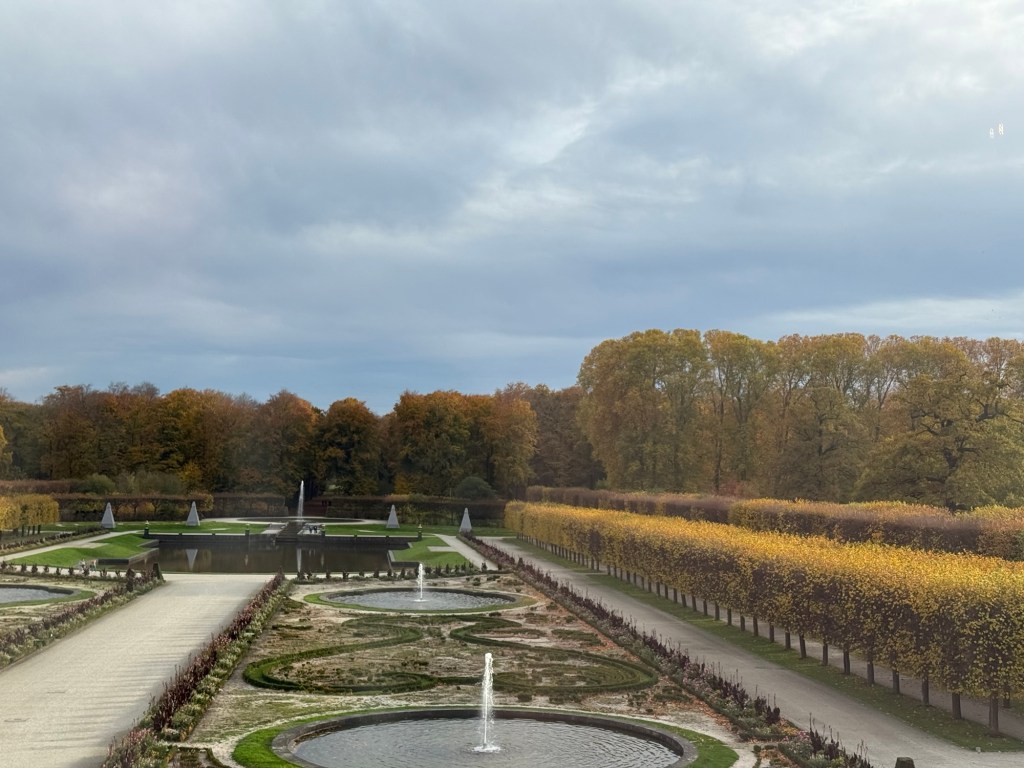
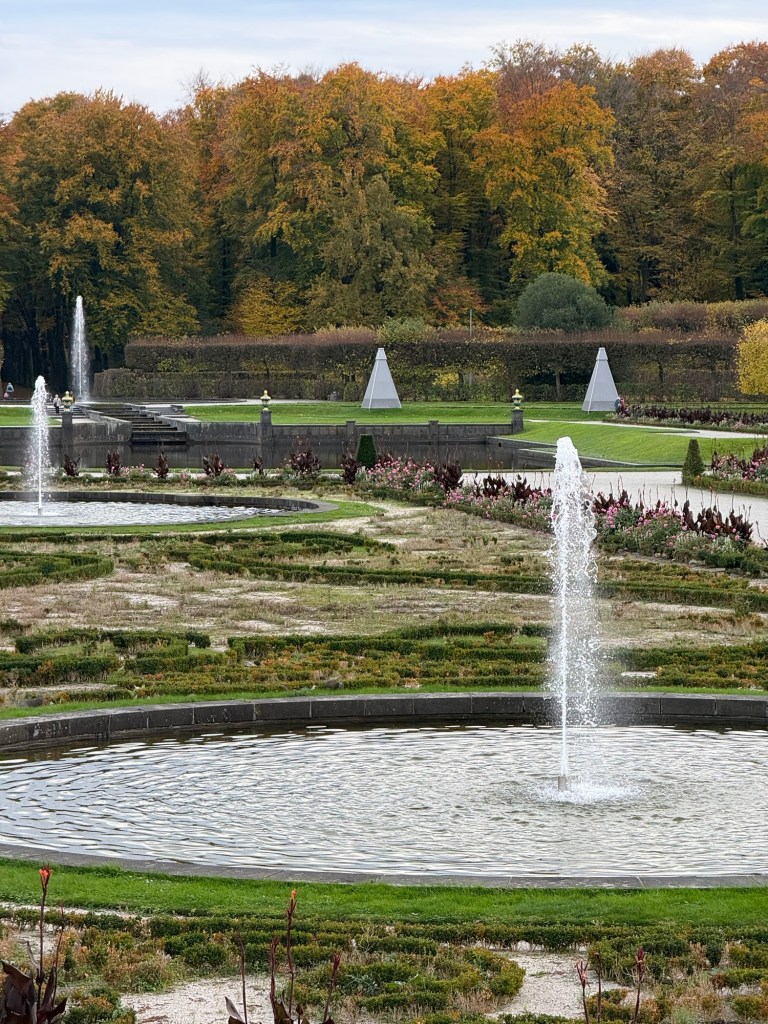
I highly recommend a visit to the palaces. We visited in late October. I can only imagine how beautiful the gardens must be in the warmer months. We went as part of an extra excursion while we were on a Viking River cruise. We were allowed to roam around the hunting lodge on our own. Once we arrived at the main palace, we were assigned a guide who worked at the palace. He was extremely friendly and knowledgeable.
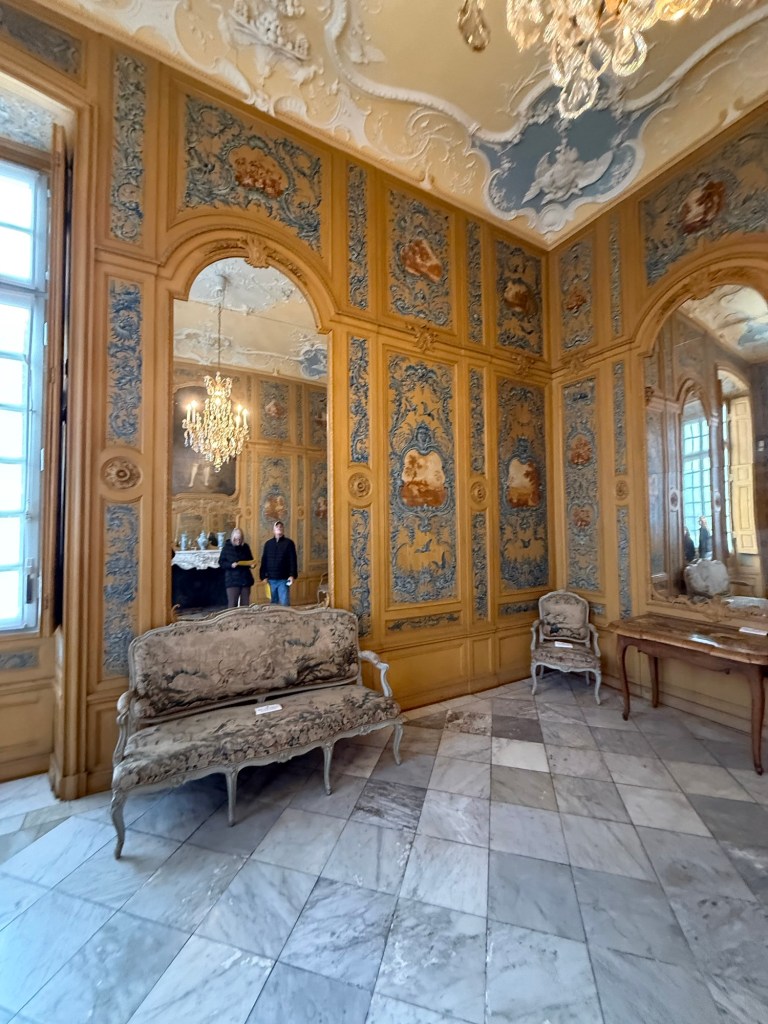
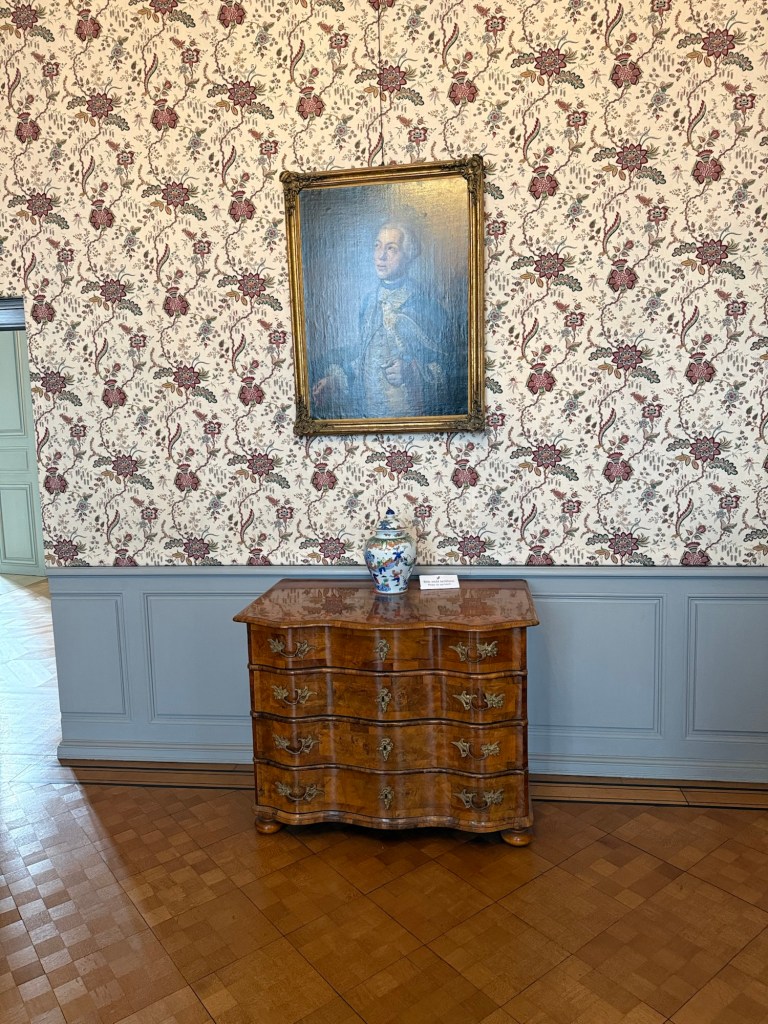
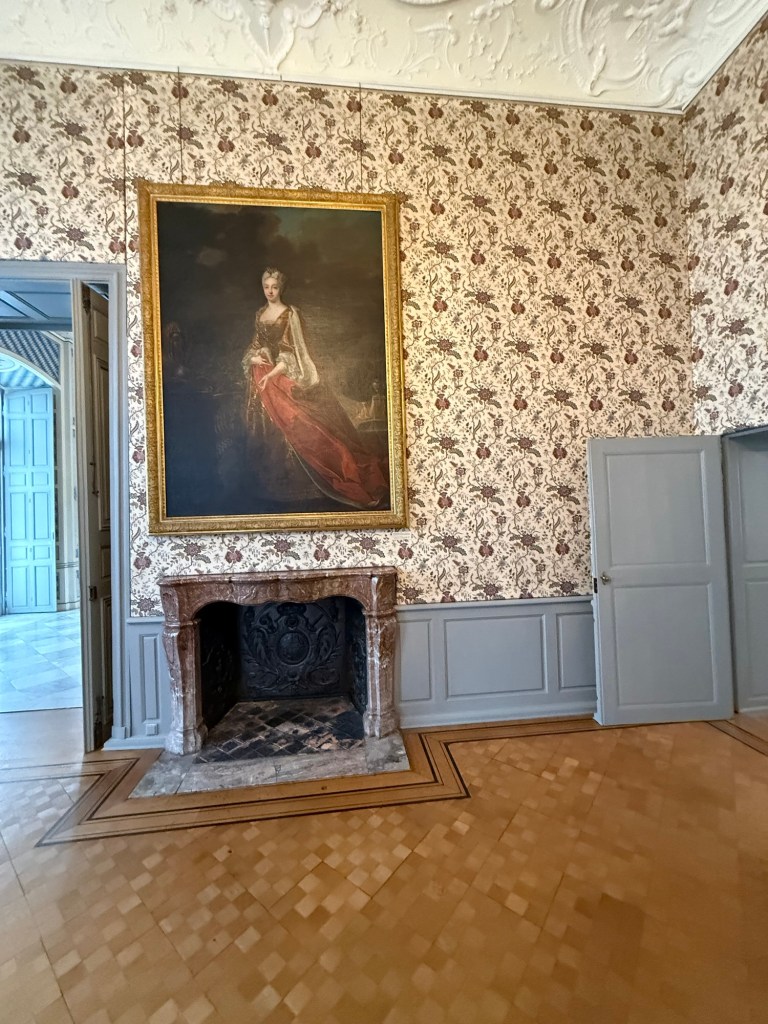
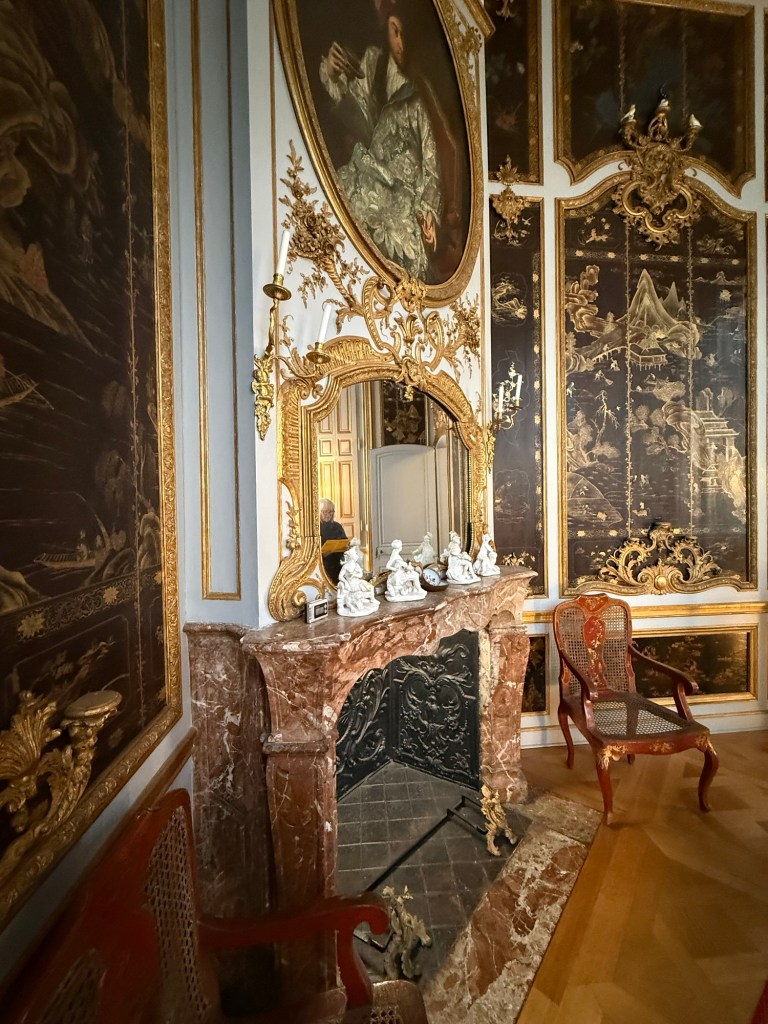
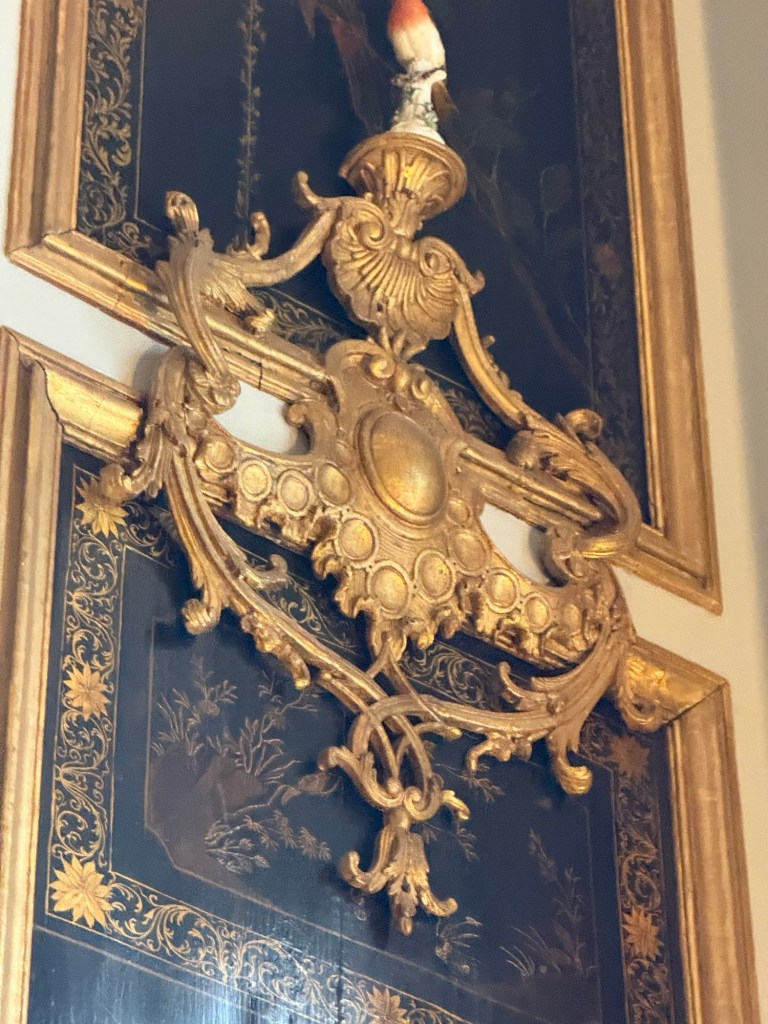
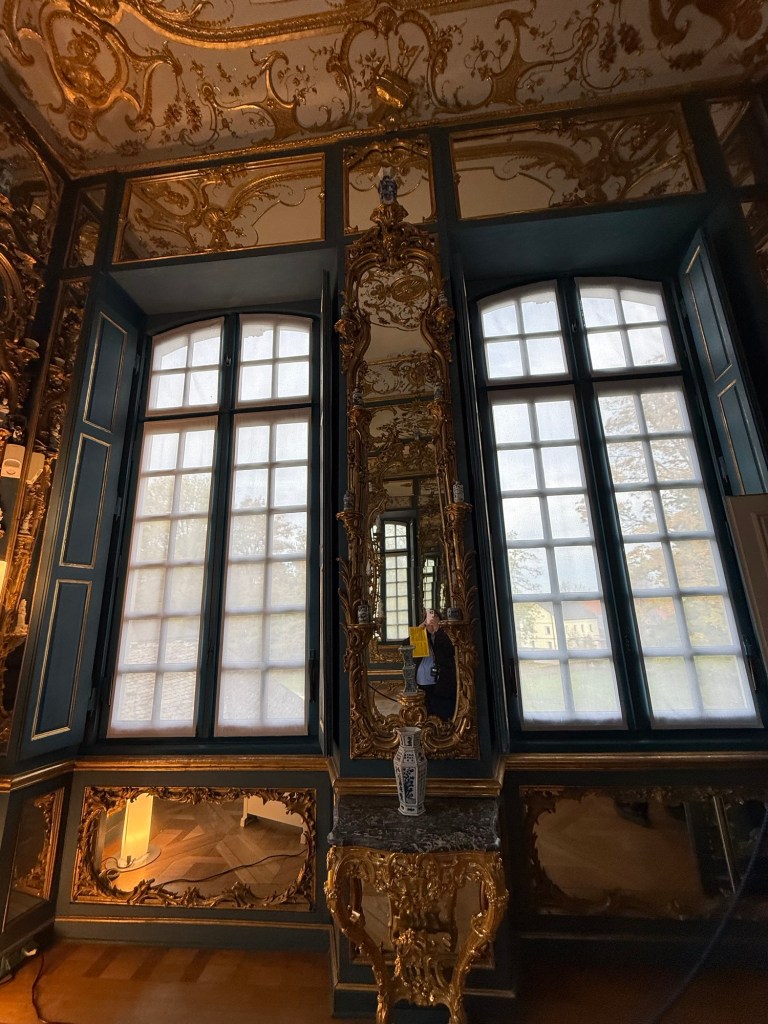
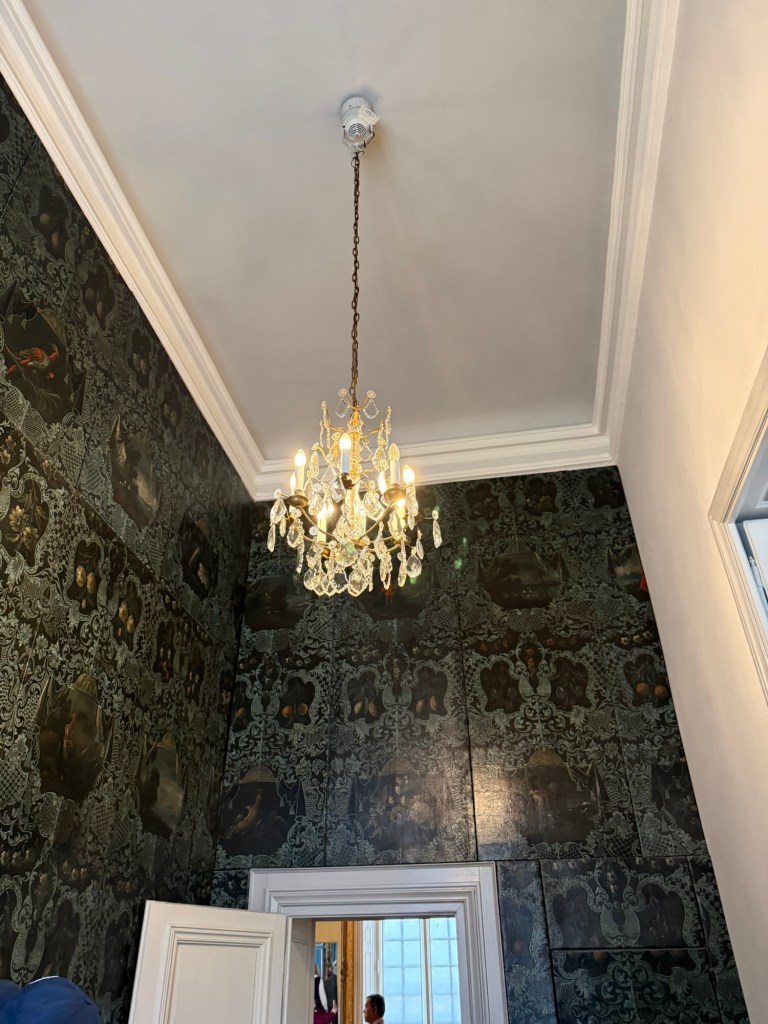
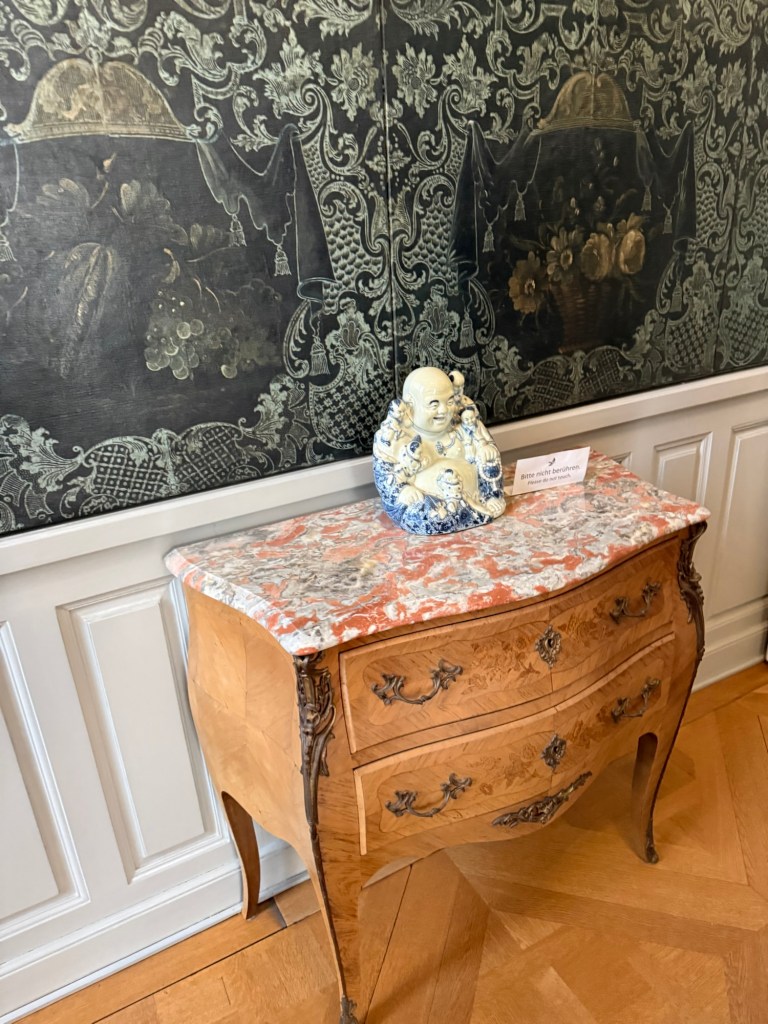
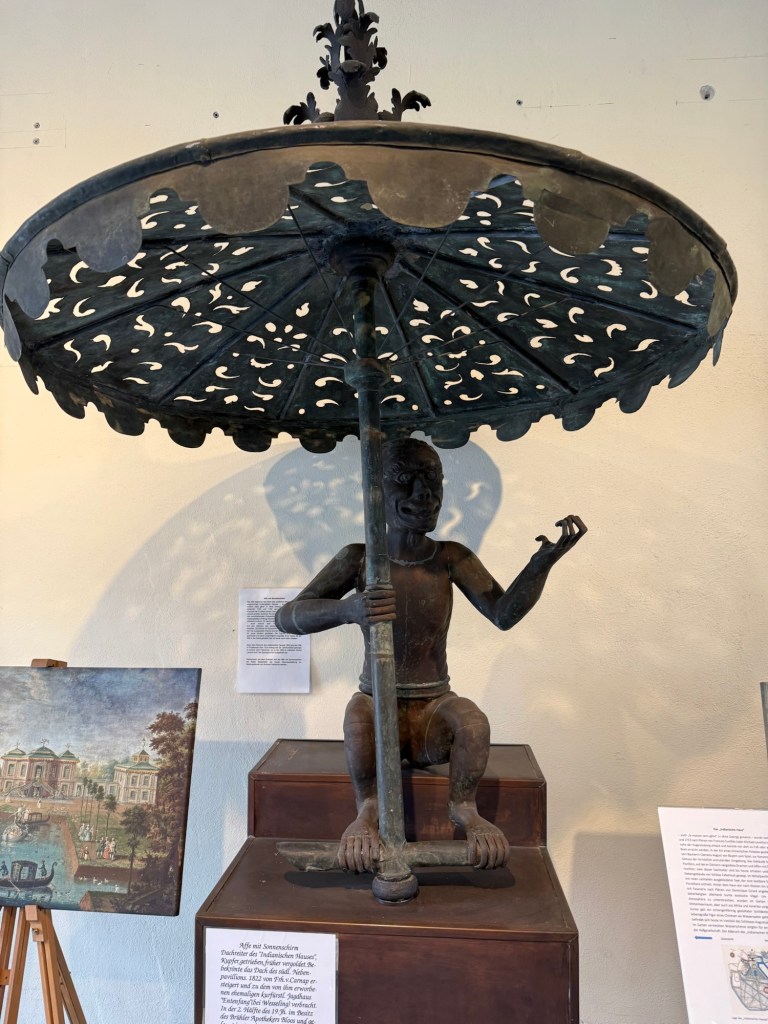
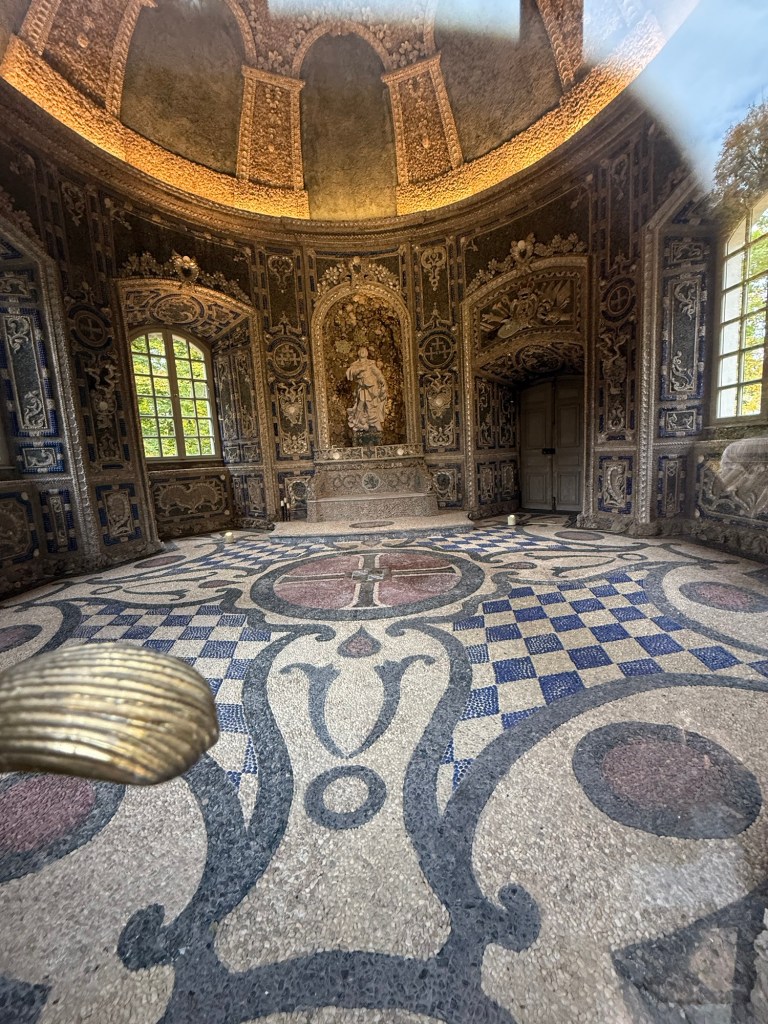
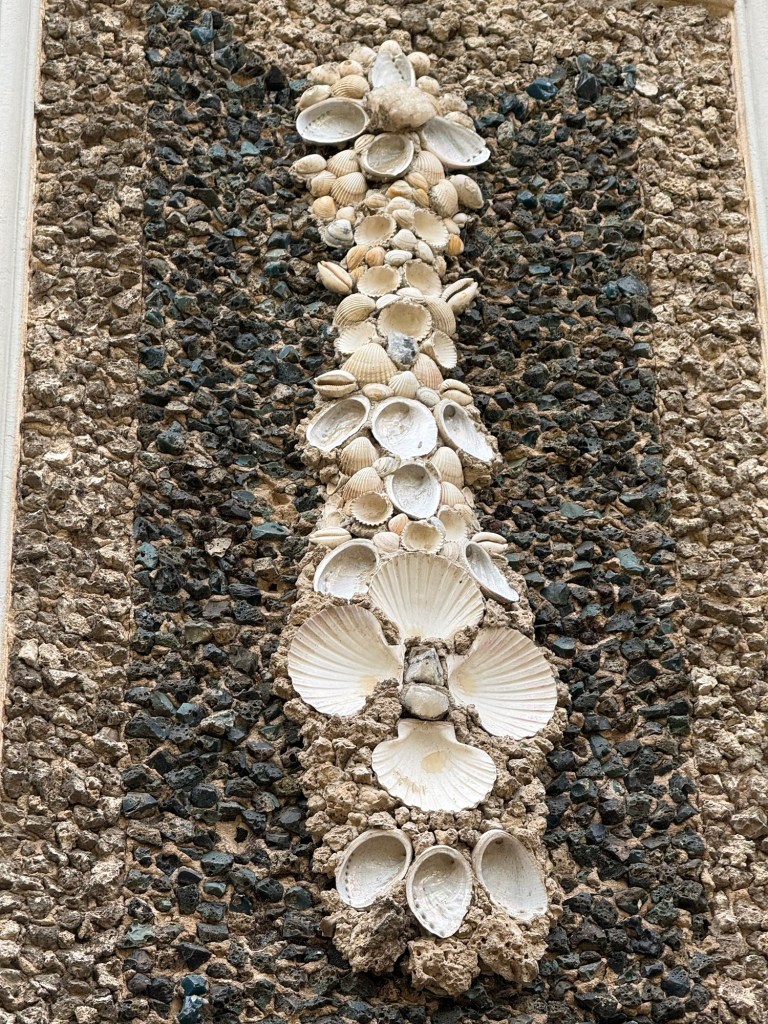
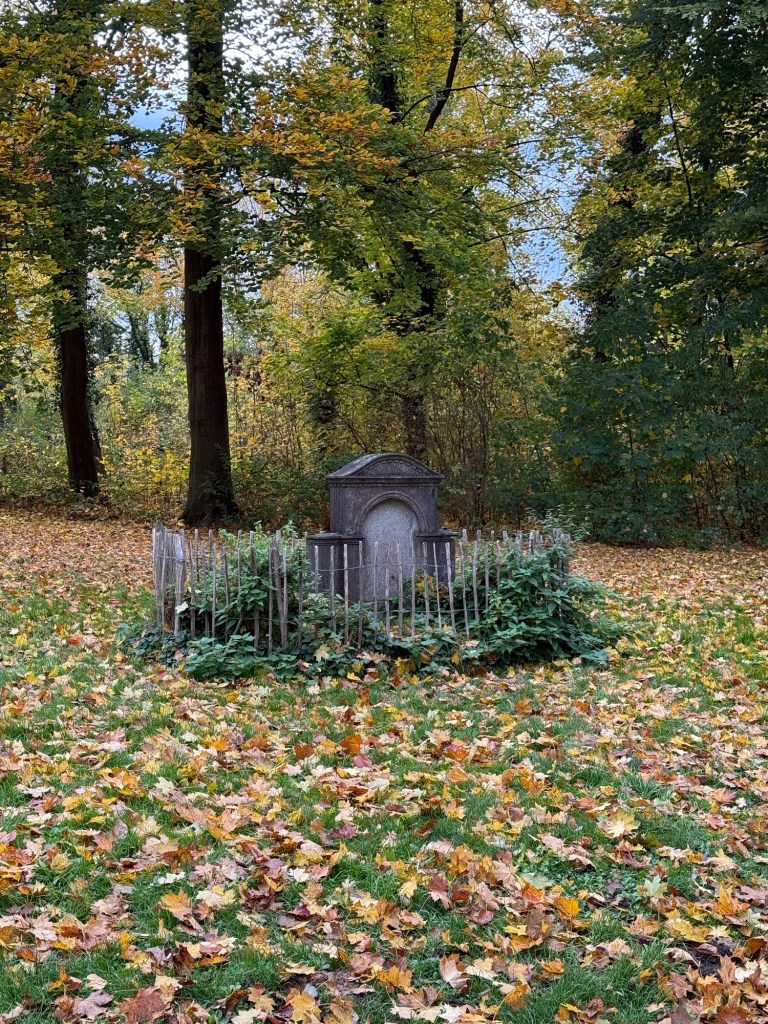
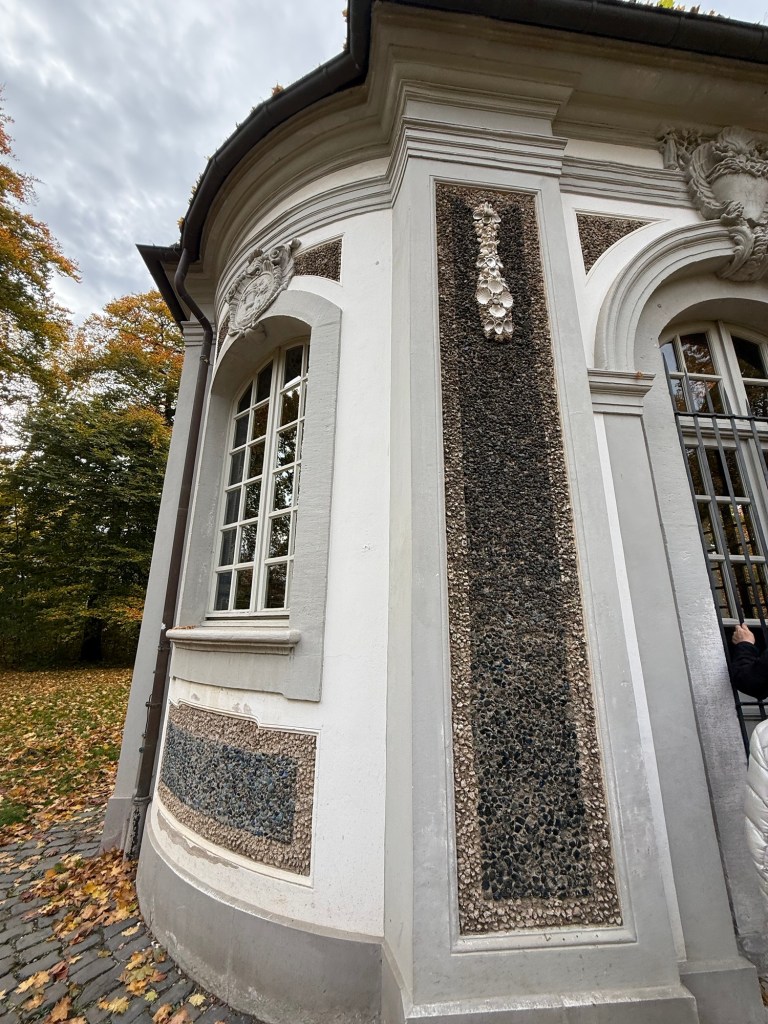
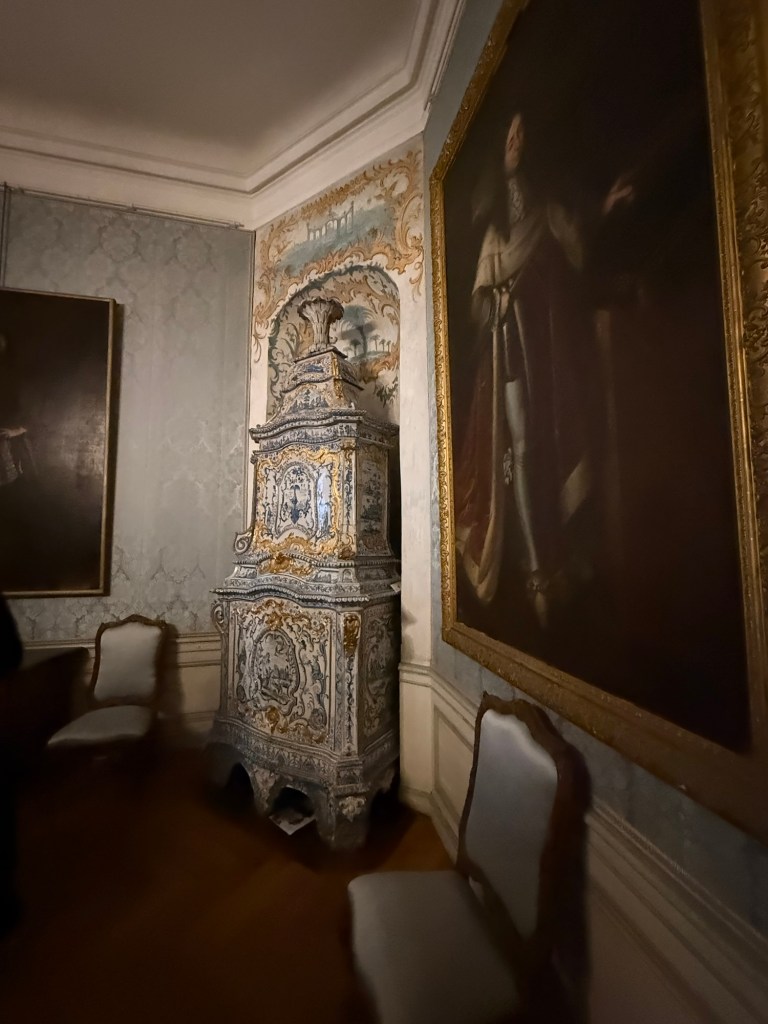
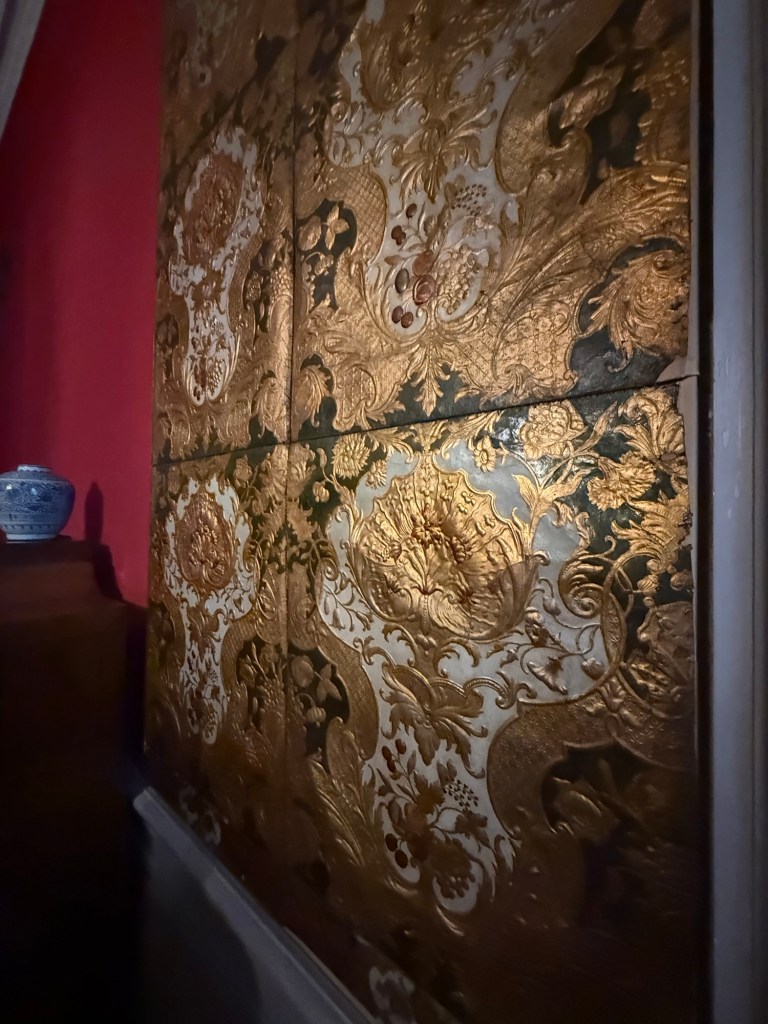
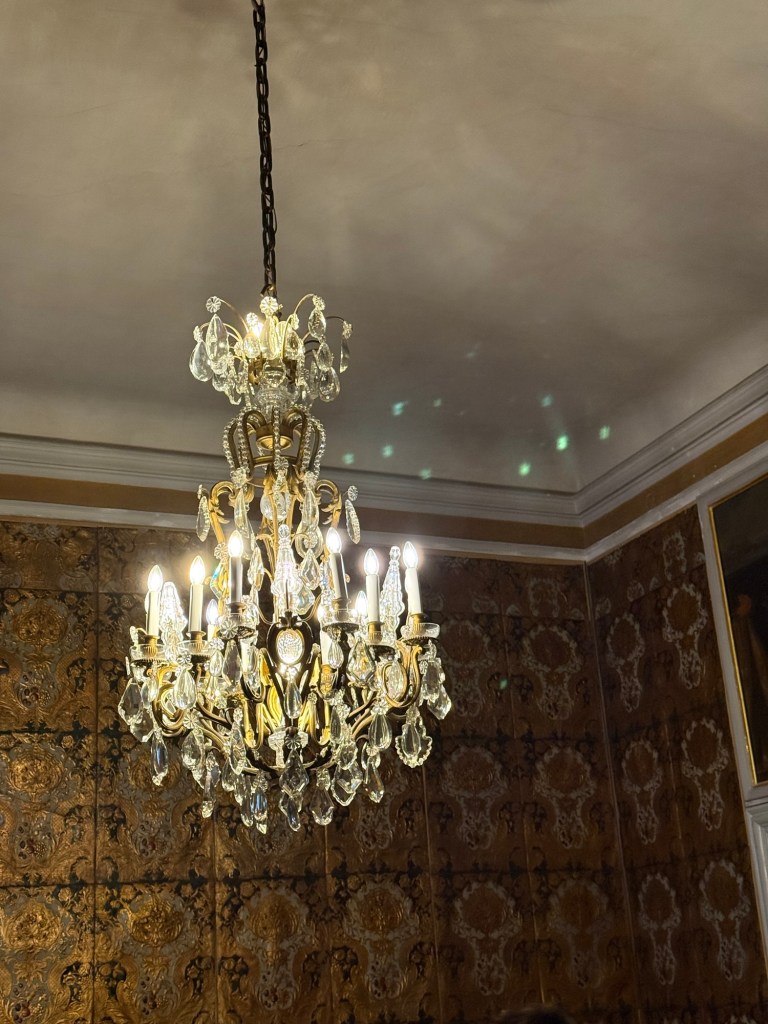
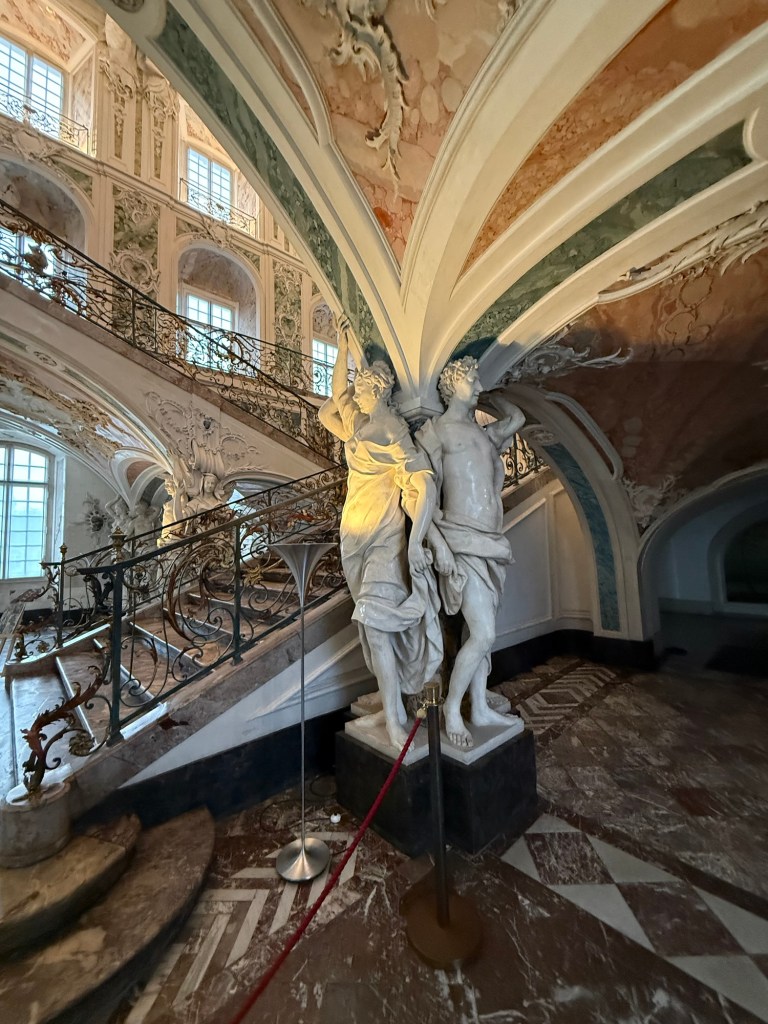
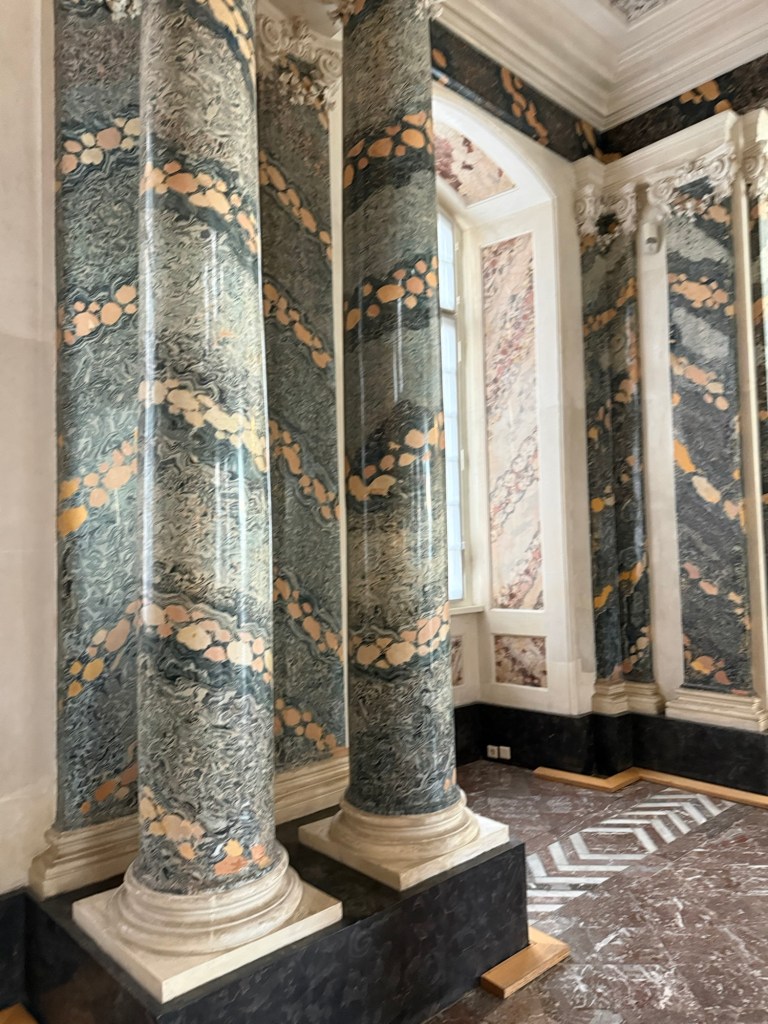
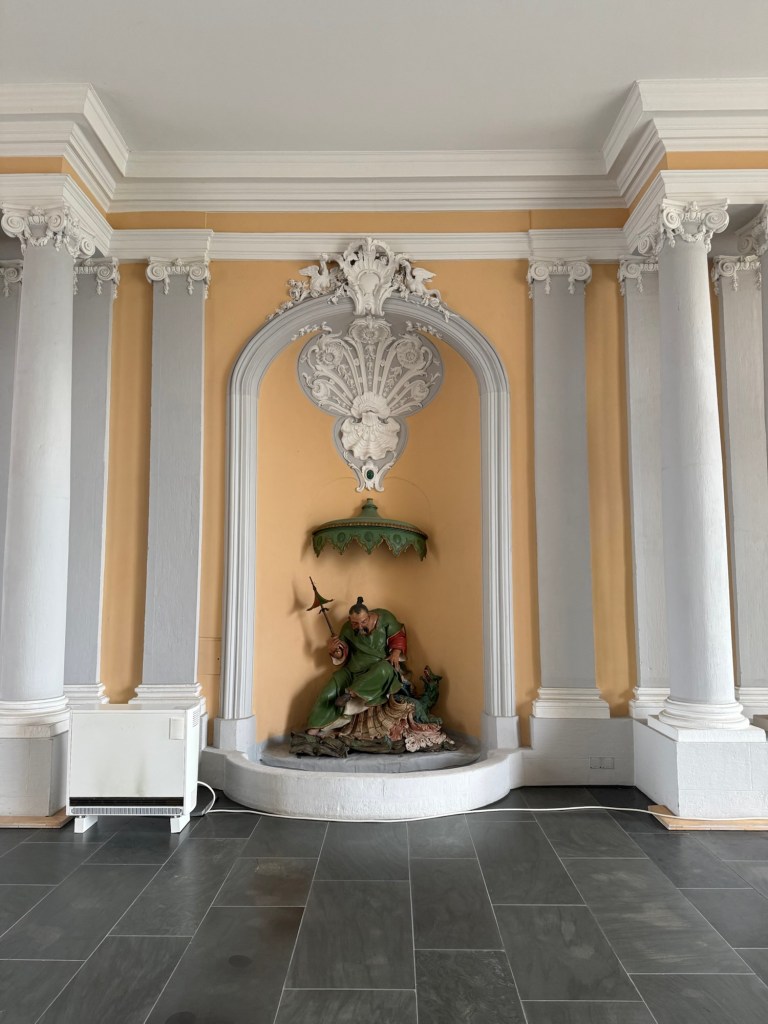
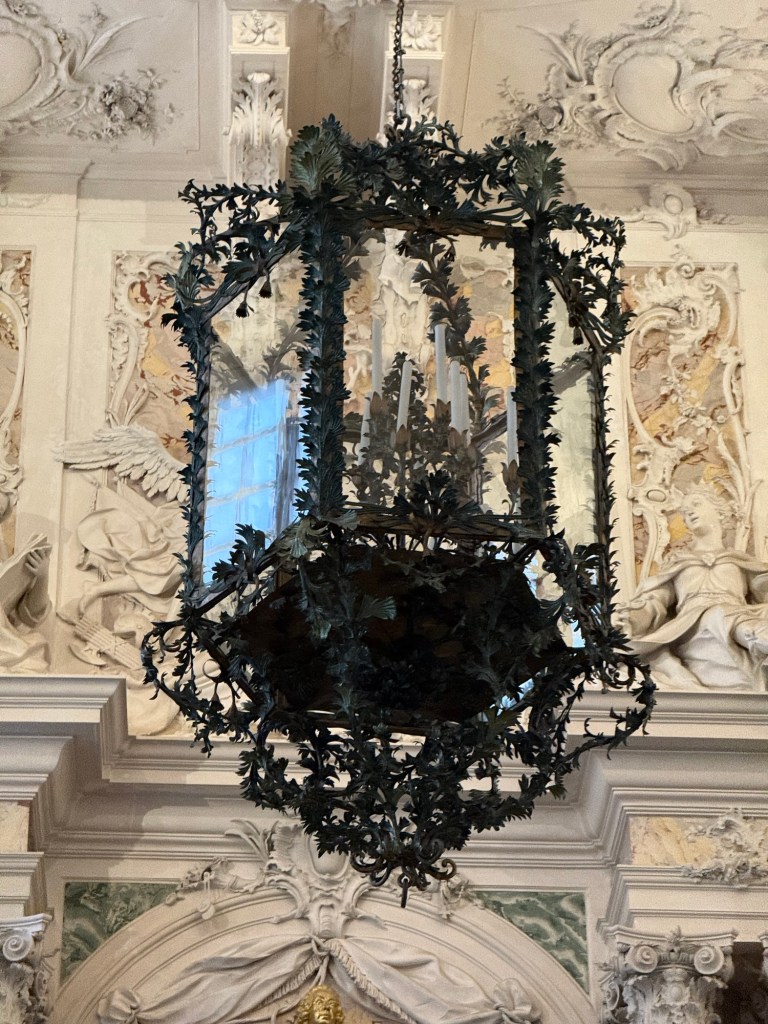
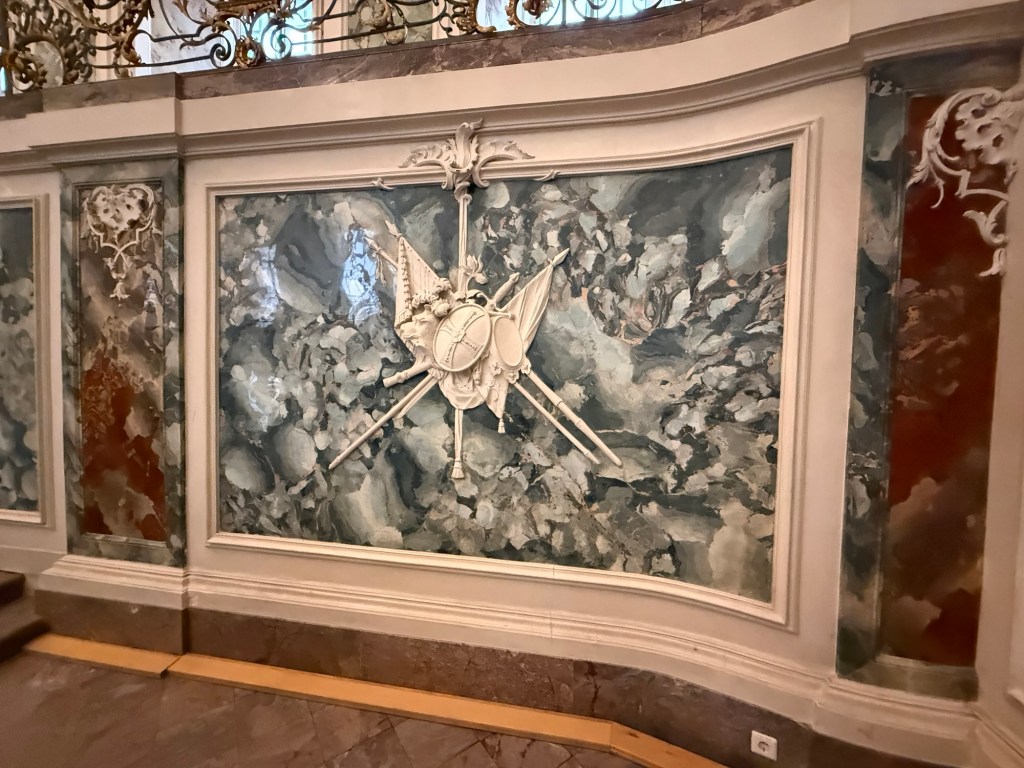
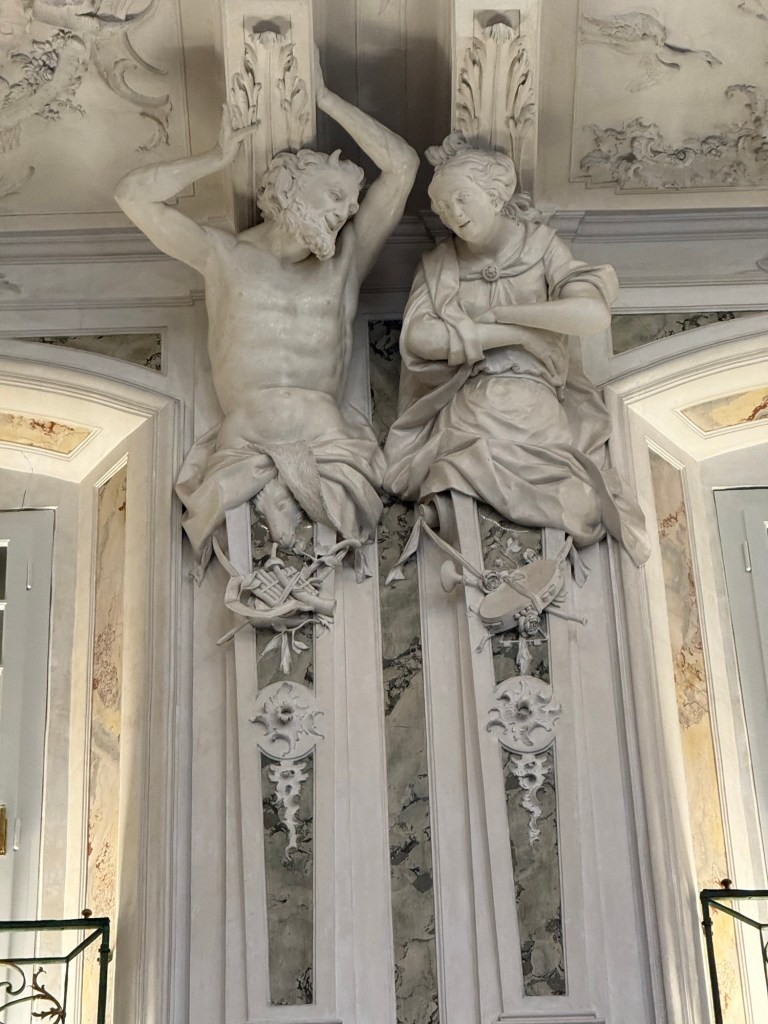
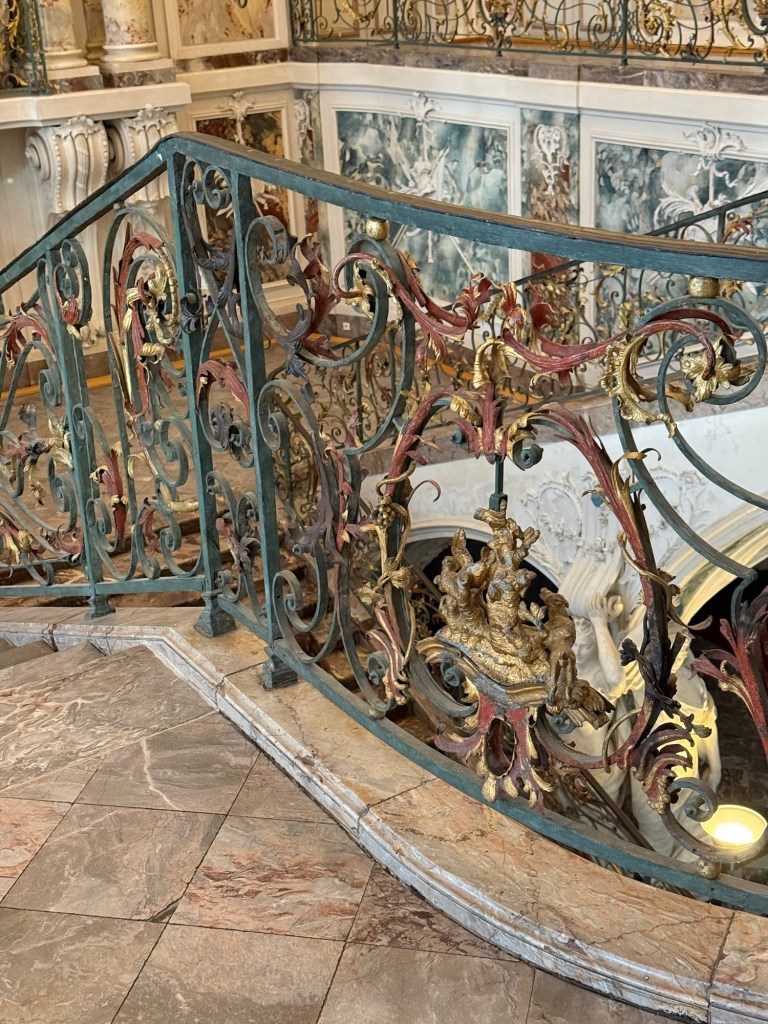
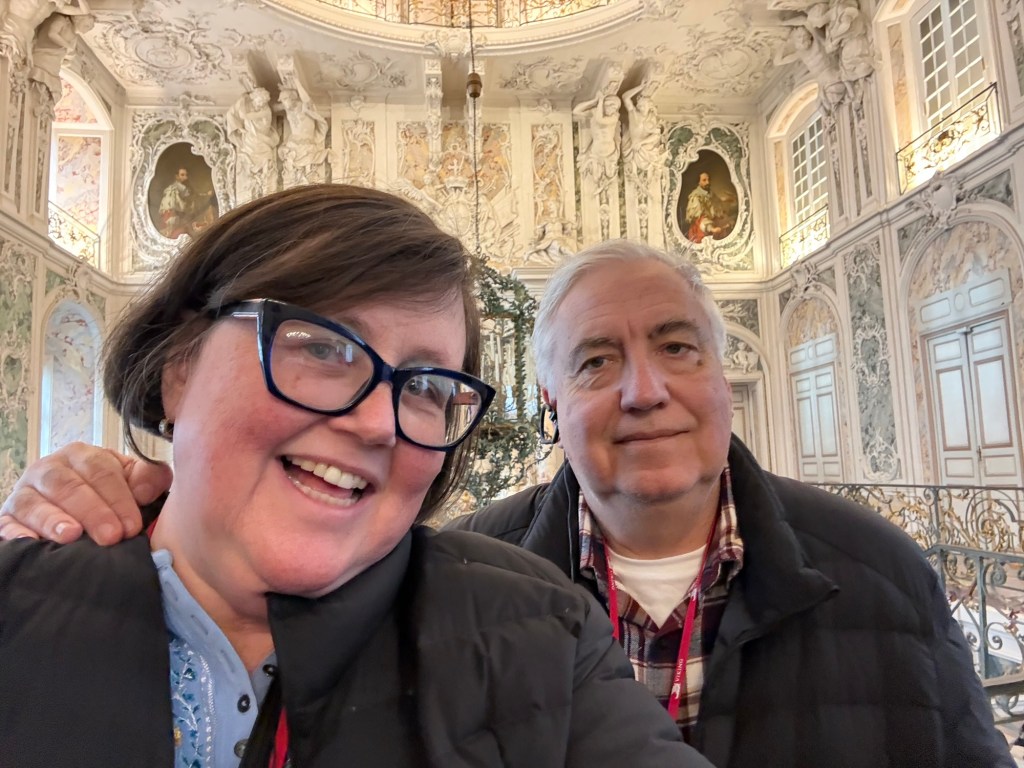
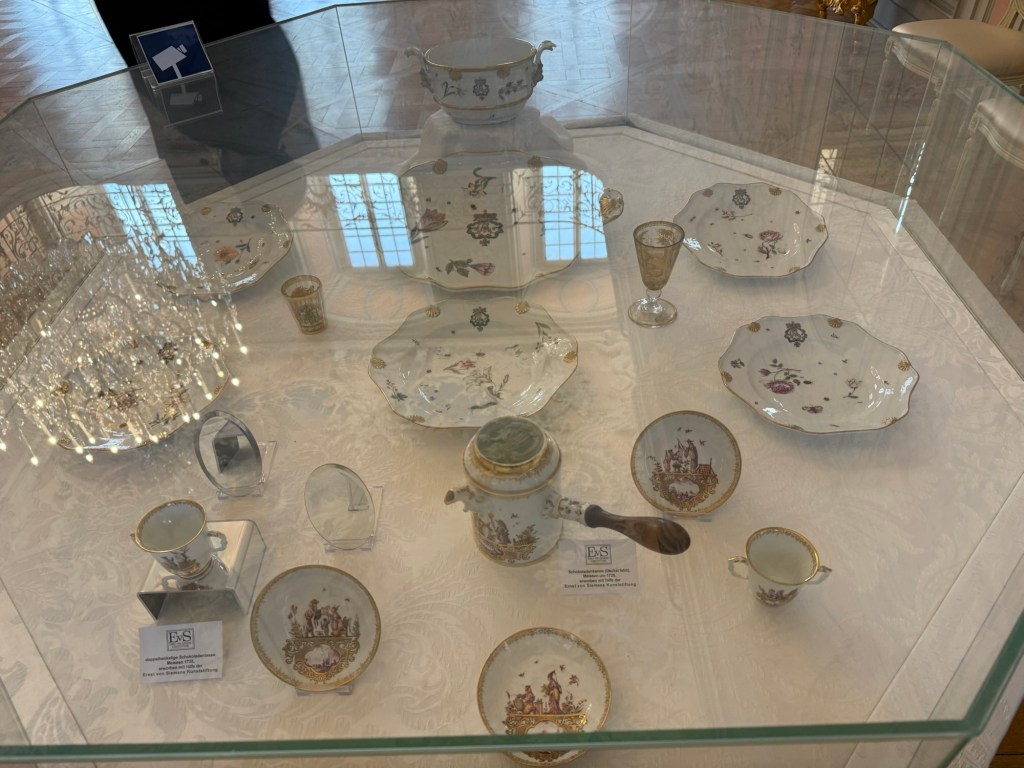
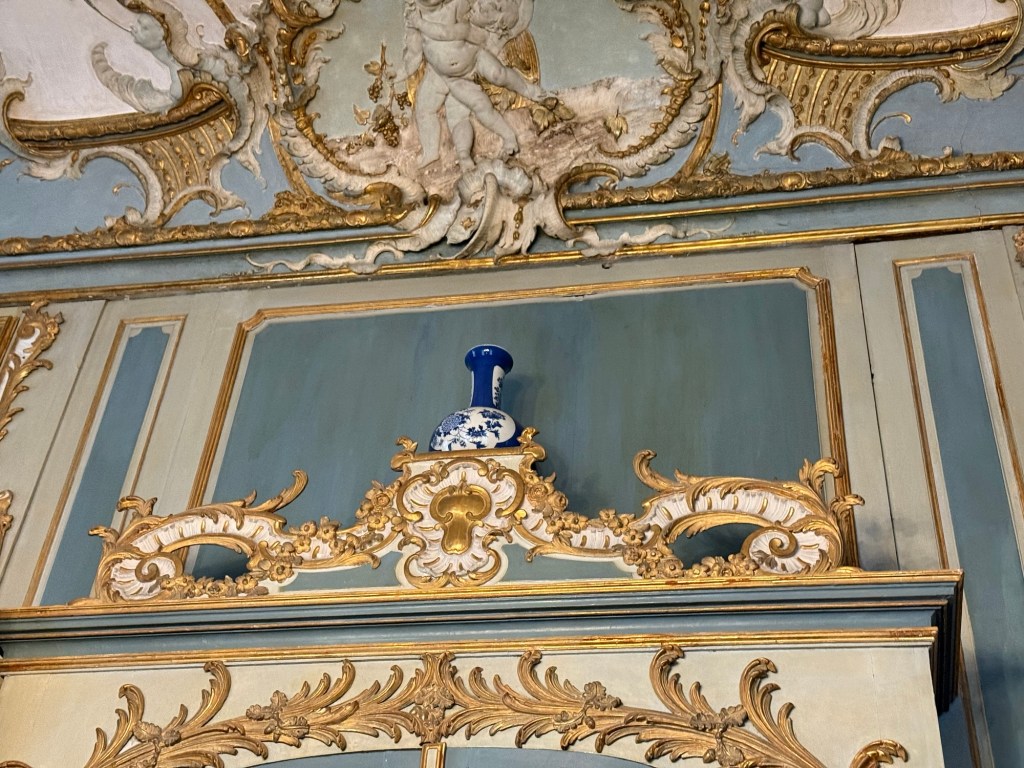
Exterior of the Hunting Lodge Front Gates of Hunting Lodge Private Chapel of Hunting Lodge In the park setting of the hunting lodge and private chapel Blue and White Tile At the Hunting Lodge Blue and White Tile At the Hunting Lodge Hunting Lodge Interior Interior of the Hunting Lodge Hunting Lodge Interior Hunting Lodge Interior Hunting Lodge Interior Hunting Lodge Interior Hunting Lodge Interior Bottom of the Staircase Impressive Stairwell Hunting Lodge Interior Hunting Lodge Interior Hunting Lodge Interior Mirror Room At the Hunting Lodge Beautiful Examples of Delft Ceramics Hunting Lodge Interior Hunting Lodge Interior Hunting Lodge Interior Blue & White Tile At the Hunting LodgeHunting Lodge Stairwell Interior of the Private Chapel Detailed Shell Design on Exterior of the Private Chapel Graveside Near the Chapel Exterior of Private Chapel The Exterior of the Palace and MoatThe Moat Around the MoatFront Area of Augustusburg Palace Front of the Augustusburg Palace Front Walkway to the Augustusburg Palace Front of the Palace Heating Unit Wall DetailPalace Chandelier Main Staircase Faux Marble PillarsImpressive Entrance Light Fixture Above Main Staircase The Main Staircase Ceiling Above the Main Staircase Faux Marble Painting Downstairs Entrance AreaClose-Up of Main Staircase Chandelier Exquisite Wall DetailsThe Main Staircase Close-Up of Upstairs Area Of Main Staircase View Of The Upstairs Area Of The Main StaircaseDetail of Staircase RailingUpstairs Reception Room Upstairs Above Main Staircase Dining Room Chandelier In Dining RoomUpstairs Dining RoomRooms Flooded With Light Palace Gardens Palace RoomPalace Wall DetailLess Formal Dining Room Beautiful Blue And White Tile In Less Formal Dining RoomMurano Light Fixture Tile DetailDelft Tile DetailPalace Gardens Palace Gardens Palace Gardens Palace Gardens Palace Gardens Palace Gardens
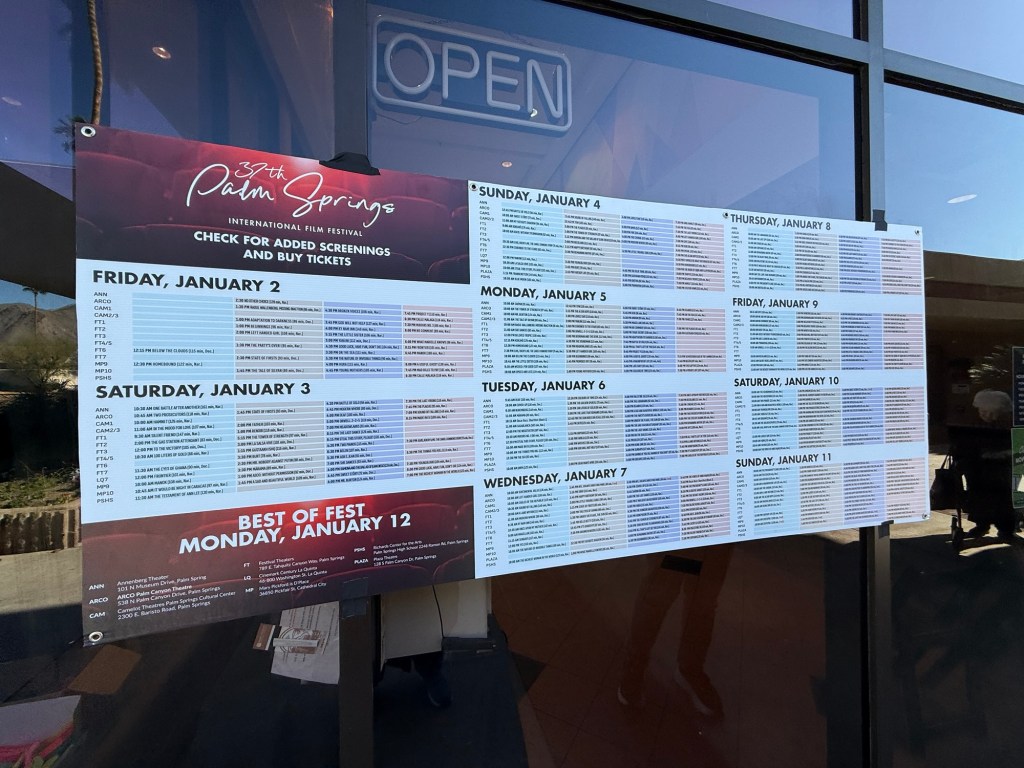
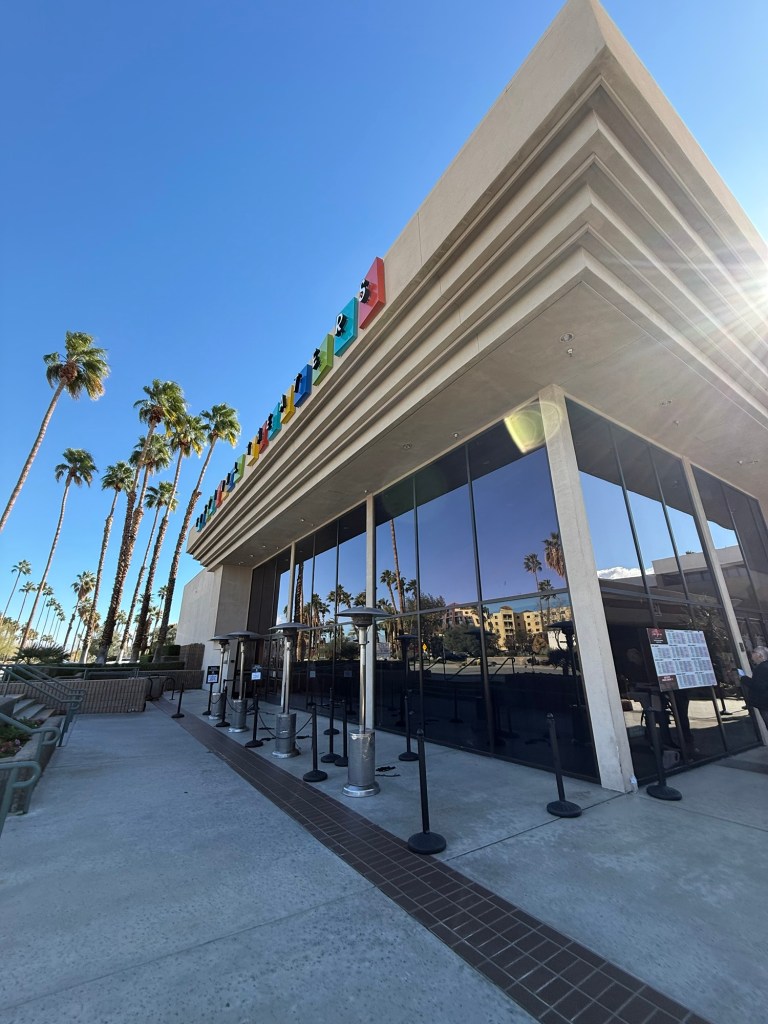
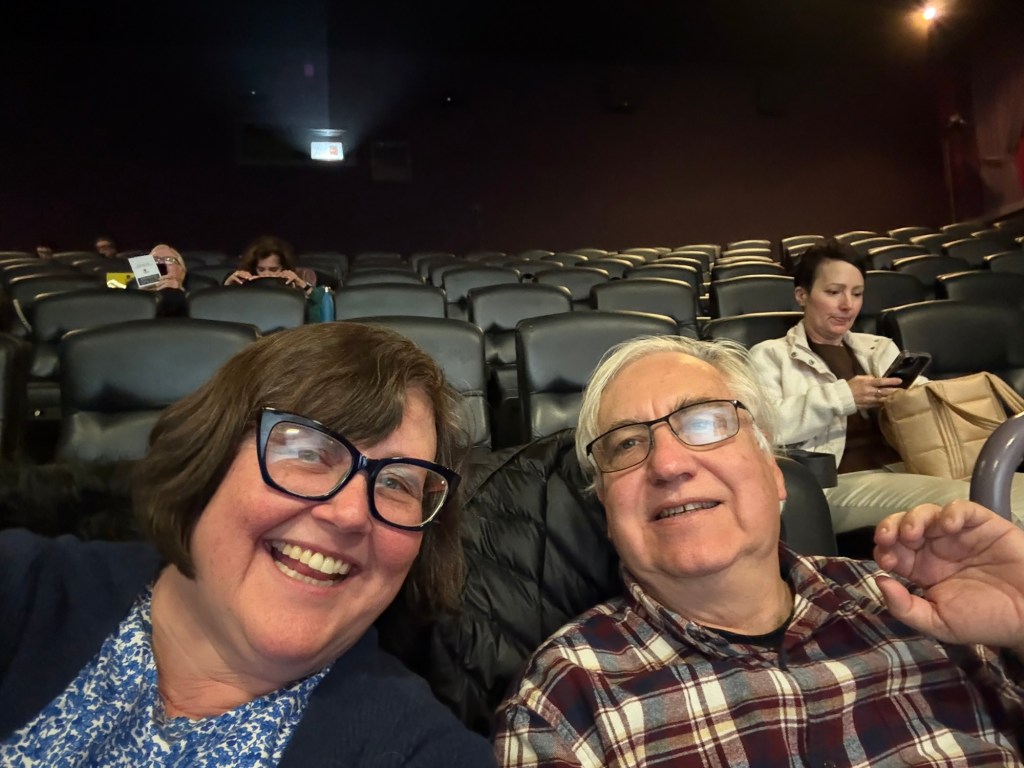
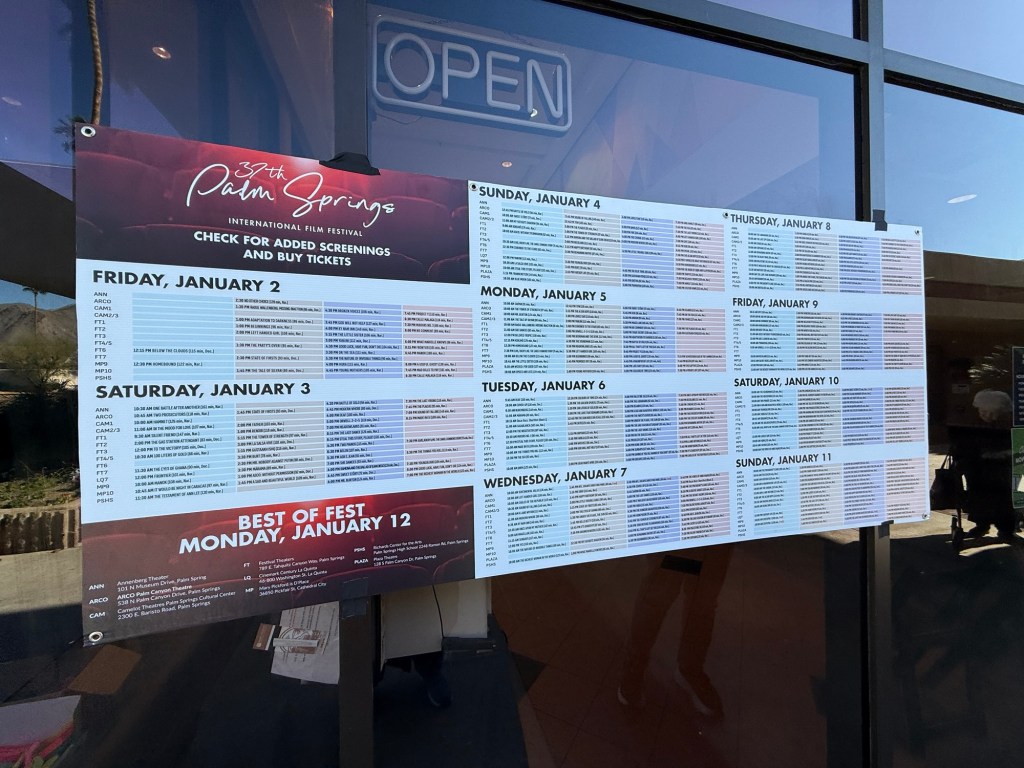
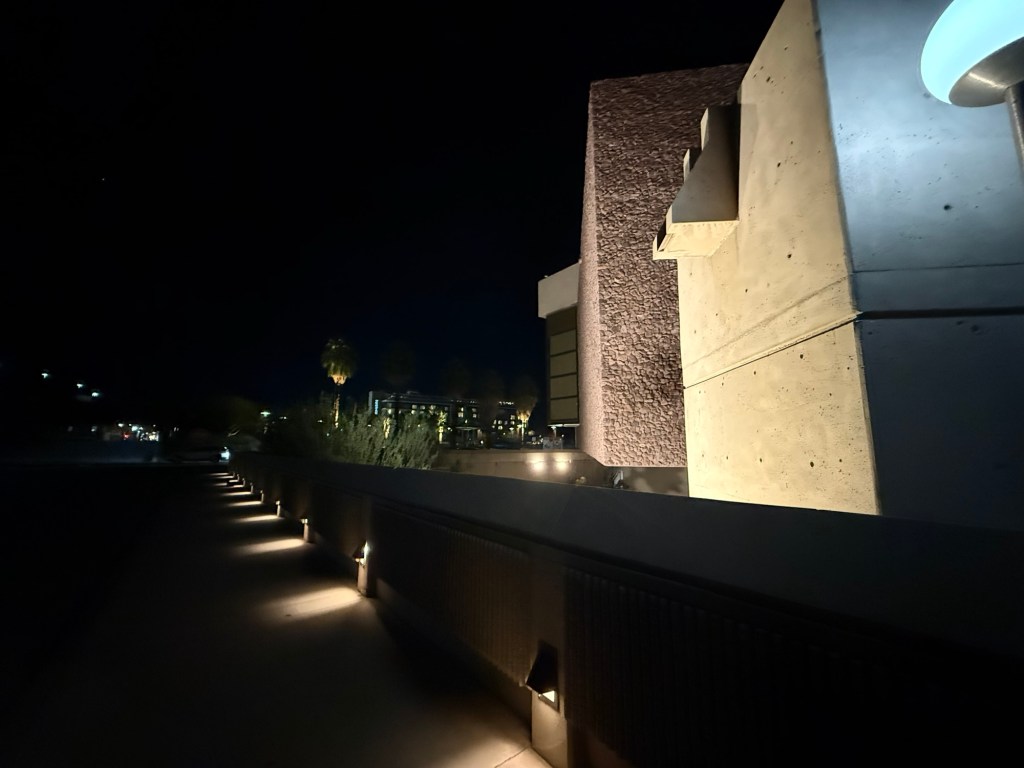
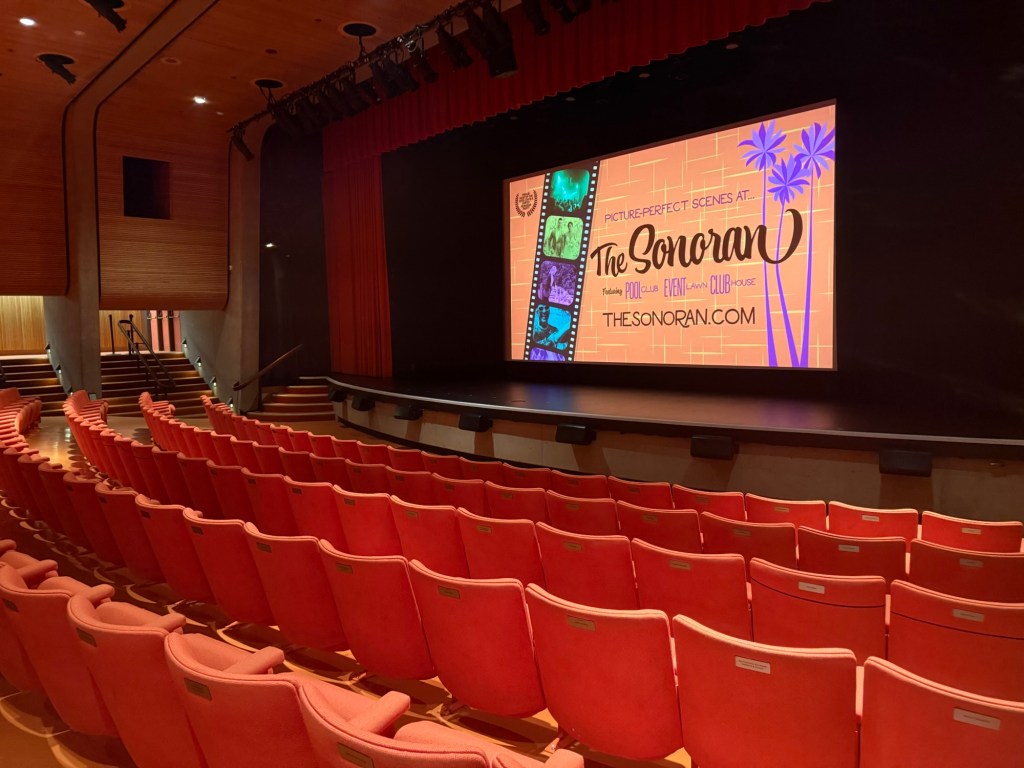
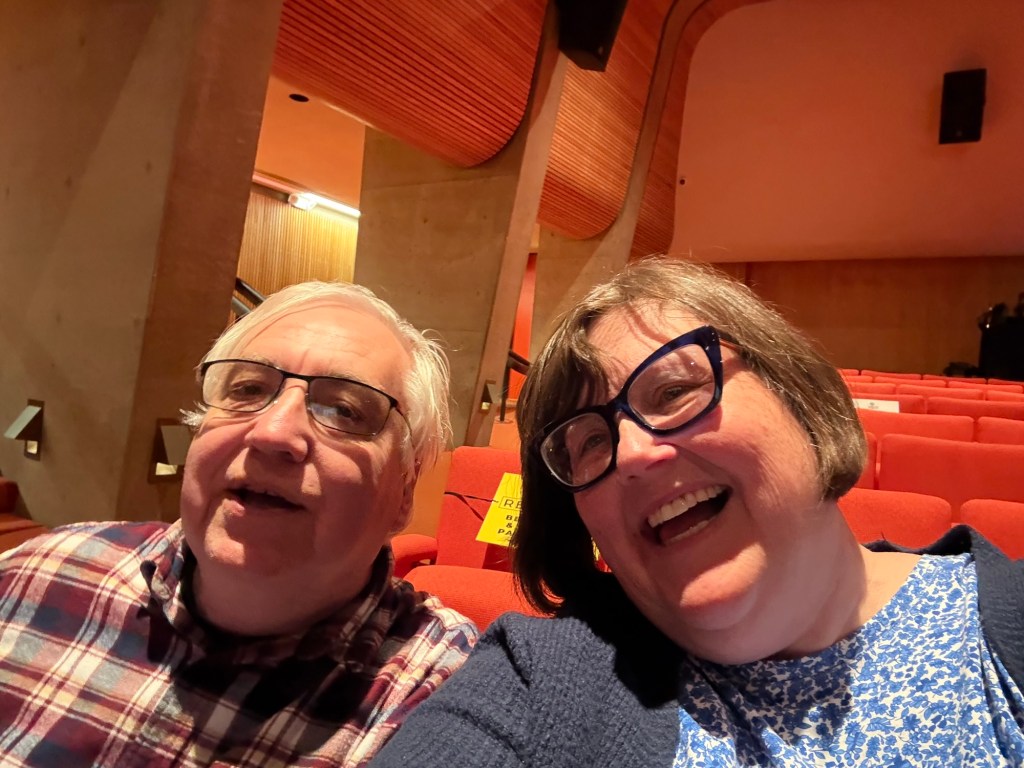
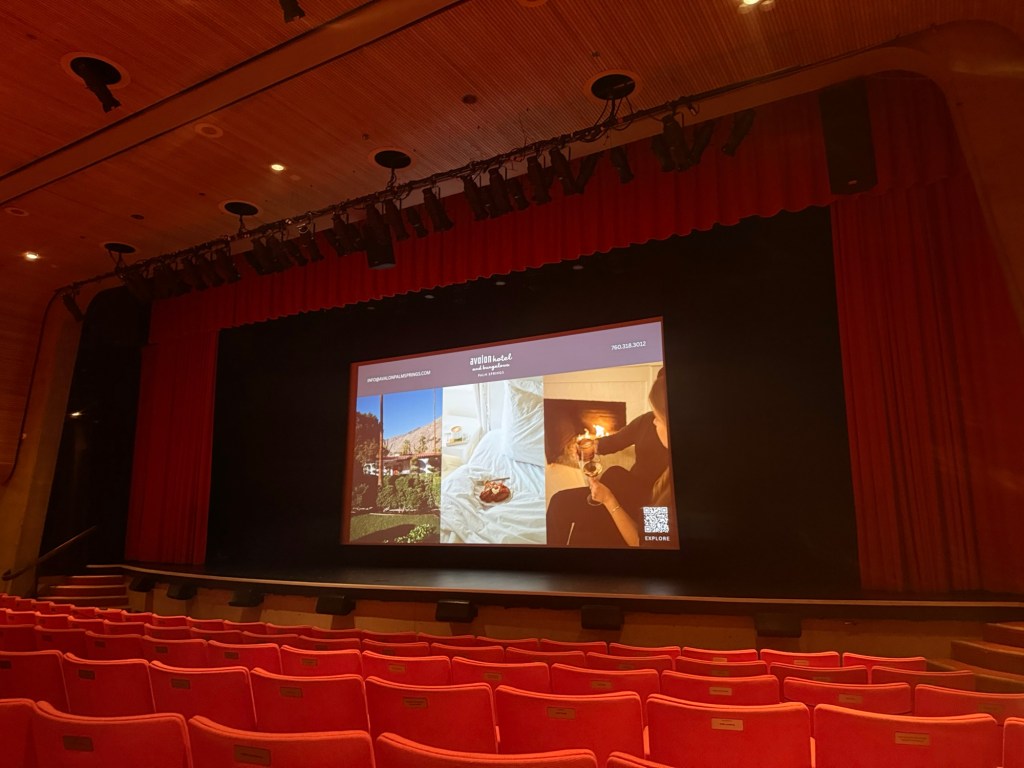
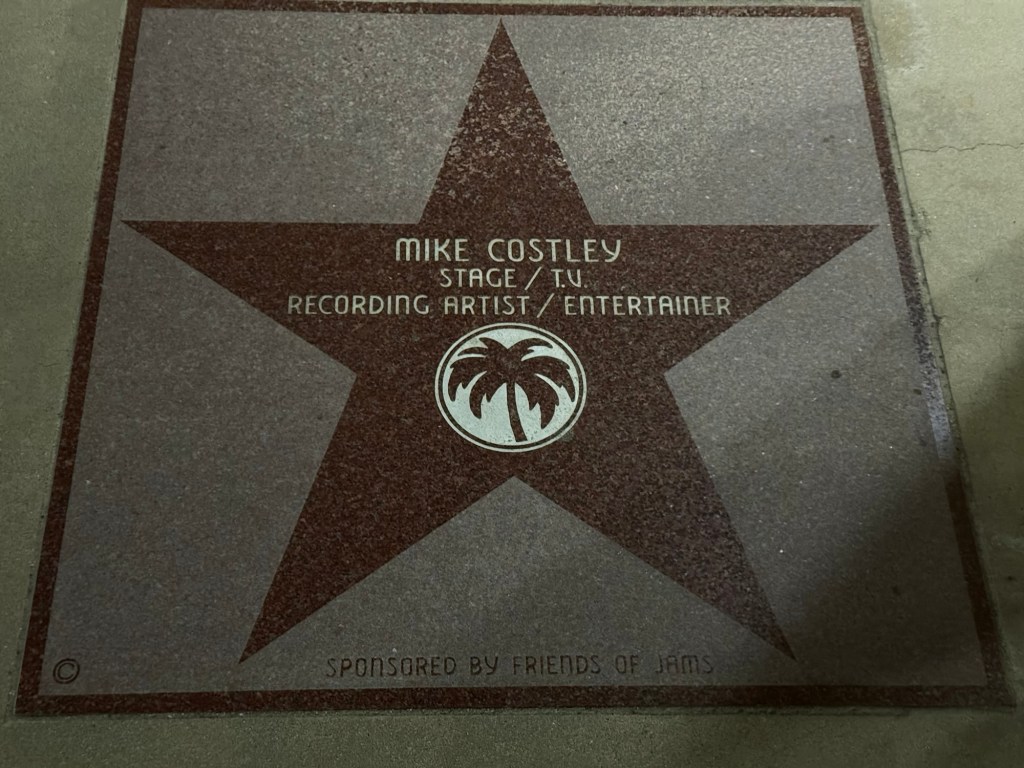
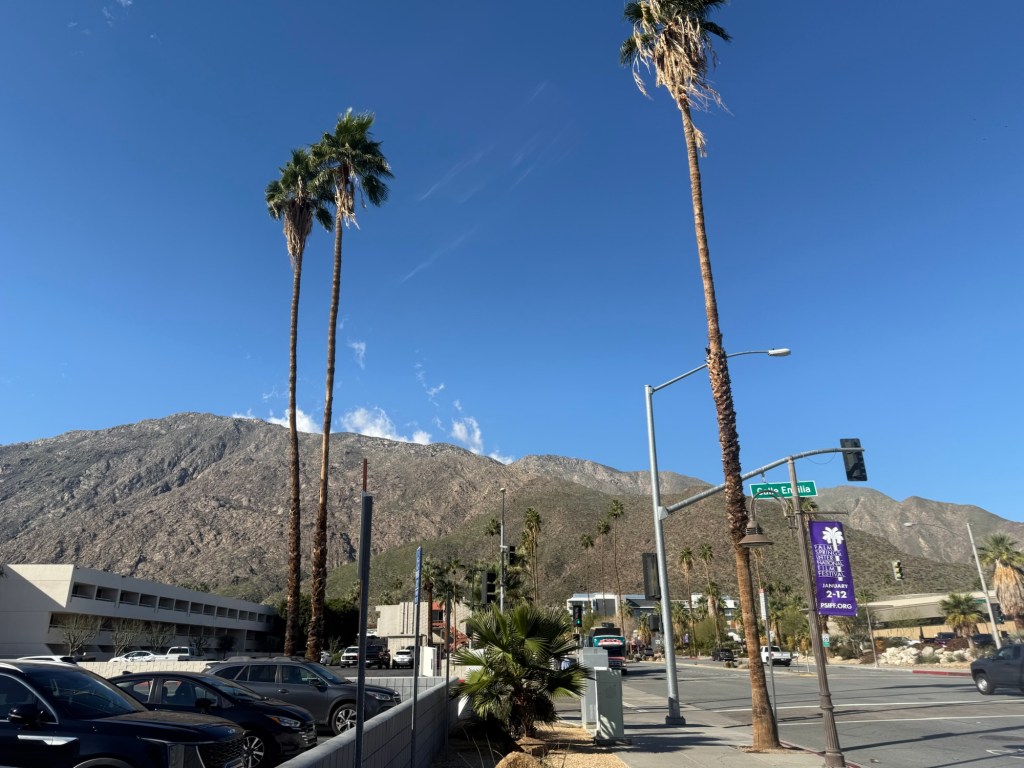
Recently, we enjoyed spending a day at the 37th Annual Palm Springs International Film Festival. It has been a few years since my husband and I visited the festival and we were not disappointed. First, we brought my 90-year-old mother with us and the staff at multiple venues went out of its way to secure her comfort and safety. Second, I really loved the wide variety of films screened at this year’s festival.
My husband selected three very different types of films and I give him an A+ for his selections. All three films held my attention. We saw Young Mothers, Frontier and Hello Betty.
Young Mothers takes place in Liege Belgium and shows the obstacles, including drug addiction, neglect and breaking the cycle of poverty, a varied group of young mothers faces at a maternity shelter.
My favorite of the three was Frontier which is a period-piece that takes place in Spain near the French border in 1943. The locals risk their lives to help French Jews escape the Nazis.
The first two films were really intense so I enjoyed the slightly less intense tone of Hello Betty. Plus, it was enjoyable to hear the Swiss film director speak about the film and what inspired him. The film was a bit of a shock to me. I did not realize that Swiss women were unable to vote until 1971. In addition, women needed written permission from their husbands in order to work. The movie takes place in the 1950s and tells the true story behind the female copywriter who created the Swiss version of Betty Crocker – Betty Bossi.
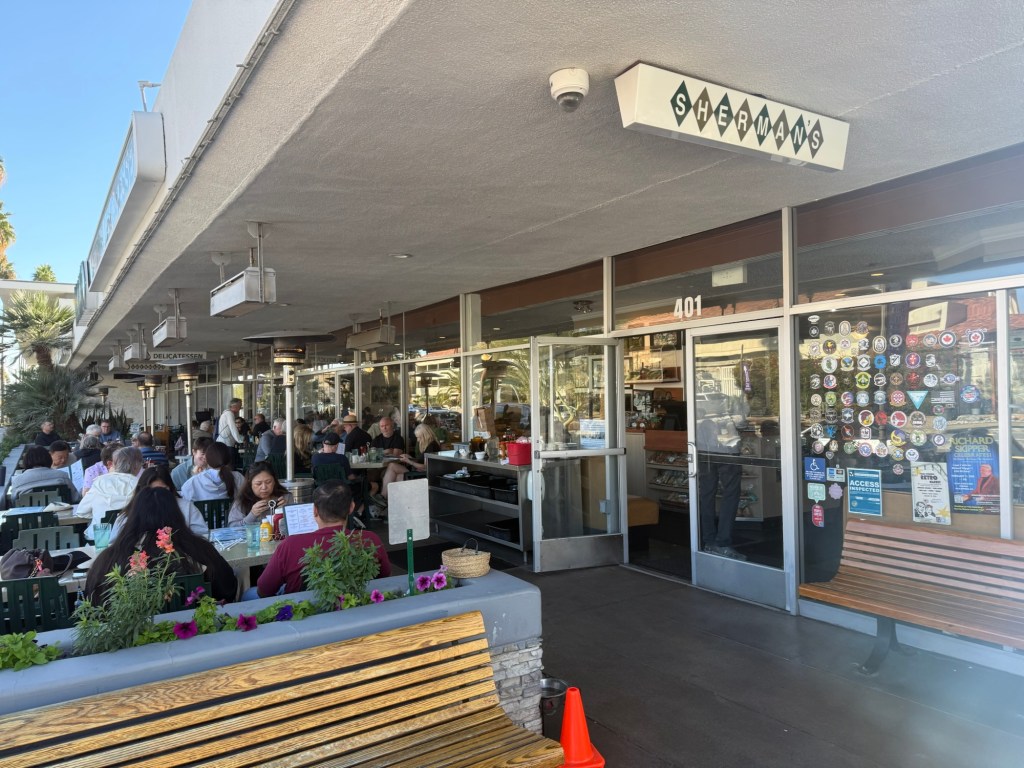
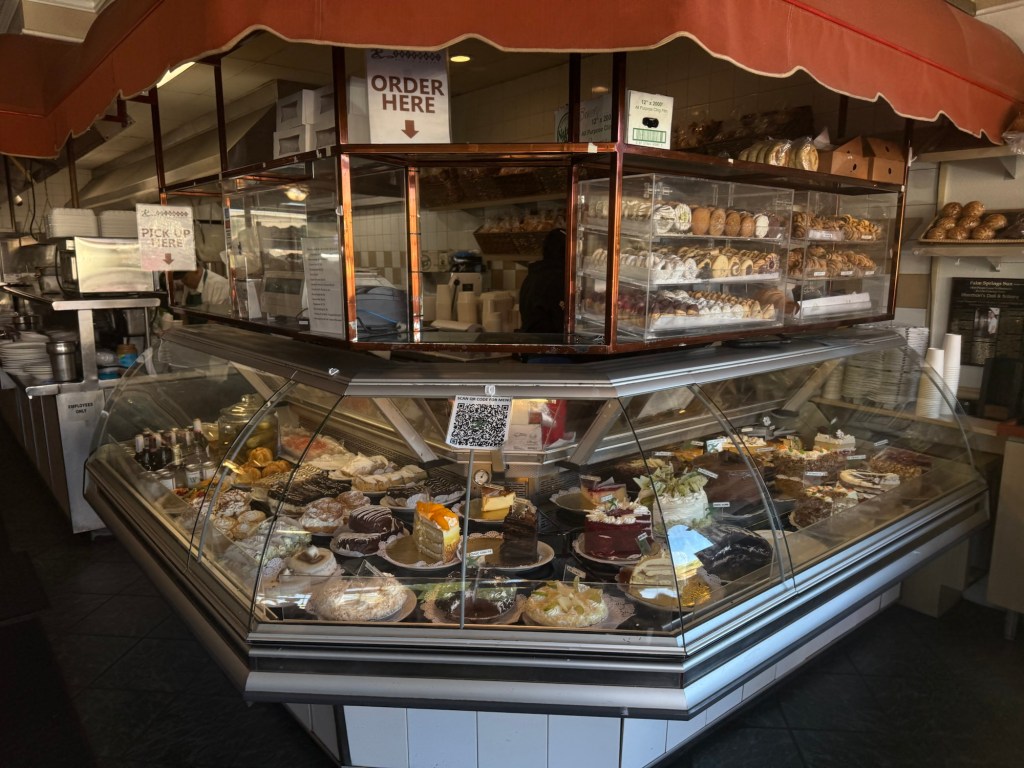
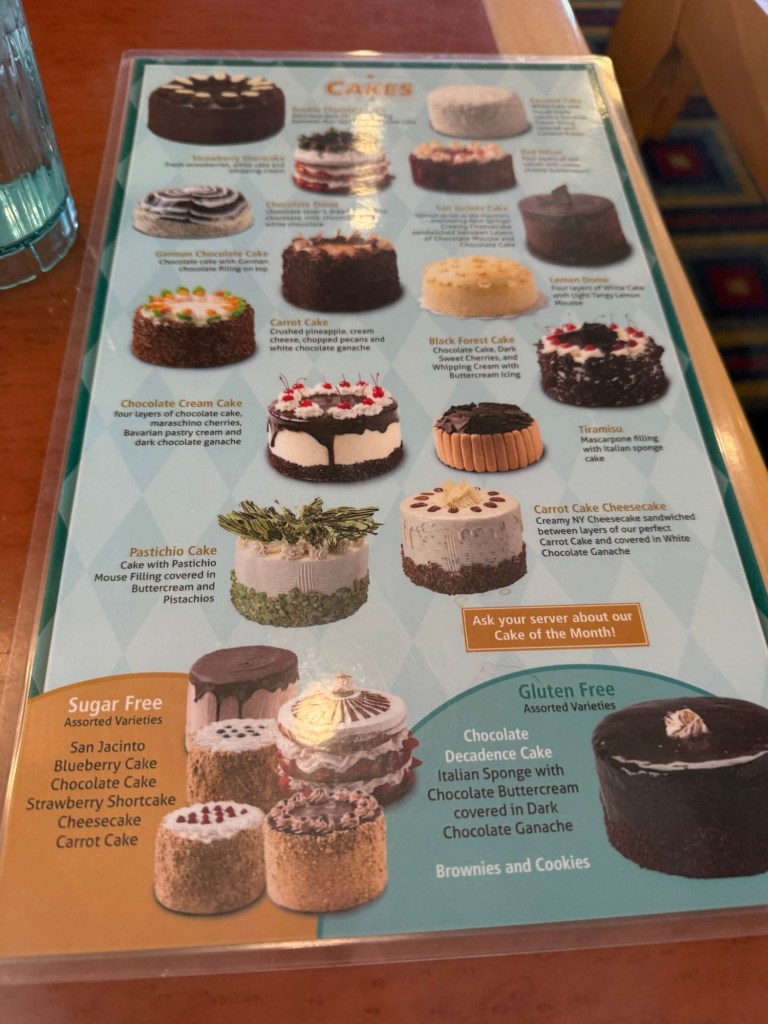
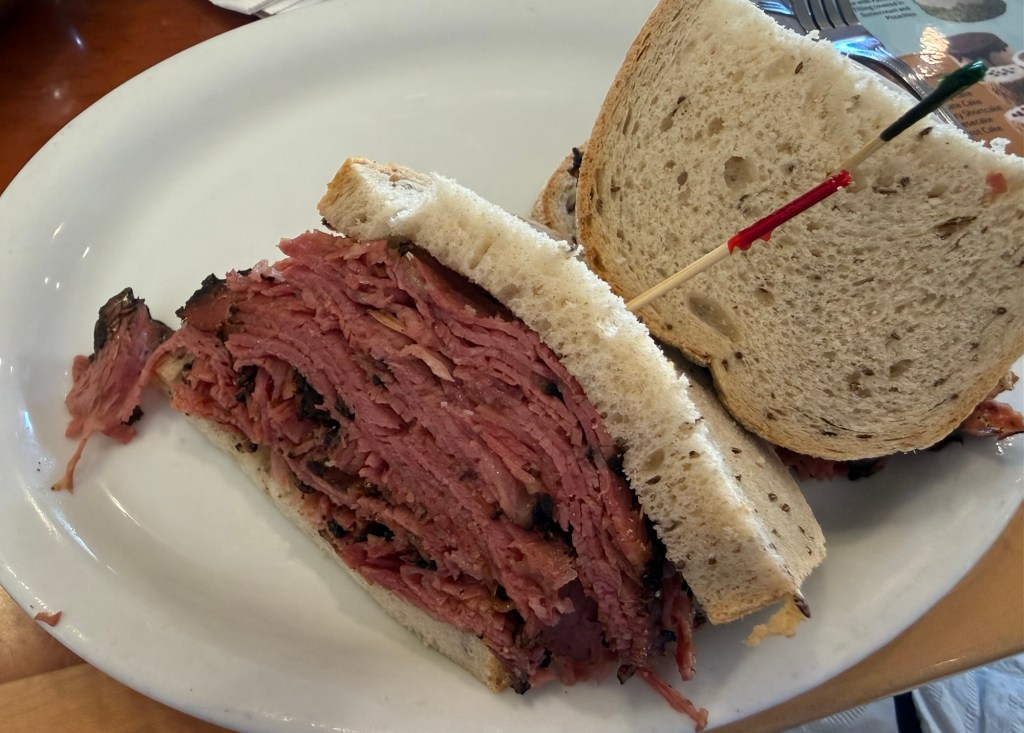
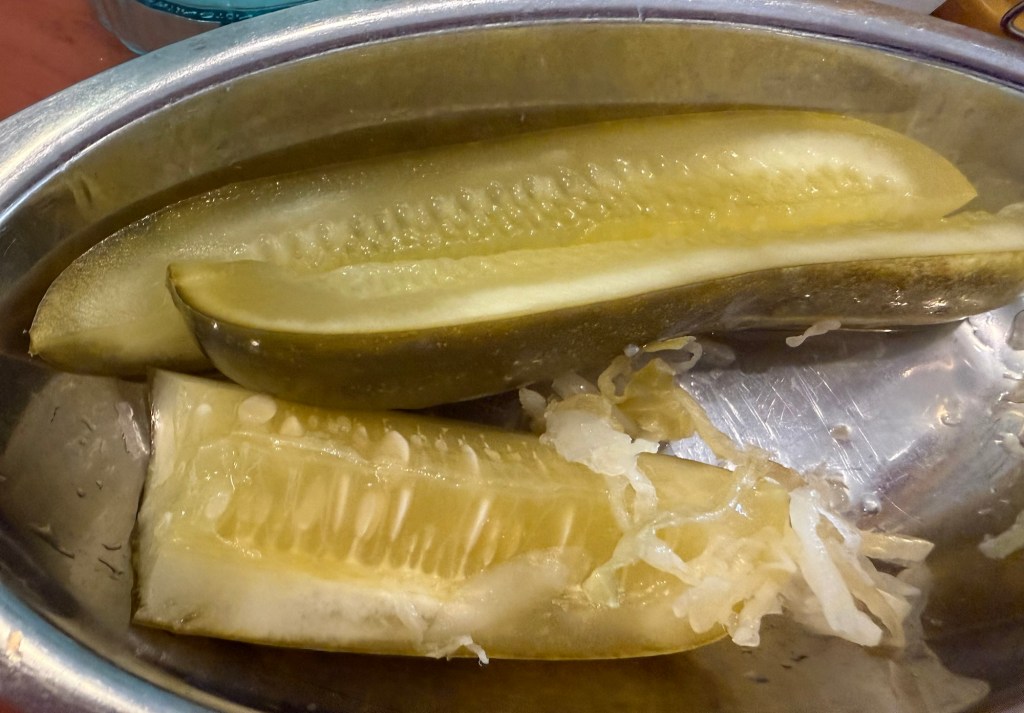
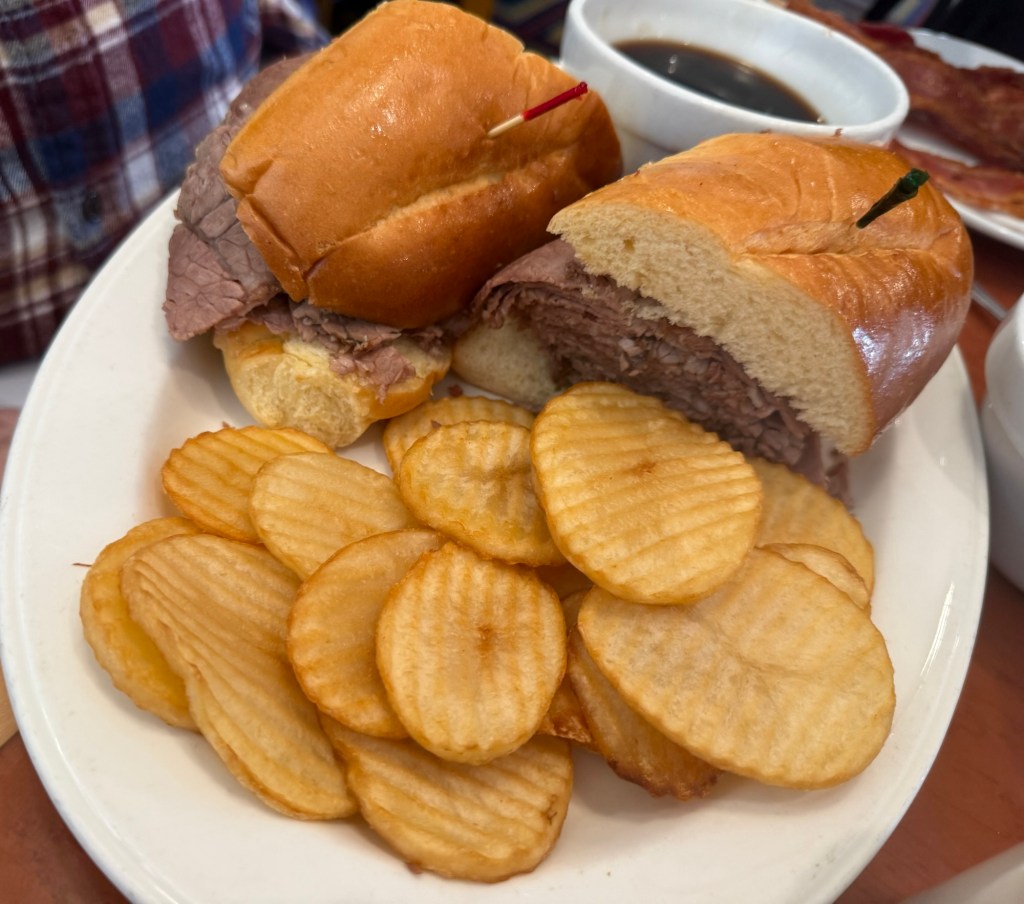
For a lunch break, we went to my favorite – Shermans. Shermans is an amazing Jewish deli and never disappoints me. I love this place for everything from bagels with lox to hot pastrami sandwiches. The rye bread and pickles are always a highlight. Shermans has been around since 1953 and has been featured on Diners, Drive-Ins and Dives.
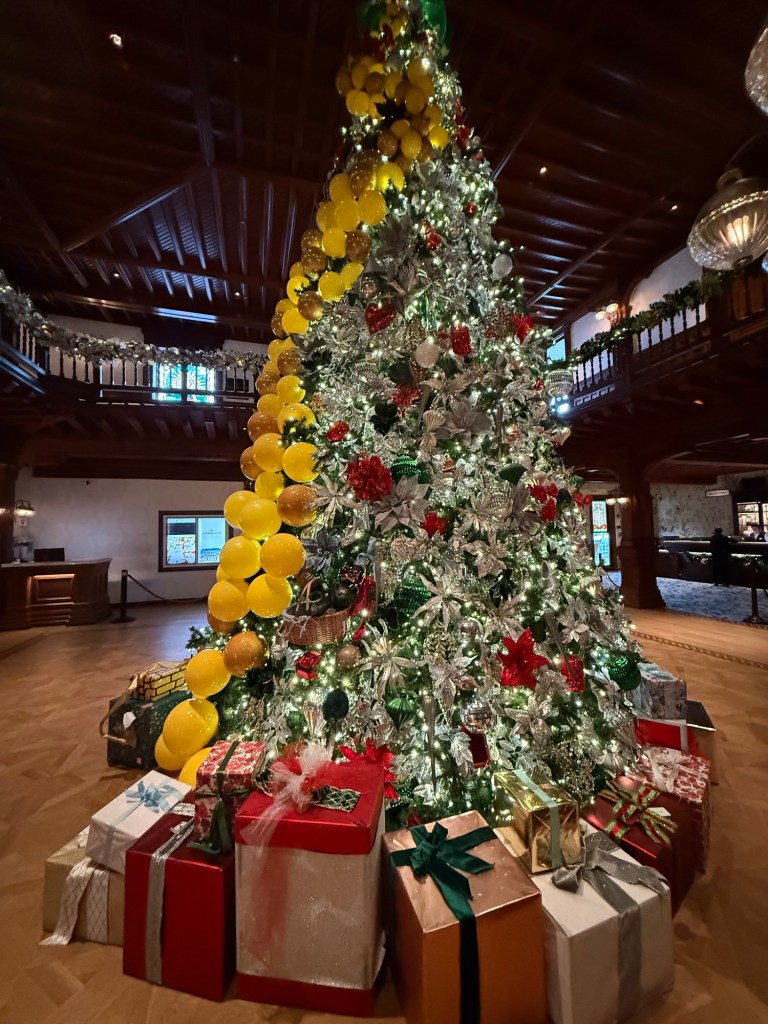
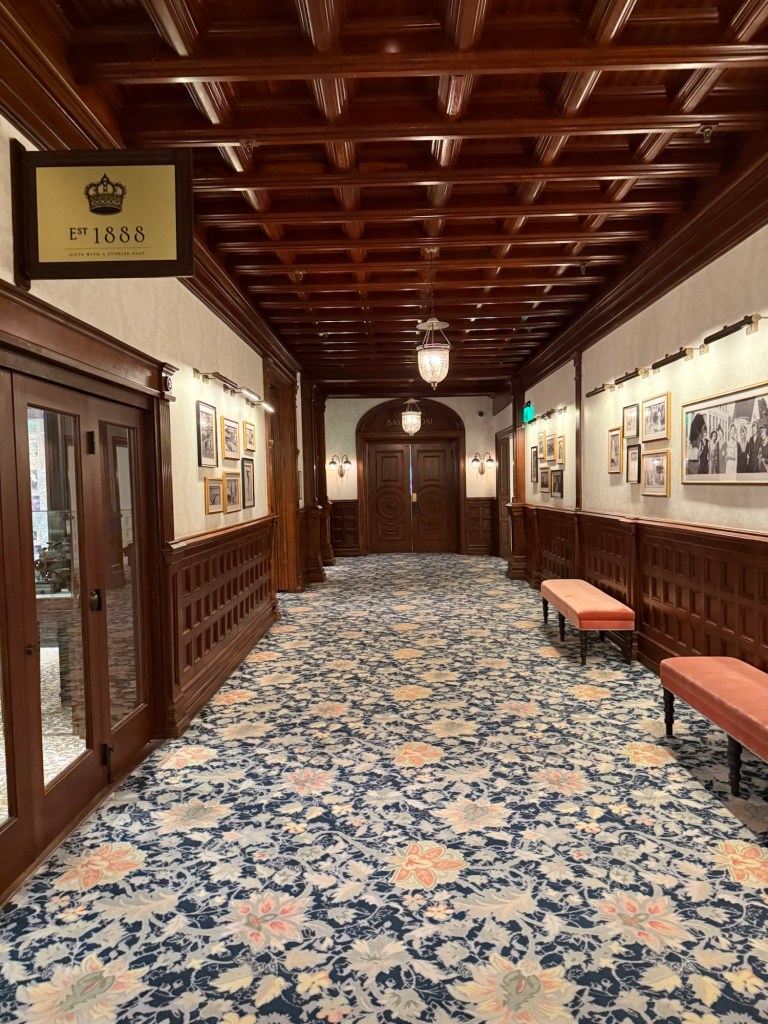
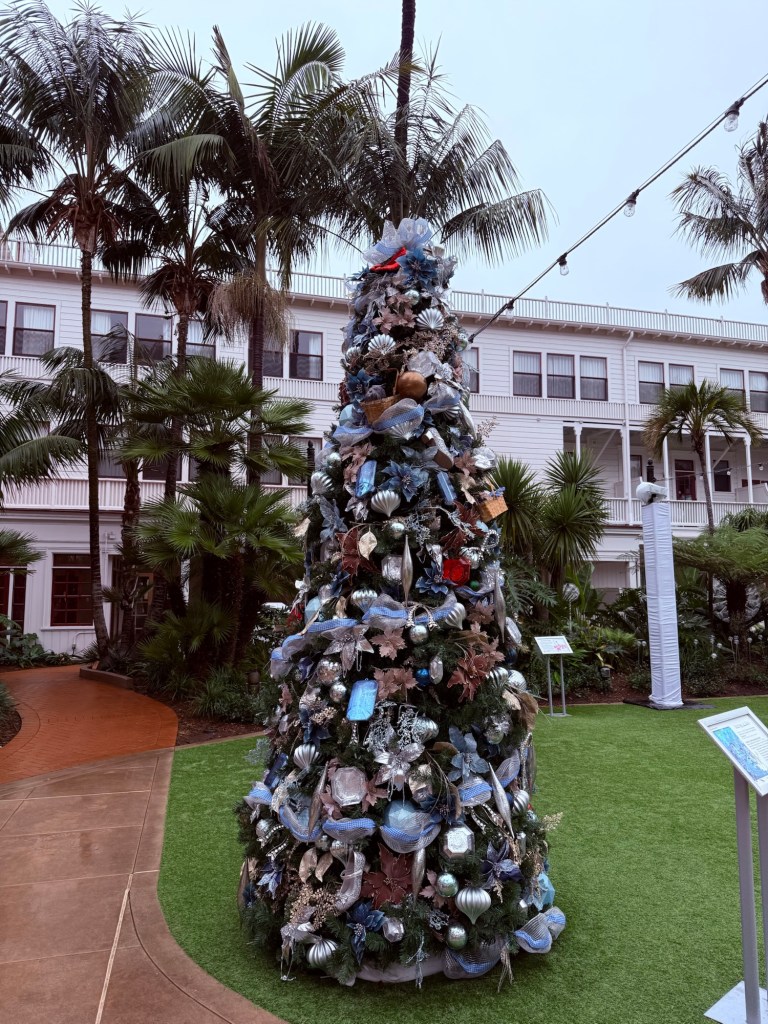
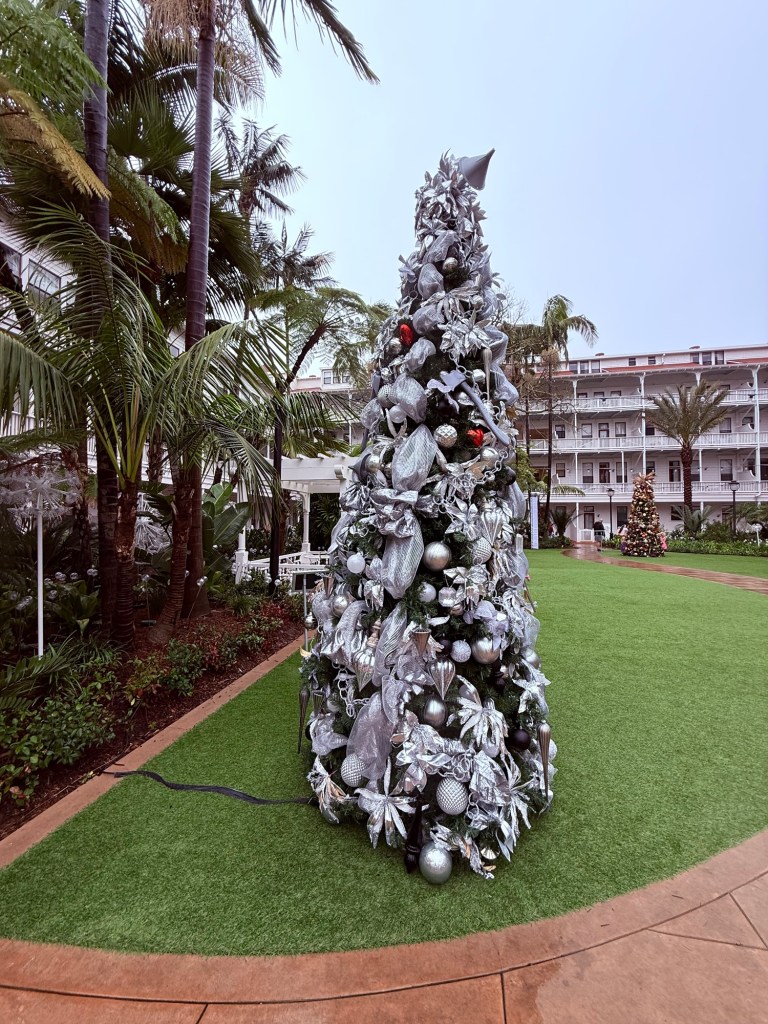
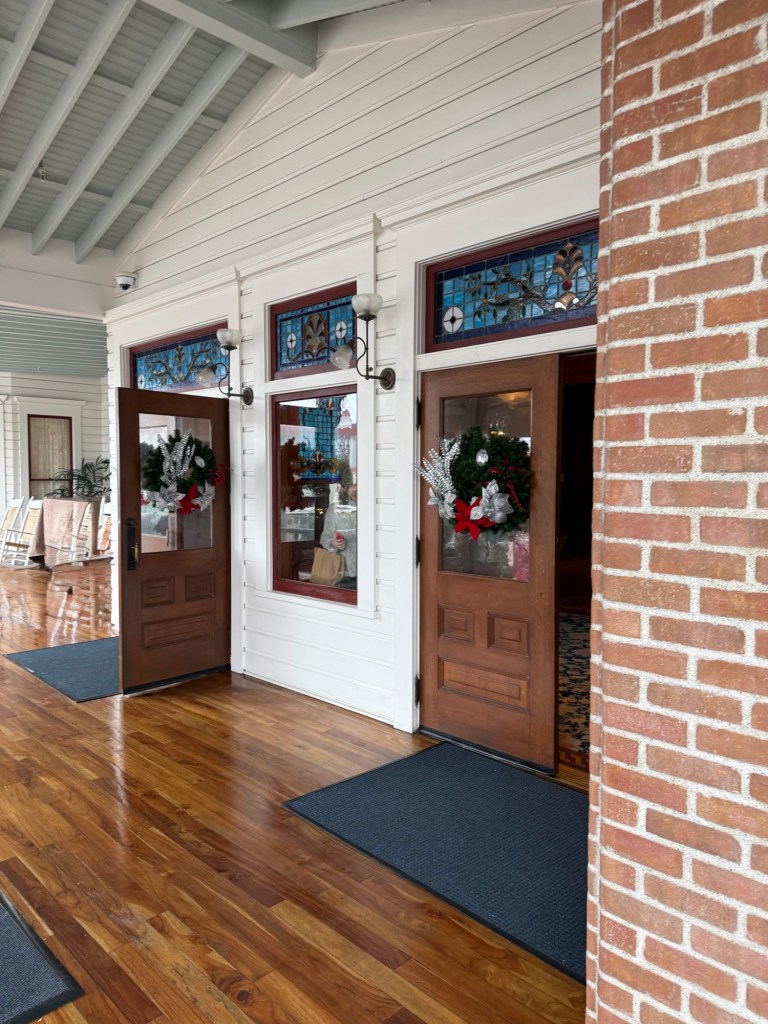
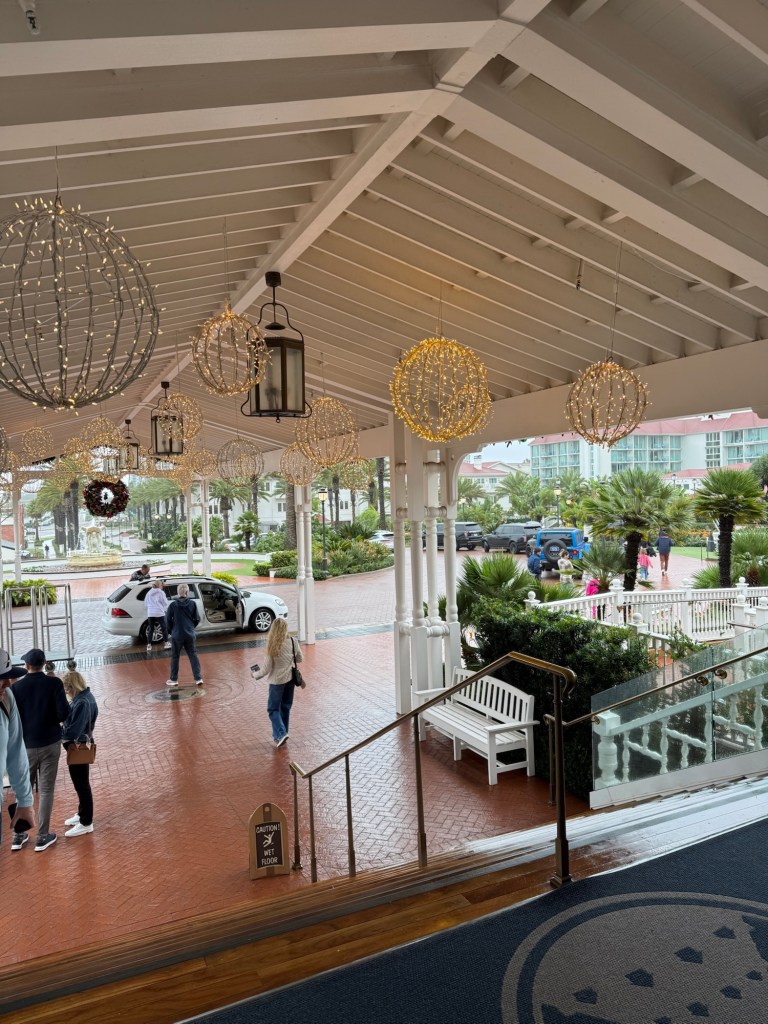
Every year, the Hotel Del Coronado puts up an impressive Christmas tree in the hotel’s main lobby. This year’s theme is the Wizard of Oz. In addition, to the tree in the lobby, the hotel set up multiple trees in the courtyard. Each of the smaller tree represents a character from the Wizard of Oz.
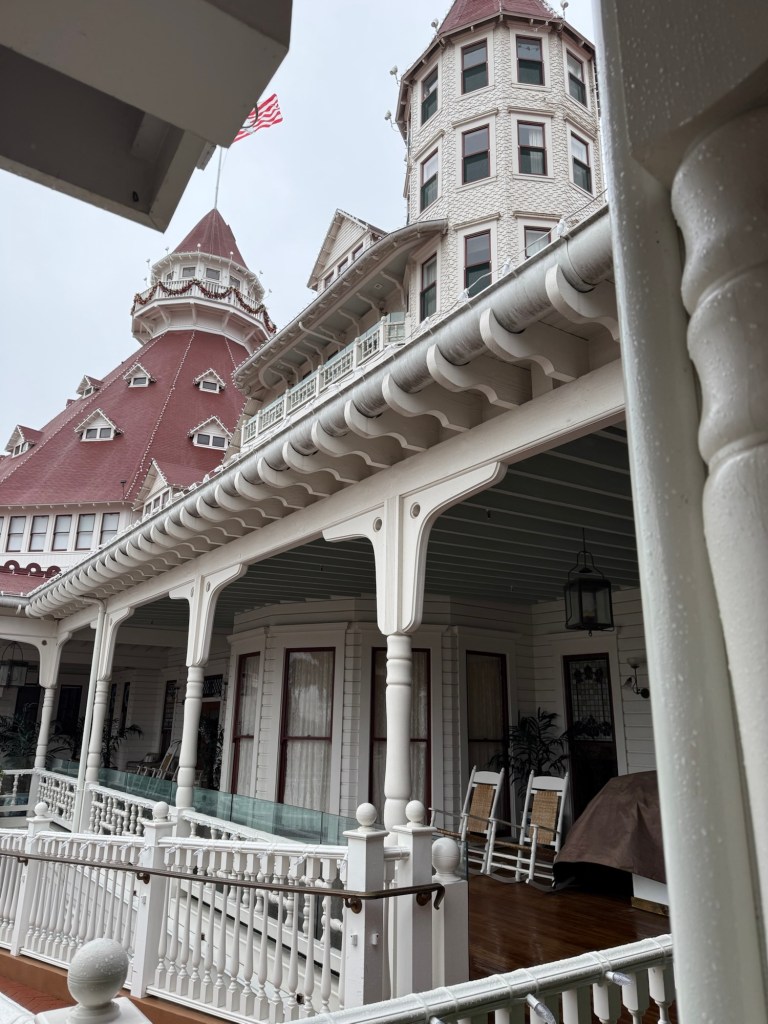
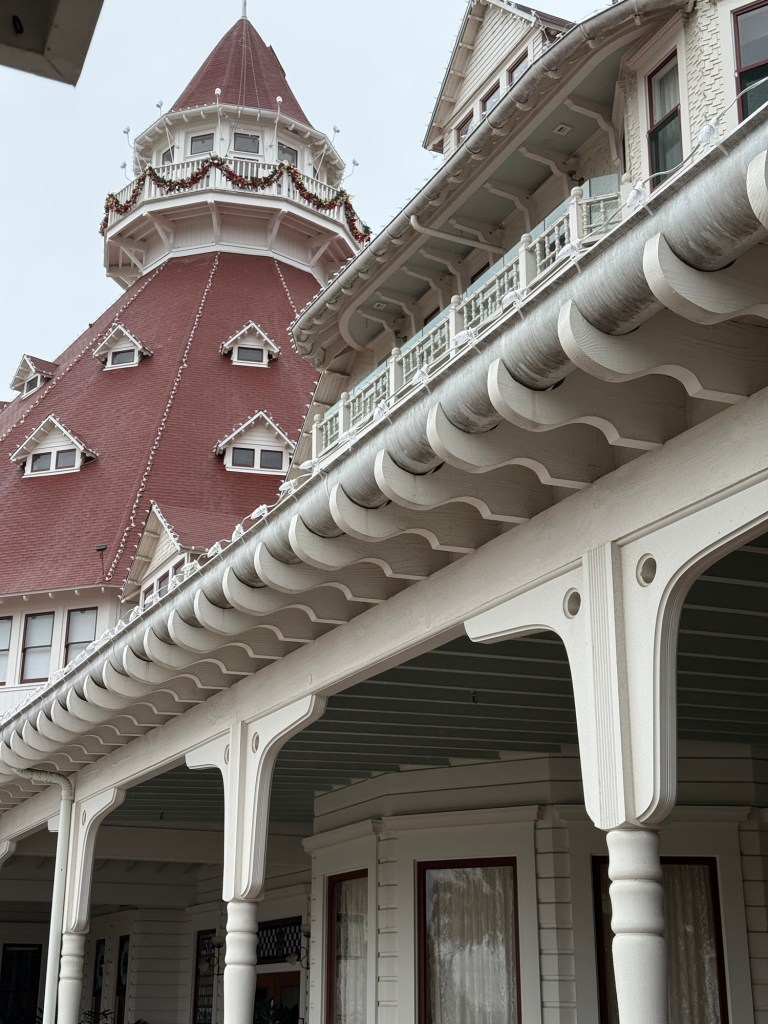
I have always loved visiting the Hotel Del Coronado. First, the hotel is an elegant Victorian hotel built in 1888. The hotel is painted white with a red roof and is known for its iconic large circular ballroom. Second, the surrounding town is beautiful. Coronado is a charming and elegant beach town with a small-town feel. The beach is the most beautiful beach in all of San Diego. Third, one of my favorite movies, Some Like It Hot, with Marilyn Monroe, Tony Curtis and Jack Lemon was filmed at the hotel in 1958. Billy Wilder directed the film and the Del Coronado filled in for a Floridian resort.
Finally, as a history buff, I love that the Prince of Wales, subsequently known as King Edward for a brief period of time, visited San Diego in 1920 and stayed at the Hotel Del Coronado. The hotel hosted an elaborate gala for the occasion. The Del Coronado still has the menu and some of the special China used for the dinner on display.
Normally, the hotel is extremely busy during the holiday season. However, due to heavy rain on New Year’s Day, the town of Coronado and the hotel were quiet. We were able to enjoy the Christmas decorations without anyone else around.
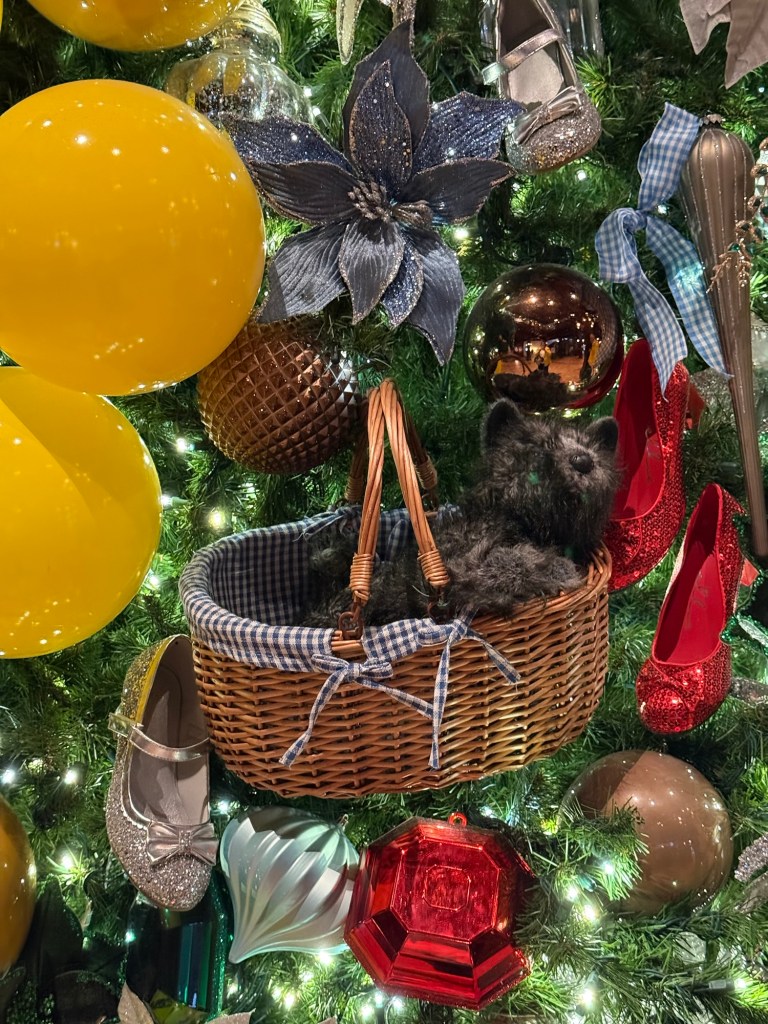
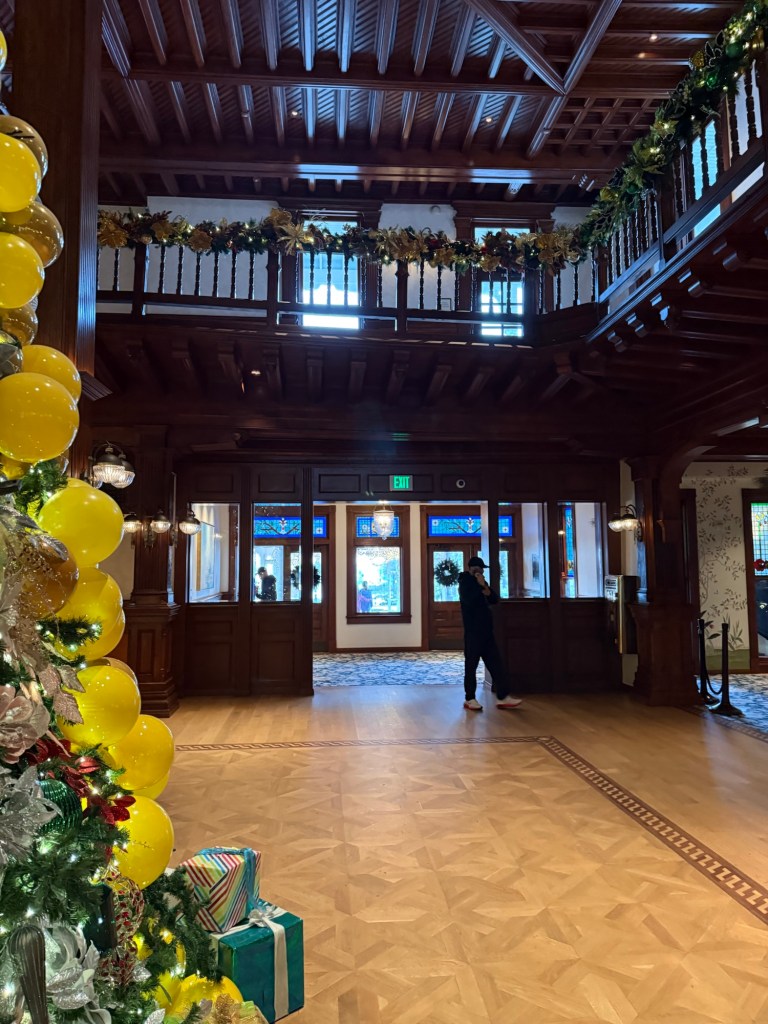
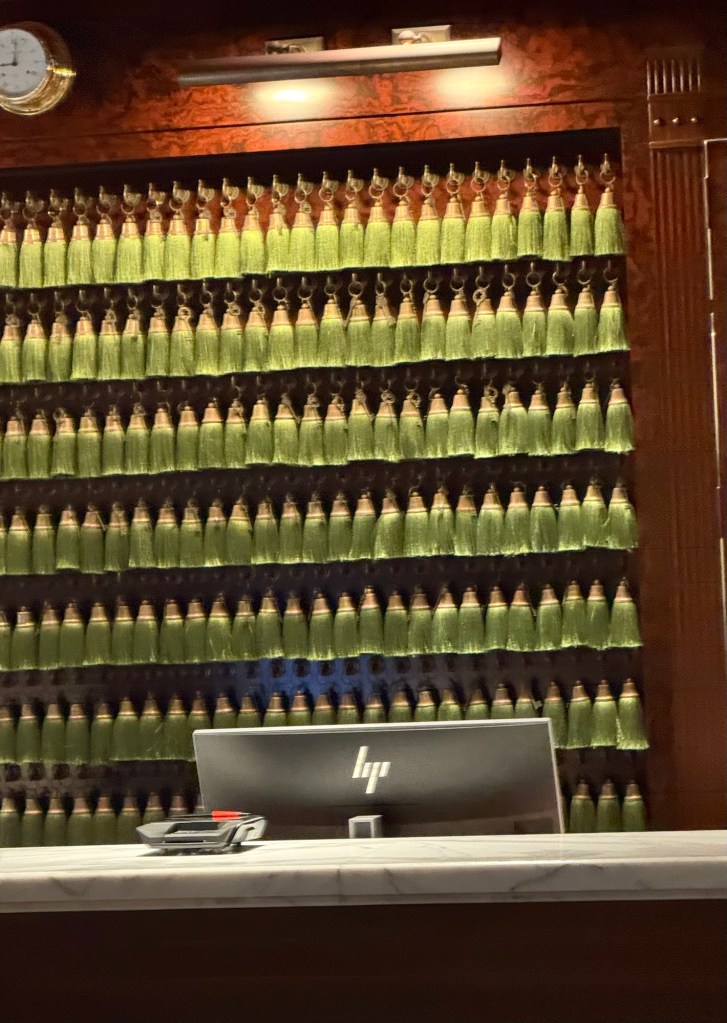
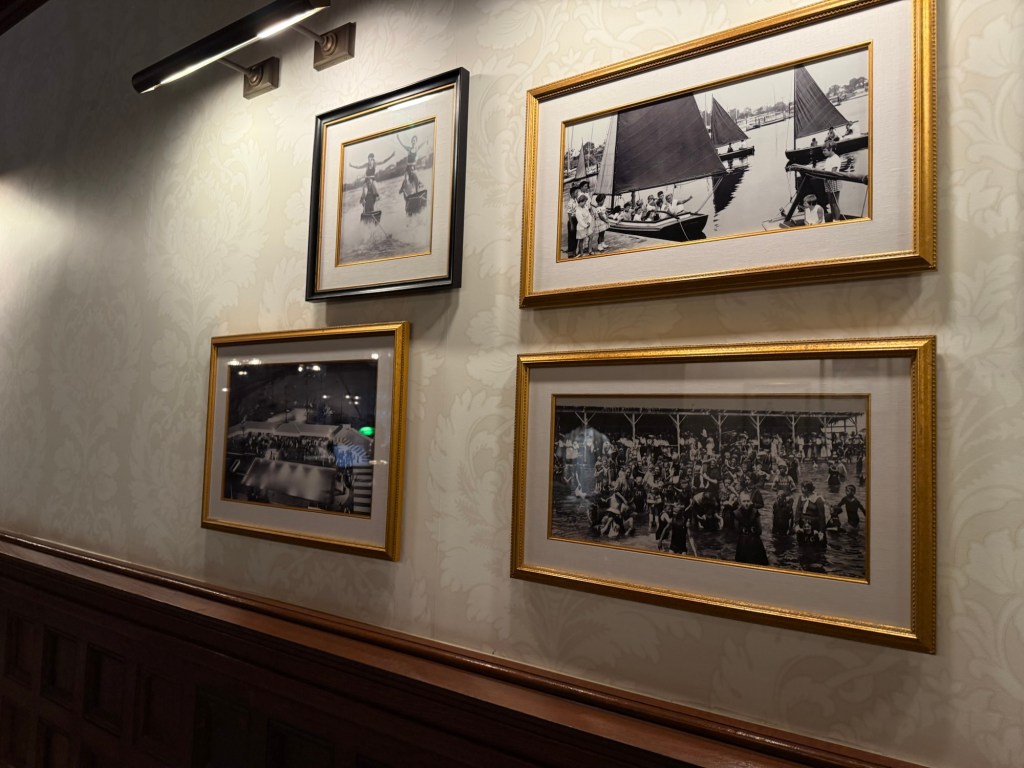
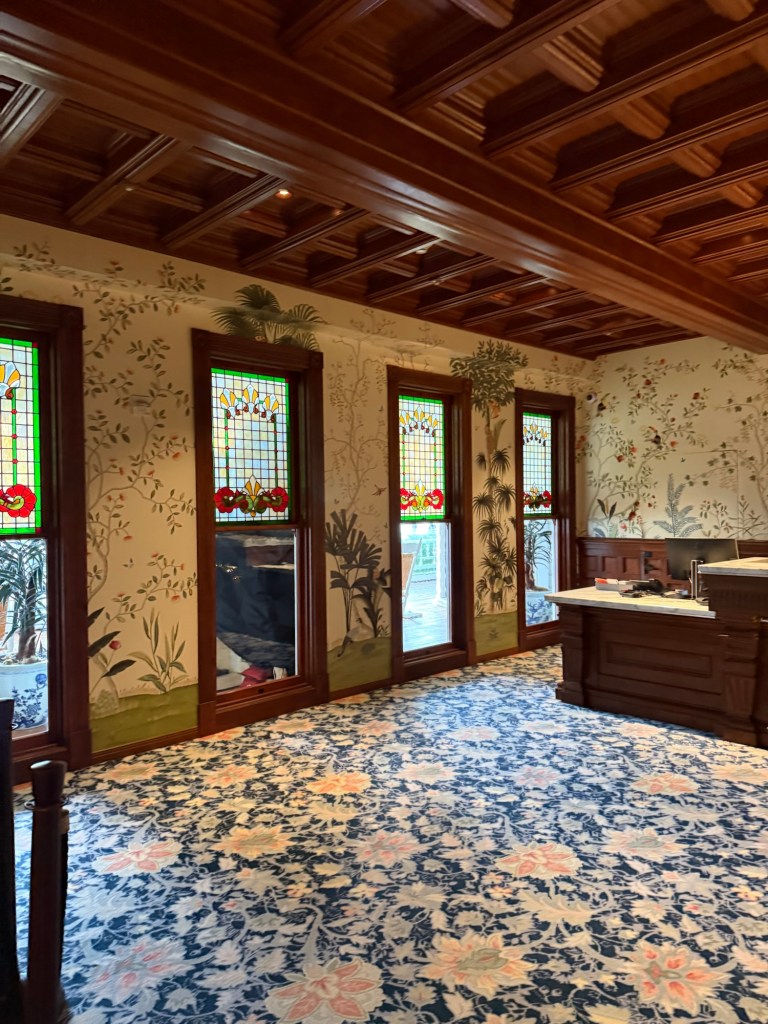
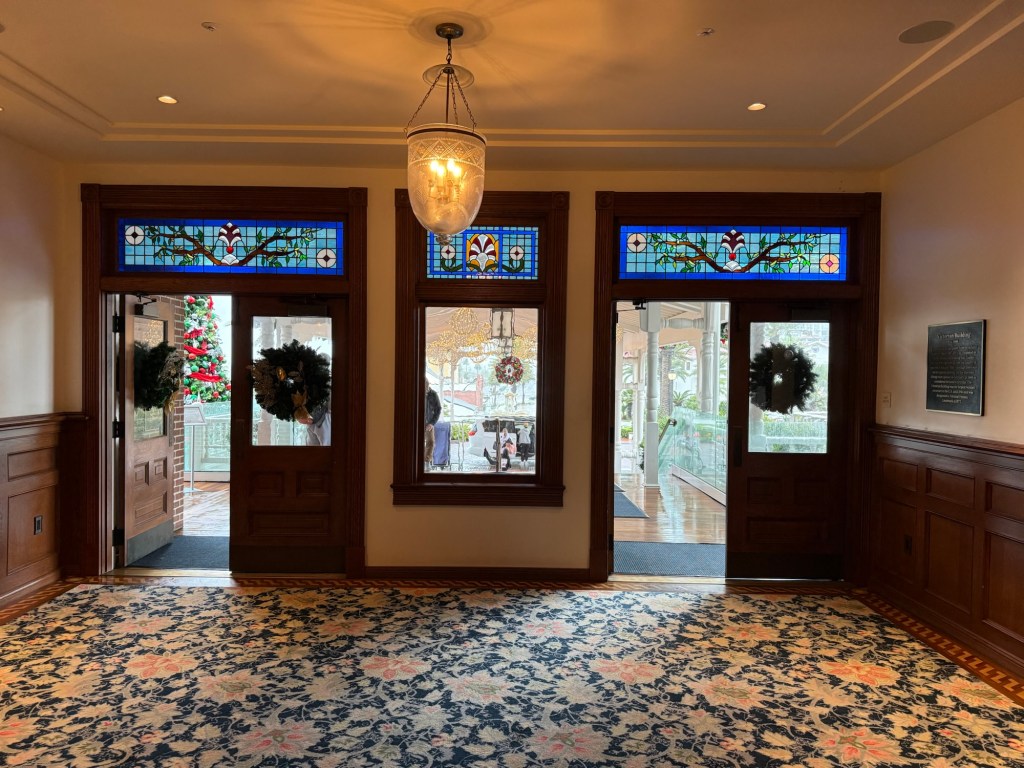
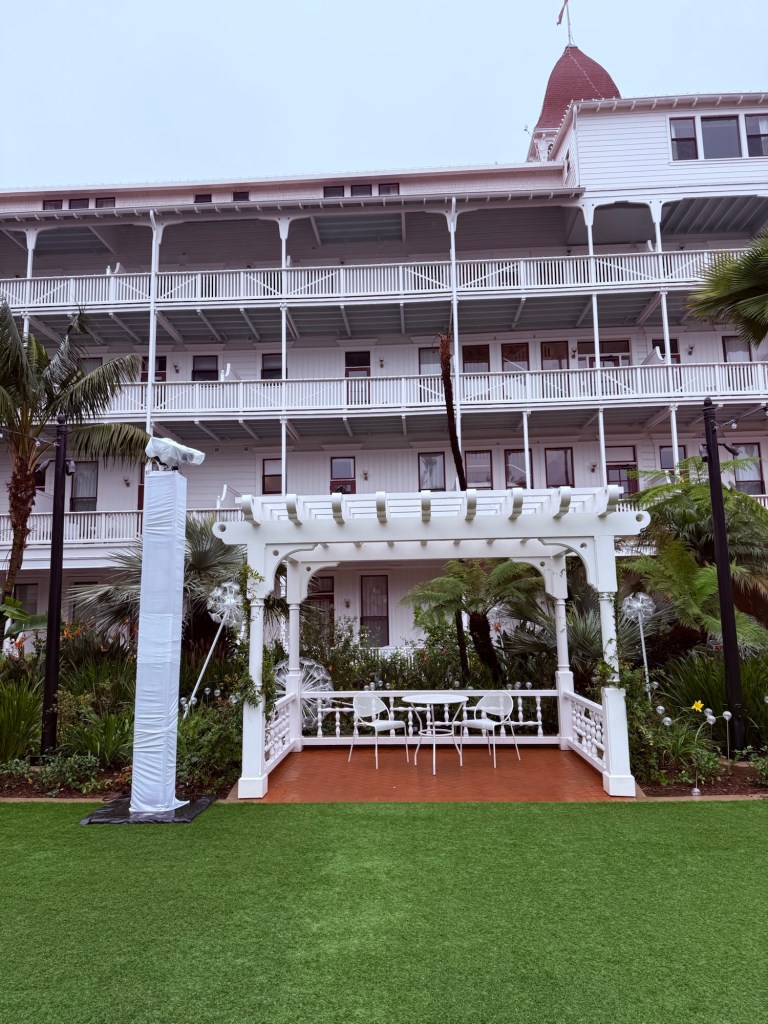
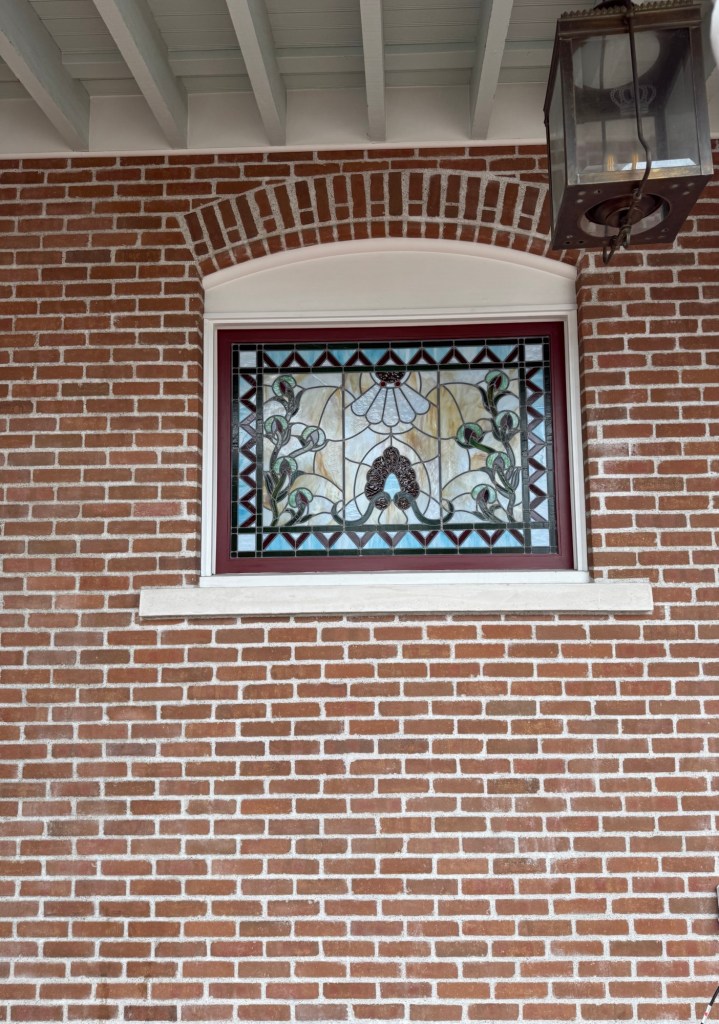
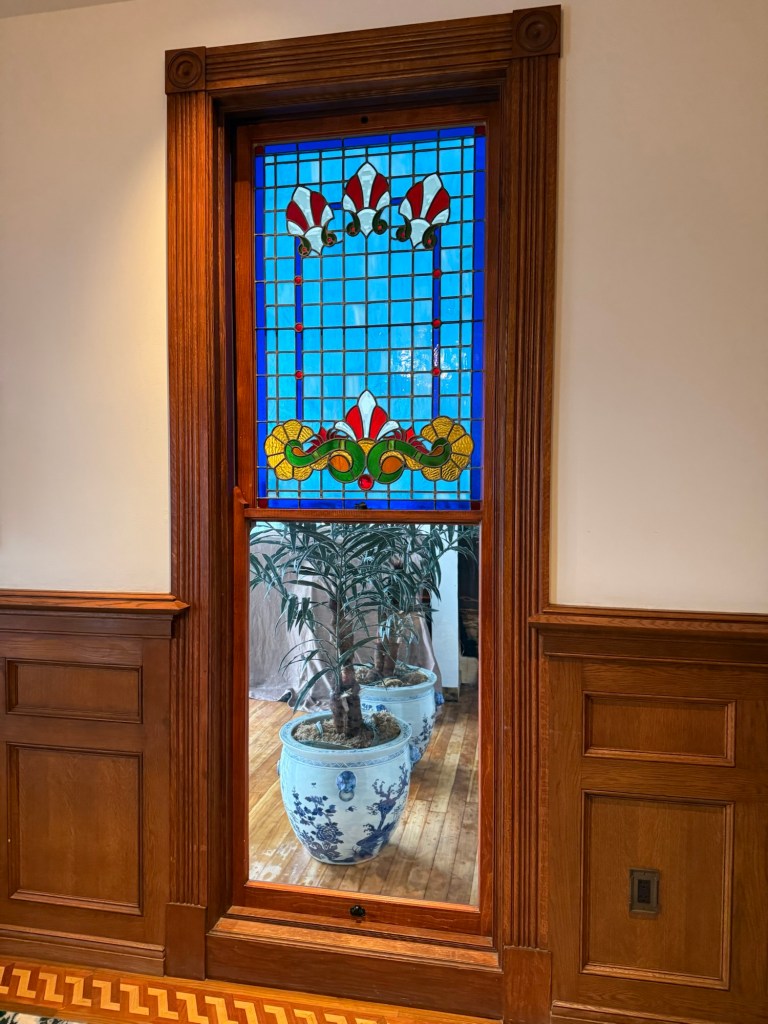
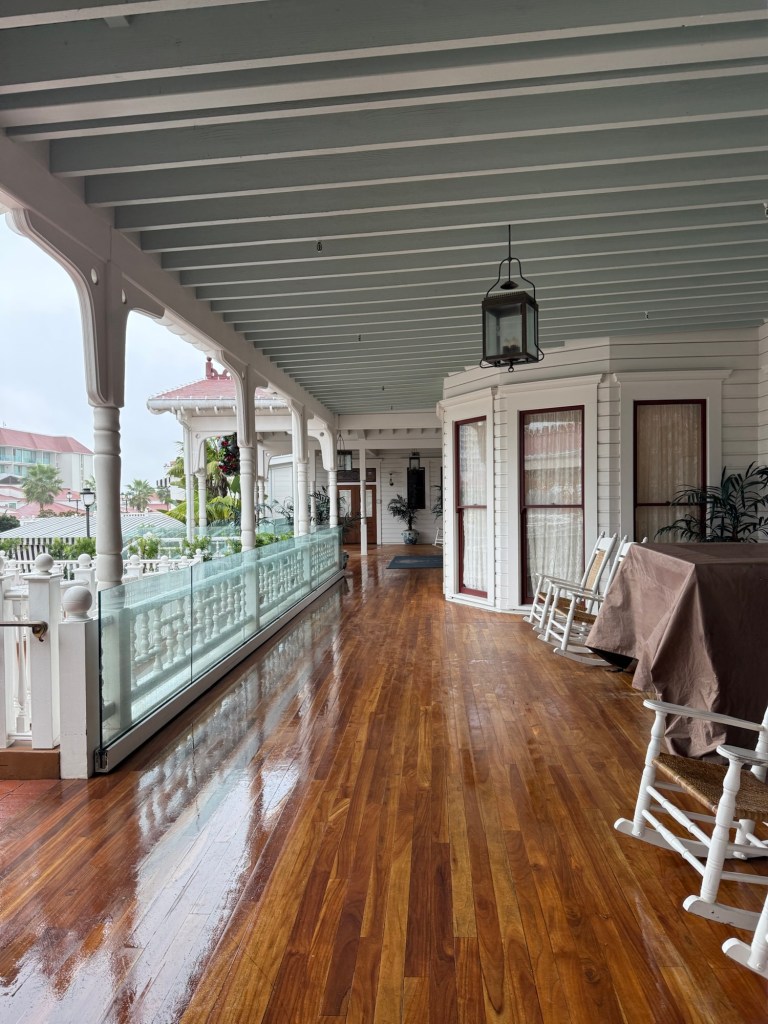
Main Lobby Christmas Tree with Wizard of Oz Theme Close-Up of Lobby Tree with TotoMain Lobby Main Lobby Elevator at Lobby Interior View of Front DoorsReception Desk Close-Up of Original Room Keys at Reception Desk Main Hallway Off the Lobby with Historic Photos Historic Framed Photos at the Hotel Stained-Glass Windows Near the Reception Desk Interior View of the Front DeskThere’s No Place Like Home TreeDorthy’s TreeCowardly Lion TreeTin Man TreeScarecrow TreeInterior Courtyard Back Exterior of Hotel Front Exterior Photo of Stained-Glass Window Exterior View of Front DoorsFront Entrance & Valet Parking Famous Dome Roof Famous Done RoofExample of Lobby Stained Glass Windows Built in 1888 – the Hotel Became an Historic Landmark in 1977Front Porch Downstairs Cafe & Market
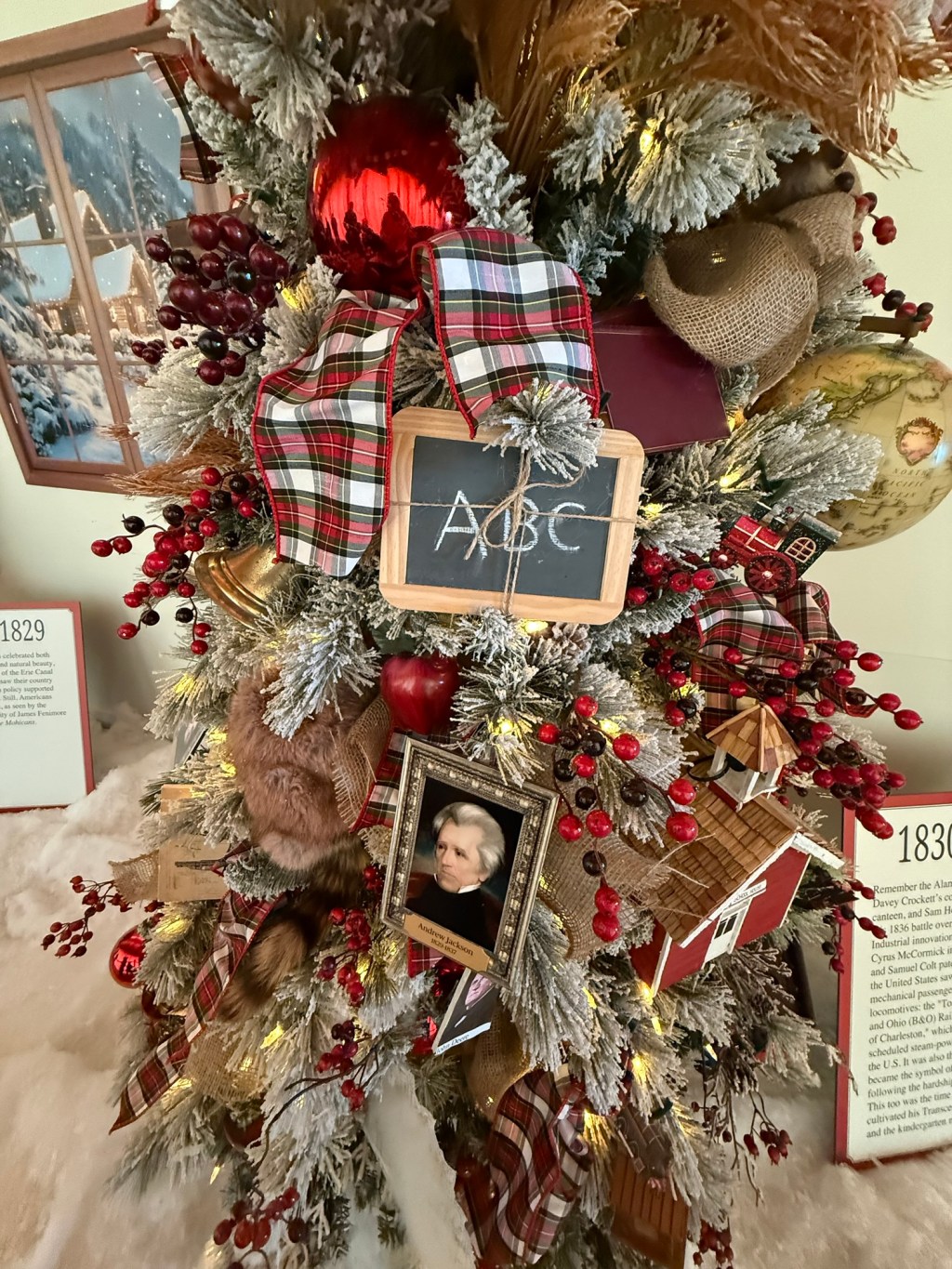
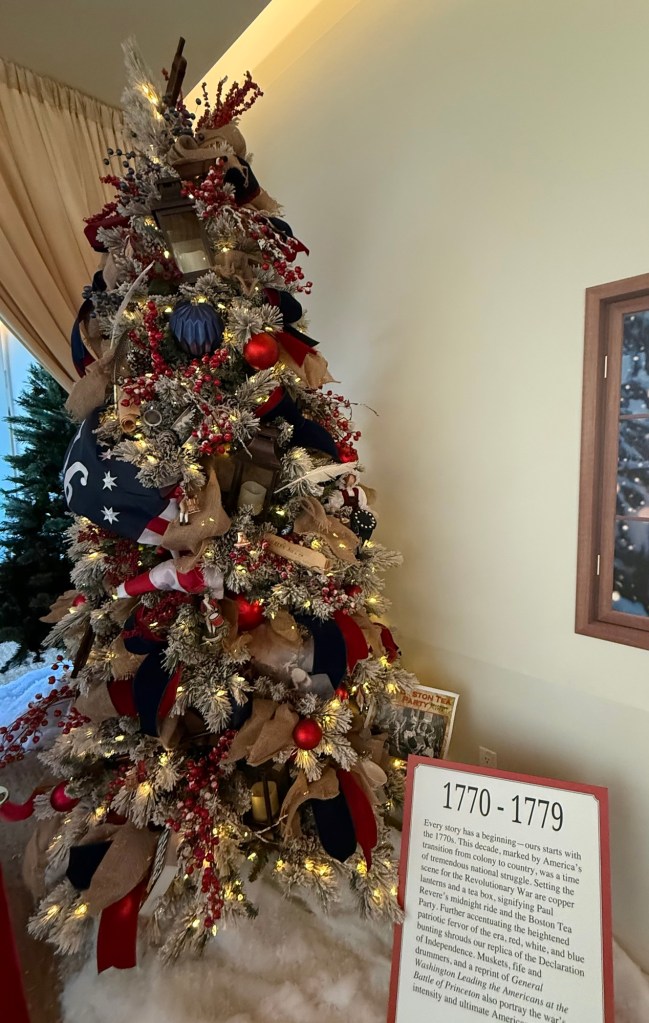
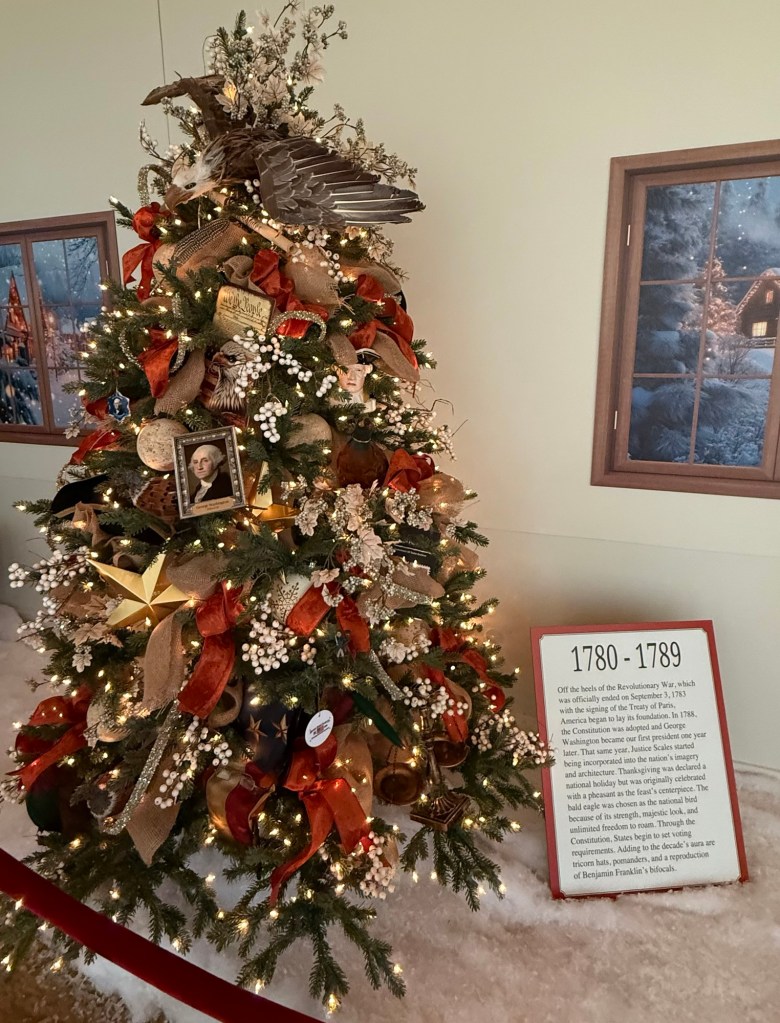
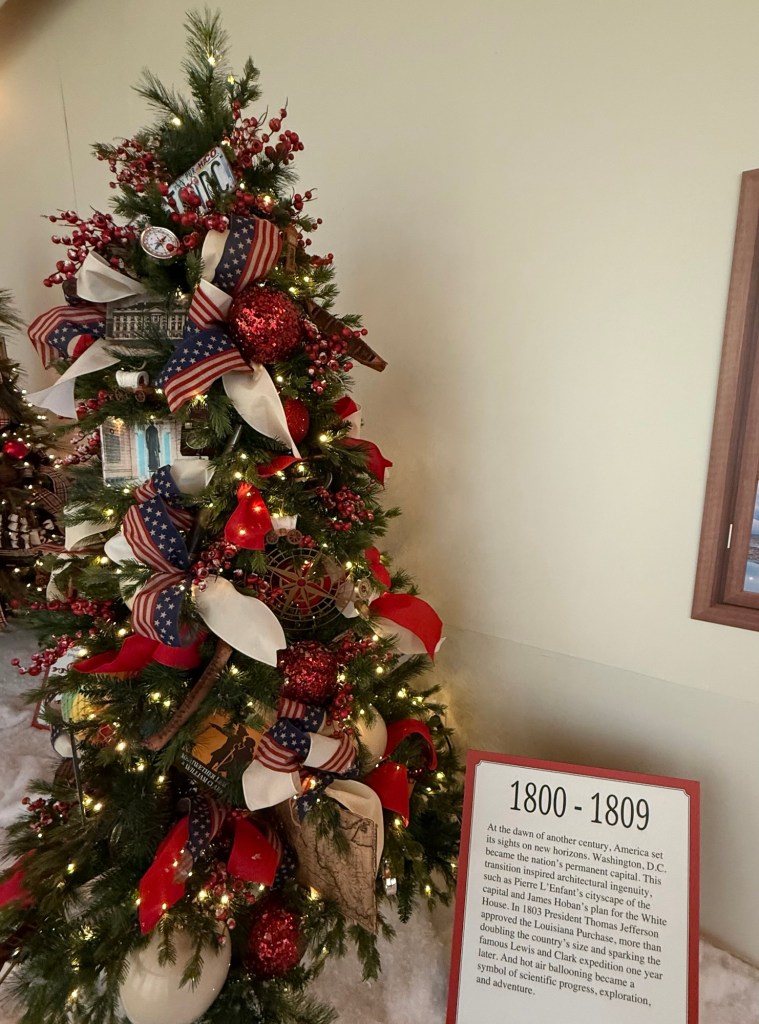
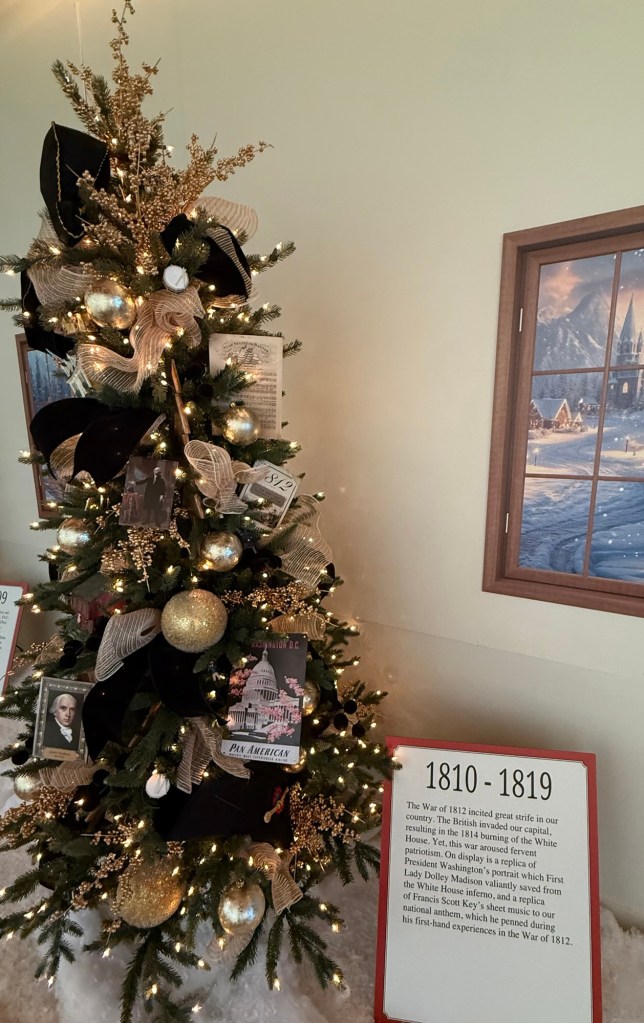
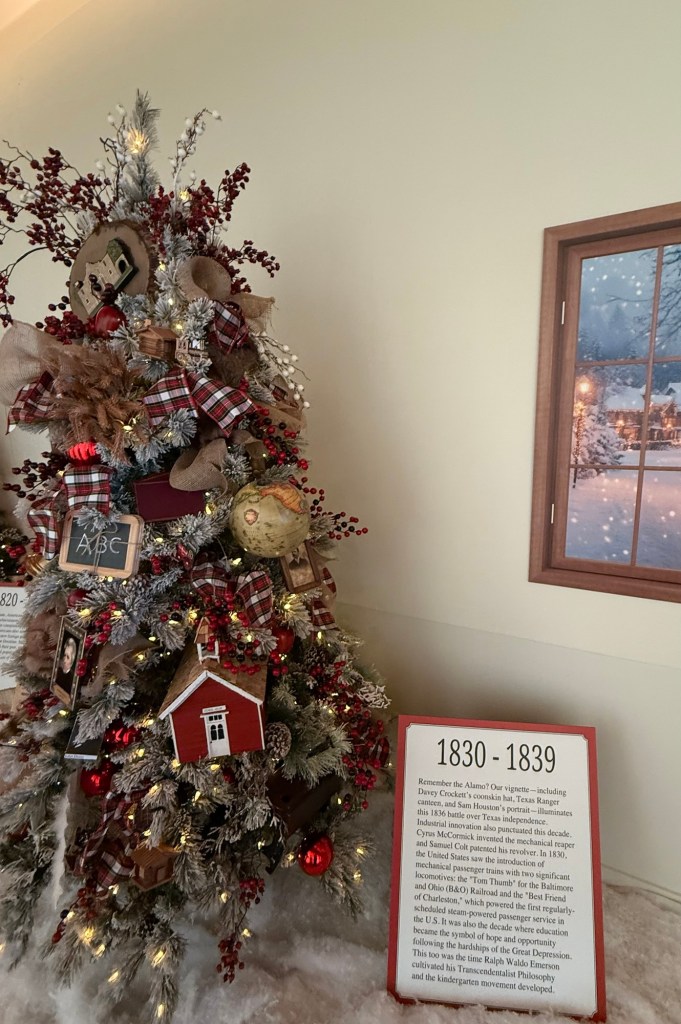
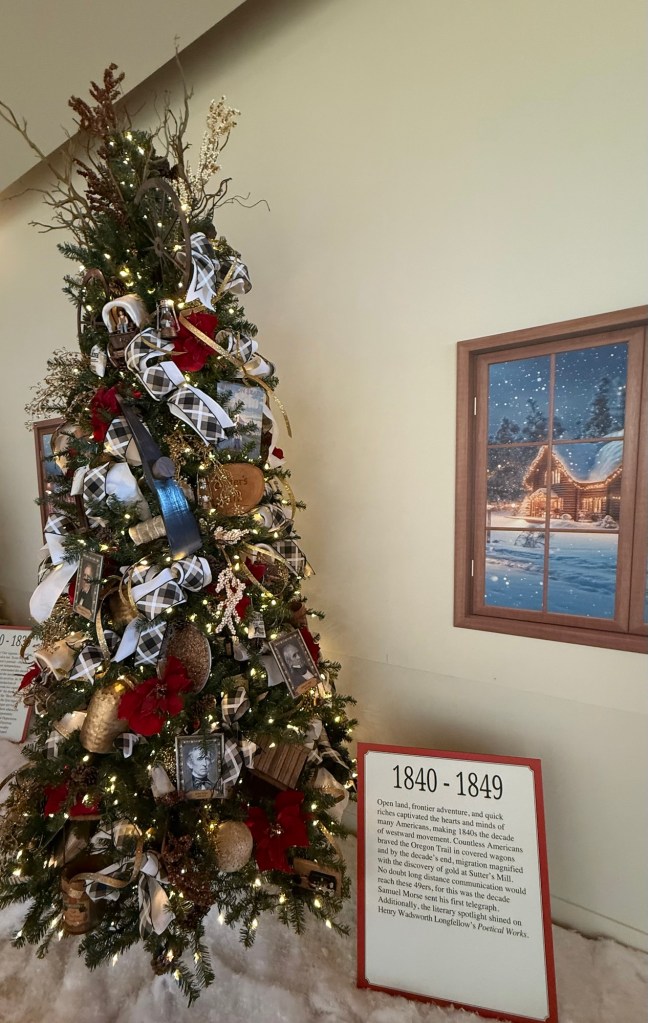
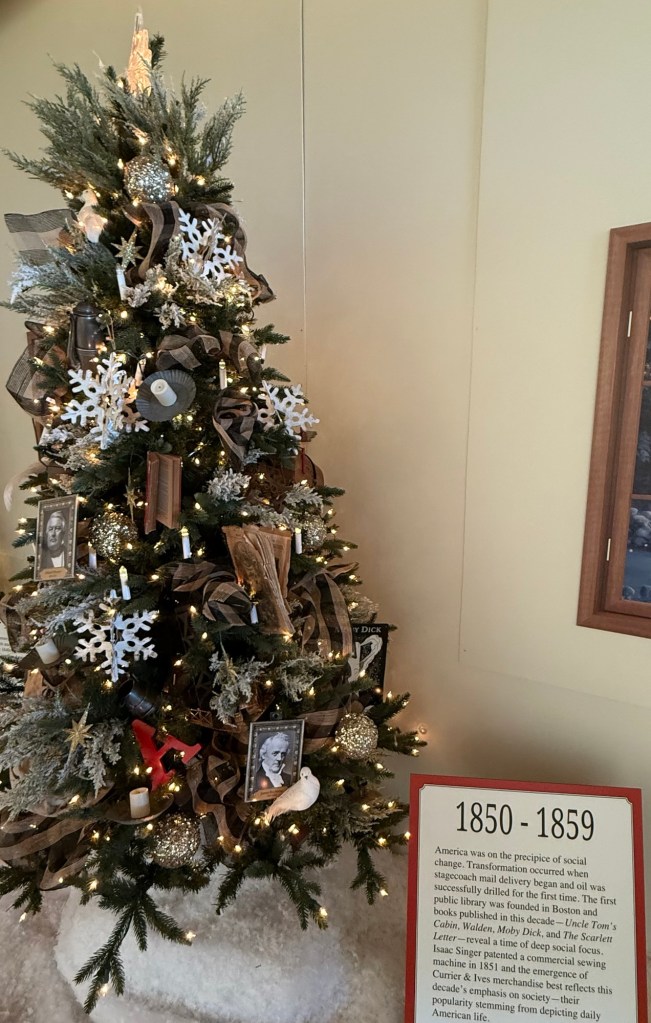
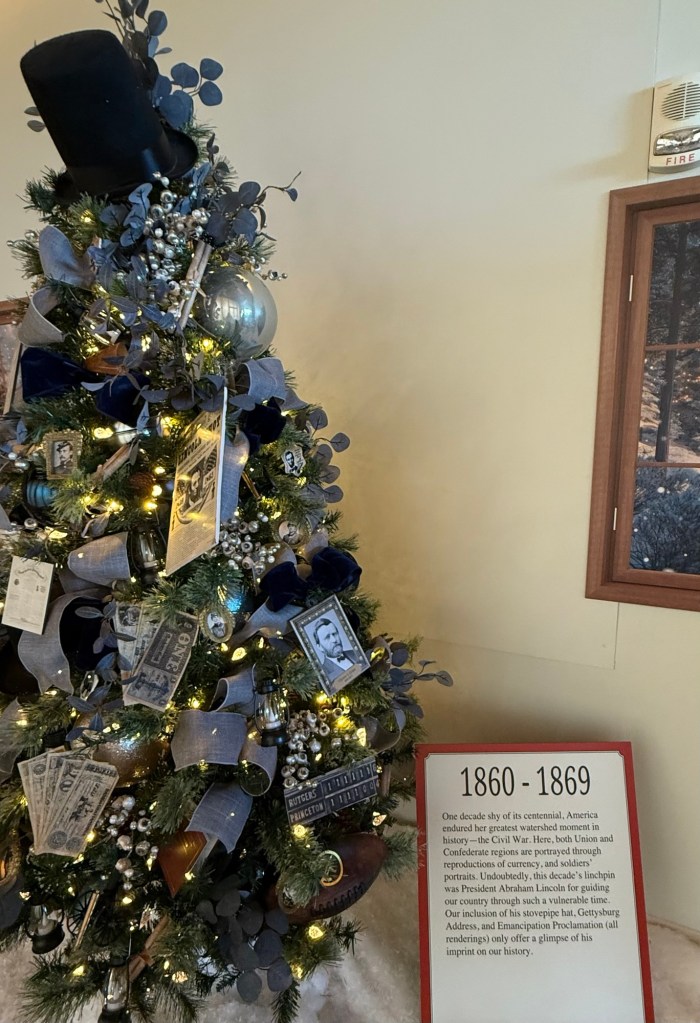
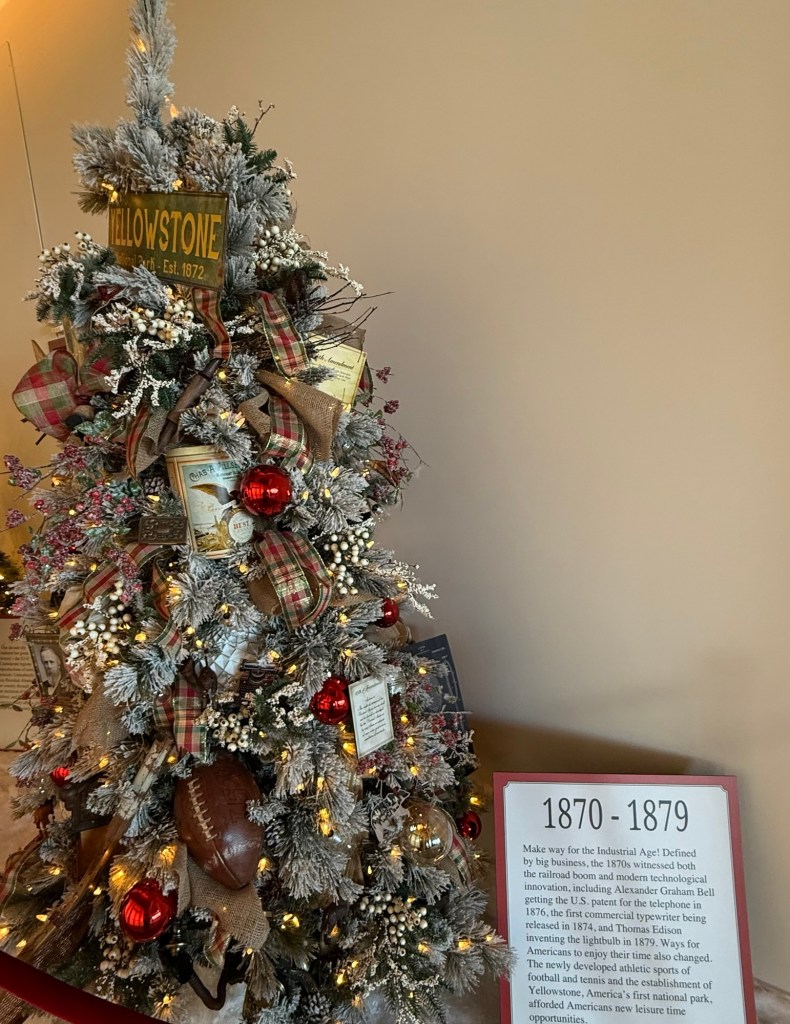
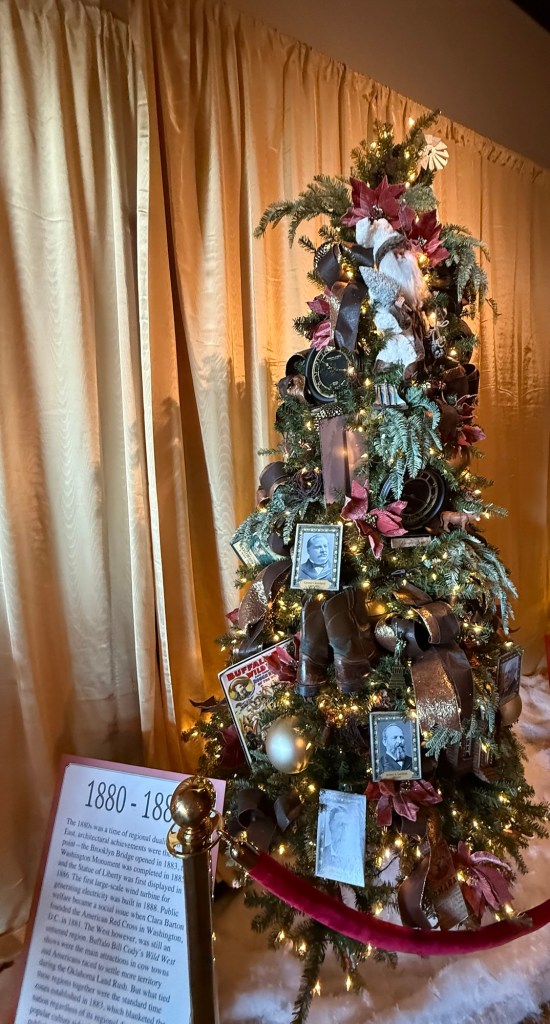
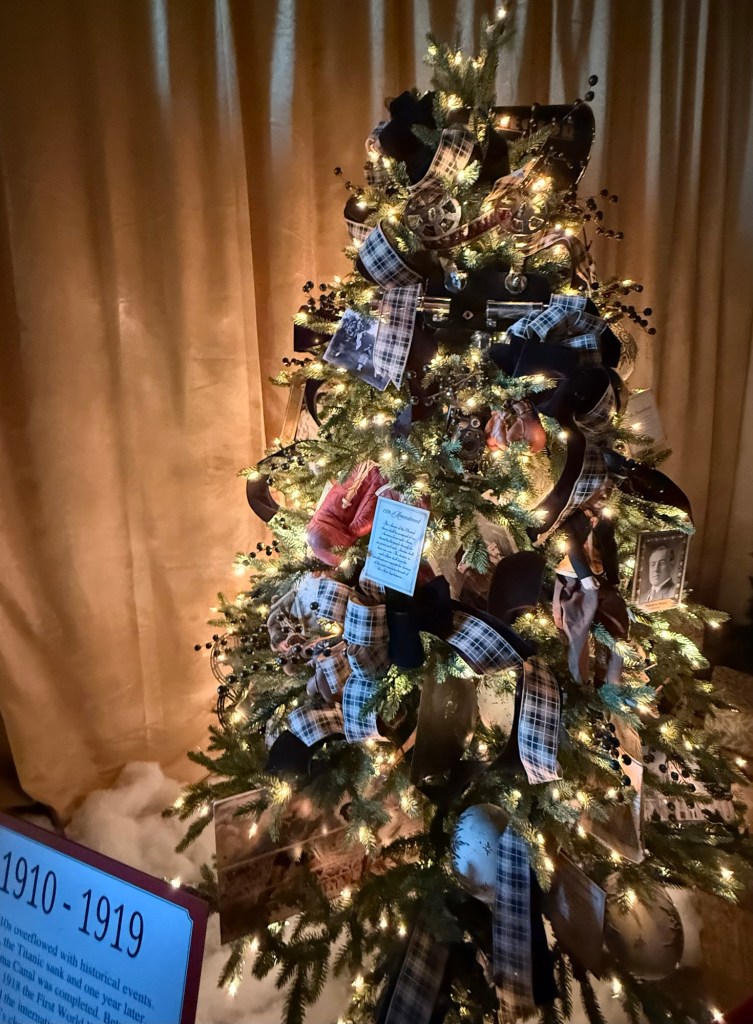
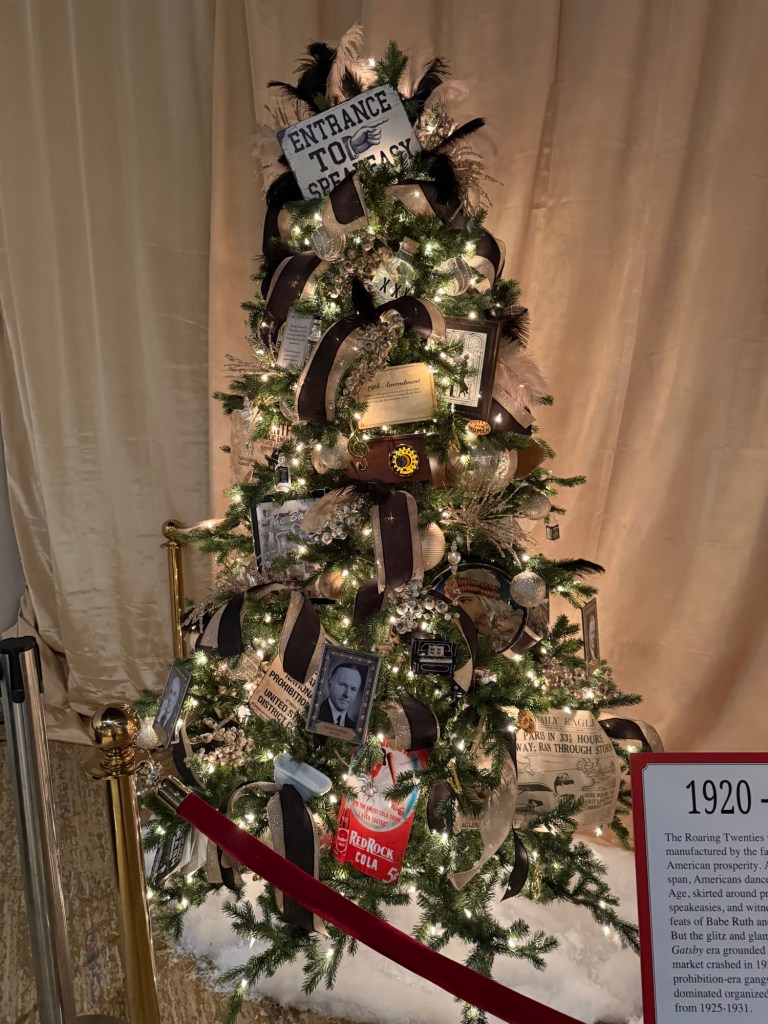
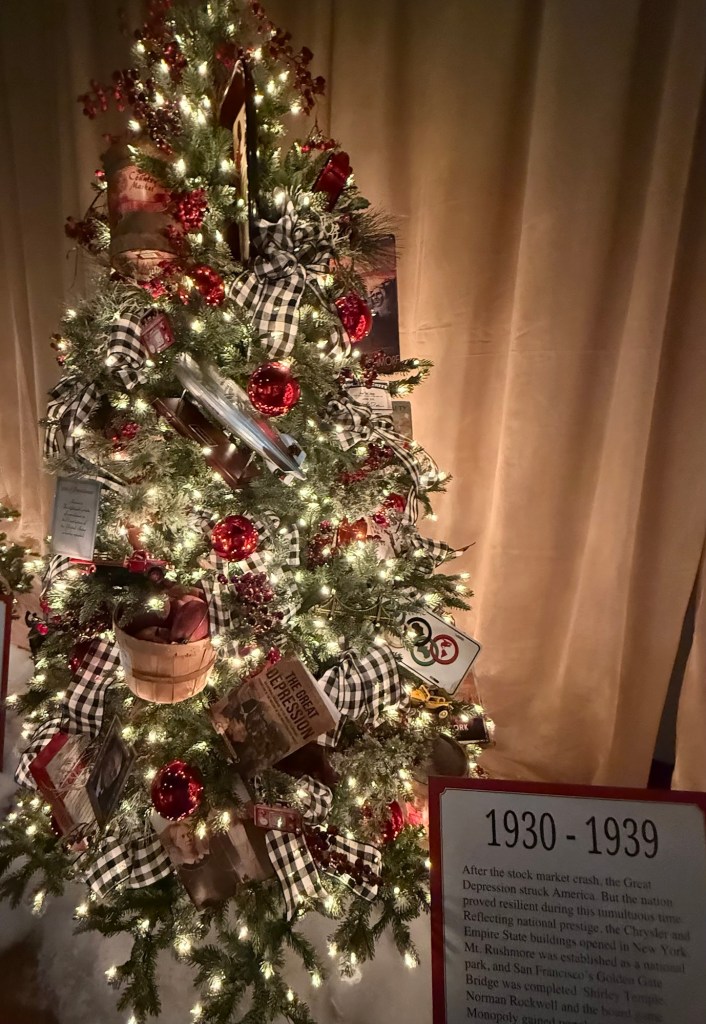
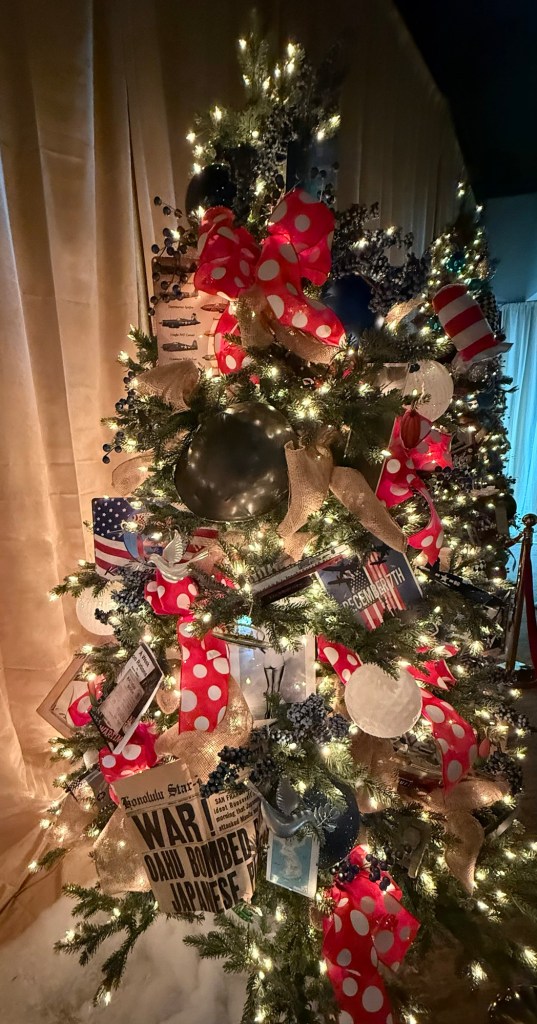
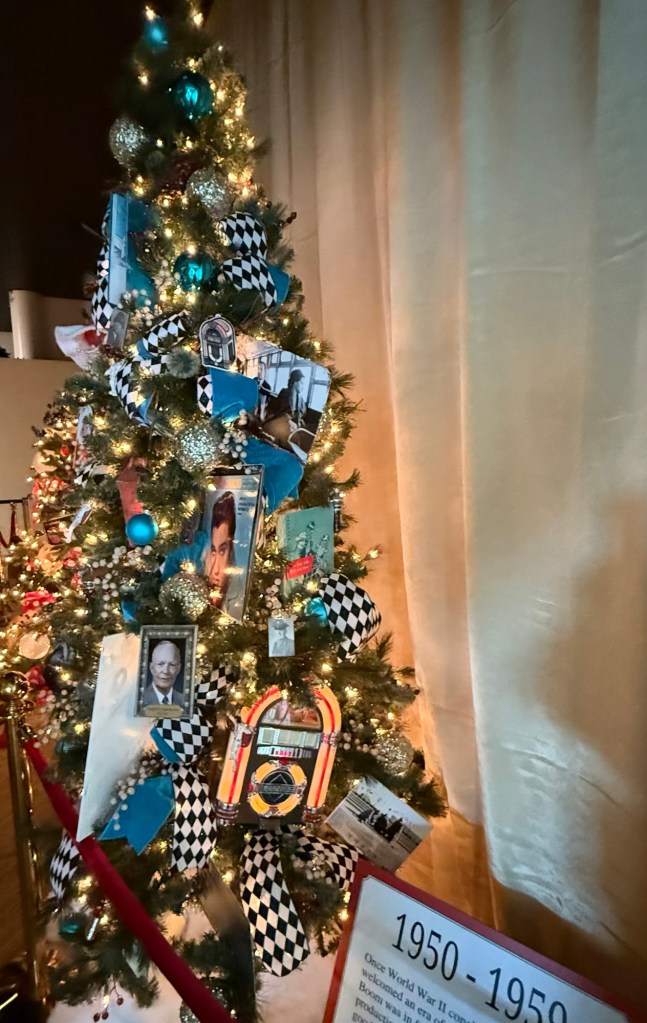
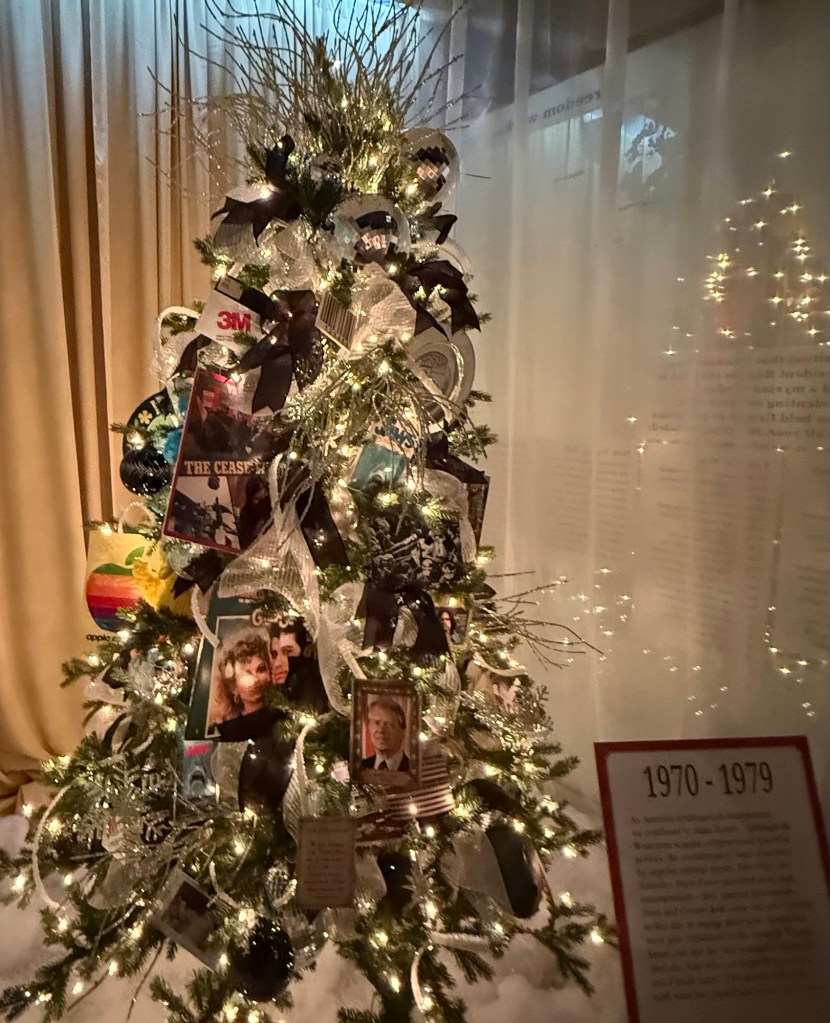
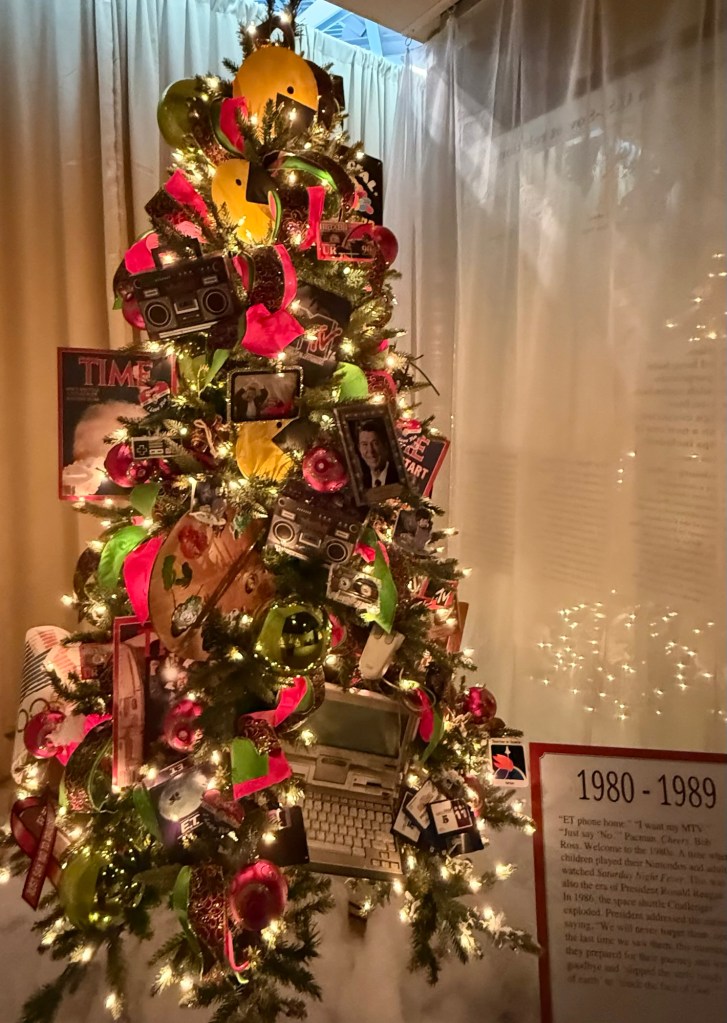
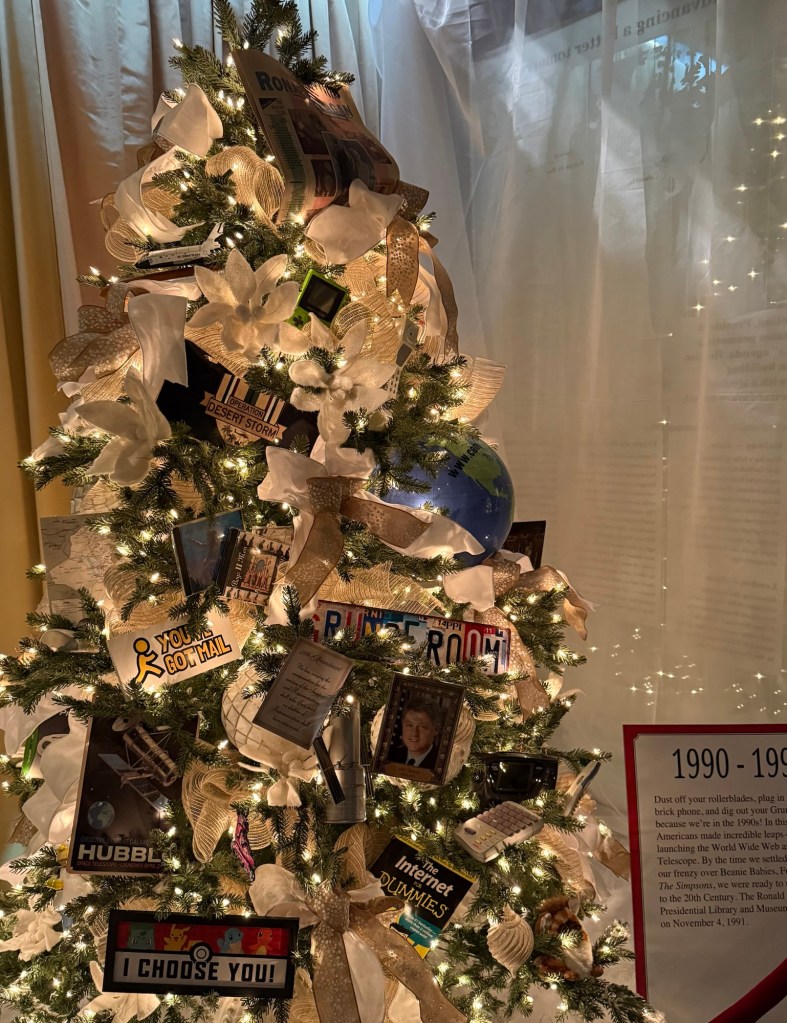
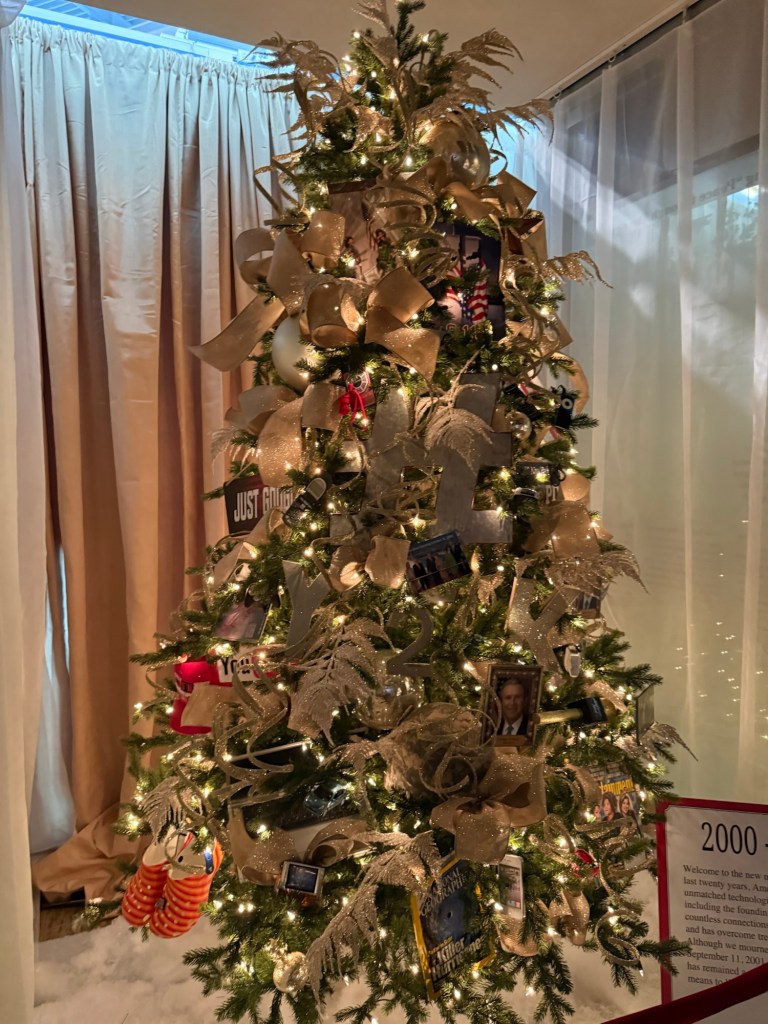
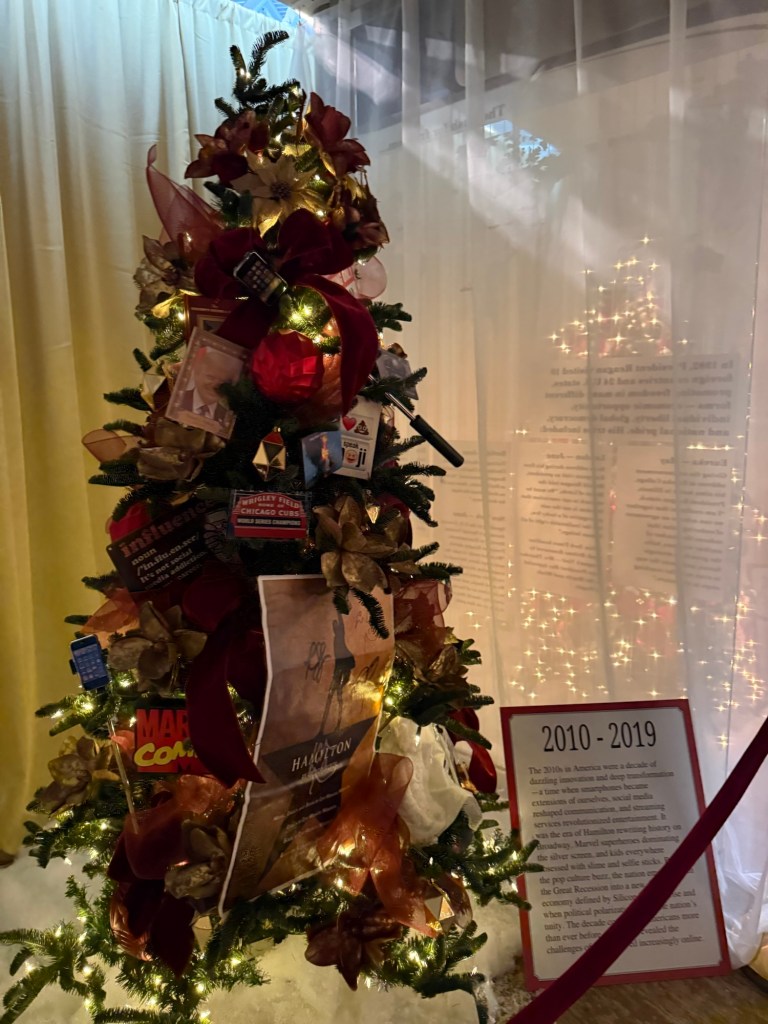
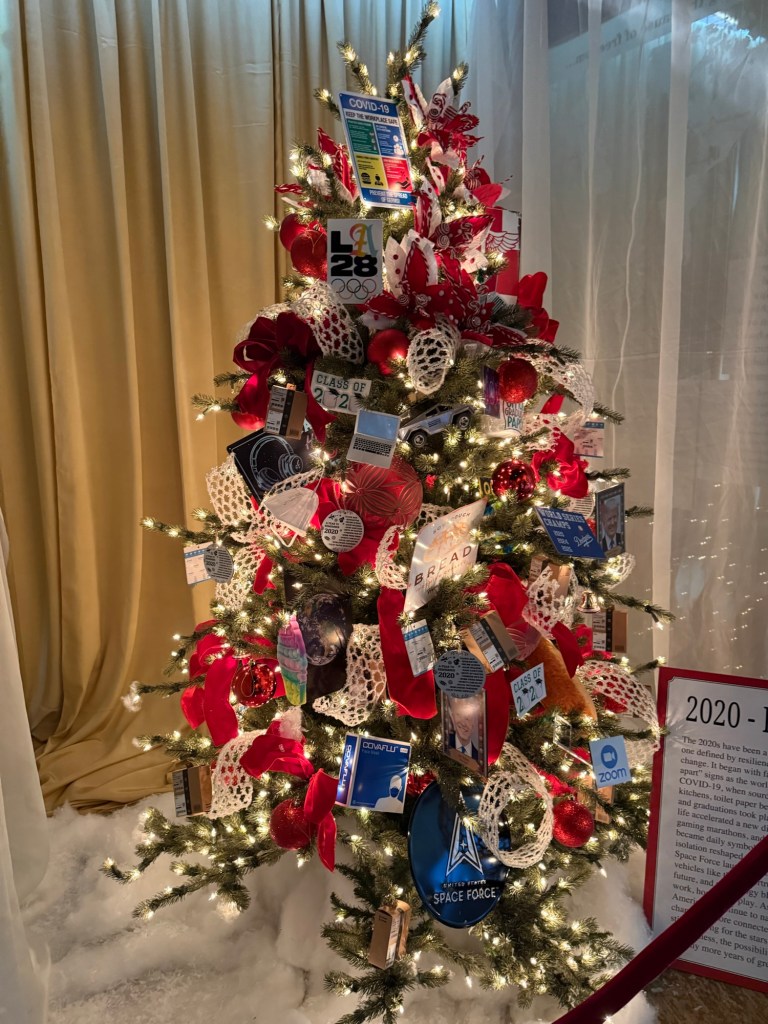
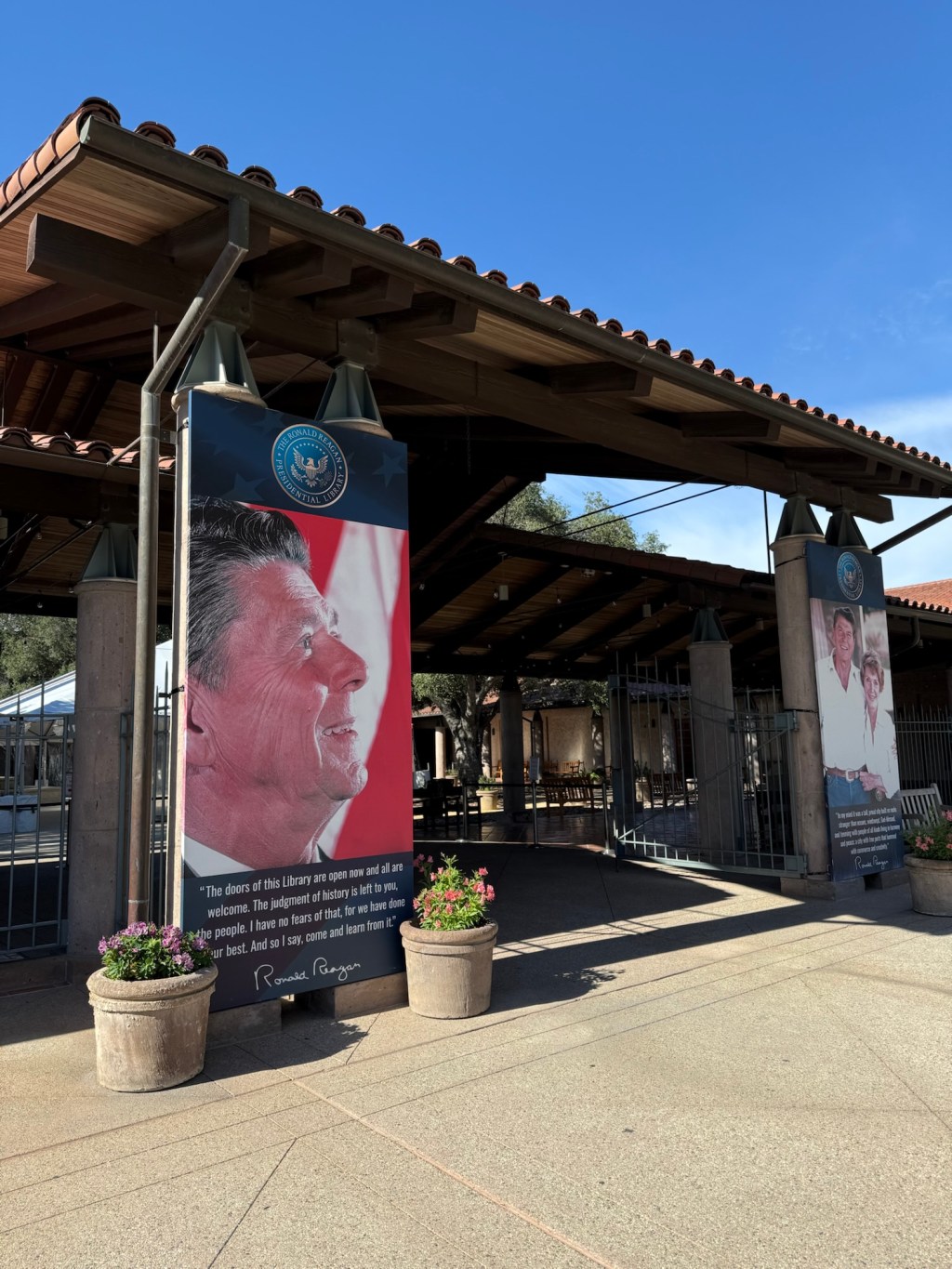
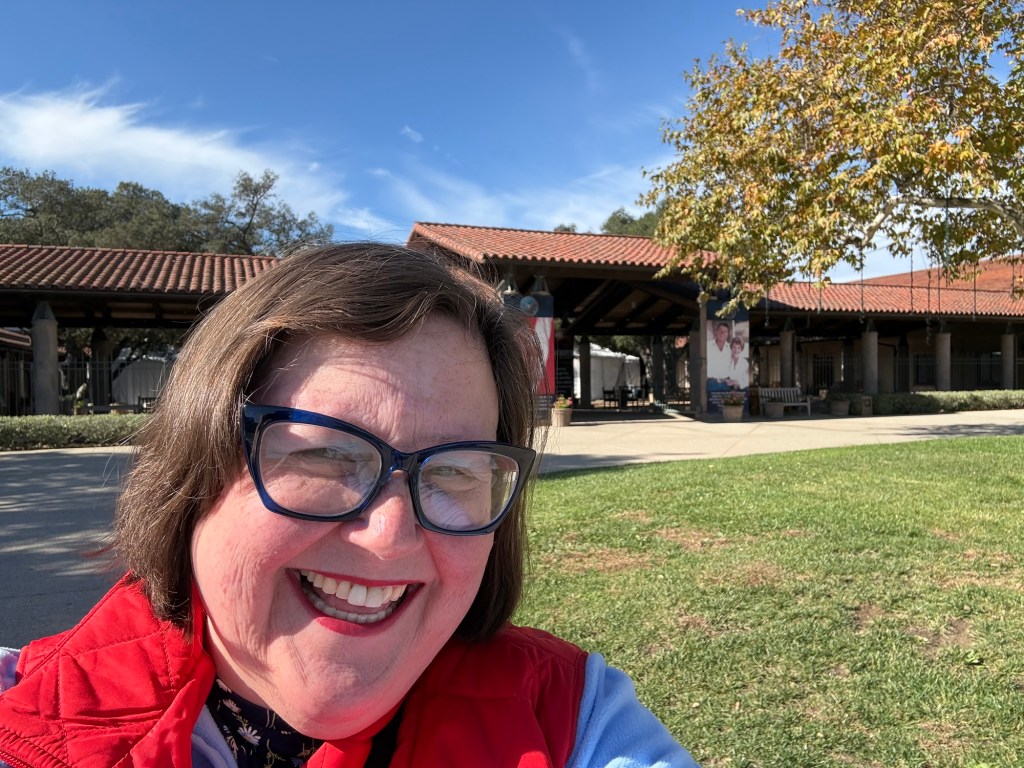
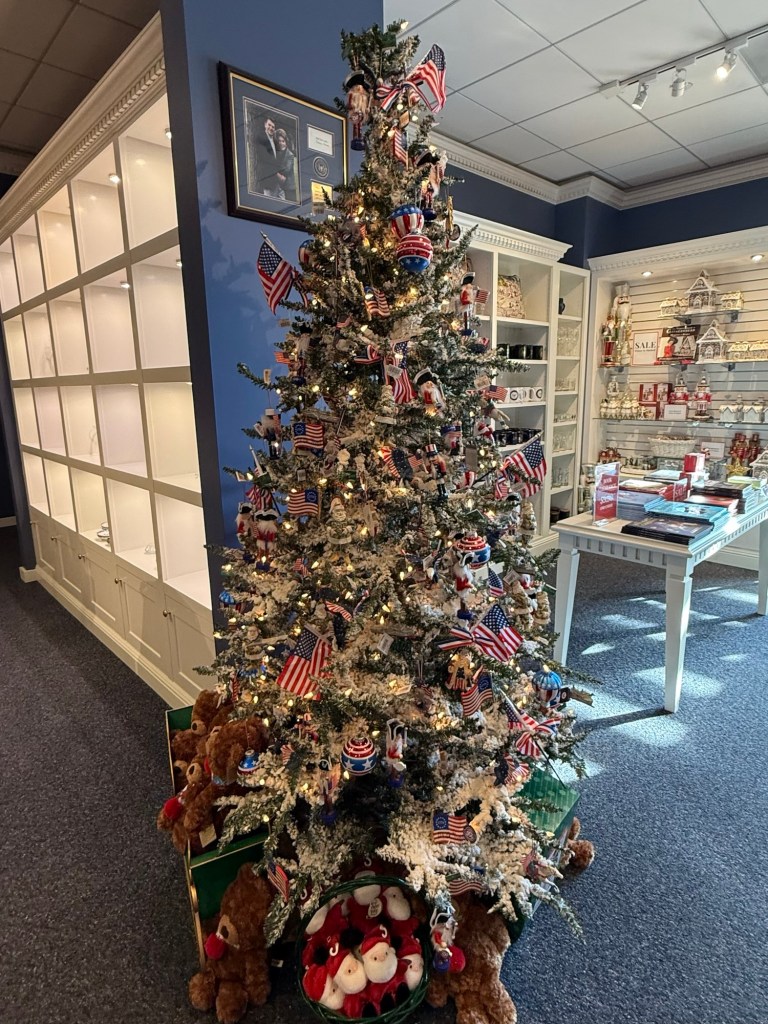
One of my favorite places to visit during the holiday season is the Ronald Reagan Library in Simi Valley California. The library staff decorates the property so well. The highlight is always the collection of Christmas trees that are so creative and beautiful. The 2025 display includes 26 trees decorated to represent each decade in our country’s history.
I have included a photo of each tree. My personal favorites include the trees from the 1770, 1870, 1920, 1930, 1950 and 1970.
The 1770 tree includes the Boston Tea Party, Paul Revere’s Lantern, George Washington and the fife and drummers.
The 1870 tree is especially fun because so much happened in this decade – including the establishment of Yellowstone as the first national park. American football and tennis were developed and the typewriter was created. In addition, Thomas Edison invented the lightbulb.
The tree representing the Roaring Twenties includes film star Rudolph Valentino who starred in The Sheik in 1921 and died in 1926 at the young ages age of 31. The 18th Amendment banning alcohol became effective in 1920 so this tree dramatically features speakeasy signage. Also, the 19th Amendment giving women the right to vote was ratified in 1920 so the tree is adorned with Votes for Women buttons.
The 1930s tree includes baskets of apples, the Great Depression, the Hindenburg blimp and Shirley Temple.
The 1950s tree includes a beautiful lit-up Wurlitzer jukebox as well as Elvis memorabilia, a tribute to the Korean War and a photo of President Eisenhower.
The 1970s is especially important to me because it was the decade of my childhood. So much happened in this decade and the tree reflects it with: the bar code creation, the start-up Apple Computer Company logo and the movies Jaws, Star Wars, Saturday Night Fever and Grease. Watergate, President Jimmy Carter, the Bicentennial and the short-lived eight track are all included on this tree.
The trees are on display until January 4 so you still have time to schedule a visit to the library.
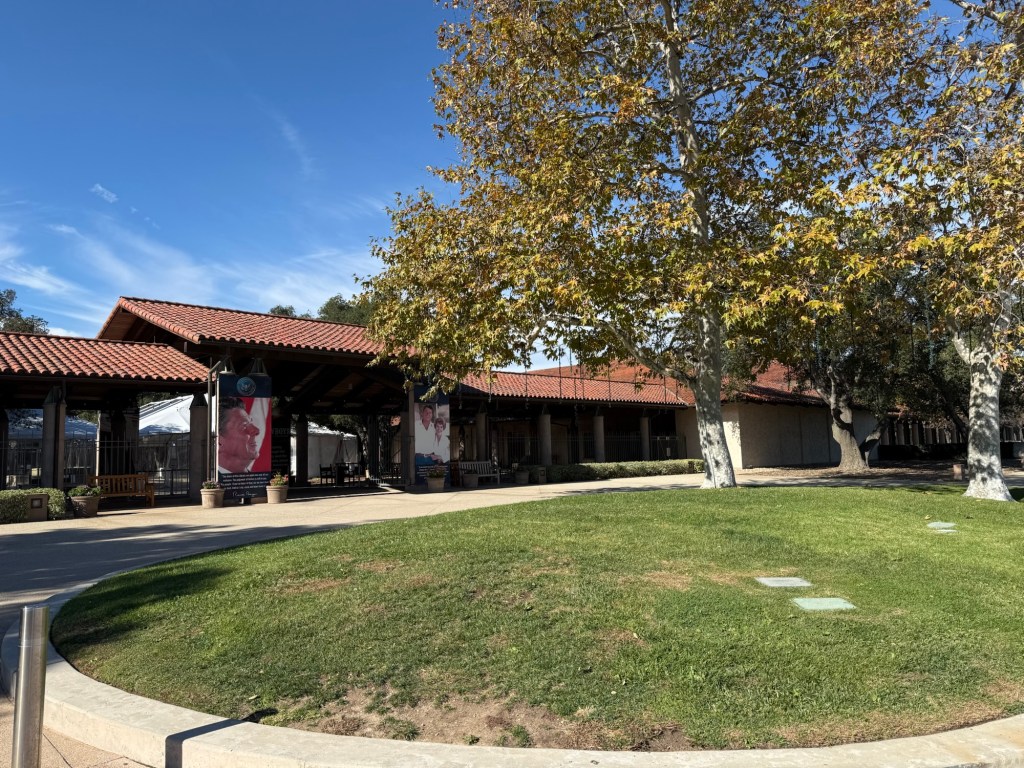
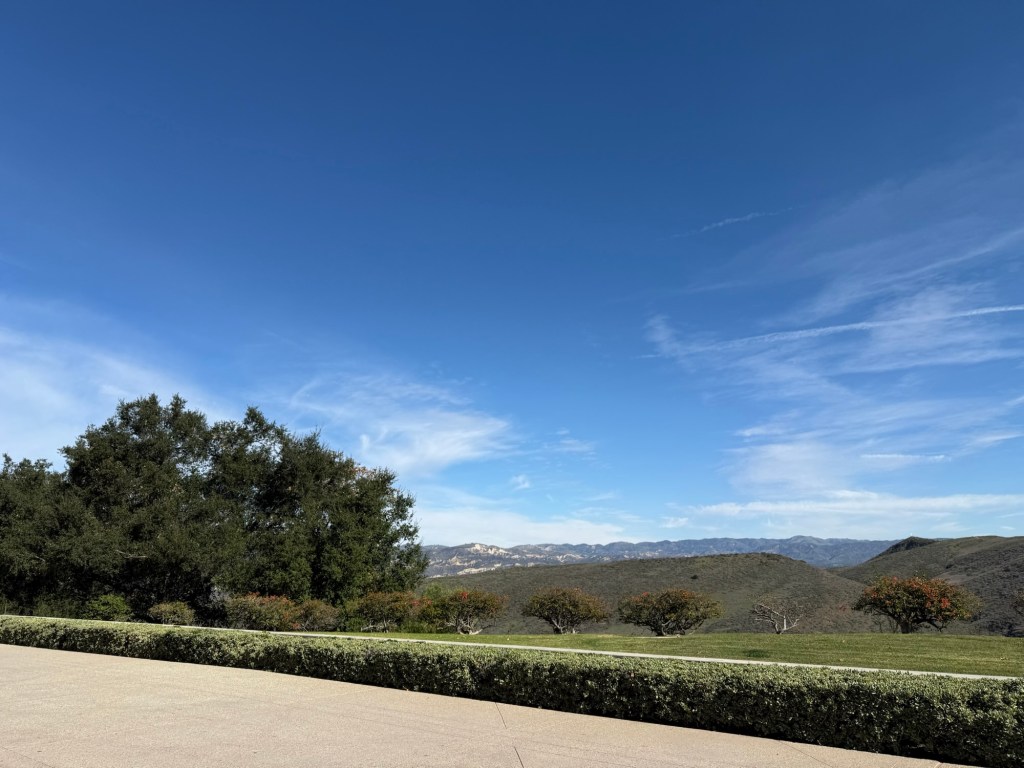
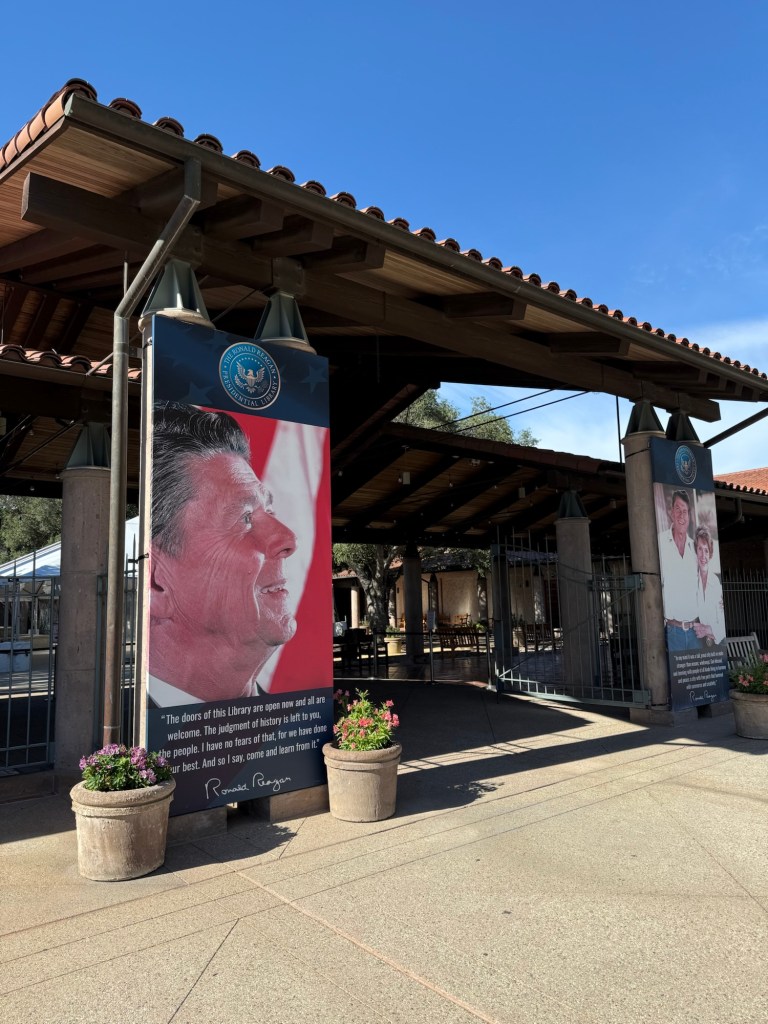
I have visited approximately half of the presidential libraries and the Ronald Reagan Library located in Simi Valley California is my favorite one – so far. Both the permanent and traveling exhibits are impressive. Plus, it is located in a beautiful area of Simi Valley with spectacular mountain views from every direction. In addition, the library has the most friendly and helpful staff.
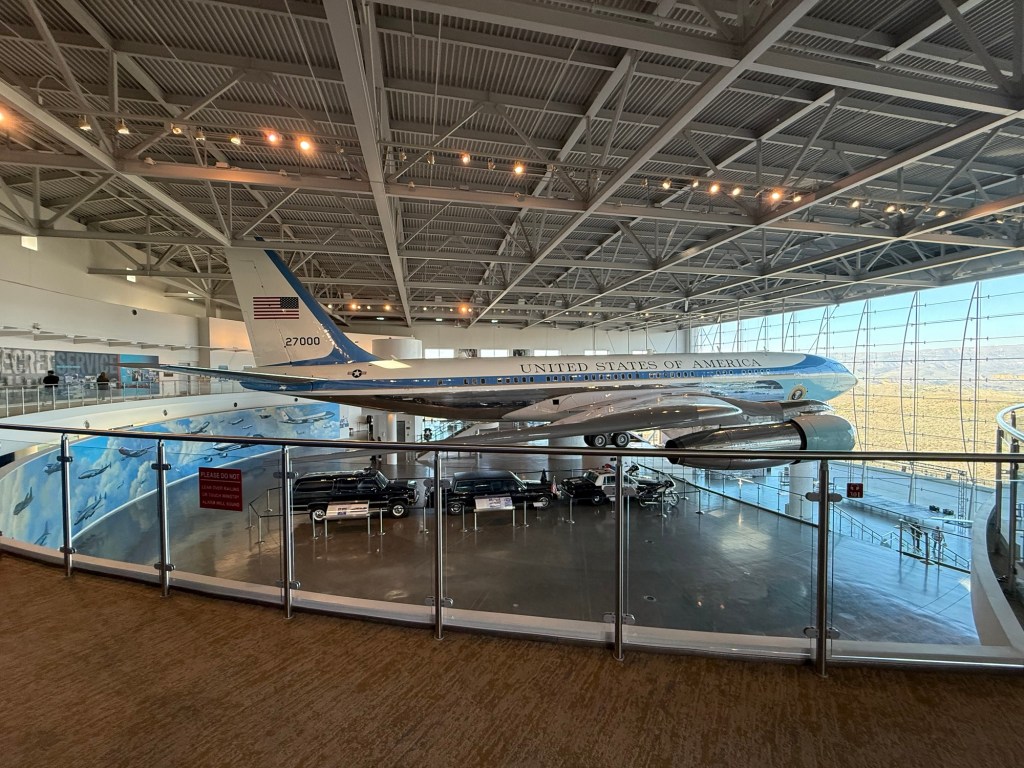
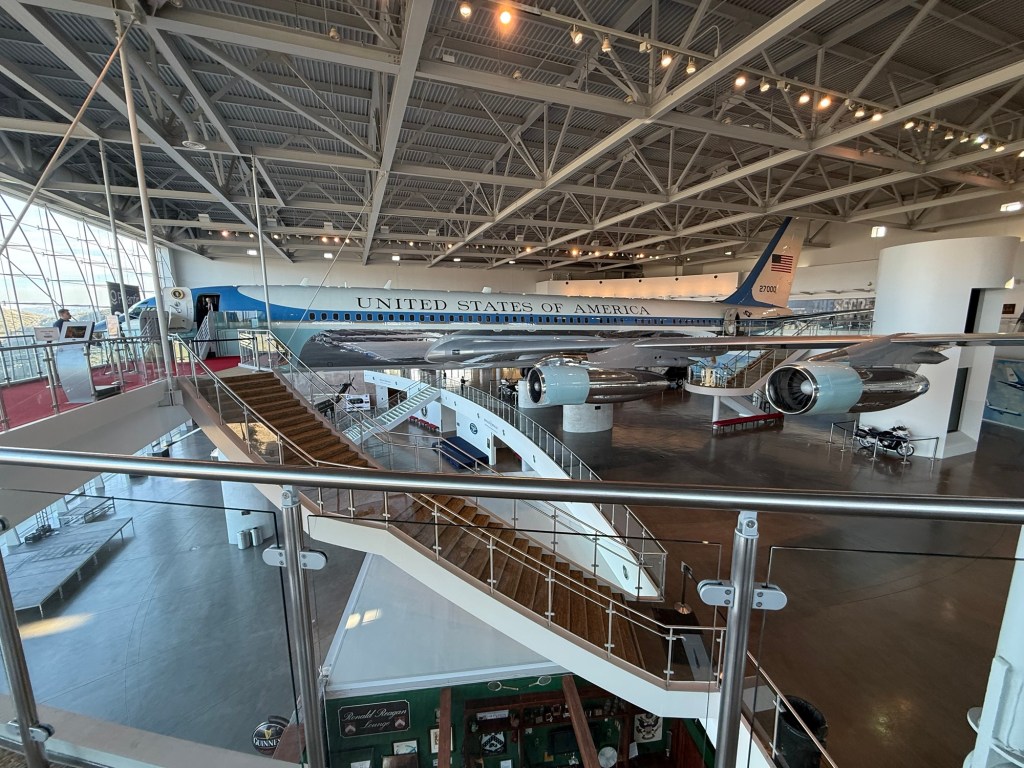
First, the library has the Air Force One plane that Reagan flew on as president. The plane was in service from 1973 to 2001 and Reagan flew on it the most out of the seven presidents who used this particular plane. It is impressively displayed in a glass structure and visitors can walk around and through the plane. One year, we even enjoyed a fun lunch during the Christmas season where the tables were set under Air Force One. The food was delicious and the table settings and decorations were perfect.
Speaking of Christmas, every year the library showcases an impressive number of beautifully decorated Christmas trees. This year, we enjoyed looking at 26 trees representing each decade in American history. Last year, the museum displayed trees for each Country that Reagan visited during his eight years in the White House.
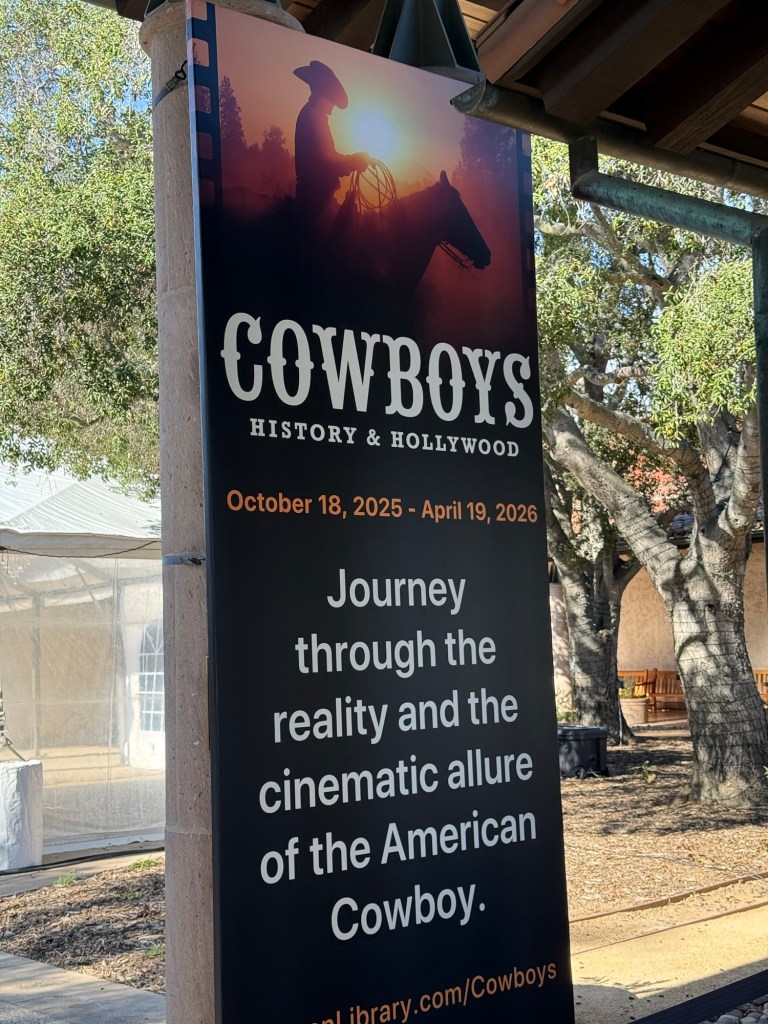
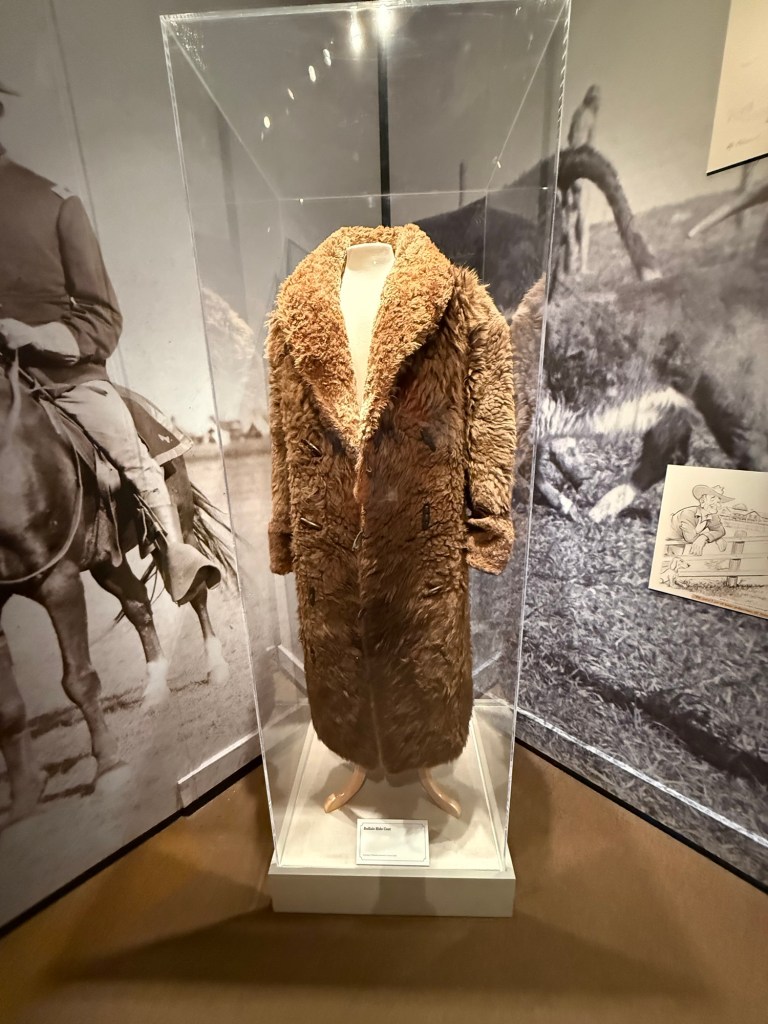
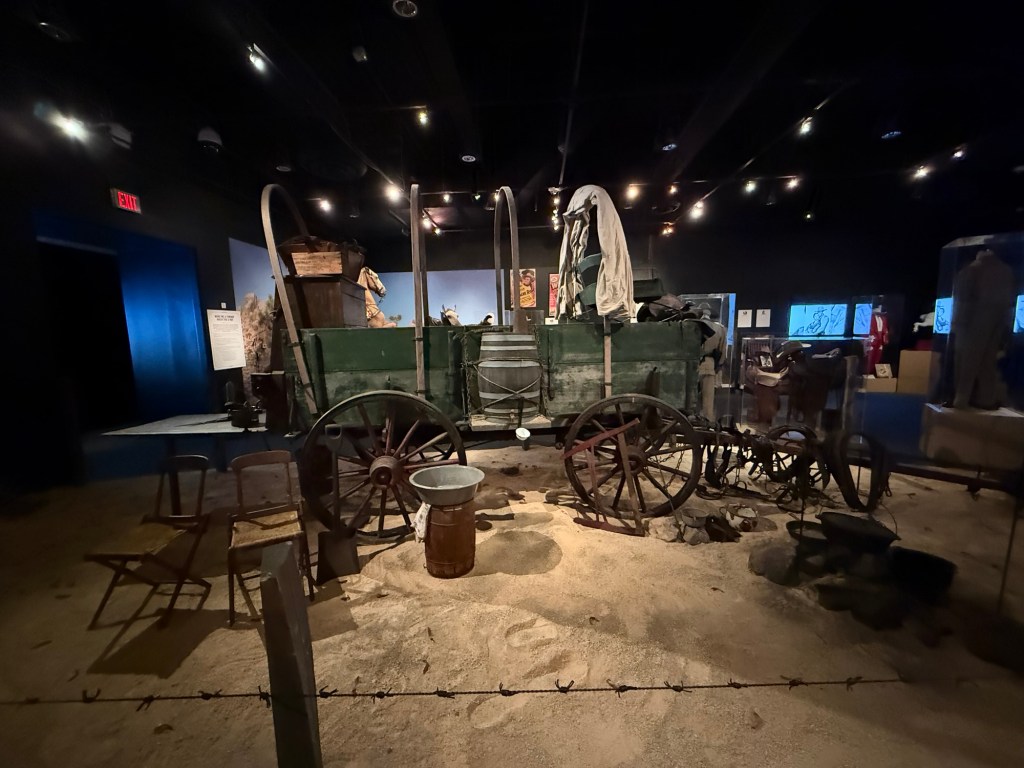
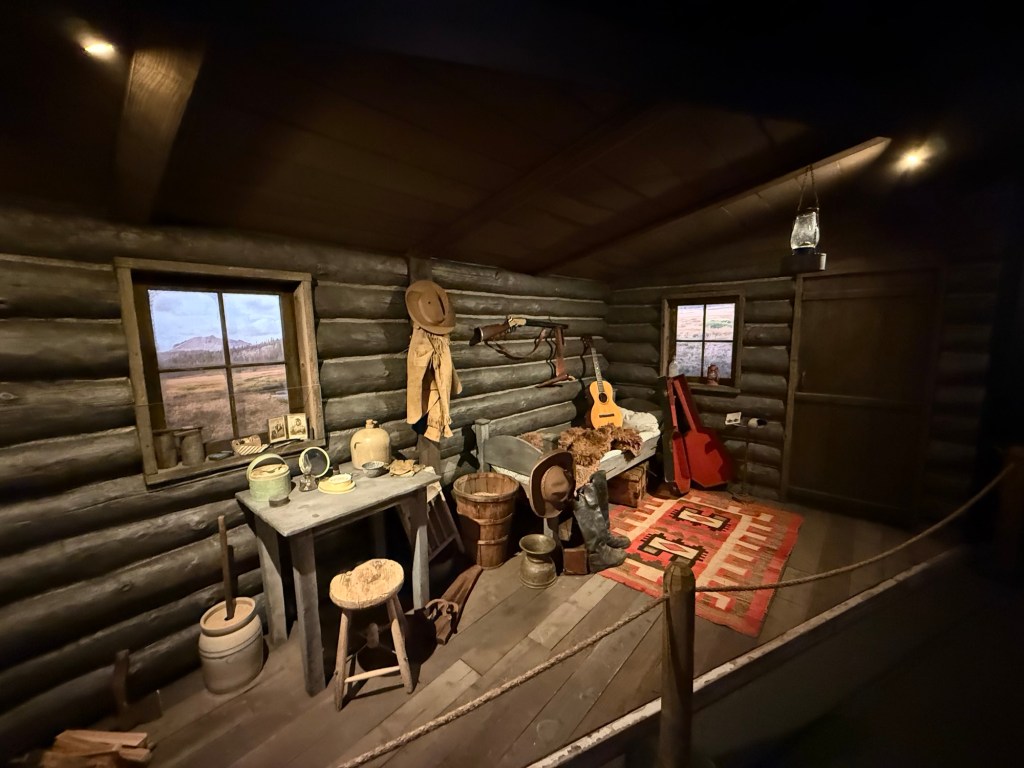
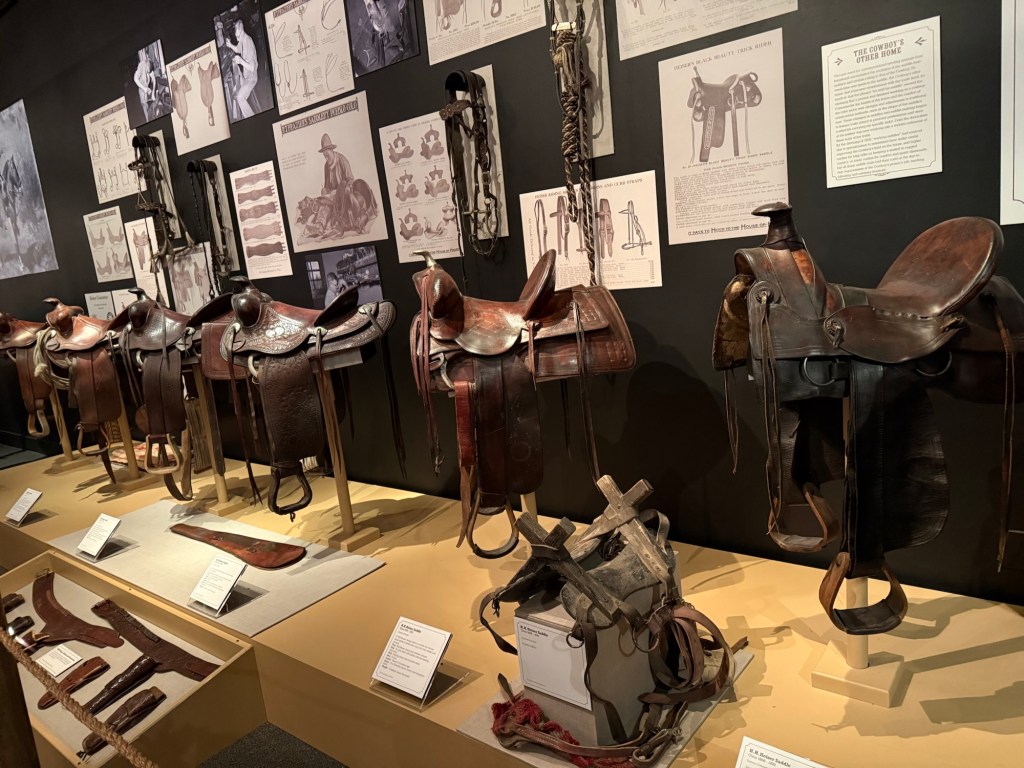
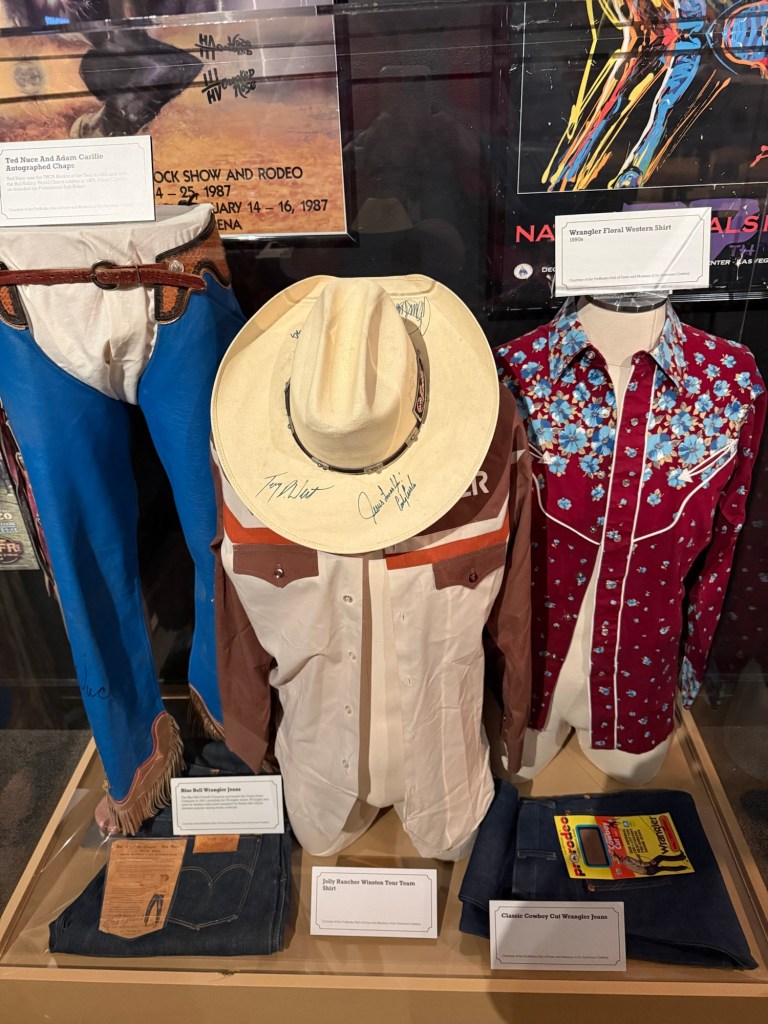
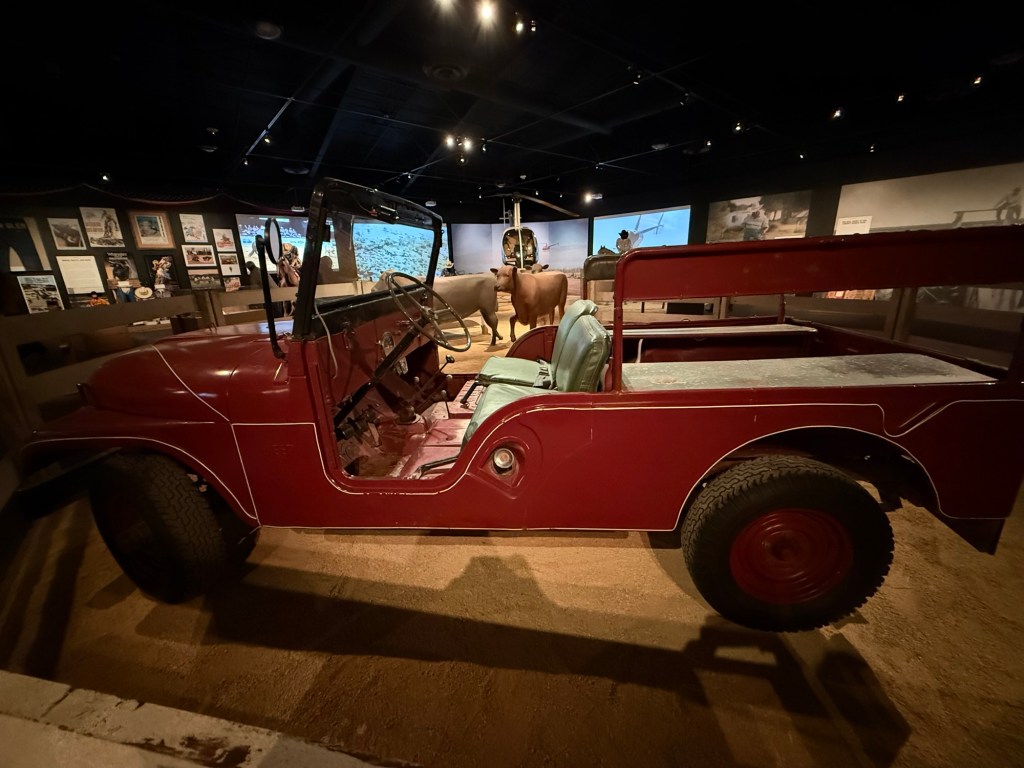
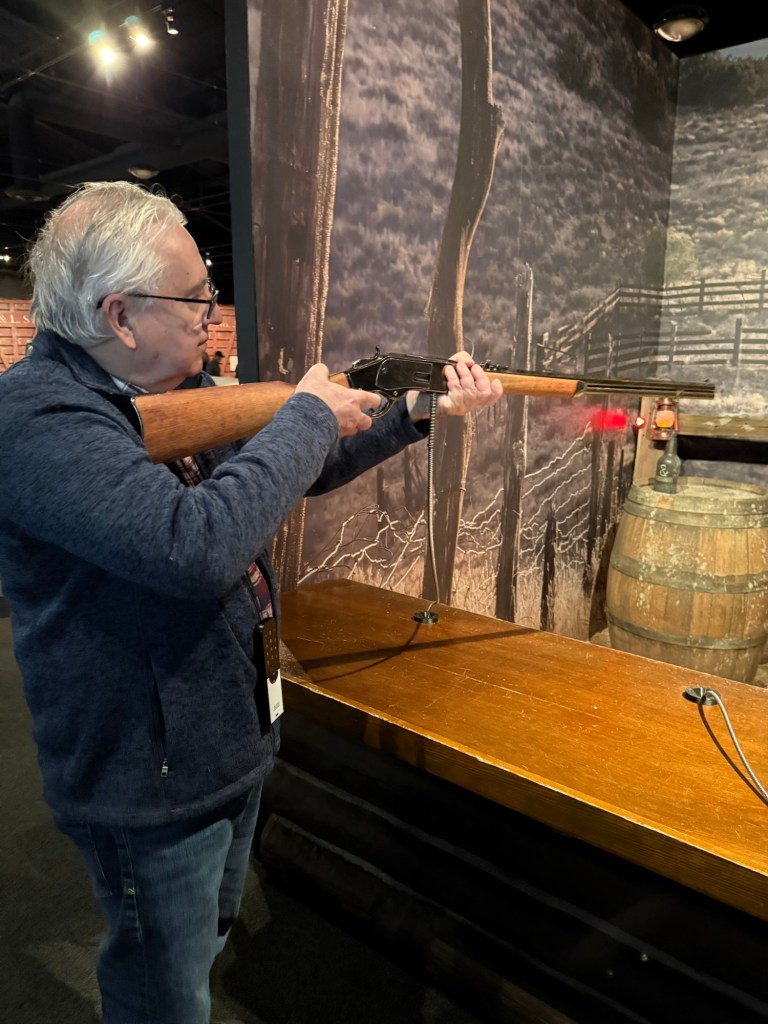
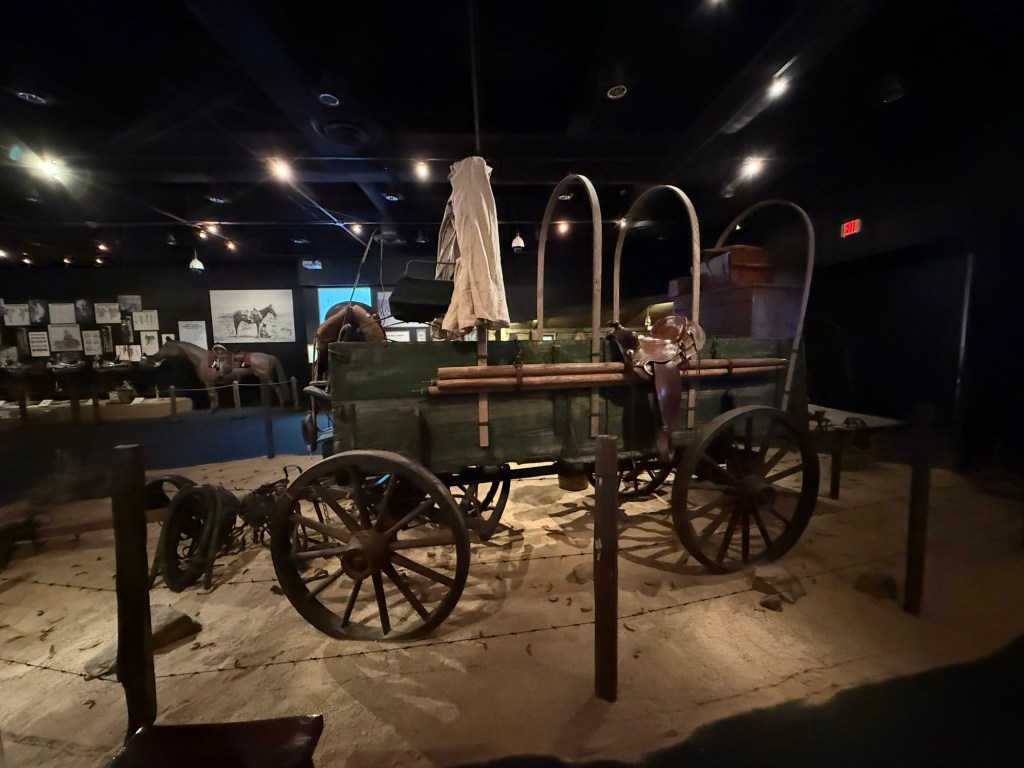
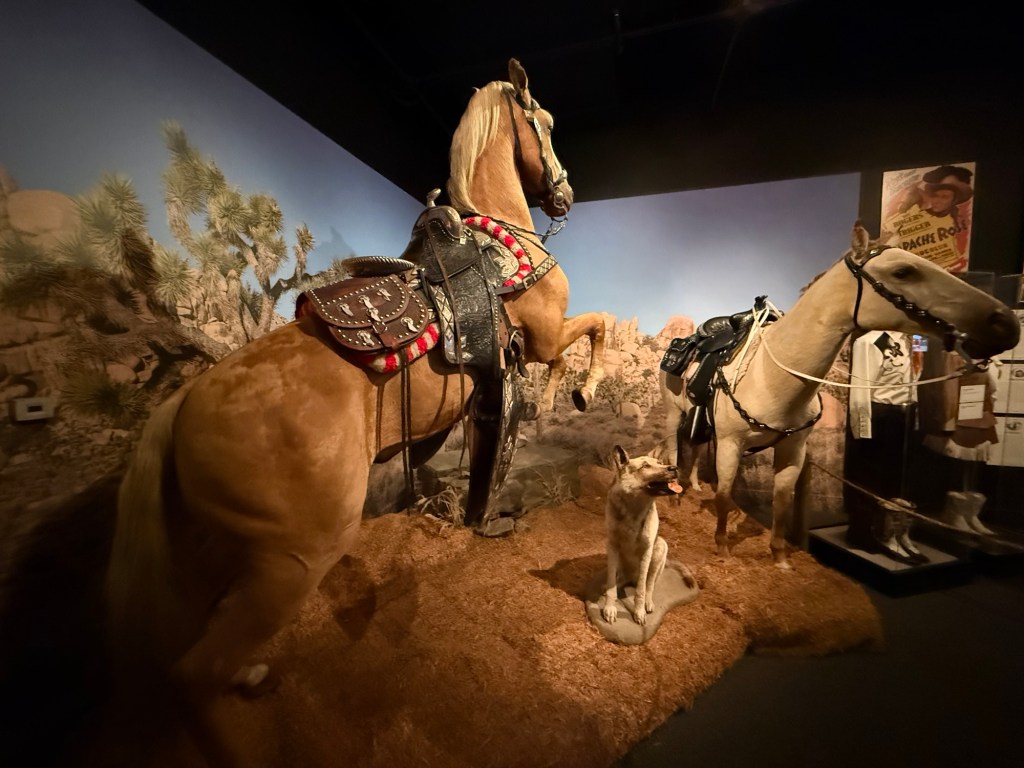
The rotating exhibits are wonderful as well. Currently, the library is curating a fun cowboy themed exhibit. Past exhibits include: the FBI, Pompeii and Auschwitz.
Finally, no visit is complete without a visit to the gift shop. I never walk out empty-handed. I usually pick up a few fun Christmas tree ornaments. One year, I picked up a great book regarding the White House gingerbread houses.
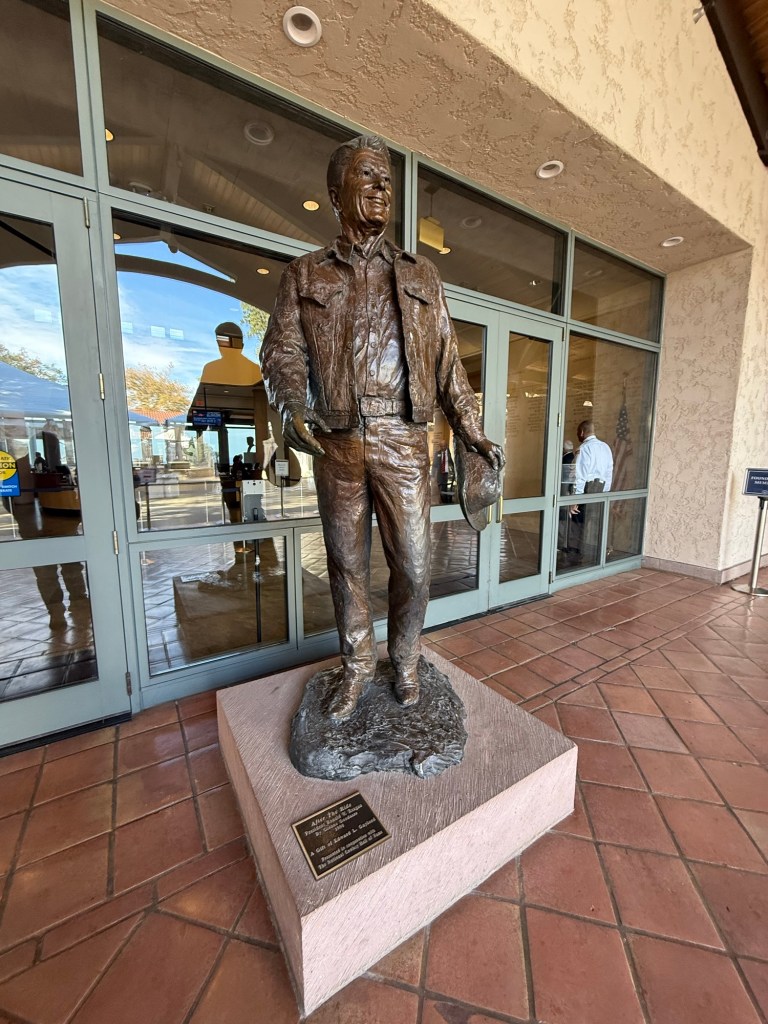
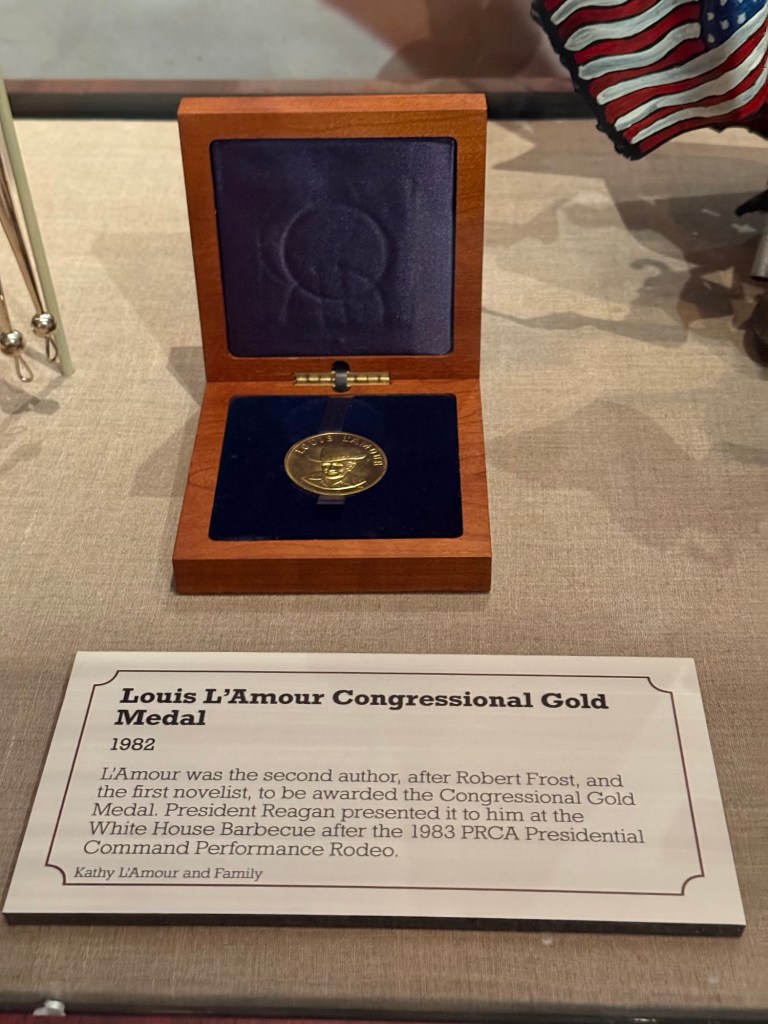
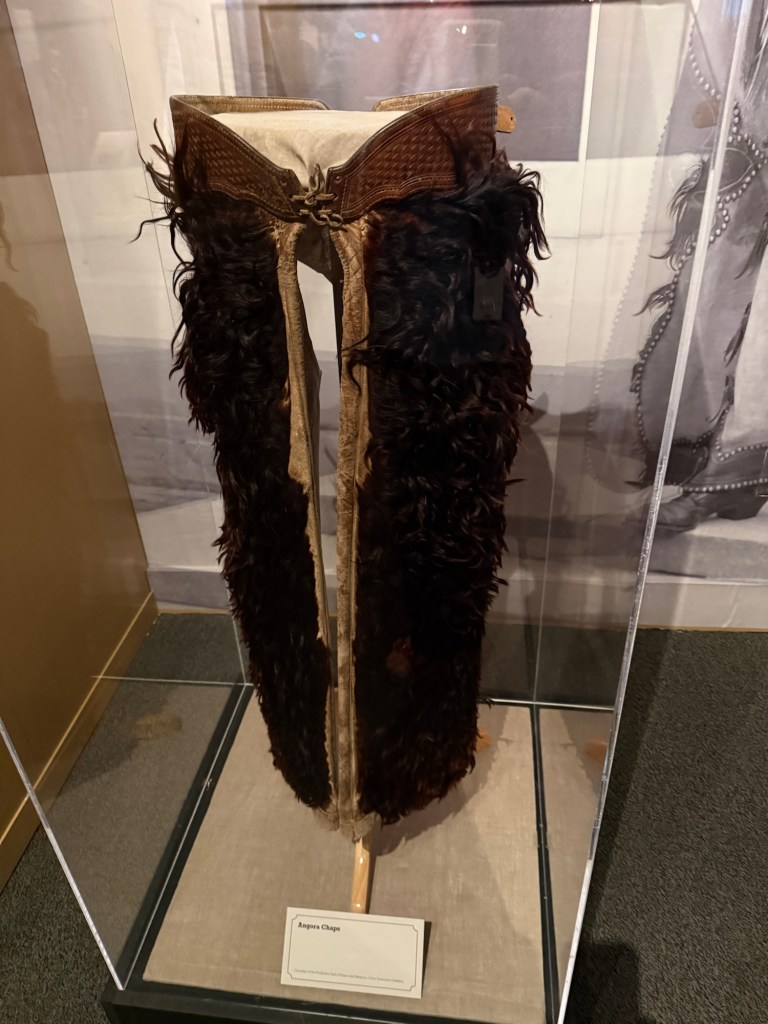
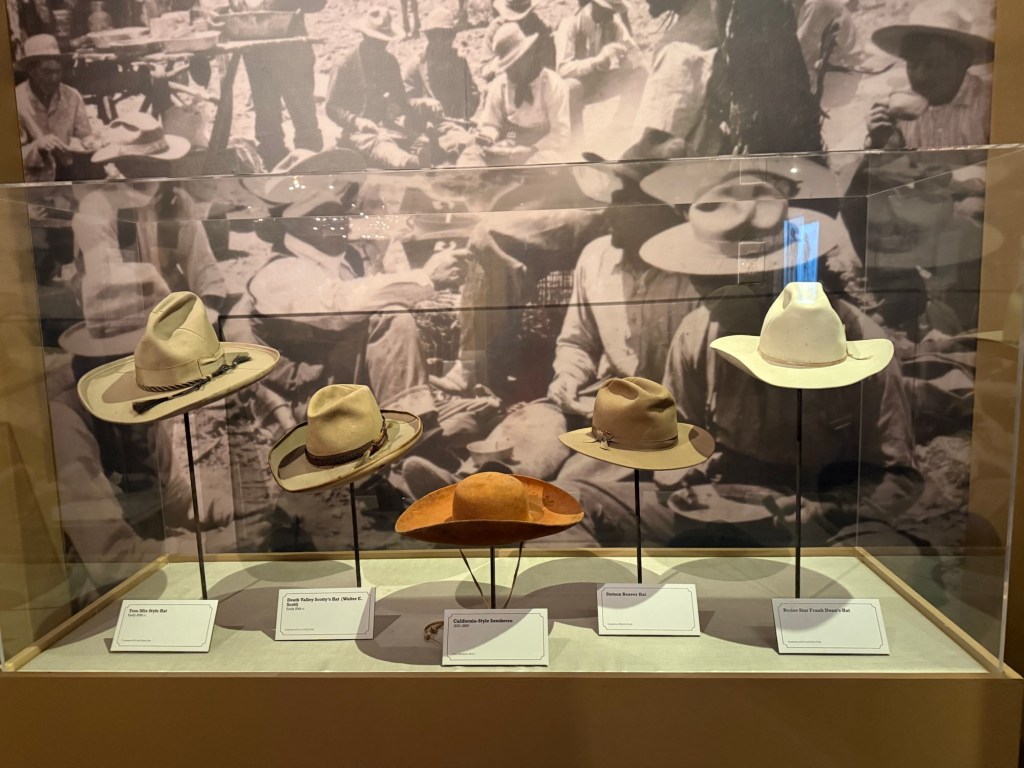
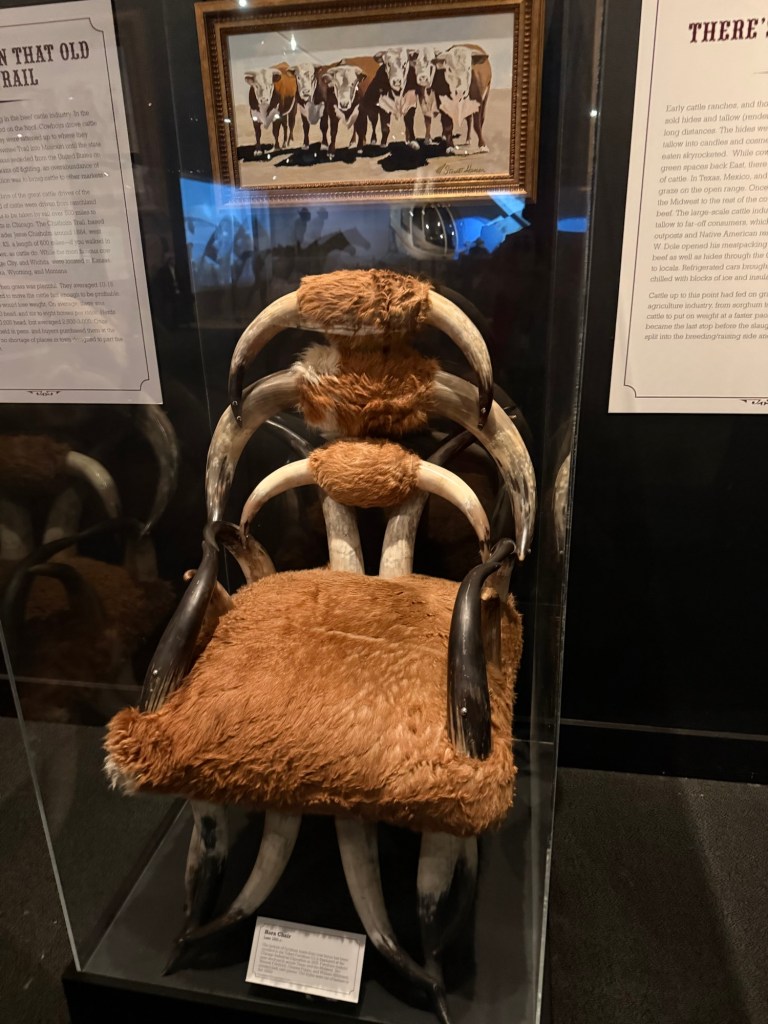
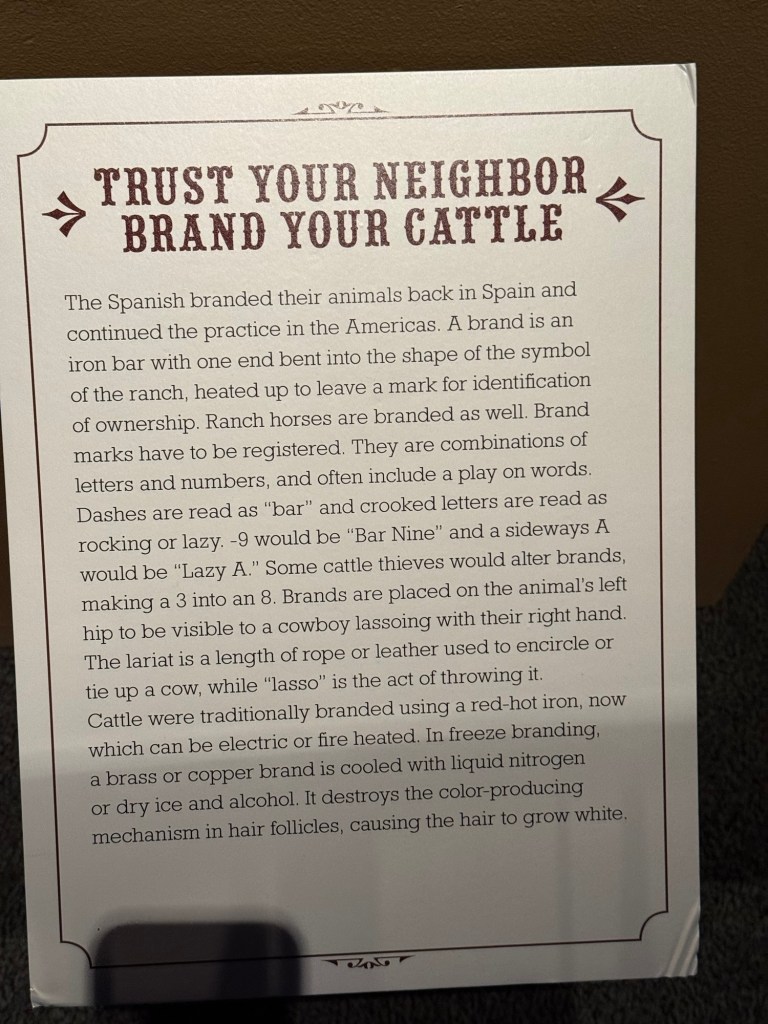
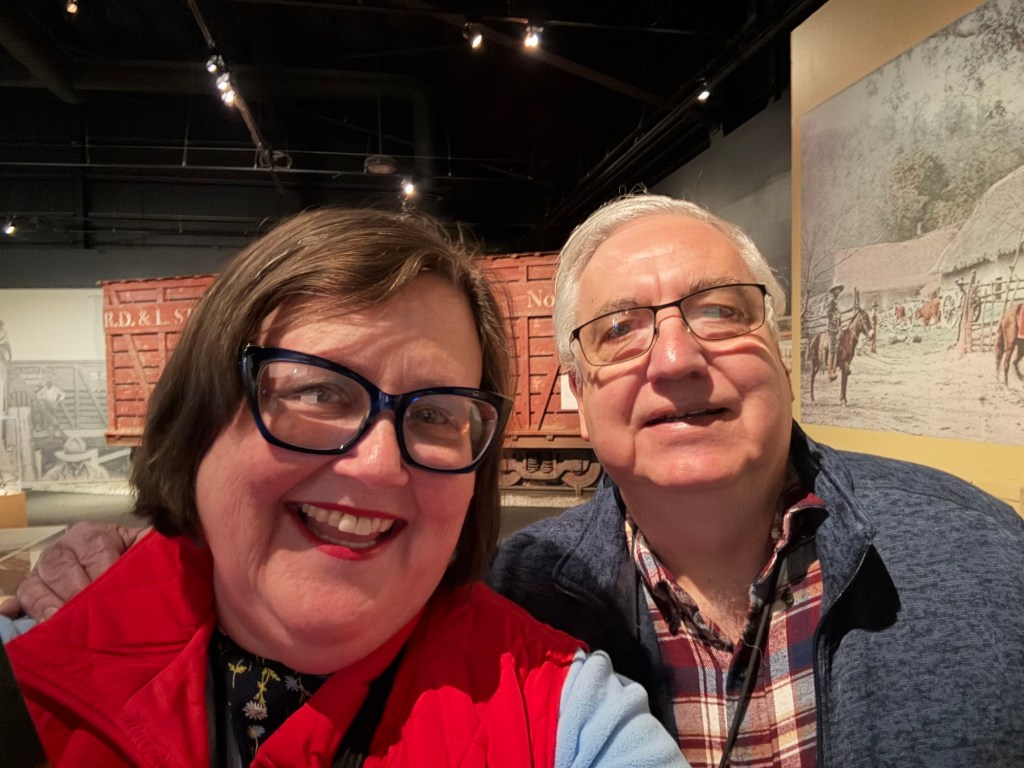
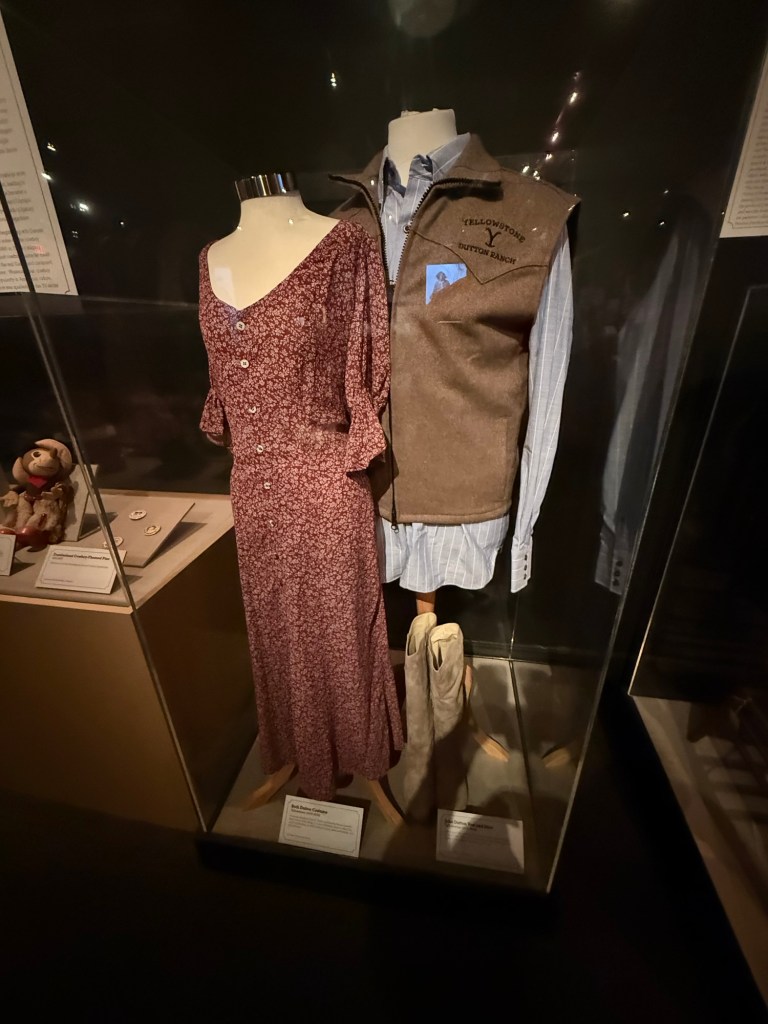
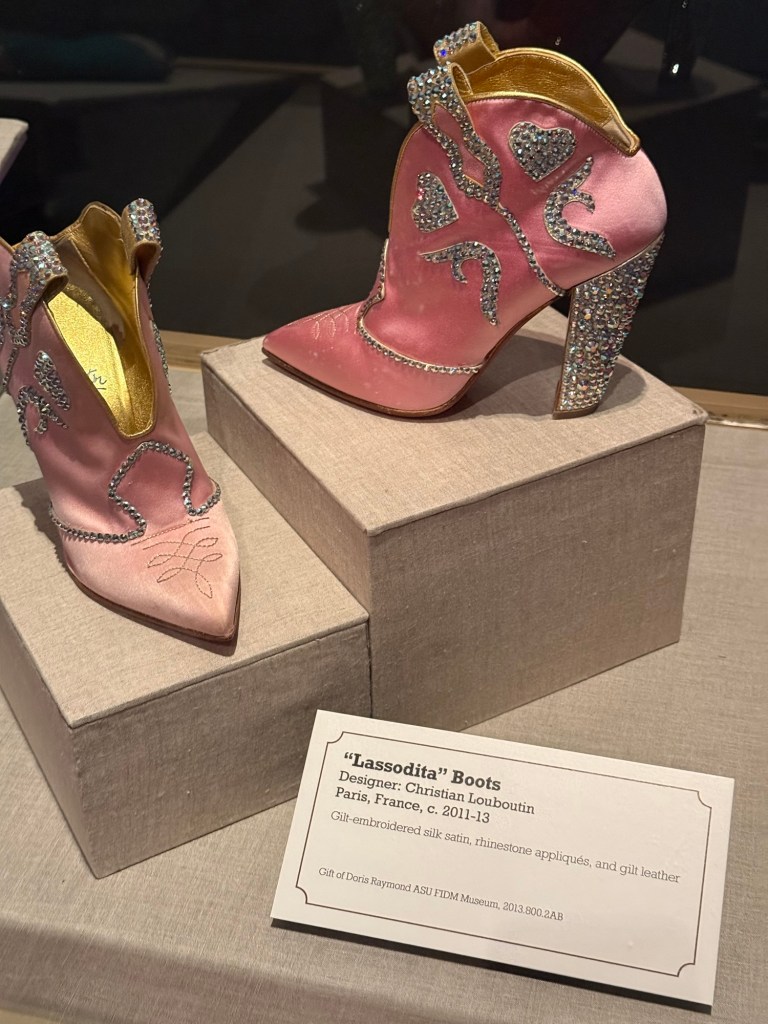
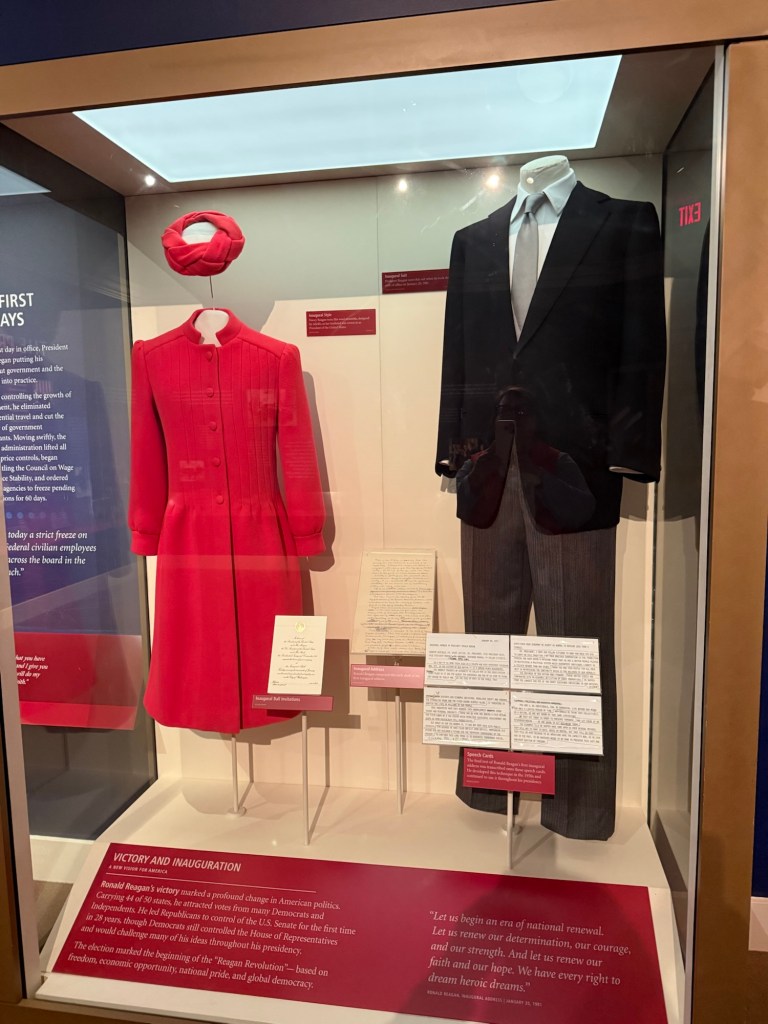
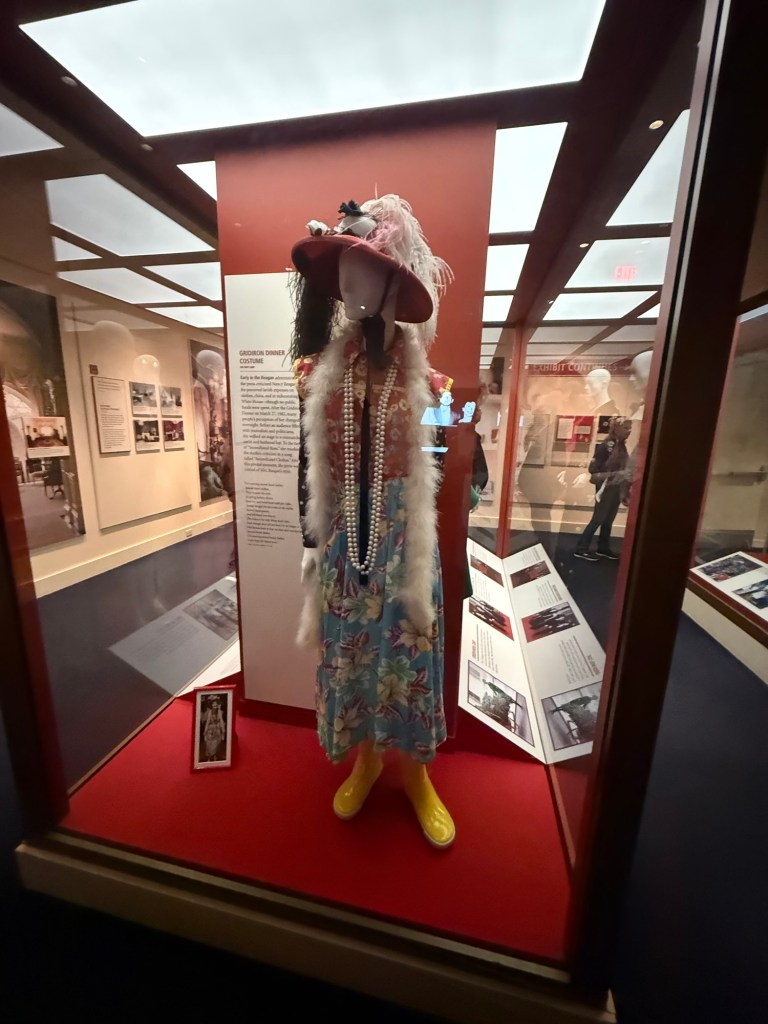
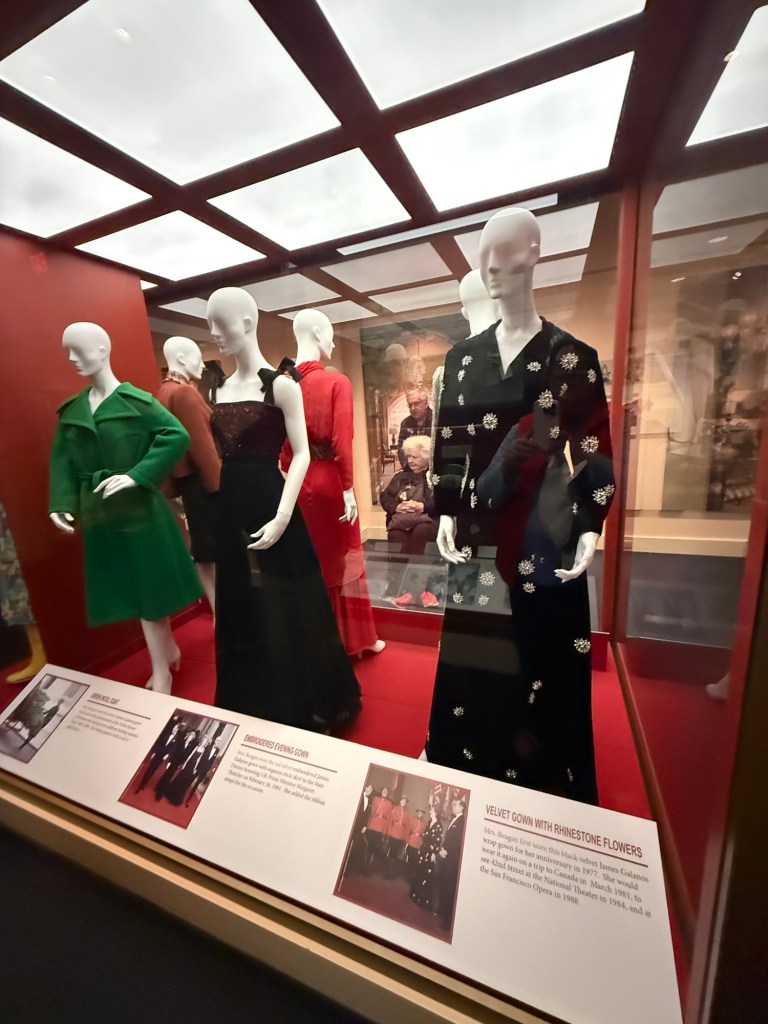
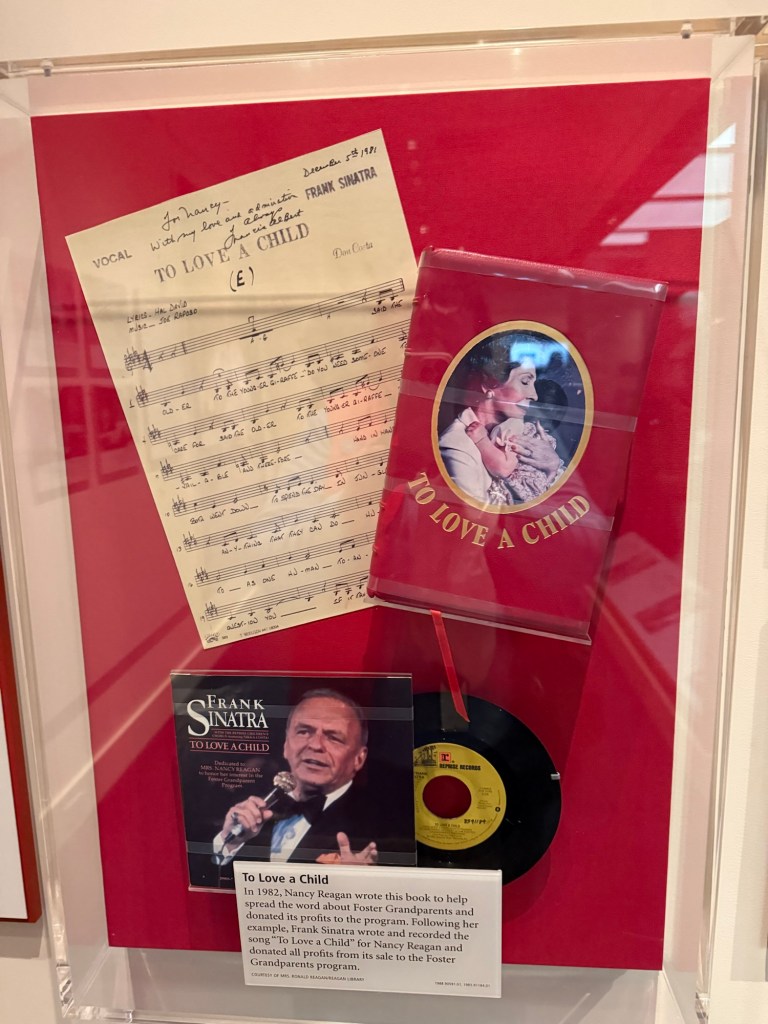
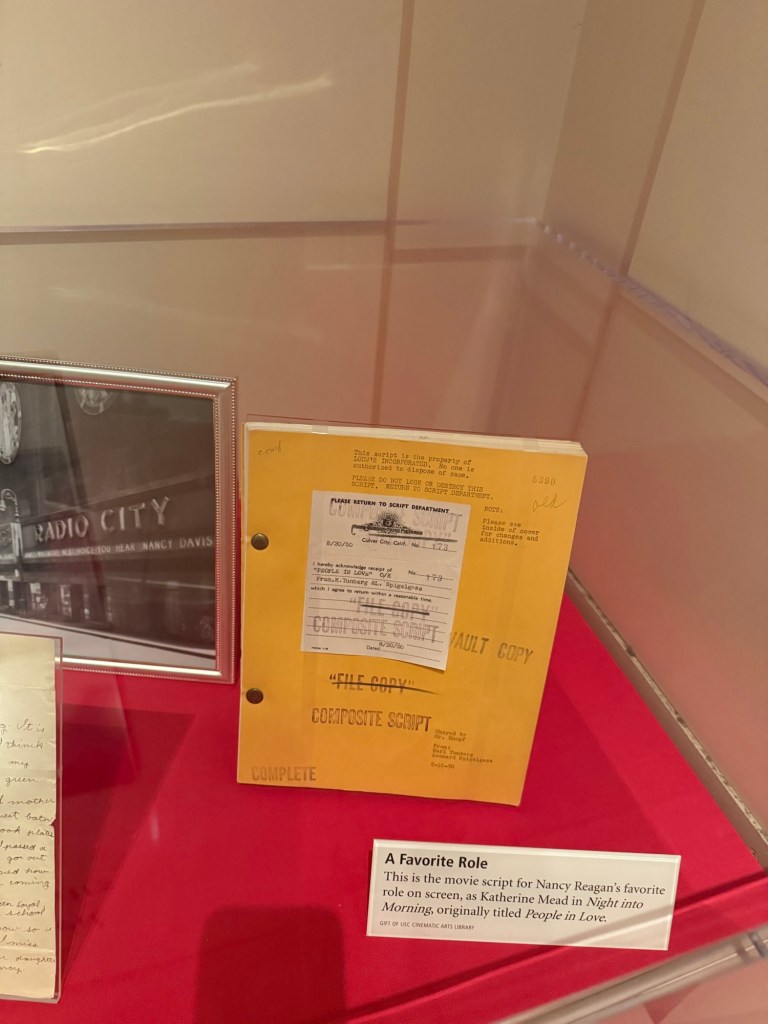
Front Entrance From the Front of the Library Front Entrance Front Entrance The Current Exhibit Statue Outside the Front Doors Buffalo CoatCongressional Gold Medal for Louis L’AmourChuck Wagon Typical Western SaddlesChapsThe Evolution of the Cowboy Hat and Birth of the StetsonWild ChairCattle CarBranding Irons Including the One Used ByWill RogersThe History of the Branding Iron Barbed Wire Was Patented Modern Cattle Ranching Utilizes HelicoptersRodeo AttireReagan’s 1960 Jeep The Exhibit Has a Rifle Demo Yellowstone Television Series Costumes Wagon Trigger of Roy Rogers FameChristmas Tree in the Gift Shop – Ornaments for Sale A Piece of the Berlin Wall Inauguration Clothing for the Reagan’sNancy’s Second-Hand Rose Costume Clothes Worn by Nancy Sinatra Was a Huge Supporter In High School Nancy Starred in Her High School’s Play First Lady Air Force One Another View of Air Force One
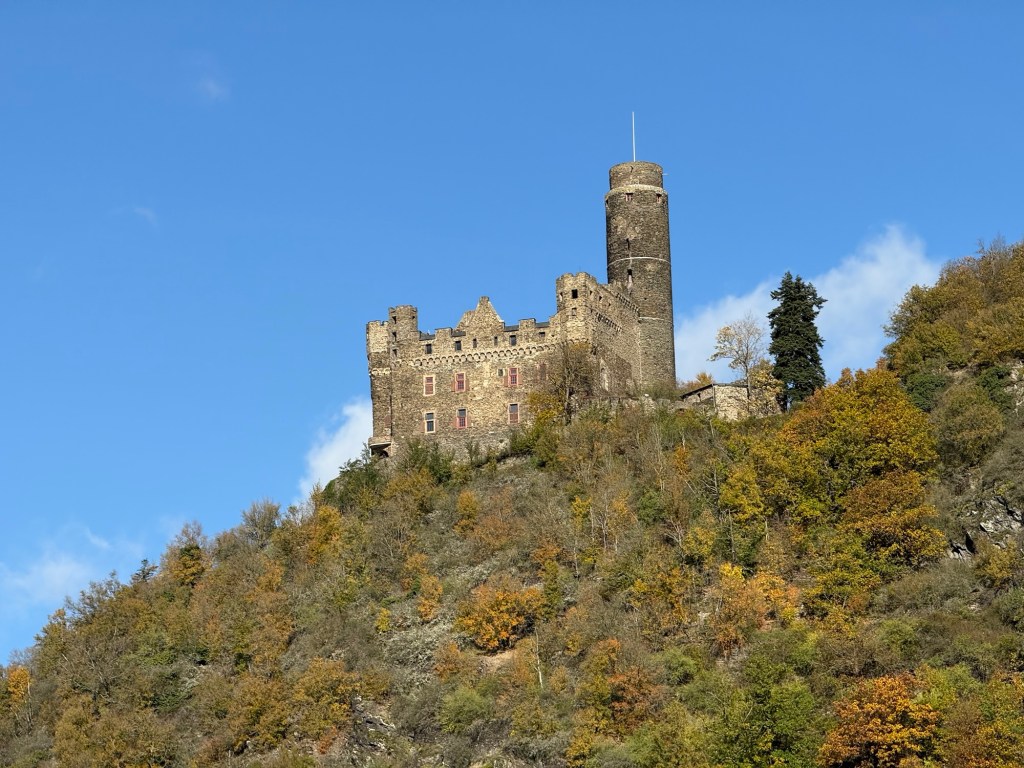
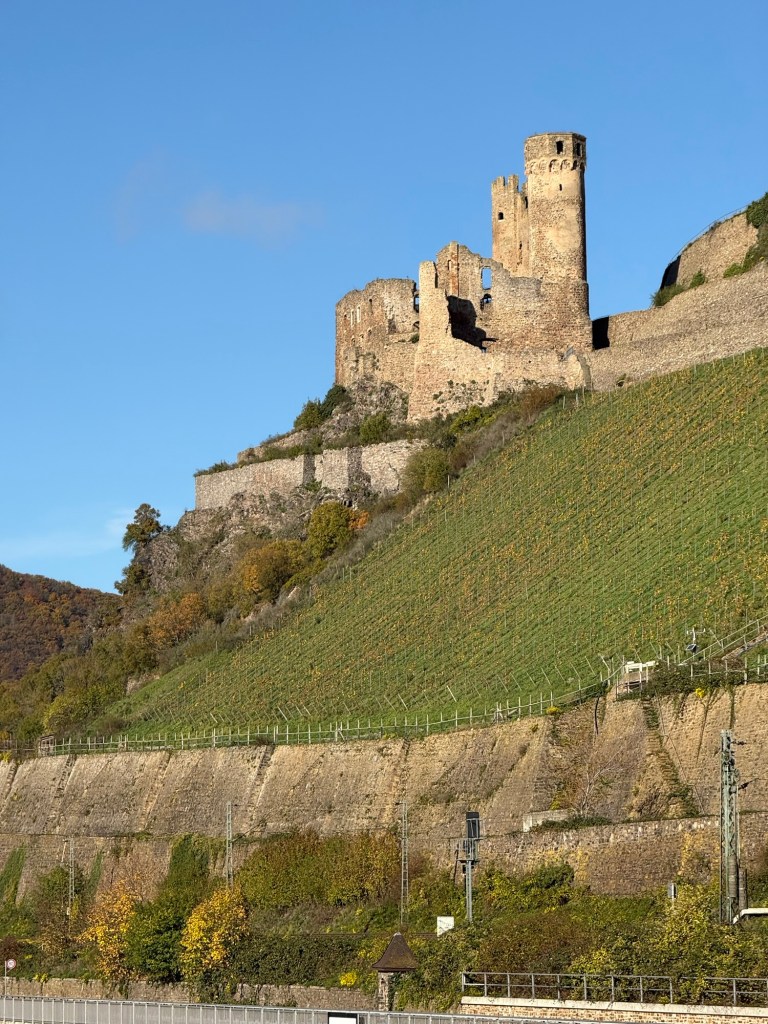
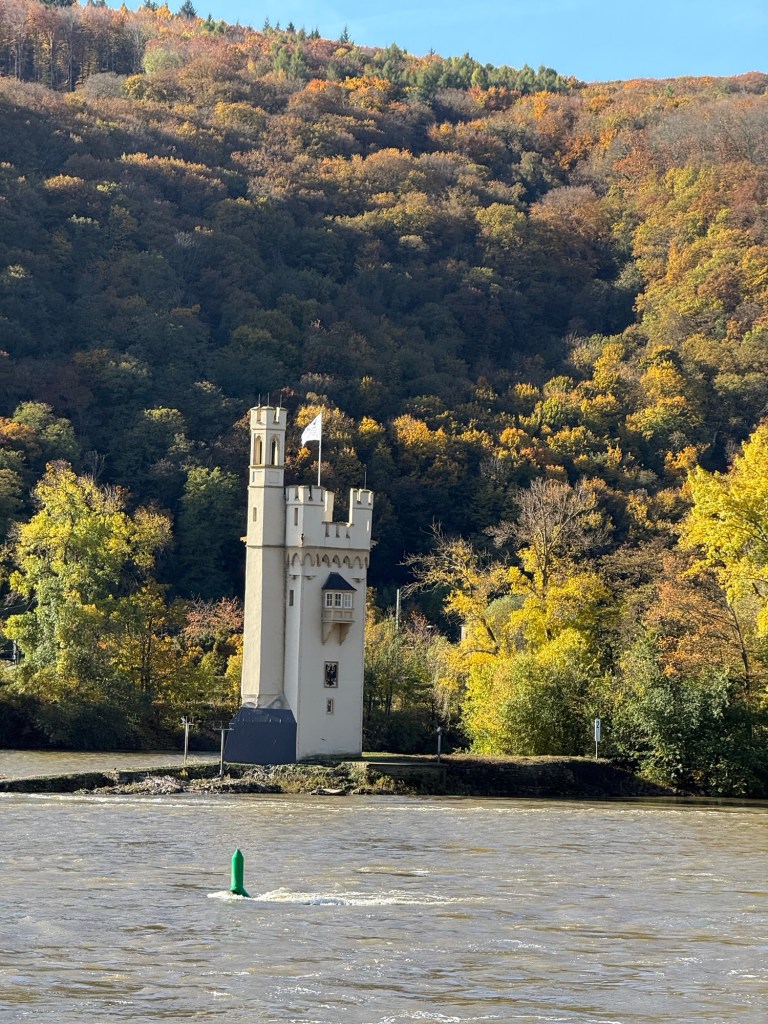
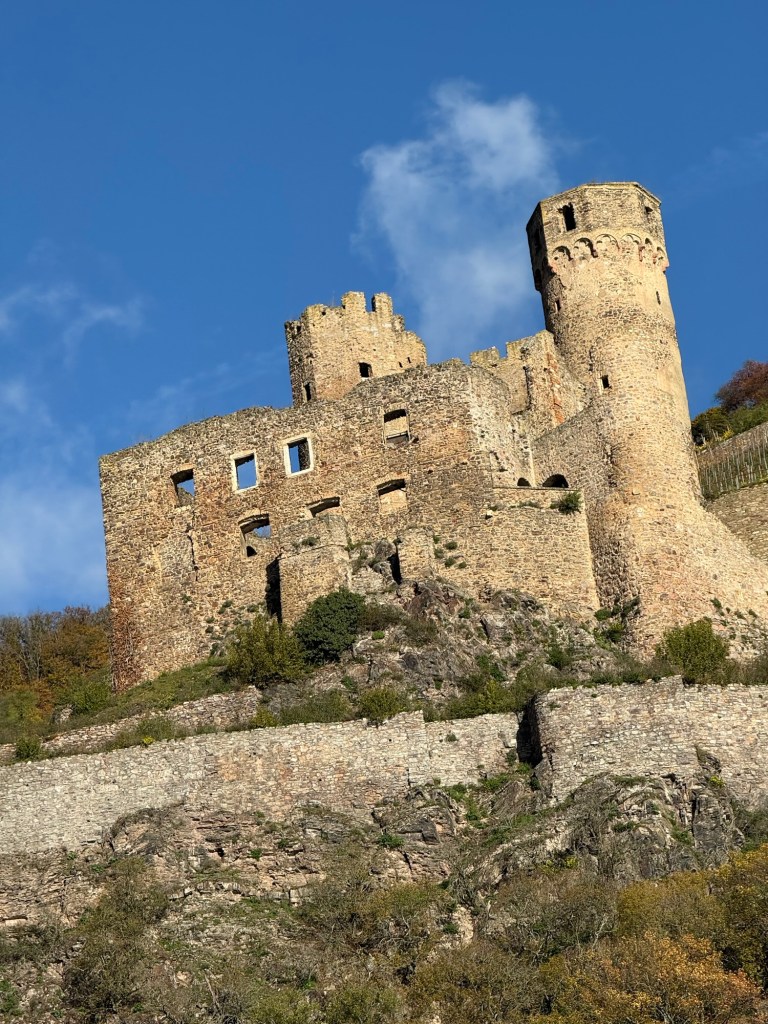
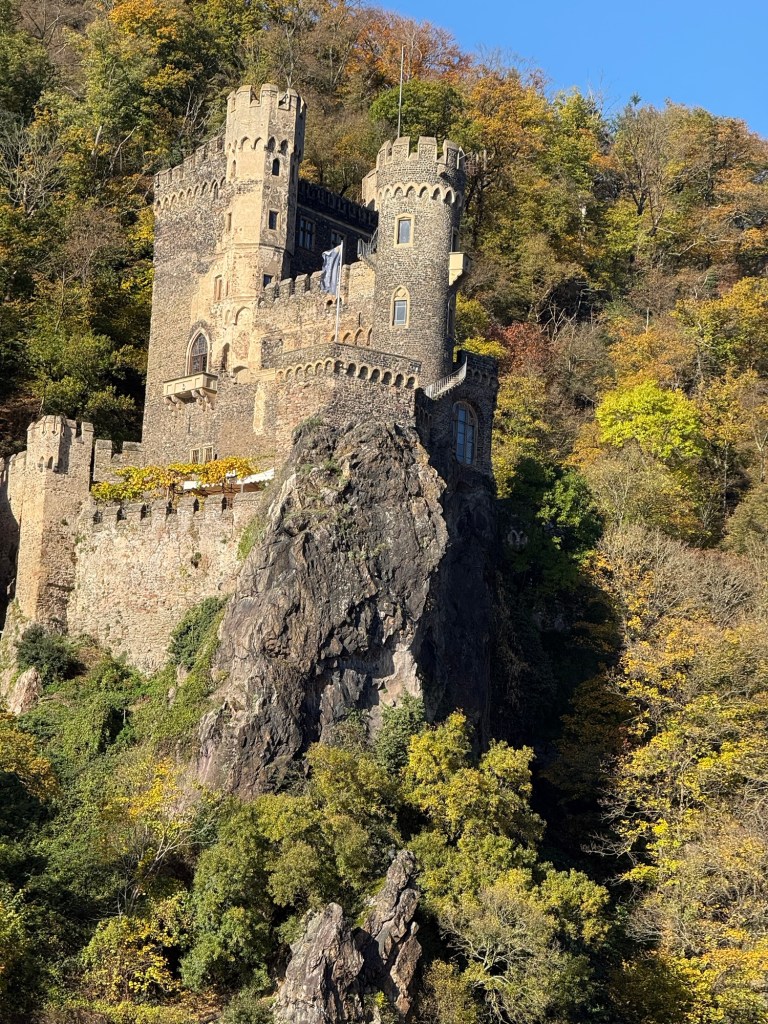
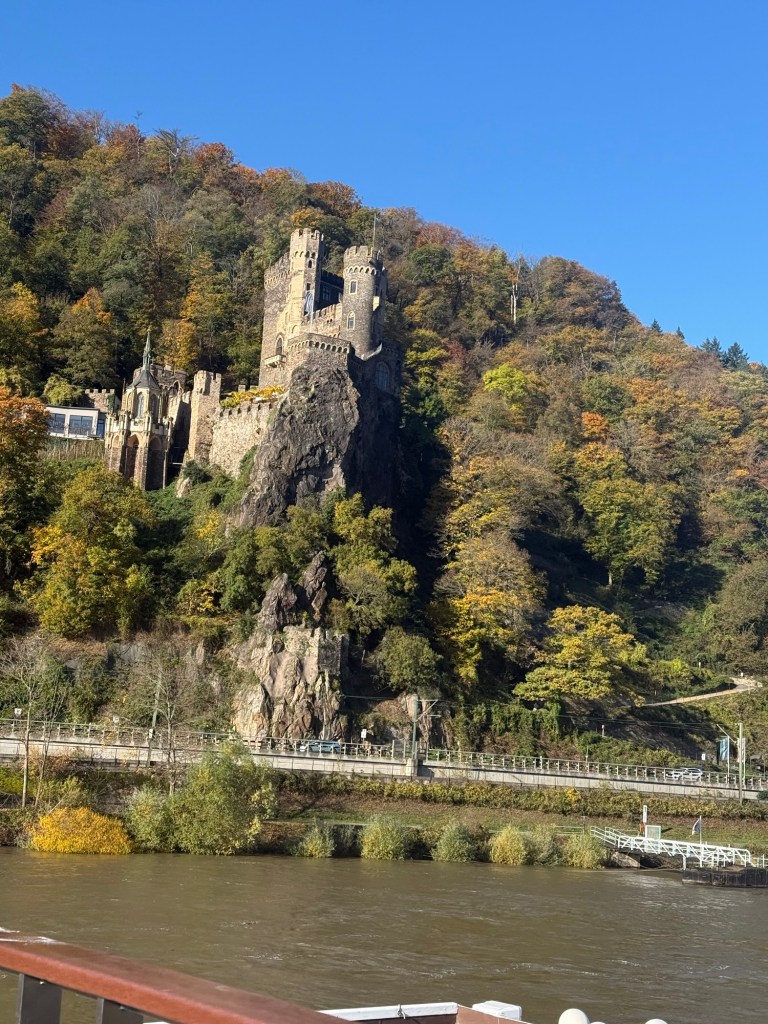
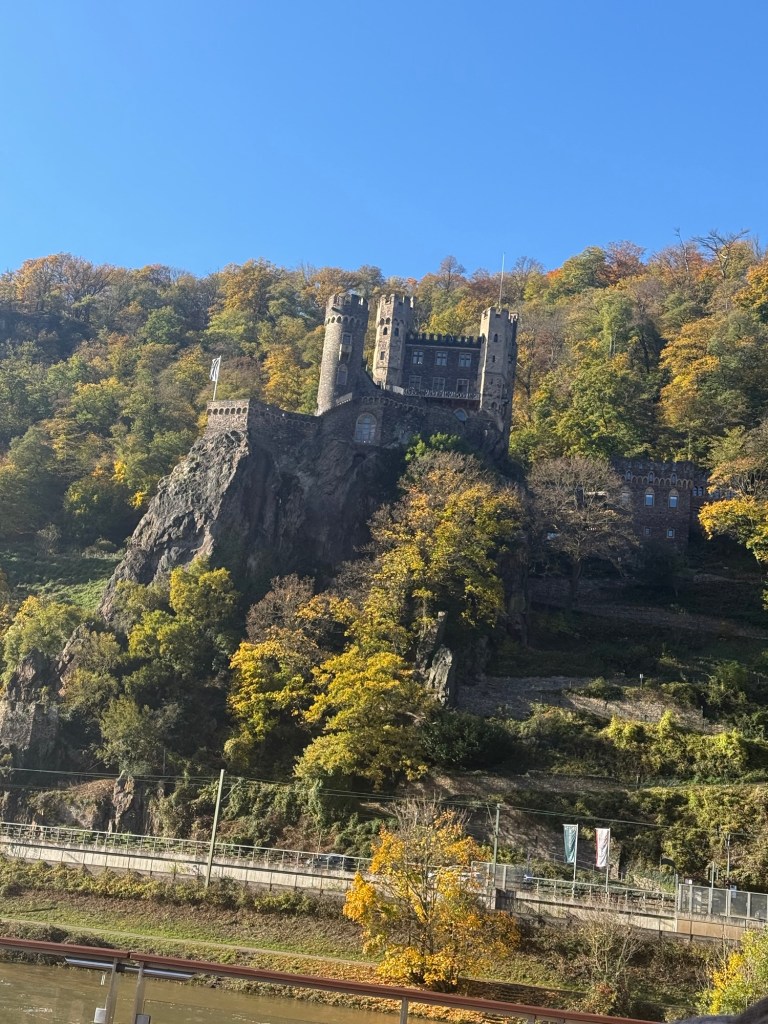
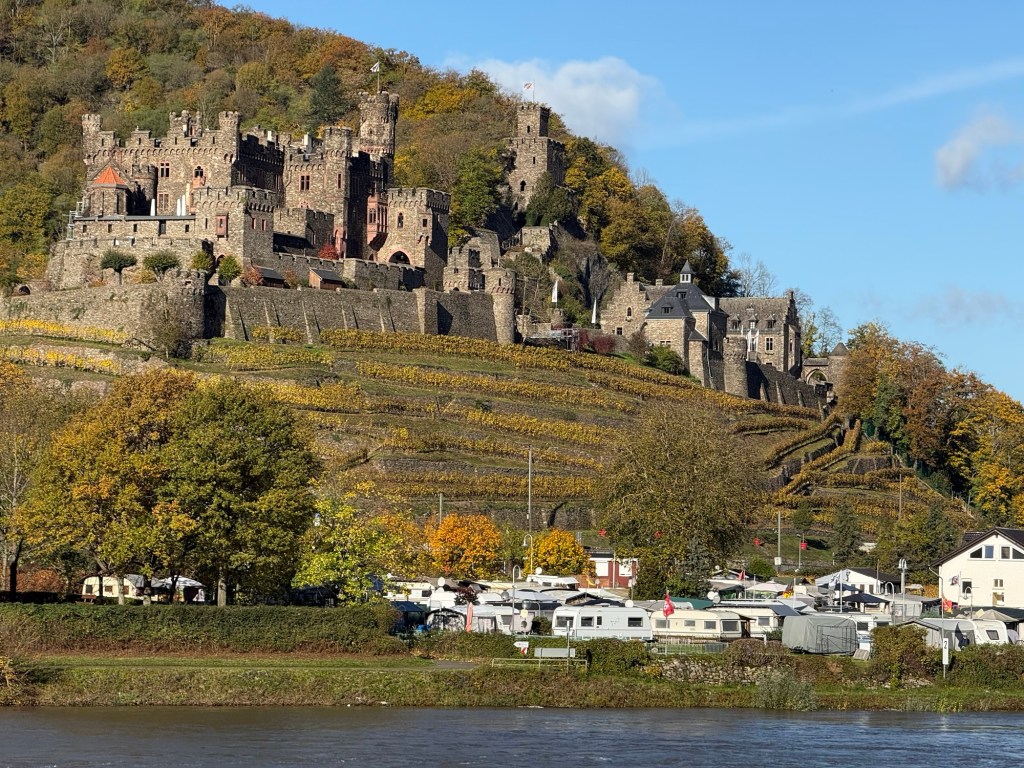
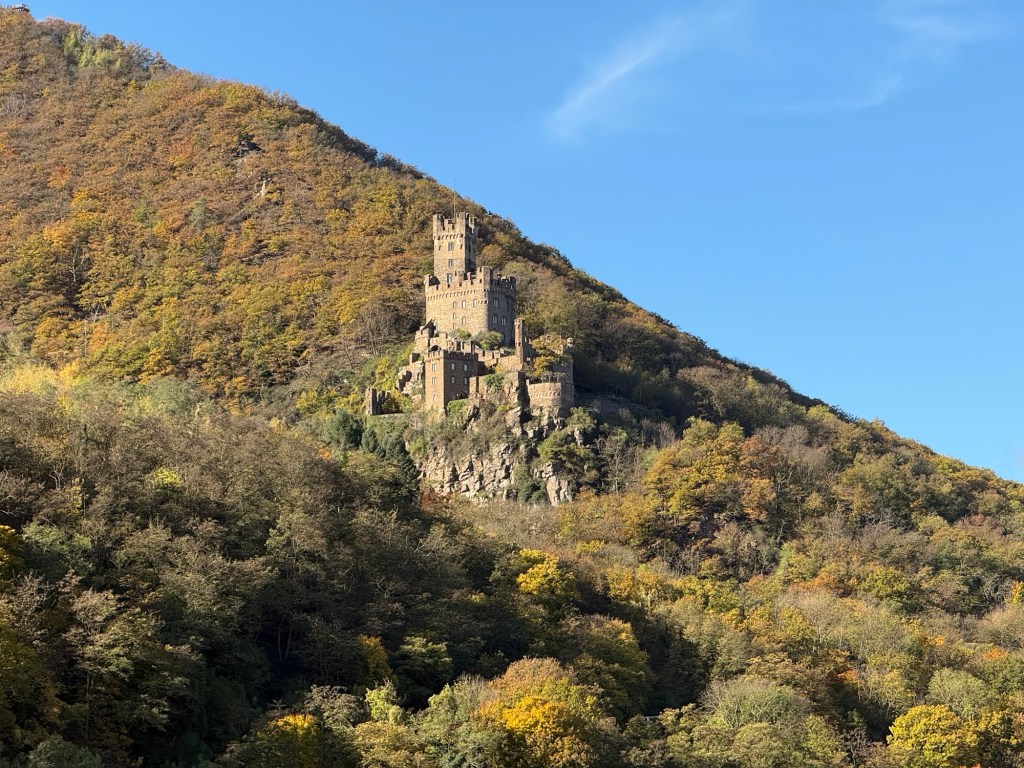
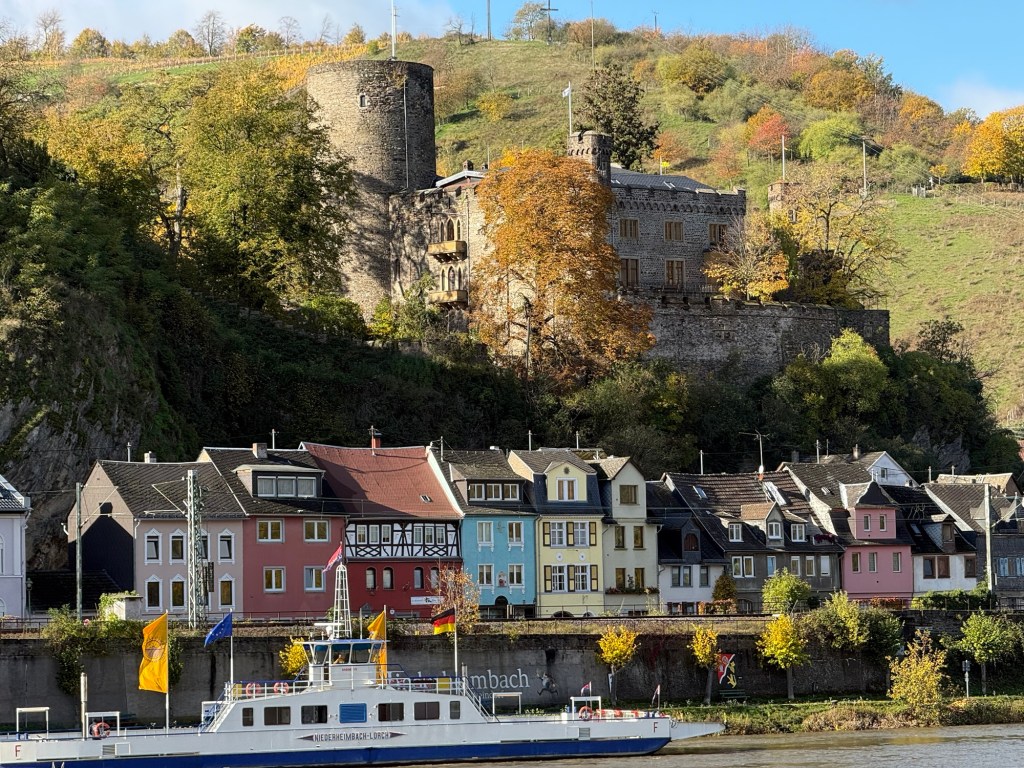
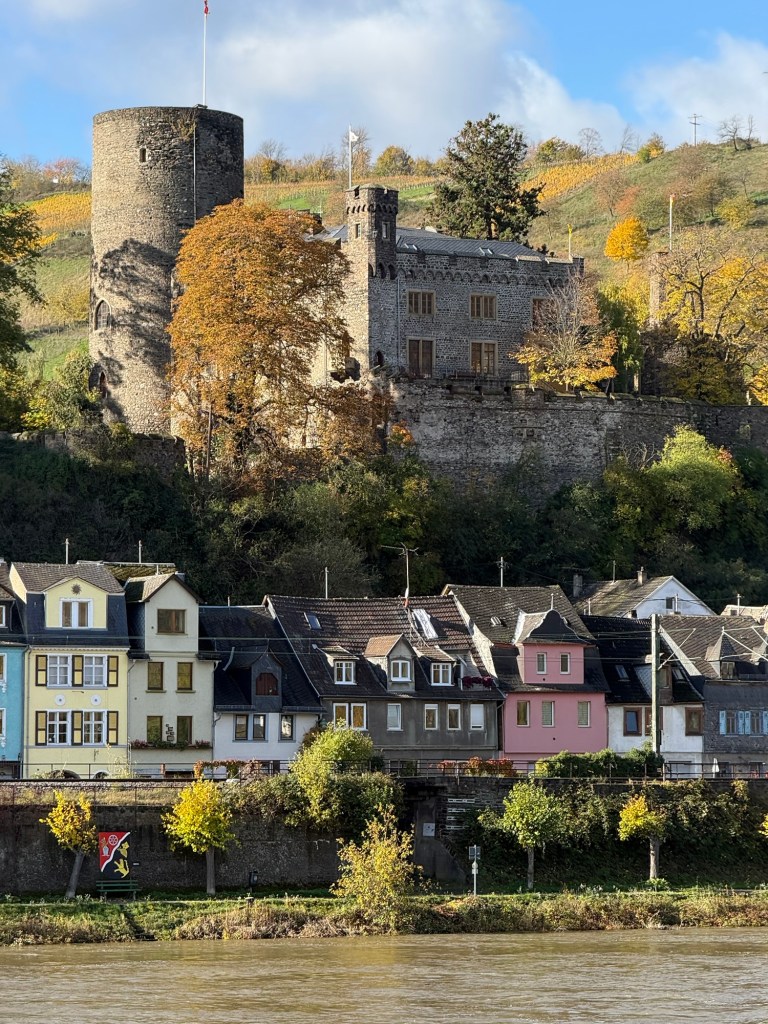
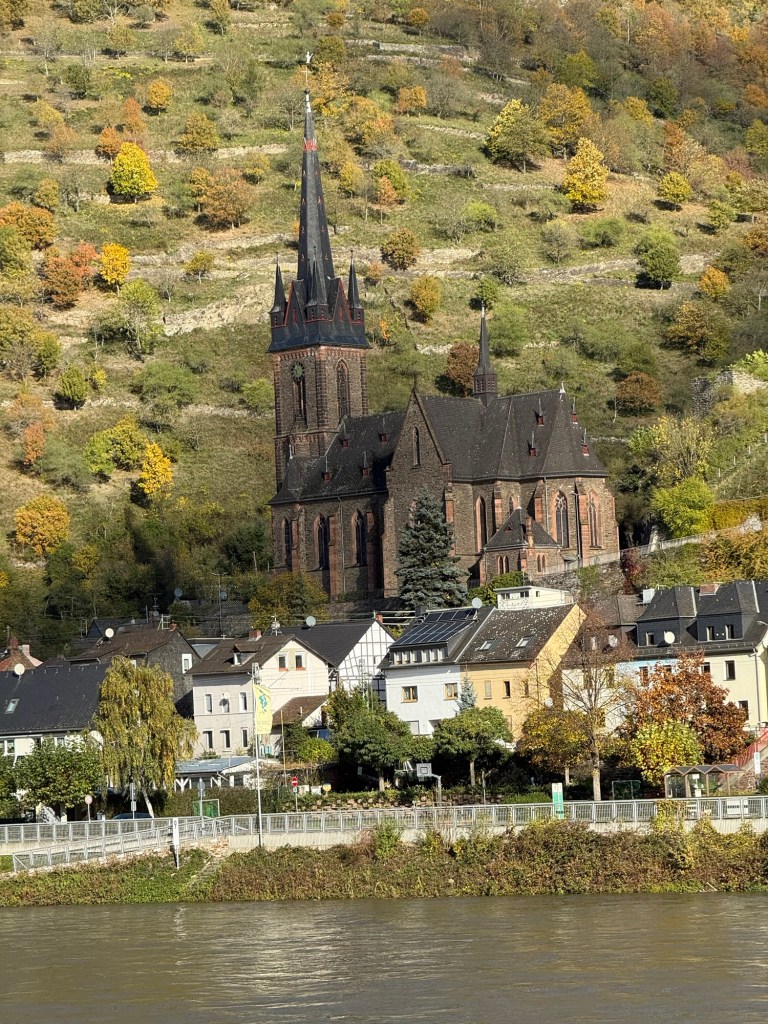
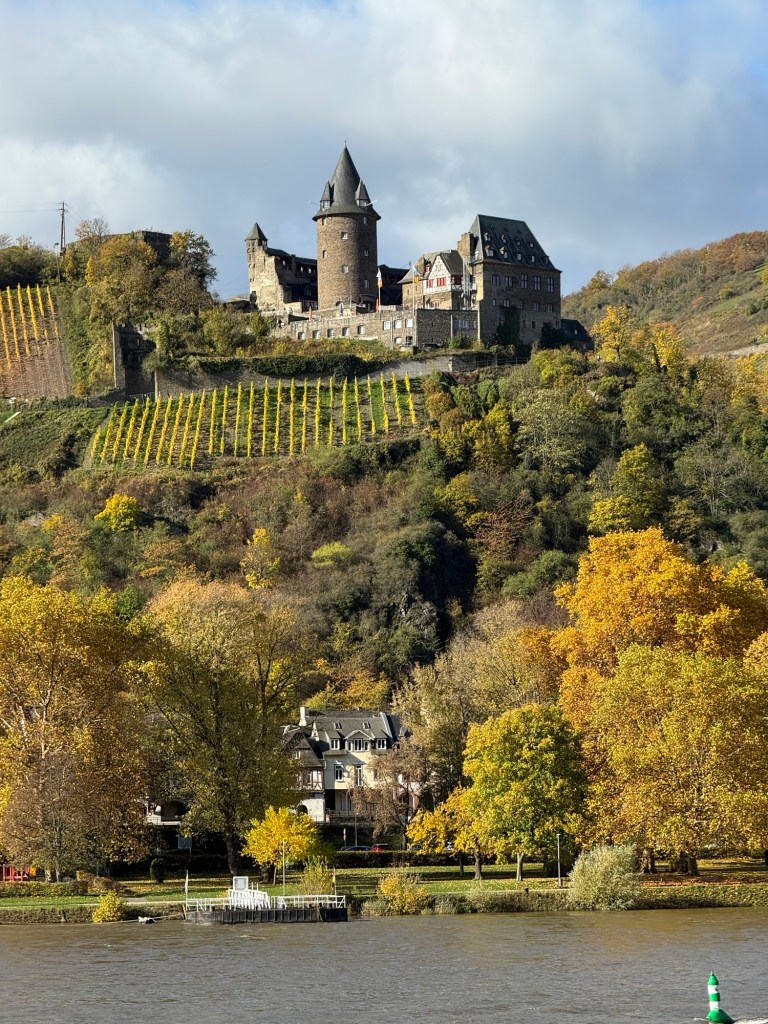
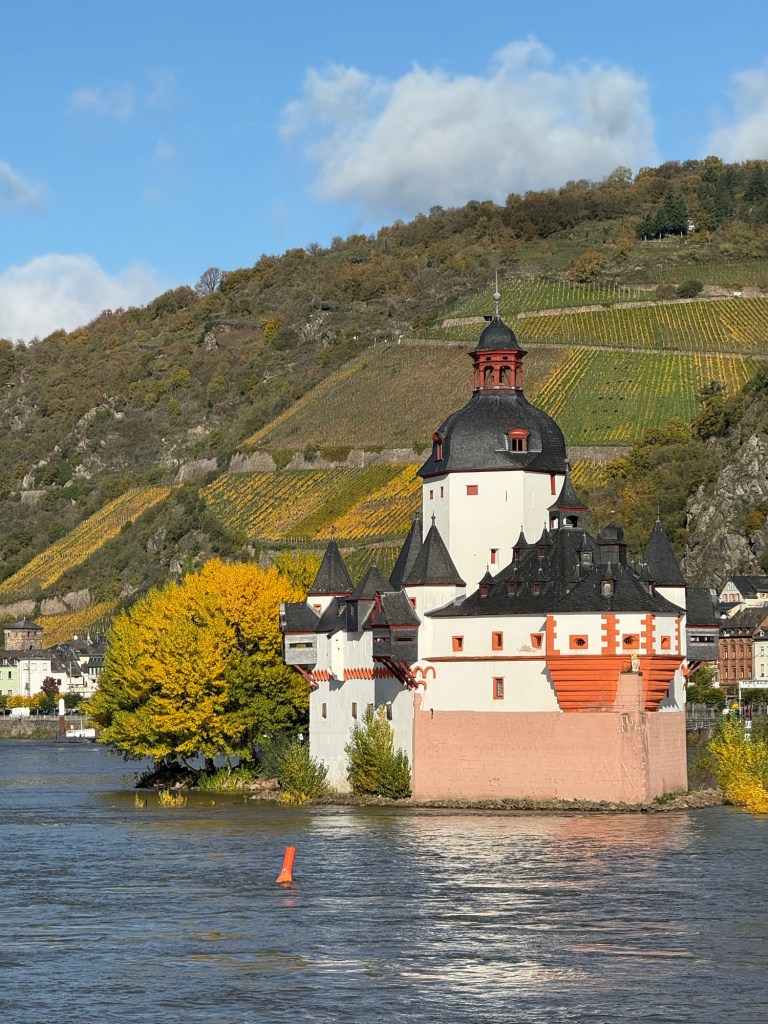
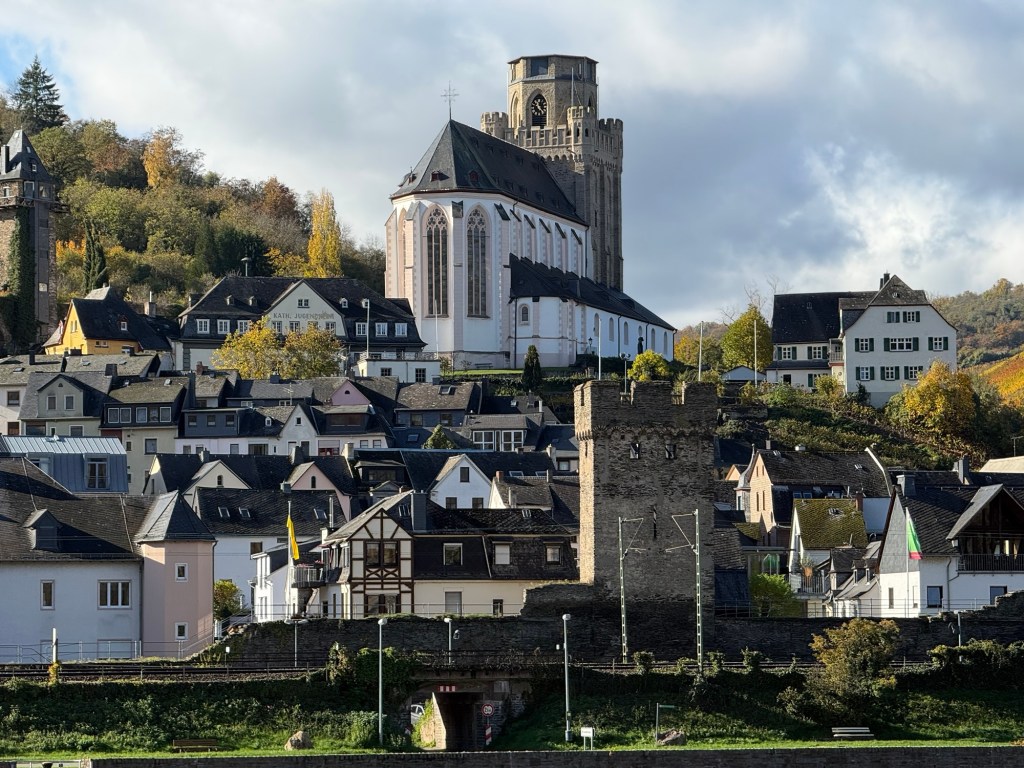
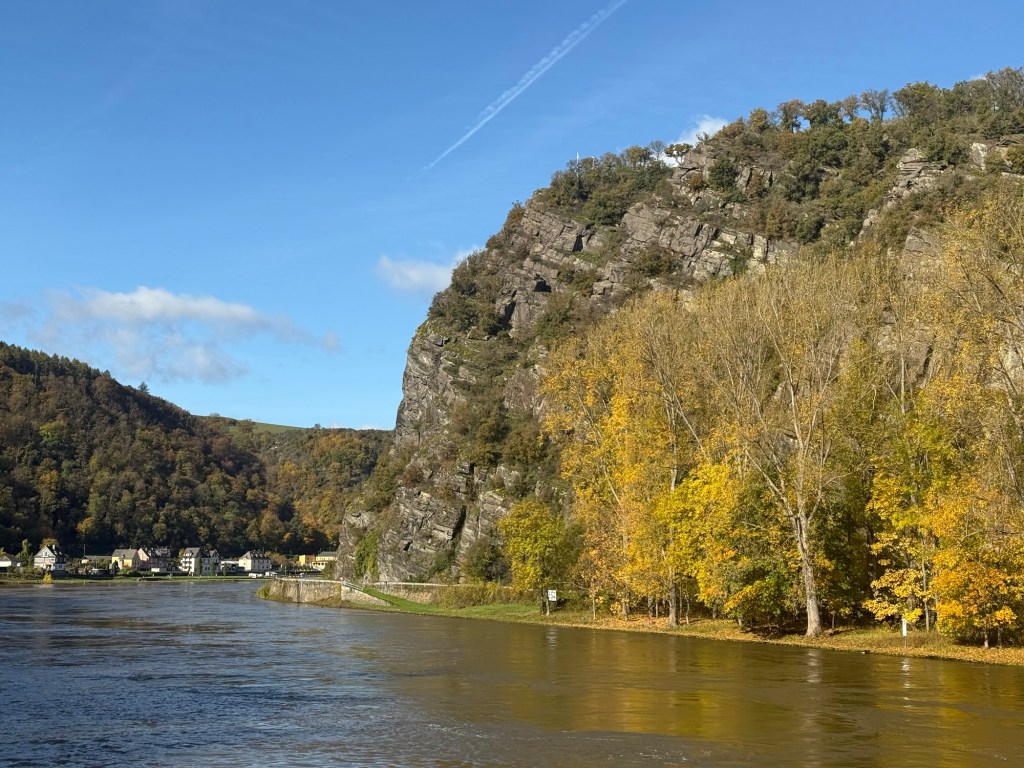
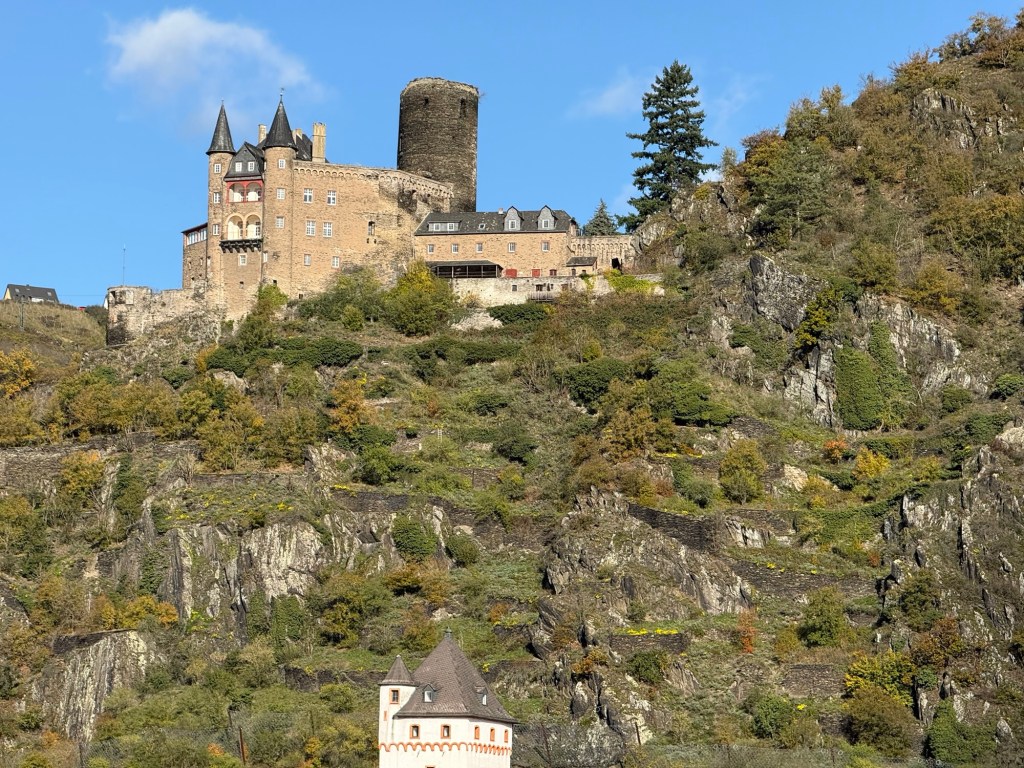
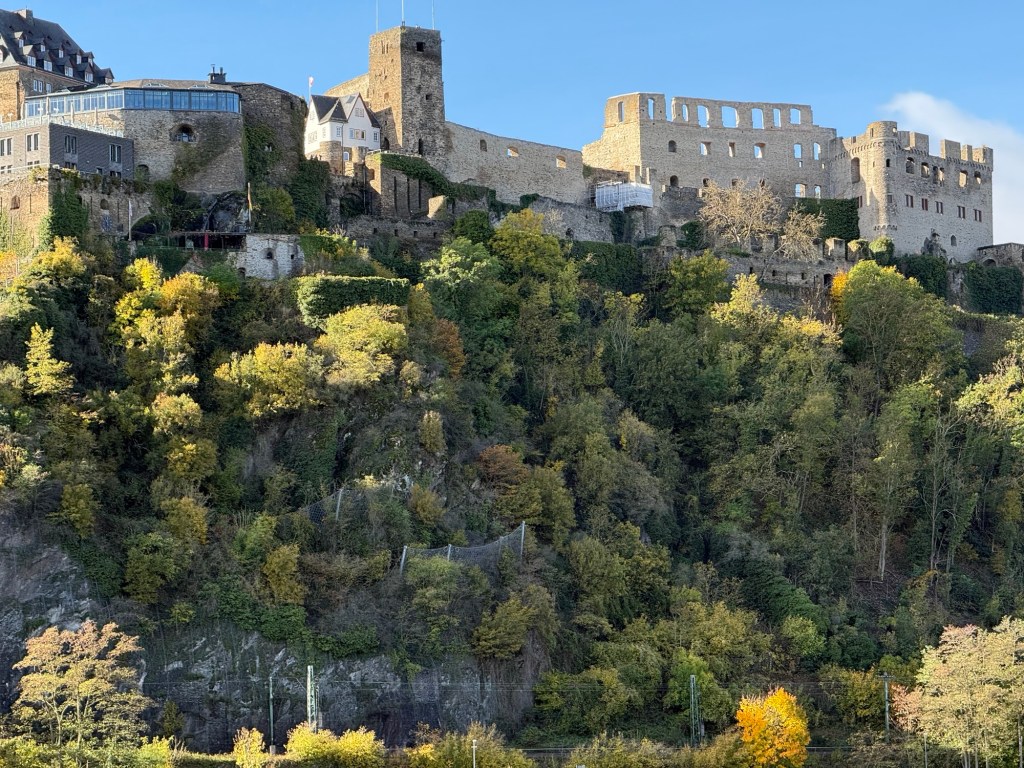
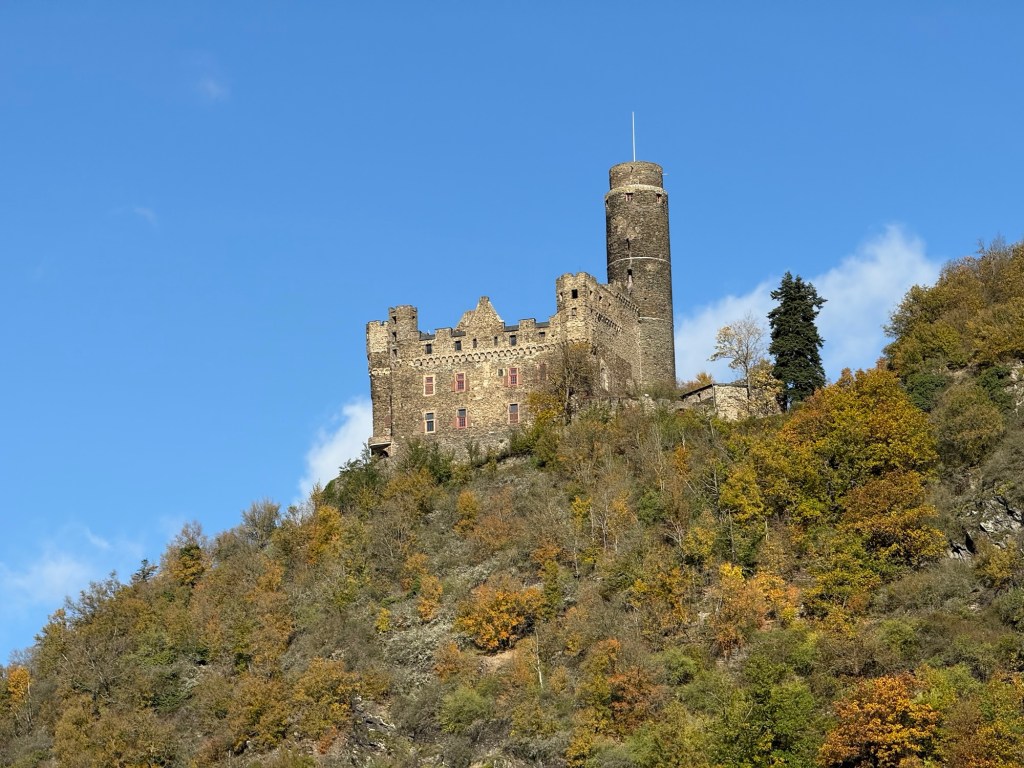
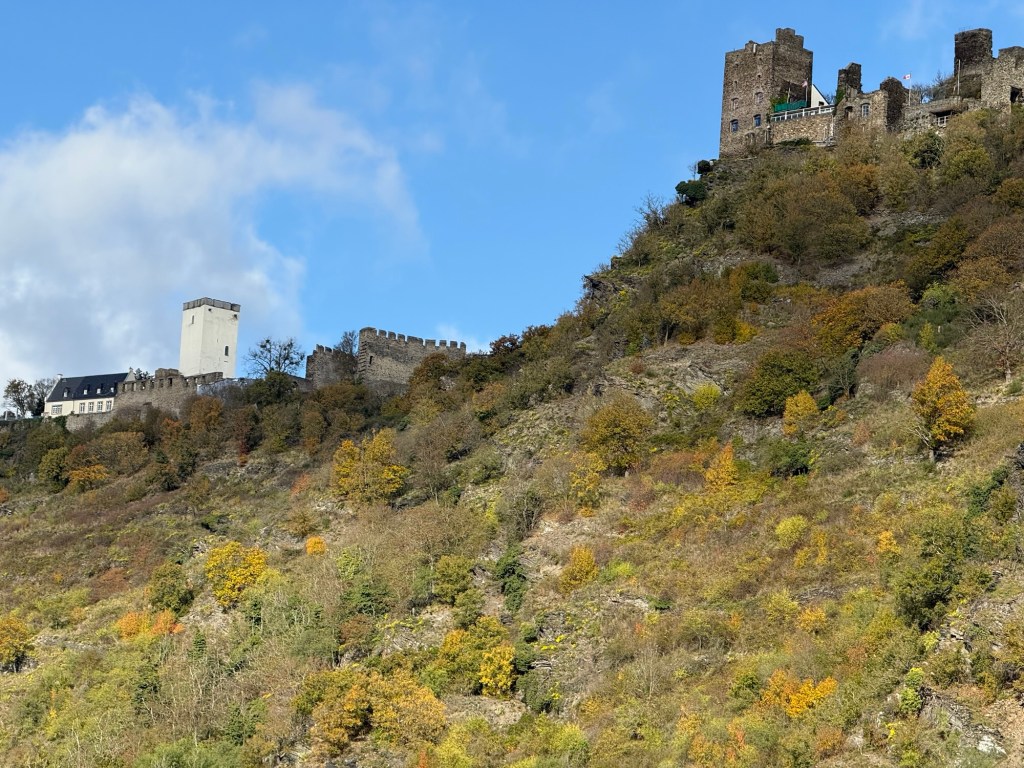
A highlight of our Viking River cruise from Budapest to Amsterdam was the morning we spent on the roof deck watching the plethora of beautiful castles. Our cruise director Elena provided really helpful commentary while crew members handed out shots of German apricot schnapps. This all took place during a 40-mile stretch of the Rhine prior to landing in the town of Koblenz.
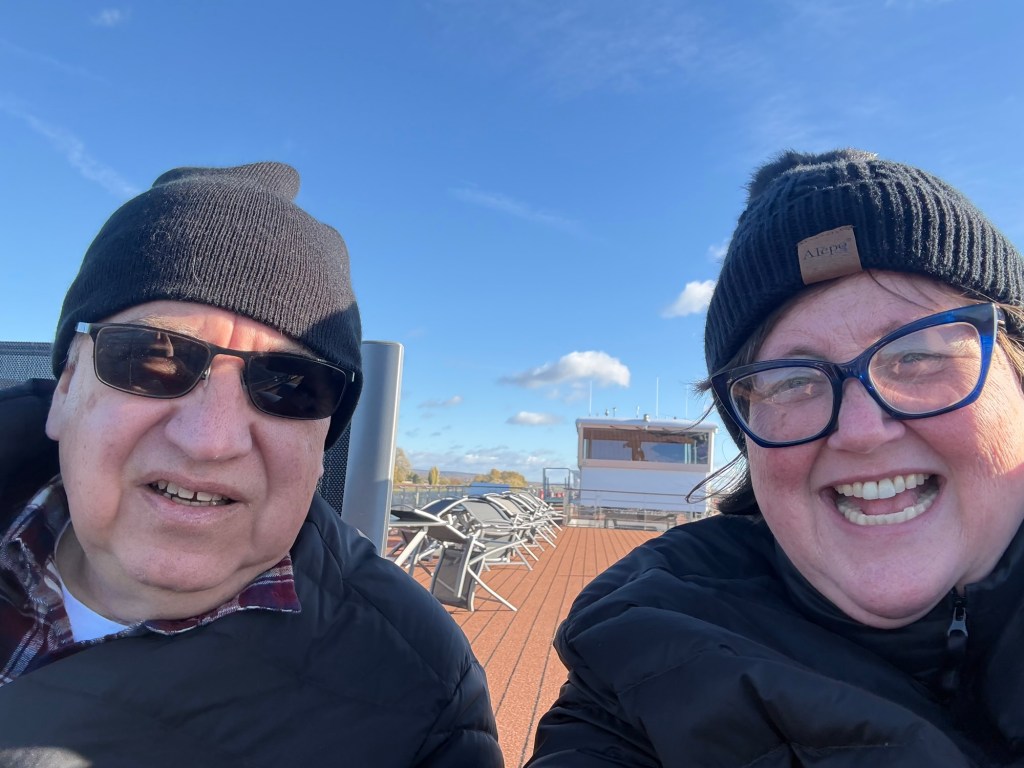
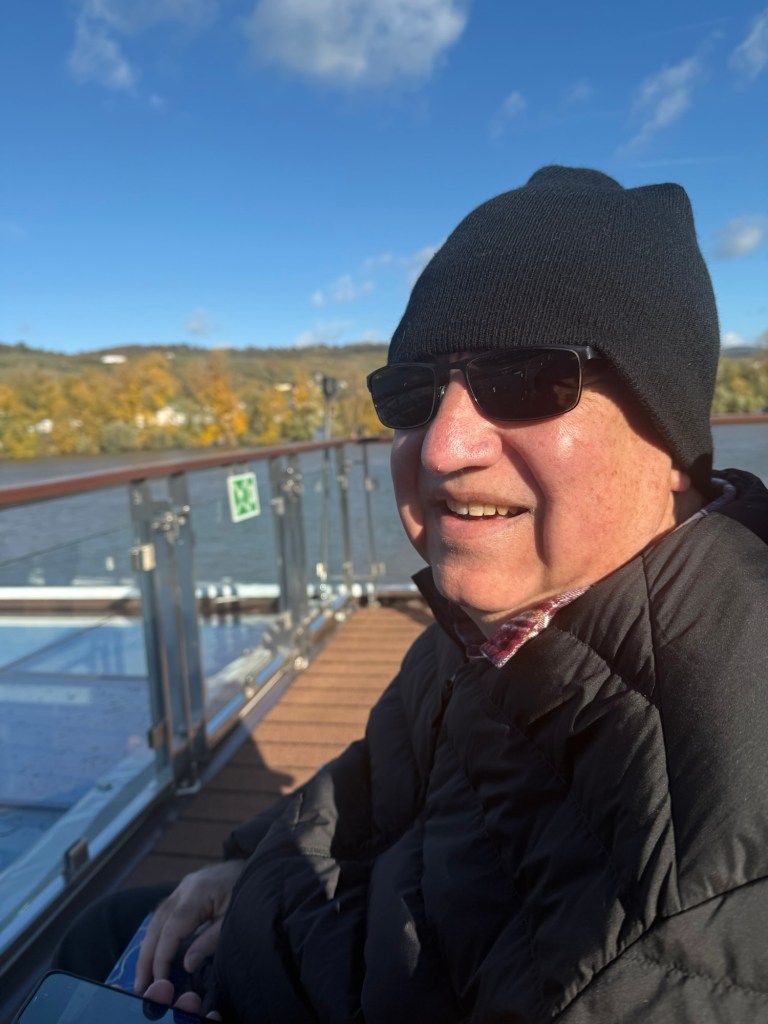
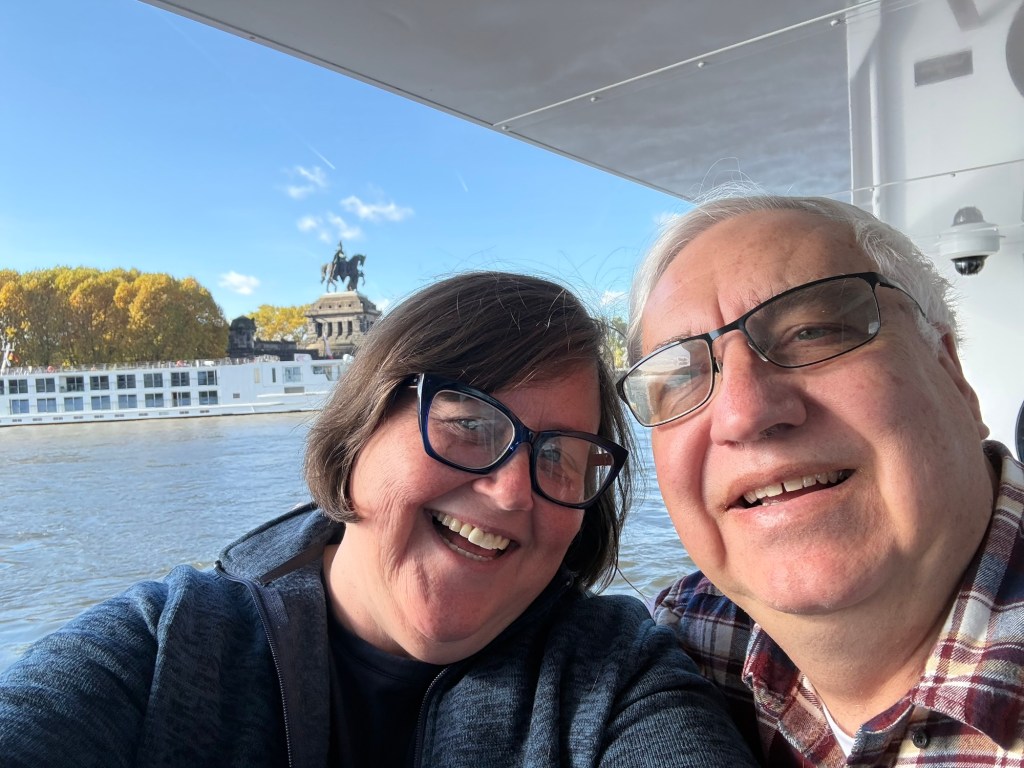
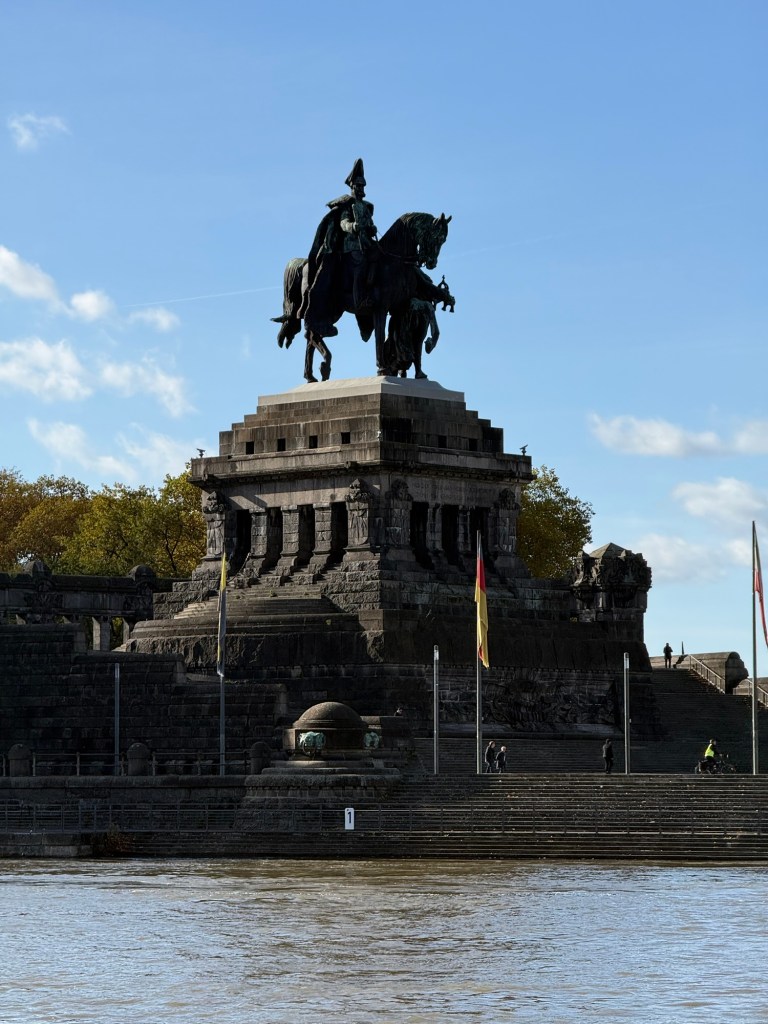
As John and I sat on the deck, looking at the spectacular scenery, we felt we were participants in a Viking River television commercial. We had a lot of “pinch me am I really here” moments. This experience, alone, was a main selling point for going on this cruise. We sailed miles without seeing another ship and saw so many beautiful castles with little effort. For me, our arrival in Koblenz was especially dramatic. It was hard not to be in awe as our ship approached the Deutsches Eck and the enormous statue of Kaiser Wilhelm I.
Castle Watching with John Beautiful Church Along the Rhine John Taking in the Scenery Ehrenfels Castle Mouse TowerAnother View of the Ehrenfels Castle Rheinstein Castle Another View of the Rheinstein Castle Another View of the Rheinstein Castle Reichenstein Castle Sooneck Castle Another View of the Sooneck Castle Heimburg Castle Another View of the Heimburg Castle Liebenstein CastleVillage and Scenic Church Along the Rhine Stahleck Castle The PflazGutenfels Castle Schonburg Castle Picturesque Village Old Guard Tower Lorelei RockKatz Castle Another View of Katz Castle Sterrenberg CastleAnother View of the Sterrenberg CastleMaus Castle Sterrennberg Castle Viking River Castle Brochure Landing in Koblenz with Kaiser Wilhelm I in the Background Kaiser Wilhelm I Statue Kaiser Wilhelm IKaiser Wilhelm I
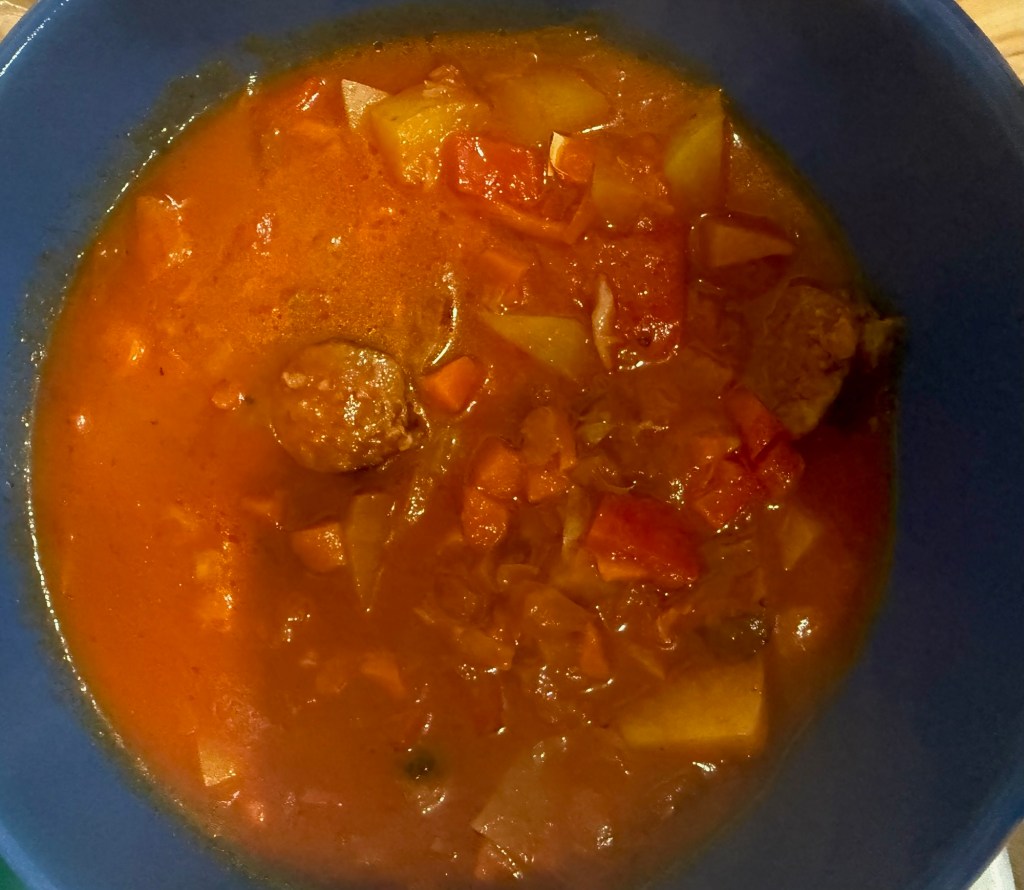
My First Attempt Using My New Stash of Imported Paprika From Budapest
I recently returned from an incredible 15 Viking River cruise from Budapest to Amsterdam. Budapest was probably my favorite place we visited. While there, we visited the Great Market Hall where I stocked up on a variety of paprika products including paprika paste.
Today was the day – I finally felt alert enough, after battling severe jetlag from a nine-hour time difference, to attempt making homemade soup.
The result was an amazing soup with so much flavor that my family gave me a standing ovation.
Ingredients:
3 tablespoons avocado oil
1 large onion finely chopped
3 smashed cloves garlic
4 peeled carrots – diced
3 stalks celery – diced
1 red bell pepper – diced
2 tablespoons paprika paste
1 12 ounce can tomato paste
1 cup red wine
2 cups vegetable stock
3 bratwurst sausage links
1 cup shredded green cabbage
salt and pepper to taste
2 cups diced potatoes
First, sauté the garlic, onion, carrots and celery in the avocado oil. Add in the diced red bell pepper. Add in the paprika (preferably in paste form).
After five minutes, add in the tomato paste, wine and vegetable stock.
In a separate pan cook the sausage links until partially cooked. Cut into pieces and then add into the soup. Add in the shredded cabbage and salt and pepper to taste. Let the soup simmer for 20 minutes at medium heat.
Finally, add in the cut up potatoes pieces. Let the soup continue to cook at a low temperature for another 20 to 30 minutes. I dislike overcooked potatoes so I always add them in last.
This is a great soup to make the day before and then reheat the next day. It gets better overnight.
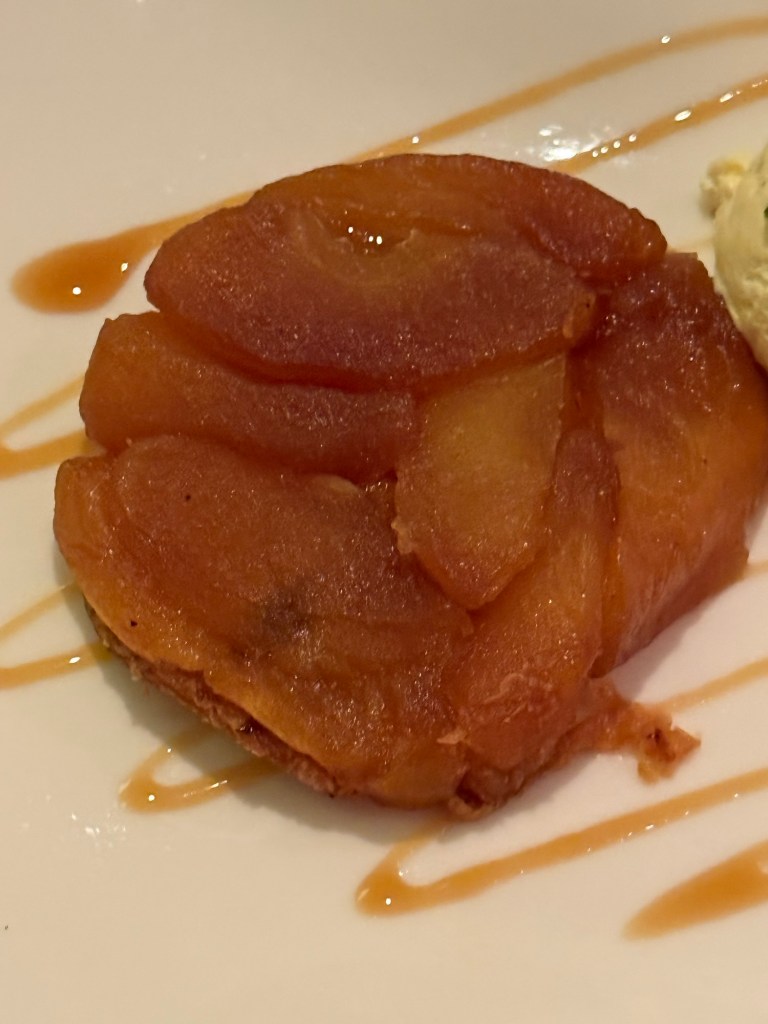
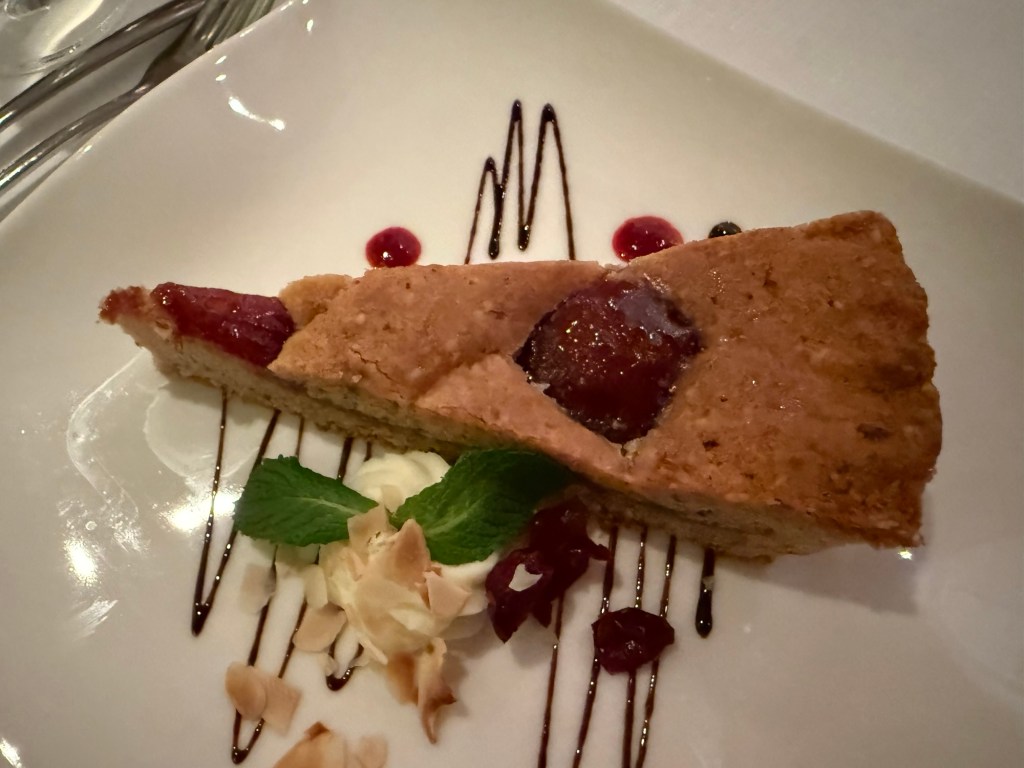
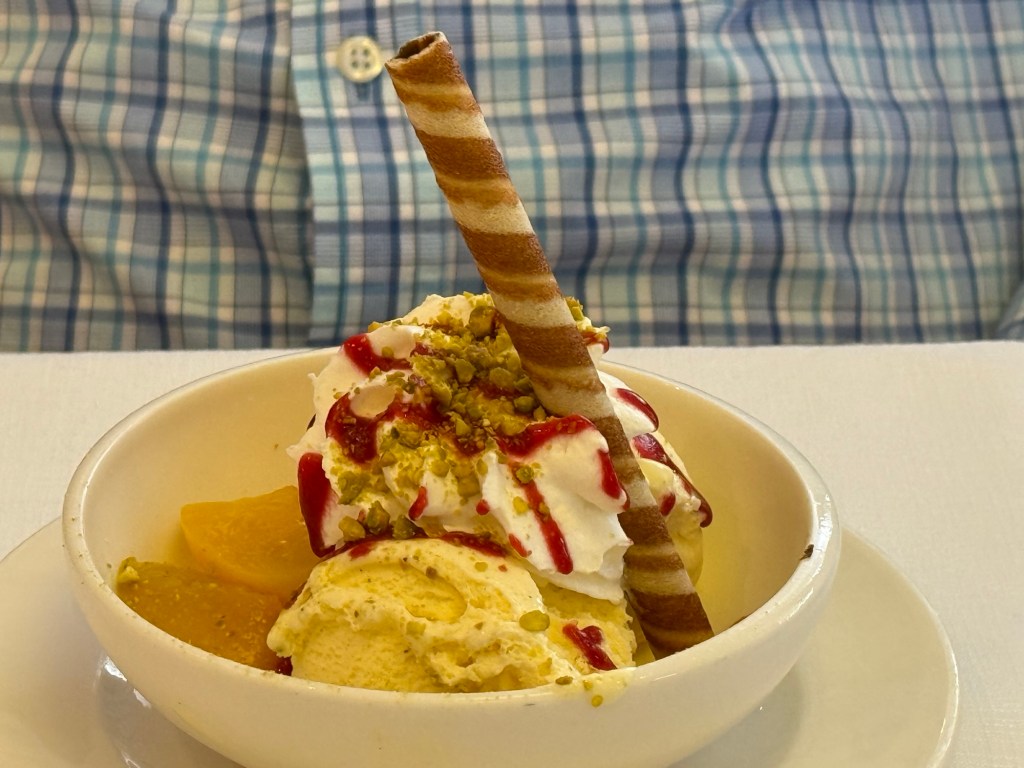
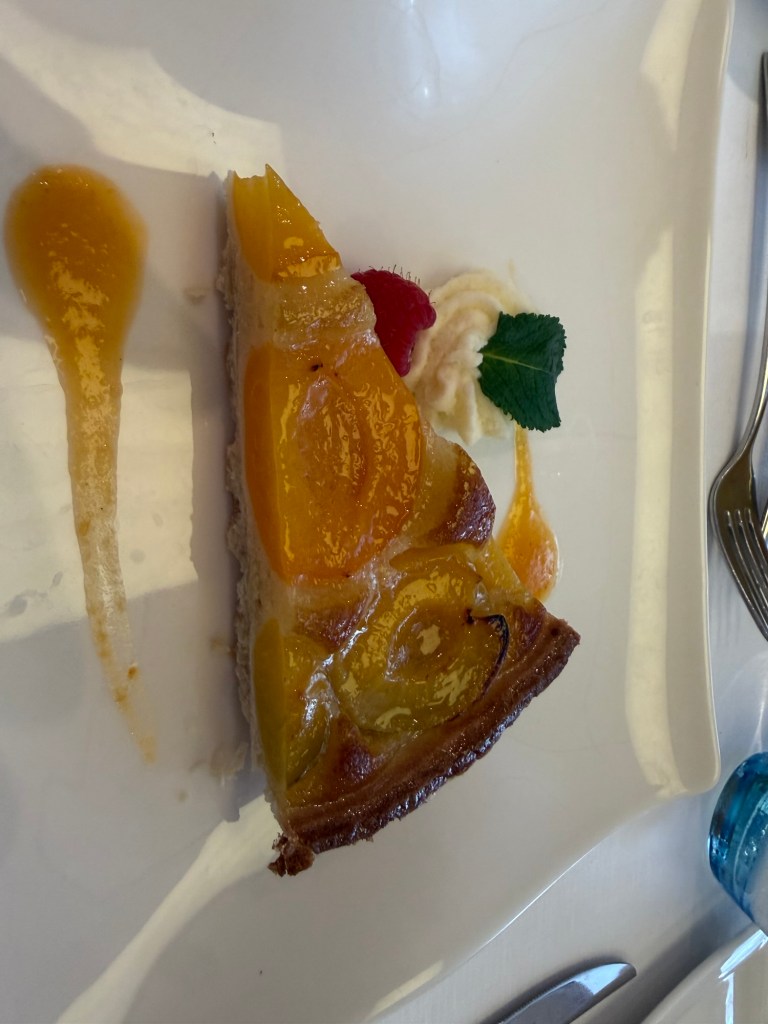
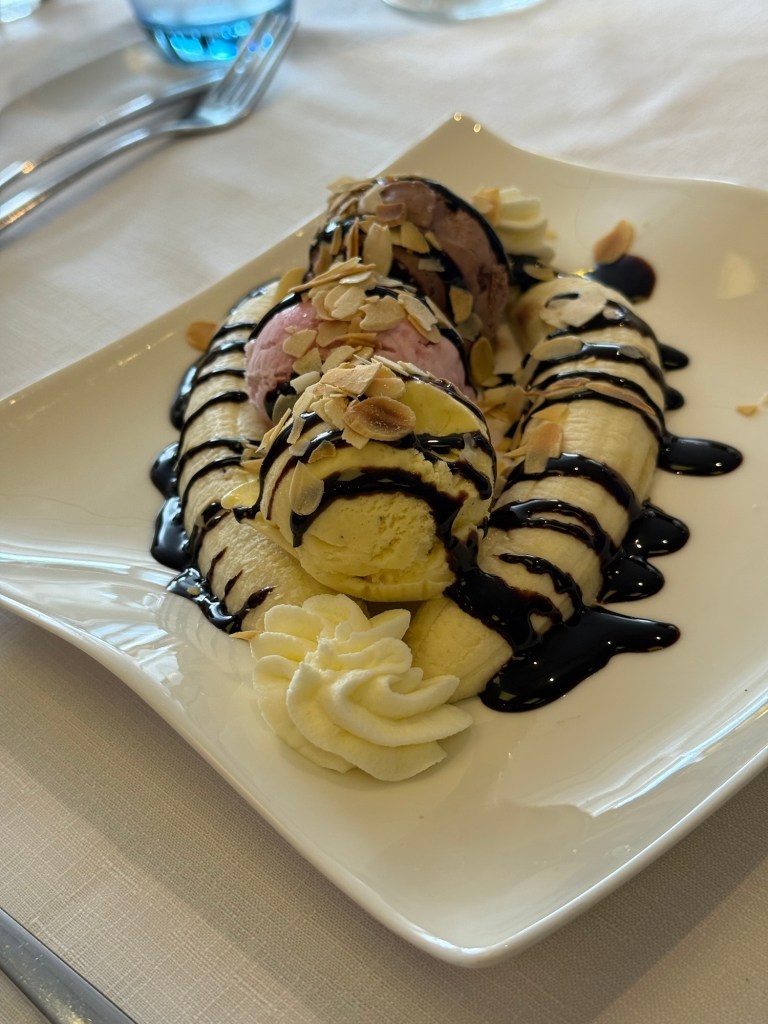
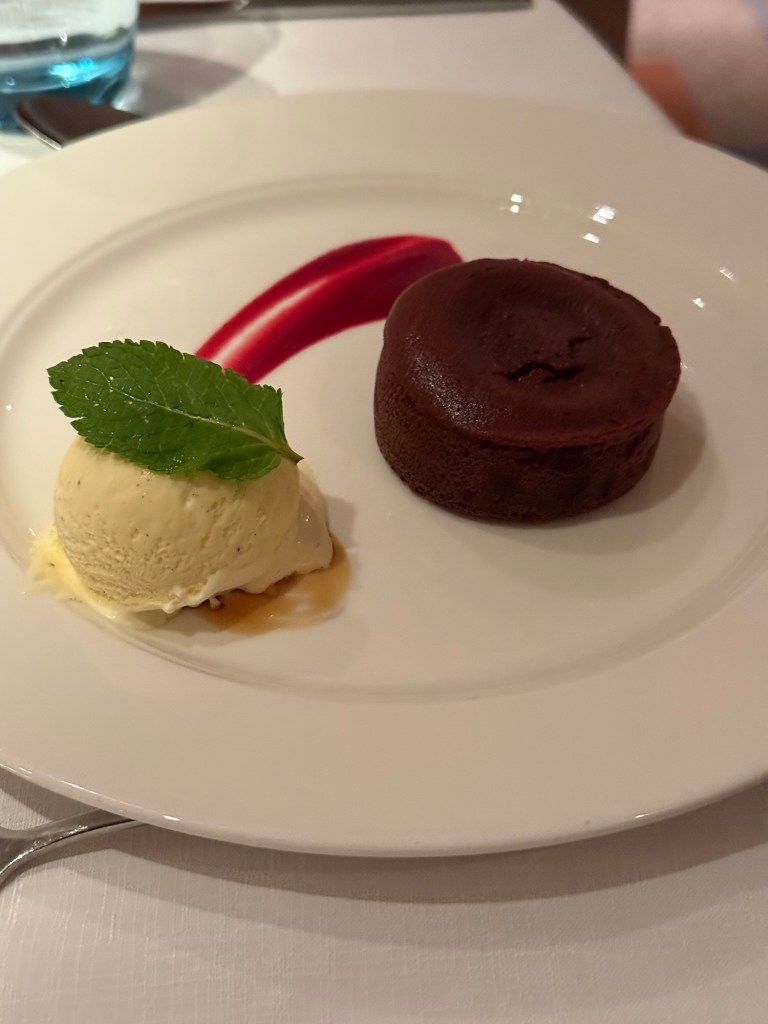
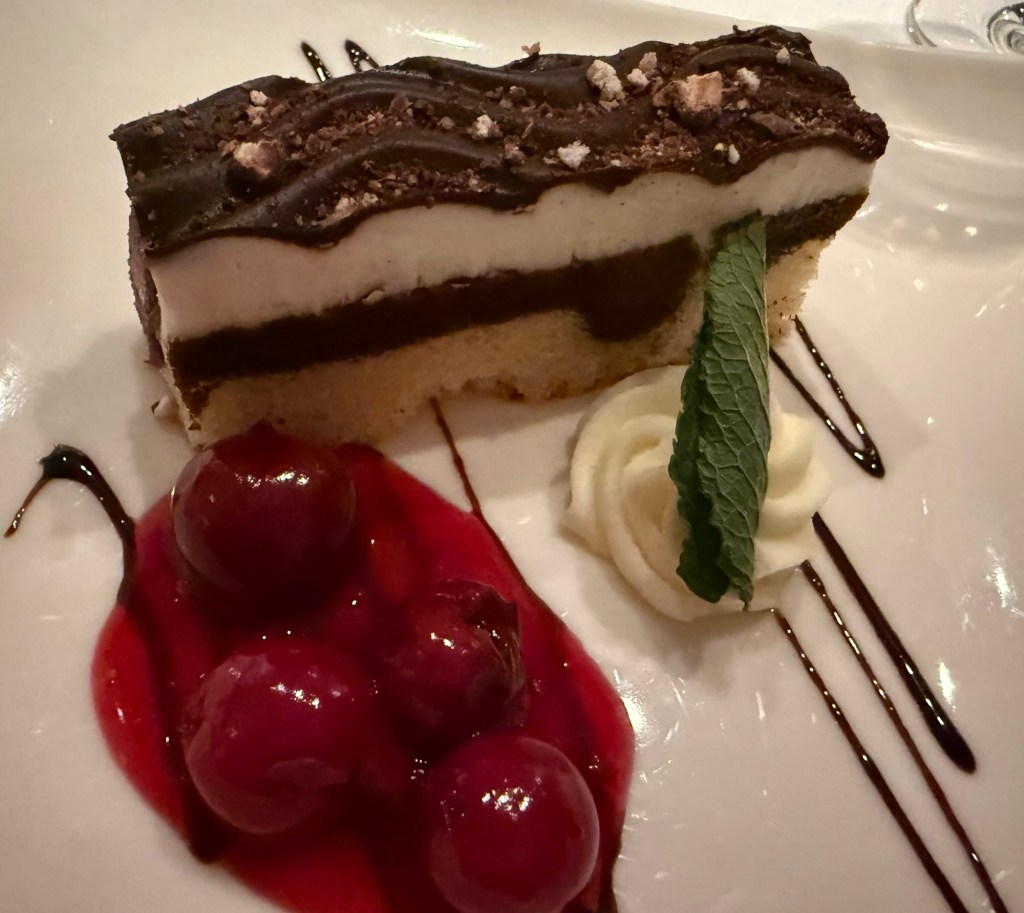
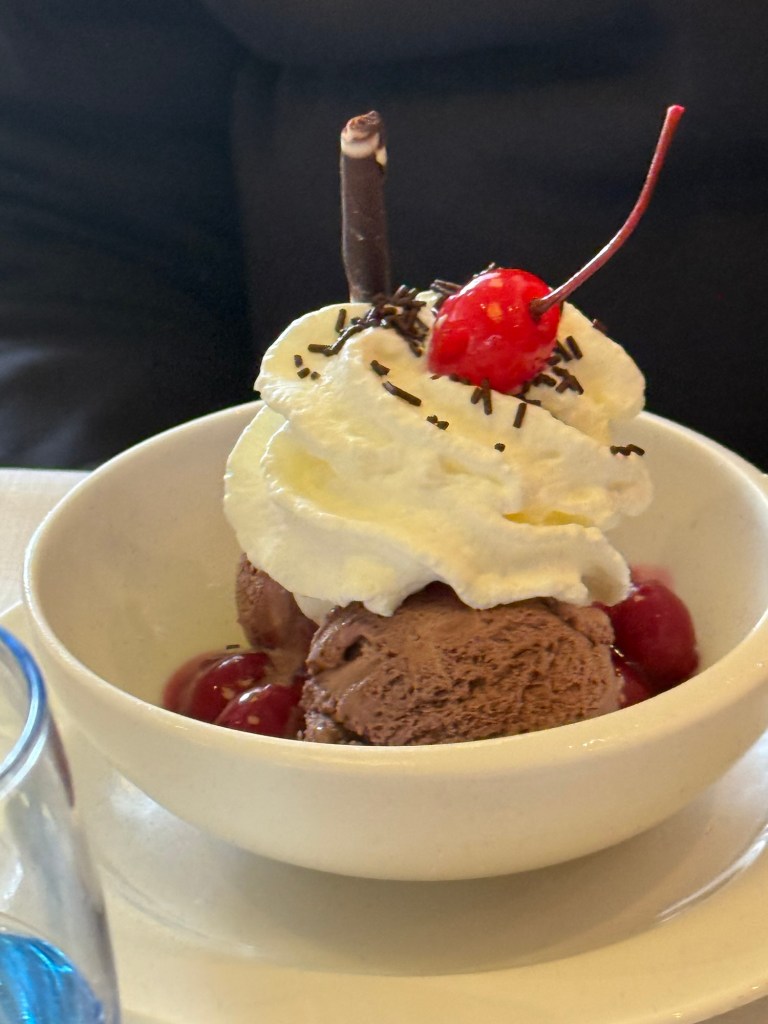
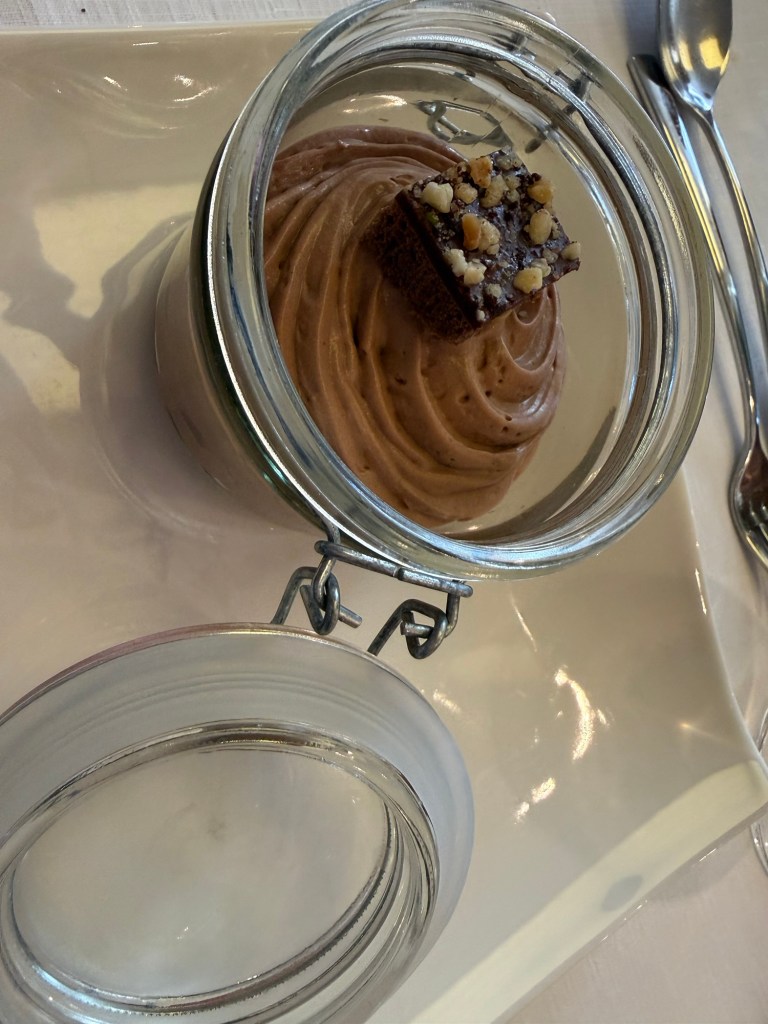
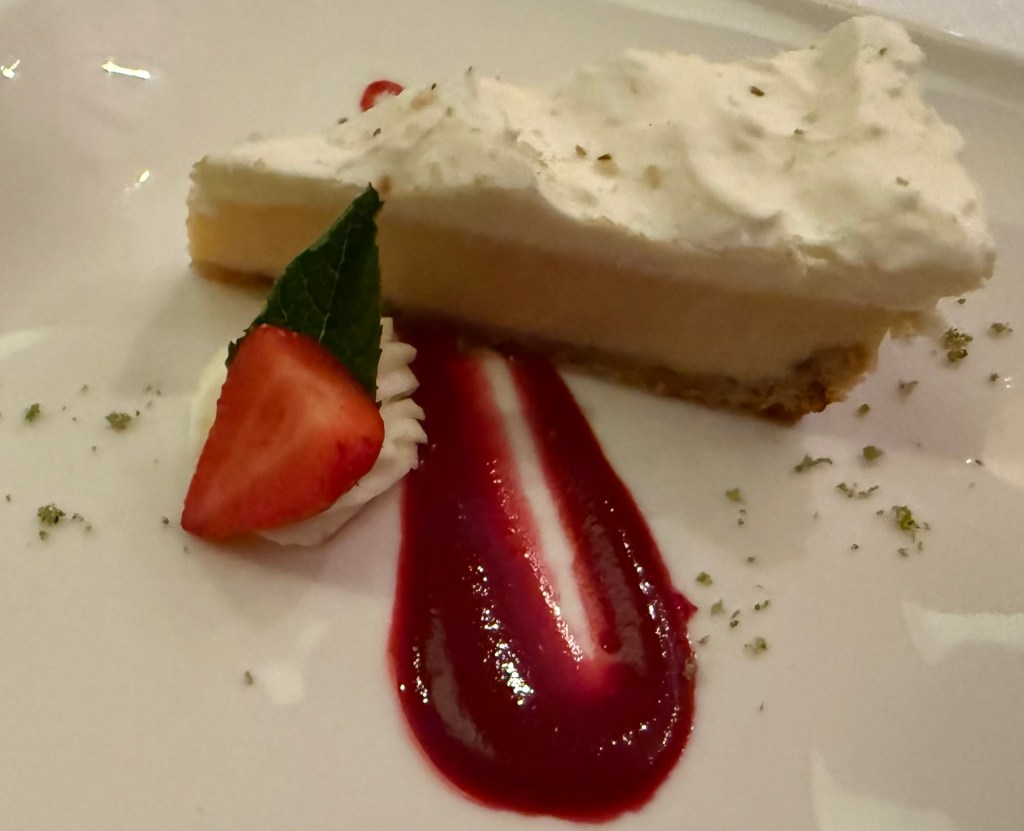
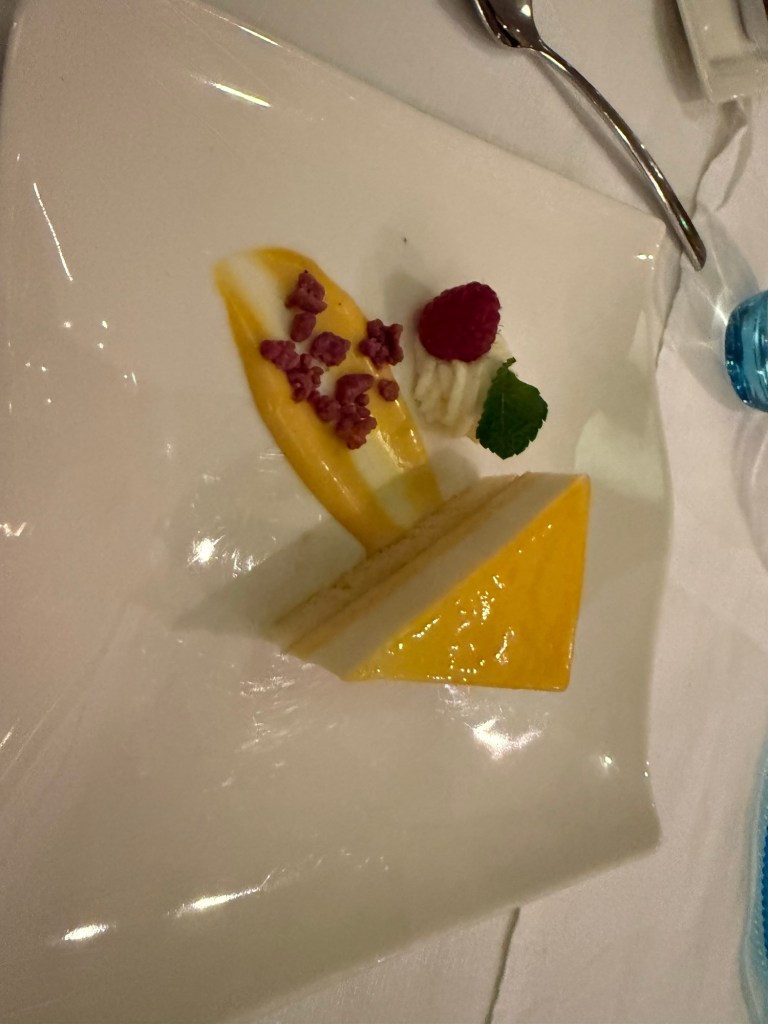
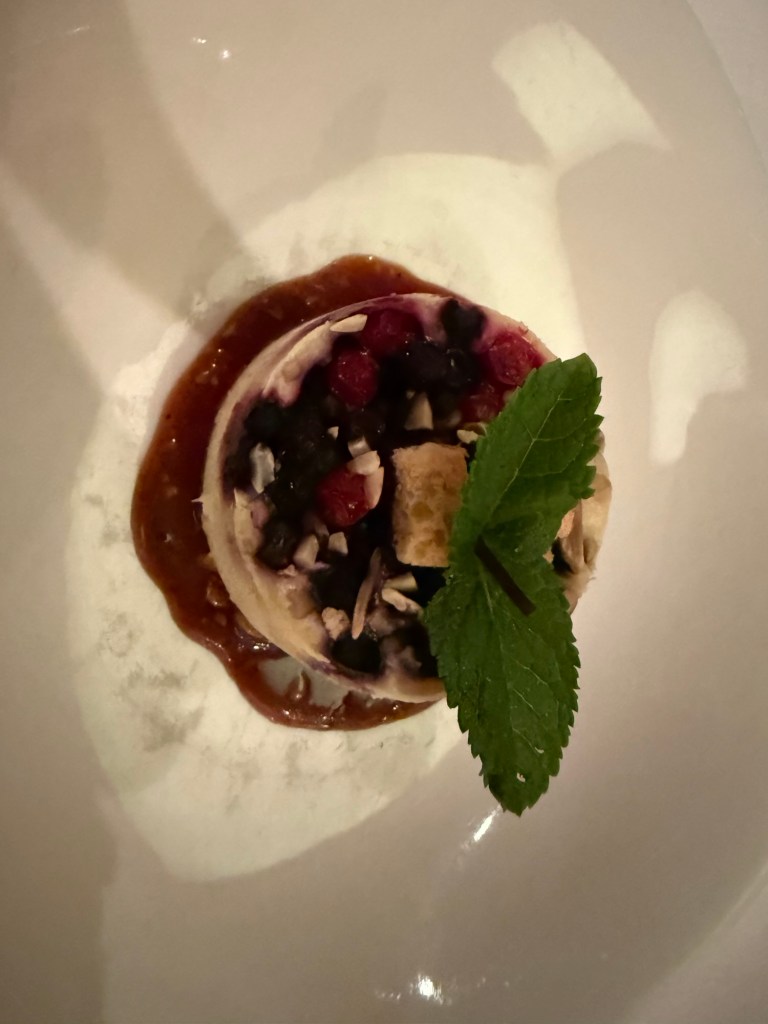
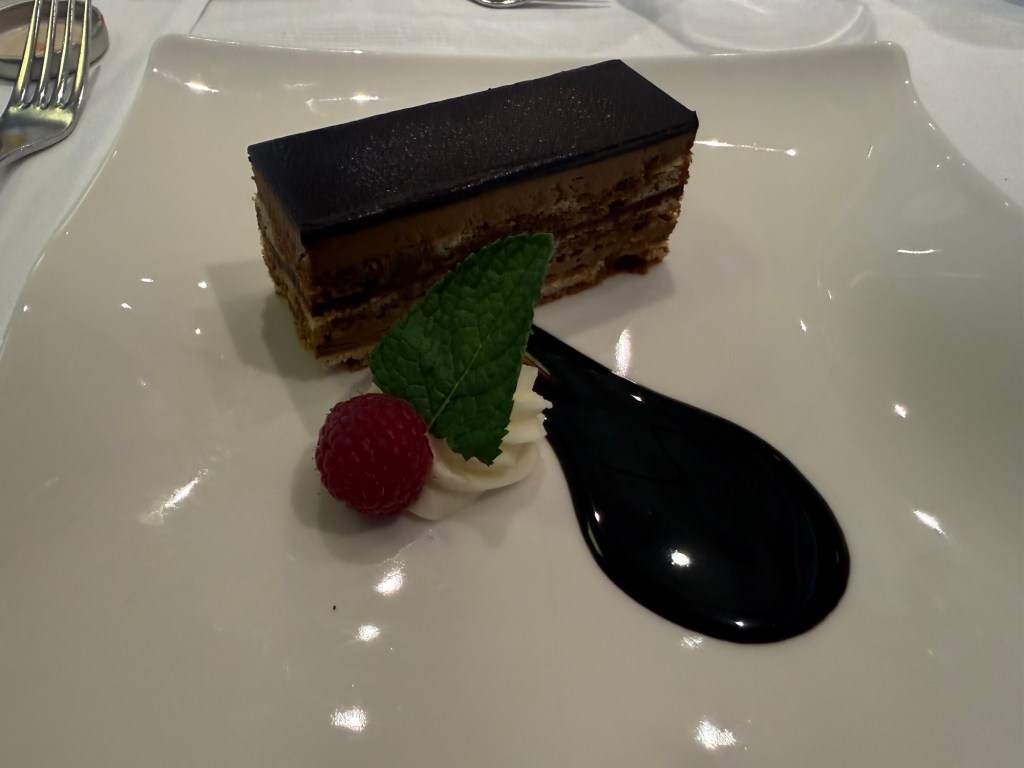
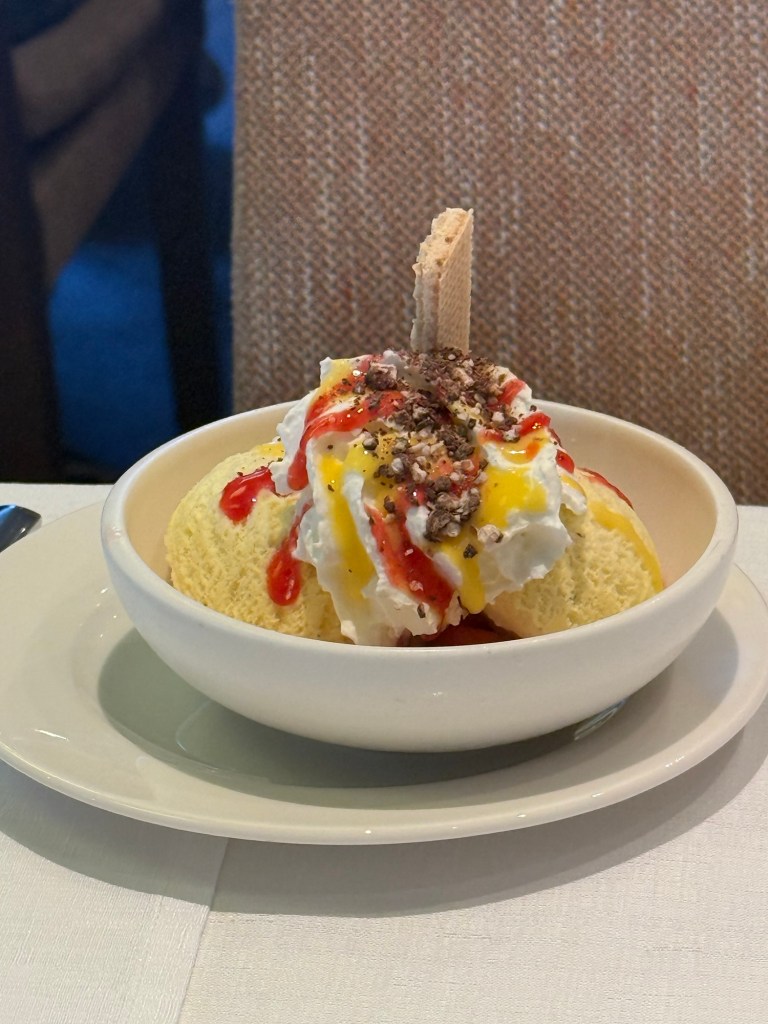
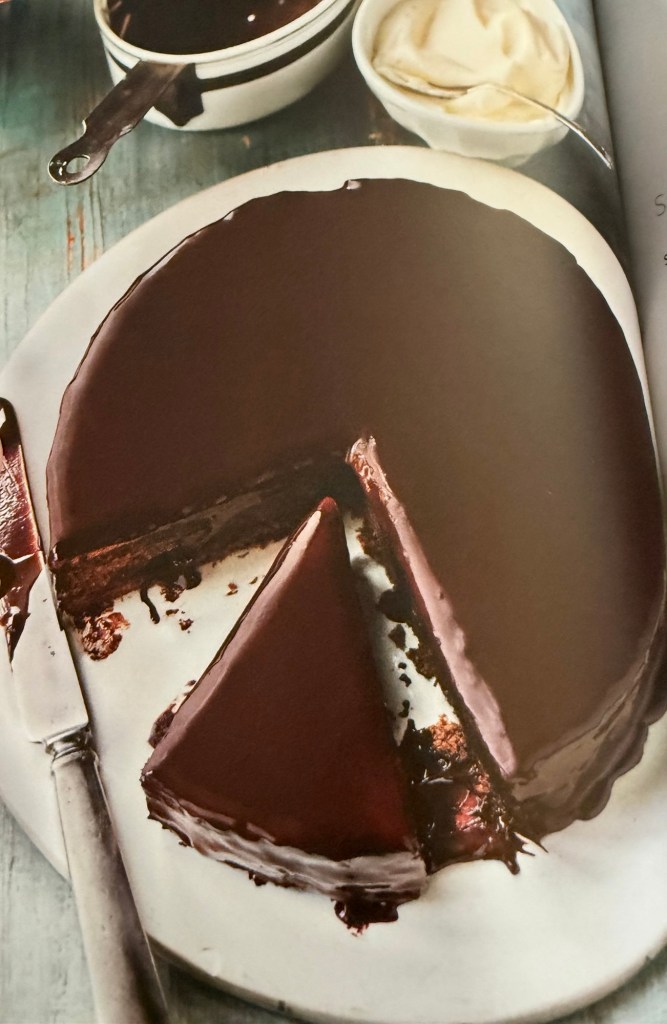
While all of the food was wonderful on the Viking River Cruise, the desserts were legendary. A variety of desserts were offered at both lunch and dinner. Most days, my husband and I opted to pass on desserts at lunch but it was tough because they were really good.
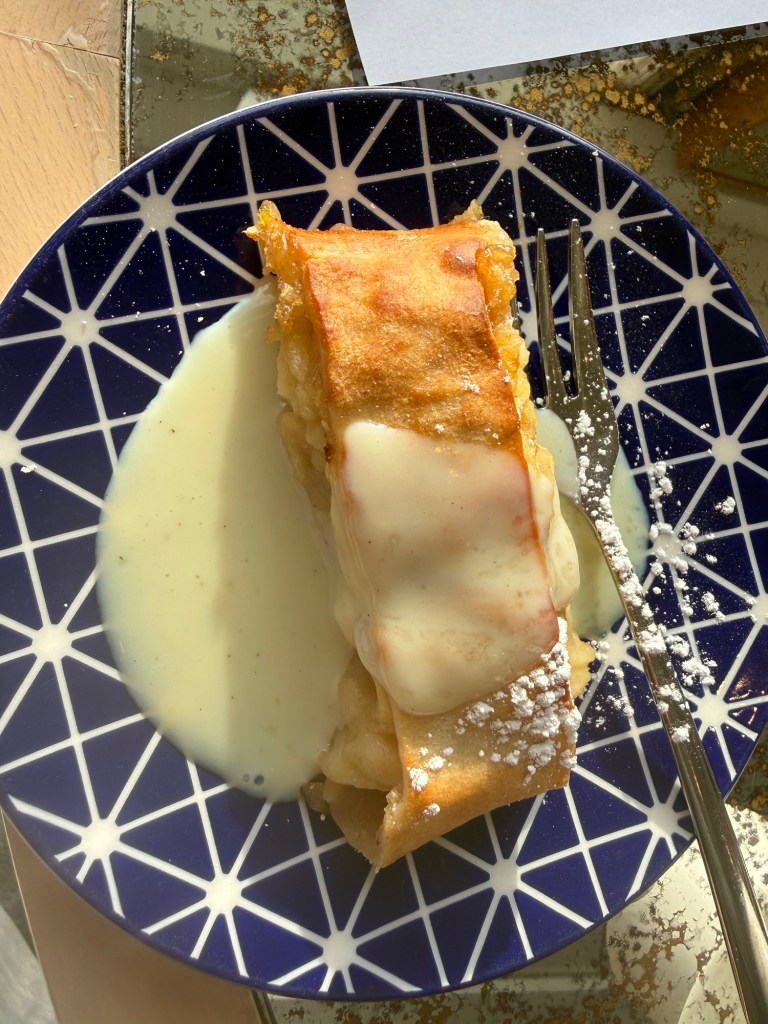
My favorite was the apple strudel that was part of a special afternoon cooking demonstration executed by the ship’s head chef – Chef Chester.
I enjoyed the food so much that I purchased the Viking River Cruise cookbook which is sold onboard the company’s ships for 20 Euros.
Apple Tartan Linzertorte Homemade Peach Melba Ice CreamApricot Tart Apple Strudel Banana Split Lava CakeDonauwelle Black Forest Ice Cream Chocolate Mousse Key Lime PieBrioche Pudding Mango and Coconut Cake Bread Pudding with Berries and Pralines Opera Cake Ice Cream with Vodka-Soaked Strawberries Viking SachertorteViking RecipeViking’s Cookbook Sold Onboard